
Wolf Microwave Repair in NYC
5.0
.avif)
23 Google reviews
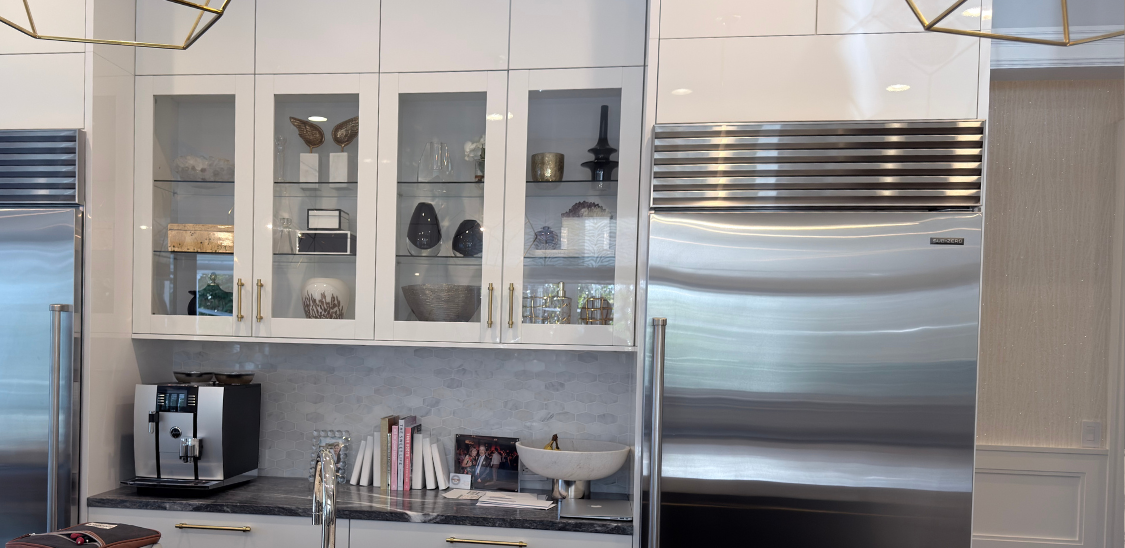
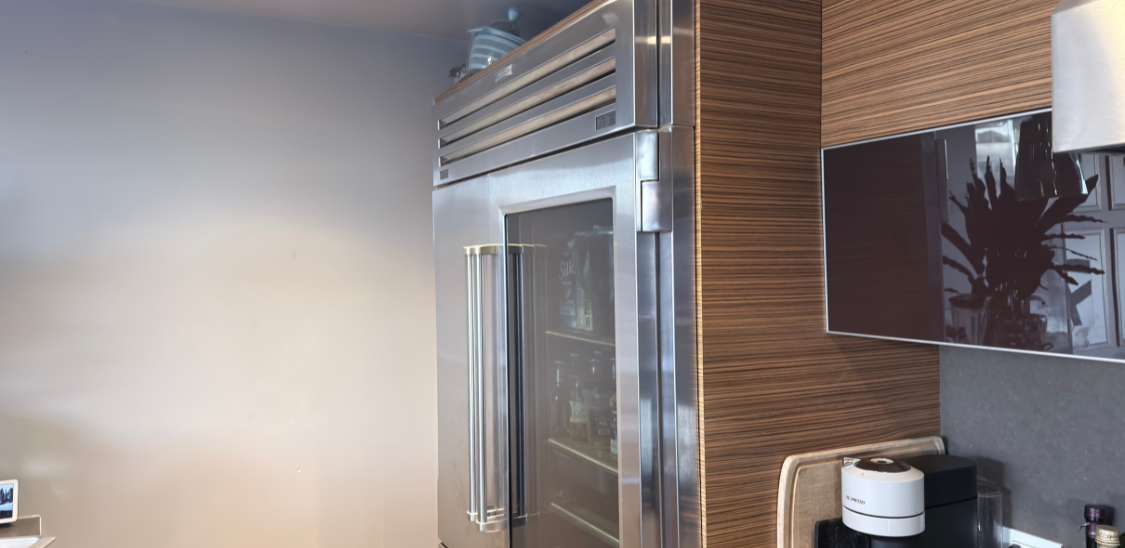
About Volt & Vector — Sub-Zero & Wolf Service in NYC
Volt & Vector Appliance Repair is a focused, high-end service shop built around Sub-Zero refrigeration and Wolf cooking equipment. We’re based in Brooklyn and work where these appliances actually live: Manhattan below 96th Street, core Brooklyn neighborhoods, and select Queens ZIP codes — co-ops, condos, brownstones and new developments.
What we service
We work on the full Sub-Zero and Wolf lineup, including:
- Sub-Zero built-in and integrated refrigerators, columns and PRO units
- Wine storage and undercounter refrigeration
- Ice makers and undercounter ice machines
- Wolf ranges, rangetops, cooktops and wall ovens
All sealed-system refrigeration work is handled by EPA 608–certified techs.
We see and repair the same real-world issues every week:
- Chronic temperature problems and warm spots
- Ice build-up, drainage and defrost issues
- Noisy or failed evaporator and condenser fans
- Control board and sensor faults
- Door and gasket problems, air leaks, sweating
- Ignition issues and oven temperature drift on Wolf ranges
What you get with Volt & Vector
- $99 on-site diagnostic, always credited toward the repair
- OEM parts only, sourced through authorized distributors
- 180-day parts & labor warranty on completed repairs
- Techs who work on Sub-Zero / Wolf every week, not “once in a while”
- Same-day or next-day appointments in our Brooklyn / Manhattan / Queens coverage
- COI available for buildings that require it
Use the guide below to get straight to what you need. Use the tabs to jump between an intro overview, FAQs, safe DIY checks, pro tips, repair-or-replace guidance, error codes, and the most common Sub-Zero/Wolf problems we see in NYC.
Shipping & Repair Timing
Choose how fast we get your OEM part. This affects when we can finish your repair.
All options include our 180-day parts & labor warranty once the part is installed.
Ground (3–5 Business Days)
- Estimated part arrival: 3–5 business days
- Typical repair completion: first available slot after delivery, usually within the same week
- Best for non-urgent problems / secondary appliances
Second Day Air (2 Business Days)
- Estimated part arrival: 2 business days
- Typical repair completion: first available slot after delivery, often within 2–4 business days
- Good balance of speed and cost for most kitchen appliances
Next-Day (1 Business Day)
- Estimated part arrival: next business day (carrier cut-off times apply)
- Typical repair completion: fastest option — we prioritize scheduling for the soonest available slot after the part arrives
- Recommended for no-cool fridges, leaks, or other urgent issues
Warranty note: The shipping method does not change your coverage — every completed repair comes with our 180-day parts & labor warranty.
When your Wolf Microwave encounters issues, the implications can ripple throughout your kitchen. Energy inefficiencies can cause surging bills, while unexpected failures can disrupt your bustling NYC lifestyle, particularly in space-constrained high-rises where every appliance's functionality is critical. Deliveries of replacement units take time, which can feel untenable in your busy routine.
At Volt & Vector, we employ rigorous diagnostic methodologies tailored for Wolf Microwave troubleshooting. Our technicians utilize multimeter testing to evaluate electrical integrity, control board signal tracing to identify operation faults, and sealed system pressure analysis to ensure refrigerants remain compliant. Delivering our services across Brooklyn, select Queens neighborhoods, and Manhattan below 96th Street ensures prompt access to rapid solutions.
Expect a premium, professional service experience with our $99 diagnostic fee (credited to repair) and a robust 180-day parts & labor warranty. Our same-day availability and commitment to using only OEM parts ensure your appliance is restored to factory standards efficiently.
Sub-Zero® and Wolf® are registered trademarks of Sub-Zero Group, Inc. Volt & Vector is an independent repair service and is not affiliated with, sponsored by, or endorsed by Sub-Zero Group, Inc. or its affiliates.
Technical FAQs & Diagnostic Insights
Q: What does error code E03 mean?
A: This indicates a malfunction detected within the microwave's system, often linked to faulty sensors or wiring issues.
Q: I am experiencing a "Not Heating" issue with my Wolf Microwave. What should I do?
A: We're often led to the control board or electrical connections for diagnostics to confirm heating element integrity.
Q: What can you tell me about error code F05?
A: This error suggests problems with the heating elements or circuitry, requiring a thorough electrical check and potential control board replacement.
Q: Why is my Wolf Microwave displaying intermittent temperature issues?
A: Sensors may be drifting, leading to inefficient temperature regulation, suggesting a need for precision checks on thermistor integrity.
Advanced Pre-Service Checks for Homeowners
Conduct breaker load testing to confirm power supply adequacy.
Perform thermistor resistance checks if accessible to confirm functionality.
Assess condenser coil for blockages that may impede efficiency.
Execute door seal vacuum testing to ensure proper closure.
Reset control lock procedures for electronic diagnostics.
Warning: Sealed system work involves hazardous refrigerants and electrical components. Always consult a professional if signs of gas leaks, coolant issues, or persistent electrical faults arise.
Advanced Pro Maintenance Tips
Inspect the Magnetron for any signs of burn marks or discoloration, which can indicate overheating or internal failure. Ensure that the unit is disconnected from power before accessing, and test the magnetron with a multimeter to check for proper continuity and failing resistance values as specified in the OEM manual.
Regularly clean the waveguide cover and the cavity to prevent food residue buildup that can cause improper heating. Use a soft, damp cloth and avoid abrasive materials that can damage the cover; ensure the microwave is turned off and unplugged prior to cleaning to prevent electrical hazards.
Test the Control Board Relay regularly to ensure that it activates the magnetron correctly. Given the older electrical systems often found in pre-war buildings, voltage drops during peak usage times can impact relays; use an oscilloscope to monitor relay activation under load conditions.
In high-rise applications, regularly inspect the inlet water valve for clogs or debris due to NYC's unique water pressure fluctuations. Ensure compliance with OEM specifications for pressure settings, and if you notice a valve closure, apply a specialized cleaner designed for kitchen equipment valves to prevent failure.
Expert Cost-Benefit Analysis: Repair or Replace?
When it comes to Wolf Microwave, the decision to repair is often driven by the age and failure history of specific components such as the compressor and control board. Given the labor costs in NYC, a repair is typically a viable option if the cumulative costs do not exceed 50-70% of a new unit's price. Our technicians are trained to assess these economics accurately and advise accordingly.
Replacement considerations include evaluating energy efficiency returns, the scarcity of OEM parts for discontinued models, and overall cumulative repair expenses against the backdrop of a 70% threshold of replacement cost. Particularly in high-rises in Manhattan, logistical considerations such as delivery and installation can add further costs and wait times to a replacement scenario.
Understanding Wolf Error Codes
Code E03: This code indicates that there is a malfunction detected in the microwave's system.
Possible Causes:
- Faulty internal sensor
- Wiring issue
- Control board malfunction
User Actions:
- Unplug the microwave for a few minutes and then plug it back in to reset it.
- Ensure that the microwave is properly ventilated and not overheating.
- If the issue persists, contact a professional technician.
Code F05: This error code suggests a problem with the microwave's heating elements or circuitry.
Possible Causes:
- Malfunctioning heating element
- Electrical connection issue
- Faulty control board
User Actions:
- Check for any visible damage to the microwave's power cord or plug.
- Reset the microwave by unplugging it for a few minutes.
- If the error continues, consider scheduling a repair service.
Code U01: This code signifies a general malfunction related to the operational hours of the microwave.
Possible Causes:
- Overuse beyond recommended operating hours
- Internal component wear
- Software glitch
User Actions:
- Allow the microwave to cool down if it has been used for an extended period.
- Reset the appliance by unplugging it and waiting a few moments.
- Consult the user manual for any specific instructions regarding this code.
Common Wolf Microwave Problems We Service
Complete cooling loss with compressor lockout
Intermittent temperature cycling due to sensor drift
Faulty control board causing erratic operation
Electrical failure triggering error codes frequently
Heating element malfunction leading to inadequate cooking
Not Heating

Great people to deal with. Called and set up appointment right away. Mark came and fixed the issue right away. Very friendly and respectful. Will use again. Thanks guys.
Excellent experience with Vlad! He came day of to help fix a laundry machine issue. He was on time, a clear communicator about the issue and fixed it with ease. He came back the following day (at no charge!) when I reached out with further information about how the machine was working to confirm everything was working properly/as intended. Excellent service and will absolutely be working with them again when we have future needs. Can’t recommend enough!
Vlad has been an incredible asset. In the few months we've known him, he's already fixed a dryer, two washing machines, and an oven! He's always very upfront with the repairs needed and the associated costs with fixing an appliance. I wouldn't hesitate at all to hire him for any future appliances in need of repair
I split my time between Italy and NYC and manage several Airbnb units. Scheduling used to take too much energy around guest check-ins and turnovers. With Volt & Vector Appliance Repair, the routine became predictable: clear 2-hour windows (9–11am or 12–2pm), a text with ETA, written pricing (diagnostic credited), before/after photos, and a short summary after each visit. Over ~30 repairs in two years: washers, dryers, dishwashers, ranges, a refrigerator seal. They’ve kept me informed and moved quickly on parts (usually 24–48 hours when ordered). Access and lockboxes are handled without drama, work areas are left clean, and my reviews stayed steady. Hosting from abroad is easier when maintenance is this consistent. Strong recommend for Brooklyn and Manhattan hosts.