
Sub-Zero Appliance Repair in NYC — Fast, Transparent, Guaranteed
.avif)
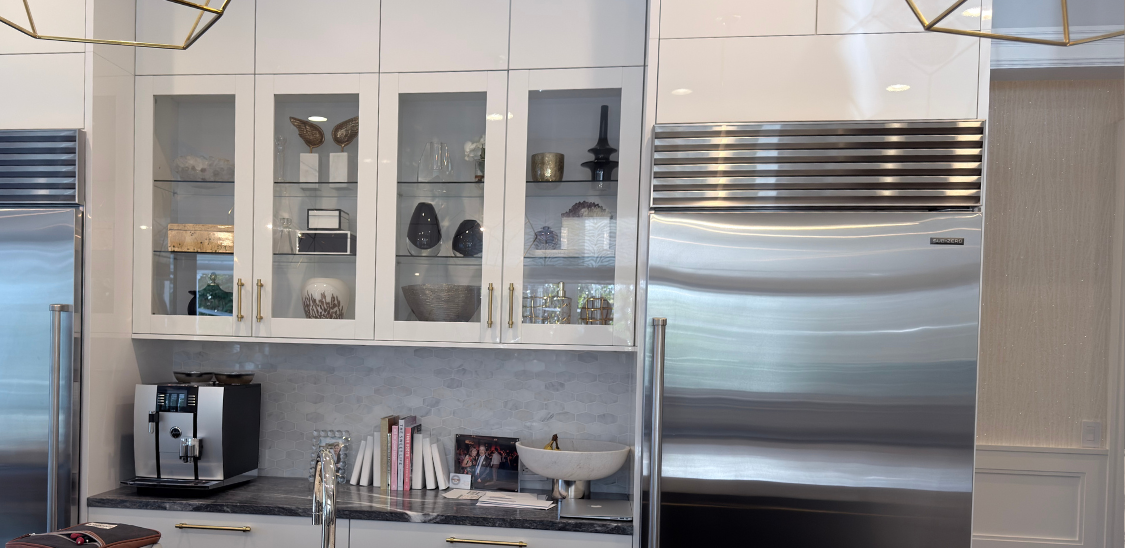
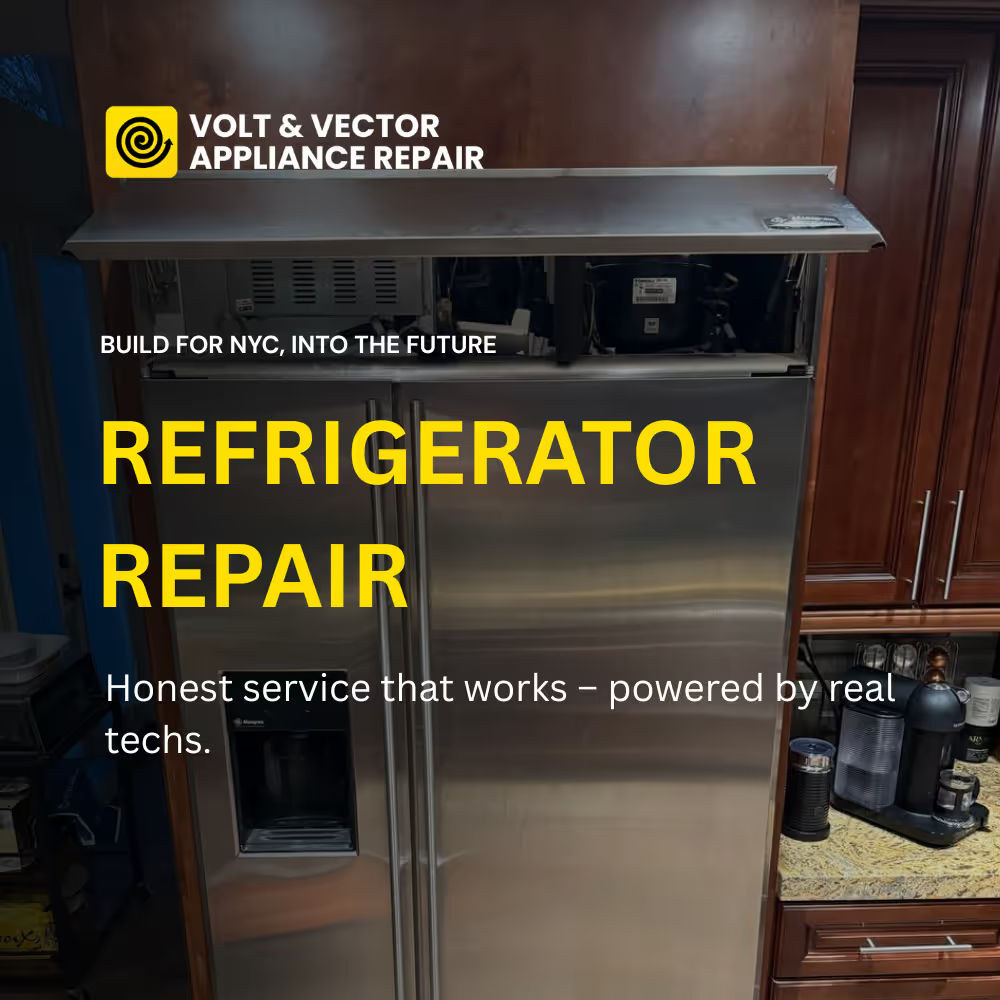
Sub-Zero Appliance Repair Services
Volt & Vector Appliance Repair
.png)
24 Google reviews
Volt & Vector repairs Sub-Zero built-in refrigeration in NYC—Classic-style units, integrated columns, undercounter, and ice makers. We address airflow, sensors, defrost, and sealed-system cooling issues in tight cabinetry. $99 diagnostic credited, OEM parts only, 180-day warranty. Brooklyn/Manhattan/Queens.
Local techs
+1 (332) 333-1709


.png)
.png)


1. Schedule your visit
2. On-site diagnostic
3. Approve & repair
4. Done & covered
COI (Certificate of Insurance)
Available on request - usually not required in Brooklyn, but often asked for in Manhattan buildings and co-ops. Please remember that certain issues can come from incorrect use or installation, not from parts failure - our technicians will always point that out and show how to prevent it in the future.
Warranty & Compliance
Every repair is covered by a 180-day warranty on both parts and labor. If the appliance is older, keep in mind that some surrounding components can wear out over time — sometimes one repair leads to another part showing its age. We always explain options clearly before doing extra work.
Safety & Courtesy Protocol
We treat every visit like we’re guests in your home. Technicians wear shoe covers or remove footwear when entering, and we always clean up after the job. If you notice a little dust or debris left behind - our apologies - each tech handles 3-5 appointments per day and works to stay on schedule. If your window was 11-1, the technician usually arrives closer to 11; if running late, we’ll text you right away. Our goal is simple: work clean, stay safe, and respect your space and time.
Coverage
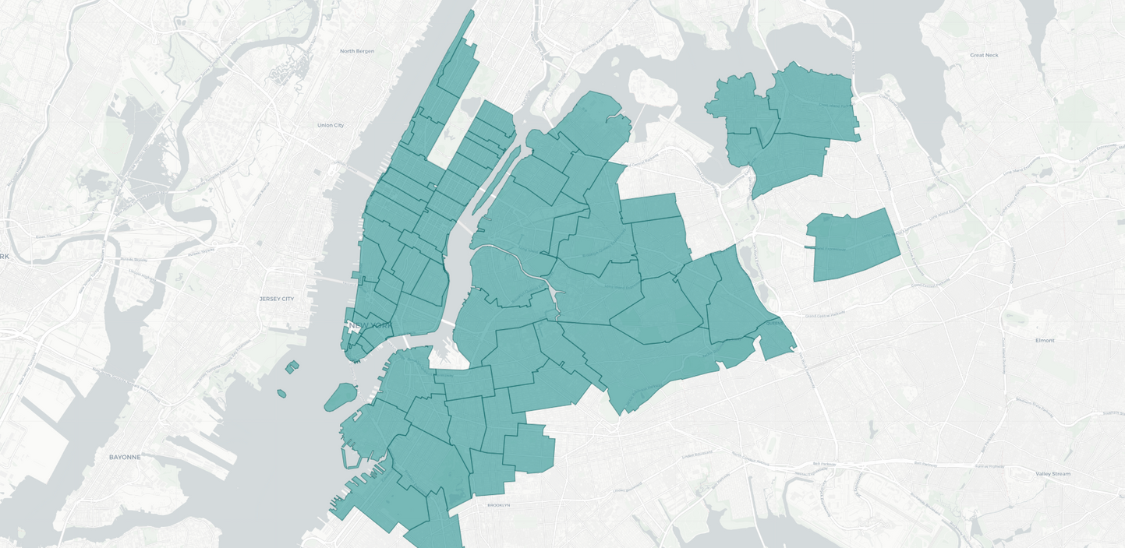
We cover Brooklyn—Downtown, Brooklyn Heights, Park Slope, Williamsburg, Greenpoint, Bed-Stuy, Carroll Gardens, Prospect Heights, and Flatbush—and Manhattan (below 96th Street)-FiDi, Battery Park, Tribeca, SoHo, Chelsea, Midtown, UES, UWS, Gramercy, and the Village. You’ll receive a text alert ~30 minutes before arrival.
Why Volt & Vector
We’ve spent years working inside large NYC repair companies - seeing how real technicians get buried under rushed schedules, fake “same-day” promises, and endless call-center noise. Volt & Vector grew out of that frustration. We wanted a place where diagnostics still matter, where techs can take time to do the job right and talk to people directly. We’re not calling ourselves perfect - far from it - but we’re building the kind of service we always wanted to work for: respectful, transparent, and run by people who actually fix things.
Pricing & Diagnostic Policy
Our diagnostic visit is always billed at the first appointment - that’s the starting point for every repair. After the visit, the technician sends full details to our service desk. Sometimes the tech can give a price range on-site, but we’re moving away from instant quotes - parts pricing changes like crypto these days, and we’d rather stay accurate than promise the wrong number.
Simple issues - like a clogged drain, loose wire, or minor reset - can often be fixed on the spot starting from $99. If a full repair with parts is needed, total cost varies by brand and model - just like in any NYC company, it can start around $320 and go up depending on parts and labor. We believe in clarity over surprises. You’ll always see the diagnostic results and estimate before any repair begins.
Need help from our experts?
+1 (332) 333-1709
9:00 AM - 6:00 PM
Our service manager handles all calls personally. For short questions, text works best.
Google Business Profile
See live reviews, photos, and recent jobs. Booked with us? Please leave a review, thank you!
180-Days Warranty
Every completed repair includes a 180-day parts & labor warranty. OEM parts only. Warranty service is prioritized.
Local Service
Built by real NYC technicians - not marketers.
Volt & Vector is where clean design meets certified service.
Sub-Zero Appliance Repair Services
Sub-Zero built-ins and integrated columns are engineered to tight tolerances, and small failures (airflow, defrost, sensors, water system, or controls) can show up fast as warming temps, frost, leaks, or no ice. Volt & Vector diagnoses Sub-Zero the way it should be done in NYC kitchens: we verify actual cabinet temperatures (not just the display), confirm airflow and fan operation, check defrost/drain performance, validate sensors and boards, and only then recommend parts and repairs.
Quick Facts
- $99 diagnostic fee (credited toward the repair if you proceed)
- 180-day parts & labor warranty on completed repairs
- OEM parts only (no aftermarket boards or “universal” substitutes)
- Licensed & insured (COI available for co-ops/condos and building management)
- Same-day / next-day availability in many cases (schedule-dependent)
- Arrival windows: 9–11 / 11–1 / 1–3 / 3–5
Service Area (NYC)
- Brooklyn: Prospect Heights, Clinton Hill, Boerum Hill, Park Slope, Carroll Gardens, Cobble Hill, Kensington, Bushwick (West), Greenwood Heights, Prospect Lefferts Gardens, Windsor Terrace, Bedford–Stuyvesant, Crown Heights, Fort Greene, Brooklyn Heights, DUMBO, Greenpoint
- Queens: Middle Village, Rego Park, Forest Hills, Fresh Meadows, Whitestone, North/Broadway Flushing, College Point
- Manhattan: Below 96th Street (ZIP-based coverage)
Common Sub-Zero Problems We Service
Sub-Zero refrigeration is built to run for years, but when performance drifts it usually shows up in repeatable patterns: temperature instability, abnormal frost, water where it shouldn’t be, or an ice maker that becomes inconsistent. Because cooling, defrost, airflow, and the water system are tightly linked, the same symptom can have multiple root causes. Our job is to identify the failure mode that actually explains what your unit is doing—not to guess and swap parts.
Cooling Problems and Temperature Swings
What you notice: fresh food running warm, freezer softening, food freezing in the fridge, or a unit that can’t hold setpoint.
What it commonly points to:
- Heat rejection problems (restricted condenser airflow, dirty coils, failing condenser fan) causing long run times and unstable temps
- Air distribution failures (evaporator fan issues, damper problems, airflow restriction from frost or blocked vents) creating warm pockets
- Defrost-related faults that reduce airflow and cooling capacity over days to weeks
- Sensor drift or intermittent control feedback that makes the system “hunt” and cycle at the wrong times
- Sealed-system capacity loss (less common, higher impact) where cooling output is no longer sufficient
Experience note: A classic scenario is “the display says fine, but the food says otherwise.” That’s why diagnosis has to be based on real temperature behavior and system operation—not only the setpoint.
Excess Frost, Ice Buildup, and Restricted Airflow
What you notice: heavy frost on the back panel, snow-like buildup, drawers sticking, reduced airflow, or a change in noise.
Most frequent causes:
- Defrost system not completing properly (heater, termination logic, sensing issues)
- Door gasket/seal problems allowing warm, humid air to enter
- Drain path issues that refreeze and trigger recurring ice formation
- Airflow imbalance from blocked return paths or ice accumulation that changes circulation
Frost problems often start as a “minor annoyance” and eventually become a cooling complaint once airflow is restricted.
Water Leaks, Pooling, and Moisture in the Wrong Places
What you notice: water under crispers, droplets on shelves, ice under the freezer bin, or water on the floor near the unit.
Typical causes:
- Defrost drain obstruction or freeze-up (common for water inside the unit)
- Water filter head/housing issues (cracks, seal wear, poor filter seating)
- Inlet valve issues that overfeed or weep (sometimes seen as ice buildup near the fill area)
- Tubing/connection leaks that occur only during fill cycles (hard to catch without targeted testing)
Leaks are often misdiagnosed because water can travel along liners, insulation, or tubing routes and show up far from the source.
Ice Maker Problems
What you notice: no ice, slow production, hollow/small cubes, clumping, or water dripping in the freezer.
Common drivers:
- Water supply restrictions (filter issues, low supply, kinked lines) reducing fill volume
- Fill valve problems (inconsistent opening/closing or unstable fill timing)
- Freezer temperature performance slightly out of spec—enough to affect harvest cycles and cube quality
- Ice maker/module wear that shows up as intermittent operation
Ice issues are often an early warning that overall system performance is drifting.
Unusual or Loud Noises
Sub-Zero units make normal operational sounds (steady hum, occasional clicking, brief fan ramping).
Noise that deserves attention: grinding, persistent buzzing, rattling, or a new “whirring” that wasn’t there before. These patterns often correlate with:
- Fan motor wear (evaporator or condenser side)
- Vibration transfer from panels, mounts, toe-kick/grille components, or tight installs
- Extended run behavior making normal sounds happen far more often than they should
Constant Running, Erratic Cycling, and Performance Drift
What you notice: the unit runs “all day,” short-cycles, or never seems to stabilize.
This can be caused by elevated heat load, restricted airflow, sensor/control feedback issues, or reduced system capacity. The key is matching cycling behavior to what the system is physically doing—because run time is a symptom, not a diagnosis.
Door Sealing Issues and “Door Ajar” Behavior
What you notice: door popping open, hard-to-open doors, condensation near the frame, or recurring “ajar” alerts.
Common contributors include gasket condition, alignment, hinge behavior, and pressure equalization. In tight NYC installs, panel alignment and cabinet fit can also affect sealing—especially on integrated columns.
Error Codes and Control Alerts
Some Sub-Zero generations display diagnostic codes related to defrost performance, sensor readings, or compressor run behavior. Codes are useful, but only when interpreted alongside the actual operating conditions. The goal is to confirm what the system is doing in real time—not to treat the code itself as “the part to replace.”
Real Case Logs (NYC Kitchens)
- Fridge warm / freezer OK — Airflow restriction developed gradually; restoring correct airflow stabilized temperatures.
- Ice maker leaking intermittently — Leak occurred only during fill; isolating the fill event identified the source and stopped the drip.
- Frost behind rear panel + new noise — Defrost-related failure mode; correcting it eliminated recurring frost and noise changes.
- Runs constantly after a hot weekend — Heat rejection and airflow constraints drove run time up; addressing the constraint returned normal cycling.
Sub-Zero FAQ (NYC) — Questions & Answers
What temperature should I set my Sub-Zero refrigerator and freezer to?
For most homes, the best starting point is 38°F (3°C) for the refrigerator and 0°F (-18°C) for the freezer. Those settings typically deliver stable food temps and reliable ice production. If you’re seeing warm spots, freezing in the fresh-food section, or inconsistent ice, the issue is usually airflow/defrost/sensor related—not the setpoint alone.
How often should I clean the Sub-Zero condenser, and why does it matter?
Plan on cleaning the condenser every 3–6 months. A dirty condenser reduces heat rejection, which increases run time, stresses components, and can trigger performance warnings or “runs constantly” complaints. In NYC kitchens (tight clearances, dust, pet hair), this maintenance step is one of the highest-impact things you can do.
What does the “Service” or “Vacuum Condenser” light mean?
Most often it means the condenser needs attention—either the coil is dirty or the unit logged extended run time. Start by cleaning the condenser and confirming the grille/airflow path is clear. If the light returns or you have temperature problems, it usually indicates an underlying issue (fan, defrost, sensor, or control behavior) that needs diagnosis.
My Sub-Zero isn’t making ice. What should I check first?
Before assuming a part is bad, check the basics:
- Confirm the water supply is ON
- Make sure the ice arm is down (if your model uses a shutoff arm)
- Verify the ice bin/bucket is seated correctly
If those are correct and ice production is still slow, small, hollow, or intermittent, the next suspects are water flow restriction, fill valve behavior, or freezer temperature performance.
How long do Sub-Zero refrigerators typically last?
Sub-Zero units are engineered for longevity and often run 20+ years, with many reaching 25–30 years with good maintenance and proper installation. Longevity depends heavily on condenser cleanliness, ventilation, and how hard the unit has to work in a given installation.
Do Sub-Zero (and Wolf/Cove) appliances need a dedicated electrical circuit?
Yes. Sub-Zero, Wolf, and Cove units should be on a dedicated circuit to avoid nuisance trips, erratic behavior, and control faults caused by shared loads. This is especially relevant in NYC apartments where circuits are often heavily loaded.
Are there installation rules that affect cooling performance?
Yes—installation matters. Sub-Zero units rely on correct ventilation and clearances, and placement near heat sources can degrade performance. If a unit is installed too close to a range/oven, in a tight enclosure without airflow, or with blocked grilles, you can see long run times, temperature instability, and recurring alerts.
What is “dual refrigeration,” and why does it matter?
Sub-Zero’s dual refrigeration design separates cooling between the refrigerator and freezer zones to help maintain more precise temperatures and better humidity control. In practice, that helps with food freshness and reduces odor transfer between compartments.
What does Sub-Zero air purification do?
Many models include air purification designed to reduce odors and help manage ethylene gas (released by some fruits/vegetables). The goal is to support longer food freshness, but it still depends on stable temperatures, good airflow, and clean filters where applicable.
Can I monitor my Sub-Zero remotely?
Some connected models support remote monitoring and control via the Sub-Zero owner/app ecosystem (features vary by model generation). Remote alerts can be useful for catching a “door ajar” or temperature event early, but they don’t replace proper diagnosis when performance drifts.
Where do I find my Sub-Zero model and serial number?
Common locations include:
- Inside the door frame (refrigerator side on many units)
- On some 700 series, inside the unit near the top drawer area/ceiling
If you send a clear photo of the model/serial tag, it speeds up parts identification and platform-specific troubleshooting.
Where can I find official guides and support for my exact model?
Create or log into an owner account on the Sub-Zero/Wolf site to access model-specific manuals, support resources, and accessories. It’s also the best place to confirm what filters your unit uses and the recommended replacement schedule for your exact platform.
If you want, paste your Webflow section layout (the div structure/classes you’re using), and I’ll format this FAQ to match your existing “grey card + blue left accent” style without adding any extra marketing copy.
Repair vs Replace a Sub-Zero — the real call
Sub-Zero is usually worth repairing because the cabinet, insulation, and core build quality are designed for long service life. The decision comes down to failure type, total cost of the fix, and whether the unit is structurally sound.
Repair makes sense when
- Single-system fault: fan motor, defrost failure, thermistor/sensor, damper/airflow issue, water valve, filter head, icemaker mechanism.
- Control-side issue: board/supply/communication fault that tests bad and is replaceable.
- Maintenance-driven drift: dirty condenser, blocked airflow path, door not sealing correctly, drain freeze-ups.
- Sealed system has a clear, repairable root cause and the cabinet/evaporator area is not rotted out (this is model-dependent).
Replace makes sense when
- Cabinet/liner damage: warped liner, broken internal structure, insulation saturation from long-term leaks, doors that can’t align due to cabinet issues.
- Recurring sealed-system failure: multiple major refrigeration repairs within a short window (compressor + leak + evap issues stacking).
- Parts are no longer available (or lead times are unacceptable) for the critical components you need.
- Systemic corrosion/leak history in the same area that keeps coming back.
- Total repair cost approaches replacement value and the risk of a second major failure is high (especially if several aging components are near end-of-life).
“Real” examples (what the decision looks like in practice)
- Warm fridge / freezer OK → often repair (airflow/defrost/damper/sensor), because the refrigeration system may still be healthy.
- No ice + temp borderline → usually repair (water supply restriction, valve, icemaker, or freezer performance correction).
- Runs constantly + high-temp alarms → can be repair if it’s airflow/heat rejection/fan/defrost; replace starts to make sense if testing confirms major sealed-system loss and the unit has other age-related failures.
- Leak inside + ice under drawers → usually repair (drain path/defrost management/tubing), unless the cabinet/insulation has been compromised over time.
Sub-Zero integrates high-end electronics with mechanics. Refrigerators use inverter compressors and thermistors, ovens use igniters and relays, washers employ pressure switches, and dryers depend on heaters and fuses.
Call a pro for Sub-Zero service when you see any of these:
- Fridge or freezer is warm (food safety risk), or temps won’t hold setpoint for more than a few hours
- Unit not cooling at all, or compressor/fans stop unexpectedly
- Repeated error codes (ECxx) that return after a basic reset/coil cleaning
- Water on the floor or recurring internal leaks (especially around freezer/ice maker area)
- Heavy frost buildup behind panels or drawers sticking (defrost/airflow failure)
- Ice maker leaking, overfilling, or no ice after basic checks (water supply on, bin seated, arm down)
- New loud noises (grinding, banging, constant buzzing) that weren’t present before
- Runs constantly for long periods or cycles erratically (possible airflow, fan, sensor, or capacity issue)
- Burning smell, scorch marks, or breaker trips (stop using and get service)
- Any sealed-system signs (oil residue, persistent warm temps with long run time, or repeated high-temp alarms)
Need help from our experts?
+1 (332) 333-1709
9:00 AM - 6:00 PM
Our service manager handles all calls personally. For short questions, text works best.
Google Business Profile
See live reviews, photos, and recent jobs. Booked with us? Please leave a review, thank you!
180-Days Warranty
Every completed repair includes a 180-day parts & labor warranty. OEM parts only. Warranty service is prioritized.
Local Service
Built by real NYC technicians - not marketers.
Volt & Vector is where clean design meets certified service.
Services



.png)
.png)
.png)
.png)
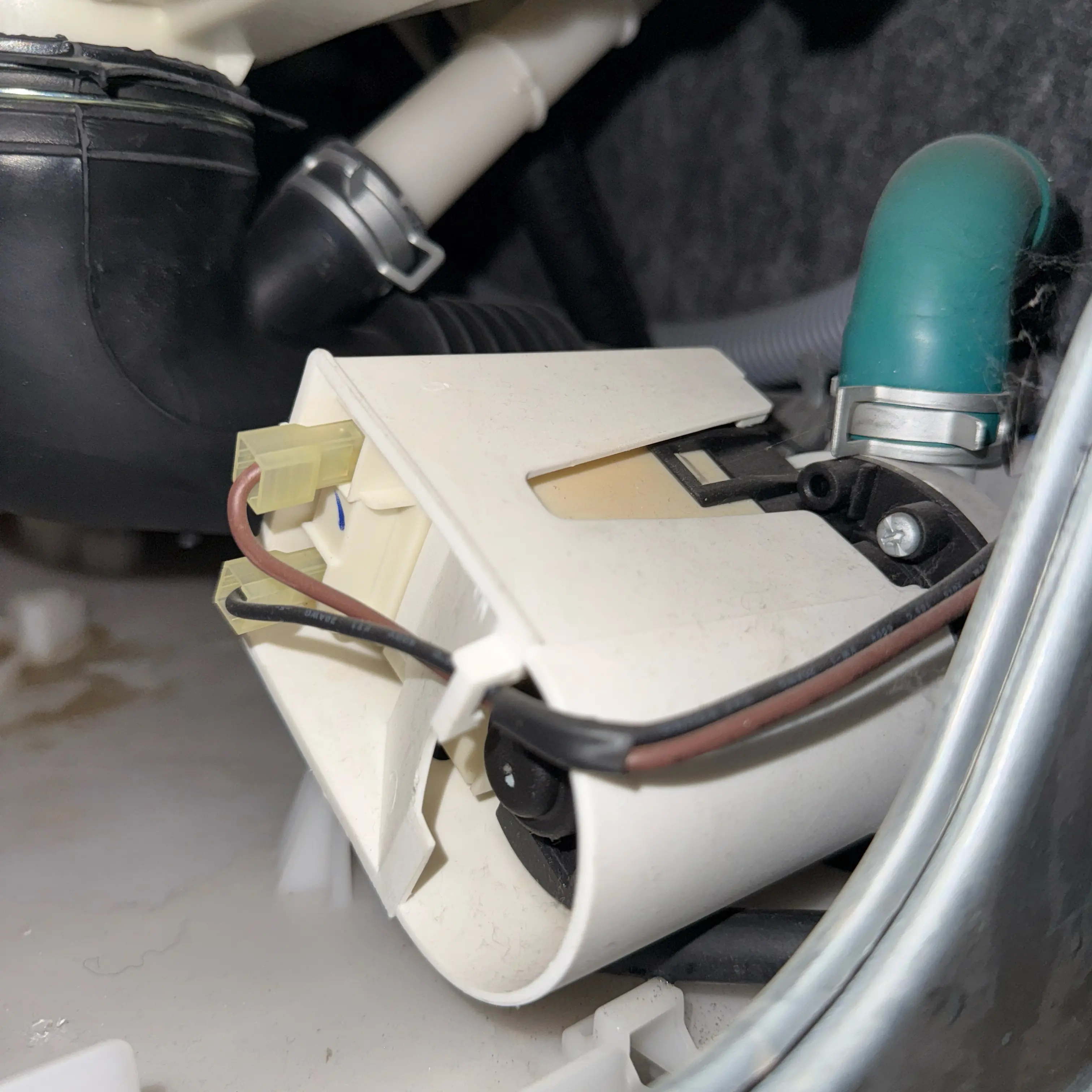
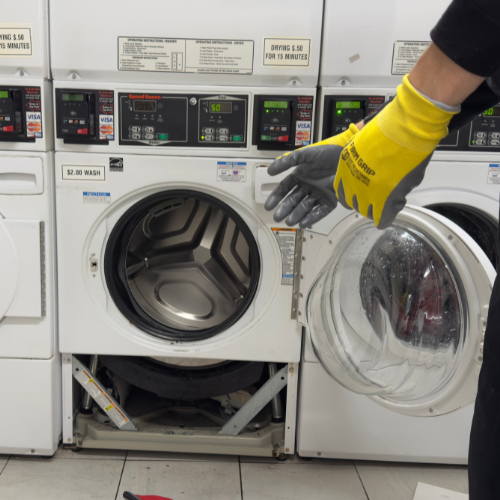
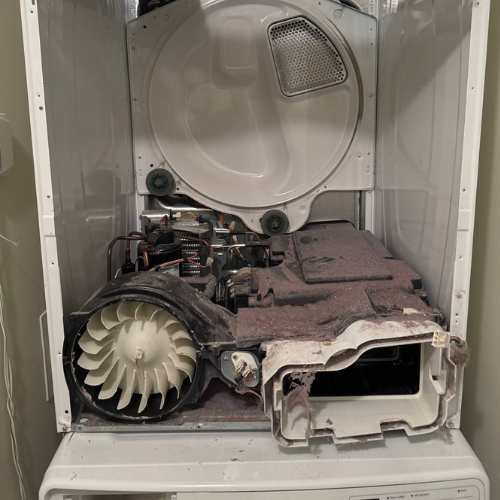
See the full catalog of our services—organized by brand and by appliance—right here.
Need help from our experts?
+1 (332) 333-1709
9:00 AM - 6:00 PM
Our service manager handles all calls personally. For short questions, text works best.
Google Business Profile
See live reviews, photos, and recent jobs. Booked with us? Please leave a review, thank you!
180-Days Warranty
Every completed repair includes a 180-day parts & labor warranty. OEM parts only. Warranty service is prioritized.
Local Service
Built by real NYC technicians - not marketers.
Volt & Vector is where clean design meets certified service.








Google Reviews
Great people to deal with. Called and set up appointment right away. Mark came and fixed the issue right away. Very friendly and respectful. Will use again. Thanks guys.
Excellent experience with Vlad! He came day of to help fix a laundry machine issue. He was on time, a clear communicator about the issue and fixed it with ease. He came back the following day (at no charge!) when I reached out with further information about how the machine was working to confirm everything was working properly/as intended. Excellent service and will absolutely be working with them again when we have future needs. Can’t recommend enough!
Vlad has been an incredible asset. In the few months we've known him, he's already fixed a dryer, two washing machines, and an oven! He's always very upfront with the repairs needed and the associated costs with fixing an appliance. I wouldn't hesitate at all to hire him for any future appliances in need of repair
I split my time between Italy and NYC and manage several Airbnb units. Scheduling used to take too much energy around guest check-ins and turnovers. With Volt & Vector Appliance Repair, the routine became predictable: clear 2-hour windows (9–11am or 12–2pm), a text with ETA, written pricing (diagnostic credited), before/after photos, and a short summary after each visit. Over ~30 repairs in two years: washers, dryers, dishwashers, ranges, a refrigerator seal. They’ve kept me informed and moved quickly on parts (usually 24–48 hours when ordered). Access and lockboxes are handled without drama, work areas are left clean, and my reviews stayed steady. Hosting from abroad is easier when maintenance is this consistent. Strong recommend for Brooklyn and Manhattan hosts.