
Wolf Stove Repair in NYC — Fast, Transparent, Guaranteed | Volt & Vector
.avif)

Wolf Stove Repair in NYC
Volt & Vector Appliance Repair
.png)
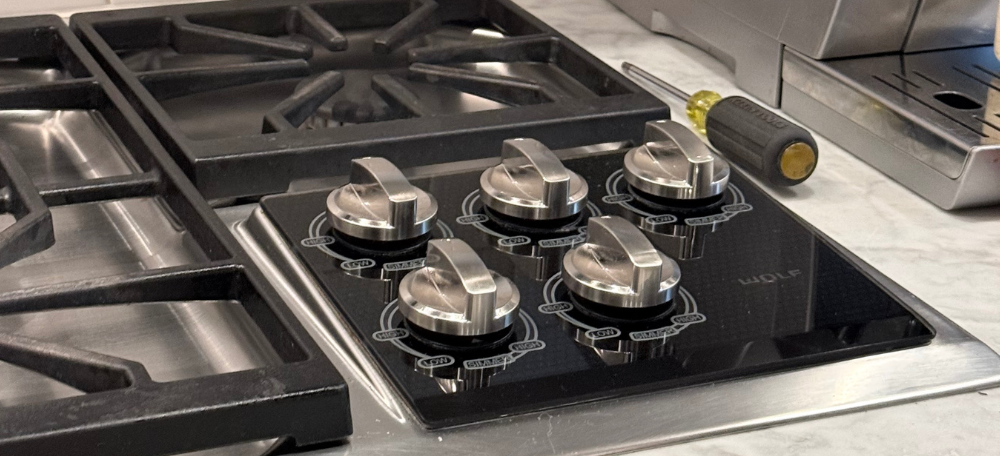
Wolf stove giving you trouble in NYC? Volt & Vector provides repair-only service for Wolf gas and electric ranges, including high-BTU burner ignition problems, dual-fuel bake issues, and sensor faults. We start with real diagnostics: verify incoming voltage or gas pressure, test igniters and flame-sensing circuits, inspect bake/broil elements, measure amp draw, and confirm temperature-sensor and control-board outputs before recommending parts.
Local techs
+1 (332) 333-1709
180-Days Warranty - $99 Diagnostic Fee - Brooklyn & Manhattan


.png)
.png)
.png)

About Us
Wolf Stove Repair in NYC — Fast, Transparent, Guaranteed
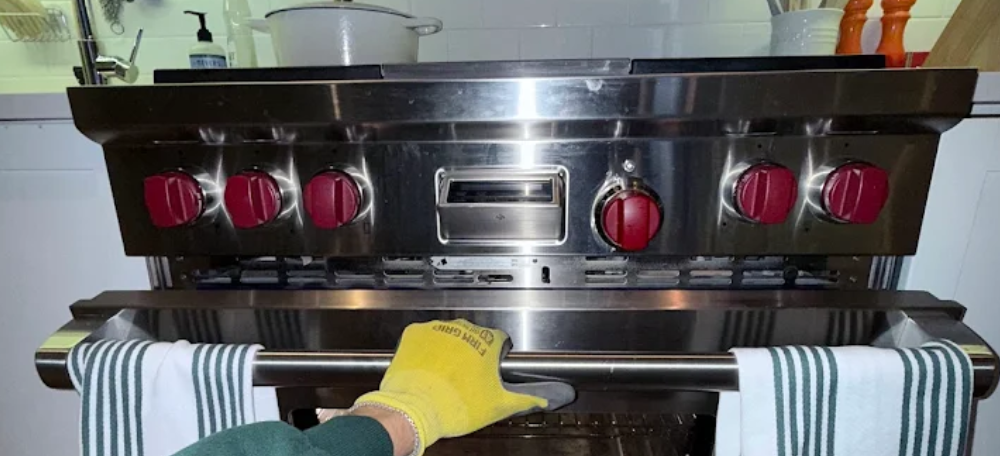
Wolf stoves are built for high output and precise control, but in NYC kitchens they fail in repeatable ways: ignition that gets inconsistent, burners that won’t hold a stable flame, ovens that drift off temperature, or controls that become intermittent after long heat cycles. Volt & Vector focuses on root-cause diagnostics first—matching the symptom to the actual failure mode—so you’re not paying for guesswork or “parts swapping.” We service Wolf ranges, rangetops, cooktops, and wall ovens across Brooklyn, Queens, and Manhattan below 96th Street.
Quick Facts (NYC-Ready)
- $99 diagnostic fee — credited toward the repair if you move forward
- 180-day parts & labor warranty
- OEM parts only
- Licensed & insured (COI available for building management)
- Same-day / next-day in core areas when available
- Arrival windows: 9–11 / 11–1 / 1–3 / 3–5
Wolf Stoves We Service
- Ranges (gas, dual fuel)
- Rangetops & cooktops (gas, electric, induction)
- Wall ovens (single/double, convection)
Safety First
If you smell gas, see persistent yellow flames/soot, or a burner repeatedly drops out after ignition: stop using the appliance, ventilate the area, and schedule service. Do not keep retrying ignition if odor is present.
Quick Self-Check (Safe, No Tools)
- Confirm the burner cap is seated correctly and the ports are not visibly blocked.
- If ignition is weak, let the area dry (spillovers/moisture can cause misfires).
- If you have an induction top, try a known induction-ready pan centered on the zone.
- If a wall oven is acting “random,” note whether it happens only after 20–40 minutes of heat (important diagnostic clue).
1. Schedule your visit
2. On-site diagnostic
3. Approve & repair
4. Done & covered
COI (Certificate of Insurance)
Available on request - usually not required in Brooklyn, but often asked for in Manhattan buildings and co-ops. Please remember that certain issues can come from incorrect use or installation, not from parts failure - our technicians will always point that out and show how to prevent it in the future.
Warranty & Compliance
Every repair is covered by a 180-day warranty on both parts and labor. If the appliance is older, keep in mind that some surrounding components can wear out over time — sometimes one repair leads to another part showing its age. We always explain options clearly before doing extra work.
Safety & Courtesy Protocol
We treat every visit like we’re guests in your home. Technicians wear shoe covers or remove footwear when entering, and we always clean up after the job. If you notice a little dust or debris left behind - our apologies - each tech handles 3-5 appointments per day and works to stay on schedule. If your window was 11-1, the technician usually arrives closer to 11; if running late, we’ll text you right away. Our goal is simple: work clean, stay safe, and respect your space and time.
Coverage
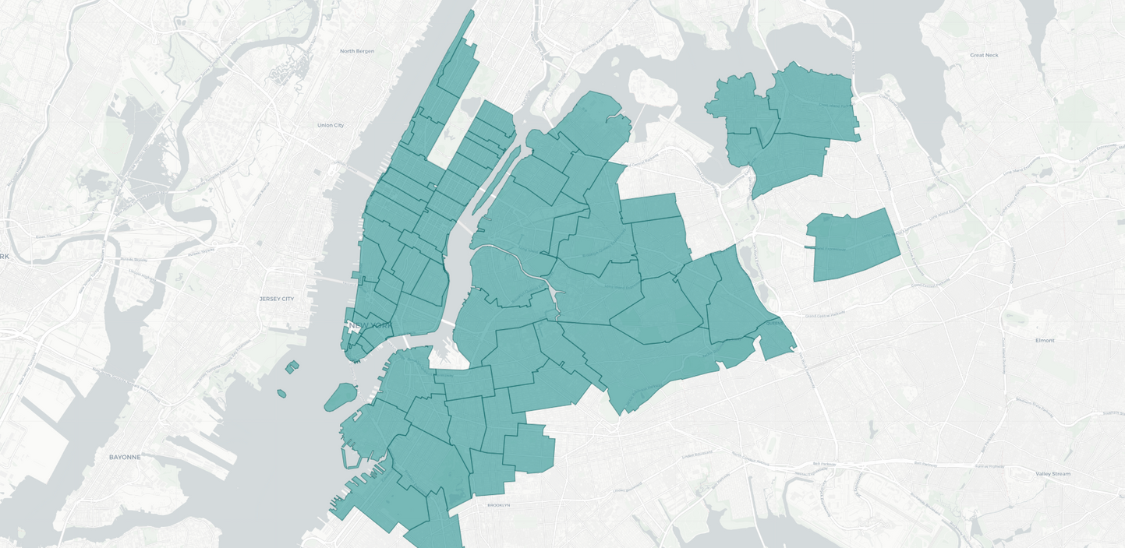
We cover Brooklyn—Downtown, Brooklyn Heights, Park Slope, Williamsburg, Greenpoint, Bed-Stuy, Carroll Gardens, Prospect Heights, and Flatbush—and Manhattan (below 96th Street)-FiDi, Battery Park, Tribeca, SoHo, Chelsea, Midtown, UES, UWS, Gramercy, and the Village. You’ll receive a text alert ~30 minutes before arrival.
Why Volt & Vector
We’ve spent years working inside large NYC repair companies - seeing how real technicians get buried under rushed schedules, fake “same-day” promises, and endless call-center noise. Volt & Vector grew out of that frustration. We wanted a place where diagnostics still matter, where techs can take time to do the job right and talk to people directly. We’re not calling ourselves perfect - far from it - but we’re building the kind of service we always wanted to work for: respectful, transparent, and run by people who actually fix things.
Pricing & Diagnostic Policy
Our diagnostic visit is always billed at the first appointment - that’s the starting point for every repair. After the visit, the technician sends full details to our service desk. Sometimes the tech can give a price range on-site, but we’re moving away from instant quotes - parts pricing changes like crypto these days, and we’d rather stay accurate than promise the wrong number.
Simple issues - like a clogged drain, loose wire, or minor reset - can often be fixed on the spot starting from $99. If a full repair with parts is needed, total cost varies by brand and model - just like in any NYC company, it can start around $320 and go up depending on parts and labor. We believe in clarity over surprises. You’ll always see the diagnostic results and estimate before any repair begins.
Need help from our experts?
+1 (332) 333-1709
9:00 AM - 6:00 PM
Our service manager handles all calls personally. For short questions, text works best.
Google Business Profile
See live reviews, photos, and recent jobs. Booked with us? Please leave a review, thank you!
180-Days Warranty
Every completed repair includes a 180-day parts & labor warranty. OEM parts only. Warranty service is prioritized.
Local Service
Built by real NYC technicians - not marketers.
Volt & Vector is where clean design meets certified service.
Wolf Stove Repair in NYC
Common Wolf Stove Symptoms → Likely Causes
Wolf stoves are engineered systems: ignition, gas delivery, combustion, temperature regulation, airflow, and controls all interact. Below are the most common NYC Wolf stove symptoms we service and the most likely root causes we see in the field. The goal is to match the symptom to a failure mode that can be tested and confirmed—not to guess.
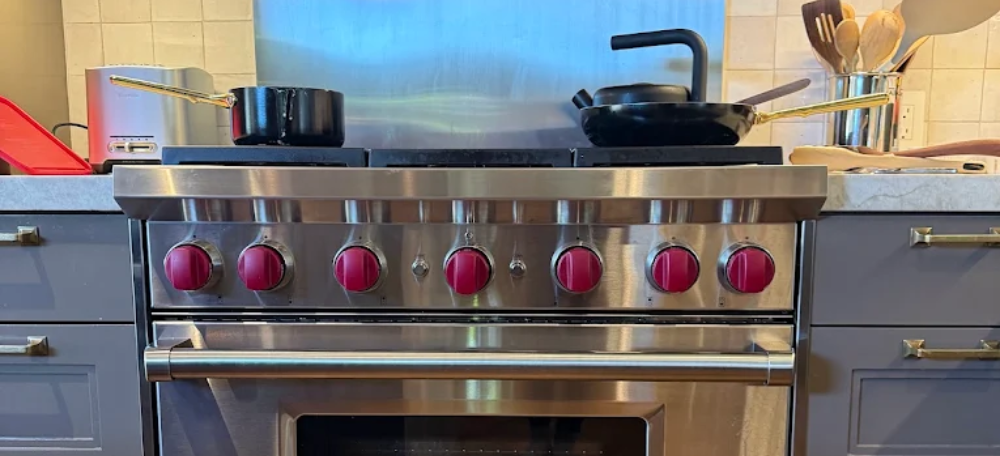
1) Burner won’t ignite / clicks but no flame
What you notice
- Rapid clicking, no ignition
- Ignites only after multiple attempts
- Lights with a lighter but not with the igniter
Most likely causes
- Ignition path issues: worn/dirty electrode tip, cracked ceramic, carbon tracking, weak spark to ground
- Burner head/cap seating problems: cap not centered, head warped, misalignment after cleaning
- Port restriction: grease/boilover residue blocking burner ports near the ignition point
- Ignition module output weakness: inconsistent spark under heat or load
- Grounding/wiring faults: poor ground path reduces spark intensity and causes intermittent ignition
2) Delayed ignition (“whoosh”), hard ignition, or mini-flare on light
What you notice
- Gas smell right before it lights
- Ignition happens late, then “pops”
- Ignites fine cold, worse after cooking for a while
Most likely causes
- Spark not landing where gas accumulates: electrode positioning/insulation issues
- Partial port restriction: gas distribution uneven → delayed light-off
- Weak spark under heat: module/electrode issues that degrade when components warm up
- Incorrect burner assembly: cap/head mismatch or incorrect reassembly after cleaning
Why it matters
- Delayed ignition is not “normal Wolf behavior.” It’s a sign the ignition event is not controlled and should be corrected.
3) Burner lights but won’t stay lit (flame drop-out), especially at simmer
What you notice
- Flame ignites then dies when you release the knob
- Low simmer won’t hold, but high flame is OK
- Burner shuts off randomly with ventilation on high
Most likely causes
- Flame stability / safety confirmation issues: the system is not seeing stable flame behavior consistently
- Low-flow instability: partial restriction or valve behavior that can’t sustain a clean low flame
- Draft / negative pressure: strong hood or lack of make-up air pulling the flame off the burner
- Gas delivery under load: multiple burners on changes stability if supply/regulation is marginal
4) Weak flame, uneven flame ring, yellow/orange flame, soot
What you notice
- Burner output is noticeably lower than others
- Flame pattern has gaps or “leans”
- Persistent yellow flames, soot on cookware, strong odor
Most likely causes
- Burner port contamination: grease or debris distorting the flame pattern
- Air–fuel mix problems: incorrect setup or restriction affecting combustion quality
- Gas conversion mismatch (NG vs LP): wrong orifices/regulator configuration creates chronic poor combustion
- Ventilation interaction: airflow patterns that disturb combustion (common in tight NYC kitchens with powerful hoods)
Safety note
- Persistent yellow flame, soot, or odor warrants service—combustion quality matters.
5) Oven not heating, slow preheat, or uneven baking
What you notice
- Long preheat times
- Food browns unevenly
- Oven struggles to recover temperature after opening door
Most likely causes
- Heating circuit faults: element degradation, relay/control output issues, wiring/connectors affected by heat
- Temperature sensing drift: sensor reads “close enough,” but regulation is off in real use
- Convection airflow problems: fan motor wear, blocked airflow paths, or reduced convection effectiveness
- Door seal / hinge alignment: heat loss causes longer preheat and uneven cavity behavior
- Cabinet heat management issues: tight installs trap heat and can destabilize regulation
6) Temperature swings (display says one thing, results say another)
What you notice
- “Too hot then too cool” cycles
- Baking inconsistent from one day to the next
- Temperature overshoot/undershoot around setpoint
Most likely causes
- Sensor/control feedback issues: the control “hunts” because the feedback is noisy or drifting
- Relay/control regulation faults: outputs that become intermittent under heat
- Airflow and heat distribution issues: convection/cooling fans not moving heat correctly
- Heat loss at the door: seal/hinge issues making the cavity unstable
Experience note
- We treat this as a measurement problem first: confirm actual cavity behavior, then trace regulation.
7) Convection fan noise, vibration, or convection that feels ineffective
What you notice
- New rattling/grinding
- Fan pitch changes as the oven heats
- Convection mode doesn’t improve baking
Most likely causes
- Fan motor wear/bearing noise that worsens with temperature
- Blade imbalance/contact: grease buildup, loose hardware, or minor deformation
- Cabinet resonance: tight installations amplify vibration through panels and trim
- Restricted airflow: convection running, but air path compromised
8) Door lock problems after self-clean (won’t unlock / errors)
What you notice
- Door stays locked after cycle ends
- Self-clean fails or aborts
- Lock icon or alert repeats
Most likely causes
- Latch/lock motor or switch feedback faults (position not confirming)
- Heat-stressed connections revealed by high-temperature cycles
- Cooling/heat-management issues causing protection behavior or lock logic errors
9) Induction zones cut out, pan not detected, or power throttles
What you notice
- Zone starts then stops
- “No pan” behavior with a pan on the surface
- Power drops under high settings
Most likely causes
- Cookware mismatch: not truly induction-ready, warped base, wrong diameter for zone
- Thermal protection events: poor airflow under the cooktop (very common in tight cabinets)
- Power module/inverter regulation issues causing dropouts under load
- Sensor feedback faults misreading temperature/current and triggering shutdown
10) Control panel issues: unresponsive buttons, flickering display, intermittent operation
What you notice
- Keypad doesn’t respond reliably
- Display flickers or resets
- Unit behaves differently after long cooking sessions
Most likely causes
- Heat stress behind the control area: restricted ventilation accelerates failures
- Ribbon cable / connector issues: intermittent contact with heat cycling
- Control board faults: unstable outputs rather than total failure
- Power quality problems: shared circuits, loose neutral, voltage fluctuation (NYC building reality)
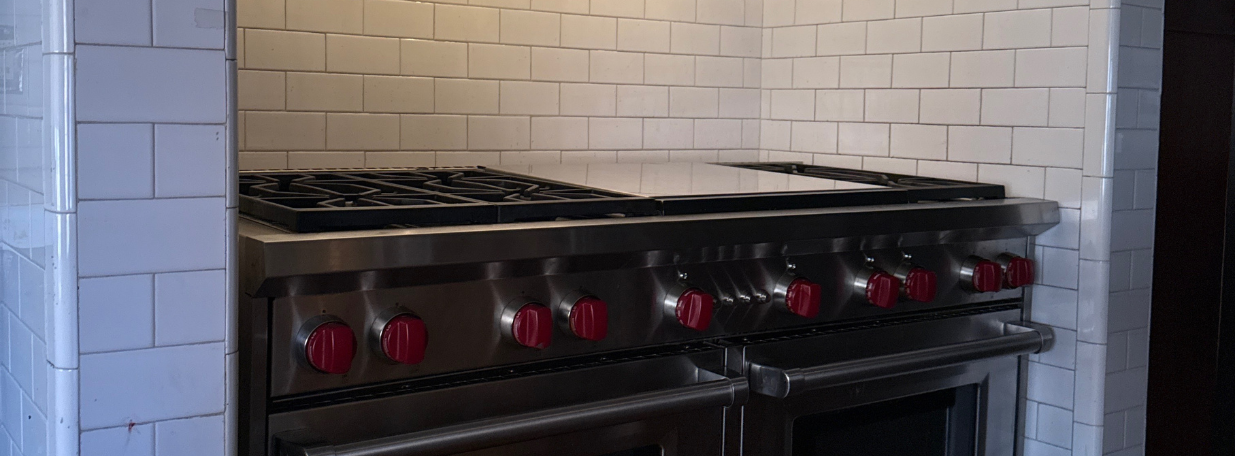
Repair vs Replace on Wolf Stoves (Real Outcomes, No Guesswork)
On Wolf, “repair” usually means clean/restore the correct condition (alignment, airflow, electrical contact, combustion stability). “Replace” is what we do when a part fails a test (open/short, weak output under load, unstable sensing, or mechanical wear).
Burner won’t ignite (clicking, no flame)
Repair first (most common):
- Re-seat burner cap/head correctly; clear clogged ports near the igniter.
- Dry/clean the electrode area after boilovers (moisture + grease = misfires).
Replace (when confirmed):
- Spark electrode (cracked ceramic, carbon tracking, weak spark path).
- Ignition wire/harness (insulation breakdown, arcing to chassis).
- Spark module (inconsistent output, fails more when hot).
Burner keeps clicking after it lights
Repair first:
- Clean/dry electrode and burner head; correct cap alignment.
- Remove residue causing flame to “miss” the sensing point.
Replace (when confirmed):
- Electrode (flame-sense current unstable).
- Ignition wire (leakage).
- Spark module (faulty flame sensing / keeps firing).
Burner lights, then drops out (especially on simmer)
Repair first:
- Clean burner ports; correct cap/head seating.
- Verify ventilation/make-up air isn’t pulling the flame off the burner (NYC hood effect is real).
Replace (when confirmed):
- Valve/low-simmer components (if the valve can’t maintain stable low flow).
- Electrode / module (if flame-sense drops out despite stable flame pattern).
Delayed ignition (“whoosh” / small flare on light)
Repair first:
- Clean ports and ignition area; correct electrode positioning and cap alignment.
Replace (when confirmed):
- Electrode / ignition harness (spark lands late or inconsistently).
- Spark module (weak output under heat load).
Weak flame / uneven flame ring / persistent yellow flame / soot
Repair first:
- Deep clean burner head/ports; verify correct assembly.
- Verify hood/make-up air isn’t distorting flame.
Replace (when confirmed):
- Burner head (warped/damaged ports).
- Orifice/spud (restricted/damaged; especially after contamination or incorrect conversion work).
- Regulator (only if pressure behavior is out of spec and confirmed).
Oven not heating / slow preheat
Replace (most common “obvious” outcomes, after confirmation):
- Bake igniter (gas ovens) when it’s weak: draws power but can’t reliably light the burner.
- Bake element (electric ovens) when open/failed.
- Temperature sensor when readings drift enough to break regulation.
- Relay/control output board when the control isn’t delivering stable power to heat components.
(There’s rarely a “cleaning-only” fix when the oven genuinely won’t heat—this is usually a replace-on-test situation.)
Oven temperature swings / uneven baking (but it “heats”)
Repair first:
- Confirm door seal integrity and airflow path; correct obvious heat-loss issues.
Replace (when confirmed):
- Temperature sensor (drift causes “hunts” and wrong cycling).
- Convection fan motor (if airflow is weak/noisy and affects distribution).
- Control/relay board (unstable outputs under heat).
Convection fan noise / rattling
Repair first:
- Tighten hardware, correct fan blade contact, remove debris.
Replace (when confirmed):
- Convection fan motor (bearing noise that rises with temperature).
- Fan blade (bent/imbalanced).
Door lock stuck after self-clean
Replace (most common):
- Door latch/lock motor assembly or lock switches (feedback not confirming position).
This is a classic “replace the failed mechanism,” not a “clean it and hope” scenario.
Control panel dead / buttons inconsistent / display flicker
Repair first:
- Reseat/secure ribbon cables and connectors (heat cycling loosens marginal connections).
Replace (when confirmed):
- User interface/keypad (button matrix failure).
- Display board (flicker/dead segments).
- Main control board (power regulation/logic faults).
Induction zone cuts out / “no pan” (Wolf induction)
Repair first (most common):
- Verify compatible cookware and cabinet ventilation (overheat protection is common in tight installs).
Replace (when confirmed):
- Cooling fan (if the induction system can’t shed heat).
- Power module/inverter board (dropouts under load with good airflow and cookware).
When “replace the appliance” is the honest call
For Wolf stoves, full replacement is usually only rational when:
- Multiple major electronics are failing and parts availability/lead time is impractical, or
- There is severe heat damage, wiring damage, or structural damage that makes a safe, stable repair unlikely.
Wolf Stove Repair NYC — FAQ
Below are the most common Wolf stove questions we get in NYC (ranges, rangetops, and dual-fuel platforms). These answers focus on safe, practical steps first—then clear “when to call” thresholds. When a repair requires opening gas or electrical compartments, it should be handled by a qualified technician.
Q1) My Wolf burner is clicking but won’t light. What’s wrong?
A: The most common cause is a dirty or damp igniter area or burner ports partially blocked by food residue. Another frequent issue is a burner cap that isn’t seated perfectly, which changes how gas reaches the spark.
What you can do safely: remove grates/caps, dry everything completely, wipe the igniter area, and re-seat the cap centered.
Call for service if: multiple burners behave the same way, ignition is delayed (“whoosh”), or it worsens when the rangetop is hot.
Q2) How do I stop the igniter from clicking constantly after the flame is lit?
A: Continuous clicking usually means the system is not seeing a stable ignition condition. Most often it’s moisture, grease, or misalignment at the burner cap/igniter.
Safe steps: turn the burner off, let it cool, dry and clean the igniter area, and re-seat the cap firmly. If you had a recent boil-over, a breaker reset after drying can help.
Call for service if: clicking continues after proper cleaning/drying—this can indicate an ignition control or sensing issue.
Q3) Why is my Wolf oven heating unevenly or not reaching the set temperature?
A: The most common causes are heating output problems (element on electric/dual-fuel, ignition performance on gas platforms) or temperature sensor drift that makes regulation unstable.
What you can do safely: verify temperature using a basic oven thermometer (don’t rely only on the display), and check that airflow isn’t blocked by foil or oversized cookware.
Call for service if: the oven is consistently off by a meaningful margin or preheat time is noticeably longer than normal—this requires measured diagnosis.
Q4) My oven control panel is blank or unresponsive. What’s the quick fix?
A: A power reset resolves many temporary control glitches.
Safe steps: turn off the dedicated breaker for the stove for 30–60 seconds, then turn it back on.
Call for service if: it returns quickly, becomes heat-related (only fails after cooking), or you see flickering/partial display—those patterns point to connection or board issues.
H3: Q5) Why do I see the error code “OPP” on my Wolf dual-fuel range?
A: “OPP” commonly relates to the oven door latch/lock mechanism—the control is not seeing the expected door lock position.
Safe steps: ensure the door is fully closed, nothing is obstructing the latch area, then try a power reset.
Call for service if: the code repeats, the door lock is stuck, or the oven won’t operate normally—forcing the latch is not recommended.
Q6) The flames on my Wolf gas cooktop are uneven or weak. What’s the solution?
A: The most frequent cause is clogged burner ports or a cap/head not seated correctly, which distorts flame distribution.
Safe steps: when cool, remove caps/rings, clean ports with a soft brush (a straightened paper clip can be used carefully), re-seat components precisely. Avoid oversized pans that block airflow to adjacent burners.
Call for service if: yellow flames persist, you see soot, or there’s odor—combustion quality and gas setup should be verified.
Q7) Can I replace the igniter myself?
A: Surface-level cleaning and reassembly are homeowner-friendly. Actual replacement involves electrical connections and proximity to gas components, so it’s best left to a qualified technician unless you’re experienced and can work safely.
Practical guideline: if cleaning/drying and proper cap seating don’t restore reliable ignition, schedule service—Wolf ignition issues are usually solved by diagnosis, not guesswork.
Q8) Why does my Wolf oven door leak heat or feel very hot?
A: This often points to a worn door gasket or door alignment issues. Heat loss affects preheat time and temperature stability, and it can make surrounding cabinetry run hotter than it should.
Safe steps: inspect the gasket for tears, flattening, or gaps; clean gently.
Call for service if: the gasket is damaged or the door doesn’t close evenly—replacement/alignment is the correct fix.
Q9) My self-clean cycle won’t start. What should I check?
A: Self-clean requires the door to lock properly and the control to confirm safe conditions. Door lock issues can trigger errors (including “OPP” on some platforms).
Safe steps: remove racks/foil, ensure the door closes fully, and try a power reset.
Call for service if: the lock mechanism won’t engage or disengage, or self-clean repeatedly fails—don’t force the latch.
Q10) I smell gas near my Wolf stove. What’s the first thing I should do?
A: Treat this as a safety issue.
First steps: turn the appliance off, ventilate the area, and if safe to access, shut off the gas supply valve. Do not keep attempting ignition. Avoid operating electrical switches if odor is strong.
Next: contact your gas utility/emergency services as appropriate and schedule professional inspection.
Q11) How long should a Wolf stove last?
A: Wolf stoves are premium appliances and, with proper maintenance and occasional service, many owners see 15–20+ years of use. Longevity depends heavily on installation conditions—stable power, correct ventilation, and proper combustion setup matter as much as the appliance itself.
11 Common Wolf Stove Problems & Practical Fixes (NYC)
Wolf stoves and ranges are engineered systems—ignition, gas flow, combustion, temperature regulation, airflow, and controls all work together. In NYC kitchens (tight cabinetry, strong ventilation, heavy daily use), the same symptom patterns show up repeatedly. Below are real, homeowner-facing fixes you can try safely, plus clear “stop and call” thresholds.
1) Burners won’t ignite (clicking, no flame)
Problem: Burner clicks but won’t light, or lights only after several tries.
Most common cause: Moisture/food debris around the igniter or clogged burner ports; burner cap not seated correctly.
Safe fix (homeowner):
- Confirm the unit has power (clock/display on).
- Remove grates and burner caps, dry everything completely, and wipe the igniter area.
- Re-seat the cap perfectly centered before retrying.
Call a pro if: Spark is weak/inconsistent, ignition fails on multiple burners, or the issue worsens when the unit is hot.
2) Continuous clicking after the flame is already lit
Problem: Burner lights but keeps clicking.
Most common cause: Wet/dirty igniter, misaligned cap/head, or ignition system sensing/spark control issues.
Safe fix (homeowner):
- Turn off the burner, let it cool.
- Dry and clean the igniter area and cap seating surfaces.
- Reassemble carefully and retry.
Call a pro if: Clicking continues after cleaning/drying—this can indicate an ignition control problem that won’t resolve with cleaning.
3) Uneven, weak, or “wrong color” flames
Problem: Flame is uneven, too low, lifting, or consistently yellow/orange.
Most common cause: Port restriction, cap misalignment, airflow disruption from large pans/hood drafts, or gas/air mixture issues.
Safe fix (homeowner):
- Make sure the cap is seated correctly.
- Clean visible debris from burner head/cap surfaces.
- Avoid oversized pans that block adjacent burner airflow.
Call a pro if: Persistent yellow flames, soot, or strong odor appears—combustion quality matters.
4) Delayed ignition (“whoosh” or mini-flare when it finally lights)
Problem: It takes a moment to light, then ignites with a noticeable “whoosh.”
Most common cause: Gas is flowing before spark reliably lights it—often cap alignment, port restriction, or a weak spark path.
Safe fix (homeowner):
- Stop using that burner until you clean/dry and re-seat the cap.
- Retry once after everything is dry and properly seated.
Call a pro if: It repeats—delayed ignition is not normal and should be corrected.
5) Oven not reaching set temperature / slow preheat
Problem: Preheat is slow, oven runs cool, or cooking results are consistently off.
Most common cause: Sensor drift, heating system degradation (gas ignition or electric element), or airflow/cooling issues affecting regulation.
Safe fix (homeowner):
- Verify with a basic oven thermometer (don’t rely on the display alone).
- Keep the door gasket clean and ensure the door closes firmly.
Call a pro if: Temperature is consistently off by a meaningful margin or preheat becomes dramatically slower—this usually requires testing, not guessing.
6) Oven temperature swings (too hot then too cool)
Problem: The oven “hunts” and can’t hold steady heat.
Most common cause: Temperature sensor feedback issues, regulation/control behavior, airflow problems (convection/cooling), or door seal heat loss.
Safe fix (homeowner):
- Check the door seal for gaps, tears, or flattening.
- Confirm racks/foil/pans aren’t blocking airflow paths.
Call a pro if: Swings are repeatable and affect results—this is a measurement-and-regulation diagnosis.
7) Door seal damage / heat leaking around the door
Problem: Heat escapes, outer surfaces get hotter than usual, longer cook times.
Most common cause: Worn gasket, door alignment/hinge wear, or seal contamination.
Safe fix (homeowner):
- Inspect gasket for tears, flattening, or sections pulling away.
- Clean gently (no harsh chemicals).
Call a pro if: The gasket is torn/deformed or the door no longer aligns tightly—replacement is the correct fix.
8) Control panel glitches, unresponsive buttons, or odd messages
Problem: Buttons don’t respond, display flickers, or the unit behaves “randomly.”
Most common cause: Temporary control glitch, heat stress behind the panel, or power quality events.
Safe fix (homeowner):
- Perform a safe power reset: switch the breaker OFF for 30–60 seconds, then ON.
- Note when it happens (only after long cooking / only when the oven is hot).
Call a pro if: It returns quickly, worsens with heat, or multiple functions are affected—intermittent controls need targeted testing.
9) Unit won’t turn on at all
Problem: No display, no response, nothing works.
Most common cause: Tripped breaker, loss of power, internal protective shutdown, or an internal electrical failure.
Safe fix (homeowner):
- Check the breaker and reset once.
- If it’s a plug-in unit, verify the outlet has power.
Call a pro if: Breaker trips repeatedly, you smell electrical burning, or it remains dead after a proper reset.
10) Gas smell or “nothing will light”
Problem: Burners/oven won’t light, or you smell gas.
Most common cause: Supply valve closed, ignition failure, or a more serious gas leak/supply issue.
Safe fix (homeowner):
- If you smell gas: turn everything OFF, ventilate, and do not keep trying to ignite.
- Verify the appliance gas shutoff valve is fully open (only if you can do so safely).
Call immediately if: Gas odor persists—contact your gas utility/emergency services and schedule professional service.
11) Broiler ignites slowly or stays cool
Problem: Broiler is weak, delayed ignition, or not heating.
Most common cause: Similar to oven—gas ignition performance, airflow, or heating output issues.
Safe fix (homeowner):
- Make sure the broiler area is clean and free of heavy grease buildup.
- Retry after a power reset if controls were glitchy.
Call a pro if: Broiler repeatedly fails or ignition is delayed—this is typically a test-confirm-and-repair situation.
Self-clean problems (won’t start, lock issues, heavy smoke)
Problem: Self-clean won’t start, door won’t lock/unlock, or smoke is excessive.
Most common cause: Lock mechanism issues, control logic conditions not met, or residue/grease in the cavity.
Safe fix (homeowner):
- Let the oven fully cool; retry once after a power reset.
- Avoid self-clean if the cavity has heavy grease (it can produce excessive smoke).
Call a pro if: The door lock is stuck or self-clean repeatedly fails—don’t force the lock.
If you paste your exact symptom (one sentence) and whether it’s a gas or dual-fuel Wolf, I’ll rewrite this into a tighter “Symptom → Safe Fix → When to Call” grid specifically for your page layout.
Need help from our experts?
+1 (332) 333-1709
9:00 AM - 6:00 PM
Our service manager handles all calls personally. For short questions, text works best.
Google Business Profile
See live reviews, photos, and recent jobs. Booked with us? Please leave a review, thank you!
180-Days Warranty
Every completed repair includes a 180-day parts & labor warranty. OEM parts only. Warranty service is prioritized.
Local Service
Built by real NYC technicians - not marketers.
Volt & Vector is where clean design meets certified service.
Services



.png)
.png)
.png)
.png)
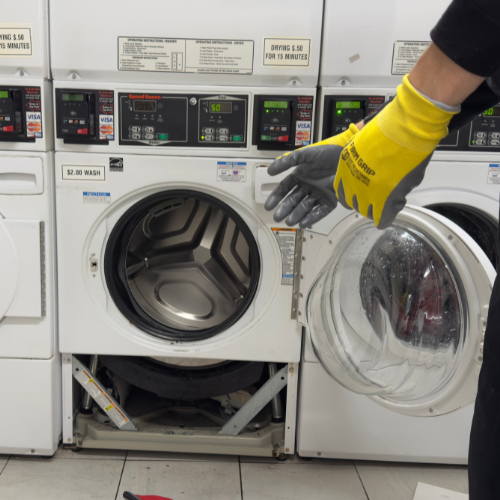
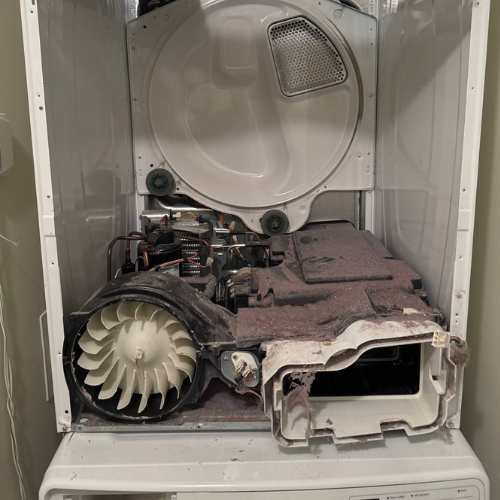
See the full catalog of our services—organized by brand and by appliance—right here.
Need help from our experts?
+1 (332) 333-1709
9:00 AM - 6:00 PM
Our service manager handles all calls personally. For short questions, text works best.
Google Business Profile
See live reviews, photos, and recent jobs. Booked with us? Please leave a review, thank you!
180-Days Warranty
Every completed repair includes a 180-day parts & labor warranty. OEM parts only. Warranty service is prioritized.
Local Service
Built by real NYC technicians - not marketers.
Volt & Vector is where clean design meets certified service.








Google Reviews
Great people to deal with. Called and set up appointment right away. Mark came and fixed the issue right away. Very friendly and respectful. Will use again. Thanks guys.
Excellent experience with Vlad! He came day of to help fix a laundry machine issue. He was on time, a clear communicator about the issue and fixed it with ease. He came back the following day (at no charge!) when I reached out with further information about how the machine was working to confirm everything was working properly/as intended. Excellent service and will absolutely be working with them again when we have future needs. Can’t recommend enough!
Vlad has been an incredible asset. In the few months we've known him, he's already fixed a dryer, two washing machines, and an oven! He's always very upfront with the repairs needed and the associated costs with fixing an appliance. I wouldn't hesitate at all to hire him for any future appliances in need of repair
I split my time between Italy and NYC and manage several Airbnb units. Scheduling used to take too much energy around guest check-ins and turnovers. With Volt & Vector Appliance Repair, the routine became predictable: clear 2-hour windows (9–11am or 12–2pm), a text with ETA, written pricing (diagnostic credited), before/after photos, and a short summary after each visit. Over ~30 repairs in two years: washers, dryers, dishwashers, ranges, a refrigerator seal. They’ve kept me informed and moved quickly on parts (usually 24–48 hours when ordered). Access and lockboxes are handled without drama, work areas are left clean, and my reviews stayed steady. Hosting from abroad is easier when maintenance is this consistent. Strong recommend for Brooklyn and Manhattan hosts.