
Same-Day Bosch Bottom-Freezer Refrigerator Repair NYC
.avif)
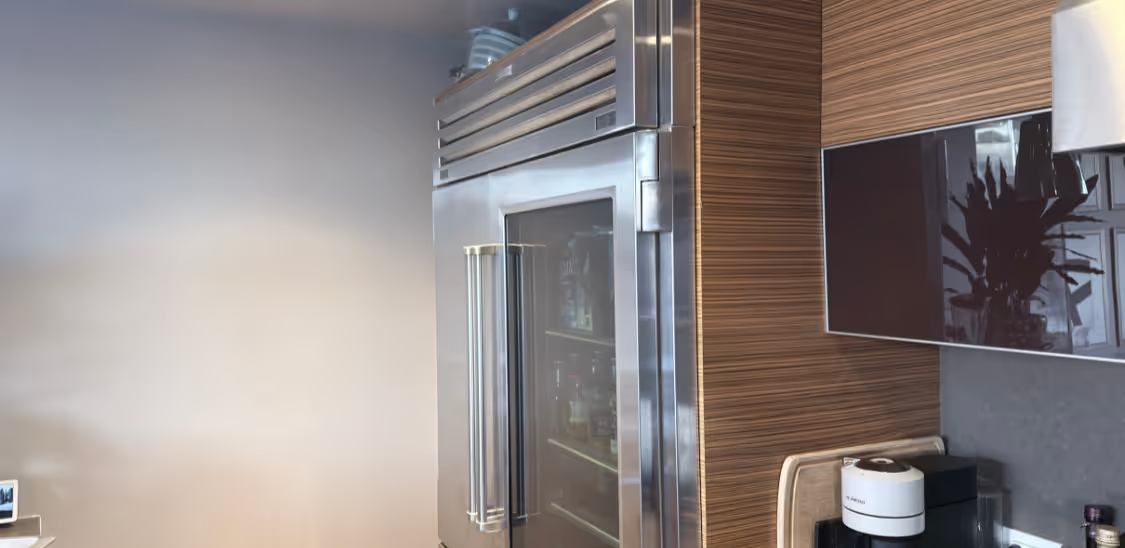
Bosch Bottom-Freezer Refrigerator Repair
Volt & Vector Appliance Repair
.png)
Experience premium Bosch Bottom-Freezer Refrigerator service with advanced diagnostics. Enjoy our $99 diagnostic fee (credited to repair) and a 180-day parts & labor warranty.
+1 (332) 333-1709
180-Days Warranty - $99 Diagnostic Fee - Brooklyn & Manhattan


.png)
.png)
.png)

$99 Diagnostic Fee for Bosch Bottom-Freezer Refrigerators
Experiencing cascading system failures with your Bosch Bottom-Freezer Refrigerator can disrupt your daily life, particularly in NYC where space is at a premium. These failures can lead to substantial energy waste and spoilage, exacerbating the living conditions in high-rise apartments and pre-war buildings alike. If your refrigerator is malfunctioning, consider the implications on both your food preservation and overall energy costs.
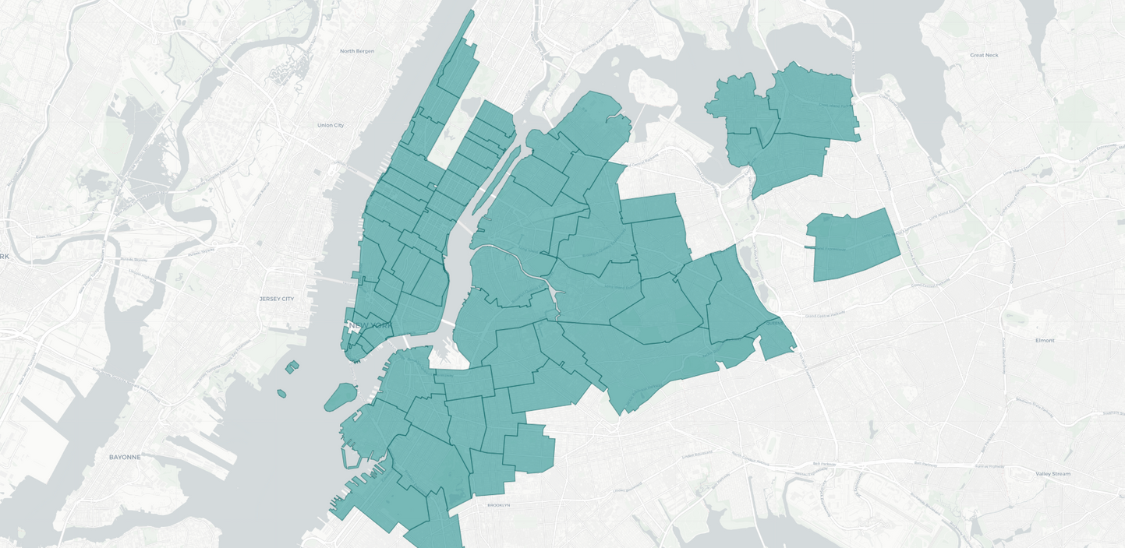
At Volt & Vector, we employ advanced diagnostic methodologies that include multimeter testing, control board signal tracing, and sealed system pressure analysis to identify the core issues of your appliance. With a focus on dispatch logistics that ensure timely service across Brooklyn, select Queens ZIP codes, and Manhattan below 96th Street, we aim to restore your refrigerator's functionality swiftly and effectively.
Expect premium service that includes a $99 diagnostic fee (credited to repair) and a 180-day parts & labor warranty. Our commitment to same-day availability means that you can trust us to deliver exceptional service when you need it most, using only OEM parts to ensure longevity and performance.
Technical FAQs & Diagnostic Insights
Q: What does code F1 indicate?
A: This indicates a disconnection with the freezer temperature sensor, typically caused by loose wiring or a failed sensor. Our technicians will validate these connections upon service.
Q: Why is my Bosch refrigerator leaking?
A: Leaking can result from blocked defrost drains or a damaged door seal, leading to moisture accumulation. We will assess these areas during our diagnostic visit.
Q: Can you explain the meaning of code R3?
A: Code R3 denotes a disconnect with the freezer sensor and a short circuit within the refrigerator sensor. It highlights potential wiring issues that our team will explore in detail.
Q: What should I do if my refrigerator has intermittent temperature cycling?
A: This symptom could be attributed to sensor drift, ultimately requiring a temperature sensor verification and potential replacement, which we would address in our service call.
Advanced Pre-Service Checks for Homeowners
Perform breaker load testing to ascertain electrical integrity.
Conduct thermistor resistance checks where accessible for range validation.
Assess the condenser coil for dust buildup, ensuring airflow is not obstructed.
Execute door seal vacuum testing to confirm airtight integrity.
Reset or lock the control using the proper procedure for your model.
WARNING: Sealed system repairs, gas leaks, or persistent electrical faults require immediate professional intervention. Tampering with these systems poses significant risks.
Understanding Bosch Error Codes
Code C1: The freezer sensor is disconnected (low signal) and there is a short in the refrigerator sensor.
Possible Causes:
- Defective temperature sensors
- Wiring issues causing short circuit
- Increased humidity affecting connections
User Actions:
- Inspect both sensors for damage or corrosion.
- Check connections for a secure fit and no signs of wear.
- Consider calling a technician for potential sensor replacement.
Code D2: There is a disconnection with the freezer sensor (low signal) and a short in the refrigerator sensor.
Possible Causes:
- Faulty wiring or connectors
- Sensor malfunction due to age or damage
- Humidity affecting sensor connections
User Actions:
- Examine the wiring for any loose or damaged areas.
- Attempt to reconnect any loose connections.
- If unsure, consider contacting a technician for inspection.
Code F1: There is a disconnection with the freezer temperature sensor.
Possible Causes:
- Loose wiring connection to the sensor
- Failed temperature sensor
- Corrosion or damage to wiring
User Actions:
- Check if the refrigerator is plugged in properly.
- Inspect the sensor wiring for any visible damage or loose connections.
- Reset the refrigerator by unplugging it for a few minutes.
Code F3: There is a connection issue with the freezer sensor (low signal) and a short in the refrigerator sensor.
Possible Causes:
- Loose wiring or faulty connectors
- Temperature sensor failure
- Physical damage to wiring or sensors
User Actions:
- Verify all sensor connections are tight and secure.
- Look for any signs of damage on wires.
- Unplug the refrigerator and plug it back in after a few minutes.
Code R3: The freezer sensor is disconnected (low signal) and there is a short in the refrigerator sensor.
Possible Causes:
- Wiring issues leading to short-circuit
- Sensors may need replacing
- Possible corrosion in connections
User Actions:
- Check and tighten any loose wire connections.
- Look for signs of wear or corrosion on wires.
- Power cycle the refrigerator by unplugging it for a while.
Code U1: The freezer temperature sensor is disconnected (low signal).
Possible Causes:
- Loose or broken wire to the sensor
- Sensor may need replacement
- Moisture affecting the sensor connection
User Actions:
- Ensure the refrigerator is level and properly installed.
- Check for any visible signs of moisture around the sensor.
- Disconnect and reconnect the sensor if accessible.
Expert Cost-Benefit Analysis: Repair or Replace?
Repairs on Bosch Bottom-Freezer Refrigerators often center around critical components such as the compressor, control board, and sealed system parts. The economic viability of repairs hinges on the age and condition of these parts, typically where repair costs range around 50-70% of new unit replacements. Given NYC's labor rates, understanding these matrices is crucial for making informed decisions about appliance longevity.
Replacement should be considered if:
- Energy efficiency ROI is paramount, particularly for outdated models.
- Discontinued OEM parts scarcity disrupts service continuity.
- Cumulative repair costs exceed the 70% rule of the appliance's current value.
- Delivery and installation logistics in Manhattan high-rises complicate timely repairs.
Need help from our experts?
+1 (332) 333-1709
9:00 AM - 6:00 PM
Our service manager handles all calls personally. For short questions, text works best.
Google Business Profile
See live reviews, photos, and recent jobs. Booked with us? Please leave a review, thank you!
180-Days Warranty
Every completed repair includes a 180-day parts & labor warranty. OEM parts only. Warranty service is prioritized.
Local Service
Built by real NYC technicians - not marketers.
Volt & Vector is where clean design meets certified service.
Services



.png)
.png)
.png)
.png)
See the full catalog of our services—organized by brand and by appliance—right here.
Need help from our experts?
+1 (332) 333-1709
9:00 AM - 6:00 PM
Our service manager handles all calls personally. For short questions, text works best.
Google Business Profile
See live reviews, photos, and recent jobs. Booked with us? Please leave a review, thank you!
180-Days Warranty
Every completed repair includes a 180-day parts & labor warranty. OEM parts only. Warranty service is prioritized.
Local Service
Built by real NYC technicians - not marketers.
Volt & Vector is where clean design meets certified service.









Google Reviews
Great people to deal with. Called and set up appointment right away. Mark came and fixed the issue right away. Very friendly and respectful. Will use again. Thanks guys.
Excellent experience with Vlad! He came day of to help fix a laundry machine issue. He was on time, a clear communicator about the issue and fixed it with ease. He came back the following day (at no charge!) when I reached out with further information about how the machine was working to confirm everything was working properly/as intended. Excellent service and will absolutely be working with them again when we have future needs. Can’t recommend enough!
Vlad has been an incredible asset. In the few months we've known him, he's already fixed a dryer, two washing machines, and an oven! He's always very upfront with the repairs needed and the associated costs with fixing an appliance. I wouldn't hesitate at all to hire him for any future appliances in need of repair
I split my time between Italy and NYC and manage several Airbnb units. Scheduling used to take too much energy around guest check-ins and turnovers. With Volt & Vector Appliance Repair, the routine became predictable: clear 2-hour windows (9–11am or 12–2pm), a text with ETA, written pricing (diagnostic credited), before/after photos, and a short summary after each visit. Over ~30 repairs in two years: washers, dryers, dishwashers, ranges, a refrigerator seal. They’ve kept me informed and moved quickly on parts (usually 24–48 hours when ordered). Access and lockboxes are handled without drama, work areas are left clean, and my reviews stayed steady. Hosting from abroad is easier when maintenance is this consistent. Strong recommend for Brooklyn and Manhattan hosts.