Keep three approvals separate
A COI summarizes the listed insurance policies for management’s vendor review.
- Insurance documents: the certificate and any policy wording or endorsements must meet the building request.
- Permission to enter: management must accept the vendor for the proposed visit and arrange any required entrance, elevator or shared-space access.
- Permission to spend: the owner or other authorized payer must approve the diagnostic charge or repair scope. Name a reachable estimate approver and a separate entry contact when needed. A tenant or household employee may provide entry without authority to approve the charge. In a furnished or short-term stay, identify the host/owner approving the expense separately from a guest, cleaner, manager or concierge providing access.
A confirmed insurance document does not settle the other two approvals. For a built-in appliance or building-connected system, identify who may authorize removal, shutoffs and any additional trade work before that scope begins.
What a COI Is
A building may request a COI to review a contractor’s insurance before allowing work in a condo, co-op, managed rental, commercial unit, office or food-service space.
Under New York Department of Financial Services guidance, a certificate provides evidence of insurance; it does not change or expand the underlying policy.
What a COI Is Not
A COI does not confirm the technician’s qualifications or guarantee payment for a particular incident. Commercial General Liability applies according to the actual policy and claim circumstances. The insurer determines coverage.
It is also separate from a repair warranty. An existing appliance fault, wear, manufacturer defect, neglected maintenance, unrelated plumbing or electrical problem, shared drainage or HVAC issue, or later unrelated appliance failure should not be treated as automatically covered by liability insurance.
Repair warranty terms belong with the invoice; an insurance certificate does not replace them.
Certificate Holder and Additional Insured Are Different
The certificate holder receives the document. Additional insured status must come from the policy’s wording or an endorsement; typing a name onto the certificate does not create it. The DFS-approved commercial liability certificate form makes this distinction.
Send management’s exact request for additional insured, primary/noncontributory, waiver-of-subrogation or other wording to the insurance representative for review. Do not edit a certificate yourself or assume a requested provision is available. Management may need supporting endorsements as well as the COI.
Why Buildings Ask for Documents Before Appliance or HVAC Service
Access rules address the building as well as the unit. Work can involve service entrances, elevators, doorman or concierge admission, tenant coordination, shared shutoffs, mechanical spaces and protection of finished surfaces.
A diagnostic visit to an accessible refrigerator differs from removing a panel-ready unit or reaching HVAC equipment above a finished ceiling. Tell management and the service company what work is expected; obtain further approval if the scope changes.
There is no single set of COI limits or service hours for every NYC building. Use the property’s current requirements, even if a previous building accepted the same vendor.
Insurance Limits Listed in the August 2026 Article
The article updated August 9, 2026 listed Commercial General Liability coverage through Hiscox with the following limits. They are retained here as the published figures from that update; request a current COI for the actual appointment.
- Each occurrence: $1,000,000.
- General aggregate: $2,000,000.
- Products / completed operations aggregate: $2,000,000.
- Damage to rented premises: $100,000.
- Personal & advertising injury: $1,000,000.
- Medical expense: $5,000.
Management must compare the issued documents with its vendor requirements. These categories do not add up to one guaranteed payment for any incident, and an aggregate is not a per-visit allowance. The applicable policy and remaining limits govern any claim.
The May 2026 provider-change announcement preserves the originally scheduled policy dates. Neither that announcement nor this list is a substitute for the current certificate and any required endorsements.
When the Building Requires Higher Limits or Different Wording
Management may request higher limits, umbrella or excess coverage, particular additional insured parties, or other insurance provisions. It may also request separate evidence for other coverage types. A general liability listing should not be treated as proof that all those requirements are met.
Custom millwork, stone counters, expensive floors, shared systems, roof or mechanical-room access, commercial equipment and the proposed trade work can affect the building’s review. Send the complete template and describe the actual work.
What Information Is Needed for a COI
Forward the building’s original requirements rather than paraphrasing them. Include:
- Certificate holder: exact name and address.
- Additional insured: every requested name and the building’s exact wording.
- Coverage requirements: requested limits, waiver-of-subrogation language and required endorsements.
- Submission: management contact, email, method and deadline.
- Location: service address and unit number.
- Timing and operation: proposed date or window; diagnosis, repair or removal/reinstallation.
- Equipment: appliance or HVAC system and expected work.
- Site access: entrance, service-elevator, loading and site instructions.
Equipment and occupancy conditions that change approval
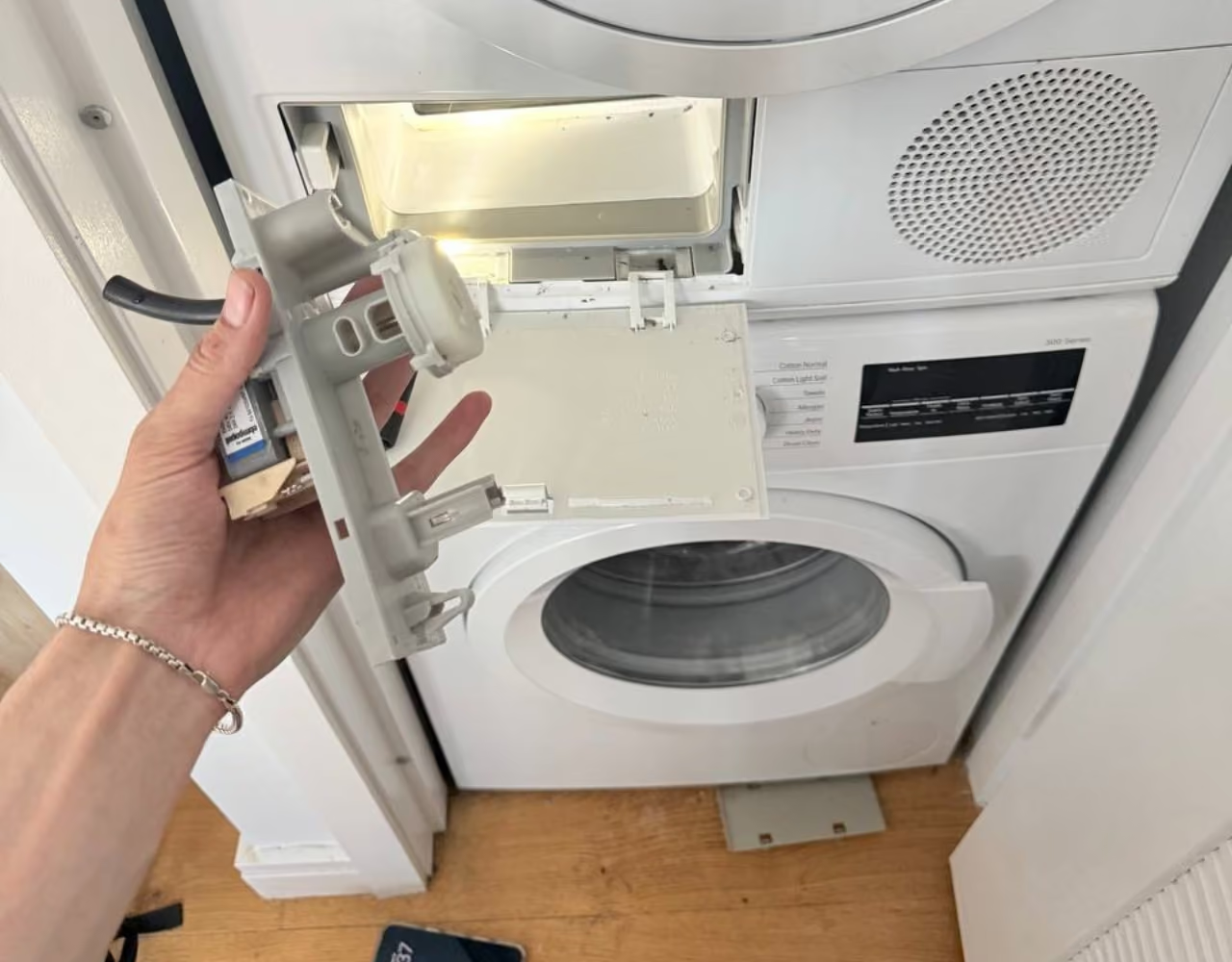
- Residential equipment: refrigerators, freezers, dishwashers, washers, dryers, ovens, ranges, cooktops and built-in or panel-ready appliances can have different scopes. Brand, safely accessible model information and the actual problem—leaking, no cooling or heat, drainage, noise or intermittent operation—identify the proposed work. Freestanding, stacked, closet and cabinetry-integrated installations change access.
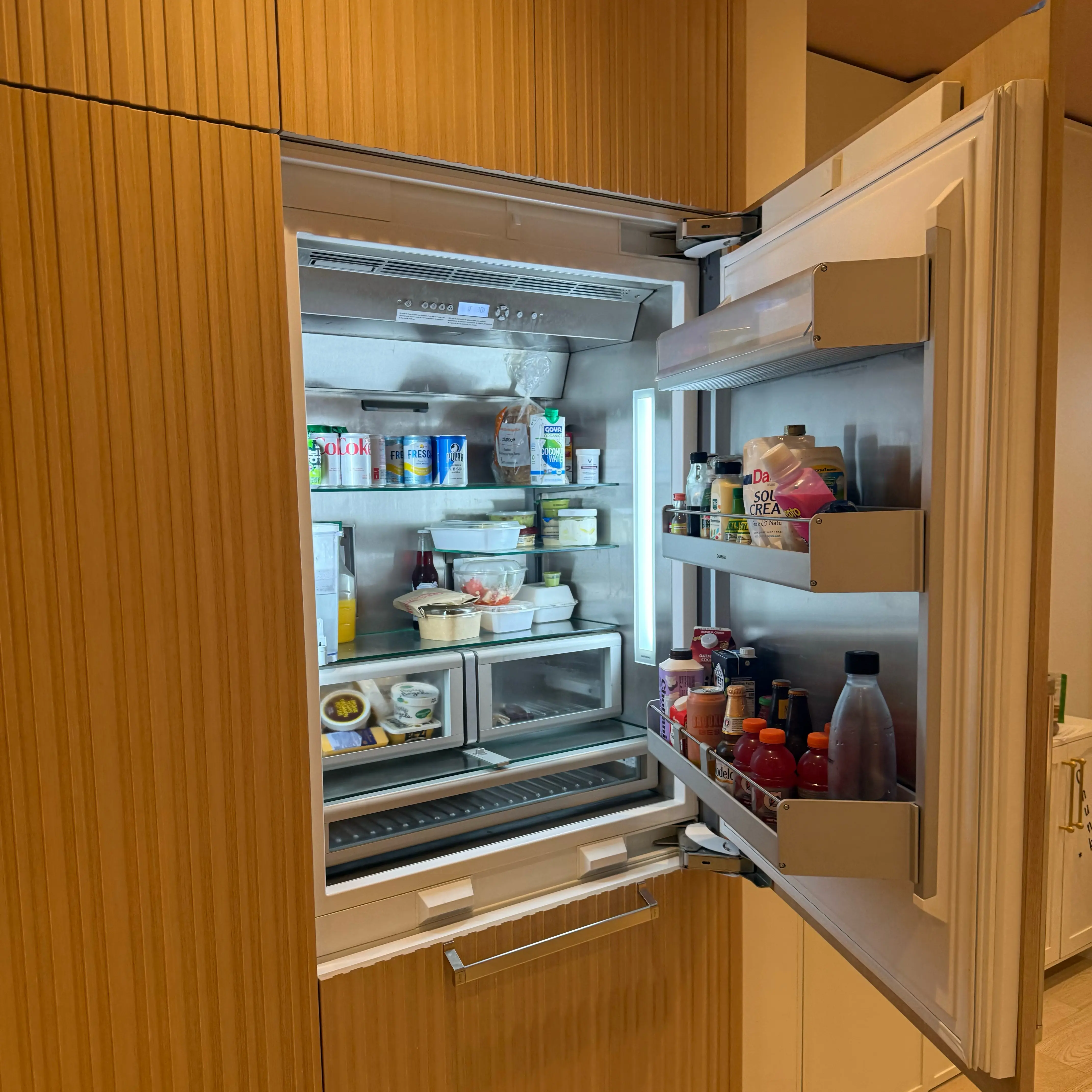
- Built-in equipment: a panel-ready refrigerator in custom cabinetry, a Miele dishwasher below stone, a Wolf oven in a cabinet stack or laundry enclosed in millwork may require more than ordinary entry. Furniture panels, tight clearances, raised floors, water/drain connections and nearby finishes affect who exposes, removes and reinstalls the unit and protects floors and panels. Another installer or trade may be needed. Do not pull out a built-in refrigerator, dismantle a stack or remove cabinetry to prepare for an unconfirmed repair.
- Commercial refrigeration: selected reach-in, undercounter or prep refrigerators, freezers, refrigerated drawers, display units, office-pantry appliances and other small food-service equipment need equipment/site review before acceptance. Model, displayed and set temperatures, noise, visible ice or leaks, remaining product, business hours and access help define that scope. Observe only visible conditions; do not remove covers or touch internal components. Inventory and operating needs change urgency, not the diagnosis. Refrigerant qualifications, specific parts, another trade or building approval may be required. Follow the business's food-safety process while the condition is unresolved.
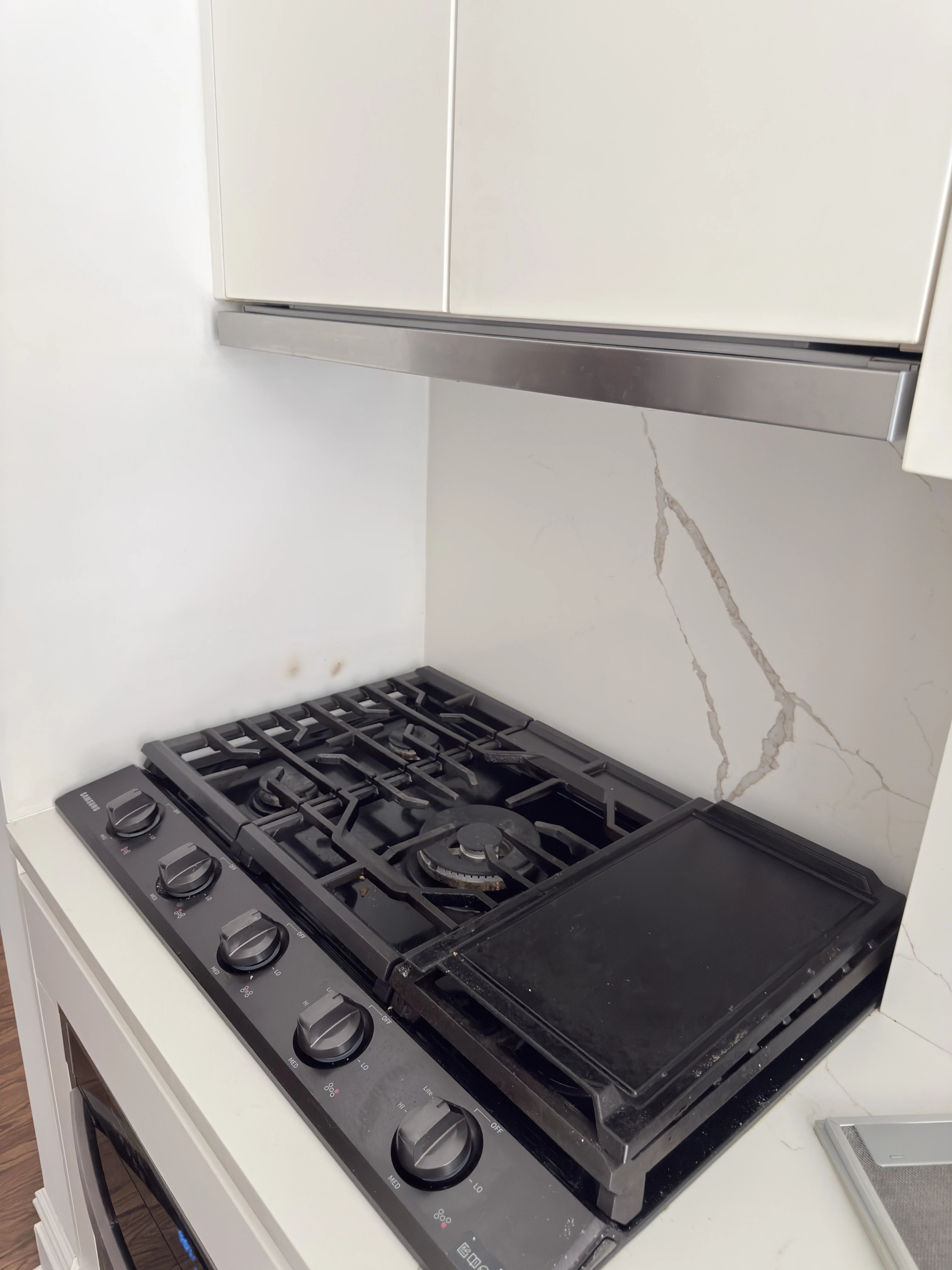
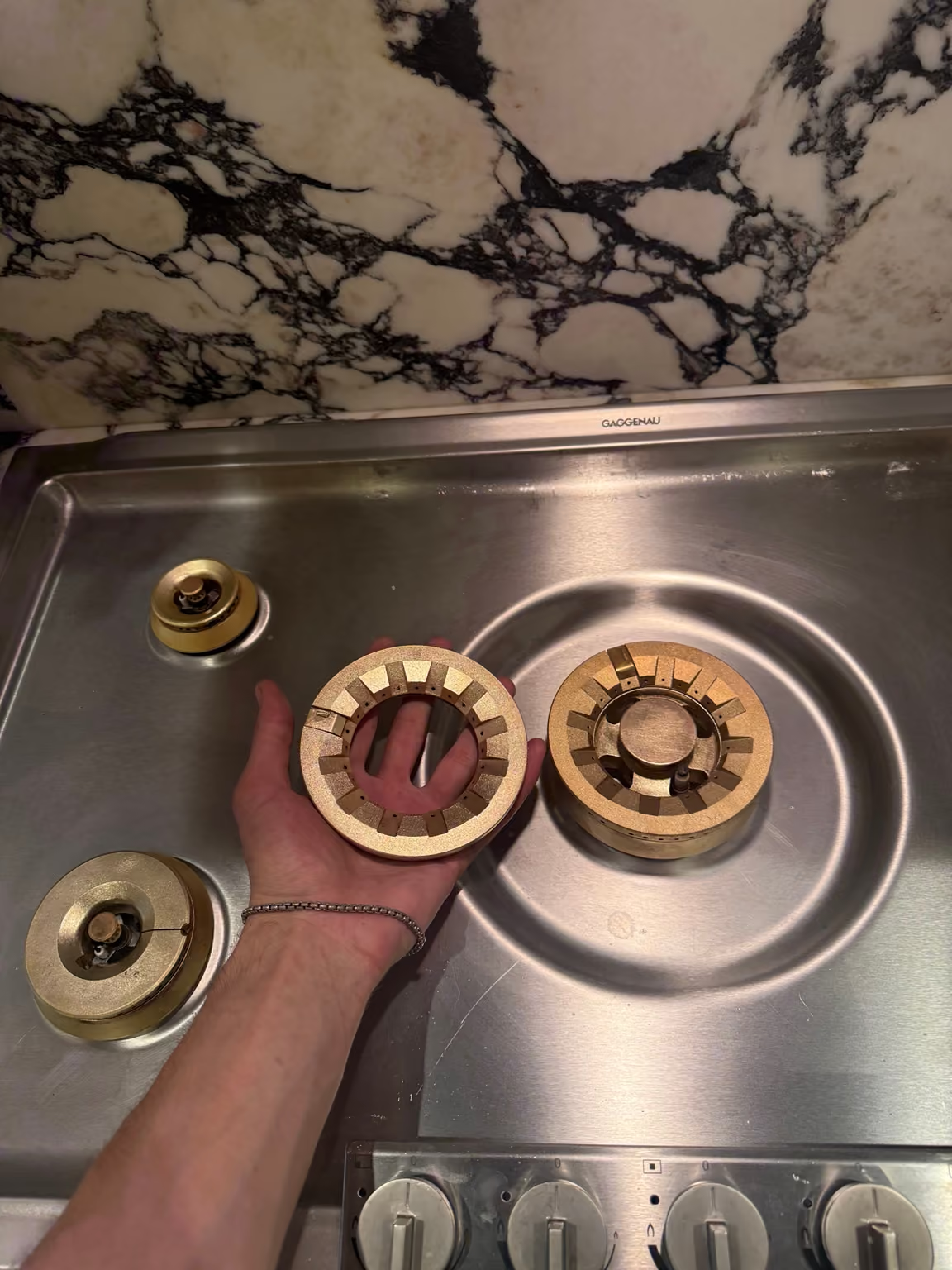
- Commercial cooking: ovens, ranges, cooktops, warmers, selected commercial dishwashers and other small kitchen equipment need the exact gas/electric model and actual heating, overheating, ignition, error or control complaint. Acceptance depends on site conditions, parts and permitted work, including any link to building gas, electrical or shared infrastructure. A residential appointment is not blanket acceptance of commercial or utility work. An active emergency needs the site's emergency response, not a wait for vendor paperwork.
- HVAC and shared systems: air handlers, heat pumps, split/mini-split AC, thermostats, condensate drainage and building-controlled equipment may involve ceiling/wall access, building controls, mechanical rooms, roofs, basements or adjacent units. Safely accessible model/controller information and displayed errors, no cooling/heat, leaks, freezing, short cycling or no power distinguish scopes. Building engineering should resolve responsibility and access when unclear. Some work requires applicable refrigerant qualifications or another licensed trade; a COI does not establish those refrigerant or trade qualifications. EPA Section 608 guidance explains the covered refrigerant-work certification boundary.
- Furnished and short-term occupancy: confirm who may admit the technician for the host/owner. Address/unit, equipment/problem, available model information, access contacts, building instructions and relevant check-in or turnover deadlines affect access and timing. Guest expectations and booking disruption do not guarantee a slot or repair completion. Where required, obtain COI acceptance before the appointment and share private access details through the agreed private channel.
- Property management: keep vendor/insurance approval, tenant entry arrangements, diagnosis, authorized-repair and warranty records with the same unit and job. Confirm unit versus common-system responsibility, service-elevator needs, shared shutoffs and building-staff access. At closeout, retain equipment identity, work performed, checked function and outstanding tasks; when a part or another trade is pending, identify the next responsible person and update date. A completed visit can leave the appliance issue open; see why some repairs need more than one visit.
Diagnostic Fee and Repair Warranty
- Diagnostic charge: pays for diagnosis.
- Repair estimate: identifies the repair authorized for the job.
- Repair warranty: addresses the completed work; retain its terms with the invoice.
See the existing diagnostic fees and visit terms.
HVAC and selected commercial work require separate fee and scope confirmation; the appliance diagnostic price should not be assumed to apply.
Service Area
The listed NYC service area includes Manhattan below 96th Street, Brooklyn and selected Queens areas. Confirm the exact address and equipment scope before scheduling, especially for managed buildings, commercial requests and HVAC equipment.
Check the issued document against the request
- Business and policy dates: compare the insured business name and effective/expiration dates with the vendor and intended service date. Ask the issuing insurance representative about an error or a change of date.
- Required parties: check the certificate holder and each requested additional insured entity. A similar building name or a different management company is not the exact request; ask management to identify the correct legal names.
- Coverage and limits: compare each requested coverage type and limit separately. Do not treat a general liability limit as evidence of workers compensation, auto, umbrella or another policy.
- Special terms: check whether the requested additional insured, primary/noncontributory, waiver-of-subrogation and cancellation provisions are supported by the received policy language or endorsements. Ask the insurance representative to clarify a missing or uncertain provision.
For an error, ask the issuer for a corrected document; do not edit the issued names, dates, limits or wording yourself. New York certificate-of-insurance law governs unsupported certificate terms. For a requested cancellation-notice provision, check the actual policy: the DFS-posted ACORD certificate ties notice to those policy provisions.
When a Request Needs Extra Review
- Required limits, umbrella coverage or certificate wording cannot yet be confirmed.
- Building approval, tenant permission or the person authorizing payment is unclear.
- The work may open a refrigerant circuit, alter gas or electrical connections, or involve another trade.
- Equipment is connected to building controls or requires roof, basement, mechanical-room or shared-system access.
- The commercial equipment type or safe access method is uncertain.
- Active leak damage or another safety condition needs immediate site action.
- Rejected document: retain management’s exact rejection and ask the issuer to address the missing item. Resending the same file does not supply a missing endorsement.
- Unmet coverage or wording: have the company, its insurance representative and management resolve the difference. Do not assume the technician can negotiate an exception at arrival.
- Decision before travel: obtain management’s answer for the intended work and date. If a requirement cannot be met, tell the customer before dispatch.


.jpeg)
.avif)




.avif)