

.avif)
Volt & Vector provides diagnostic-first appliance repair in Brooklyn, with service planned around the appliance symptom, the building, the installation, and the repair path that can actually be verified on site.
Brooklyn appliance repair is rarely only about the failed part. The same refrigerator, dishwasher, washer, dryer, oven, range, or cooktop can behave differently depending on where it is installed. A brownstone kitchen, a co-op galley, a condo tower, a walk-up apartment, a basement laundry area, a stacked laundry closet, and a renovated row-house unit can all create different access, airflow, drainage, leveling, electrical, gas, and cabinet conditions.
A useful visit starts before the technician arrives. Send the appliance type, brand, main symptom, Brooklyn address, apartment or unit details, building-access notes, and a model-label photo if you can reach it without moving the appliance. If your building requires a Certificate of Insurance, freight elevator reservation, service entrance, parking instruction, or superintendent coordination, mention that before the appointment.
For general residential appliance service, see residential appliance repair. For scheduling, use booking.
Appliance repair for Brooklyn apartments and buildings
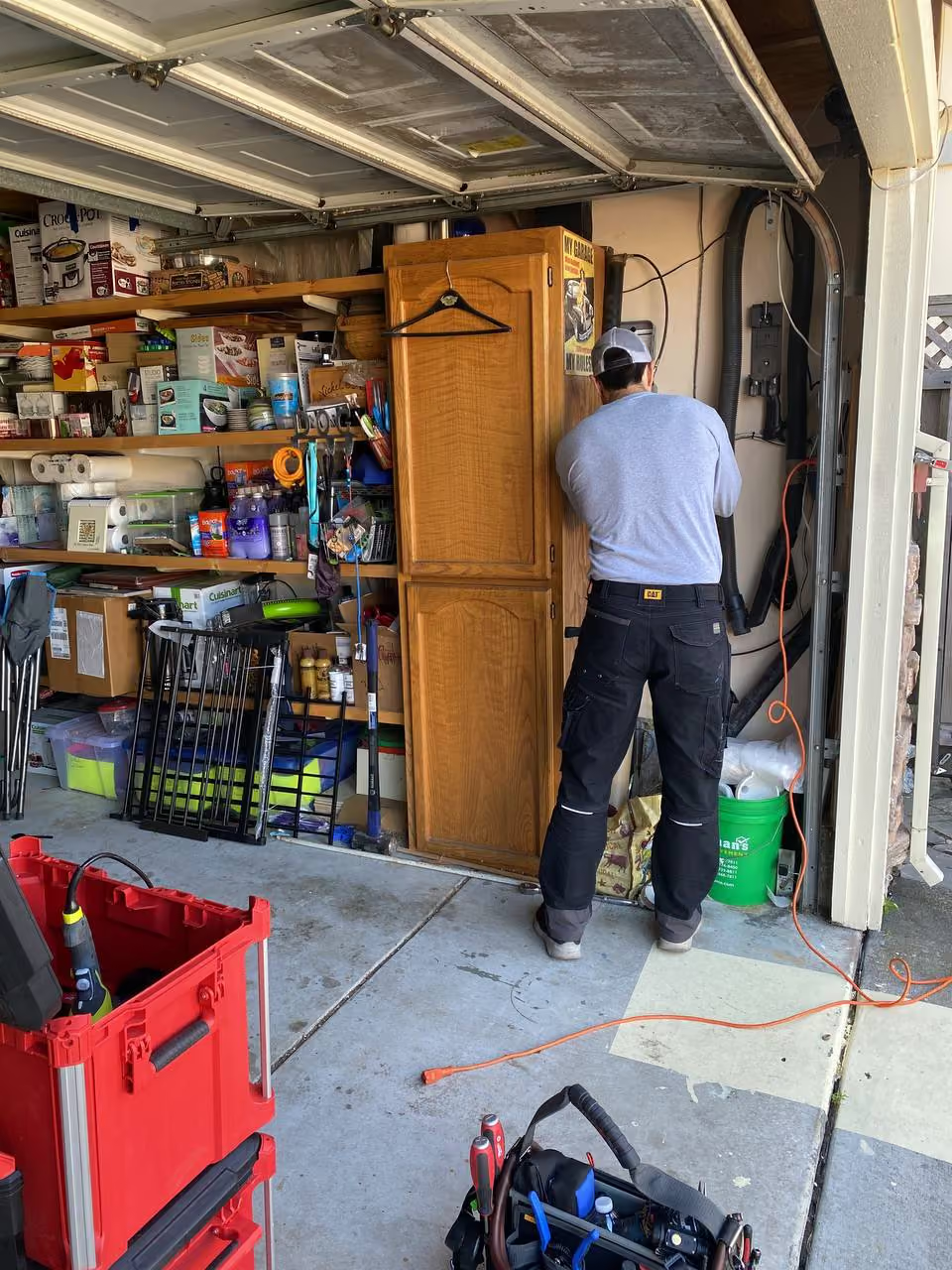
Brooklyn has a wide range of appliance installations. Some kitchens have tight finished cabinetry and stone counters. Some laundry units are stacked in closets with limited side clearance. Some dryers vent into long runs or shared building exhaust paths. Some dishwashers sit under counters that are no longer square after floor or cabinet work. Some refrigerators are pushed into enclosures with poor condenser access or limited door swing. Some ranges and ovens are installed in compact kitchens where gas, electrical, and cabinet clearances need to be respected before any repair begins.
That is why the first goal is not to replace a part quickly. The first goal is to confirm the failure, separate the appliance problem from installation or building conditions, and explain the repair in a way that makes sense.
Common Brooklyn appliance repair calls
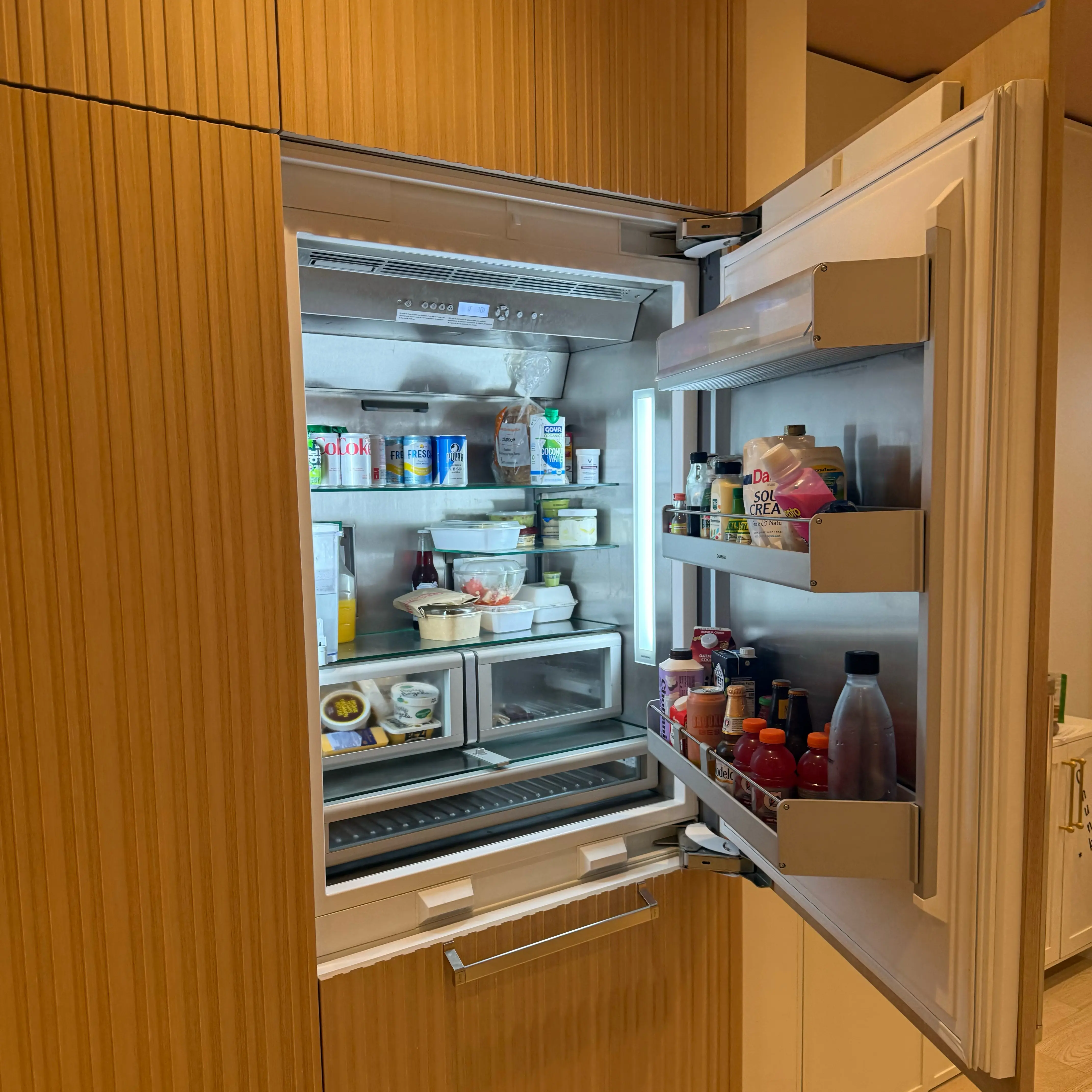
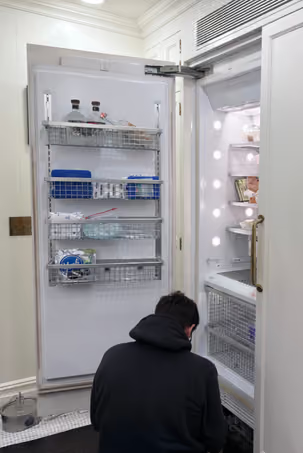
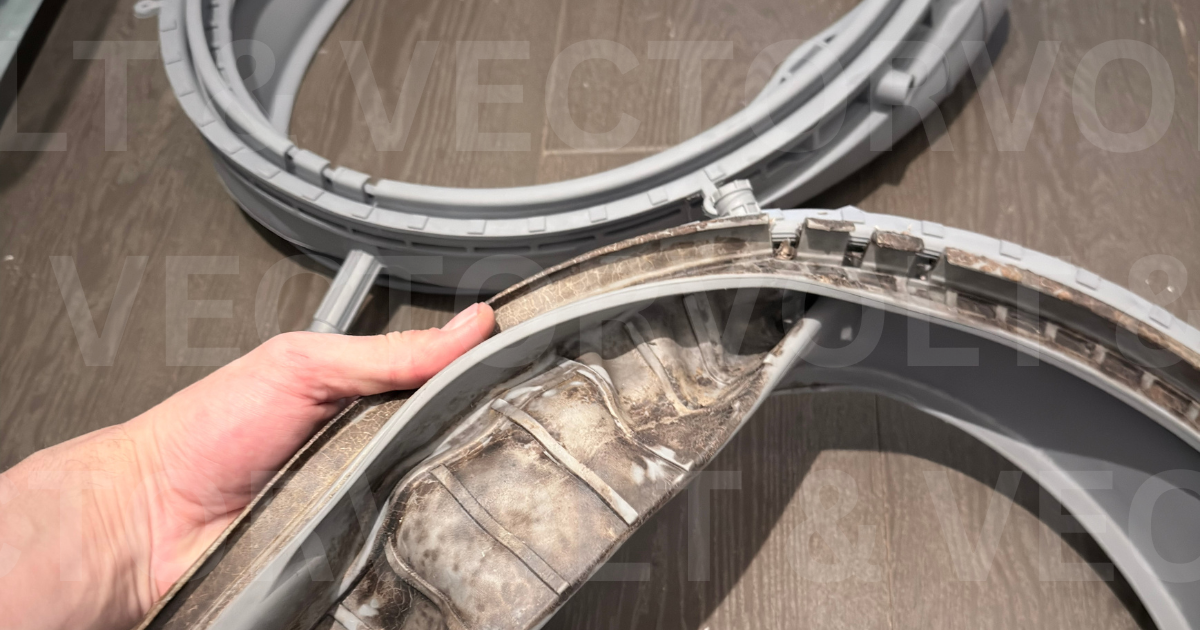
Refrigerator repair: warm fresh-food section, freezer frost, water leaks, loud operation, short cycling, weak cooling, no cooling, ice buildup, door-seal problems, dispenser issues, and control or airflow faults.
Freezer repair: thawing food, frost accumulation, temperature swings, evaporator fan problems, drain freeze-ups, gasket issues, compressor symptoms, and sealed-system warning signs.
Dishwasher repair: leaking, not draining, poor wash results, standing water, door alignment problems, fill faults, drain-hose issues, broken racks, weak circulation, odor complaints, or cabinet-related installation problems.
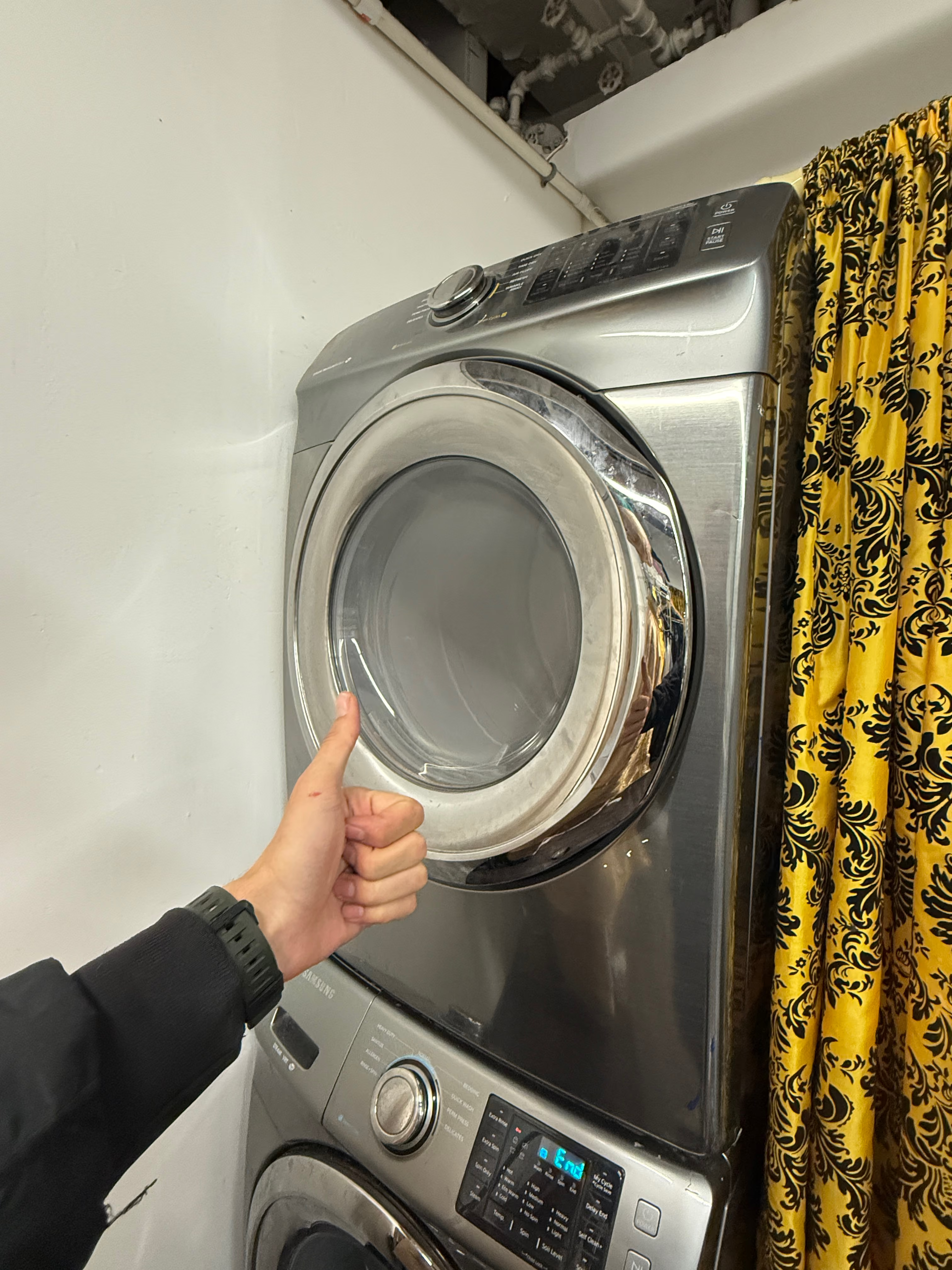
Dryer repair: no heat, long dry times, overheating, drum not turning, noise, shutdown during cycle, burning smell, lint-path restriction, venting problems, moisture-sensor issues, or building exhaust concerns.
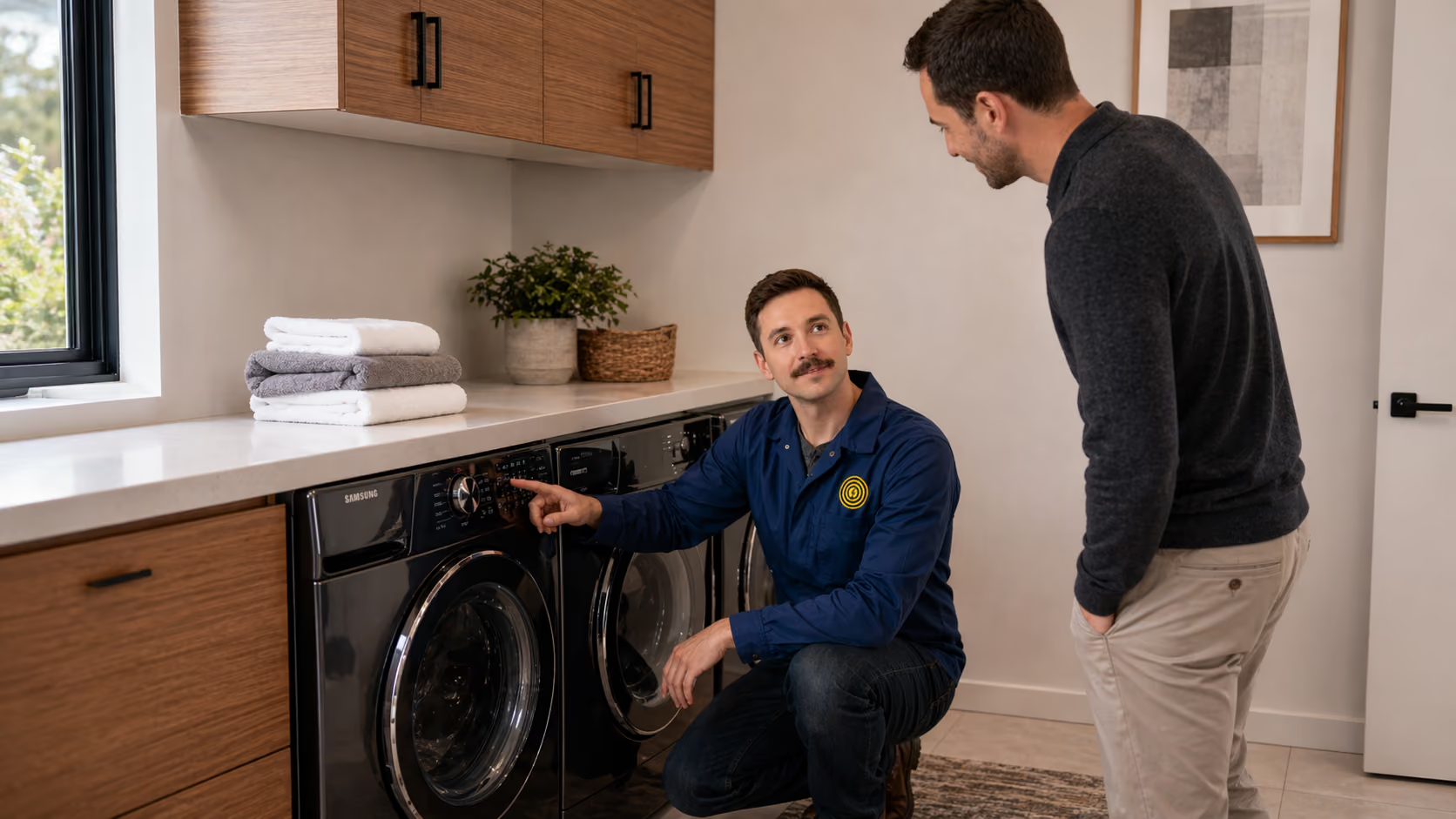
Washing machine repair: not draining, not spinning, vibration, walking, leaking, lock faults, fill faults, cycle interruption, pump noise, unbalanced loads, or stacked-laundry access problems.
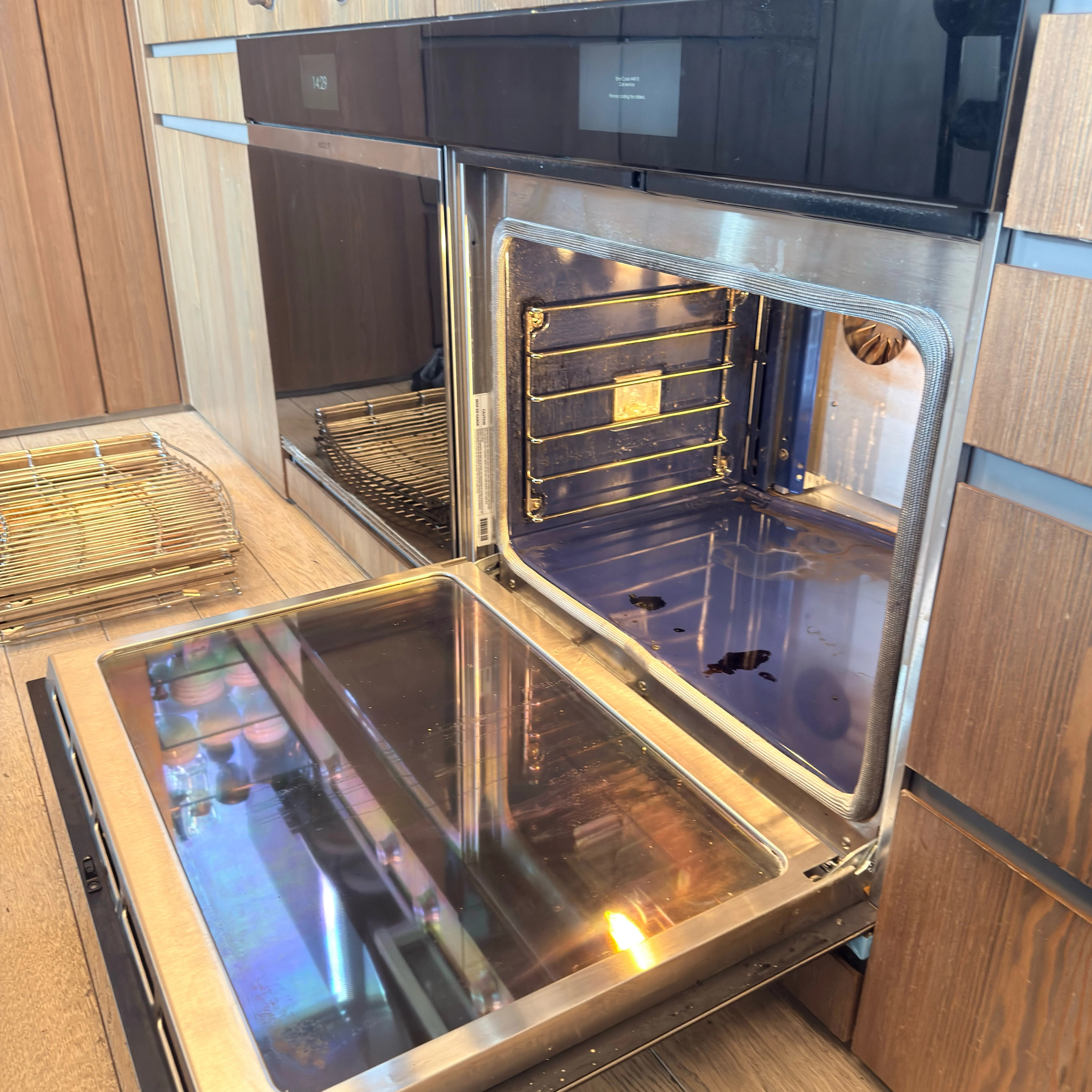
Oven repair: no heat, uneven temperature, slow preheat, failed bake or broil, ignition issues, temperature-sensor faults, control problems, fan noise, or door-seal concerns.
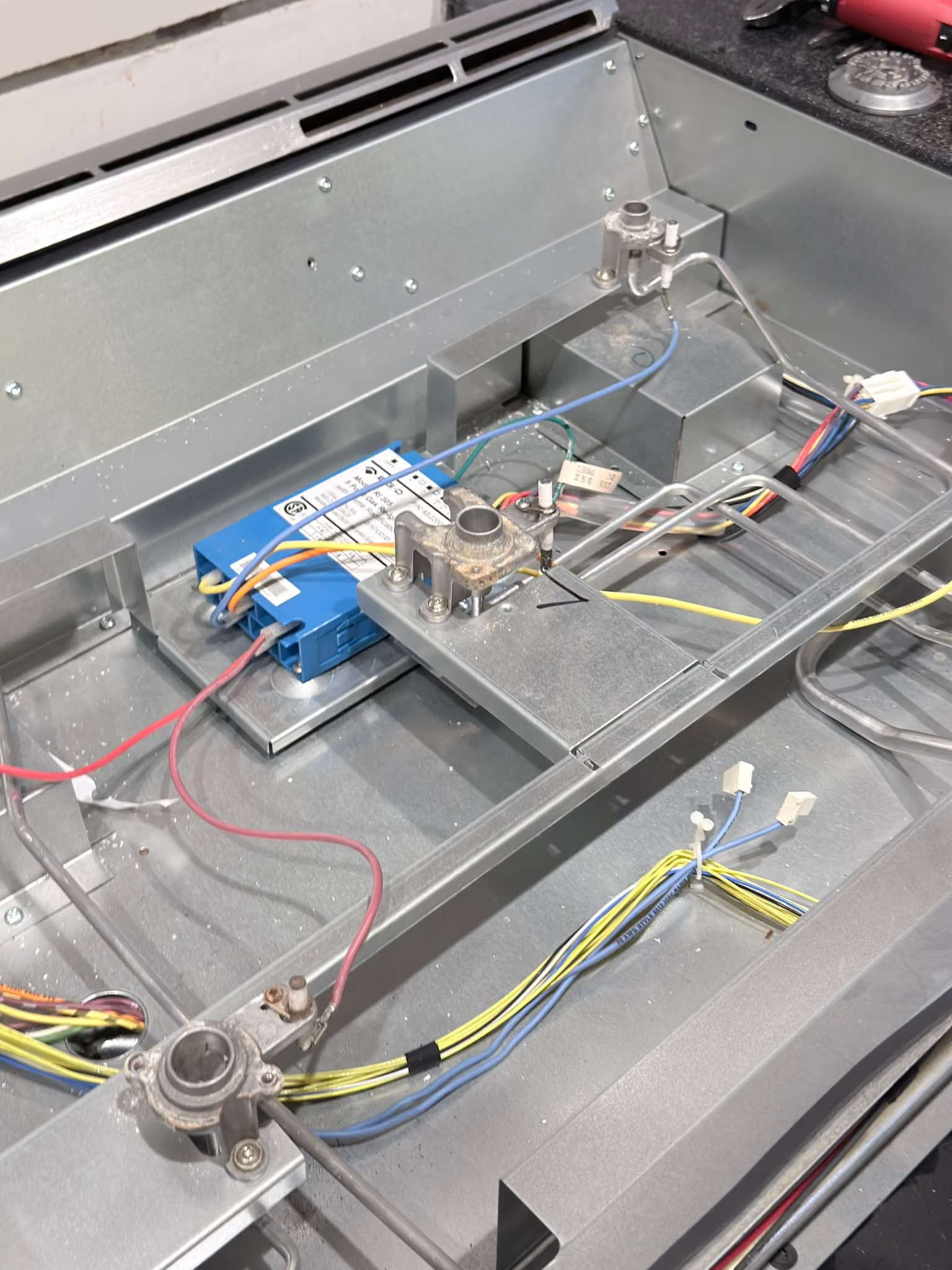
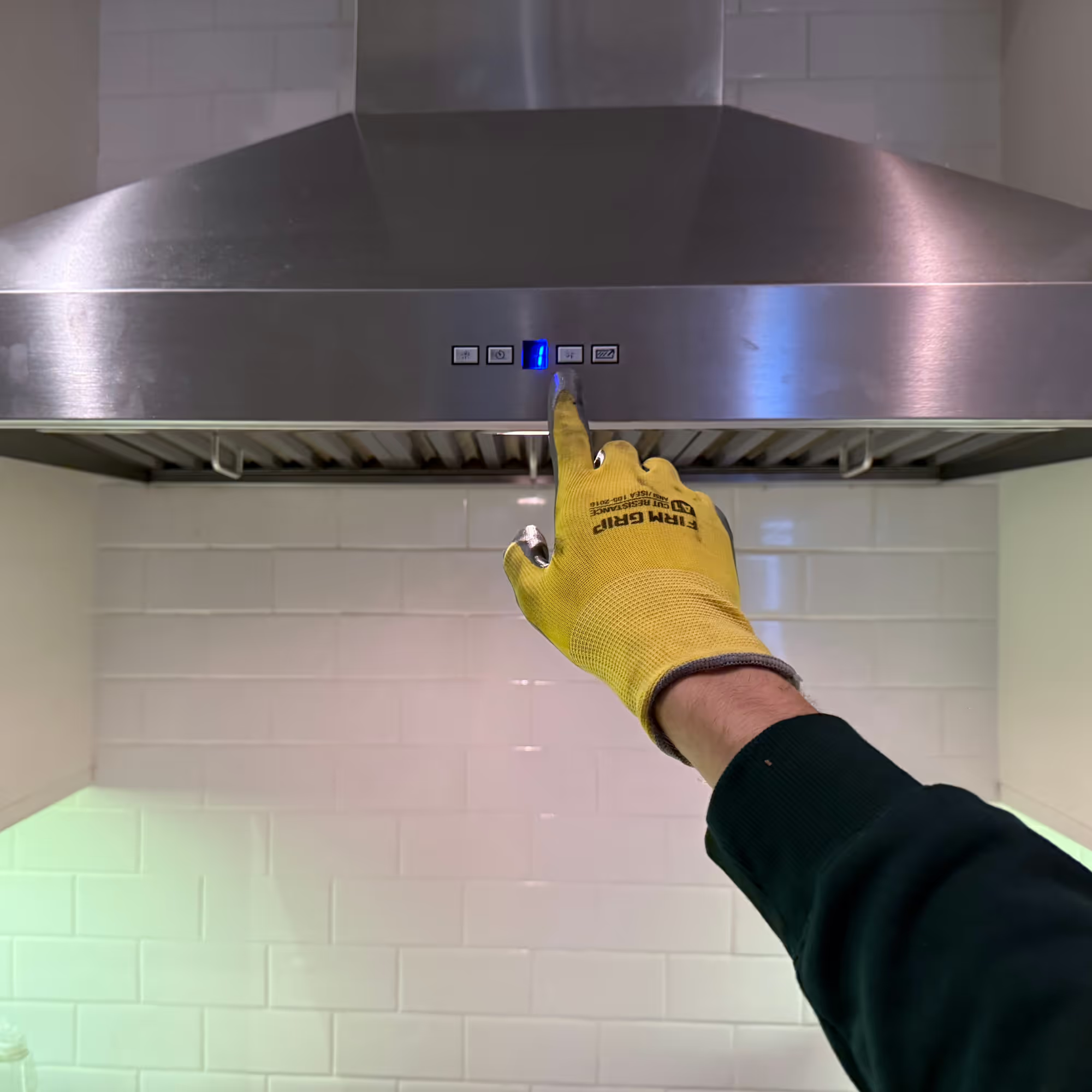
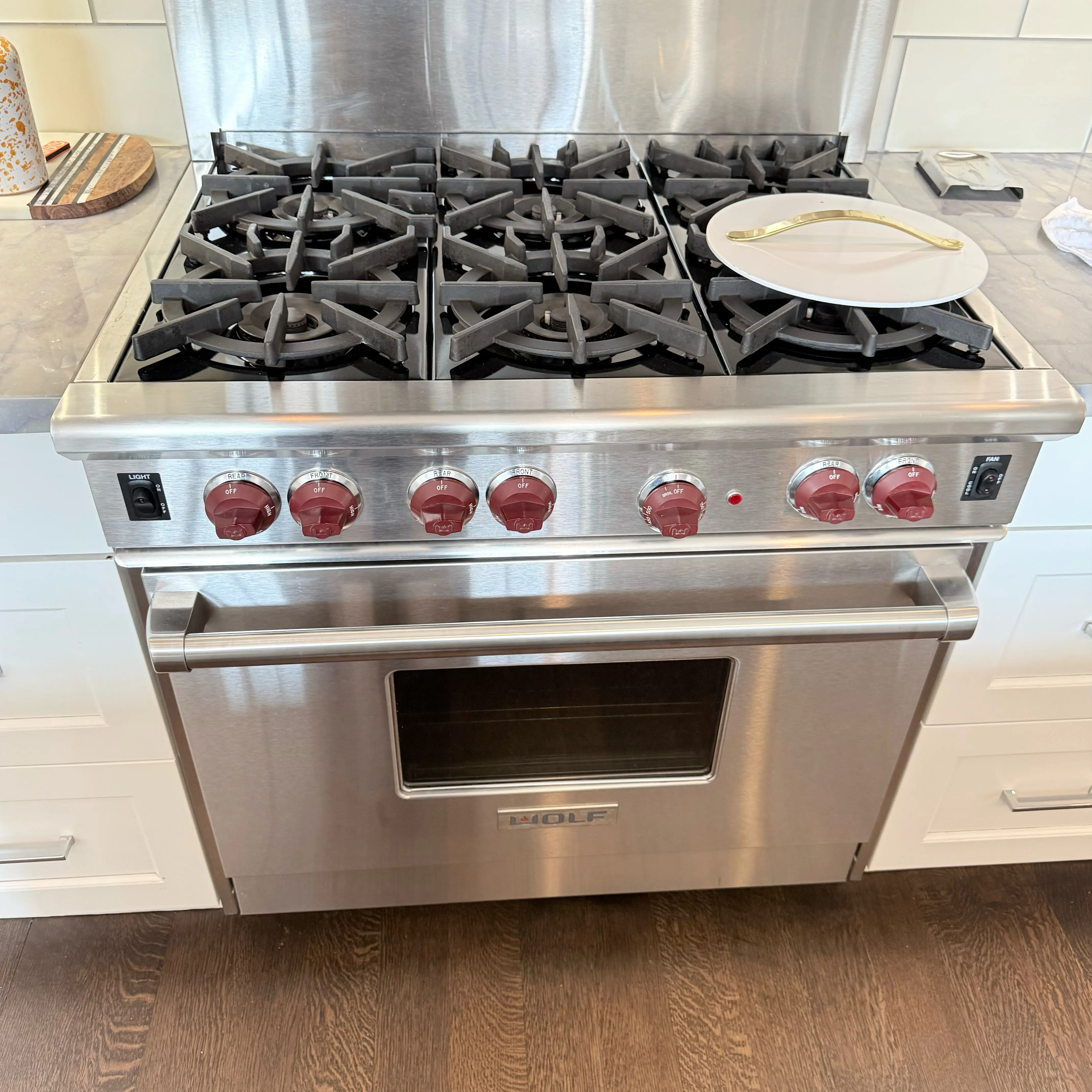
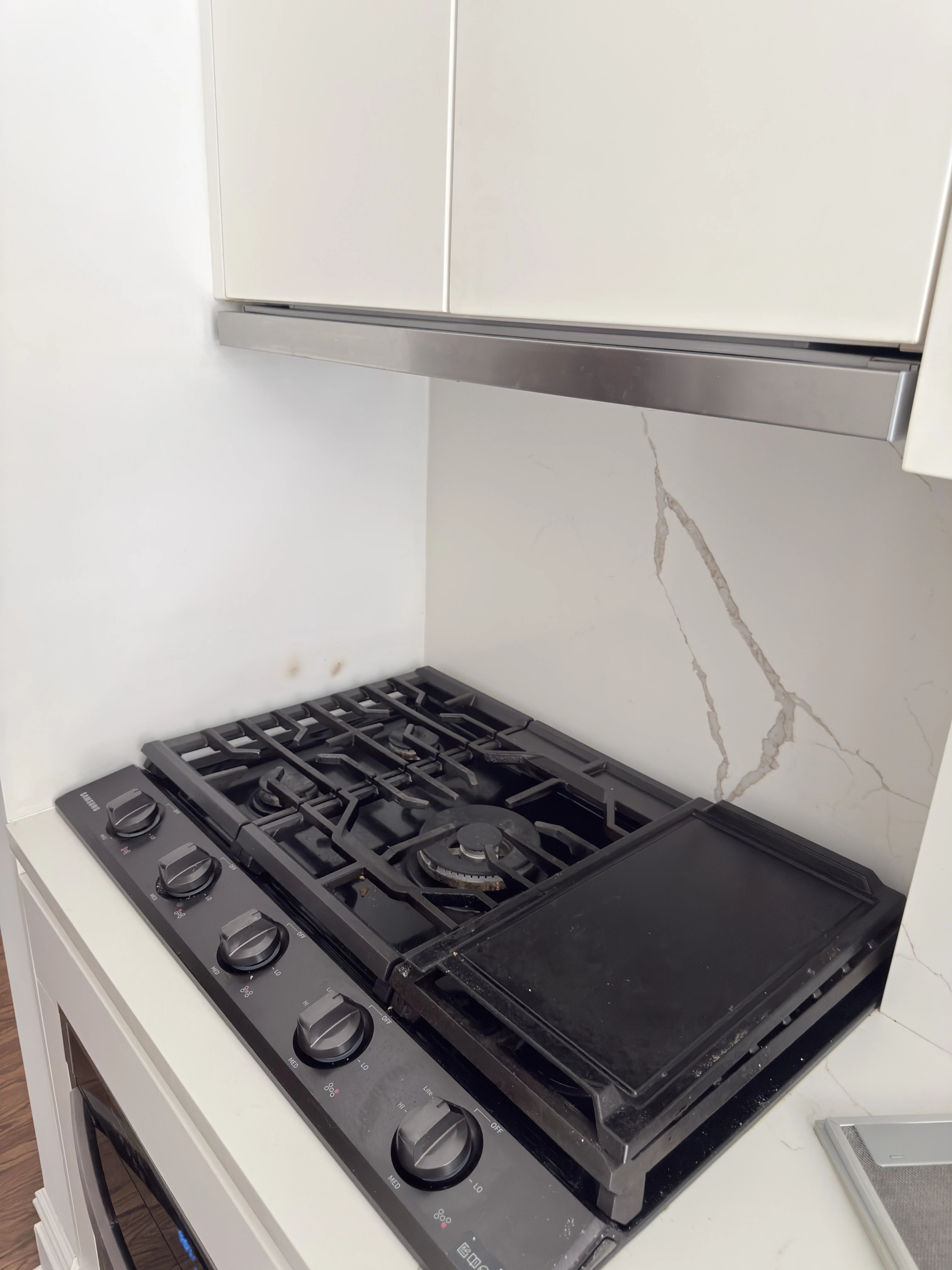
Range and cooktop repair: burner failure, ignition clicking, weak flame, electric element faults, control issues, cracked knobs, safety symptoms, or gas-related concerns that require careful handling.
What changes in Brooklyn
Brooklyn repairs often require a practical access plan. A technician may need to know whether the appliance is in a walk-up, elevator building, doorman building, brownstone, co-op, condo, rental apartment, basement unit, garden apartment, or converted multifamily home. The repair path can change if the appliance is built in, panel ready, hard to move, gas connected, water connected, stacked, installed under stone, or surrounded by finished cabinetry.
In a Park Slope brownstone, the issue may be a tight kitchen, uneven floor, or narrow stair path. In a Downtown Brooklyn tower, the issue may be front-desk access, COI rules, elevator timing, and service-window limits. In a Bay Ridge co-op, it may be building-management approval and appliance movement rules. In a Williamsburg or Greenpoint apartment, it may be compact laundry access, cabinet alignment, or venting. In a Flatbush, Crown Heights, or Bed-Stuy building, it may be a mix of older construction, renovated kitchens, and newer appliances installed into older openings.
The neighborhood name matters less than the real site condition. The appointment should be planned around the appliance, the symptom, and the room around the appliance.
Before the visit
Share the appliance type and the main symptom.
Send the brand and model-label photo if it is safely reachable.
Mention if the appliance is built-in, stacked, panel-ready, under-counter, gas-connected, water-connected, or hard to move.
Tell us about doorman rules, buzzer access, service entrance, freight elevator, parking, superintendent coordination, or appointment-window restrictions.
Request COI support before the appointment if your Brooklyn building requires it.
Send photos of the front of the appliance, the installation area, the model label, and the visible symptom if it is safe.
Do not pull out a built-in, stacked, gas-connected, water-connected, or tightly installed appliance just to find the model number. A clear symptom description is more useful than creating a new leak, gas issue, floor scratch, or cabinet damage.
During diagnostics
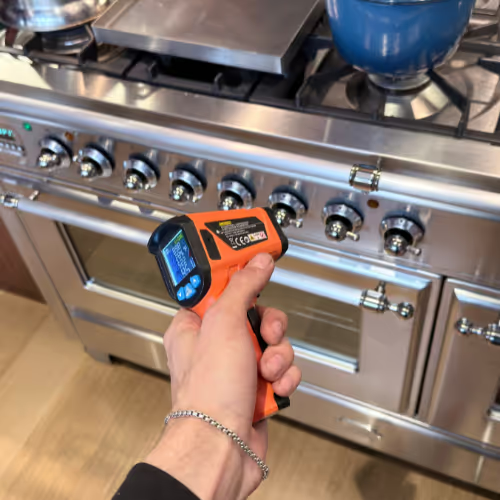
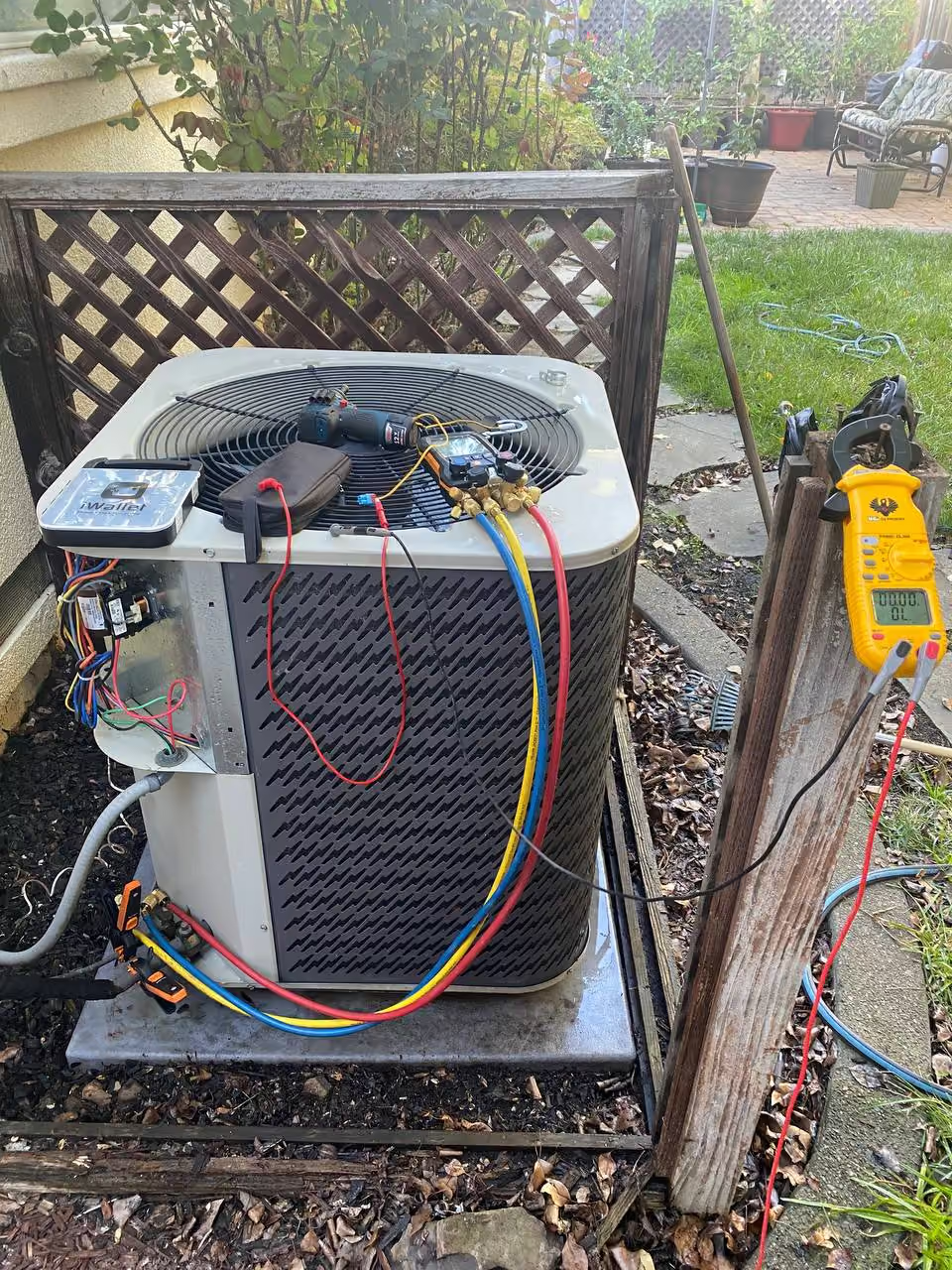
The technician tries to reproduce the symptom and confirm where the failure starts. Diagnostics may include visual inspection, cycle testing, temperature checks, airflow checks, drain checks, electrical checks, control-response checks, ignition checks, and component testing where access allows.
A dishwasher leak may involve the door gasket, spray pattern, fill level, drain connection, cabinet alignment, floor slope, or a cracked component.
A dryer long-dry complaint may involve the heating circuit, gas ignition, lint screen, blower wheel, vent restriction, transition duct, moisture sensor, or building exhaust condition.
A refrigerator cooling issue may involve condenser airflow, evaporator airflow, door sealing, defrost operation, fan behavior, thermistor readings, control behavior, compressor operation, or sealed-system symptoms.
A washer vibration complaint may involve load balance, shock absorbers, suspension, leveling, floor structure, shipping hardware, drain behavior, or stacked-unit installation.
An oven or range issue may involve ignition, element output, temperature sensing, control output, burner condition, door sealing, flame quality, or electrical supply.
The goal is to avoid a blind part swap. If the appliance failure is clear, the repair path is explained. If the installation or building condition is contributing to the symptom, that is explained too.
Estimate before repair
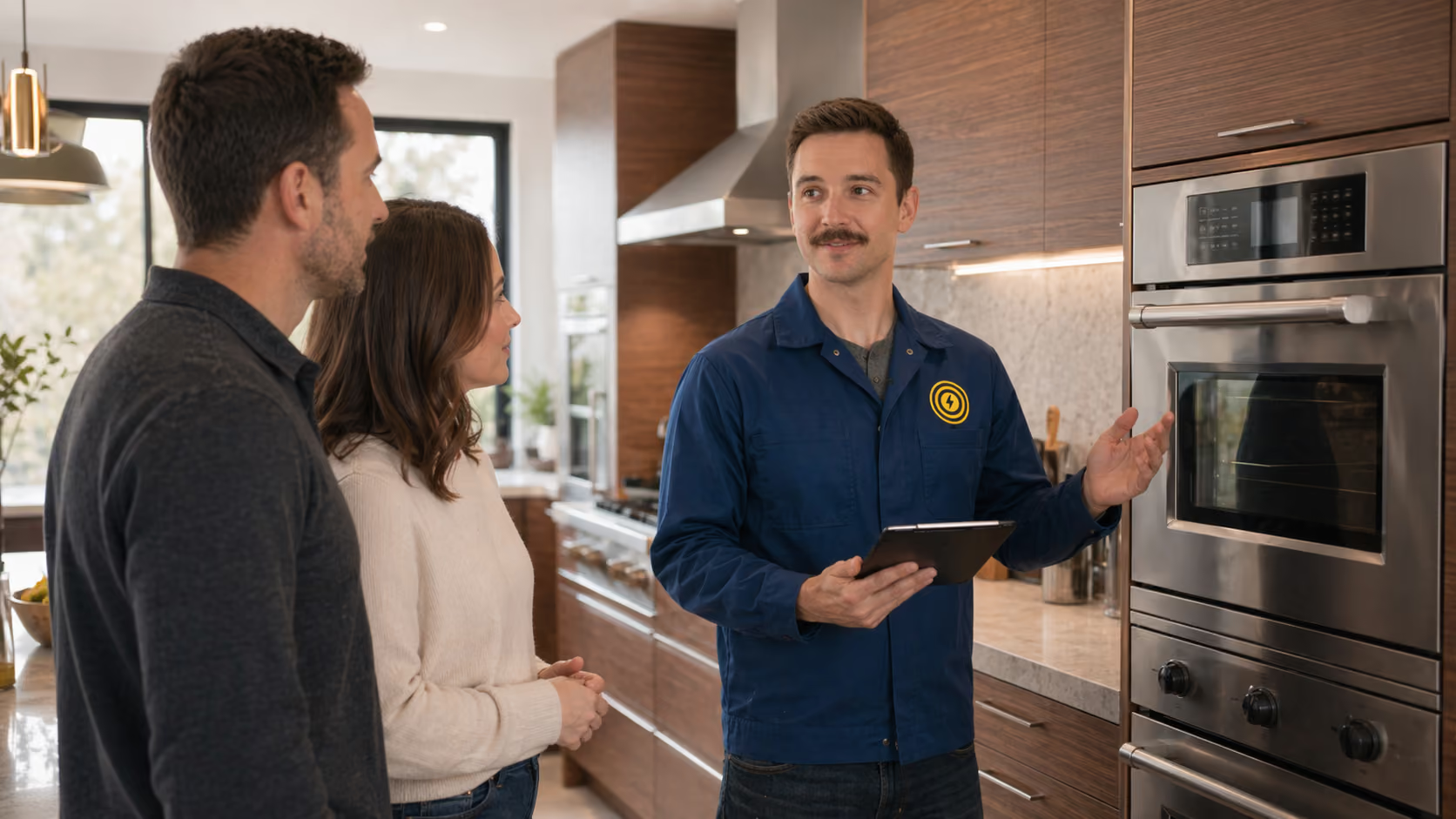
After the diagnostic finding is clear enough, you receive an explanation and estimate before repair work begins. The eligible diagnostic fee you actually pay is credited once toward an approved repair on the same job.
If the repair is approved and parts are available, work can move forward. If parts need ordering, the next step is explained before the visit closes. If the appliance is not practical to repair, the technician explains why rather than forcing a repair that does not make financial or mechanical sense.
Completed repairs are covered by the 180-day parts and labor warranty.
Reviews and trust
Volt & Vector has over 70 Google reviews. Reviews help, but they are not a replacement for diagnosis. The repair still has to be verified at the appliance, in the building, under the conditions where the symptom happens.
That is the standard: clear diagnosis, practical repair planning, correct parts, and direct communication.
Safe steps before scheduling
If you smell gas, even faintly, leave the area immediately and take others with you. Do not investigate the leak, light a flame, operate switches or appliances, or use a phone inside. From a safe distance outside, call 911, then your gas service provider. Stay outside and follow the emergency responders’ and gas provider’s instructions. Stop using the appliance if you see smoke, notice a burning odor, see sparks, feel heat near wiring, or see active leaking near electrical parts. Arrange qualified service before using it again. A routine service booking is not an emergency response.
Do not move built-in, stacked, gas-connected, water-connected, or tightly installed units.
Do not bypass door switches, lid locks, gas safety parts, thermal cutoffs, float switches, or other safety devices.
Do not reset breakers repeatedly. Repeated tripping is a symptom, not a repair.
Do not run a leaking dishwasher, washer, refrigerator, or ice maker to “test it one more time” if water is reaching the floor, outlet, cabinet base, or neighboring unit.
Take photos of the symptom, model label, and installation area if it is safe.
For symptom-specific guidance, check the appliance repair help guides.
Brooklyn appliance repair FAQ
Do you repair appliances in Brooklyn apartments and private homes?
Yes. This page is for Brooklyn residential appliance repair in apartments, condos, co-ops, brownstones, townhouses, row houses, and multifamily homes.
Can you work in buildings that require a COI?
COI support can be requested before the appointment. Send the building requirements early so the visit is not delayed by front-desk or management rules.
Should I move the appliance before the technician arrives?
No. Do not move built-in, stacked, gas-connected, water-connected, or tightly installed appliances. Send photos and access notes instead.
What should I send before booking?
Send the appliance type, brand, symptom, Brooklyn address, access notes, and a model-label photo if reachable. A short video of the noise, leak, error code, or failed cycle can also help.
Do you repair the appliance the same day?
If the diagnosis is clear, the repair is approved, and the required part is available, the repair may move forward during the visit. If a model-specific part is needed, the technician explains the ordering path and next step.
Do you guarantee the appliance can be repaired?
No responsible appliance repair company should guarantee that before diagnosis. Some failures are repairable. Some are installation-related. Some are unsafe. Some repairs do not make financial sense compared with replacement. The visit is designed to find out which situation applies.
Schedule Brooklyn appliance repair
Volt & Vector provides residential appliance repair in Brooklyn for refrigerators, freezers, dishwashers, ovens, ranges, cooktops, washers, and dryers.
The service is built around clear diagnosis, practical access planning, correct parts, and direct communication. The goal is not to replace parts blindly. The goal is to find the real problem, explain it clearly, and repair the appliance when repair makes sense.


.avif)