
HVAC Repair in NYC — Diagnostics-First, Test-Based
Volt & Vector Appliance Repair
Volt & Vector HVAC Repair provides diagnostics-first HVAC repair and maintenance across New York City, focused on Brooklyn, Manhattan below 96th St, and select Queens ZIP codes. We fix failures that impact comfort and safety: no cooling, no heat, weak airflow, leaks, abnormal noise, and control faults. Our process is test-based. We confirm the root cause with measurements and functional checks before recommending parts, and we can provide a COI for building management when required.
Book your service
9:00 AM – 6:00 PM
The diagnostic fee credit applies to the same job when you approve the repair. You will receive diagnostic results and an estimate before any repair begins.
Speak directly with a Volt & Vector dispatcher
voltnvector@gmail.com
Send your appliance details and preferred time window
1. Schedule your visit
2. On-site diagnostic
3. Approve & repair
4. Done & covered
COI (Certificate of Insurance)
Available on request - usually not required in Brooklyn, but often asked for in Manhattan buildings and co-ops. Please remember that certain issues can come from incorrect use or installation, not from parts failure - our technicians will always point that out and show how to prevent it in the future.
Warranty & Compliance
Every repair is covered by a 180-day warranty on both parts and labor. If the appliance is older, keep in mind that some surrounding components can wear out over time — sometimes one repair leads to another part showing its age. We always explain options clearly before doing extra work.
Safety & Courtesy Protocol
We treat every visit like we’re guests in your home. Technicians wear shoe covers or remove footwear when entering, and we always clean up after the job. If you notice a little dust or debris left behind - our apologies - each tech handles 3-5 appointments per day and works to stay on schedule. If your window was 11-1, the technician usually arrives closer to 11; if running late, we’ll text you right away. Our goal is simple: work clean, stay safe, and respect your space and time.
Coverage
We cover Brooklyn—Downtown, Brooklyn Heights, Park Slope, Williamsburg, Greenpoint, Bed-Stuy, Carroll Gardens, Prospect Heights, and Flatbush—and Manhattan (below 96th Street)-FiDi, Battery Park, Tribeca, SoHo, Chelsea, Midtown, UES, UWS, Gramercy, and the Village. You’ll receive a text alert ~30 minutes before arrival.
Why Volt & Vector
We’ve spent years working inside large NYC repair companies - seeing how real technicians get buried under rushed schedules, fake “same-day” promises, and endless call-center noise. Volt & Vector grew out of that frustration. We wanted a place where diagnostics still matter, where techs can take time to do the job right and talk to people directly. We’re not calling ourselves perfect - far from it - but we’re building the kind of service we always wanted to work for: respectful, transparent, and run by people who actually fix things.
Pricing & Diagnostic Policy
Our diagnostic visit is always billed at the first appointment - that’s the starting point for every repair. After the visit, the technician sends full details to our service desk. Sometimes the tech can give a price range on-site, but we’re moving away from instant quotes - parts pricing changes like crypto these days, and we’d rather stay accurate than promise the wrong number.
Simple issues - like a clogged drain, loose wire, or minor reset - can often be fixed on the spot starting from $99. If a full repair with parts is needed, total cost varies by brand and model - just like in any NYC company, it can start around $320 and go up depending on parts and labor. We believe in clarity over surprises. You’ll always see the diagnostic results and estimate before any repair begins.
Quick Answers
- Question: Do you handle HVAC repairs in NYC apartments, condos, and small commercial spaces?
Answer: Yes. We focus on diagnostics-first repair and maintenance for HVAC units, with clear on-site testing before any parts are recommended. - Question: Can you fix “no heat” or “no cooling” problems without guessing parts?
Answer: Yes. We confirm the failure under load by checking controls, safeties, airflow, and electrical behavior so the repair path is based on evidence. - Question: My HVAC turns on but barely heats or cools. What do you test first?
Answer: Airflow and control logic first, then refrigeration or heating performance, then the electrical components that drive the system. - Question: Do you work on ducted air handlers and split systems common in NYC buildings?
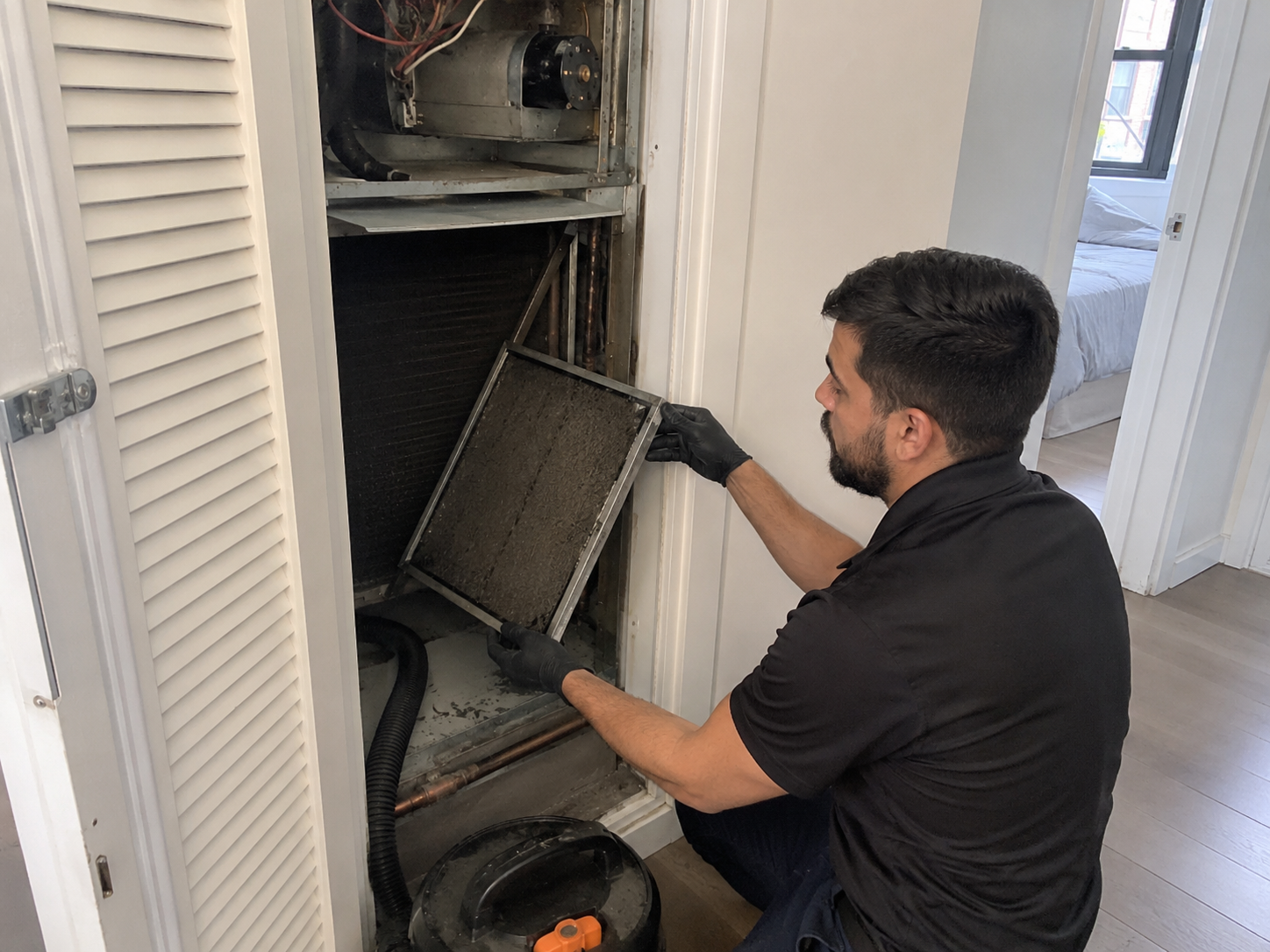
Answer: Yes. Ducted air handlers in closets, soffits, and ceilings are common NYC installs, and we validate access, drainage, and airflow constraints during diagnostics. - Question: What if my building requires building management coordination and paperwork?
Answer: If your building needs documentation or access coordination, tell us up front so we can align scheduling and site requirements before dispatch. - Question: When should I stop DIY and book service?
Answer: Stop and schedule service for burning smell, repeated breaker trips, water leaking near electrical components, or ice buildup that keeps returning after you power-cycle.

Volt & Vector HVAC service is built for NYC constraints: tight mechanical closets, limited access, noise rules, and buildings that require predictable windows. We isolate root cause with on-site measurements and control checks so repairs hold up under real usage instead of “parts swapping.”
Schedule HVAC service
Call: +1 (332) 333-1709
Email: voltnvector@gmail.com
HVAC Repair NYC At a Glance
- Service: HVAC diagnostics, repair, and maintenance
- Coverage: Brooklyn, Manhattan below 96th St, selected Queens ZIP codes
- Focus: repair and maintenance, not installation-first work
- Method: diagnostics-first testing and clear verification after repair
Quick Facts
- Hours: Monday–Saturday, 9:00 AM–6:00 PM
- Diagnostic fee: $99, credited toward the repair if you approve the work on the same job
- Warranty: 180-day parts and labor warranty on completed repairs
- Parts policy: OEM parts when available and appropriate for the platform
- Scheduling windows: 9–11, 11–1, 1–3, 3–5
- Building paperwork: COI available on request
Service Area
- Brooklyn
- Manhattan below 96th Street
- Selected Queens ZIP codes
What We Service
- Ducted air handlers in closets, soffits, and ceiling installs
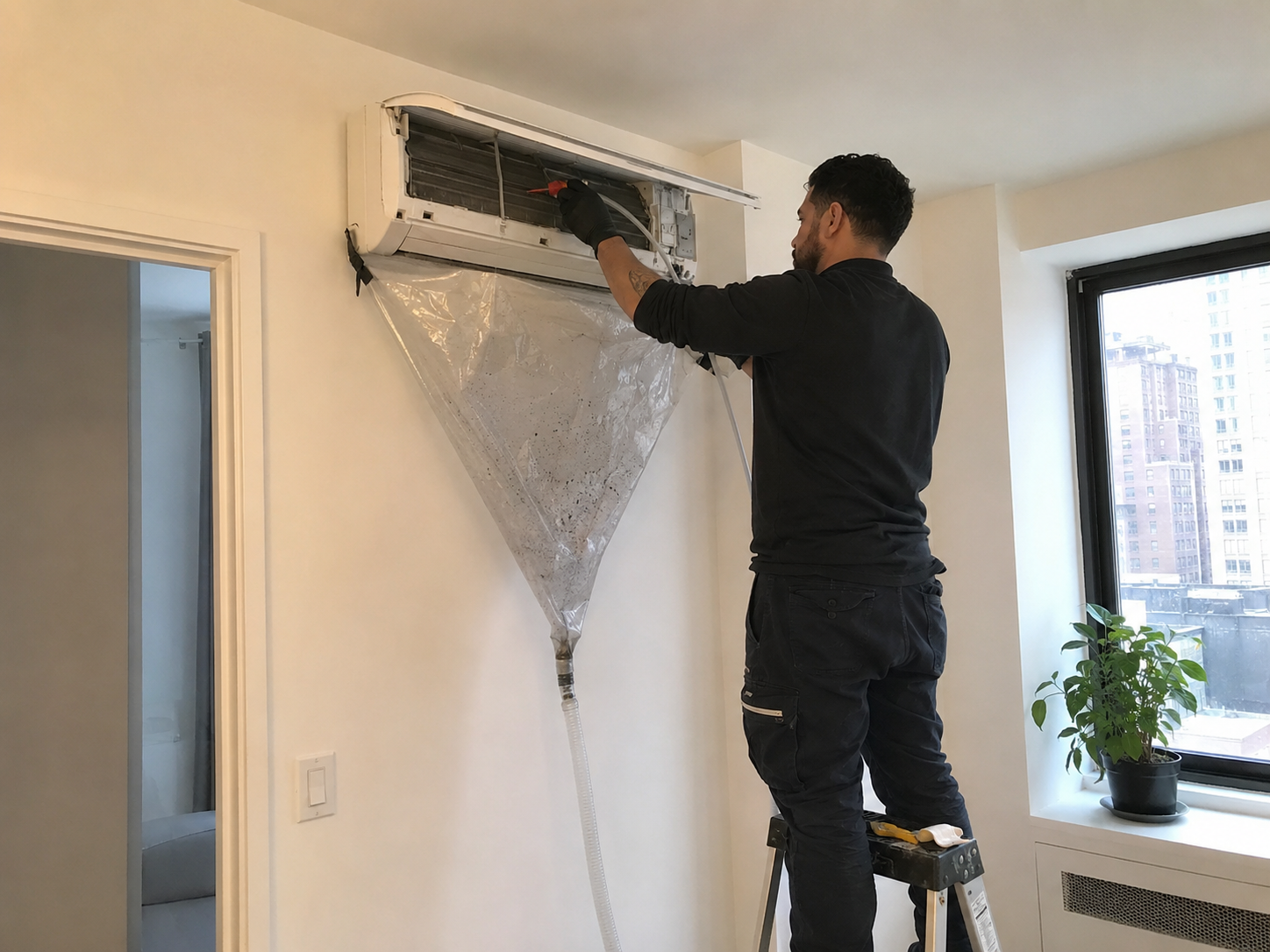
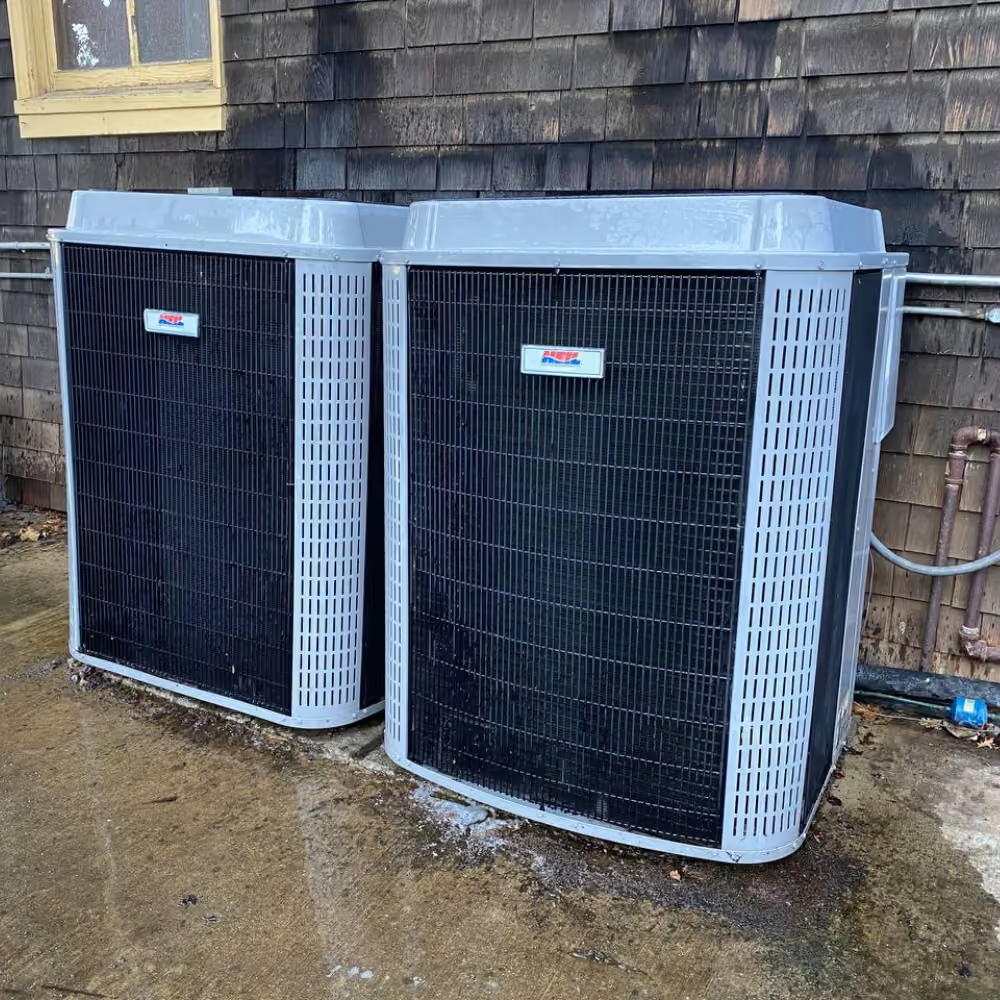
- Split systems that pair an indoor air handler with an outdoor condenser or heat pump
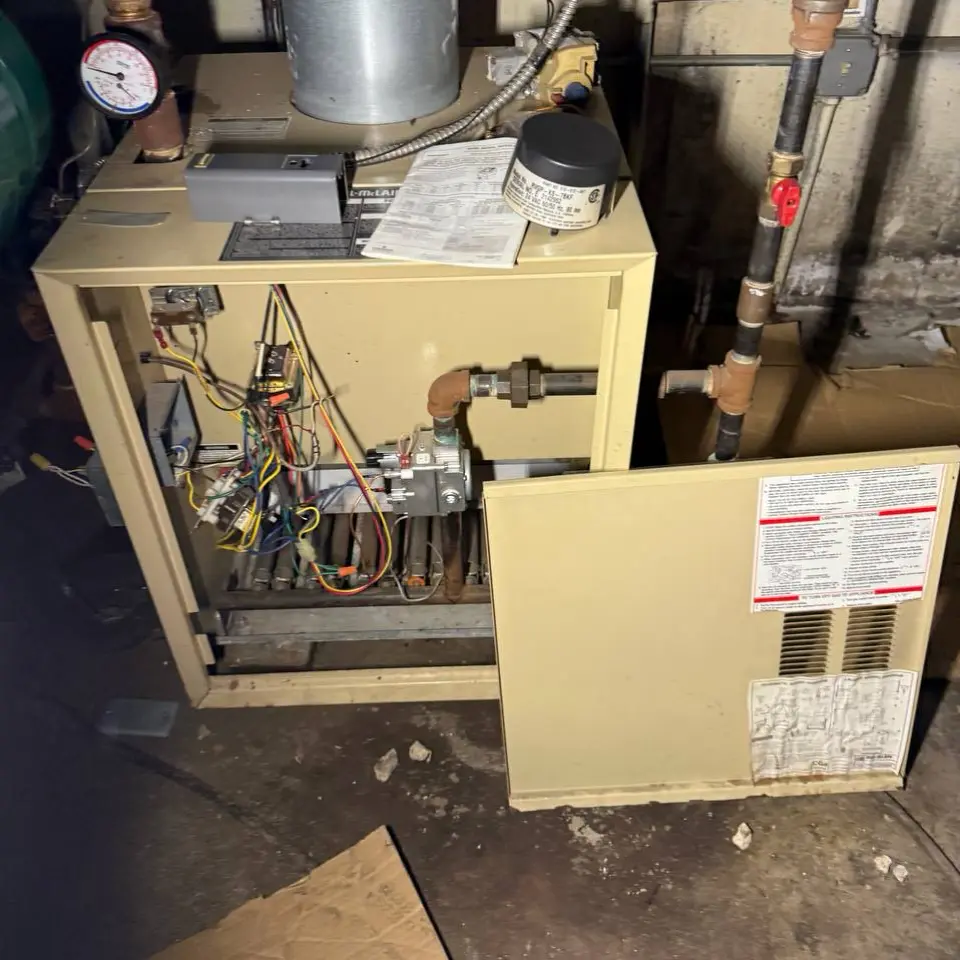
- Forced-air heating systems where applicable to the building layout
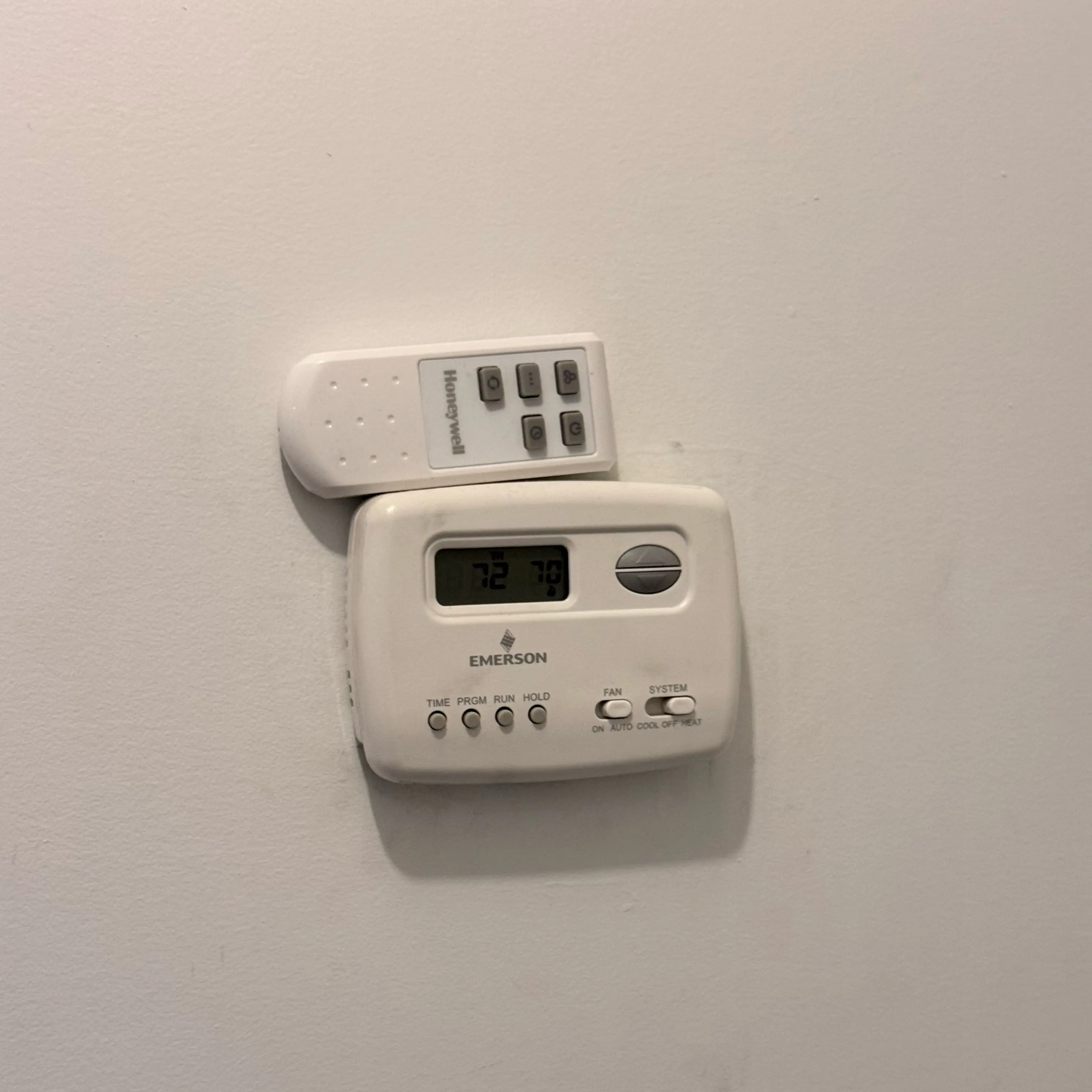
- Thermostats, low-voltage controls, relays, and common safety circuits tied to HVAC operation
- Condensate management problems that cause shutoffs, leaks, or overflow behavior
If you’re unsure what you have, send a photo of the model and serial tag and any displayed fault code. We confirm scope before dispatch.
Common HVAC Problems We Repair in NYC
No cooling, weak cooling, or warm air
- What you notice
- Air blows but the space does not cool
- Cooling starts then fades
- Temperature drops slowly and never reaches setpoint
- What we test
- Thermostat call and control signal path
- Airflow through filter, return, and supply
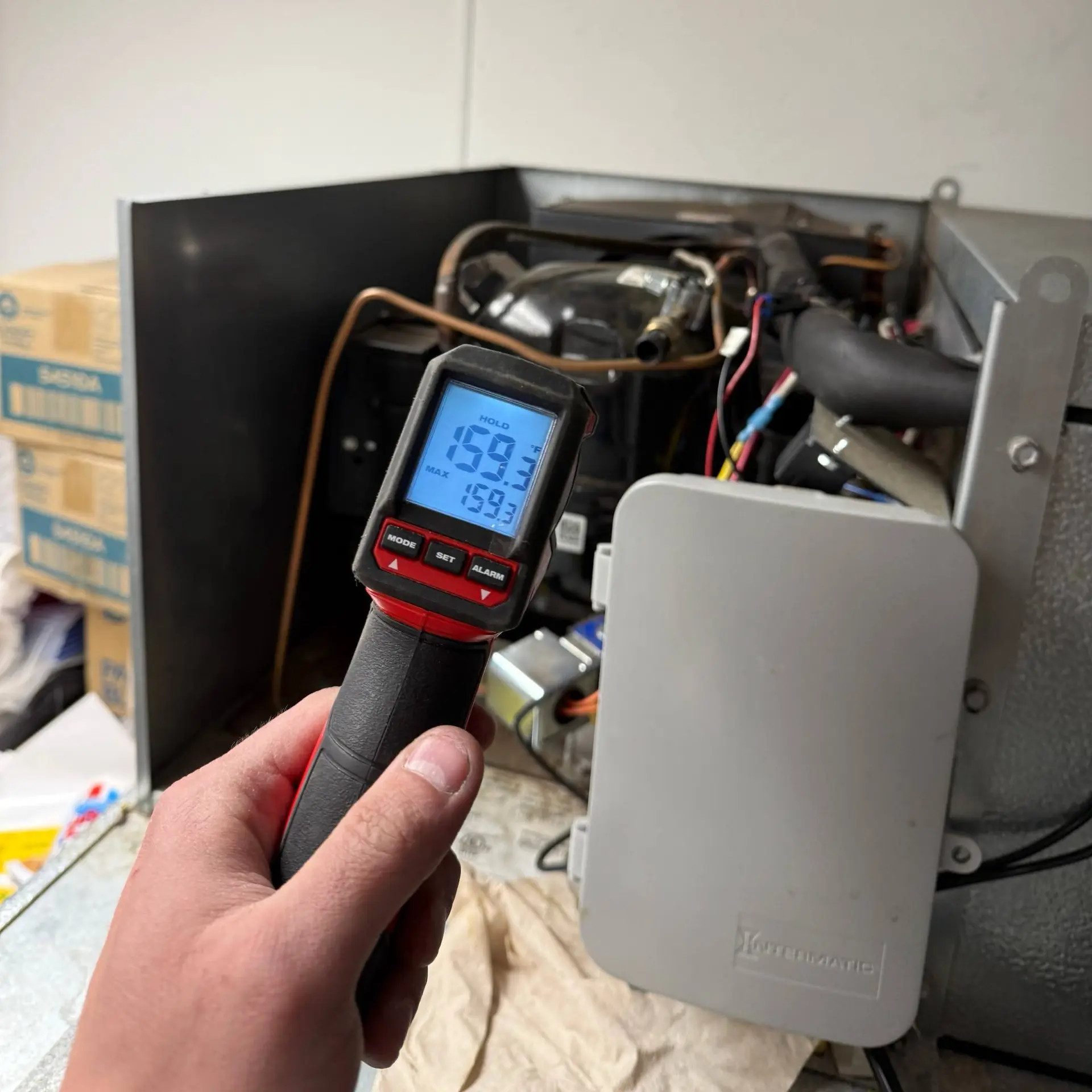
- Coil condition and temperature split behavior
- Electrical components that drive compressor and fans
- Condensate safeties that can interrupt operation
- What verification looks like
- Stable cooling performance under normal load, not just “it turns on”
No heat, weak heat, or heat that cycles off early
- What you notice
- Heat does not start
- Heat starts then shuts down
- Airflow is present but air is not warm enough
- What we test
- Call for heat, safeties, and limit behavior
- Airflow and temperature rise
- Control response and sequencing
- Electrical loads and supply behavior under load
- What verification looks like
- Heat holds setpoint without safety trips during a full cycle
Short cycling and unstable operation
- What you notice
- System turns on and off too frequently
- Starts, then shuts down within minutes
- What we test
- Control logic and sensor inputs
- Safety interruptions, float switches, or limits
- Airflow restrictions and coil condition
- Electrical instability and component overheating
- What verification looks like
- Normal cycle length and stable run behavior over time
Poor airflow and hot or cold spots
- What you notice
- Some rooms are uncomfortable while others are fine
- Airflow feels weak at vents
- What we test
- Filter condition and return restrictions
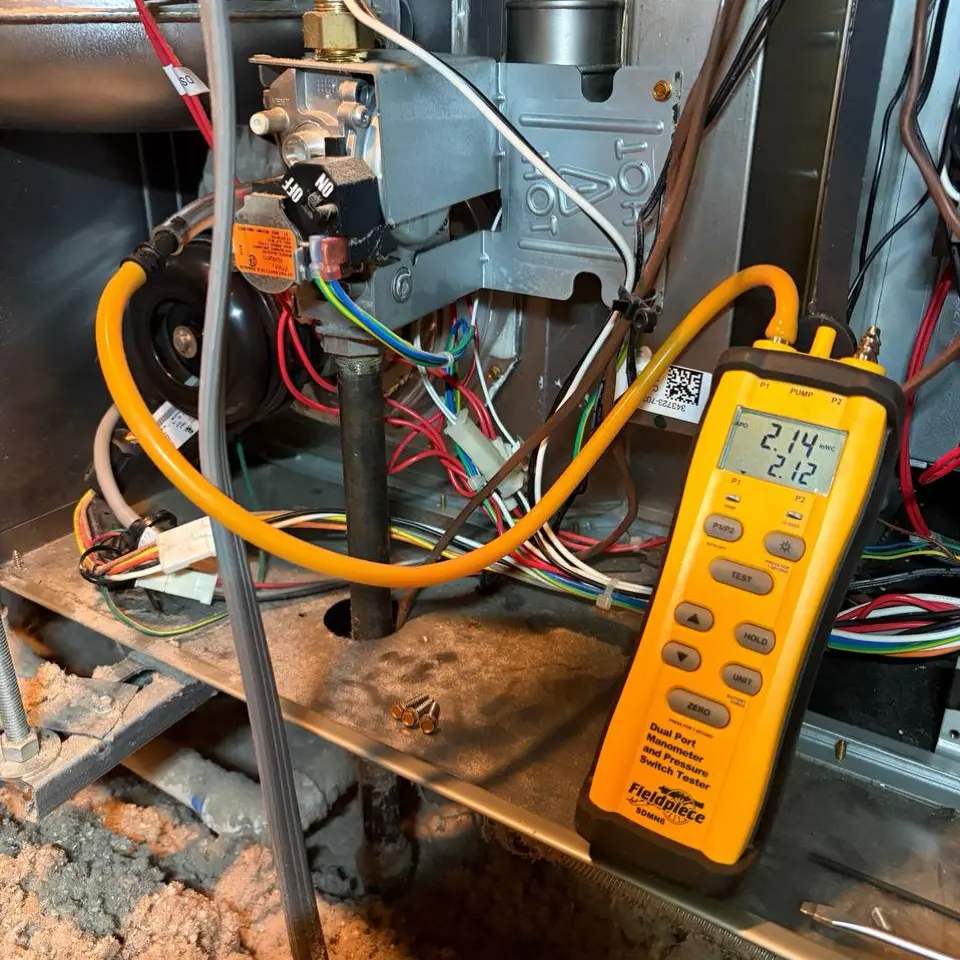
- Blower performance and static pressure indicators
- Supply and return path constraints created by the install
- What verification looks like
- Measurably improved airflow and stable temperature behavior
Water leaks, overflow shutoffs, or musty odor
- What you notice
- Water around the unit or stain marks
- Unit shuts off and restarts
- Musty smell near the air handler
- What we test
- Drain path condition and slope constraints
- Pan, trap behavior, and overflow protection
- Moisture accumulation points tied to airflow issues
- What verification looks like
- Drain clears and unit runs without triggering safety shutoff
Noise, vibration, or rattling in tight installs
- What you notice
- New vibration noise, rattling panels, or buzzing
- What we test
- Fan balance and mounting integrity
- Cabinet resonance and bracket stability
- Electrical buzzing from relays or transformers where applicable
- What verification looks like
- Noise reduced under normal run conditions, not only at startup

Symptom to Diagnosis Map
- Symptom: Thermostat is calling but nothing starts
Likely cause class: Control signal break, safety open, failed control component
How we confirm on-site: Verify call at thermostat, trace control path, confirm safeties and control outputs under load - Symptom: Starts, runs briefly, then shuts off
Likely cause class: Safety interruption, drain overflow protection, overheating component
How we confirm on-site: Observe shutdown sequence, test safety states, confirm condensate switch behavior, validate electrical loads - Symptom: Air blows but it is not cold
Likely cause class: Airflow restriction, coil performance issue, outdoor unit or compressor circuit issue
How we confirm on-site: Measure temperature split, verify airflow, inspect coil condition, validate outdoor unit electrical behavior - Symptom: Air is cold at first, then gets warmer
Likely cause class: Freeze-up, airflow collapse, intermittent control or component behavior
How we confirm on-site: Check coil icing indicators, airflow drop, control stability, and repeatable timing pattern - Symptom: No heat, fan may run
Likely cause class: Heat source not engaging, safety lockout, control sequencing fault
How we confirm on-site: Validate heat call, confirm safety chain, check sequencing and electrical loads during startup - Symptom: Heat starts but shuts off early
Likely cause class: Limit trip from airflow restriction, sensor or safety behavior, control instability
How we confirm on-site: Confirm airflow, observe limit behavior, verify control response and reset pattern - Symptom: Short cycling all day
Likely cause class: Control logic, sensor placement issue, safety interruptions, oversized response to load swings
How we confirm on-site: Trend cycle timing, confirm sensor inputs, check for interruptions and airflow constraints - Symptom: Water leaking near the unit
Likely cause class: Drain restriction, trap issue, pan overflow, install slope constraint
How we confirm on-site: Test drain flow, inspect pan and trap, validate overflow protection and drain routing - Symptom: Musty smell or humidity feels high
Likely cause class: Drain or moisture management issue, airflow imbalance, coil contamination patterns
How we confirm on-site: Inspect moisture points, confirm airflow and runtime behavior, check for standing water and drainage performance - Symptom: Buzzing, clicking, or electrical noise during operation
Likely cause class: Relay, contactor, transformer, or control component noise
How we confirm on-site: Identify source under load, verify voltage behavior, confirm component response and heat buildup - Symptom: Breaker trips or fuse issues
Likely cause class: Electrical fault, motor or compressor issue, wiring degradation
How we confirm on-site: Verify circuit behavior, measure loads, inspect connections, isolate component draw - Symptom: Loud vibration in a closet or soffit install
Likely cause class: Fan imbalance, mounting resonance, panel contact
How we confirm on-site: Run-test and listen under steady state, inspect mounts, isolate resonance points
Why HVAC Problems Are Often Install-Sensitive in NYC
- Mechanical closets and soffits restrict airflow and service access
- Condensate drains are often long, routed through tight spaces, and sensitive to slope
- Noise and vibration become more noticeable in dense buildings
- Outdoor unit access can require building coordination and roof or setback access rules
- Electrical supply realities in older buildings can affect startup behavior under load
- Tight return paths and undersized filters drive repeat failures that look like “bad parts”
How HVAC Service Works
- Pre-check by phone or text: what you notice, how often it happens, and any displayed code
- On-site diagnostics: controls, safeties, airflow, drainage, and electrical behavior under load
- Clear repair path: what failed, why it failed, and what fixes are reasonable for your platform
- Repair and verification: confirm stable operation through a full run cycle
- Notes for prevention: filter, airflow, and drain practices that reduce repeat failures
What to Send for Faster Scheduling
- Photo of the model and serial tag for indoor and outdoor units when accessible
- Photo of thermostat and any displayed error message
- Describe when it happens: constant, only at startup, after 10 to 20 minutes, only on very cold or hot days
- Photos of the install area if it is inside a closet, soffit, or ceiling access panel
- Any building requirements: service elevator rules, COI request, restricted work hours
Example Scenarios
- Weak cooling in a mechanical closet install → we verified airflow restriction and safety behavior → confirmed drainage and airflow constraints → corrected the root cause and verified stable cooling under load
- Heat starts then stops after a short run → we traced a repeatable shutdown pattern → confirmed a safety interruption tied to airflow and control response → repaired and verified full-cycle heat operation
- Water near the air handler after heavy use → we tested drain flow and overflow protection → confirmed restriction and routing constraint → restored drainage and verified no shutoff events
- Short cycling in a high-rise bedroom → we validated thermostat inputs and control stability → confirmed a control or sensor-driven cycling pattern → corrected and verified normal cycle timing
Before You Call, Safe High-Value Checks
Stop and schedule service if you smell electrical burning, see water leaking near electrical components, or experience repeated breaker trips.
Otherwise, try these safe checks:
- Confirm the thermostat mode is correct and the setpoint is meaningfully different from room temperature
- Replace or clean the air filter if it is dirty or overdue
- Make sure return grilles are not blocked by furniture or rugs
- Check that supply vents are open and not taped over or obstructed
- If the system shut off and there is a drain safety, look for obvious pan overflow and do not bypass safety switches
- If icing is visible on an indoor coil or lines, turn the system off and schedule service rather than repeatedly resetting
FAQ
Do you handle HVAC repairs in NYC buildings with tight access?
Yes. Many jobs are in closets, soffits, and ceiling installs, so we plan diagnostics around access constraints and verification under real operating conditions.
Do you focus on repair or installation?
Repair and maintenance are the priority. If your request is primarily a new installation or a replacement project, tell us up front so we can confirm fit.
What does the diagnostic visit cover?
On-site testing of controls, safeties, airflow, drainage behavior, and electrical performance, plus a clear explanation of the most likely root cause and repair path.
Do you provide building paperwork when needed?
COI is available on request. Share your building requirements before the appointment.
When should I stop troubleshooting myself?
Stop for burning smell, repeated breaker trips, water near electrical components, or ice buildup that returns after power-cycling.
Schedule HVAC Repair in NYC
Call: +1 (332) 333-1709
Email: voltnvector@gmail.com


.avif)