

.avif)
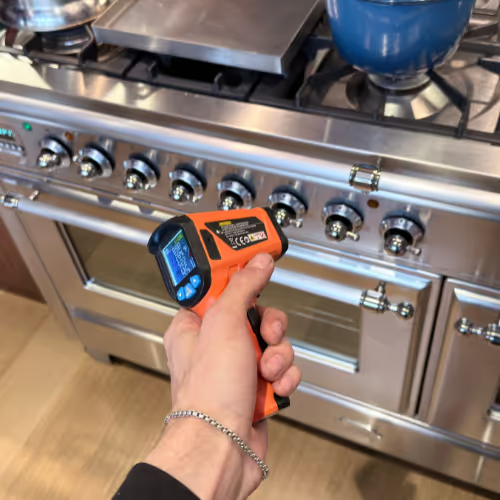
Volt & Vector provides diagnostics-first appliance repair in Manhattan below 96th Street, with service planned around the appliance symptom, building access, and the repair path that can actually be verified on site.
In Manhattan, appliance repair is often shaped by access: doorman buildings, COI requirements, elevator timing, tight kitchens, stacked laundry, finished cabinetry, and limited room to move the unit.
Appliance repair for Manhattan apartments and buildings
A useful visit starts before the technician arrives. Send the appliance type, brand, symptom, Manhattan address, access notes, and a model-label photo if you can reach it without moving the unit.
For general residential appliance service, see NYC residential appliance repair. For scheduling, use booking.
Common Manhattan appliance repair calls
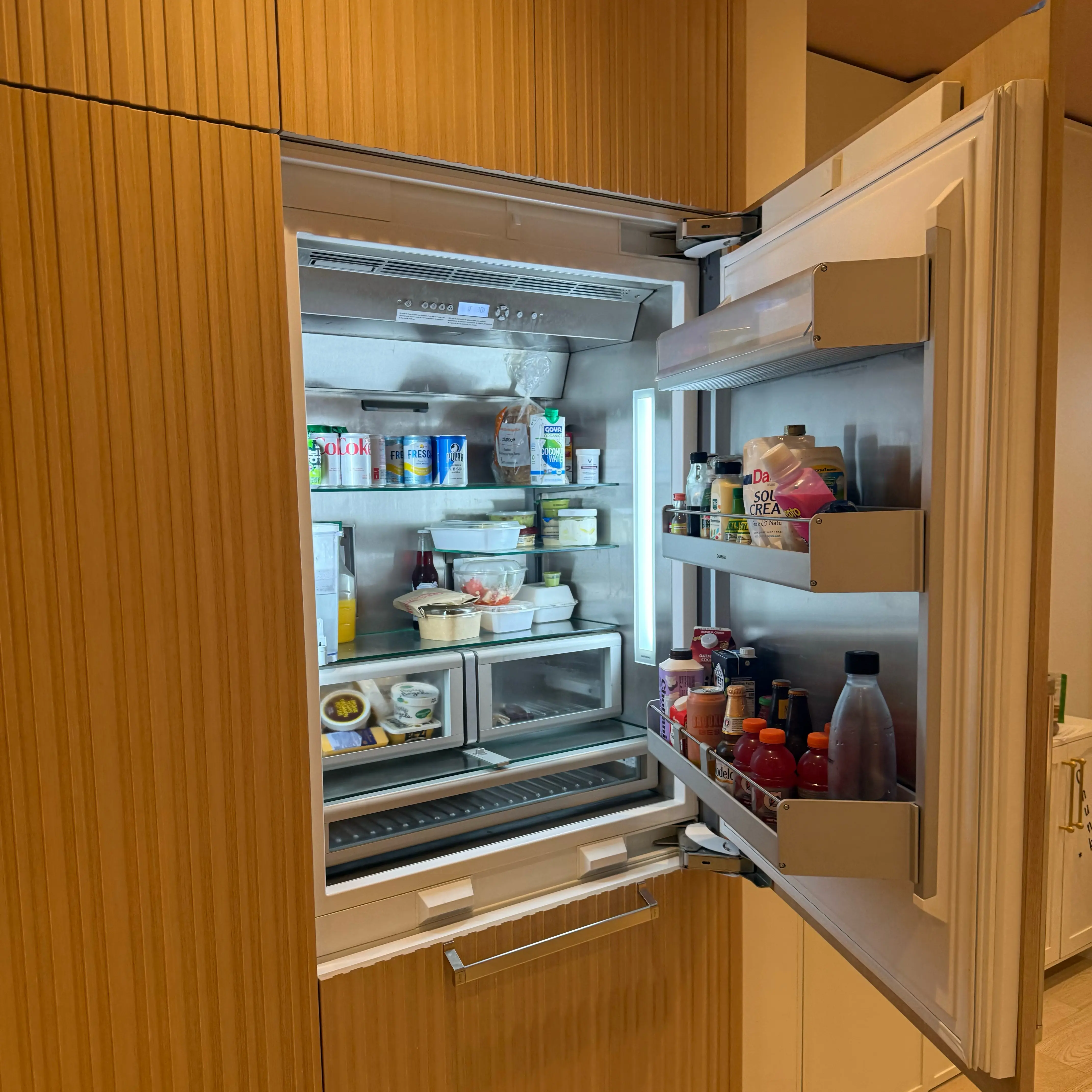
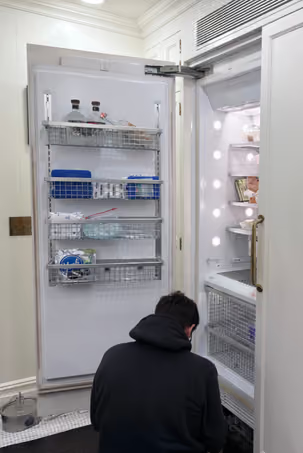
- Refrigerator repair: warm fresh-food section, freezer frost, water leaks, noise, short cycling, or door-seal issues.
- Dishwasher repair: leaking, not draining, poor wash results, door alignment, fill issues, or cabinet-related installation problems.
- Dryer repair: no heat, long dry times, overheating, airflow restriction, lint path issues, or building exhaust concerns.
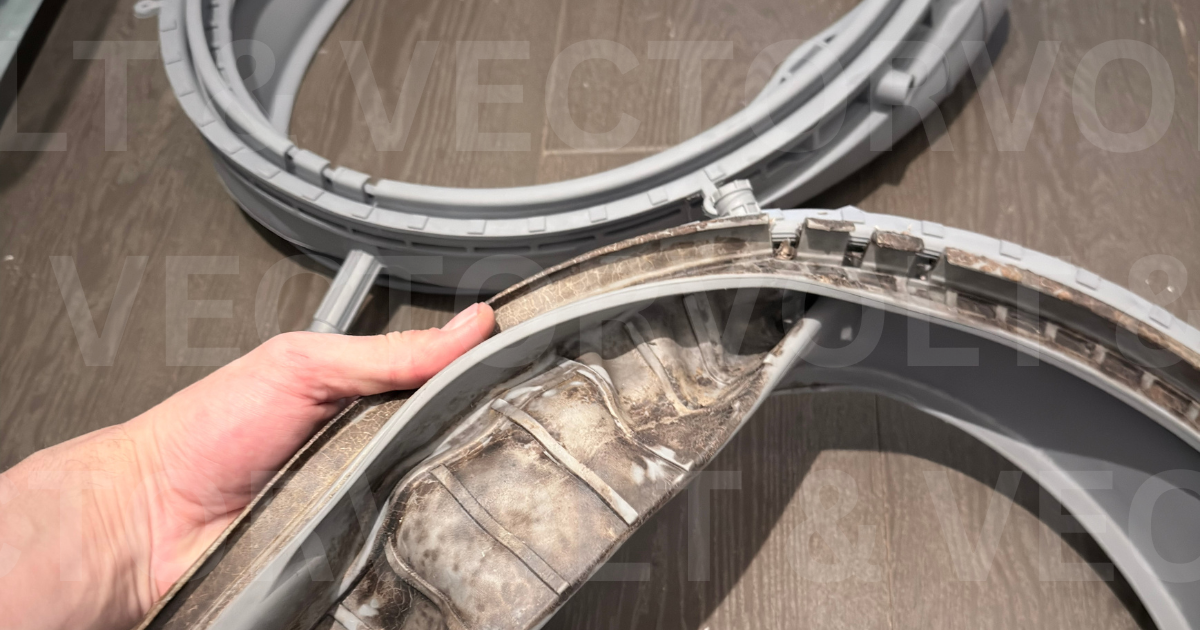
- Washing machine repair: not draining, not spinning, vibration, leaks, lock faults, or stacked laundry access problems.
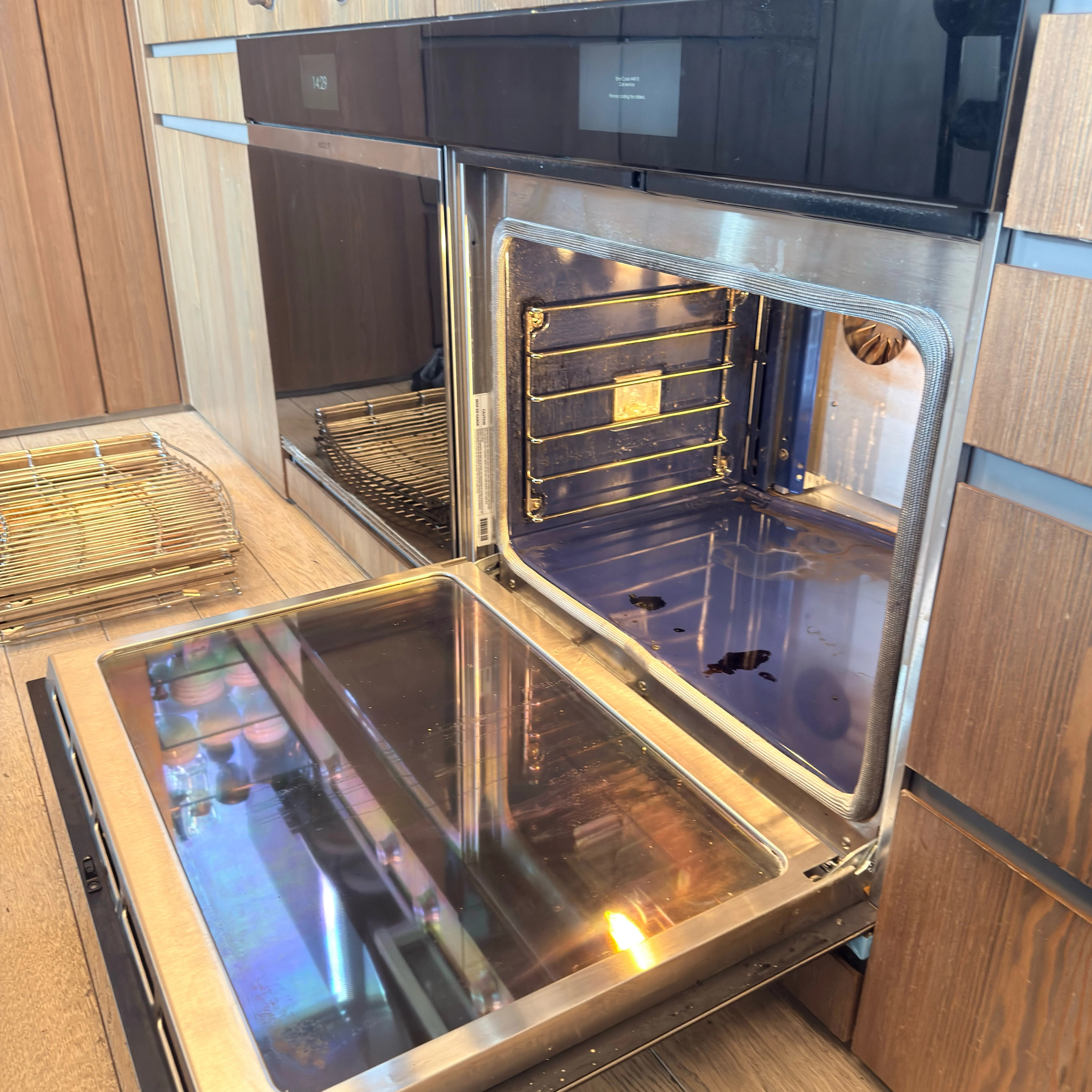
- Oven repair: no heat, uneven temperature, ignition issues, control problems, or door-seal concerns.
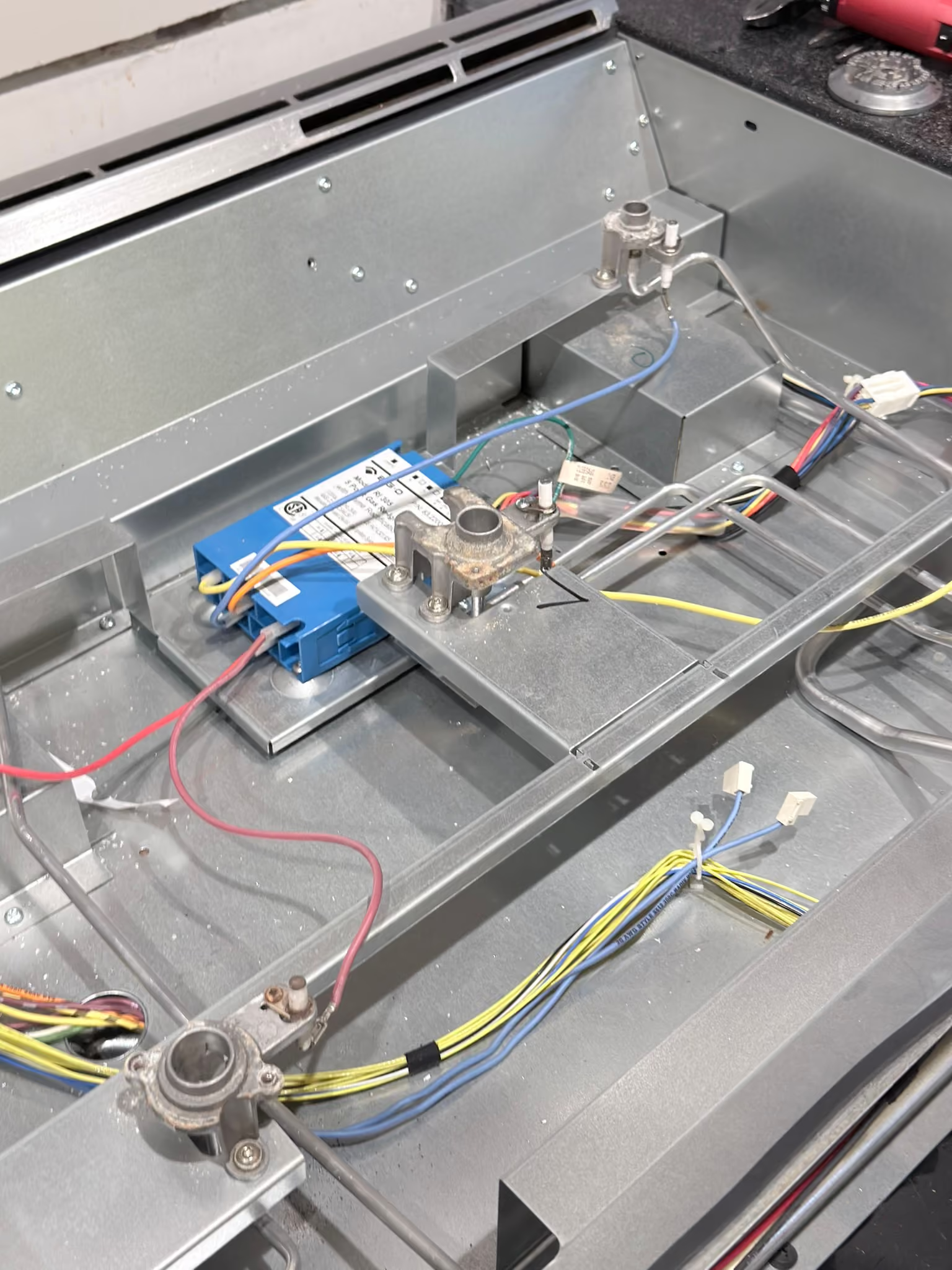
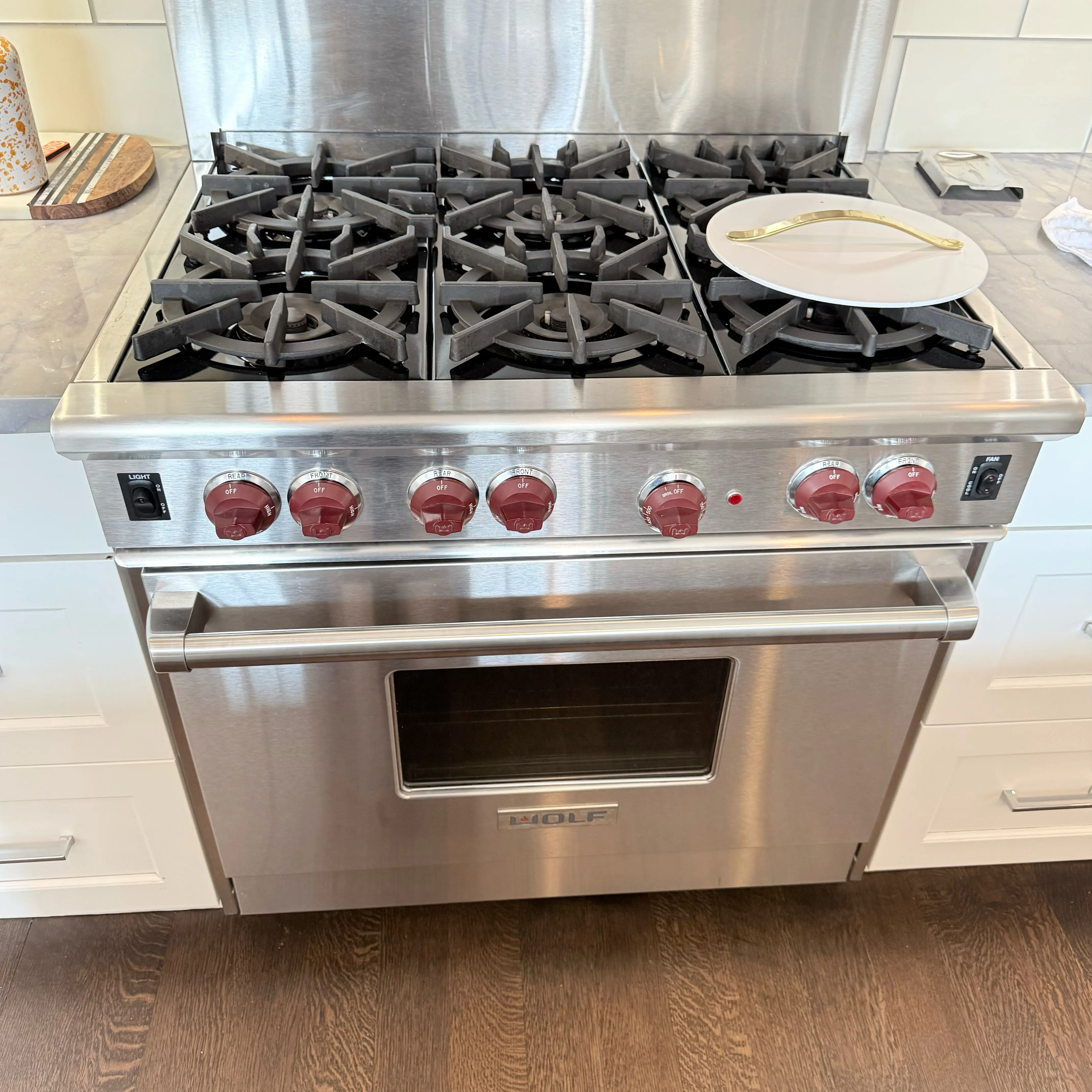
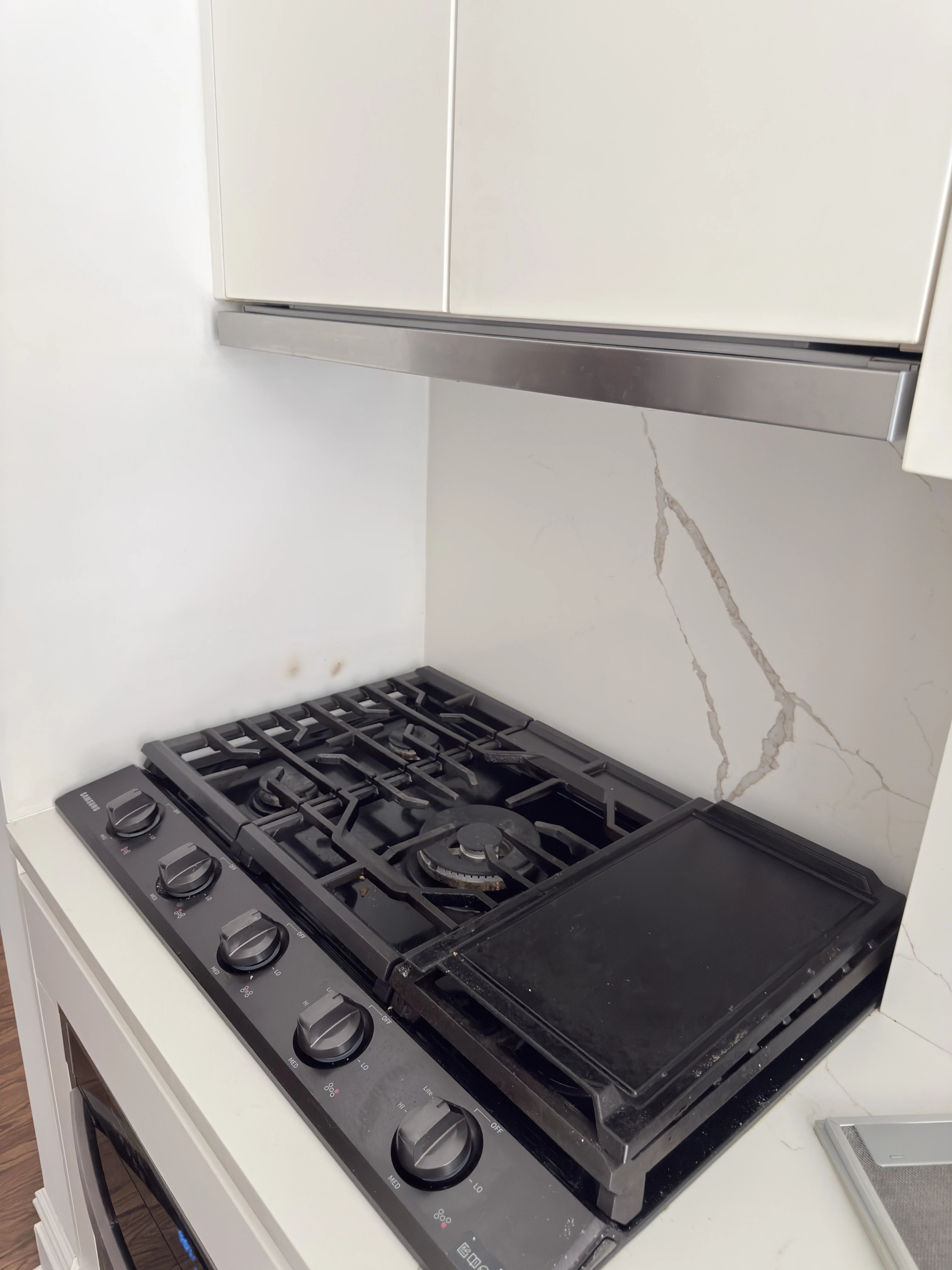
- Range repair: burner, ignition, heating, control, or safety-related symptoms.
What changes in Manhattan
Manhattan repairs often need more planning than a simple part swap. Tight cabinet openings, panel-ready appliances, stone counters, service elevators, front-desk rules, and COI requirements can affect how the diagnostic visit is handled.
Before the visit
- Share the appliance type and main symptom.
- Send the brand and model photo if safely reachable.
- Mention if the appliance is built-in, stacked, panel-ready, or hard to move.
- Tell us about doorman, freight elevator, parking, or service-window rules.
- Request COI support before the appointment if your building requires it.
During diagnostics
The technician tries to reproduce the symptom and separate appliance failure from installation or building conditions. That matters in Manhattan apartments, where a leak, airflow issue, or cooling complaint can be affected by the surrounding install.
- A dishwasher leak may involve the door seal, fill level, drain connection, cabinet alignment, or floor slope.
- A dryer long-dry complaint may involve the dryer, lint path, vent restriction, or building exhaust condition.
- A refrigerator cooling issue may involve airflow, condenser access, door sealing, control behavior, or sealed-system symptoms.
- An oven or range issue may involve ignition, temperature control, door sealing, element behavior, or control output.
Estimate before repair
After the diagnostic finding is clear enough, you receive an explanation and estimate before repair work begins. The eligible diagnostic fee you actually pay is credited once toward an approved repair on the same job.
If the repair is approved and parts are available, work can move forward. If parts need ordering, the next step is explained before the visit closes. Completed repairs are covered by the 180-day parts and labor warranty.
Safe steps before scheduling
- If you smell gas, even faintly, leave the area immediately and take others with you. Do not investigate the leak, light a flame, operate switches or appliances, or use a phone inside. From a safe distance outside, call 911, then your gas service provider. Stay outside and follow the emergency responders’ and gas provider’s instructions. Stop using the appliance if you see smoke, notice burning odor, or see active leaking near electrical parts. Arrange qualified service before using it again. A routine service booking is not an emergency response.
- Do not move built-in, stacked, gas-connected, water-connected, or tightly installed units.
- Do not bypass switches, reset breakers repeatedly, or open sealed panels.
- Take photos of the symptom, model label, and installation area if it is safe.
- For symptom-specific guidance, check the appliance repair help guides.
Schedule Manhattan Appliance Repair
Volt & Vector provides residential appliance repair in Manhattan below 96th Street for refrigerators, freezers, dishwashers, ovens, ranges, cooktops, washers, and dryers. The Manhattan neighborhood directory links to Downtown, Midtown and Uptown area pages.
The service is built around clear diagnosis, practical repair planning, correct parts, and direct communication. The goal is not to replace parts blindly. The goal is to find the real problem, explain it clearly, and repair the appliance when repair makes sense.


.avif)