
.png)


Pennsylvania HVAC Repair Starts With The Symptom
A useful HVAC visit starts before the technician arrives, but it should not make you diagnose the system yourself. The first job is to separate the symptom from the system branch: cooling, heating, heat pump operation, airflow, thermostat command, water or ice, maintenance, or quote review.
If you can, send the main symptom, the system type if known, the Pennsylvania service area, equipment access notes, and a safe photo of the thermostat, indoor unit, outdoor unit, water, ice, or prior quote. For scheduling, use booking.
Choose The Right PA HVAC Page
- No cooling or straight-cool AC problem: Start with AC repair in Pennsylvania if the system is calling for cooling, air is warm, the outdoor unit is silent, the line is frozen, or water appears near the indoor unit.
- No heat from a furnace: Start with furnace repair in Pennsylvania if a gas or electric furnace does not start, starts then shuts down, blows cool air, or short cycles.
- Heat pump confusion or failure: Start with heat pump repair in Pennsylvania if aux heat, emergency heat, defrost behavior, outdoor-unit frost, or heating/cooling reversal is part of the problem.
- Weak airflow or indoor-unit behavior: Start with air handler repair in Pennsylvania if the blower runs strangely, airflow is weak, some rooms do not get air, or the indoor unit is part of the symptom.
- Thermostat says heat or cool but the system disagrees: Start with thermostat HVAC diagnostics in Pennsylvania when the display, mode, schedule, fan setting, smart thermostat setup, or command signal does not match equipment behavior.
- Water, drain pan, float switch, or ice near the air handler: Start with condensate drain and air handler water problems when water appears during cooling, the pan fills, a float switch stops the system, or ice thaws into a leak.
- System mostly works but needs service: Start with HVAC maintenance in Pennsylvania when the system still runs, but performance, seasonal readiness, airflow, drainage, or startup behavior needs a tune-up style visit rather than an active breakdown repair.
- You received a replacement quote: Start with HVAC repair vs replacement second opinion when a replacement recommendation, major repair quote, or expensive part claim needs proof before approval.
Current Pennsylvania Service Areas
Use the system pages above when the question is about what is wrong. Use the area pages when the question is whether the appointment fits your local route.
- Bucks County: Lower Bucks HVAC repair, Central Bucks HVAC repair, and Upper Bucks HVAC repair.
- Montgomery County: North Penn HVAC repair, Abington-Willow Grove HVAC repair, and Ambler-Fort Washington HVAC repair.
- Northeast Philadelphia: PA HVAC routing can include Northeast Philadelphia where the schedule, equipment access, and system type fit the route.
What Changes In Pennsylvania HVAC Work
Pennsylvania HVAC repair is often shaped by system mix and access. A cooling call may involve a straight-cool outdoor condenser, an indoor air handler, a furnace blower, or a heat pump operating in cooling mode. A heating call may involve gas heat, electric heat, a heat pump, auxiliary heat, emergency heat, or a mixed setup.
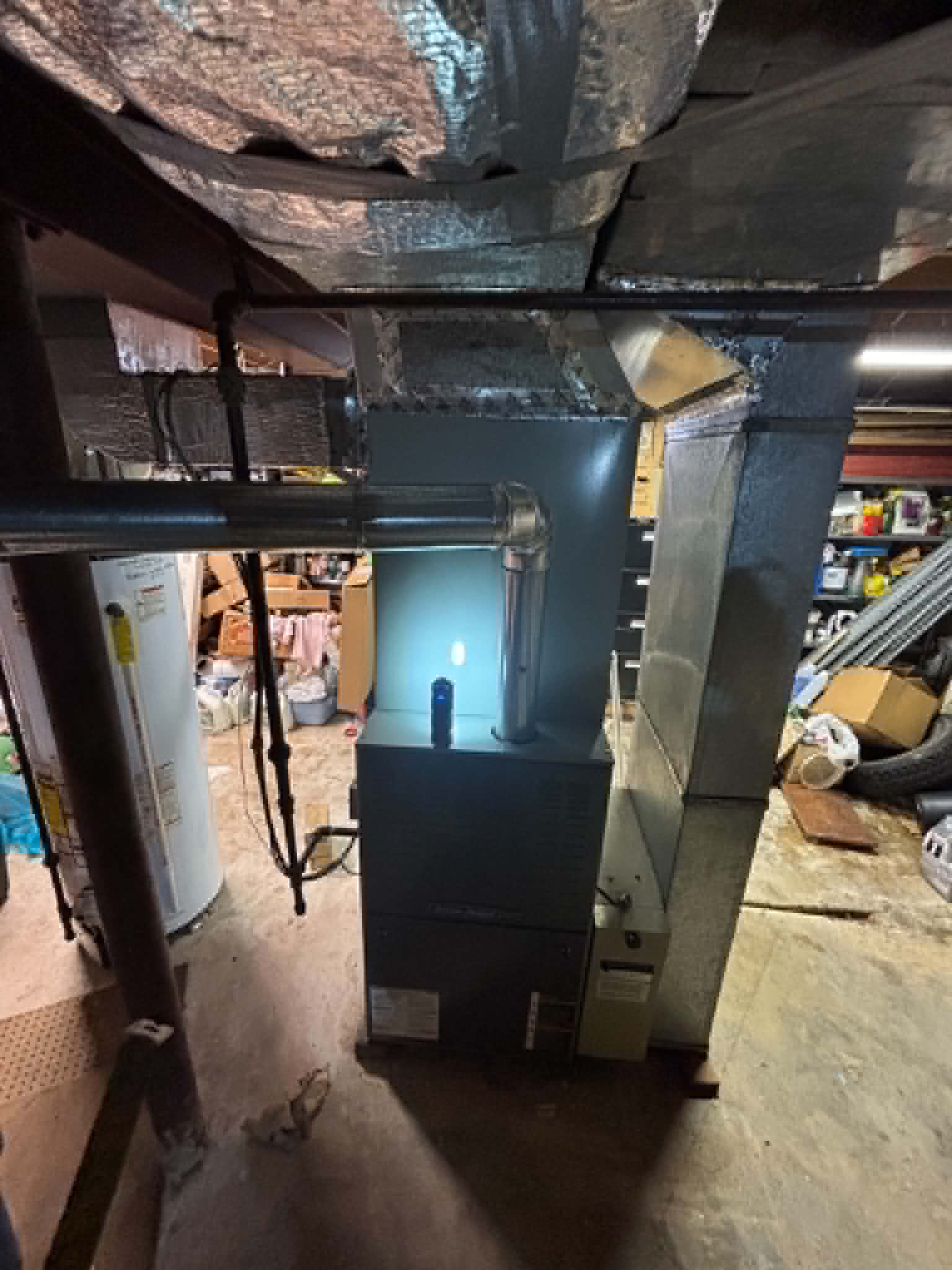
Access also changes the visit. Equipment may be in a basement, attic, closet, garage, crawlspace, side yard, roof-adjacent area, or tight rowhome space. Outdoor-unit access, condensate drain routing, finished ceilings, service shutoffs, and thermostat setup can all affect how the diagnostic visit is handled.
Common Pennsylvania HVAC Repair Calls
- AC runs but the house is not cooling: The useful split is indoor airflow, outdoor-unit operation, frozen line or coil, thermostat call, and whether water appears near the air handler.
- Furnace does not heat: The useful split is thermostat call, ignition or heat sequence, blower behavior, short cycling, and whether any gas odor, burning smell, or safety alarm is present.
- Heat pump behavior is confusing: Aux heat, emergency heat, defrost, light frost, heavy ice, and outdoor-unit operation need to be separated before calling the system failed.
- Airflow is weak or uneven: The problem may be blower behavior, filter/return restriction, duct condition, coil condition, zoning, or an indoor-unit issue.
- Thermostat command does not match equipment response: The thermostat may be the command layer, but the fault can still be in the furnace, air handler, heat pump, outdoor unit, wiring, or setup.
- Water or ice is visible: The path changes if the water is from condensate drainage, a frozen coil thaw, a pan overflow, a float switch event, or another nearby source.
- A replacement quote feels premature: Replacement should not be the first answer until the failed system area, repair path, and risk boundary have been explained.
Before The Visit
Share only information that changes routing or proof. You do not need to open panels or test parts.
- Thermostat state: mode, setpoint, display condition, and whether it says heat, cool, aux heat, emergency heat, or fan.
- Indoor-unit behavior: whether the blower runs, whether air comes from vents, whether airflow is weak, and whether the unit starts and stops.
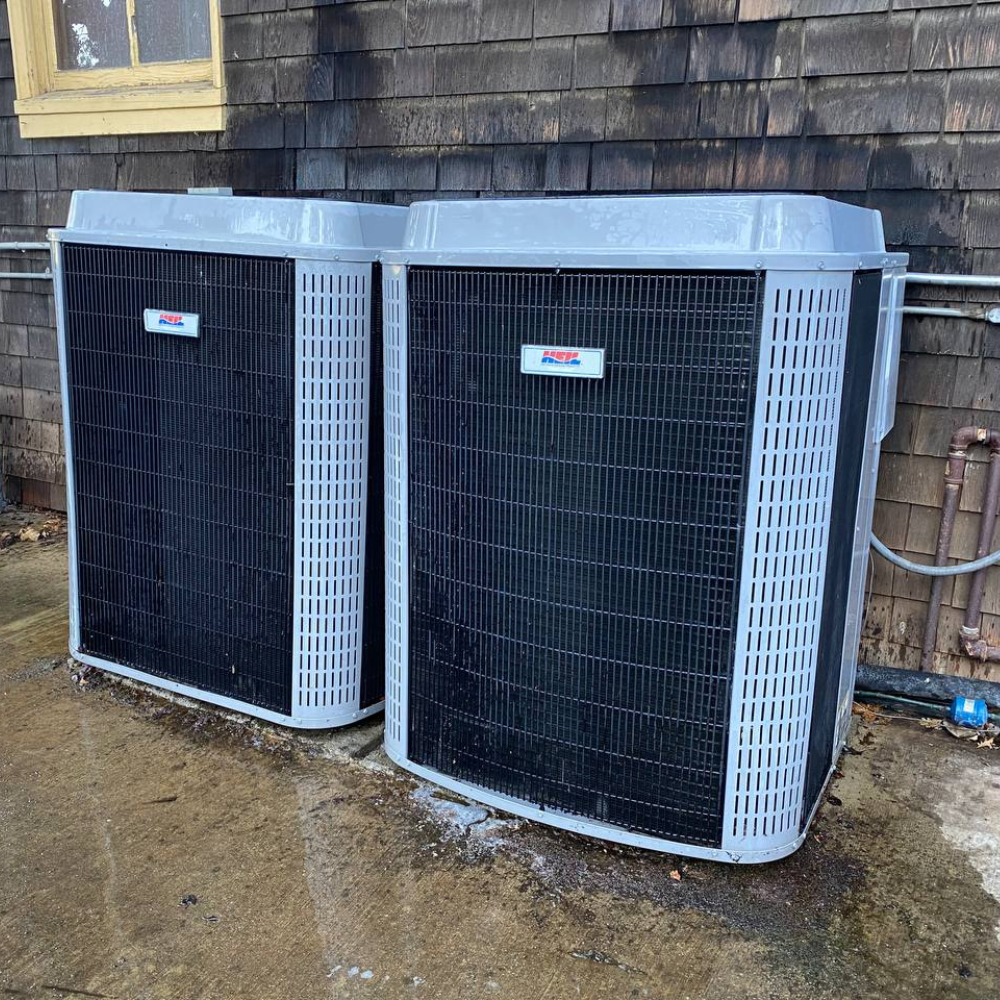
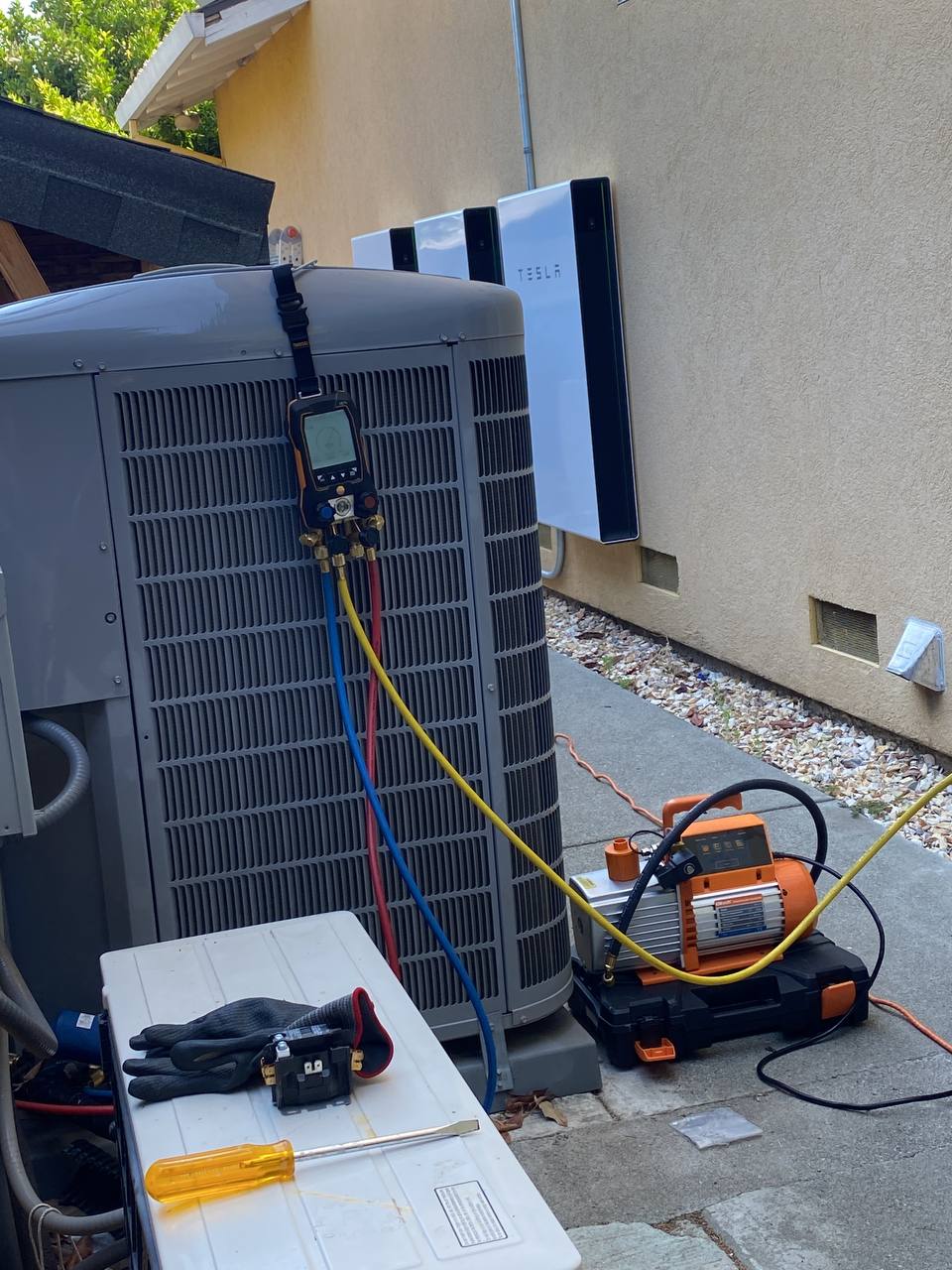
- Outdoor-unit behavior: whether the outdoor unit runs, stays silent, hums, freezes, or shuts off.
- Visible evidence: water, ice, drain pan condition, filter condition if safely visible, thermostat screen, or error light if visible without opening equipment.
- Access notes: basement, attic, closet, garage, outdoor condenser location, tight rowhome access, locked gate, parking, or route timing constraints.
- Prior quote: if you have a replacement or major repair quote, send the finding and what proof was provided.
During Diagnostics
The technician tries to reproduce the symptom and separate equipment failure from setup, access, airflow, drain, thermostat, or route conditions. That matters because the same complaint can point to different repair paths.
- Thermostat calls but nothing starts: prove whether the command reaches the equipment and where the response stops.
- Indoor blower runs but temperature does not change: separate airflow, heat/cool production, thermostat mode, and outdoor-unit behavior.
- Outdoor unit is silent, humming, iced, or running: prove whether the issue is control, motor, electrical, refrigerant-side, airflow-related, or weather/defrost related.
- Water appears near the indoor unit: separate active overflow, drain restriction, pan/float switch behavior, frozen-coil thaw, and finished-surface risk.
- Furnace starts then shuts off: separate homeowner-visible sequence clues from the technician proof needed before naming a part.
- Quote recommends replacement: prove what failed, whether repair is technically reasonable, and what risk remains if repair is chosen.
Estimate Before Repair
After the diagnostic finding is clear enough, you receive an explanation and estimate before repair work begins. If the repair is approved and parts are available, the work can move forward. If parts need ordering or the system needs a different next step, that is explained before the visit closes.
Use pricing and warranty for current company policy. The PA HVAC hub should not invent a different diagnostic fee, warranty term, financing offer, or same-day guarantee.
Safe Steps Before Scheduling
- Stop using the system if you smell gas, see smoke, notice a burning odor, hear a CO alarm, or see repeated breaker trips.
- Stop cooling mode if ice is visible on the refrigerant line, coil area, or indoor unit. Document where the ice appears.
- Stop the system if water threatens finished surfaces, ceilings, floors, or electrical areas.
- Do not add refrigerant, open electrical panels, bypass switches, force equipment to run, or keep resetting breakers.
- Do not disassemble gas-connected, refrigerant-side, water-connected, attic, crawlspace, or tightly installed equipment.
- Take photos of the thermostat, indoor unit, outdoor unit, drain/water/ice area, and prior quote if safe.
Schedule Pennsylvania HVAC Repair
Volt & Vector handles Pennsylvania HVAC repair routing for AC, furnace, heat pump, air handler, thermostat, airflow, condensate, maintenance, and second-opinion situations across the current PA service branch.
The service is built around clear diagnosis, practical repair planning, correct proof before parts, and direct communication. The goal is not to replace parts blindly or push replacement first. The goal is to find the system area that can be proven, explain the repair path, and repair the HVAC system when repair makes sense.
For scheduling, use booking.
FAQ Source
Should I start with the PA HVAC hub, a service page, or a county page?
Use this hub if you are not sure where the problem belongs. Use a service page when the symptom is clear, such as no cooling, no heat, heat pump behavior, airflow, thermostat mismatch, water, maintenance, or replacement quote review. Use a county or area page when the question is local appointment fit.
Is this page claiming service across all of Pennsylvania?
No. The current PA branch is built around Bucks County, Montgomery County, and Northeast Philadelphia routing. Availability still depends on route, schedule, access, and system type.
What if I do not know whether I have a furnace, heat pump, or air handler?
That is normal. Send the symptom, thermostat display, indoor-unit behavior, outdoor-unit behavior, and a safe equipment photo. The first diagnostic step is often identifying which system branch is actually responding.
Should I approve replacement if another company says the system is old?
Age can matter, but age alone is not diagnostic proof. A replacement discussion should explain what failed, whether repair is technically reasonable, what risk remains, and why replacement is the better path if repair is not sensible.
What should I not do before the appointment?
Do not open panels, bypass switches, add refrigerant, disassemble gas or electrical components, force a frozen system to keep cooling, or reset breakers repeatedly. Safe photos and clear symptom notes are more useful than risky DIY testing.