
Miele Appliance Repair NYC | Same-Day & Next-Day
.avif)
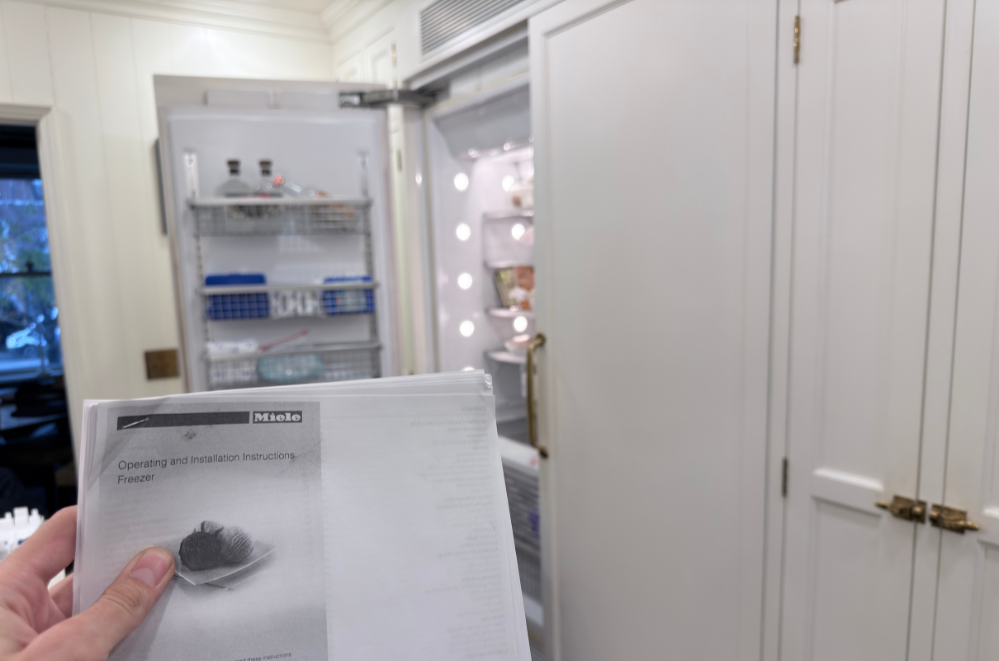
Miele Appliance Repair Services
Volt & Vector Appliance Repair
.avif)
25 Google reviews
Volt & Vector repairs Miele dishwashers, laundry, refrigeration, and built-ins in NYC—heater faults, drainage errors, sensors, and advanced electronics testing with model-specific procedures. $99 diagnostic credited, OEM parts only, 180-day warranty. Brooklyn/Manhattan/Queens.
Local techs
+1 (332) 333-1709

.avif)
.avif)


Miele Appliance Repair in NYC — Fast, Transparent, Guaranteed
Miele appliances are engineered to tight tolerances, which is why they perform so well when everything is in spec—and why small drifts in sensors, airflow, water management, or control logic can create very specific symptoms (a dishwasher that stops mid-cycle, a fridge that can’t hold setpoint, an oven that bakes unevenly, or a ventless dryer that takes forever). Volt & Vector focuses on root-cause diagnostics first: we verify temperatures, flow, electrical loads, and platform-specific failure patterns before recommending any repair path. That means fewer repeat visits, fewer wrong parts, and repairs that actually hold up in real NYC kitchens.
Quick Facts (NYC-Ready)
- $99 diagnostic fee — credited toward repair if you move forward
- 180-day parts & labor warranty
- OEM parts only
- Licensed & insured (COI available for building management)
- Same-day / next-day availability in core areas
- Arrival windows: 9–11 / 11–1 / 1–3 / 3–5
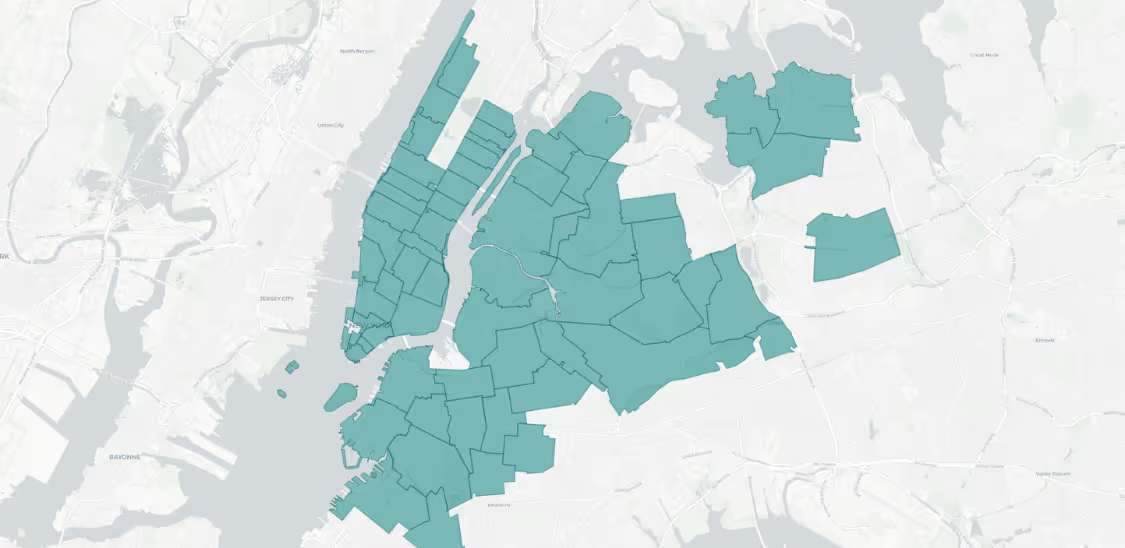
Service Area (NYC)
Brooklyn: Prospect Heights, Clinton Hill, Boerum Hill, Park Slope, Carroll Gardens, Cobble Hill, Kensington, Bushwick (West), Greenwood Heights, Prospect Lefferts Gardens, Windsor Terrace, Bedford–Stuyvesant, Crown Heights, Fort Greene, Brooklyn Heights, DUMBO, Greenpoint
Queens: Middle Village, Rego Park, Forest Hills, Fresh Meadows, Whitestone, North/Broadway Flushing, College Point
Manhattan: Below 96th Street
1. Schedule your visit
2. On-site diagnostic
3. Approve & repair
4. Done & covered
COI (Certificate of Insurance)
Available on request - usually not required in Brooklyn, but often asked for in Manhattan buildings and co-ops. Please remember that certain issues can come from incorrect use or installation, not from parts failure - our technicians will always point that out and show how to prevent it in the future.
Warranty & Compliance
Every repair is covered by a 180-day warranty on both parts and labor. If the appliance is older, keep in mind that some surrounding components can wear out over time — sometimes one repair leads to another part showing its age. We always explain options clearly before doing extra work.
Safety & Courtesy Protocol
We treat every visit like we’re guests in your home. Technicians wear shoe covers or remove footwear when entering, and we always clean up after the job. If you notice a little dust or debris left behind - our apologies - each tech handles 3-5 appointments per day and works to stay on schedule. If your window was 11-1, the technician usually arrives closer to 11; if running late, we’ll text you right away. Our goal is simple: work clean, stay safe, and respect your space and time.
Coverage
We cover Brooklyn—Downtown, Brooklyn Heights, Park Slope, Williamsburg, Greenpoint, Bed-Stuy, Carroll Gardens, Prospect Heights, and Flatbush—and Manhattan (below 96th Street)-FiDi, Battery Park, Tribeca, SoHo, Chelsea, Midtown, UES, UWS, Gramercy, and the Village. You’ll receive a text alert ~30 minutes before arrival.
Why Volt & Vector
We’ve spent years working inside large NYC repair companies - seeing how real technicians get buried under rushed schedules, fake “same-day” promises, and endless call-center noise. Volt & Vector grew out of that frustration. We wanted a place where diagnostics still matter, where techs can take time to do the job right and talk to people directly. We’re not calling ourselves perfect - far from it - but we’re building the kind of service we always wanted to work for: respectful, transparent, and run by people who actually fix things.
Pricing & Diagnostic Policy
Our diagnostic visit is always billed at the first appointment - that’s the starting point for every repair. After the visit, the technician sends full details to our service desk. Sometimes the tech can give a price range on-site, but we’re moving away from instant quotes - parts pricing changes like crypto these days, and we’d rather stay accurate than promise the wrong number.
Simple issues - like a clogged drain, loose wire, or minor reset - can often be fixed on the spot starting from $99. If a full repair with parts is needed, total cost varies by brand and model - just like in any NYC company, it can start around $320 and go up depending on parts and labor. We believe in clarity over surprises. You’ll always see the diagnostic results and estimate before any repair begins.
1. Schedule your visit
2. On-site diagnostic
3. Approve & repair
4. Done & covered
COI (Certificate of Insurance)
Available on request - usually not required in Brooklyn, but often asked for in Manhattan buildings and co-ops. Please remember that certain issues can come from incorrect use or installation, not from parts failure - our technicians will always point that out and show how to prevent it in the future.
Warranty & Compliance
Every repair is covered by a 180-day warranty on both parts and labor. If the appliance is older, keep in mind that some surrounding components can wear out over time — sometimes one repair leads to another part showing its age. We always explain options clearly before doing extra work.
Safety & Courtesy Protocol
We treat every visit like we’re guests in your home. Technicians wear shoe covers or remove footwear when entering, and we always clean up after the job. If you notice a little dust or debris left behind - our apologies - each tech handles 3-5 appointments per day and works to stay on schedule. If your window was 11-1, the technician usually arrives closer to 11; if running late, we’ll text you right away. Our goal is simple: work clean, stay safe, and respect your space and time.
Coverage
We cover Brooklyn—Downtown, Brooklyn Heights, Park Slope, Williamsburg, Greenpoint, Bed-Stuy, Carroll Gardens, Prospect Heights, and Flatbush—and Manhattan (below 96th Street)-FiDi, Battery Park, Tribeca, SoHo, Chelsea, Midtown, UES, UWS, Gramercy, and the Village. You’ll receive a text alert ~30 minutes before arrival.
Why Volt & Vector
We’ve spent years working inside large NYC repair companies - seeing how real technicians get buried under rushed schedules, fake “same-day” promises, and endless call-center noise. Volt & Vector grew out of that frustration. We wanted a place where diagnostics still matter, where techs can take time to do the job right and talk to people directly. We’re not calling ourselves perfect - far from it - but we’re building the kind of service we always wanted to work for: respectful, transparent, and run by people who actually fix things.
Pricing & Diagnostic Policy
Our diagnostic visit is always billed at the first appointment - that’s the starting point for every repair. After the visit, the technician sends full details to our service desk. Sometimes the tech can give a price range on-site, but we’re moving away from instant quotes - parts pricing changes like crypto these days, and we’d rather stay accurate than promise the wrong number.
Simple issues - like a clogged drain, loose wire, or minor reset - can often be fixed on the spot starting from $99. If a full repair with parts is needed, total cost varies by brand and model - just like in any NYC company, it can start around $320 and go up depending on parts and labor. We believe in clarity over surprises. You’ll always see the diagnostic results and estimate before any repair begins.
Need help from our experts?
+1 (332) 333-1709
9:00 AM - 6:00 PM
Our service manager handles all calls personally. For short questions, text works best.
Google Business Profile
See live reviews, photos, and recent jobs. Booked with us? Please leave a review, thank you!
180-Days Warranty
Every completed repair includes a 180-day parts & labor warranty. OEM parts only. Warranty service is prioritized.
Local Service
Built by real NYC technicians - not marketers.
Volt & Vector is where clean design meets certified service.
Miele Appliance Repair Services
Miele Dishwasher F11 – drain fault (pump/hoses)
Miele Dishwasher F13 – water inlet fault (WaterProof)
Miele Dishwasher F14 – circulation pump fault
Miele Dishwasher F24 – heater relay/temperature fault
Miele Dishwasher F32 – door lock not detected
Miele Washer F20 – water inlet valve fault
Miele Washer F11 – drain fault
Miele Washer F53 – motor/tacho fault
Miele Washer F63 – waterproof fault / leak detected
Miele Washer F48 – communication/control error
Miele Dryer F55 – NTC sensor/temperature fault
Miele Dryer F66 – heater relay fault
Miele Dryer F138 – airflow restriction/overheat
Miele Oven – temperature sensor drift / probe error
Miele Oven – cooling fan failure
Miele Cooktop – induction inverter module fault
Miele Cooktop – touch control not responding
Miele Vacuum Drawer – heater element open
Miele Steam Oven – descaling sensor error
Miele Refrigerator – evaporator fan noise/failure
Miele Refrigerator – door seal air leaks
Miele Coffee System – brew unit motor blocked
Miele Controls – PCB relay burnout after surge
Miele Dryer – condenser clogged (heat pump models)
Common Miele Problems We Service
Miele appliances are built to tight tolerances—when performance drifts, it usually shows up in predictable patterns: a dishwasher that won’t drain after a normal cycle, an oven that can’t hold temperature, an induction zone that cuts out under load, a fridge that slowly develops temperature swings, or a coffee system that starts leaking or refusing to brew. Because Miele platforms tie together sensors, controls, airflow/water management, and safety logic, the same symptom can have multiple root causes. The goal is to identify the failure mode that actually explains what your unit is doing—not to replace parts until it “kind of improves.”
Dishwashers — not draining, not filling, poor cleaning, or stopping mid-cycle
What you notice: water left in the sump, cycle pauses/stops, weak wash action, cloudy glassware, detergent not dissolving, or an intake/drain warning.
What it commonly points to (depending on platform):
- Drain path restrictions (filter stack, non-return/check valve area, drain hose routing, disposer/air-gap connection) causing slow or incomplete draining.
- Inlet-side flow problems (restricted inlet screen, low flow/pressure, failing inlet valve) leading to fill timeouts and weak wash results.
- Circulation performance loss (blockage or pump wear) where the unit “runs” but spray pressure is insufficient for real cleaning.
- Heating/temperature regulation faults (heater circuit, NTC temp sensor behavior, control relay) that reduce wash temperature and drying performance.
- Water in base / leak detection activation (often intermittent) that triggers protection logic and stops the cycle.
Experience note: “It drained last time” doesn’t rule out a drain issue—many Miele drain failures are borderline and repeat under heavy loads or after grease buildup.
Dishwasher leaks and “waterproof” style shutdown behavior
What you notice: water under the unit, intermittent leak only during certain phases, or the machine stops and won’t continue until it’s dried/reset.
Most frequent causes:
- Door seal / alignment issues (especially in tight installs with a heavy panel) where the leak only happens under higher spray pressure.
- Sump/diverter/hose junction leaks that drip into the base pan and trigger protection.
- Overfill patterns tied to inlet valve behavior or flow measurement faults.
Leaks are often misdiagnosed because water can travel along the chassis and show up far from the source. The key is isolating when it leaks (fill vs wash vs drain) and matching that to the plumbing/spray path.
Drying issues — wet plastics, weak drying, or odor
What you notice: dishes (especially plastics) are still wet, heavy moisture at end of cycle, or odor buildup.
What it commonly points to:
- Low wash temperature (heater/sensor regulation problems) that reduces evaporation and drying.
- Rinse aid / dosing issues (poor sheeting on plastics) that makes “perfectly normal” cycles look like a drying failure.
- Vent/air management faults on certain designs where the unit can’t exhaust moisture correctly.
- Filter and sump hygiene problems that drive odor even when wash performance seems OK.
Refrigeration — warm temps, temperature swings, frost, or noisy operation
What you notice: fridge runs warm, freezer softens, food freezing in the fresh-food section, inconsistent temps, frost patterns, or new fan noise.
What it commonly points to:
- Heat rejection issues (restricted ventilation, dirty condenser area, failing condenser fan) causing long run times and unstable temps.
- Air distribution failures (evaporator fan issues, damper/air channel problems, blocked returns) creating warm pockets even when parts feel cold.
- Defrost-related faults that gradually restrict airflow and reduce capacity over days/weeks.
- Sensor drift / regulation issues where the system “hunts” and cycles at the wrong times.
- Sealed-system capacity loss (less common, higher impact) when cooling output is no longer sufficient for the load.
Experience note: A classic scenario is “display says fine, food says otherwise.” Real diagnosis is based on actual cabinet behavior, not only the setpoint.
Ovens & wall ovens — temperature accuracy, uneven baking, door lock problems
What you notice: uneven browning, long preheat, temperature overshoot/undershoot, shutdown mid-cycle, or door won’t unlock after self-clean.
What it commonly points to:
- Temperature sensing drift causing the control to regulate incorrectly.
- Heating circuit faults (element, relay/control output, wiring) reducing output or creating uneven heat distribution.
- Door latch/lock mechanism faults preventing safe operation or trapping the door after high-heat cycles.
- Cooling fan behavior (noisy, delayed shutoff, or faults) that can trigger protective shutdowns.
Induction & electric cooktops — zones cutting out, error beeps, uneven power
What you notice: a zone starts then shuts off, power throttles unexpectedly, pan detection is inconsistent, or a zone won’t respond.
What it commonly points to:
- Cookware detection problems (pan compatibility, warped base, incorrect size) that mimic a hardware failure.
- Thermal protection events from restricted airflow below the cooktop, blocked intake, or heat accumulation in the cabinet.
- Power module / inverter regulation faults that appear as intermittent zone dropouts.
- User interface/control faults (touch control issues, moisture/contamination under glass, ribbon/connection issues).
In NYC kitchens, cabinet airflow and tight cutouts are a frequent driver of “it works for 5 minutes then stops.”
Washers & dryers (including ventless/heat-pump) — not draining, not spinning, long dry times
What you notice: won’t drain, stuck mid-cycle, vibration, long dry times, overheating warnings, or repeated moisture-related behavior.
What it commonly points to:
- Drain system restrictions (pump filter/coin trap area, hose routing) causing drain errors and spin issues.
- Door lock/safety interlock faults preventing spin or causing cycle interruptions.
- Airflow and lint path restrictions (ventless systems are sensitive) leading to long dry times and overheating protection.
- Moisture/temperature sensing drift affecting cycle termination and performance.
- Heater or heat-pump system faults (model-dependent) when the unit cannot generate or move heat efficiently.
Miele units may display fault codes or alerts that are useful only when tied to the platform and the operating condition (fill vs drain vs heat vs sensor). The important part is linking the code to what the machine is physically doing—water movement, temperature rise, motor behavior—not treating the code as the failed part.
Real Case Logs (NYC kitchens)
Case Log 1: “Dishwasher stops mid-cycle / water in base” — Leak occurred only during high-pressure wash; isolating the phase identified a seal/junction leak and stopped the recurring shutdown.
Case Log 2: “Poor cleaning + wet dishes” — Unit was running but wash temps were low; correcting the heat/regulation fault restored cleaning and drying performance.
Case Log 3: “Induction zone cuts out after 3–5 minutes” — Cabinet airflow and thermal protection were the driver; restoring ventilation and verifying power regulation stabilized operation.
Case Log 4: “Fridge temp swings / louder fan” — Pattern matched airflow restriction and defrost-related behavior; restoring correct airflow eliminated swings and reduced noise.
Q1: Why is my Miele refrigerator not cooling? A1: Likely condenser coils, fan, or thermistor. | Q2: What does F6E4 mean on a Miele dishwasher? A2: Float switch error. | Q3: Should I repair or replace my Miele oven? A3: Repair is typically cheaper for sensors or igniters.
Repairing Miele is usually more economical. Replacing pumps, igniters, fans, or sensors restores function at a fraction of replacement cost, extending lifespan significantly.
Miele integrates high-end electronics with mechanics. Refrigerators use inverter compressors and thermistors, ovens use igniters and relays, washers employ pressure switches, and dryers depend on heaters and fuses.
Professional repair is required for Miele when error codes persist, sealed systems or compressors fail, gas ignition malfunctions occur, or electrical burning odors are detected.
Need help from our experts?
+1 (332) 333-1709
9:00 AM - 6:00 PM
Our service manager handles all calls personally. For short questions, text works best.
Google Business Profile
See live reviews, photos, and recent jobs. Booked with us? Please leave a review, thank you!
180-Days Warranty
Every completed repair includes a 180-day parts & labor warranty. OEM parts only. Warranty service is prioritized.
Local Service
Built by real NYC technicians - not marketers.
Volt & Vector is where clean design meets certified service.
Services
.avif)
.avif)
.avif)
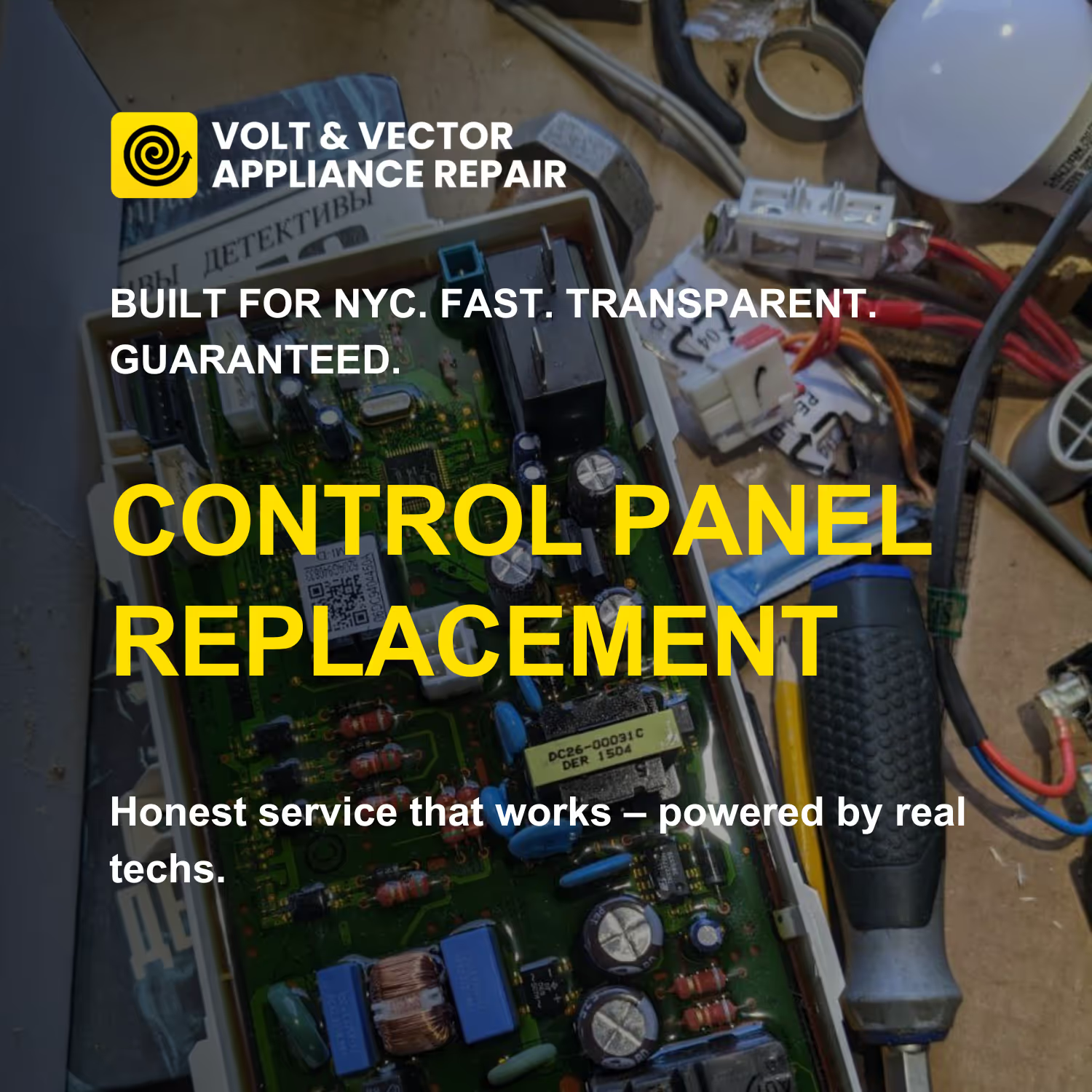
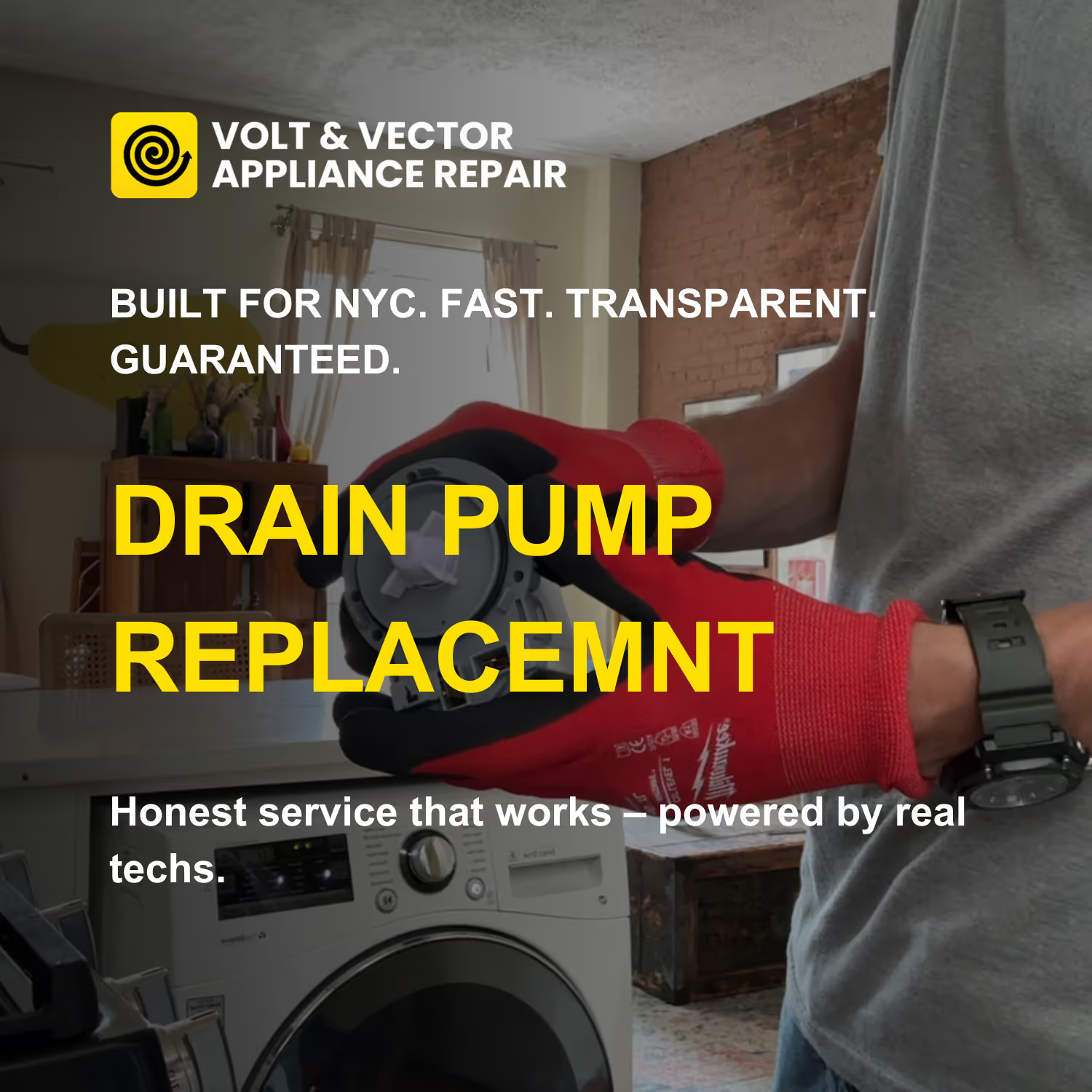
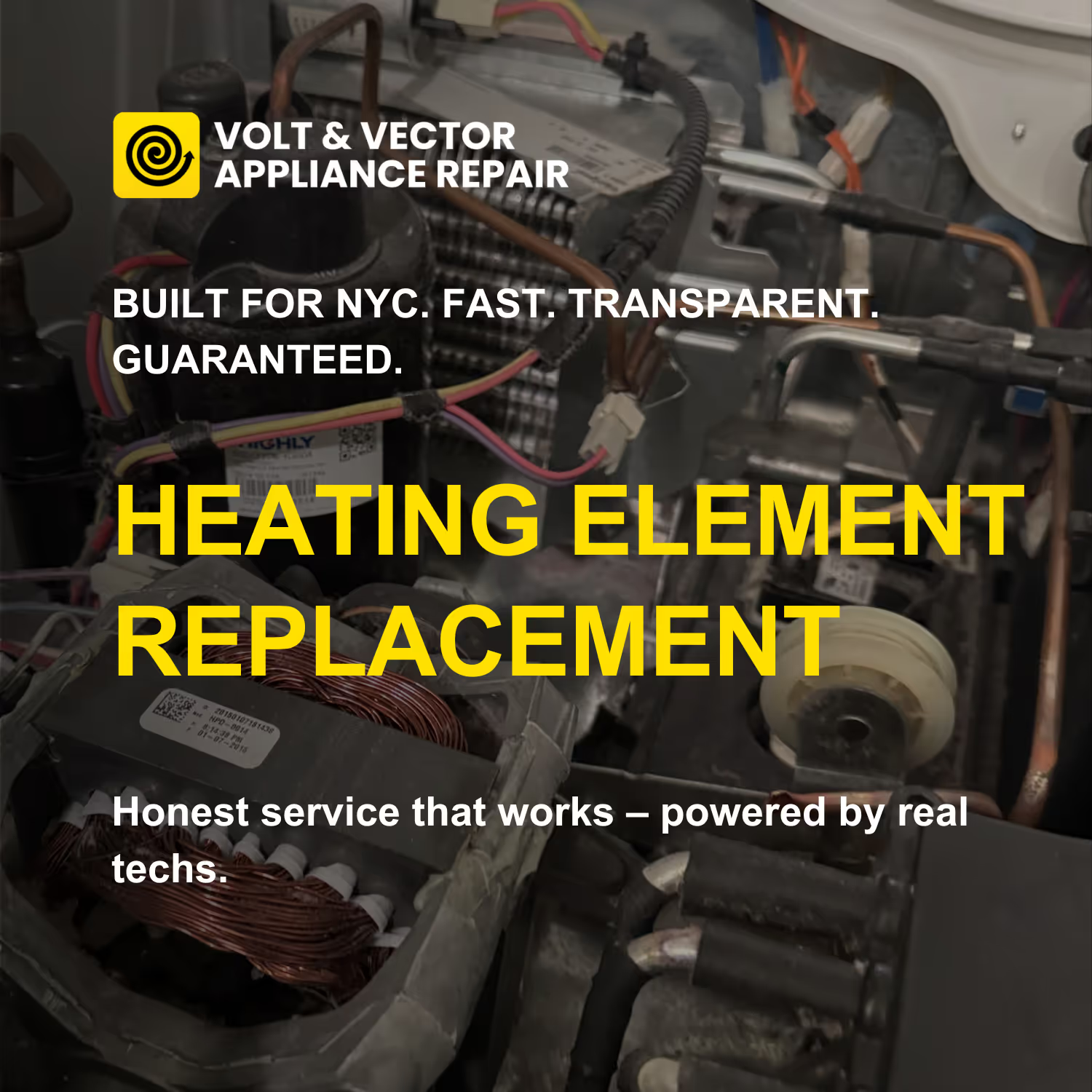
See the full catalog of our services—organized by brand and by appliance—right here.
Need help from our experts?
+1 (332) 333-1709
9:00 AM - 6:00 PM
Our service manager handles all calls personally. For short questions, text works best.
Google Business Profile
See live reviews, photos, and recent jobs. Booked with us? Please leave a review, thank you!
180-Days Warranty
Every completed repair includes a 180-day parts & labor warranty. OEM parts only. Warranty service is prioritized.
Local Service
Built by real NYC technicians - not marketers.
Volt & Vector is where clean design meets certified service.






Google Reviews
Great people to deal with. Called and set up appointment right away. Mark came and fixed the issue right away. Very friendly and respectful. Will use again. Thanks guys.
Excellent experience with Vlad! He came day of to help fix a laundry machine issue. He was on time, a clear communicator about the issue and fixed it with ease. He came back the following day (at no charge!) when I reached out with further information about how the machine was working to confirm everything was working properly/as intended. Excellent service and will absolutely be working with them again when we have future needs. Can’t recommend enough!
Vlad has been an incredible asset. In the few months we've known him, he's already fixed a dryer, two washing machines, and an oven! He's always very upfront with the repairs needed and the associated costs with fixing an appliance. I wouldn't hesitate at all to hire him for any future appliances in need of repair
I split my time between Italy and NYC and manage several Airbnb units. Scheduling used to take too much energy around guest check-ins and turnovers. With Volt & Vector Appliance Repair, the routine became predictable: clear 2-hour windows (9–11am or 12–2pm), a text with ETA, written pricing (diagnostic credited), before/after photos, and a short summary after each visit. Over ~30 repairs in two years: washers, dryers, dishwashers, ranges, a refrigerator seal. They’ve kept me informed and moved quickly on parts (usually 24–48 hours when ordered). Access and lockboxes are handled without drama, work areas are left clean, and my reviews stayed steady. Hosting from abroad is easier when maintenance is this consistent. Strong recommend for Brooklyn and Manhattan hosts.