.jpeg)

Bosch Appliances Through the Years: How the Engineering Changed
.avif)
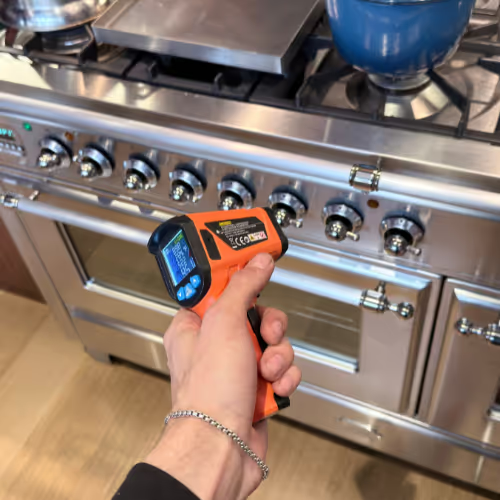
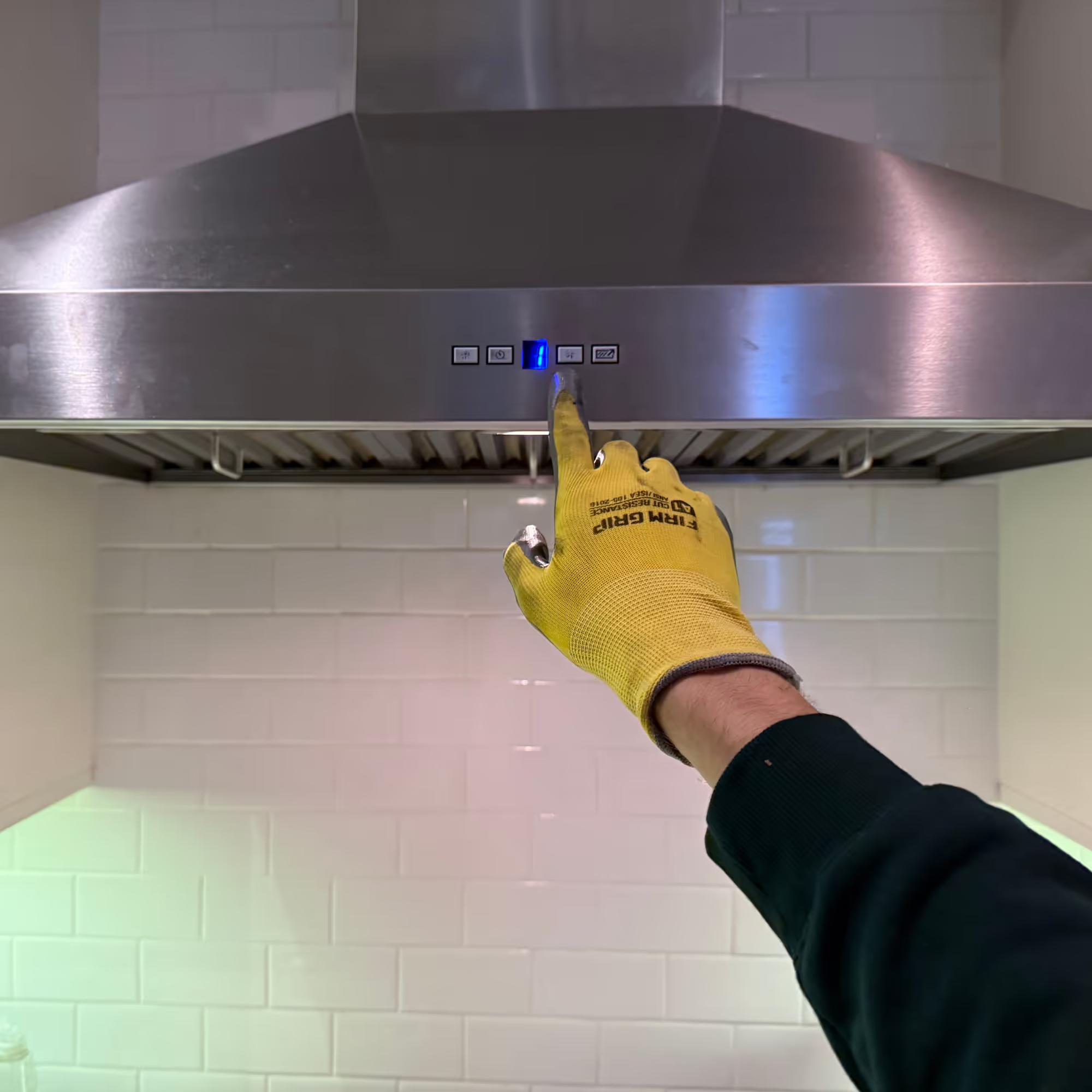
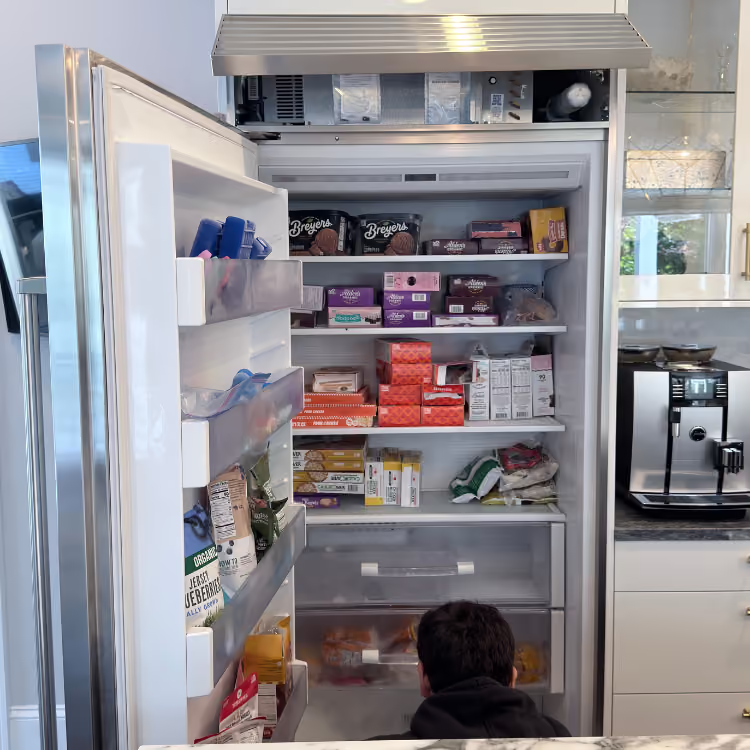
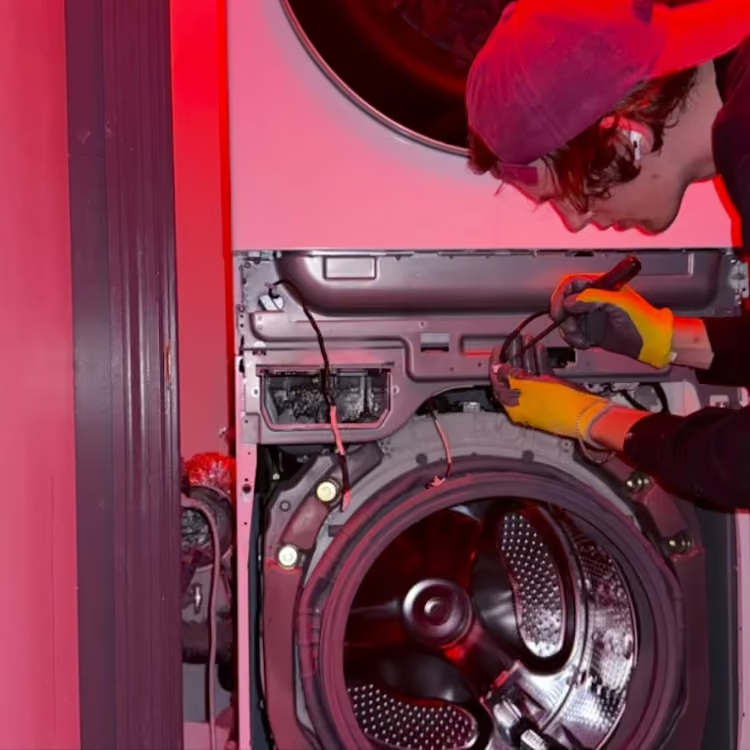
Field Photos From Actual Jobs
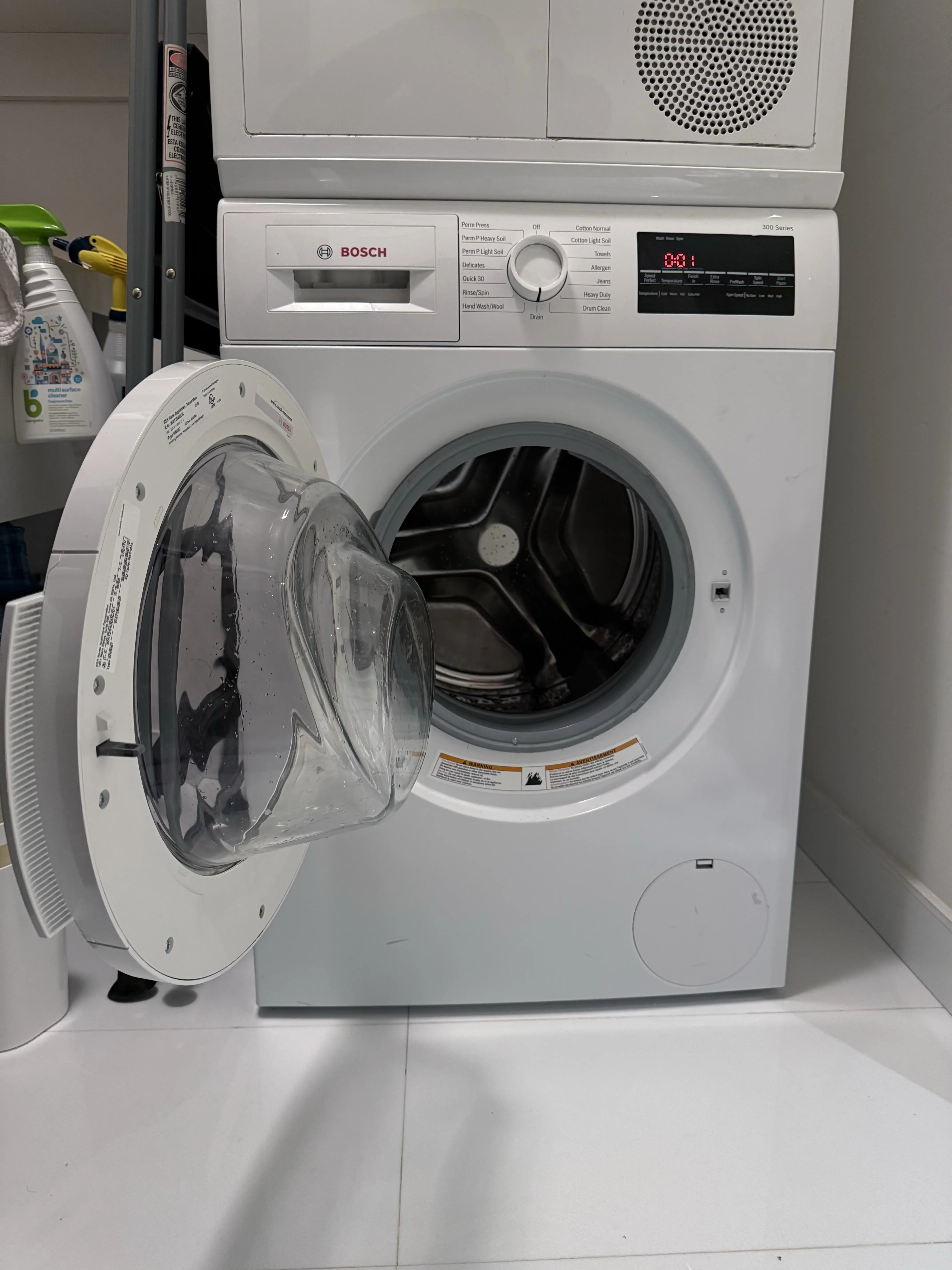
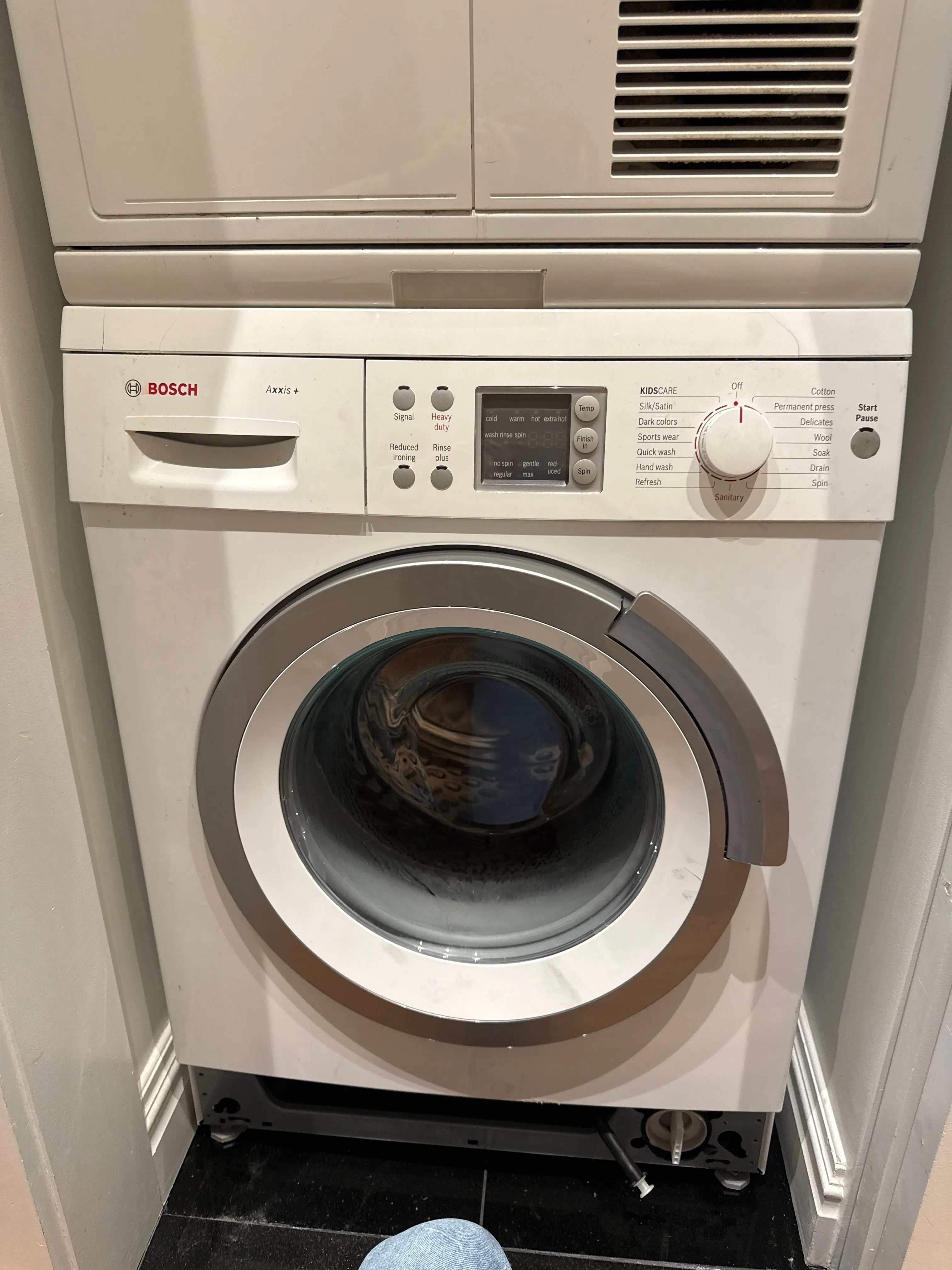
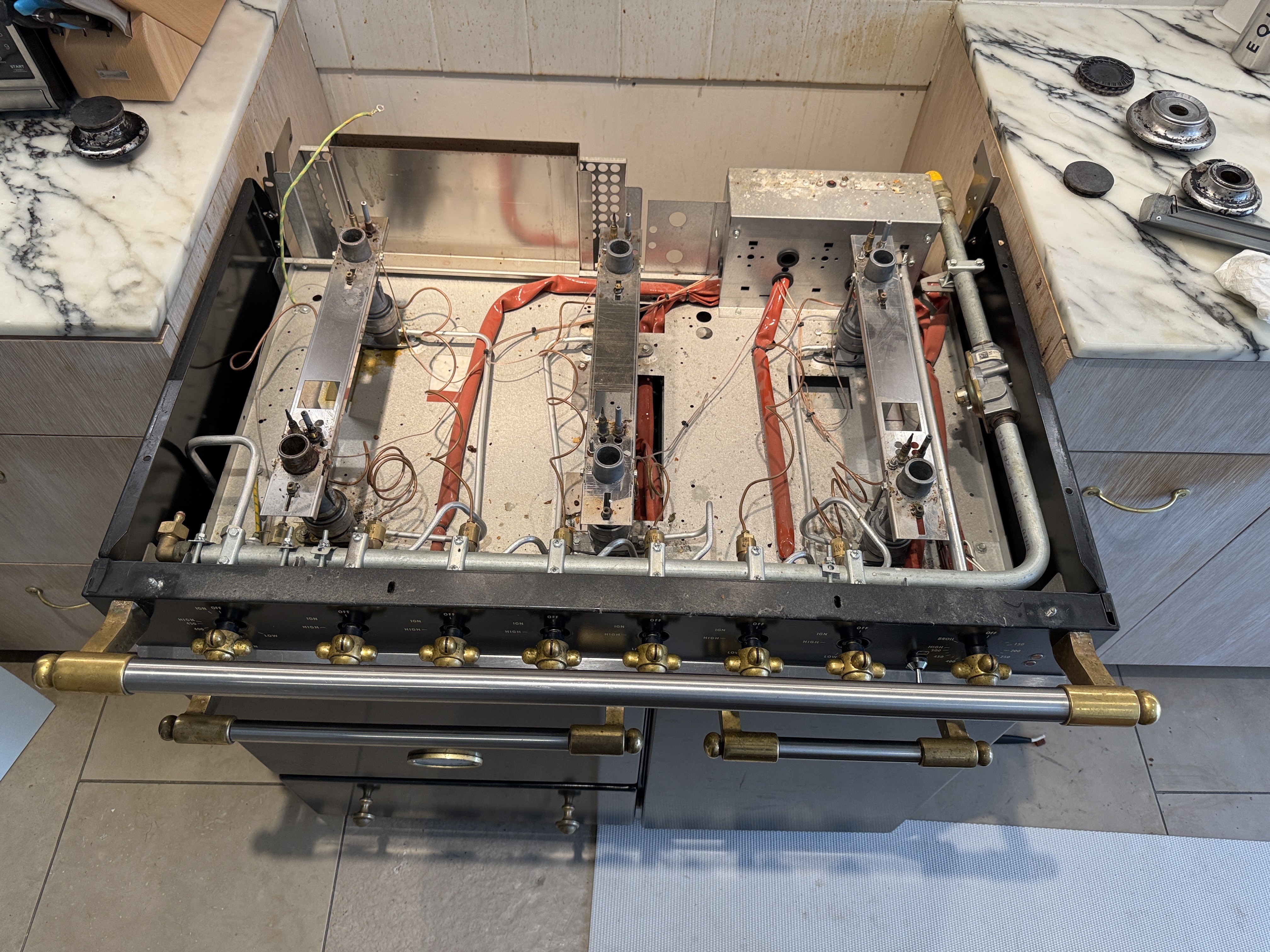
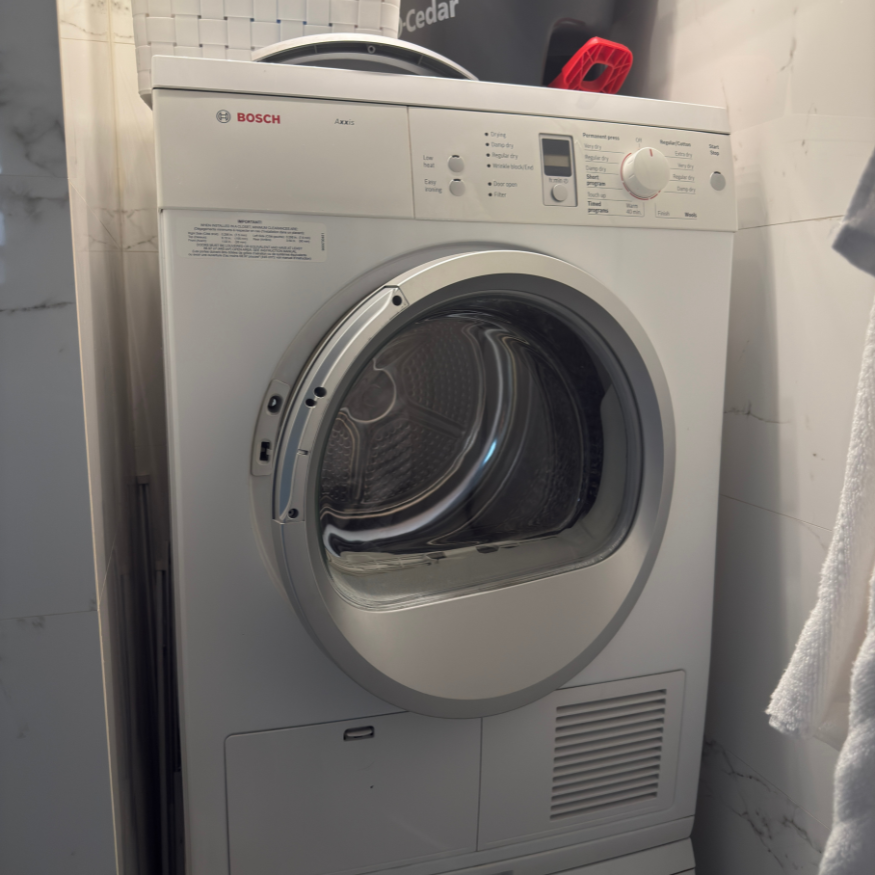
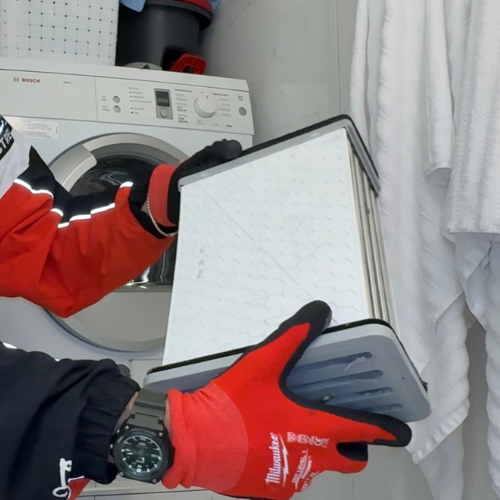
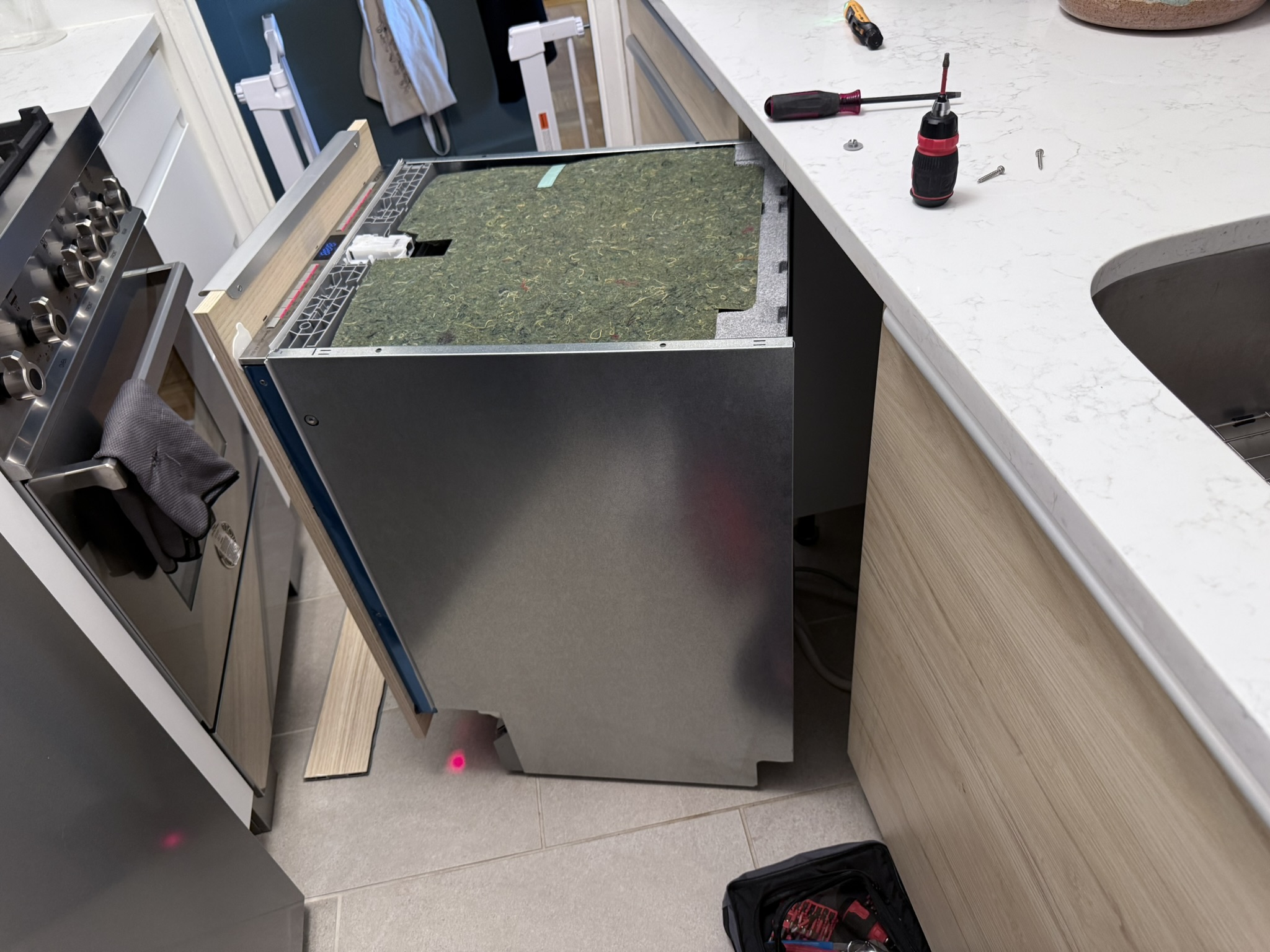

Bosch appliance repair in NYC
Dishwashers, washers, dryers, refrigerators, freezers, wall ovens, ranges, cooktops and range hoods. Identify the failed stage: fill, wash, drain, spin, dry, cool, heat, ignition or ventilation. Independent residential requests are reviewed in Brooklyn, Manhattan below 96th Street and selected Queens ZIP codes by exact address and availability. No manufacturer authorization is implied.
Products and first decision
Start with the complete E-Nr/model and serial information and exact appliance type. The service decision changes with the product, platform and failed function; a display or symptom is not a parts diagnosis.
Information to send
- Identity: Send the complete E-Nr/model and serial information and exact appliance type.
- Observed result: Record the selected program or mode, failed stage, literal display, water or temperature result, and whether the unit is stacked, built in or integrated.
- Installation: Include cabinet, trim, floor, door clearance, stack and normal service-access photos.
When to leave it off
Leave the appliance off for active leaking, smoke, burning odor, damaged cooking surfaces, uncontrolled heat or repeated electrical trips. Do not open energized areas, alter utility connections, bypass safety controls or force a built-in appliance.
Bosch appliance repair in NYC and Brooklyn starts with the complete model and serial information, the exact product, and the function that changed. Volt & Vector provides independent residential repair; no manufacturer authorization is implied.
Bosch products and the first service decision
Bosch requests become clearer when the failed stage is named: fill, wash, drain, spin, dry, cool, heat, ignite, ventilate or respond to a control.
Listed products: Dishwashers, Washing machines, Dryers, Refrigerators, Freezers, Wall ovens, Ranges, Cooktops, Range hoods.
Dishwashers and laundry products are separated by fill, wash, drain, spin and dry stages; refrigerators by compartment temperature; and cooking or hood requests by mode, heat or airflow. Product identity prevents a code from being transferred to the wrong platform.
How the Bosch symptom narrows the inspection
Dishwasher leaves water or dishes remain wet
Separate a drain problem from a drying or heating problem. Record the water level after the cycle, the program selected and whether the unit completed its sequence.
Washer or dryer stops during a cycle
The load, door state, water system, drain system, airflow, heat response and display message can point in different directions. Preserve the exact point at which the cycle stops.
What to send before requesting service
Send full E-Nr/model and serial information, product type, selected program or mode, exact failed stage, literal display, water or temperature behavior, and normal-access installation photos. A short symptom video is useful when timing, sound or a display change matters and recording it is safe.
Homeowner-safe checks
- Confirm the selected program, option, delay, lock and door or lid closure.
- For laundry or dishwashing, record whether the appliance fills, circulates, heats and drains.
- For cooking products, photograph the control state and note which burner, zone or cavity is affected.
- Check only visible filters, lint screens or accessible hoses when the owner's guide permits it; do not remove panels.
Stop-use and access
Stop use for smoke, burning odor, arcing, uncontrolled heat, a gas odor, active water release or repeated breaker trips. Do not keep restarting a cycle to see whether the message disappears.
Integrated dishwashers, wall ovens and panel-ready refrigeration require photos of cabinetry, trim, floor protection, door clearance and service access. For managed buildings, include elevator hours, superintendent or doorman instructions, floor-protection rules and any Certificate of Insurance requirement with the booking request. Do not alter utility connections or move a built-in appliance to make it easier to reach.
Repair visit
The technician confirms the model, tests the affected function under the reported conditions, explains the finding and provides a transparent estimate before approved work. OEM parts are used when replacement is required; the $99 diagnostic fee is credited toward an approved repair, with a 180-day parts-and-labor warranty.
Send the complete Bosch E-Nr, literal display, failed cycle stage, safety status, and installation photos.