
.png)

Heat Pump Repair in Pennsylvania
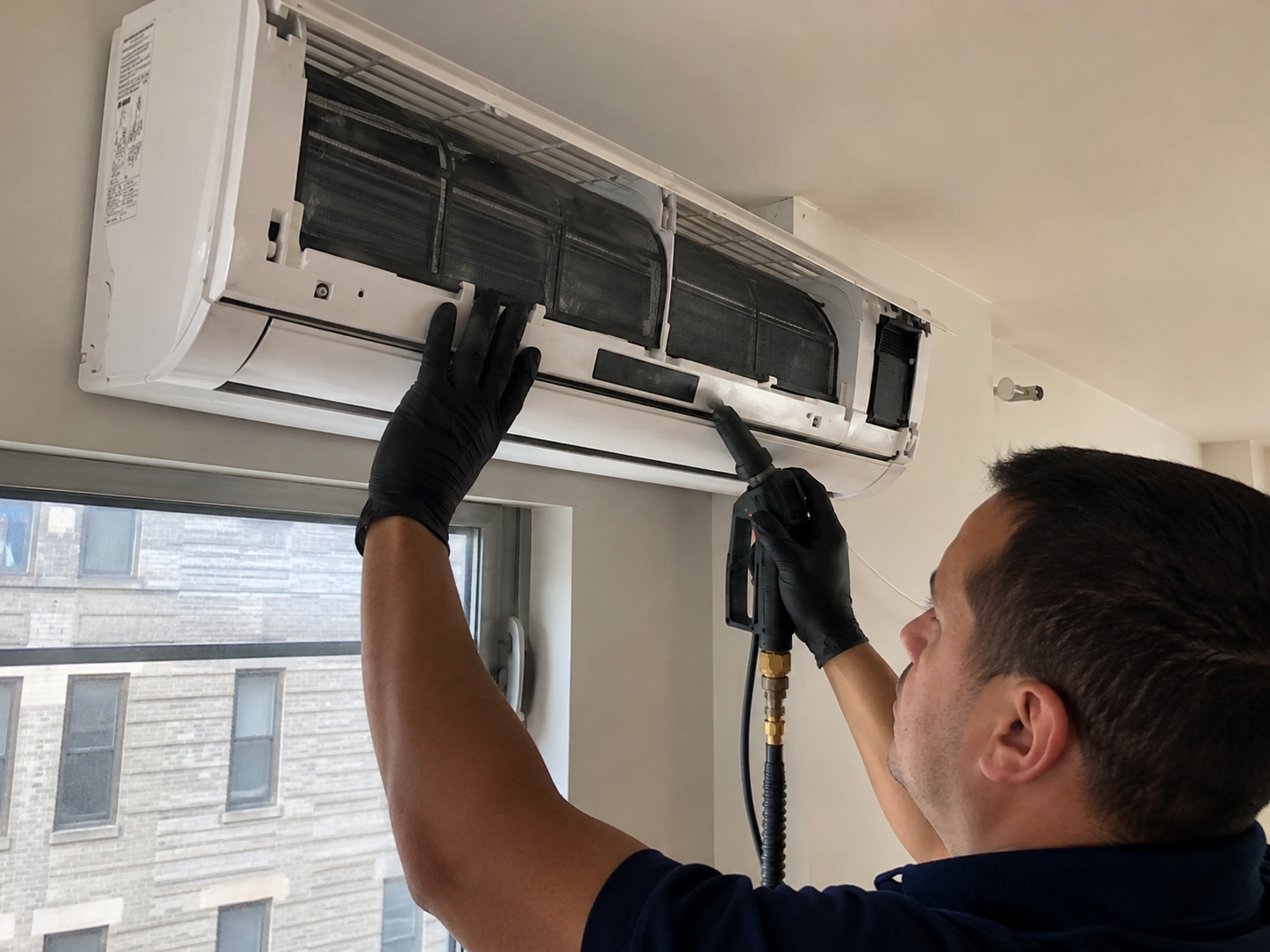
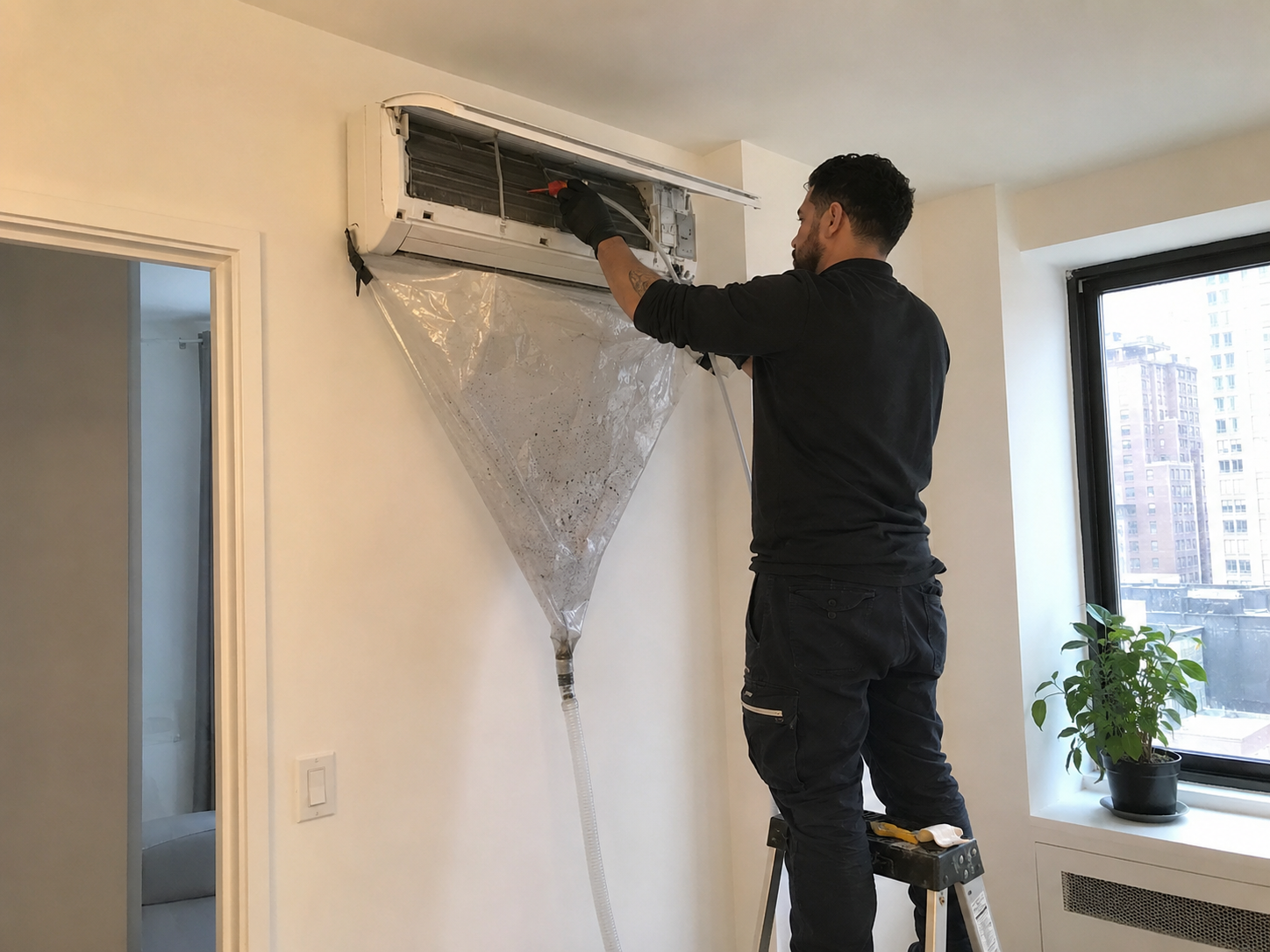
Heat pump repair in Pennsylvania should not start with a guessed part. The first split is whether the system is behaving normally for cold weather, stuck in a control or defrost problem, losing heating or cooling capacity, or relying too much on backup heat. Volt & Vector checks thermostat demand, indoor airflow, outdoor unit response, defrost behavior, AUX or Emergency Heat use, and safety signals before recommending repair or replacement.
What This Heat Pump Repair Page Covers
This page is for Pennsylvania homeowners who have a heat pump that is not heating, not cooling, blowing cold air in heat mode, icing up, short cycling, running mostly on AUX heat, or showing confusing thermostat behavior.
A heat pump is different from a furnace or straight-cool AC because the same outdoor system can be involved in heating and cooling. A useful repair visit has to prove the mode, the airflow, the outdoor unit response, the defrost behavior, and the backup heat behavior before anyone treats the symptom as a failed part.
The First Diagnostic Split
Before a heat pump repair decision is made, the problem should be separated into one of four buckets:
- Normal cold-weather behavior: brief defrost, light frost that clears, cooler-feeling supply air, or occasional AUX heat during colder outdoor conditions.
- Performance problem: the house does not recover, the air stays cold, the unit runs constantly, or the system cannot satisfy the thermostat.
- Control or mode problem: thermostat mode, reversing valve behavior, outdoor unit command, indoor blower timing, or backup heat staging does not match the call.
- Urgent operating problem: breaker trips, heavy ice that does not clear, burning electrical smell, loud new noise, repeated lockout, or Emergency Heat being used because the heat pump is not working.
Heat Pump Symptom To Technician Proof Map
Use these rows to describe the problem before booking. The goal is not to make the homeowner diagnose it. The goal is to give dispatch and the technician better starting evidence.
- Cold air in heat mode: Record whether it happens briefly or keeps going, whether the thermostat says Heat, AUX, or Defrost, and whether the outdoor unit is running. The technician proves whether this is normal defrost, mode control, reversing valve behavior, refrigerant performance, or backup heat failure.
- AUX heat keeps coming on: Record the outdoor temperature, thermostat setpoint change, and whether the house is still losing temperature. The technician proves whether AUX heat is normal support, unnecessary staging, low heat-pump capacity, airflow restriction, thermostat setup, or backup heat control trouble.
- Emergency Heat is on: Record whether someone manually selected Emergency Heat or the thermostat changed state after a failure. The technician proves why the primary heat pump cannot carry the load and whether the backup heat is only masking the failure.
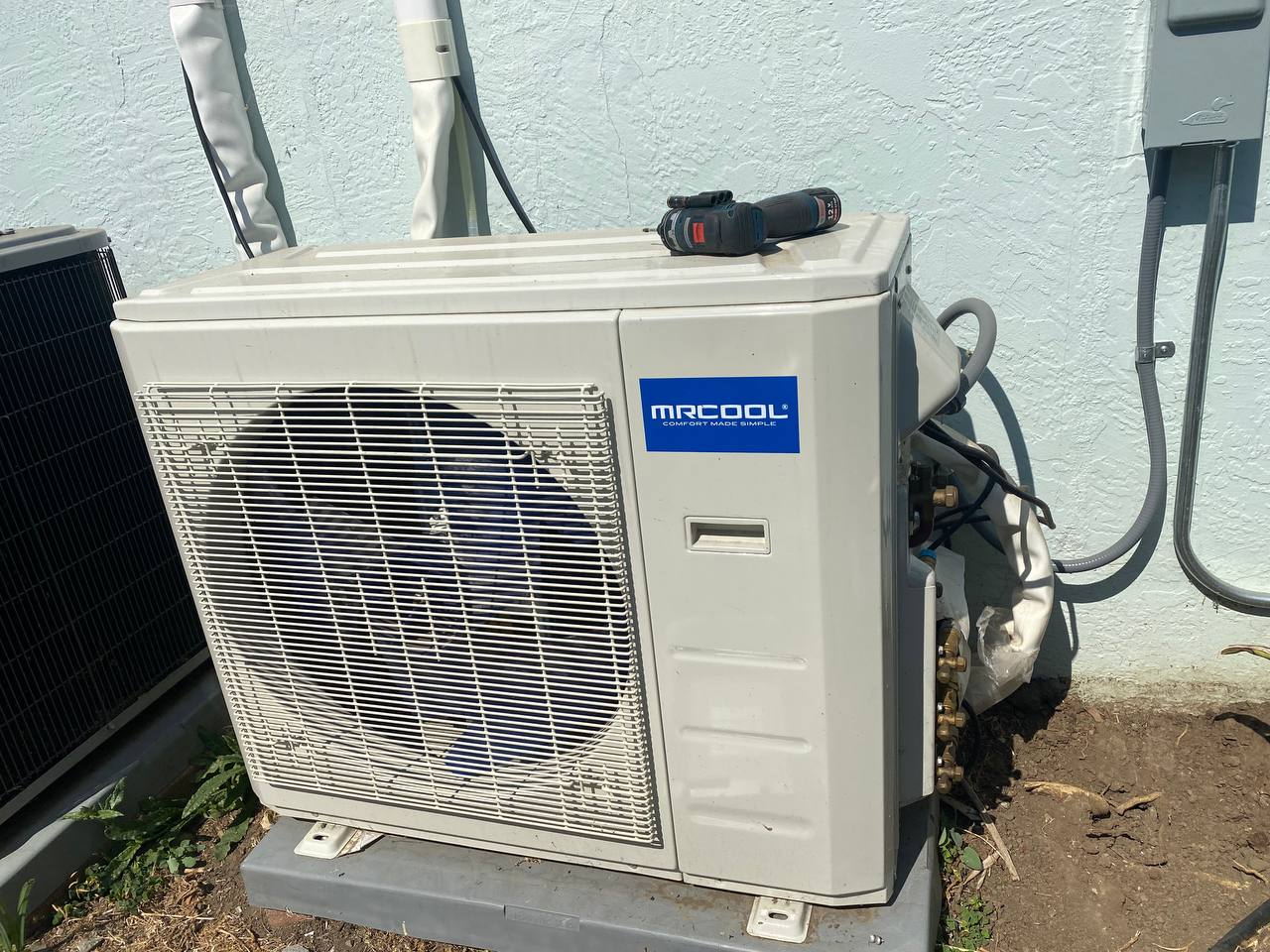
- Outdoor unit is frozen: Take a photo, note whether the ice is light frost or thick ice, and whether it clears after a cycle. The technician proves defrost control, coil sensor, outdoor fan, airflow, refrigerant-side performance, and control-board response.
- No heat but indoor blower runs: Record whether the outdoor unit starts, hums, clicks, or stays silent. The technician proves thermostat call, contactor/capacitor behavior, outdoor fan/compressor response, safety lockout, and backup heat staging.
- No cooling or warm air in cooling mode: Record whether the indoor blower and outdoor unit both run. The technician proves cooling-mode command, refrigerant performance, outdoor coil/fan condition, reversing valve position, and airflow.
- Short cycling: Record how long it runs before shutting off and whether the thermostat changes or faults. The technician proves control signal, refrigerant protection, airflow restriction, electrical components, thermostat placement, or equipment protection logic.
- Water near the indoor unit: Record whether the line is iced, whether cooling was running, and where water appears. The technician proves drain, coil freeze, airflow restriction, air handler condition, and cooling-mode operation.
- Breaker trips or electrical smell: Stop resetting the breaker. The technician proves electrical fault, motor/compressor behavior, wiring, control load, and whether continued operation is safe.
Normal Heat Pump Behavior Versus Repair Signal
Some heat pump behavior looks strange but is not automatically a failure.
Light frost on the outdoor unit can be normal in cold, damp weather if the unit clears it during defrost. Brief cooler air during defrost can also happen. Occasional AUX heat can be normal when outdoor temperature drops below the home and system balance point.
The repair signal is different. Heavy ice that grows, cold air that does not recover, AUX heat that runs constantly in mild weather, Emergency Heat use, repeated lockouts, breaker trips, or a house that keeps losing temperature should be checked before the system is forced to run.
What To Check Before Booking Heat Pump Repair
These are homeowner-safe checks only.
- Thermostat mode: Confirm whether it is set to Heat, Cool, AUX, or Emergency Heat.
- Fan setting: Use Auto for a normal test, not constant fan, so airflow does not confuse the symptom.
- Filter condition: A badly restricted filter can reduce airflow and make heating or cooling symptoms worse.
- Outdoor unit clearance: Check for snow, leaves, blocked airflow, or heavy ice around the outdoor unit.
- Indoor airflow: Note whether air comes from the vents strongly, weakly, or not at all.
- Timing: Record whether the problem happens during startup, after several minutes, during defrost, overnight, or after a large thermostat change.
- Photos: Take one photo of the thermostat and one photo of the outdoor unit if ice, snow, or a fault is visible.
Do not open panels, bypass switches, thaw the unit with unsafe heat, reset breakers repeatedly, or try refrigerant-side work.
When To Stop Running The Heat Pump
Stop forcing operation and book service if any of these are present:
- Breaker trips more than once: stop resetting it and schedule diagnosis.
- Burning electrical smell: shut the system down if safe to do so and book service.
- Loud grinding, buzzing, or scraping: avoid forcing another cycle.
- Heavy ice that does not clear: do not chip at the coil or force unsafe thawing.
- Outdoor fan does not run while the unit is trying to operate: stop using the system until checked.
- Repeated thermostat faults or lockouts: record the message and book diagnosis.
- Only Emergency Heat works: treat backup heat as temporary, not the repair.
- Home keeps dropping in temperature while the system runs: do not wait for the system to recover by itself.
- Water appears near the air handler with icing or weak airflow: stop and book diagnosis.
Repair-First Decision Rule
Repair usually stays reasonable when the problem is isolated and provable: thermostat setup, airflow restriction, capacitor or contactor behavior, drain issue, sensor fault, defrost control issue, outdoor fan issue, backup heat control, or a repairable electrical/control problem.
Replacement should not be the first answer from a symptom alone. It may enter the conversation when the system has repeated major failures, severe refrigerant-side issues, compressor failure, incompatible controls, poor prior installation conditions, or repair cost that no longer makes sense against the age and condition of the system.
Pennsylvania Heat Pump Reality
Pennsylvania heat pump calls often sit between heating and cooling seasons. A system can look fine in mild weather and then fail when outdoor temperature, humidity, defrost demand, or backup heat demand changes.
That is why this page is separate from furnace repair and straight-cool AC repair. A heat pump complaint has to check both heating and cooling behavior, not just one mode.
Service Area Fit
This page is the Pennsylvania heat pump service-detail page. It should be linked from Bucks County, Montgomery County, and Northeast Philadelphia local landing pages when those pages are live and visibly support the service area.
Use the county pages for local intent. Use this page for the service-specific decision: heat pump no heat, cold air in heat mode, AUX heat, Emergency Heat, frozen outdoor unit, no cooling, short cycling, water near the air handler, and repair-vs-replacement proof.
How To Describe The Problem When You Book
The best booking note is short and factual:
- Thermostat mode: Heat, Cool, AUX, Emergency Heat, or a visible fault.
- Indoor blower: runs, does not run, runs weakly, or runs constantly.
- Outdoor unit: runs, hums, clicks, freezes, or stays silent.
- Air at vents: cold, warm, weak, absent, or changing during defrost.
- Backup heat clue: AUX or Emergency Heat is showing.
- Ice clue: light frost, heavy ice, or ice that keeps growing.
- Mode clue: cooling mode also has a problem or only heating mode has a problem.
- Safety clue: breaker trip, smell, sound, water, or fault message.
FAQ
Why is my heat pump blowing cold air in heat mode?
Brief cold or cooler air can happen during defrost, but it should recover. If the air stays cold, the house keeps losing temperature, or the thermostat shows repeated AUX, Emergency Heat, or faults, the system needs diagnosis.
Is AUX heat always bad?
No. AUX heat can be normal when the heat pump needs help in colder conditions or during some control sequences. It becomes a repair signal when it runs constantly in mild weather, turns on after small thermostat changes, or still cannot keep the home warm.
Should I use Emergency Heat?
Emergency Heat should be treated as a temporary backup mode, not normal operation. If the system needs Emergency Heat because the main heat pump is not working, schedule diagnosis and do not treat the backup heat as the repair.
Is frost on the outdoor unit normal?
Light frost can be normal if the defrost cycle clears it. Heavy ice, ice that keeps growing, or ice paired with no heat, loud operation, or fan trouble is not something to ignore.
Can a heat pump problem affect cooling too?
Yes. Heat pumps use the same system for heating and cooling, so a problem with airflow, controls, refrigerant performance, the outdoor unit, or the reversing valve can show up in one mode or both.
When does replacement enter the discussion?
Replacement enters the discussion only after diagnosis shows the repair is major, repeated, unsafe, incompatible, or poor value compared with the system age and condition. A symptom by itself is not enough proof.
Do you repair heat pumps in Pennsylvania?
Volt & Vector supports Pennsylvania HVAC appointments through the PA service-area structure. Core local landing pages should handle Bucks County, Montgomery County, and Northeast Philadelphia coverage, while this page explains the heat pump-specific repair decision.
Related Pennsylvania HVAC Pages
If the symptom points outside this page's system, use these PA pages to route the call without guessing.
- PA HVAC repair hub: PA HVAC repair hub
- AC cooling diagnostics: AC cooling diagnostics
- furnace backup heat diagnostics: furnace backup heat diagnostics
- thermostat aux and emergency heat diagnostics: thermostat aux and emergency heat diagnostics
- Upper Bucks HVAC repair route: Upper Bucks HVAC repair route
- Ambler-Fort Washington HVAC repair route: Ambler-Fort Washington HVAC repair route
CTA
Book heat pump repair when you can describe the thermostat mode, indoor blower behavior, outdoor unit behavior, ice condition, backup heat status, and whether the problem affects heating, cooling, or both.