
.png)


Lower Gwynedd, Spring House, Blue Bell, Whitemarsh-side access, nearby addresses when route and system type fit
Gas furnaces, electric furnaces, heat pumps, air handlers, and straight-cool AC systems.
HVAC Repair in Ambler and Fort Washington, PA
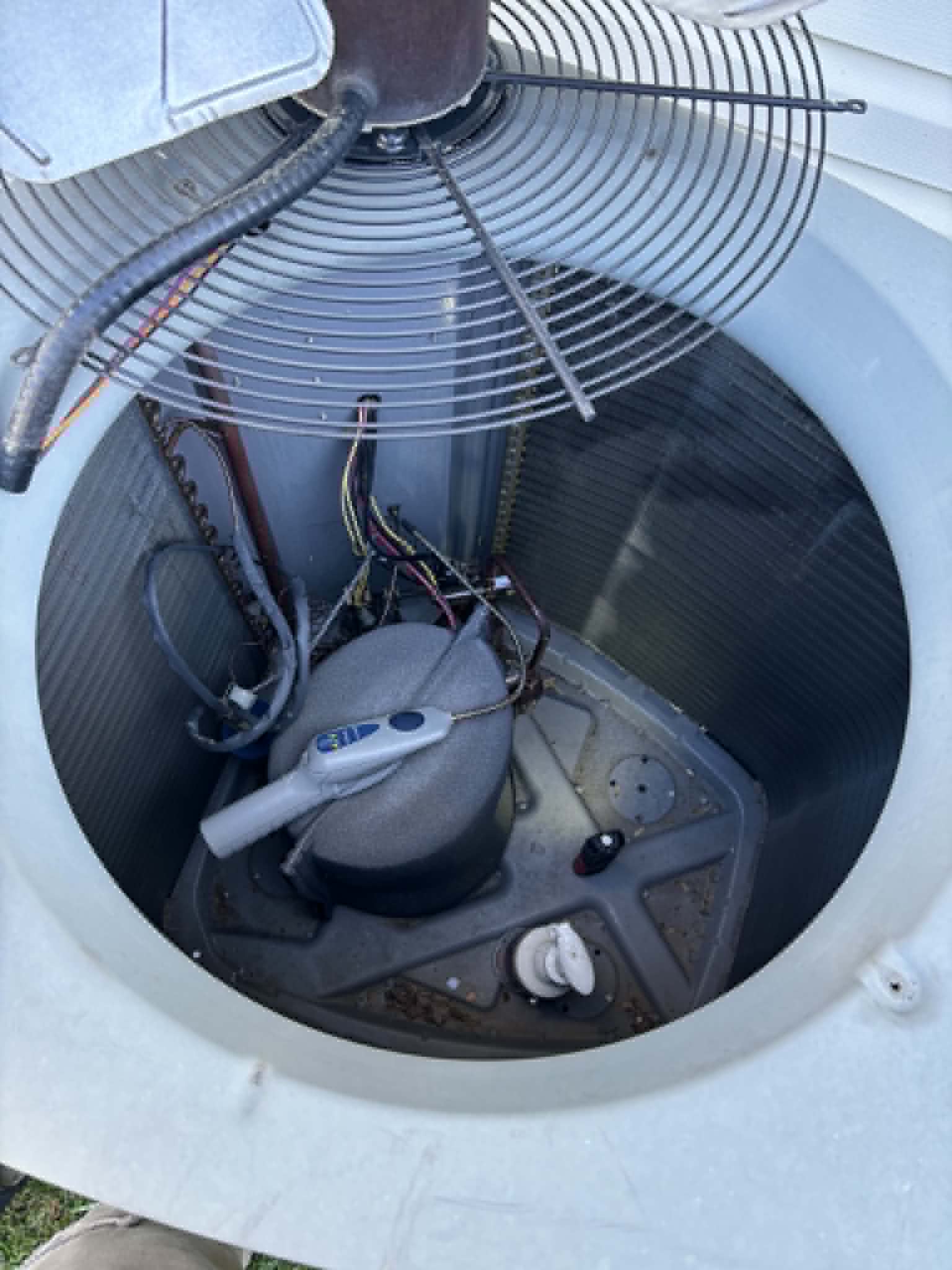
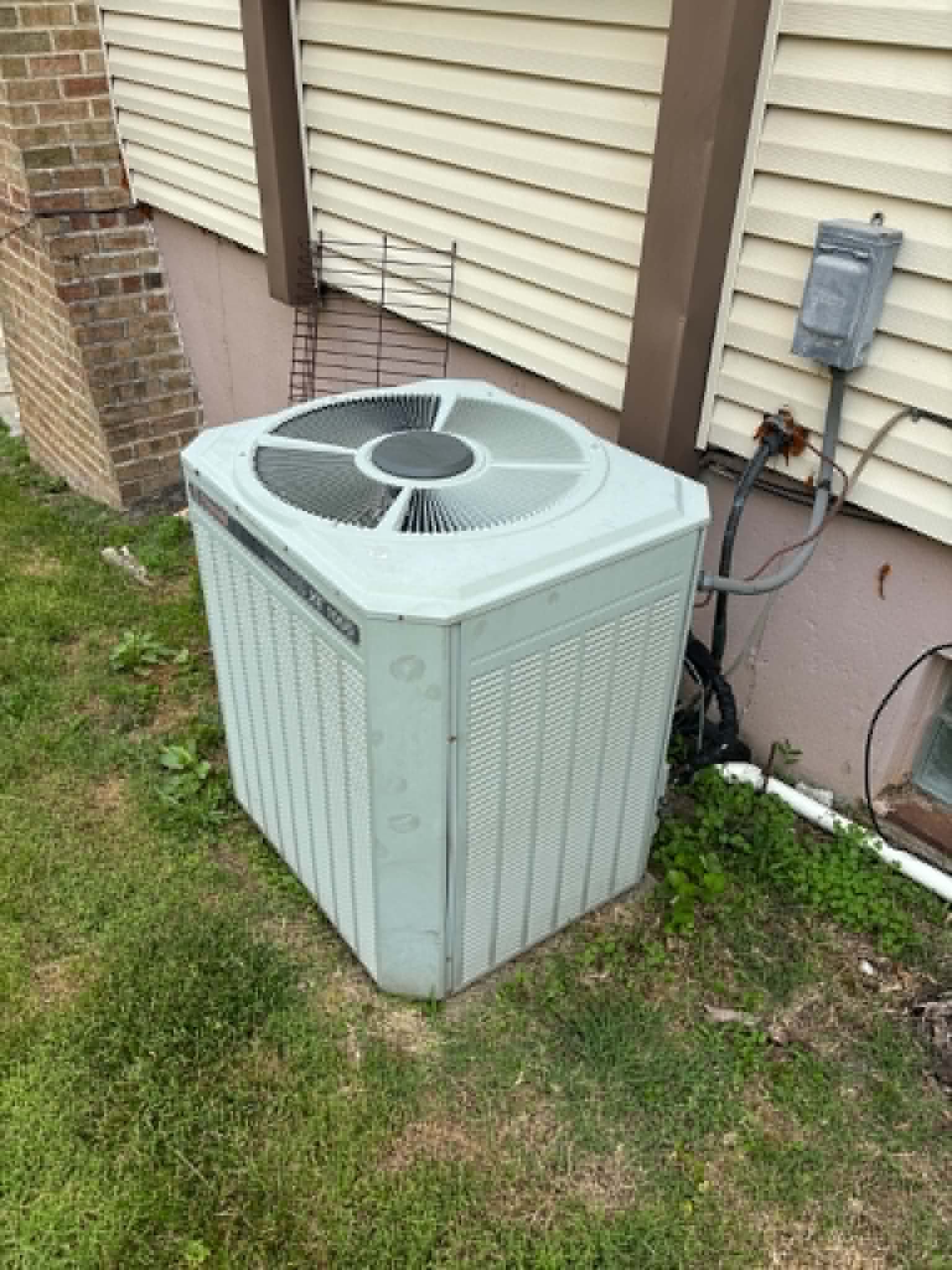
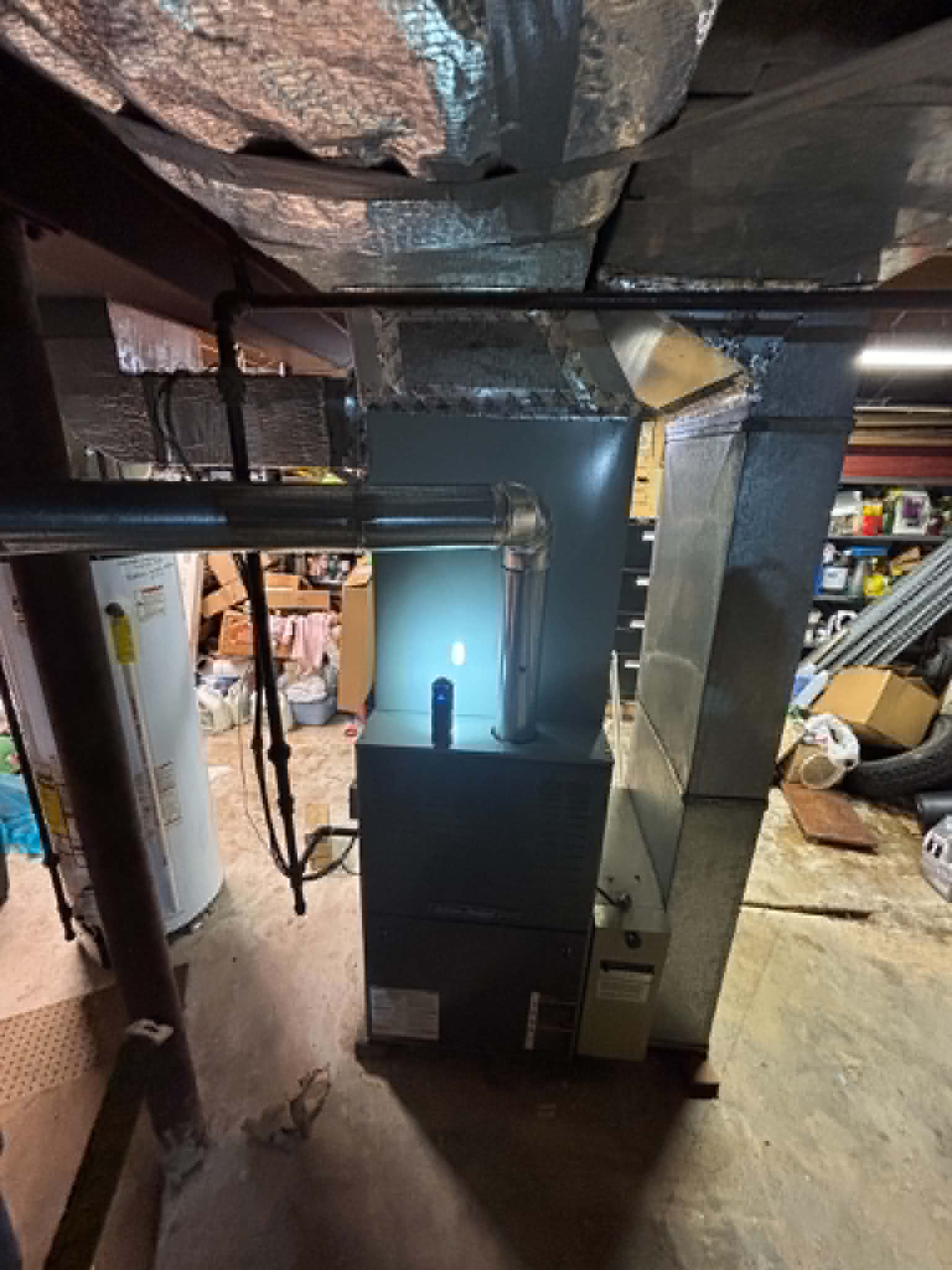
Volt & Vector handles HVAC repair appointments in the Ambler-Fort Washington area for gas furnaces, electric furnaces, heat pumps, air handlers, and straight-cool AC systems. The visit is repair-first: thermostat call, blower behavior, airflow, heating or cooling output, outdoor unit response, water near equipment, and shutdown clues are separated before replacement is discussed.
Ambler-Fort Washington HVAC Service Context
This zone covers the Montgomery County area around Ambler, Fort Washington, Dresher, Flourtown, and nearby route-dependent edges such as Lower Gwynedd, Spring House, Blue Bell, and Whitemarsh-side access.
Appointment availability depends on exact address, technician route, schedule, system type, and access. The ZIP list helps route the call, but it does not mean every ZIP is served the same way or that same-day arrival is guaranteed.
Systems We Repair
- Gas furnaces: no heat, short cycling, ignition symptoms, blower timing issues, and safety shutdown behavior.
- Electric furnaces: no heat, auxiliary heat behavior, blower and heat timing problems, and breaker behavior that needs diagnostic confirmation.
- Heat pumps: heating mode problems, cooling mode problems, defrost concerns, outdoor unit faults, and auxiliary heat behavior.
- Air handlers: weak airflow, blower not starting, blower running with no temperature change, water near equipment, and uneven room comfort.
- Straight-cool AC systems: no cooling, warm supply air, frozen coil clues, outdoor unit not running, and short cycling.
Common Ambler-Fort Washington HVAC Calls
- No cooling: record whether the indoor blower runs, whether the outdoor unit starts, and whether the supply air feels warm or just weak.
- No heat: note whether the thermostat is calling, whether the blower starts, and whether the system is a gas furnace, electric furnace, or heat pump.
- Weak airflow: check only the visible filter and obvious blocked vents if safe. The technician checks blower operation, coil condition, duct restriction, and airflow clues.
- Short cycling: note how long the system runs before shutting off and whether it restarts quickly.
- Outdoor unit not running: record whether the indoor fan still runs. Do not repeatedly reset the breaker.
- Water near the air handler: stop use if water is spreading or near electrical components.
Ambler-Fort Washington Diagnostic Map
- System starts but does not heat or cool: record thermostat mode, indoor airflow, and outdoor unit behavior. The technician separates control call, blower operation, heating or cooling output, and equipment-side faults.
- Outdoor unit starts and stops: record run time, noise, and whether cooling or heat pump mode is active. The technician checks startup behavior, safety limits, airflow, and operating sequence.
- Weak airflow in several rooms: record which rooms are affected and whether the filter is visibly restricted. The technician separates filter restriction, blower issue, coil condition, and duct-side restriction.
- Water near indoor equipment: record where the water appears and whether cooling was running. The technician checks condensate drainage, pan overflow, coil icing, and shutoff behavior.
- Breaker trips or electrical smell appears: stop use and do not reset repeatedly. The technician confirms the fault safely before repair.
What To Check Before Booking
- Thermostat: confirm heat, cool, or auto mode and the set temperature.
- Filter: check the visible filter only if it is safe and accessible.
- Indoor unit: note whether the blower starts, runs continuously, or never starts.
- Outdoor unit: note whether the fan or compressor appears to start, without opening the unit.
- Water or ice: take photos if visible, then stop use if water reaches electrical areas.
- Model label: take a photo of the model and serial label if accessible.
- Access: mention attic, basement, closet, roof, parking, gate, landlord, or building access details.
What Not To Do
- Do not open electrical panels: the diagnostic visit handles electrical confirmation safely.
- Do not bypass safety controls: switches, fuses, door panels, pressure switches, float switches, and safety controls should stay intact.
- Do not disassemble gas parts: gas lines and burner components are not homeowner checks.
- Do not keep resetting a breaker: repeated trips need diagnosis, not repeated resets.
- Do not force frozen equipment to run: visible ice changes the diagnostic path.
- Do not guess the failed part: symptoms point to a system area, not a confirmed part.
When Replacement May Be Discussed
Volt & Vector starts with repair diagnostics. Replacement may come up only when the confirmed repair path points to unsafe operation, unavailable parts, repeated major failure, or a repair cost that no longer makes sense for the system.
Related PA HVAC Service Pages
Use these pages when the question is the system problem rather than the service-area fit.
- PA HVAC repair hub: PA HVAC repair hub
- furnace repair diagnostics: furnace repair diagnostics
- heat pump repair diagnostics: heat pump repair diagnostics
- thermostat HVAC diagnostics: thermostat HVAC diagnostics
- HVAC maintenance checks: HVAC maintenance checks
- repair vs replacement second opinion: repair vs replacement second opinion
- North Penn HVAC repair: North Penn HVAC repair
- Central Bucks HVAC repair: Central Bucks HVAC repair
Book HVAC Repair in Ambler and Fort Washington
Book a diagnostic visit if the system is not heating, not cooling, short cycling, blowing weak air, leaking near the air handler, or failing to respond correctly to the thermostat. Send the system type, symptom timing, visible water or ice, indoor/outdoor unit behavior, ZIP, and address so the route and diagnostic path can be confirmed.
FAQ
Do you cover every Ambler-Fort Washington ZIP the same way?
No. Appointments are route-dependent. The exact address, technician schedule, system type, access, and current route determine availability.
Is this page for all of Montgomery County?
No. This is an Ambler-Fort Washington zone page inside the Montgomery County collection. It should stay focused on this local area, not the whole county.
Do you repair both heating and cooling systems?
Yes. This page covers diagnostic repair for furnaces, heat pumps, air handlers, and straight-cool AC systems.
Is AC repair part of this HVAC service?
Yes. Straight-cool AC repair is included when the call is within route coverage and the system can be safely diagnosed.
Should I keep running the system if there is water or an electrical smell?
No. Stop use if water is near electrical components, a burning smell appears, a breaker trips repeatedly, or the system behaves unsafely.
HVAC Repair by System Type
HVAC problems usually start with one clear symptom: no cooling, weak airflow, water leaking, short cycling, thermostat not responding, or heat not coming on. The correct repair depends on the system type, the building setup, and where the failure starts.
Before Scheduling HVAC Service
Check the thermostat mode, set temperature, air filter, breaker, and whether the indoor or outdoor unit is running. Take photos of the thermostat screen, equipment label, leak area, or error code before resetting the system.
Do not keep running the HVAC system if there is a burning smell, repeated breaker tripping, water near electrical parts, or ice on the coil. Those symptoms should be checked before the problem spreads to a larger component.