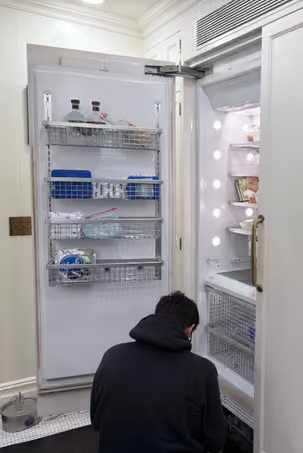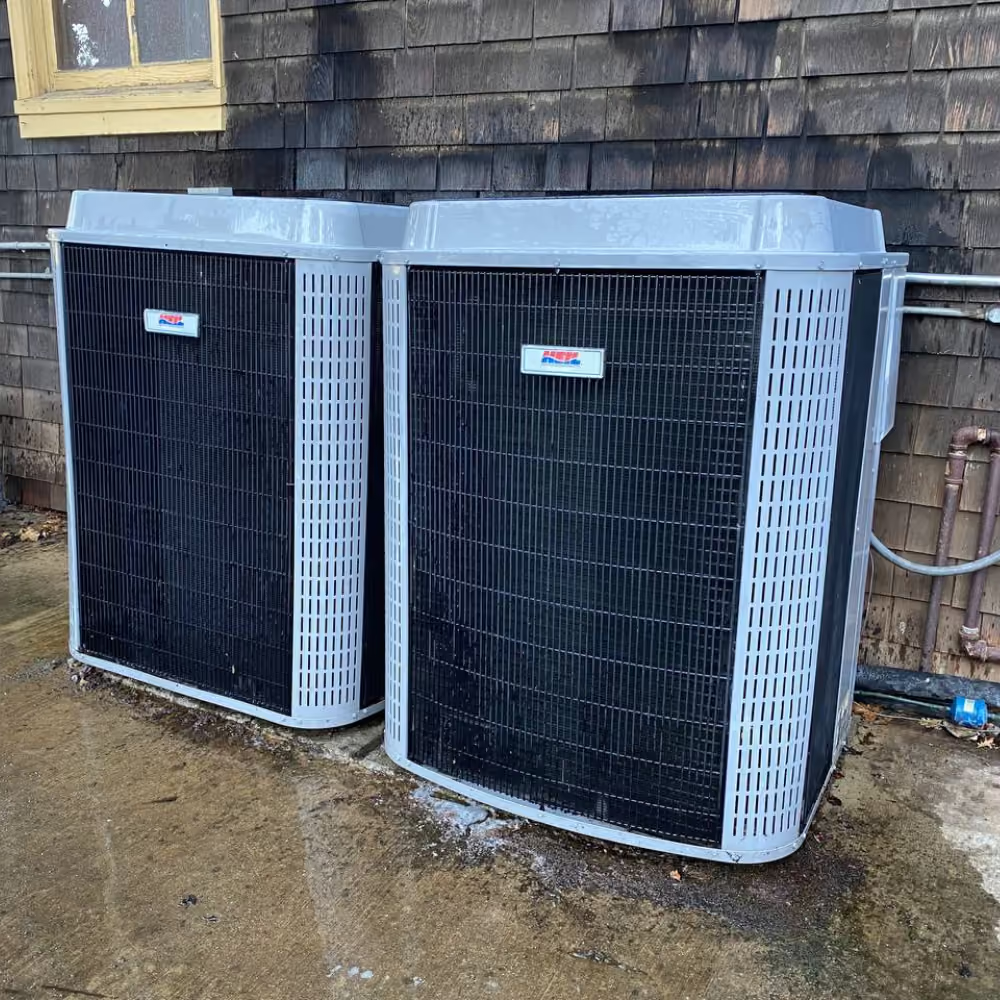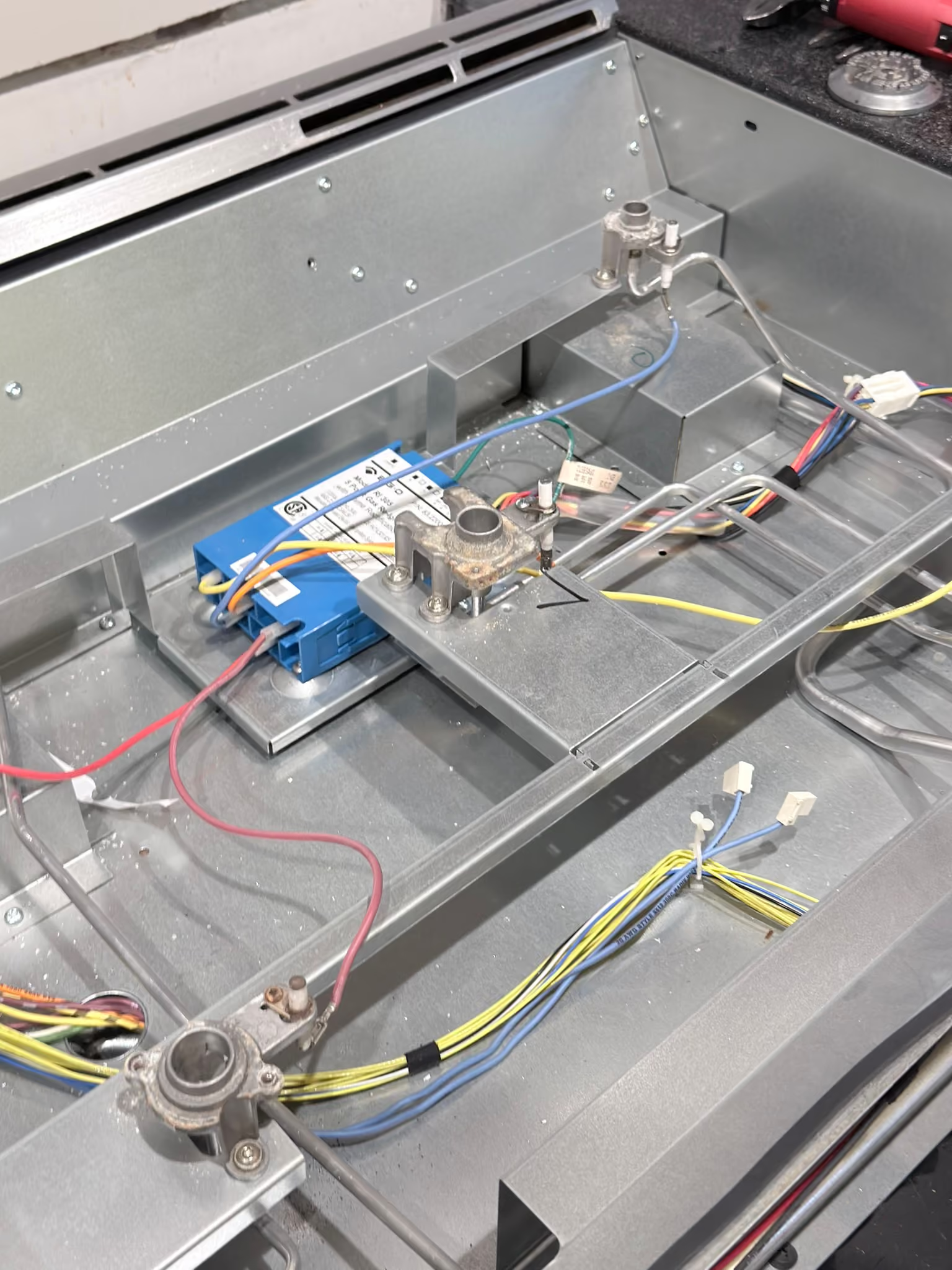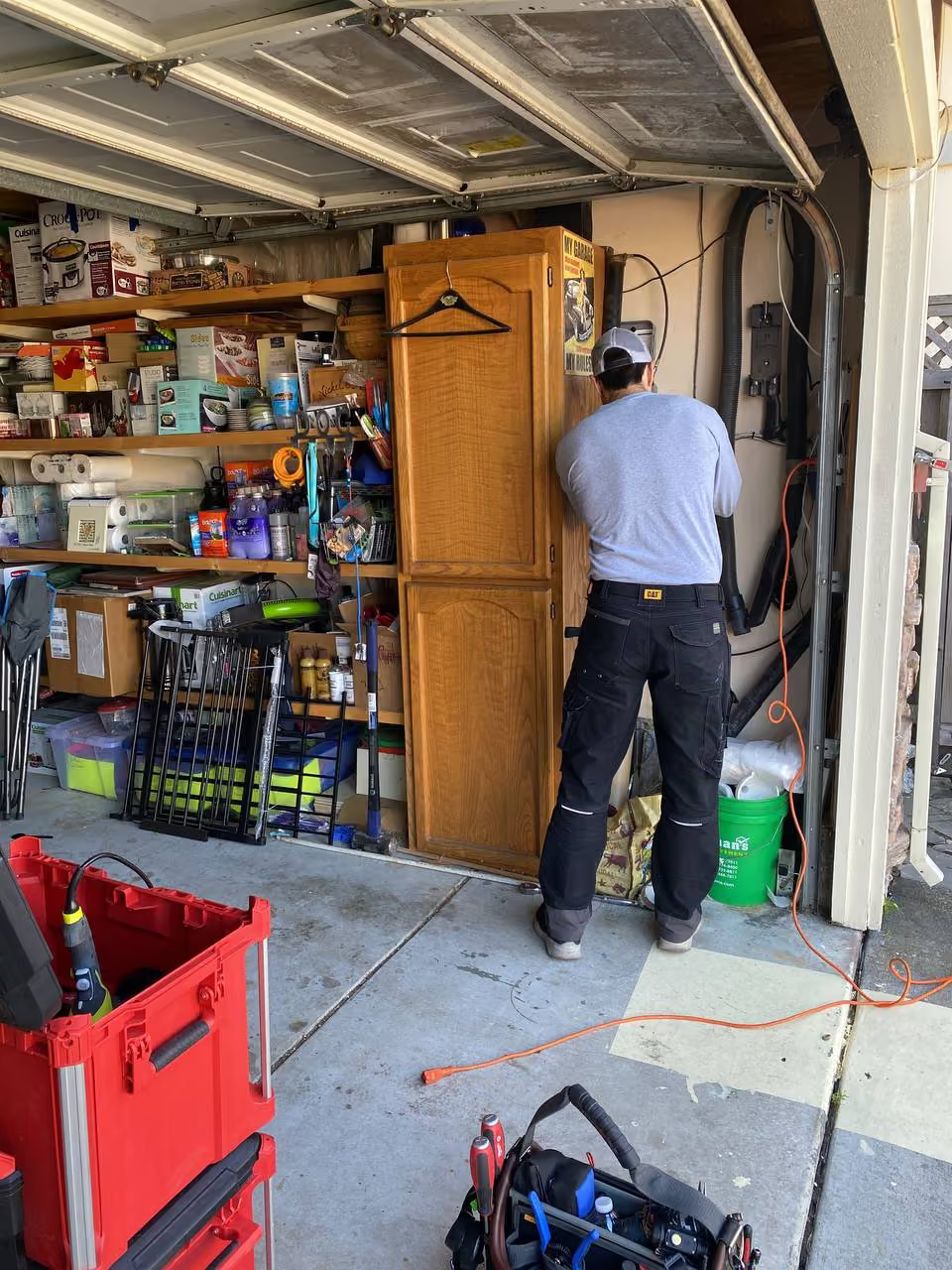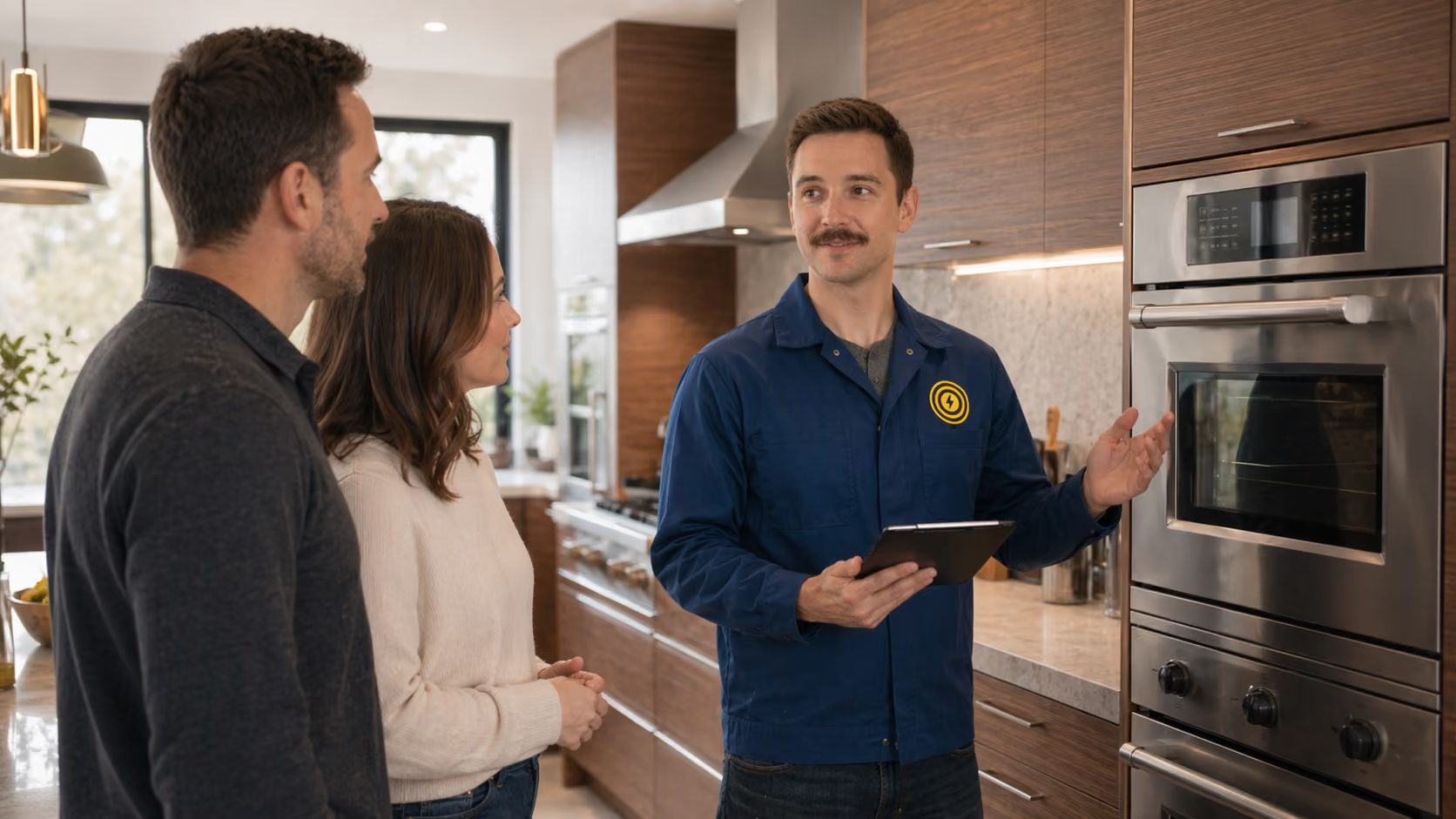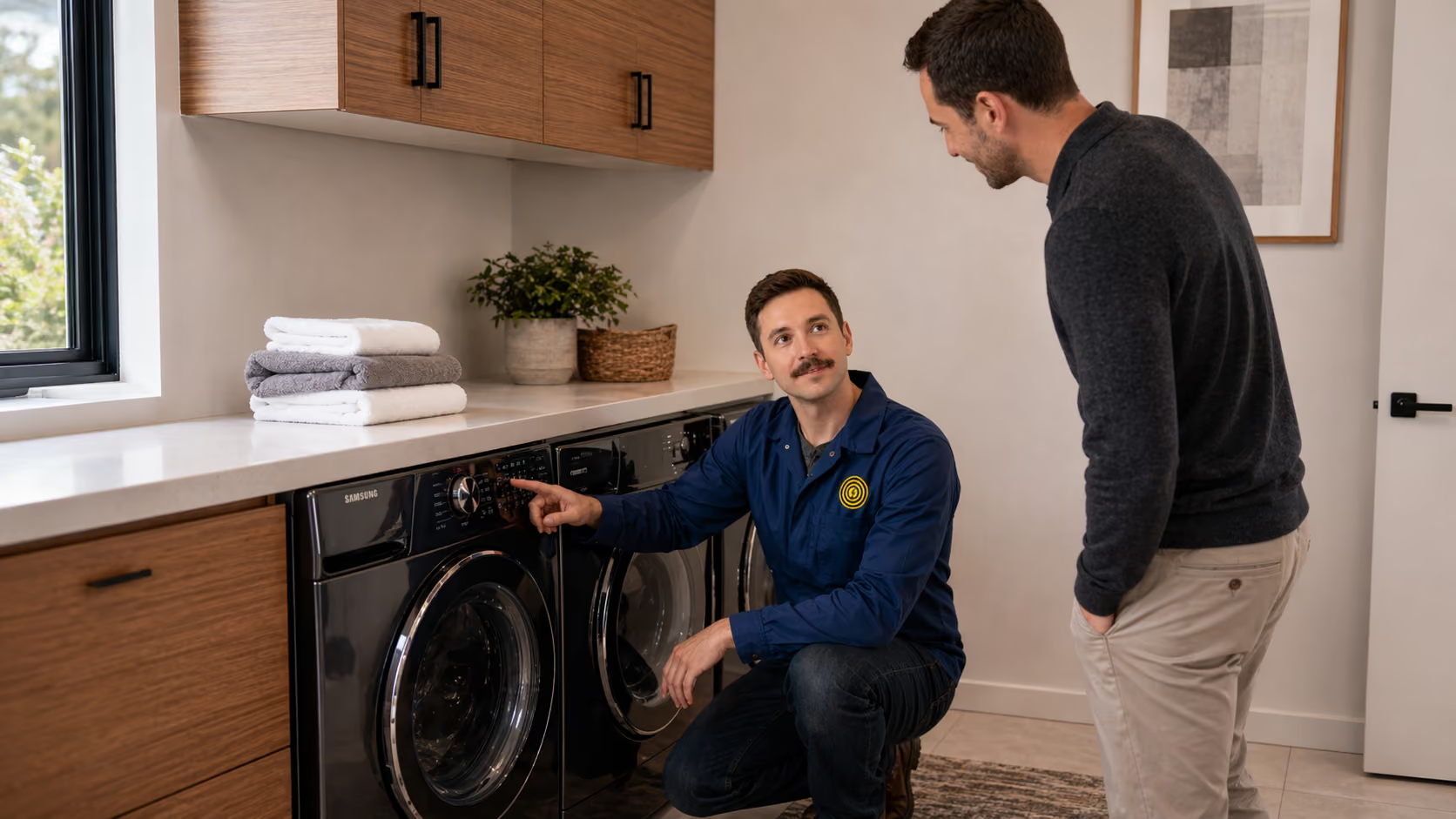


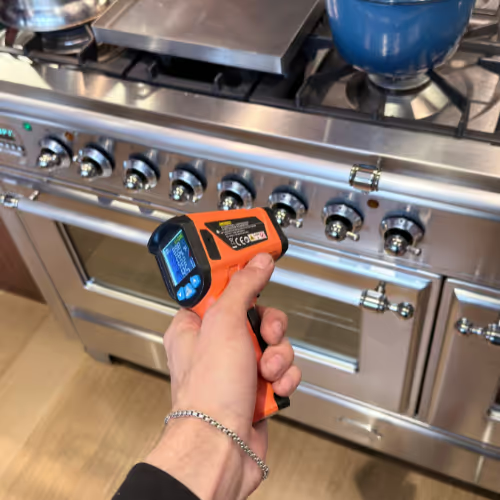

The core idea is simple: diagnose first, recommend second, repair third.
A warm refrigerator does not by itself establish compressor failure, and a dishwasher stopping mid-cycle does not establish a failed control board. HVAC symptoms can arise from airflow, drainage, power or sensor problems. Testing distinguishes these conditions before a repair recommendation.
Built for Real NYC Service Conditions
New York City service work is rarely straightforward. Apartments, older buildings, tight cabinetry, limited access, doorman procedures, building restrictions, and premium installed appliances all change how a repair has to be handled. Volt & Vector operates with that environment in mind, which means the process is designed for real-world access constraints, careful handling, and practical communication with customers.
Service also requires navigation, preparation, timing and respect for the property. Careless handling, vague explanations or missed building requirements can undermine an otherwise correct repair.
A Technical Process, Not a Sales Script
Volt & Vector is not built around pressure-based recommendations. The company’s role is to determine what failed, explain what can be confirmed now, identify what still needs testing, and outline the next rational step. In some cases, the issue is minor. In other cases, the repair requires parts, additional labor, or another visit. Sometimes repair is sensible. Sometimes it is not. A documented Thermador GGS30 replacement decision shows why heat damage and service access made further servicing impractical on that individual cooktop.
Repair value needs particular attention on older appliances, units with multiple failures and repairs involving expensive electronics.
Clear Explanations Without Noise
A finding such as “dead” or “needs a part” should be explained in terms of the mechanical or electrical fault, the tests performed and any remaining uncertainty. The explanation should make the next step understandable in plain language.
That explanation matters when parts are delayed, another visit is required or the estimate must be weighed against replacement.
Focused on Reliability and Practical Outcomes
Restoring function must account for the unit's condition, parts availability, safe access and the overall repair cost. These constraints apply across kitchens, laundry areas, mechanical spaces and climate-control systems. The plan should respect the customer's time, property and budget.
What Volt & Vector Is Trying to Be
Customers should leave the visit with a clear repair decision grounded in the equipment's actual condition.