.avif)


.avif)
Surface-burner and oven diagnosis for gas, electric, dual-fuel, induction, slide-in, and pro-style ranges.
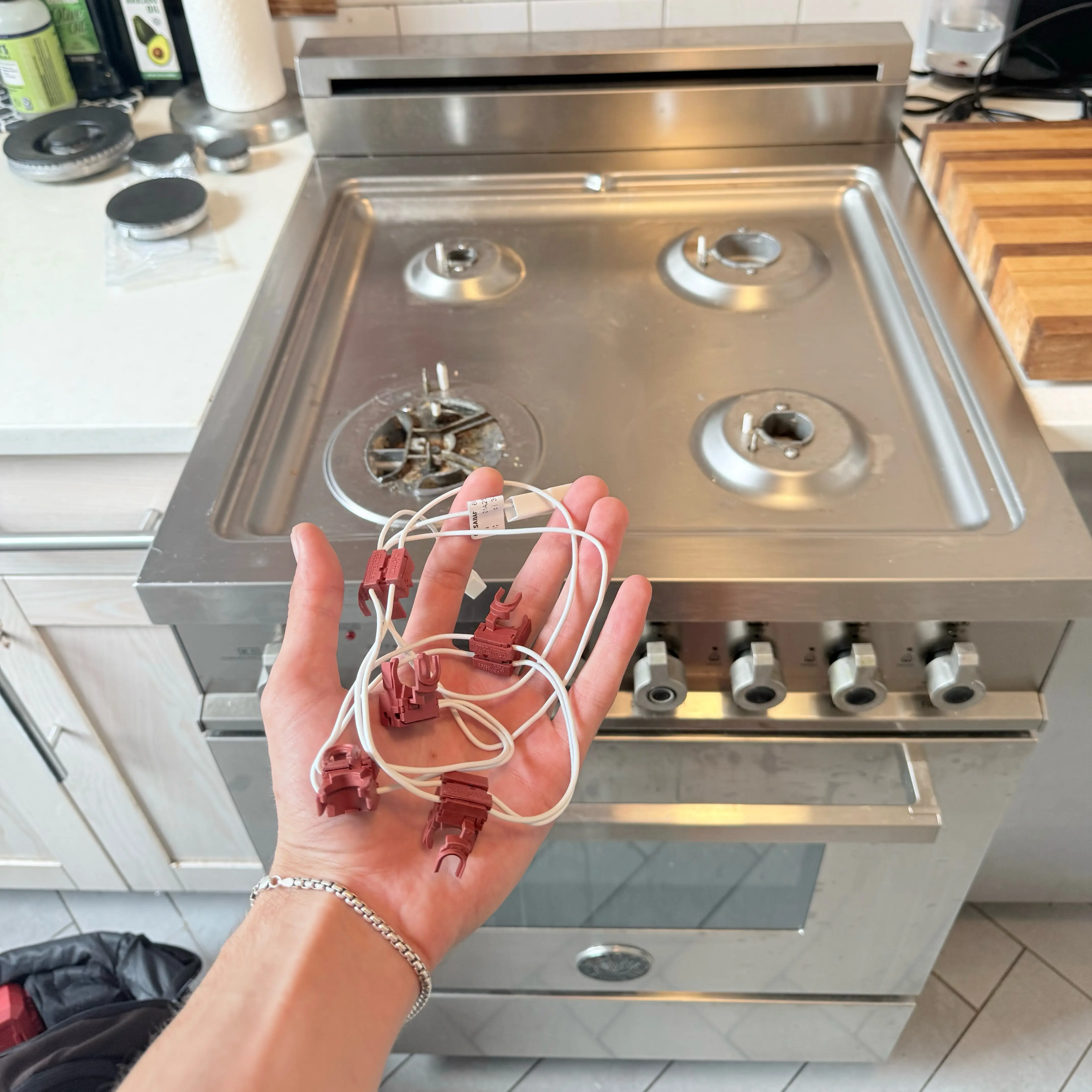
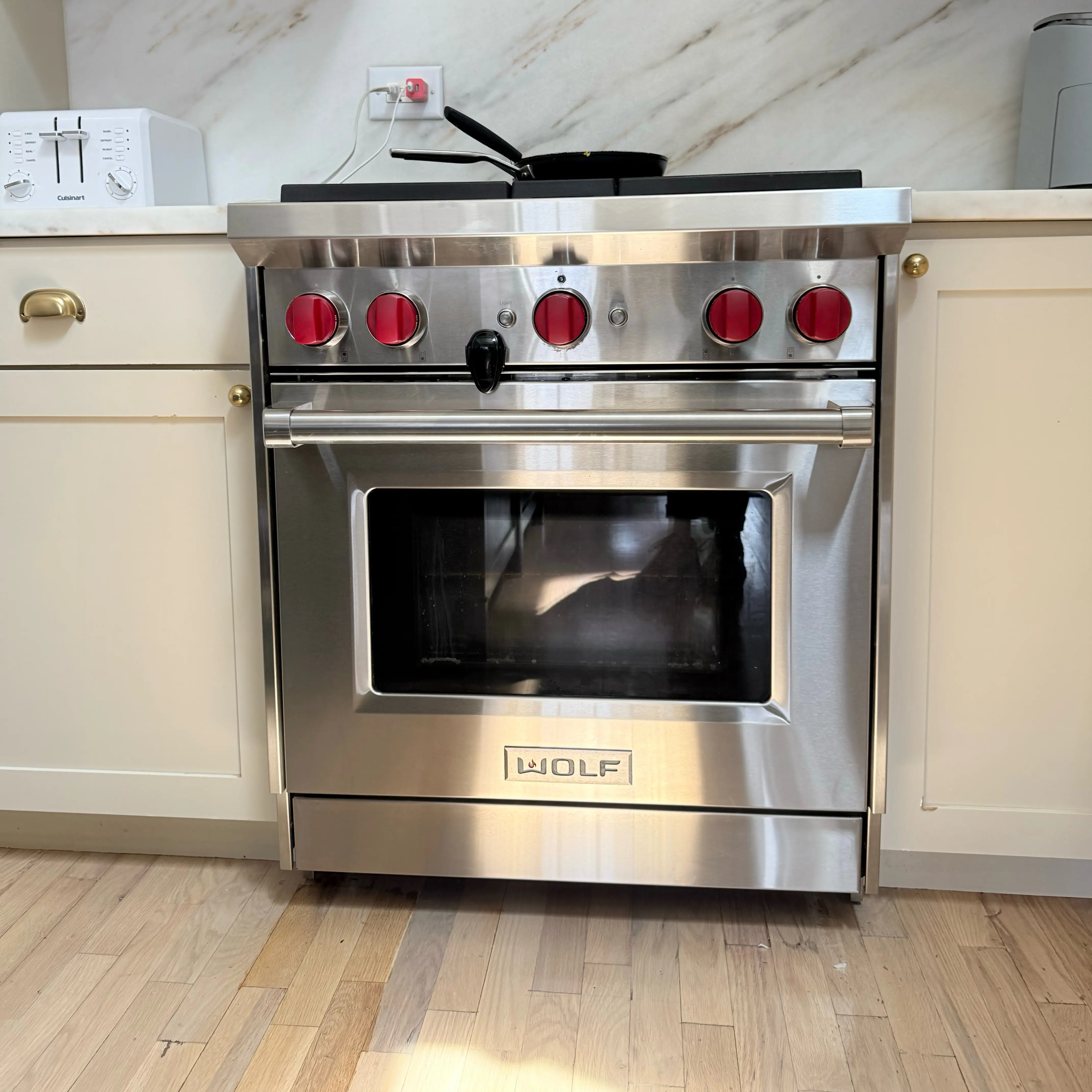
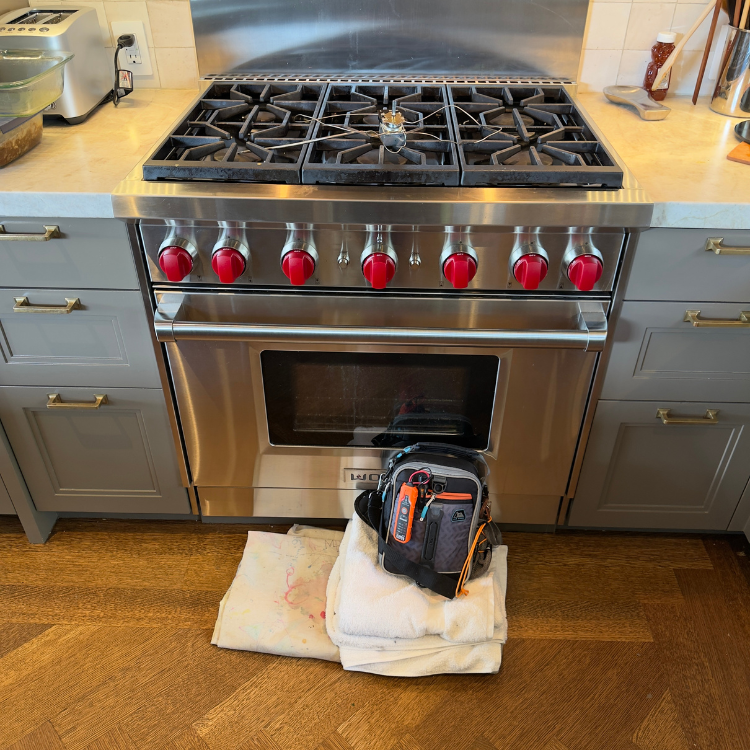
Schedule Gas, Electric, Dual-Fuel, or Induction Range RepairA range combines a cooking surface and an oven in one cabinet. That shared appliance can still have separate surface, oven, fuel, power, and control branches. One burner clicking, every induction zone going inactive, and an oven that will not bake are different clues even when they appear on the same range.
Volt & Vector services residential gas, electric, dual-fuel, and induction ranges, including slide-in and pro-style installations, by appointment in active NYC routes. Diagnosis records what works on both halves of the appliance before parts are recommended.
Is This the Right Repair Page?
- Use range repair when the appliance includes both surface cooking and an oven, especially when symptoms cross both functions or share controls, fuel, or supply.
- Use oven repair when the complaint is clearly limited to the oven cavity and the service request should stay focused there.
- Use cooktop repair for a separate surface-only cooktop or rangetop installed without an oven beneath it.
- Use range hood repair for the ventilation fan, light, controls, filters, or hood airflow rather than the cooking appliance.
What the Symptom Changes
- One gas burner clicks or will not light: moisture, residue, cap or ring seating, knob or switch state, electrode, ignition controls, wiring, gas delivery, and flame proving must be separated. Other burners working does not identify the failed component.
- All surface functions are dead: range power, breaker, connection, control lock, demo mode, shared control, and supply conditions become more important than an individual burner.
- Induction does not recognize cookware: compatible pan material and placement are safe first checks. A single-zone problem, every-zone problem, overheating message, and supply fault lead to different branches.
- Burners work but the oven does not: the surface proves only part of the range is operating. The oven mode, ignition or heating circuit, sensor, safety path, and control output still require separate confirmation.
- The range has flame-quality or gas-odor symptoms: if gas is smelled, leave immediately and call 911 and the gas utility from a safe outdoor location; do not operate controls, switches or phones inside. Without gas odor, stop using the range for abnormal flame. Burner assembly, spills, fuel type and pressure, installation, regulator, ignition, and controls may be involved.
Safe Checks Before Service
- Record the fuel and platform: gas, electric coil or radiant, dual-fuel, or induction.
- Note exactly which surface zones and oven modes work, fail, click, heat slowly, or show a message.
- When the appliance is cool, verify removable burner caps or rings are seated as the model manual shows and that visible moisture from cleaning has dried.
- For induction, test known compatible cookware on more than one zone without opening or moving the appliance.
- Photograph flame shape only from a safe distance, copy the exact message, and send the model label and installation photos.
Do not test a gas leak with a flame, open gas fittings, lift the cooktop, perform energized electrical measurements, defeat ignition or safety devices, or keep turning knobs through gas odor. Do not assume an electrical reset corrects a repeated supply or control fault.
When to Stop Using the Range
If you smell gas, leave immediately with others and do not operate appliance controls, switches, plugs or phones inside. From a safe outdoor location, call 911 and the gas utility. Stop using the range for delayed ignition, flame outside the burner area, a burner that will not shut off, smoke or sparking, a control that will not turn the oven off, repeated electrical trip, shattered glass, or severe overheating. Do not use a gas range or oven for space heating. If only one function appears affected, avoid the entire appliance when the hazard could involve shared gas, power, or controls.
Current CPSC gas-range information explains why gas leaks, fire, and unsafe control behavior belong in the stop-use boundary rather than ordinary troubleshooting.
What Diagnosis Should Confirm
Diagnosis should map every surface zone and oven mode, then verify fuel or electrical supply, burner or element performance, ignition and flame behavior, temperature sensing, oven airflow, door condition, safety devices, and control outputs as the model permits. That function map prevents an oven-only failure from being confused with a whole-range supply problem.
Large and pro-style ranges require access planning for weight, anti-tip protection, gas or electrical connection, floors, adjacent cabinets, and ventilation. Send wide installation photos and building rules; do not pull the range out before movement and reconnection requirements are understood.
Range Repair Questions
Is a range the same as a cooktop?
No. A range combines a surface and an oven. A cooktop or rangetop is a separate surface-only appliance, so access and diagnostic scope differ.
Why do all igniters click when I turn on one burner?
Some electronic ignition designs spark multiple burners during lighting. What matters is whether ignition is quick, the selected flame stabilizes, and clicking stops. Persistent clicking, clicking with controls off, or gas odor needs a different response.
Can one visit cover burners and the oven?
Yes when both symptoms are documented in advance. Send which burners and oven modes work so the combined control, fuel, and supply paths can be planned correctly.
Do you service induction and dual-fuel ranges?
Yes, subject to model and access review. Send the exact model because the electrical supply, control layout, induction modules, and oven platform vary.