
.png)

HVAC Maintenance in Pennsylvania
HVAC maintenance in Pennsylvania is useful when the system is mostly working and you want a seasonal check before heavy cooling or heating demand. It is not the right appointment type for no cooling, no heat, visible ice, active water leaks, breaker trips, burning odors, gas odor, carbon monoxide alarms, or repeated shutdowns. Those need repair diagnostics first.
What This HVAC Maintenance Page Covers
This page is for Pennsylvania homes where the HVAC system is still operating, but the homeowner wants a seasonal check, airflow review, thermostat check, filter/coil/drain review, heat pump check, furnace startup check, or a clearer answer before peak weather.
Maintenance should reduce uncertainty. It should not be a vague visit where the homeowner gets a sales pitch but no proof. A useful maintenance visit explains what is normal, what is watch-list, what needs repair, and what is outside the maintenance scope.
The First Split: Maintenance Or Repair
Before booking maintenance, decide whether the system is mostly working.
- Maintenance fit: the system runs, the home is mostly comfortable, and the goal is pre-season inspection, airflow review, filter/coil/drain check, thermostat operation, or catching early wear.
- Repair fit: the system is not heating, not cooling, short cycling, leaking water, freezing, tripping a breaker, making severe noise, or shutting down repeatedly.
- Safety fit: gas odor, carbon monoxide alarm, burning smell, smoke, electrical odor, water near electrical areas, or repeated breaker trips should be treated as a safety problem, not maintenance.
- Replacement discussion: replacement should not start from age alone. It enters only after condition, safety, repeated failure, incompatibility, or major repair economics are proven.
HVAC Maintenance Eligibility Map
Use these rows before booking. The goal is not to make the homeowner diagnose the system; it is to choose the right appointment type.
- System mostly works before summer: Schedule maintenance if cooling ran last season but you want airflow, coil, drain, thermostat, outdoor-unit, and performance checks before longer run times. The technician proves cooling operation, airflow path, drain behavior, electrical condition, and whether any issue should be repair.
- System mostly works before winter: Schedule maintenance if heat worked last season but you want furnace or heat pump startup, thermostat heat call, blower behavior, safety controls, and heating performance checked before cold weather. The technician proves startup sequence, heat response, airflow, controls, and safety-related observations.
- Airflow feels weaker but the system still works: Maintenance may be reasonable if the home still heats or cools. The technician proves filter condition, return restriction, blower response, coil condition, vent pattern, and whether weak airflow has crossed into repair territory.
- System runs longer than it used to: Maintenance can check filter, coil, outdoor-unit airflow, thermostat behavior, drain condition, and heat pump or AC performance. If the system cannot satisfy the thermostat, that becomes repair diagnostics.
- Water history but no active leak today: Maintenance can inspect visible condensate drain, pan, float switch context, and water staining. Active water, repeated float switch trips, or water near finished surfaces should be handled as repair.
- Heat pump before seasonal change: Maintenance can check thermostat mode, heat/cool switching, outdoor-unit condition, filter/airflow, defrost-related history, and auxiliary heat behavior. No heat, repeated AUX concerns, or outdoor unit failure needs repair diagnostics.
- Thermostat seems confusing but equipment responds: Maintenance can review mode, schedule, hold, fan setting, and system response. A blank thermostat, heat/cool call mismatch, or equipment that does not respond should move to thermostat HVAC diagnostics.
- Older system before peak season: Maintenance can identify watch-list concerns and repair risks. It should not turn into replacement pressure unless the technician can show specific safety, condition, compatibility, or repeated-failure evidence.
What A Good Maintenance Visit Should Prove
Maintenance should produce a practical result: normal, watch-list, repair-needed, or safety-stop. It should not be a generic checklist with no explanation.
- Airflow path: filter condition, return restriction, blower response, vent pattern, coil restriction clues, and whether airflow supports normal operation.
- Cooling side: outdoor-unit condition, condenser airflow, coil condition, condensate drain behavior, thermostat cooling call, and whether the system can cool under normal demand.
- Heating side: thermostat heat call, furnace or heat pump startup, blower timing, safety controls, heat output behavior, and abnormal shutdown clues.
- Drain and water risk: visible drain/pan condition, float switch context, water staining, dry or dripping outlet behavior, and whether water risk needs a repair appointment.
- Controls: thermostat mode, schedule, hold, fan Auto/On, equipment response, and heat pump setup clues where relevant.
- Repair boundary: whether any finding is normal wear, a watch-list issue, an active repair need, or a safety concern.
- Replacement boundary: whether replacement is unsupported, premature, or legitimately worth discussing because diagnosis proved a bigger condition issue.
What Homeowners Can Check Before Maintenance
These are safe visible checks only.
- Filter: note whether the filter is dirty, collapsed, missing, wet, or installed backward.
- Airflow: note whether all vents are normal, all vents are weak, or only some rooms changed.
- Thermostat: photograph Heat, Cool, Fan, Auto, Hold, Schedule, AUX, Emergency Heat, low battery, or warning wording.
- Outdoor unit: look for blocked airflow from leaves, debris, storage, or overgrown vegetation around the unit.
- Indoor unit: look for water, rust staining, unusual noise, loose panels, or visible ice without opening live compartments.
- Drain clue: note whether a visible drain outlet drips during cooling or stays dry while cooling runs.
- Timing: note whether the issue happens at startup, after a long run, during humid weather, during cold weather, or after a filter change.
- Safety clue: note gas odor, burning smell, electrical odor, repeated breaker trip, water near controls, or carbon monoxide alarm.
Do not open live equipment panels, test voltage, bypass switches, reset breakers repeatedly, clean burners, handle refrigerant, jump thermostat terminals, chip ice, or pour chemical drain cleaners into HVAC equipment.
When Maintenance Is The Wrong Appointment
Maintenance is planned work for a system that is mostly operating. If the system already has an active failure, the homeowner needs repair diagnostics.
- No cooling: book AC or heat pump cooling diagnostics.
- No heat: book furnace or heat pump heating diagnostics.
- Ice on the coil or refrigerant line: stop cooling and book repair.
- Water near the air handler: book condensate or air handler water diagnostics if water is active or threatens finished surfaces.
- Breaker trips more than once: stop resetting and book repair.
- Burning smell or electrical odor: stop using the system and book repair.
- Gas odor or carbon monoxide alarm: follow emergency safety steps before any maintenance discussion.
- Thermostat says Heat or Cool but equipment does not respond: book thermostat HVAC diagnostics.
- System short cycles repeatedly: book repair diagnostics.
Spring Cooling Maintenance
Spring maintenance should answer whether the cooling side is ready for heavier run time. The technician should not only say the AC is "good"; they should identify what was checked and what would change the repair path.
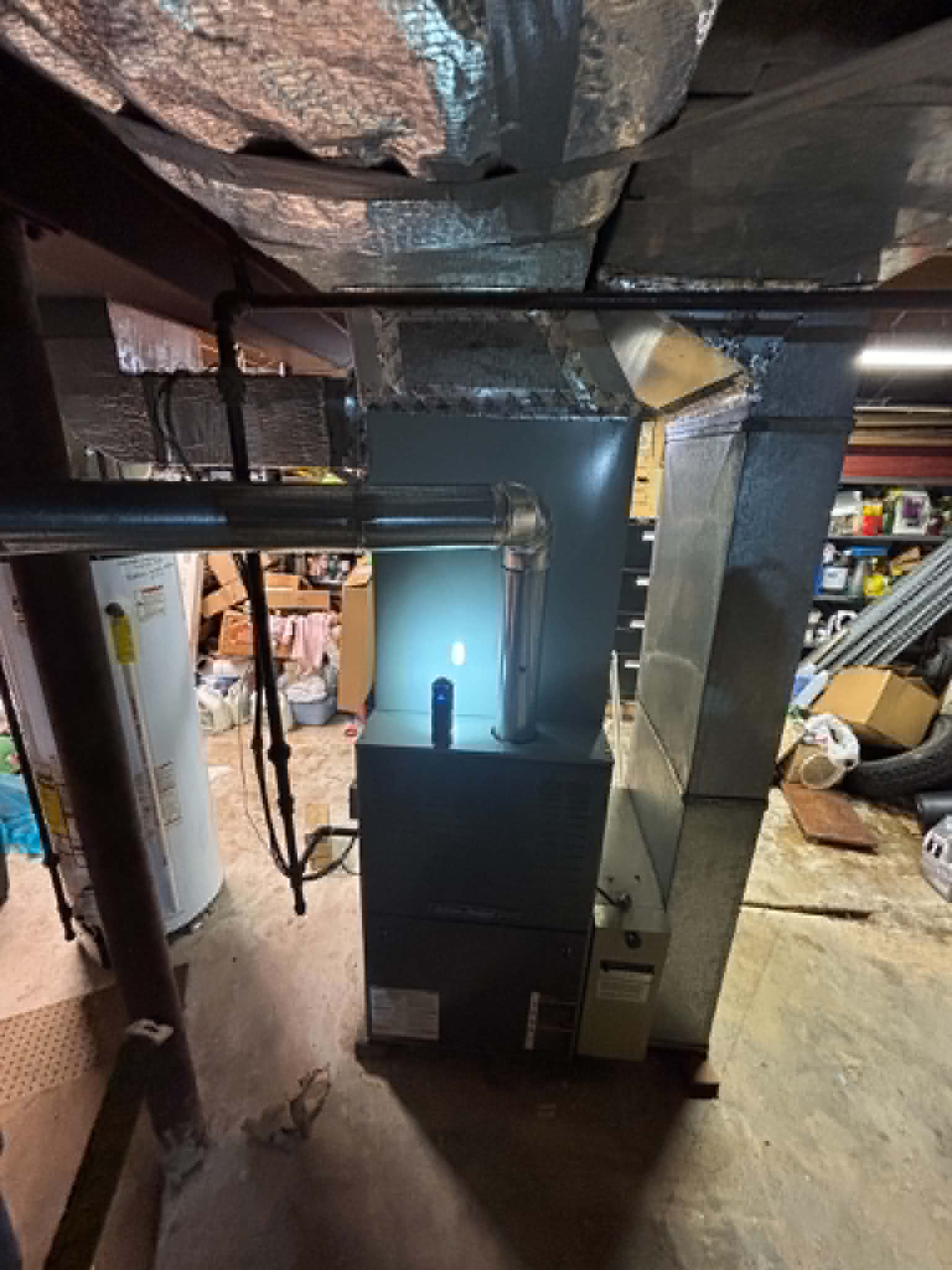
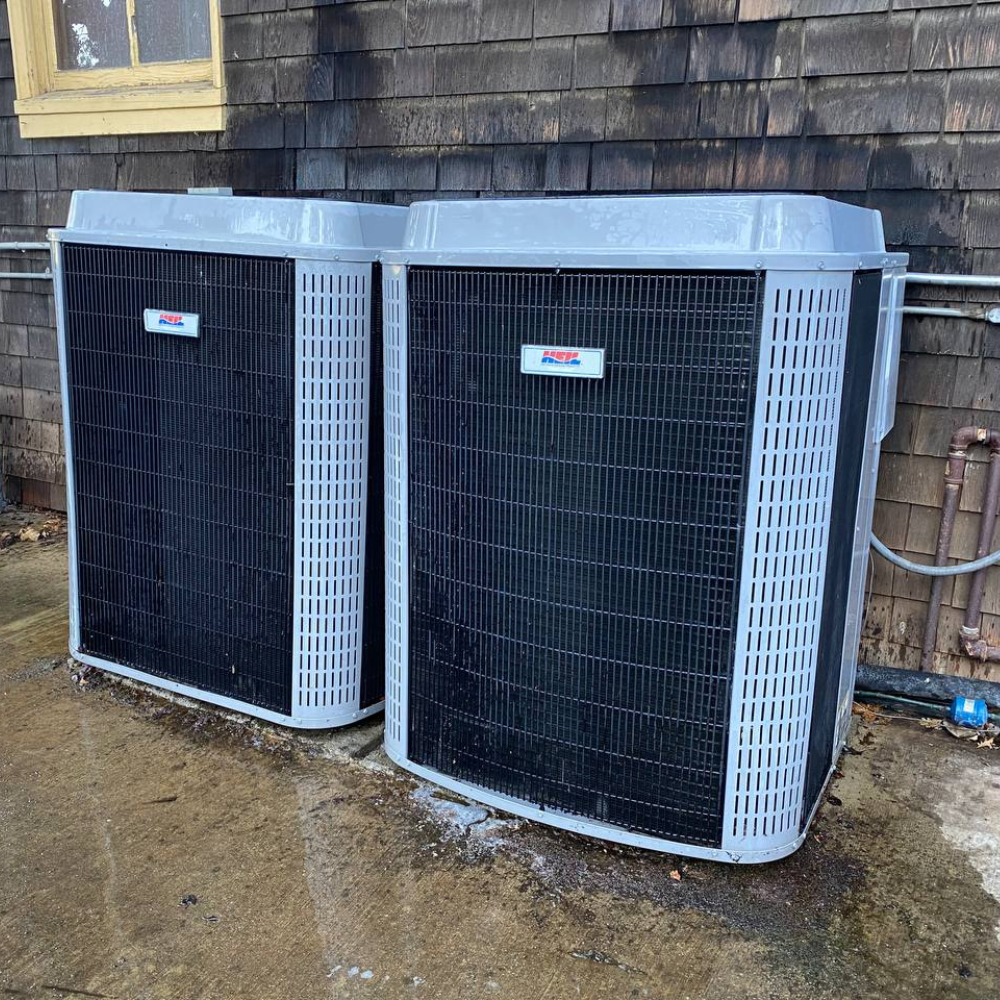
Cooling maintenance should focus on airflow, filter condition, indoor coil clues, outdoor-unit airflow, condenser condition, condensate drain behavior, thermostat cooling call, blower response, and whether the system starts, runs, and shuts off normally.
Fall Heating Maintenance
Fall maintenance should answer whether the heating side starts safely and consistently before cold weather. The right checks depend on whether the home uses a gas furnace, electric furnace, heat pump, or paired system.
Heating maintenance should focus on thermostat heat call, furnace or heat pump startup, blower behavior, airflow, safety controls, heat response, unusual odor, abnormal shutdown, and whether any issue needs repair before winter demand.
Heat Pump Maintenance Needs A Different Split
A heat pump works in both cooling and heating. Maintenance needs to separate cooling behavior, heating behavior, defrost history, outdoor-unit condition, thermostat setup, auxiliary heat, and airflow.
A heat pump that uses AUX heat during certain conditions may not be broken. A heat pump that cannot heat, cannot cool, freezes unexpectedly, or runs backup heat constantly needs diagnostics, not a basic tune-up label.
Maintenance Should Not Become A Sales Trap
A homeowner should leave a maintenance visit with proof, not pressure. If a part, repair, or replacement is recommended, the finding should be tied to a symptom, measurement, safety condition, visible condition, or failed operation.
A good maintenance result sounds like one of these:
- Normal: no action beyond homeowner upkeep.
- Watch-list: monitor a condition and plan follow-up if symptoms appear.
- Repair-needed: a specific condition needs diagnostics or approved repair.
- Safety-stop: the system should not be operated until checked.
- Replacement-discussion: only after condition and repair economics are proven.
Repair-First Decision Rule
Maintenance stays reasonable when the system is mostly operating and the goal is seasonal readiness, airflow confirmation, drain review, thermostat operation, or early-risk detection.
Repair enters when there is an active comfort failure, water, ice, short cycling, repeated shutdown, electrical issue, furnace ignition concern, heat pump failure, blower failure, or thermostat command mismatch.
Replacement enters only after diagnosis shows a larger system condition issue: unsafe operation, severe corrosion, repeated major failures, incompatible equipment, poor installation condition, or a major repair that does not make sense against age, access, and condition.
Pennsylvania HVAC Maintenance Reality
Pennsylvania homes can need both cooling and heating checks because the same forced-air system may carry a furnace, air handler, heat pump, straight-cool AC, thermostat, and shared airflow path. A spring-only AC mindset can miss fall heating problems, and a fall-only heating mindset can miss condensate or cooling airflow risks.
This page stays focused on maintenance and seasonal readiness. It is not a replacement-first page, installation page, discount coupon page, duct cleaning page, or indoor-air-quality sales page.
Service Area Fit
This page is the Pennsylvania HVAC maintenance service-detail page. It should be linked from Bucks County, Montgomery County, and Northeast Philadelphia local landing pages when those pages are live and visibly support the service area.
Use the county pages for local intent. Use this page for the service-specific decision: planned maintenance, pre-season checks, airflow review, drain review, thermostat operation, heat pump readiness, furnace startup, and deciding whether the situation is already repair.
How To Describe The Maintenance Request When You Book
The best booking note is short and factual:
- Season: preparing for cooling, heating, or both.
- System type: AC with furnace, heat pump, gas furnace, electric furnace, air handler, or unknown.
- Current operation: mostly working, weak, noisy, long run time, uneven rooms, or not sure.
- Airflow: normal, weak everywhere, weak in some rooms, or changed recently.
- Water or ice: none, past water, active water, visible ice, or previous float switch trip.
- Thermostat: mode, schedule/hold, fan Auto/On, blank display, warning, AUX, or Emergency Heat.
- Safety clue: burning smell, gas odor, CO alarm, breaker trip, water near controls, or severe mechanical noise.
FAQ
Is HVAC maintenance worth it if the system works?
It can be, if the visit gives you usable proof: airflow condition, filter/coil/drain status, thermostat response, startup/shutdown behavior, and whether anything is normal, watch-list, repair-needed, or unsafe. It is weaker when it is only a quick sales visit with no explanation.
What is the difference between HVAC maintenance and repair?
Maintenance is planned service for a mostly working system. Repair is for an active failure such as no cooling, no heat, water, ice, short cycling, strange noise, breaker trips, burning smell, or a thermostat call that does not match equipment response.
When should I schedule HVAC maintenance in Pennsylvania?
Spring is the better timing for cooling checks, and fall is the better timing for heating checks. That timing gives more room to find repair risks before summer or winter demand.
Can maintenance prevent every breakdown?
No. Maintenance can reduce some preventable risks and identify early warning signs, but it cannot guarantee that motors, controls, capacitors, igniters, boards, compressors, switches, or other parts will not fail later.
Should I book maintenance if my AC is already leaking water?
No. Active water near an air handler, finished surface, or electrical area should be handled as water or condensate diagnostics, not routine maintenance.
Should I book maintenance if my furnace will not heat?
No. No heat is a repair diagnostic call. Maintenance can check a working heating system before winter, but it should not be used to label an active no-heat complaint.
Does maintenance include thermostat checks?
A maintenance visit can confirm thermostat mode, setpoint, schedule/hold, fan setting, and basic system response. A blank thermostat or Heat/Cool call mismatch should move to thermostat HVAC diagnostics.
Do you provide HVAC maintenance in Pennsylvania?
Volt & Vector supports Pennsylvania HVAC appointments through the PA service-area structure. Core local landing pages should handle Bucks County, Montgomery County, and Northeast Philadelphia coverage, while this page explains the maintenance-versus-repair decision.
Related Pennsylvania HVAC Pages
If the symptom points outside this page's system, use these PA pages to route the call without guessing.
- PA HVAC repair hub: PA HVAC repair hub
- AC seasonal cooling diagnostics: AC seasonal cooling diagnostics
- furnace seasonal heating diagnostics: furnace seasonal heating diagnostics
- heat pump seasonal diagnostics: heat pump seasonal diagnostics
- Lower Bucks HVAC repair route: Lower Bucks HVAC repair route
- North Penn HVAC repair route: North Penn HVAC repair route
CTA
Book HVAC maintenance when the system is mostly working and you want seasonal readiness checked. If there is no heat, no cooling, water, ice, burning odor, gas odor, breaker trip, or repeated shutdown, book repair diagnostics instead.