HVAC Repair in Lower Bucks, PA
Volt & Vector handles HVAC repair appointments in Lower Bucks for air handlers, gas furnaces, electric furnaces, heat pumps, and straight-cool AC systems. The visit is repair-first: thermostat call, blower behavior, airflow, heat or cooling output, outdoor unit response, water, and safety shutdown clues are separated before replacement is discussed. Refrigerant-side work is treated as regulated work and is not a homeowner step.
Lower Bucks HVAC Service Context
Lower Bucks service calls often depend on route fit, home access, equipment location, and system type. A split system in a basement, an attic air handler, a townhome heat pump, or a closet furnace can each change what the technician needs to confirm before repair work starts.
This Lower Bucks HVAC page focuses on repair-first diagnostics, route fit, supported system types, and the details that help dispatch prepare the appointment.
Volt & Vector books Lower Bucks HVAC repair appointments around Bensalem, Bristol, Levittown, Langhorne, Fairless Hills, Yardley, Morrisville, and nearby supplied ZIP coverage. Appointment availability depends on technician route, schedule, access, and system type.
Systems We Repair
- Air handlers: blower issues, weak airflow, water near the cabinet, coil-area symptoms, and thermostat call mismatch.
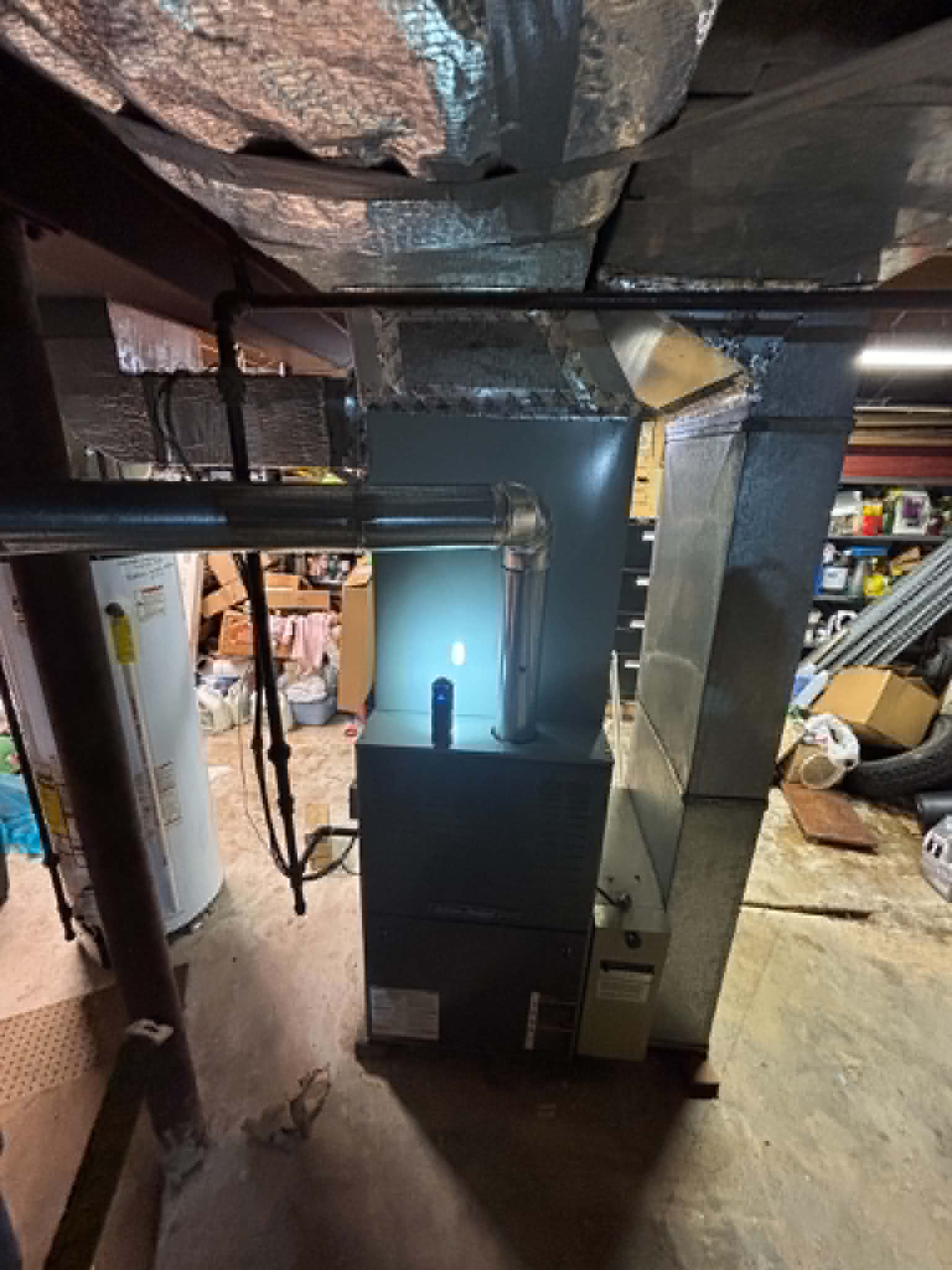
- Gas furnaces: no heat, short cycling, ignition symptoms, blower timing problems, and safety shutdown behavior.
- Electric furnaces: no heat, low heat output, blower operation with no temperature change, and control-call problems.
- Heat pumps: no heating, no cooling, outdoor unit not running, auxiliary heat confusion, defrost-related symptoms, and mode-change problems.
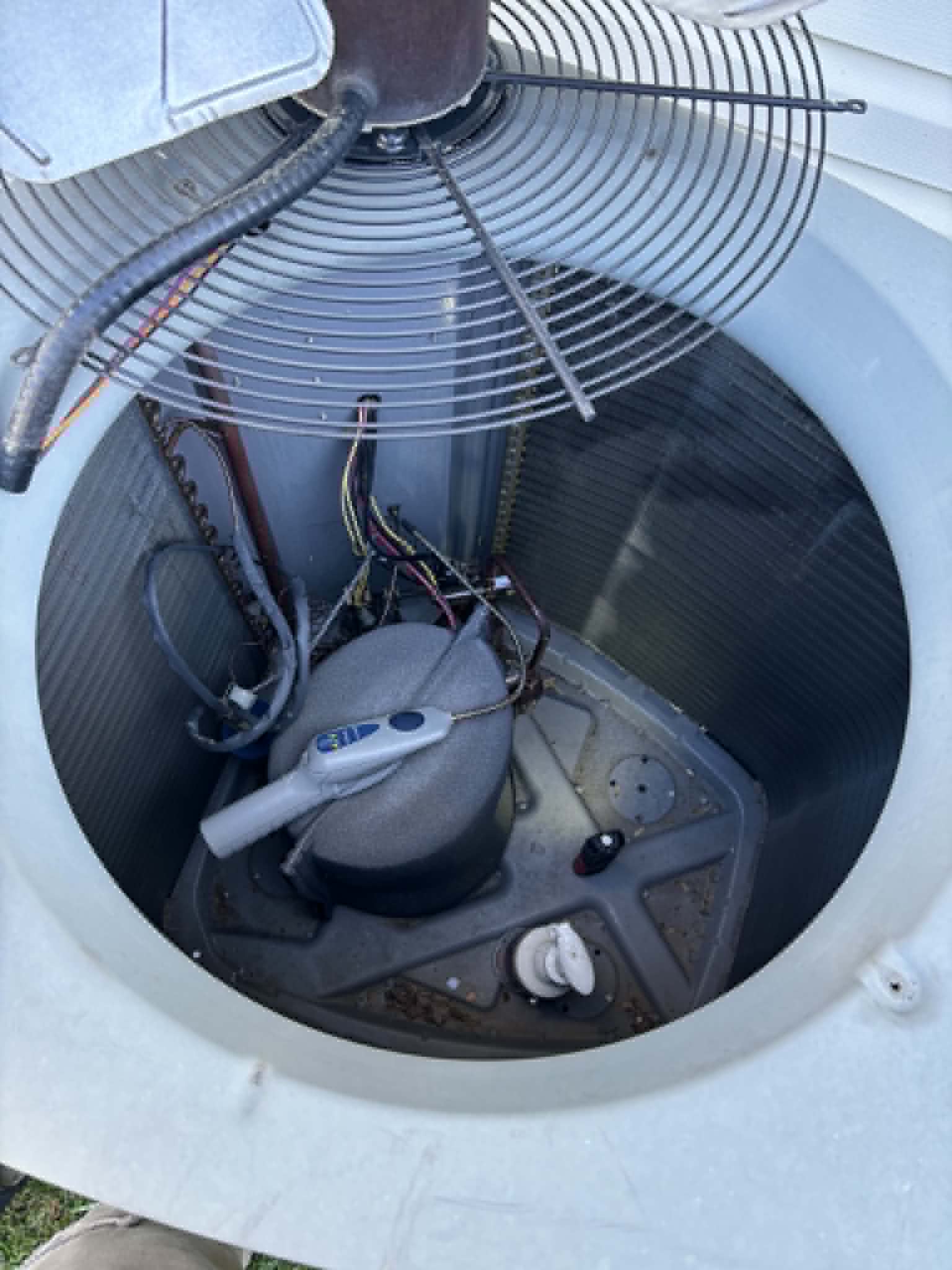
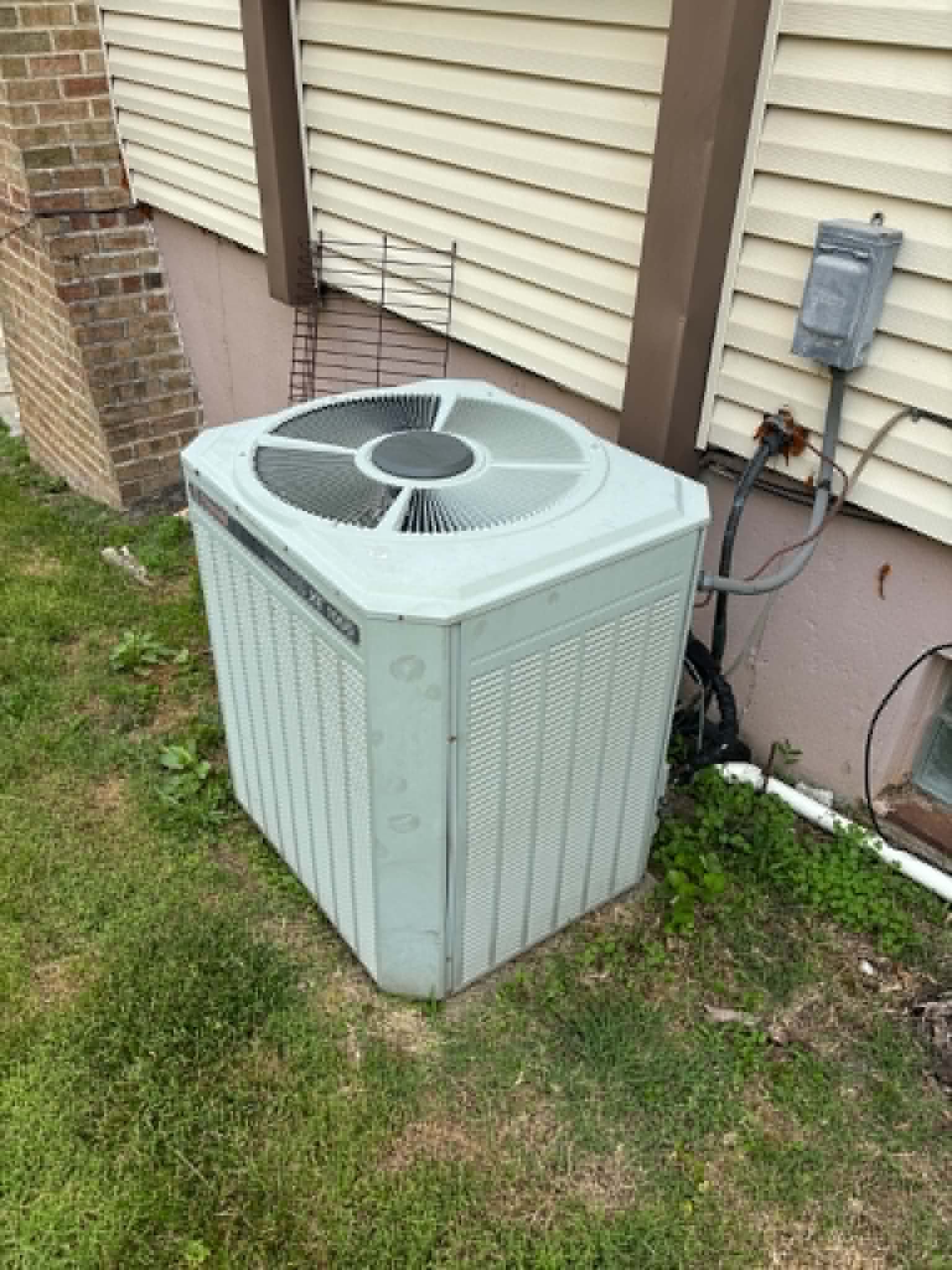
- Straight-cool AC: no cooling, weak cooling, outdoor condenser issues, frozen coil symptoms, and refrigerant-side diagnostic work.
Common Lower Bucks HVAC Repair Situations
No Cooling Or Weak Cooling
- Visit context: The thermostat may call for cooling while the outdoor unit, blower, coil, refrigerant side, or control path fails to complete the cooling sequence.
- What to record: Thermostat mode, indoor fan behavior, outdoor unit behavior, and whether the supply air is room-temperature or slightly cool.
- Safe customer action: Replace or check only the accessible filter if it is safe, keep vents open, and stop the system if ice, burning smell, or water near electrical parts appears.
- Technician proof target: Confirm airflow, control signal, outdoor unit operation, coil condition, and refrigerant-side clues before any part or replacement conversation.
No Heat From A Furnace Or Heat Pump
- Visit context: Gas furnace, electric furnace, heat pump, and thermostat behavior must be separated before the repair decision is clear.
- What to record: Whether the blower starts, whether warm air ever appears, whether the outdoor unit runs in heat mode, and whether the system shuts down quickly.
- Safe customer action: Do not open gas piping, bypass switches, or repeatedly reset breakers. Stop use for gas odor, burning smell, smoke, or repeated electrical trips.
- Technician proof target: Prove the heat sequence, thermostat call, blower timing, safety shutdown clues, and heat output before recommending repair work.
Short Cycling Or Repeated Starts
- Visit context: Repeated starts and stops can come from airflow, controls, safety limits, heat pump behavior, or equipment protection logic.
- What to record: How long the system runs before stopping, whether it restarts by itself, and whether airflow feels weak during the run.
- Safe customer action: Do not keep forcing the system through repeated restarts. Record the timing and leave the system off if it smells hot or trips protection.
- Technician proof target: Separate airflow restriction, thermostat call behavior, safety limits, outdoor unit response, and equipment protection before repair.
Water Near The Air Handler
- Visit context: Water can come from condensate handling, coil freezing, drain restriction, equipment position, or other air-handler conditions.
- What to record: Where the water appears, whether cooling was running, whether ice is visible, and whether the drain line or pan is involved.
- Safe customer action: Stop the system if water is near electrical components. Do not open sealed panels or chip ice from the coil.
- Technician proof target: Confirm condensate path, coil condition, airflow, and operating sequence before deciding what repair is needed.
Lower Bucks Service Area
Core Lower Bucks appointment areas may include Bensalem, Bristol, Levittown, Langhorne, Fairless Hills, Yardley, Morrisville, and nearby communities when route, schedule, access, and system type fit the appointment.
- Covered ZIPs for this item: 19007, 19020, 19021, 19030, 19047, 19053, 19054, 19055, 19056, 19057, 19067.
- Route-dependent nearby areas: Newtown, Southampton, Richboro, Warminster, and nearby areas may be scheduled when the route and system type make sense.
- Coverage limit: Listed coverage supports the service area, but it does not mean every area has the same appointment speed or capacity.
What To Record Before Booking
- System type: Air handler, gas furnace, electric furnace, heat pump, or straight-cool AC.
- Symptom timing: When it starts, when it stops, and whether it changes by mode or outdoor temperature.
- Thermostat behavior: Mode, setpoint, actual temperature, and whether the screen shows a call for heat or cooling.
- Outdoor unit behavior: Fan running, compressor sound, silence, buzzing, or repeated starts.
- Indoor behavior: Blower running, weak airflow, unusual noise, water, ice, or no temperature change.
- Access details: Attic, basement, closet, crawlspace, rooftop, condo or mechanical room, parking, gate, or property-manager instructions.
- Airflow: whether air comes from the vents, whether airflow is weak, and whether some rooms are worse than others.
- Indoor and outdoor unit behavior: whether the indoor unit runs, whether the outdoor unit runs, and whether either unit is silent, buzzing, iced, or repeatedly trying to start.
- Visible ice or water: where ice, a leak, or water appears, and whether water is near electrical parts.
- Gas system detail: if the system is gas, share the gas type when you know it.
When To Stop Using The System
Stop using the system if there is gas odor, smoke, burning smell, repeated breaker trips, water near electrical parts, heavy ice, or violent noise. If you smell gas, leave the area and call the utility or emergency service from a safe location. Do not relight equipment, test switches, or keep troubleshooting near the odor.
Quick Answers
Do you repair HVAC systems in Lower Bucks?
Yes. Volt & Vector handles Lower Bucks HVAC repair appointments for supported air handler, furnace, heat pump, and straight-cool AC systems when technician route and access are available.
Do you work on both heating and cooling?
Yes. The launch scope includes gas furnaces, electric furnaces, heat pumps, air handlers, and straight-cool AC repair.
Who handles refrigerant-side work?
Refrigerant-side work requires the right credentialed handling and should be confirmed before booking that repair. Do not open refrigerant lines or try to add refrigerant yourself.
Do you serve every ZIP on the page equally?
No. ZIP coverage supports the service area, but appointment availability still depends on route, schedule, access, and system type.
Should I shut the system off before the appointment?
Shut it off for gas odor, burning smell, smoke, water near electrical parts, repeated breaker trips, heavy ice, or violent noise. If the system is only underperforming, record the symptoms before changing settings.
Related PA HVAC Service Pages
Use these pages when the question is the system problem rather than the service-area fit.
Book Lower Bucks HVAC Repair
For HVAC repair in Lower Bucks, send the system type, symptom timing, thermostat behavior, outdoor unit behavior, airflow behavior, indoor unit behavior, outdoor unit behavior, visible ice, leak or water details, gas type if known, and access notes together. Volt & Vector uses a repair-first diagnostic approach and separates proven repair findings from replacement conversations.
.png)