
.png)

HVAC Repair vs Replacement Second Opinion in Pennsylvania
Use this page when a Pennsylvania HVAC company recommends an expensive repair or full replacement and you need to know what should be proven first. Repair is still reasonable when the failure is isolated, safe, compatible, and the rest of the system condition supports it. Replacement becomes reasonable only after diagnosis proves safety risk, repeated major failure, refrigerant or component incompatibility, severe deterioration, or repair economics that do not make sense.
What This Page Covers
This page is for homeowners who were told to replace an AC, furnace, heat pump, air handler, blower, coil, compressor, outdoor unit, or full HVAC system and want a second opinion before approving the work.
It is not a replacement sales page. It is a decision page. The goal is to separate a real replacement reason from a repairable failure, vague age-based pressure, missing proof, or a quote that jumps from symptom to system replacement too quickly.
The First Split: Repair, Replacement, Or More Proof
The first question is not "how old is the system?" The first question is what has actually been proven.
- Repair path: the failed part or condition is isolated, the system is safe to operate after repair, parts are compatible, and the remaining system condition does not make the repair irrational.
- Replacement path: diagnosis shows unsafe operation, repeated major failure, severe corrosion or coil/compressor condition, refrigerant or component incompatibility, or a repair cost that does not make sense against system condition.
- More proof needed: the quote says "replace it" but does not show what failed, what was tested, what is unsafe, what is incompatible, or why a targeted repair is not reasonable.
- Safety stop: gas odor, carbon monoxide alarm, burning electrical smell, smoke, repeated breaker trips, or water near electrical controls should be treated as a safety concern before any repair-versus-replacement debate.
Repair vs Replacement Proof Map
Use this map to understand what a second opinion should prove before any major approval.
- AC not cooling, outdoor unit silent: likely control, contactor, capacitor, wiring, disconnect, thermostat call, or outdoor-unit fault; record whether the indoor blower runs and whether the outdoor unit is silent; the technician proves the cooling call, power path, outdoor-unit response, and whether the failure is isolated.
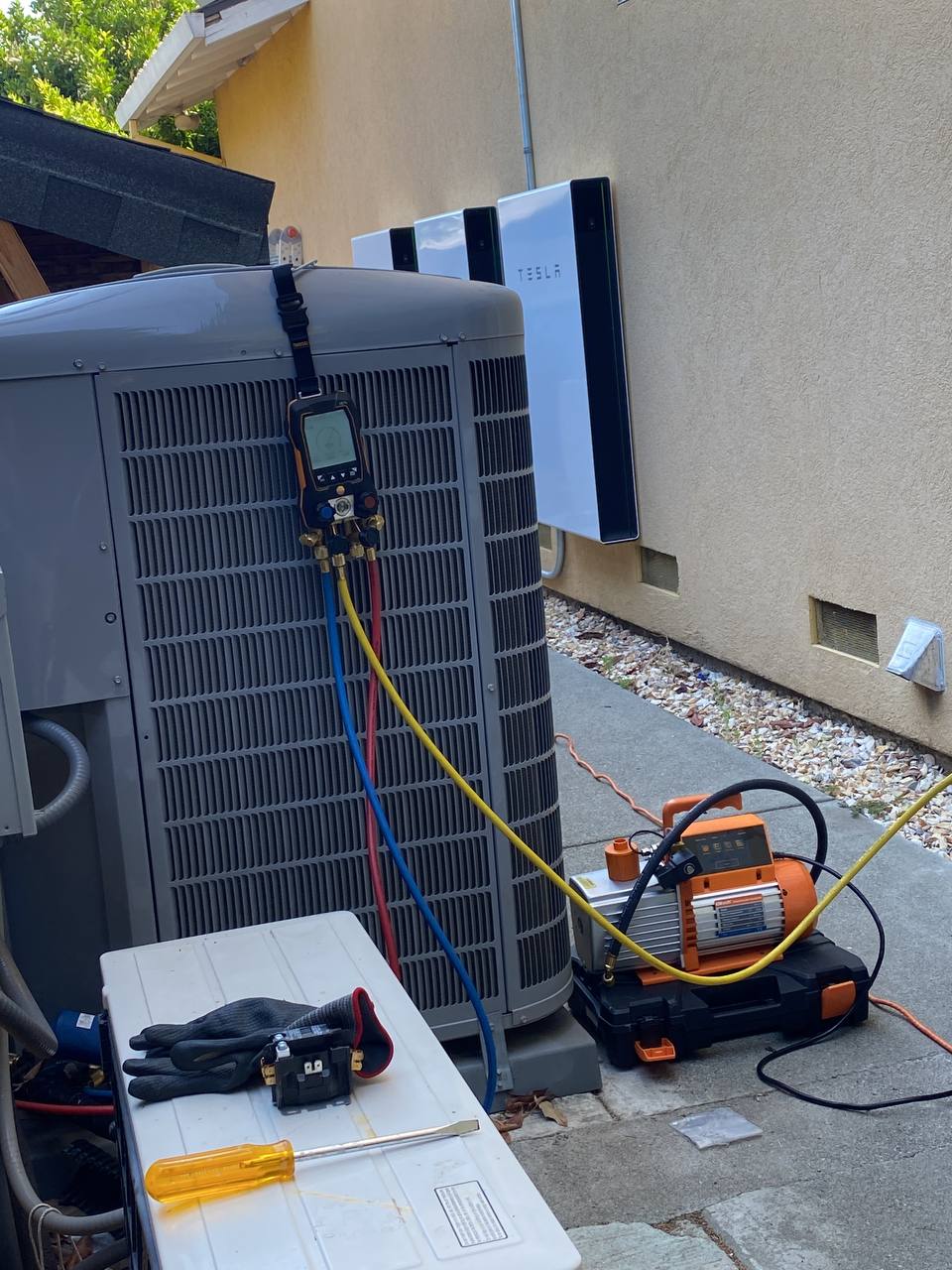
- Outdoor unit runs but air is not cold: likely refrigerant-side, airflow, coil, metering, compressor, or heat-transfer issue; record airflow strength, ice, water, and outdoor-unit behavior; the technician proves airflow, coil condition, refrigerant-side evidence, and whether the issue is repairable.
- Visible ice before a replacement quote: likely airflow, coil, refrigerant, blower, filter, or metering issue; record where the ice appears and stop cooling mode; the technician proves whether ice came from airflow restriction, refrigerant-side issue, blower fault, or coil condition before recommending replacement.
- Water near the air handler: likely condensate drain, pan, float switch, frozen coil thaw, airflow, or installation condition; record active water, pan water, ceiling/floor risk, and whether the system stopped; the technician proves drain path, pan/float condition, airflow, and whether water is separate from the replacement quote.
- Furnace starts then shuts down: likely ignition sequence, flame proving, pressure/safety circuit, venting, airflow, gas supply, or control issue; record what starts, what shuts off, odors, and any visible error light; the technician proves sequence and safety before calling the furnace non-repairable.
- Blower runs but temperature does not change: likely heating/cooling source, airflow, thermostat, control, heat pump, furnace, or refrigerant-side path; record whether air moves from vents and whether indoor/outdoor units run; the technician proves whether the blower is the problem or only a symptom.
- Heat pump quote after AUX or defrost confusion: likely normal backup heat behavior, thermostat setup, outdoor-unit issue, defrost issue, airflow, refrigerant-side issue, or electric heat problem; record AUX/Emergency Heat display and outdoor-unit condition; the technician proves whether operation is normal, configured wrong, repairable, or replacement-level.
- Compressor, coil, or heat exchanger mentioned: likely a major-repair decision; ask what test, inspection, measurement, or safety evidence supports the diagnosis; the technician proves the failure and explains whether repair, partial replacement, or full replacement is the rational path.
- Old R-22 refrigerant system: age and refrigerant type matter, but R-22 alone does not automatically force replacement; the technician proves leak status, component condition, refrigerant availability, repair cost, and whether continued service makes sense.
- Quote based mostly on age: age is context, not proof by itself; record system age if known, repair history, comfort performance, and energy-bill changes; the technician proves condition, safety, compatibility, and economics.
What To Ask Before Approving Replacement
A replacement recommendation should be able to answer plain questions.
- What failed? The quote should name the failed part, condition, safety issue, or system limitation.
- How was it proven? The quote should explain the test, symptom, visual finding, measurement, or operation sequence.
- Is the system unsafe or just old? Unsafe equipment changes the decision. Old equipment alone does not prove replacement.
- Is there an isolated repair option? If no, the reason should be specific: compatibility, leak, severe corrosion, repeated failure, safety, or repair economics.
- Does the replacement include duct, thermostat, drain, airflow, or electrical changes? A new unit can still perform poorly if the surrounding system problem is ignored.
- What happens if only the immediate repair is done? The answer should be a realistic risk explanation, not fear pressure.
- Is the quote using urgency instead of diagnostic proof? Buying pressure is not the same as evidence that the equipment cannot be repaired.
When Repair Usually Still Makes Sense
Repair can still be reasonable when the problem is specific, the system is safe, and the rest of the equipment condition supports the repair.
- Single isolated failure: capacitor, contactor, igniter, thermostat, relay, blower part, drain issue, or other isolated fault after proper diagnosis.
- No safety stop: no gas odor, CO alarm, electrical burn evidence, repeated breaker trip, or confirmed unsafe combustion issue.
- No repeated major failure pattern: the system has not had a chain of major repairs in a short period.
- Compatible parts and refrigerant path: the repair can be done without forcing mismatched equipment or unsupported refrigerant work.
- Acceptable comfort history: the system heated or cooled the home reasonably before this failure.
- Known cause: the technician can explain why the symptom happened and what the repair changes.
- Repair buys useful time: the homeowner has a clear reason to repair now and plan replacement later instead of rushing.
When Replacement May Enter The Conversation
Replacement may be worth discussing when the proof points to a larger system condition, not just one failed call.
- Unsafe operation: combustion, carbon monoxide, gas, electrical, or repeated breaker concerns that make continued operation unsafe.
- Major refrigerant-side failure: confirmed leak, failed compressor, damaged coil, or refrigerant/component condition that makes repair poor economics.
- Severe condition issues: corrosion, damaged coil, overheated wiring, poor installation condition, or repeated water/ice damage.
- Frequent repairs: repair history is becoming a pattern, especially when comfort and energy performance are getting worse.
- Age plus symptoms: older equipment with repeated failures, rising bills, poor comfort, or unavailable/poor-fit parts becomes a stronger replacement candidate.
- System mismatch: replacing one part would leave incompatible indoor/outdoor equipment, thermostat setup, duct capacity, drain, or airflow problems.
- Home comfort cannot recover: the system runs but cannot satisfy normal heating or cooling demand after basic repair paths are ruled out.
Quote Red Flags That Need More Proof
These red flags do not automatically mean the quote is wrong. They mean the quote needs better proof before approval.
- "It is old, so replace it": age matters, but the failed condition still needs to be shown.
- "You need refrigerant" without leak discussion: refrigerant loss needs a leak path or system condition explanation.
- "The compressor is bad" without electrical and refrigerant-side proof: compressor replacement is a major decision and should not be guessed from one symptom.
- "The heat exchanger is cracked" without clear safety documentation: furnace safety findings should be documented carefully and handled seriously.
- "The repair is not worth it" without repair option and condition reasoning: economics need context, not pressure.
- "This price is only good today": urgency may be sales pressure unless there is a real safety or no-heat/no-cooling emergency.
- "Replace everything" when the symptom is narrow: full replacement may be right, but the quote should explain why a targeted repair is not sensible.
What Not To Do From A Quote Alone
Do not approve major HVAC work from a quote that skips the diagnostic proof.
- Do not approve replacement because a system is old without knowing what failed.
- Do not approve refrigerant work without leak, refrigerant type, and system-condition context.
- Do not keep resetting a breaker to make the system run.
- Do not run cooling mode with visible ice on the line or coil.
- Do not keep using equipment after a gas odor, carbon monoxide alarm, smoke, or burning electrical smell.
- Do not open live control panels, jump thermostat wires, bypass switches, clean flame sensors from internet instructions, or handle refrigerant.
- Do not treat buying pressure as proof that replacement is the right technical decision.
R-22 And Refrigerant Reality
Older AC and heat pump systems may use R-22. That matters, but it does not automatically mean the system must be replaced.
EPA guidance says homeowners can continue to service existing HCFC-22 equipment, and there is no EPA requirement to replace solely because the equipment uses that refrigerant. The decision changes when the system has a confirmed leak, major refrigerant-side failure, poor component condition, high repair cost, or compatibility issue.
For a second opinion, the useful question is not "does it use R-22?" The useful questions are: is there a confirmed leak, what component failed, what refrigerant path is legal and practical, what else is damaged, and does repair still buy reasonable service life?
Furnace Safety Boundary
Furnace replacement quotes need extra care because safety can be real. A second opinion should not minimize gas odor, carbon monoxide alarms, flame rollout signs, soot, repeated ignition failure, or burning electrical smell.
If a carbon monoxide alarm sounds, if there is gas odor, or if combustion safety is in question, stop treating the issue as a price comparison. The priority is safe shutdown, ventilation or evacuation as appropriate, emergency guidance where needed, and qualified diagnosis before operation resumes.
Pennsylvania Service Context
This page supports Pennsylvania HVAC decision calls through the PA service structure. It is not a town doorway page and not a promise that every Pennsylvania ZIP is covered equally.
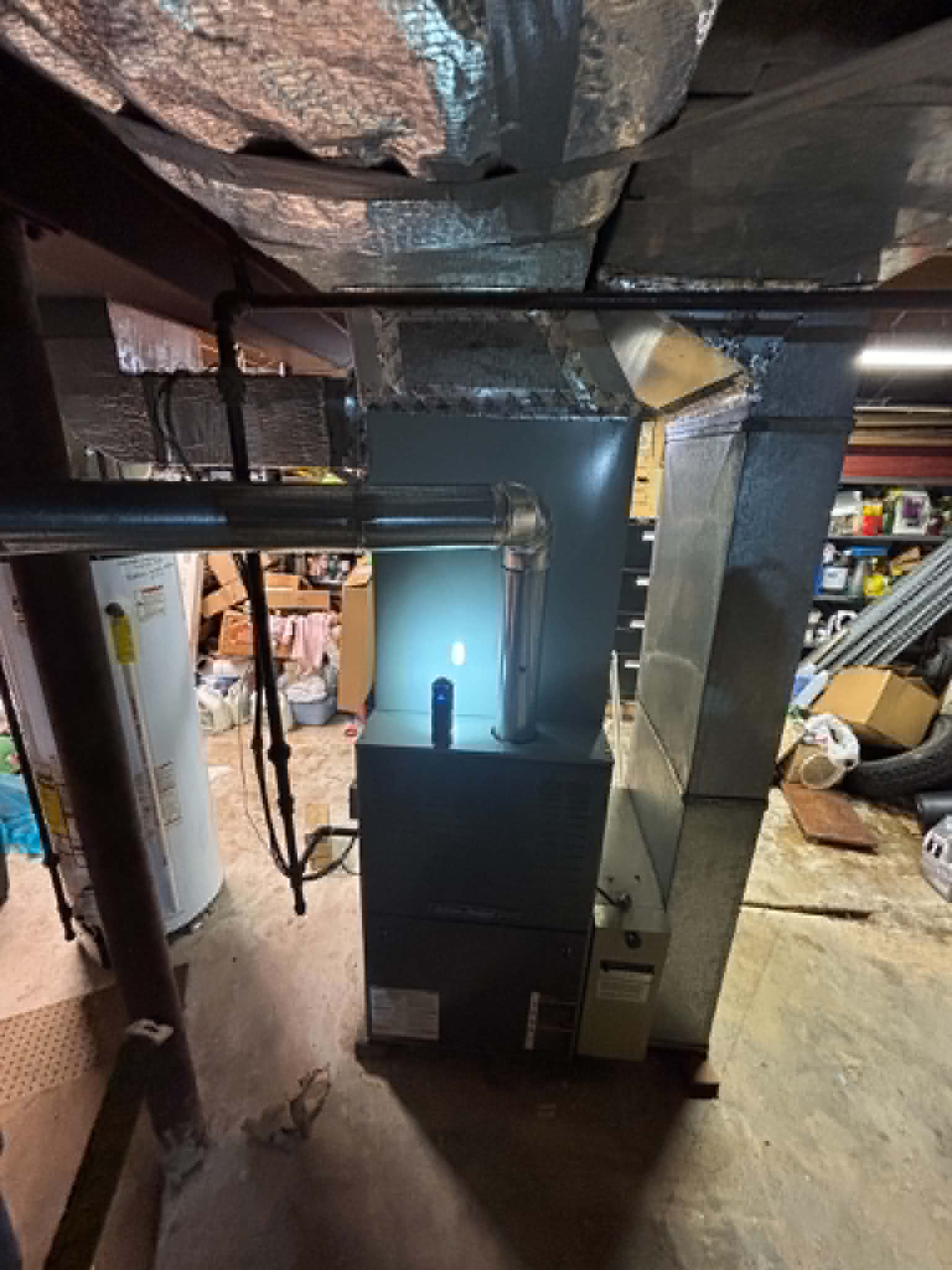
The practical local context is Bucks County, Montgomery County, and Northeast Philadelphia, with selected nearby appointments depending on technician route, access, schedule, system type, and safety condition. Older suburban systems, basement or attic air handlers, outdoor condenser access, rowhome constraints, gas/electric/heat pump mixes, and refrigerant-era equipment can all change the repair-versus-replacement decision.
What To Send Before A Second Opinion
A short factual note is better than a long story.
- The quote: send the written quote or a photo of it if available.
- The failure: no cooling, no heat, water, ice, weak airflow, short cycling, noise, odor, breaker trip, or quote after maintenance.
- System behavior: whether the thermostat calls, indoor unit runs, outdoor unit runs, and air comes from vents.
- Safety clue: gas odor, CO alarm, burning smell, smoke, water near controls, or repeated breaker trip.
- System age if known: useful context, but not the only decision point.
- Repair history: major repairs in the last few seasons, repeated refrigerant additions, repeated water events, or recurring furnace shutdowns.
- First-company proof: what they tested, photographed, measured, or showed you.
FAQ
Should I get a second opinion before replacing my HVAC system?
Yes, if the quote is expensive, the explanation is vague, the system still runs, the recommendation is based mostly on age, or the first company did not explain what failed. A second opinion should verify the failure, safety condition, repair option, and replacement boundary.
Is HVAC replacement always better on an old system?
No. Age is important context, but it is not a diagnosis. Replacement becomes stronger when age combines with frequent repairs, poor comfort, rising energy use, safety concerns, major component failure, refrigerant limitations, or poor repair economics.
Can an R-22 AC still be repaired?
Sometimes, yes. EPA guidance does not require automatic replacement just because a system uses R-22. The decision depends on leak status, component condition, refrigerant availability, repair cost, compatibility, and expected usefulness after repair.
What proof should I ask for before approving a compressor replacement?
Ask what electrical, refrigerant-side, and operation checks support the compressor diagnosis, whether the failure is isolated, whether the coil or refrigerant circuit is also compromised, and whether the indoor/outdoor system remains compatible.
What if the first company said my furnace is unsafe?
Treat safety seriously. Ask what specific condition was found and do not keep operating the furnace if there is gas odor, CO alarm, combustion concern, burning smell, or repeated ignition failure. A second opinion should document the safety issue, not dismiss it.
Is a second opinion the same as a cheaper quote?
No. A cheaper quote without proof is not better. A useful second opinion explains what failed, what is safe, what is repairable, what is not, and why the recommended path makes technical and economic sense.
Can maintenance findings justify replacement?
Sometimes, but only with proof. A maintenance visit may reveal a serious condition, but replacement should still be tied to documented safety, failed operation, severe condition issue, repeated failure, or repair economics.
Do you offer free second opinions?
Do not assume it is free unless dispatch confirms it for your situation. This page is about the diagnostic standard for a second opinion, not a blanket free-estimate claim.
Related Pennsylvania HVAC Pages
If the symptom points outside this page's system, use these PA pages to route the call without guessing.
- PA HVAC repair hub: PA HVAC repair hub
- AC repair proof before replacement: AC repair proof before replacement
- furnace repair proof before replacement: furnace repair proof before replacement
- heat pump repair proof before replacement: heat pump repair proof before replacement
- Central Bucks HVAC repair route: Central Bucks HVAC repair route
- Ambler-Fort Washington HVAC repair route: Ambler-Fort Washington HVAC repair route
CTA
Book a second opinion when the quote is expensive, the proof is unclear, or replacement was recommended before the failure was explained. Send the quote, symptoms, system behavior, safety clues, repair history, and any photos before the appointment.