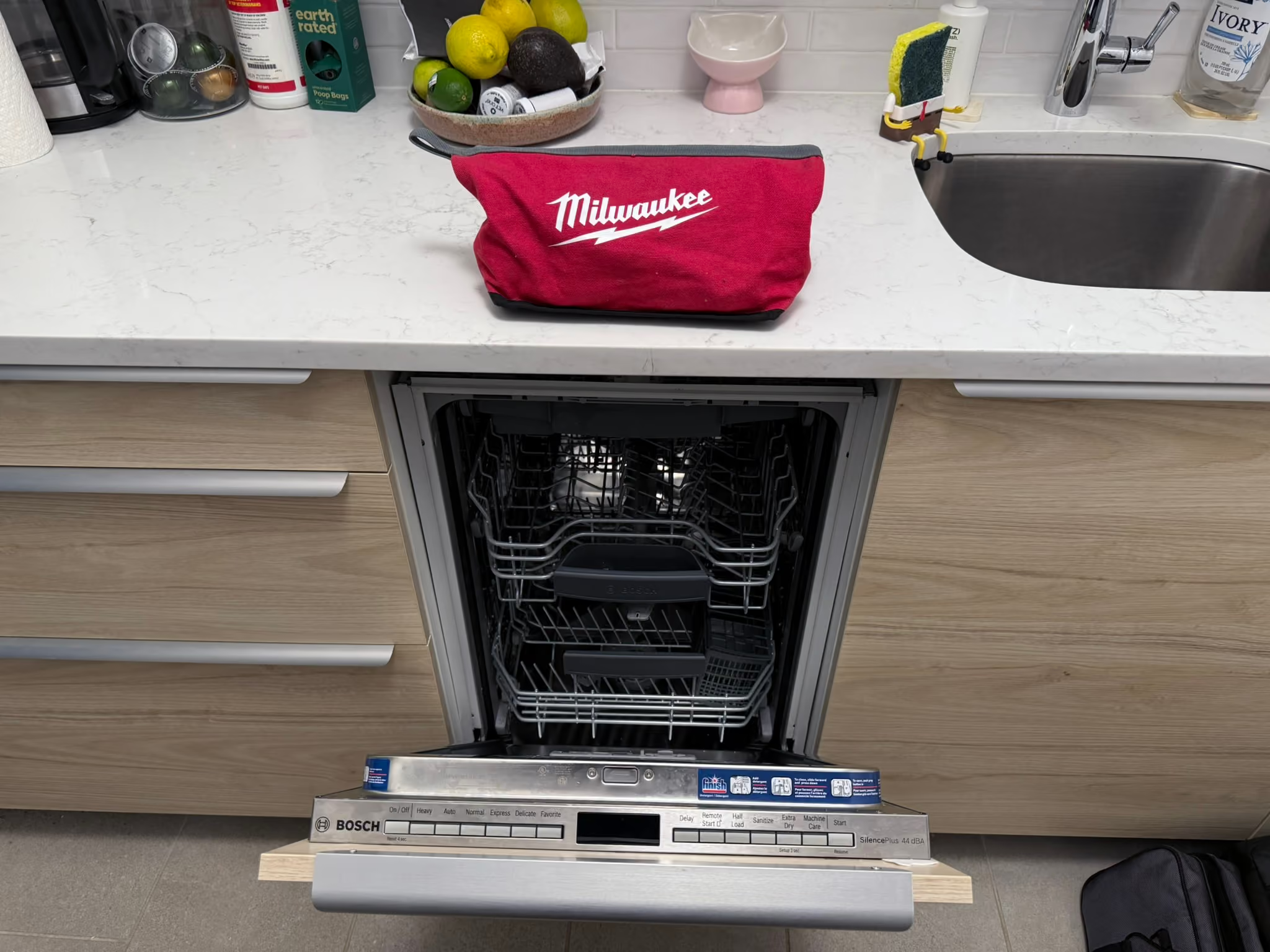


Bosch E23 and Pulsing Drainage | Repair Case
The drain-pump change removed E23, but at that stage water left only in short bursts. Resolving the case required treating the startup warning and incomplete water removal as separate diagnostic questions.
Service Context
A Bosch dishwasher service case reported resolved in which a drain-pump replacement cleared the startup warning before the drainage question was settled.
This Bosch dishwasher originally displayed E23 immediately at startup. The technician replaced the drain pump, and the code disappeared. At that stage, the new pump moved some water in short bursts, but the dishwasher did not empty properly. The changed error behavior was useful progress; the water removal required a separate assessment.
What the pump change explained
Bosch's public E23 guidance identifies a drain-pump issue. The BSH drainage bulletin also describes incorrect pump resistance or an open pump circuit, but that electrical interpretation must be checked against the dishwasher's full E-Nr and applicable service information. Clearing the warning after a pump change does not establish that water has a clear route from the sump to the household drain.
The technician reported that the pump was seated correctly and the dishwasher's base was dry. Those observations narrowed the description of the problem. The pump's installed position and the small cover inside the sump are separate checks: on applicable Bosch models, that internal cover must be fully engaged for correct pumping.
How to separate a restriction from pump operation
The technical answer is a controlled comparison of drainage with and without the household connection. Bosch's drainage bulletin describes isolating that connection during a service test. Repeatably good evacuation while isolated, followed by the same failure after reconnection, directs attention to the household connection. Failure in both configurations keeps the dishwasher, its hose, and the pump's operation under examination.
This test requires controlled water collection, correct reconnection, and a leak check. One successful run alone is too little evidence for an intermittent problem. The value of the comparison is that it separates water being held back along its route from a pump that does not complete the required evacuation.
Why the bursts did not name another failed part
A short burst by itself cannot identify a defective new pump. Startup behavior must be distinguished from the model's complete drain command. With a clear water path, the relevant checks are the replacement part's compatibility, its connections, and whether the pump responds correctly to that command. A motor or control replacement needs evidence from those checks.
The drainage complaint was reported resolved; the final correction and repeated-drain verification are not specified. This case shows why a successful pump-code repair and a complete drainage assessment belong together: the changed warning identified progress, while the remaining water determined what the diagnosis still had to explain at that stage.
- E23 disappeared after the drain-pump replacement.
- During the subsequent check, the installed pump moved some water in short bursts and water removal was incomplete.
- The technician reported that the pump was seated correctly.
- The technician reported no water in the dishwasher's base.
If the same symptom appears on your appliance:
- If this pattern returns, photograph the display and water level and note whether the interruption occurs at startup or later in the cycle.
- Have the technician verify the installed pump against the full E-Nr., check the sump cover where applicable, and compare repeated drainage with the household connection isolated and restored.
- If evacuation fails with a clear water path, check the installed pump's connections and response to the correct drain command before replacing another component.
Could water returning later be a different problem?
Yes. Water that never leaves and water that drains out but returns afterward point to different behavior. Note when it appears and whether the sink or disposal was used before it returned.
What should I record if the dishwasher stops again?
Photograph the display and water level, and note whether the stop happened at startup or later in the cycle. That gives the technician a repeatable event to compare with the drain test.
Result Details:
Reported outcome: resolved. The pump change removed E23, and the incomplete discharge observed afterward required separate attention during the diagnosis. The final corrective work and post-repair operating verification are not specified in this case.
Repair Decision:
For this failure pattern, compare repeated evacuation with the household drain connection isolated and restored. That comparison separates an external restriction from the dishwasher's water path and pump operation before another component is selected.
Owner Takeaway
A drain-pump replacement can address E23 while a separate evacuation problem still needs explanation during the repair. Comparing actual water removal under controlled conditions is more useful than choosing the next part from the sound of the motor.