

Samsung Dishwasher 4C After a New Valve | Repair Case
A new valve and hose had not corrected slow filling. A change in fill duration around the sensor made actual water delivery and the dishwasher's fill detection separate questions.
Service Context
Follow-up fill diagnosis with a replacement inlet valve and hose already reported in place.
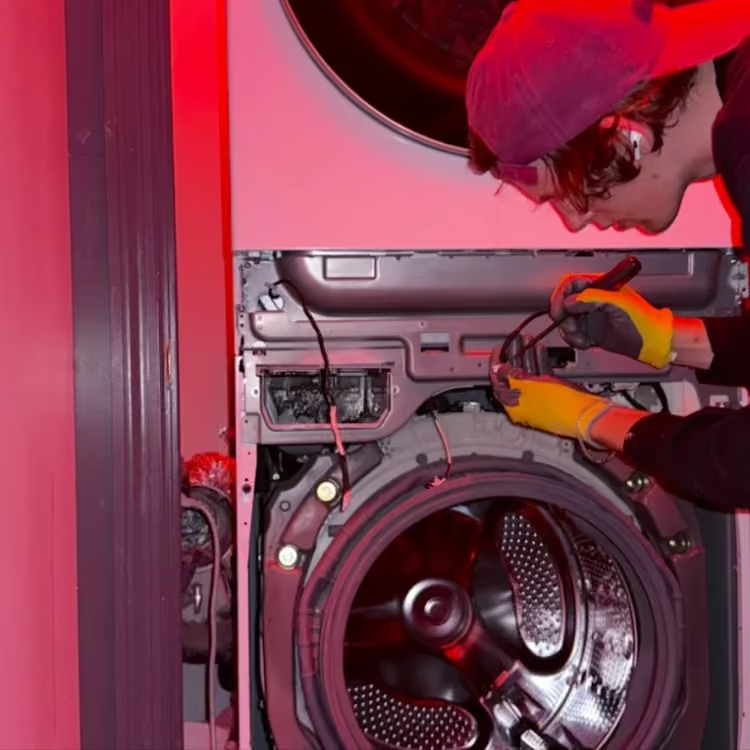
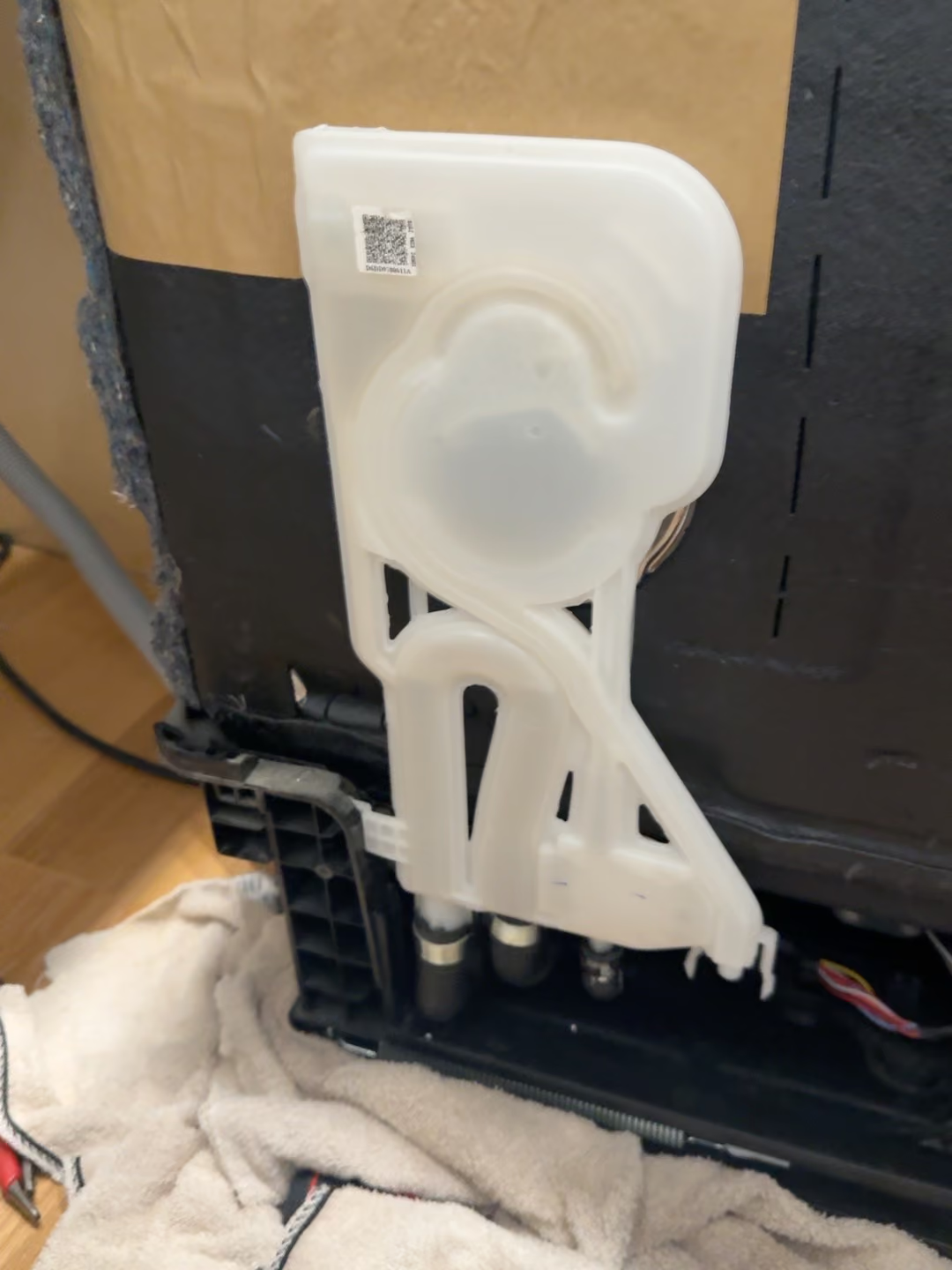
The side water-guide assembly inspected while investigating slow filling and the returning 4C error.
The Samsung dishwasher continued to show 4C with a new inlet valve and hose in place. Water did enter the machine, but the technician described the flow as slow. During a check around the sensor, tapping it also changed how long the dishwasher continued filling.
What 4C established
Samsung identifies 4C as a water-supply error. The code identifies a problem during filling; it does not name a replacement part. Installing a new inlet valve therefore could not close this case while the same slow fill and interruption remained.
The physical water flow was an important observation in its own right. Water entering the dishwasher is different from adequate delivery under operating conditions. Samsung's supply guidance calls for suitable water pressure, temperature, and connection hardware, with the appliance's manual defining the installation requirements.
Two findings that needed separate answers
The response around the sensor added a second lead. It suggested that movement at that location affected the fill behavior, but it did not prove that the sensor itself had failed. The distinction was between too little water arriving and the dishwasher failing to recognize the water that did arrive.
The useful next test is therefore a comparison, not another blind part swap. A technician should establish whether the supply reaches the appliance adequately during filling. If delivery is restricted, that restriction has to be located. If delivery is adequate but the machine still stops with 4C, the model's fill-detection path and its connections become the next focused check.
The result and the repair lesson
The case was reported resolved after the fill problem was pursued beyond the initial valve-and-hose replacement. The final corrective work and a normal fill-to-wash verification are not specified. The useful diagnostic lesson is the separation between water delivery and the appliance's recognition of the fill.
For an owner facing the same repeat error, the estimate should explain which of those two findings the proposed part addresses. The acceptance check is a normal fill followed by progression into washing without 4C returning. A new part in the machine, or a longer fill after tapping something, is not that result.
The sensor observation belongs to the service diagnosis. It is not a workaround to repeat at home. Photograph the code and note when it appears; leave internal parts and plumbing connections to the technician.
- The dishwasher continued to show 4C.
- The inlet valve and water hose were reported as new.
- Water entered the dishwasher, but the technician described the flow as slow.
- Tapping around the sensor changed the reported fill duration.
If the same symptom appears on your appliance:
- Have the technician verify the installed valve against the appliance's model and evaluate incoming water delivery under fill conditions.
- If water delivery is inadequate, locate the restriction before selecting another sensing component.
- If water delivery is adequate, check the model's fill-detection components and connections against the actual fill behavior.
- After the identified fault is corrected, verify normal filling and progression into washing without a returning 4C error.
- For the owner, photograph the code and note the point in the cycle when it appears. Do not tap internal parts, remove panels, or loosen water connections to repeat the inspection.
What should be provided before another visit?
Send the dishwasher's model-label photo, the 4C display, and the invoice or part label for the valve already installed. Those details help the technician check compatibility and avoid repeating the same replacement without a new finding.
Is 4C the same as a drain error?
No. Samsung places 4C in the water-supply category. Its 5C family concerns draining. A clear photograph prevents a similar-looking character from sending the next visit toward the wrong part of the cycle.
Result Details:
Reported outcome: resolved. The new valve and hose had not settled the fill complaint; slow delivery and the sensor-area response gave the diagnosis two distinct leads. The final corrective work and post-repair operating verification are not specified in this case.
Repair Decision:
Establish adequate water delivery first, then compare it with the model's fill detection. Replace another valve or a sensing assembly only when the corresponding fault is demonstrated.
Owner Takeaway
A fill error that survives a new valve needs evidence about both the water arriving and the machine's detection of it. The next part should address the failed side of that comparison.