

Wolf Hood Blower Speed-Control Diagnosis | Repair Case
The hood had incoming power and a new thermal device, but the blower still lacked usable power. Circuit checks narrowed the repair direction to the speed-control path.
Service Context
Electrical diagnosis of a Wolf Pro hood using a CM-18RT1 solid-state speed control, with the thermal device already replaced.
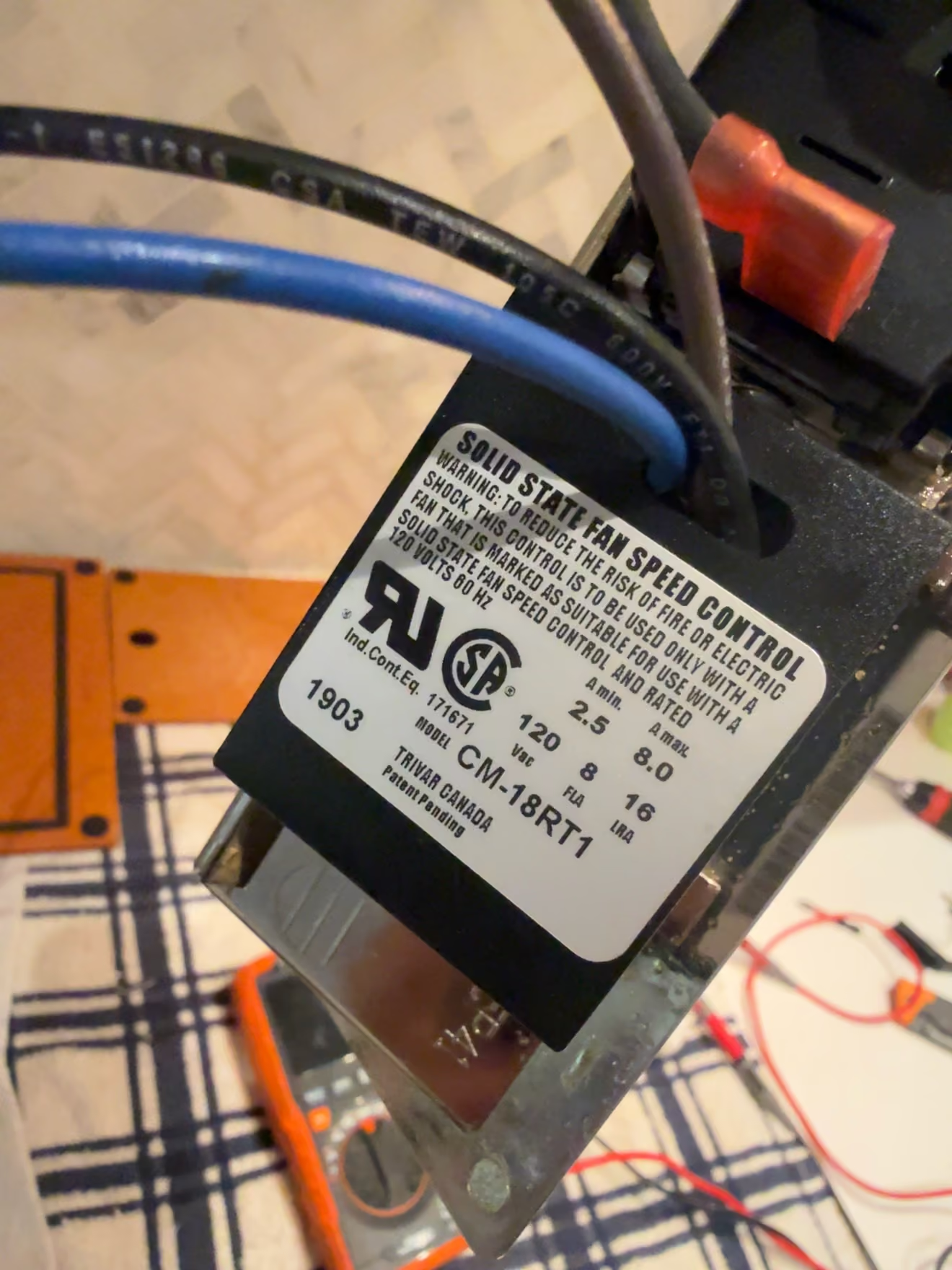
The CM-18RT1 control inspected while tracing the hood's blower circuit.
The Wolf hood had power, but its blower still would not operate normally. A new thermal device was already in place. During the visit, the technician traced the blower circuit and identified the CM-18RT1 solid-state speed control as the main repair concern.
Appliance model: PW362418.
What changed when the control was disconnected
The technician reported 120 volts at the supply. Farther along the circuit, the reading was about 16–17 volts with the speed control connected and about 1 volt with it disconnected. The blower receptacle was reported at essentially zero volts during the checks.
These observations directed attention upstream of the blower. A motor cannot demonstrate normal operation when its supply path is not delivering usable power. The change with the control connected was a useful clue, but the low readings needed the correct measurement reference and operating setting before they could identify a failed component.
Why the thermal device was not the whole answer
Wolf's factory diagram separates normal speed regulation from the heat-sensing function. The speed control governs the blower during ordinary use. Heat Sentry provides a separate heat-triggered operating path. Replacing the thermal device therefore does not, by itself, restore a failed manual speed-control path.
The component photograph also matters: it identifies an actual CM-18RT1 control, rather than an unspecified electronic board. That keeps the repair focused on the parts and wiring present in this hood.
The repair decision
The speed-control path was the leading direction from the reported checks. The deciding service check is whether proper input reaches the control and its output responds to the selected speed. If its supply and connections are sound but usable output does not follow the setting, the matching control assembly is the repair target. If correct power reaches a blower that will not run, the motor side needs attention instead.
This distinction protects the owner from replacing a remote blower before establishing what the hood is sending to it. It also avoids treating a new thermal part as proof that the rest of the circuit is working.
The case was reported resolved, with the diagnosis focused on that specific control path. The installed repair and final speed-response verification are not specified. After the fault is corrected, the hood needs to start and respond through its normal controls across the intended speed range. An electrical reading alone cannot substitute for that operating result. Internal electrical checks belong to the technician; the owner should not bypass the heat-sensing device to make the blower run.
- A new thermal device was reported in place.
- The technician reported 120 V at the supply.
- A circuit reading changed from approximately 16–17 V with the speed control connected to approximately 1 V when disconnected.
- The blower receptacle was reported at essentially zero volts during the checks.
- The photographed control is marked CM-18RT1.
If the same symptom appears on your appliance:
- Have the technician compare control input and output against the correct Wolf wiring diagram and speed setting.
- If the control fails with sound supply and connections, use the service replacement matched to the hood's model and serial range.
- After repair, confirm reliable starting and speed response through the normal controls, with the factory wiring and heat-sensing function intact.
Why does the serial number matter when ordering the control?
Wolf used different service configurations within the PW hood family. The technician should match the replacement to the appliance's identification rather than order by the CM-18RT1 label alone.
Can working hood lights rule out a blower electrical fault?
No. The lighting and blower functions have separate control paths. Working lights do not demonstrate that the blower receives the required output.
Result Details:
Reported outcome: resolved. The supply and control-dependent readings focused the repair on the blower speed-control circuit rather than an unsupported blower replacement. The final corrective work and post-repair operating verification are not specified in this case.
Repair Decision:
Prioritize the CM-18RT1 speed-control path. Confirm proper input and an output response to the selected speed; replace the model-matched control assembly if the supply and connections are sound but the control fails that check.
Owner Takeaway
Before replacing a blower, establish whether the hood is delivering the power it needs. In this case, the speed-control circuit deserved the next repair decision.