ILVE Appliance Repair NYC | Same-Day & Next-Day

ILVE range and oven repair in NYC for Majestic and Nostalgie series. Ignition problems, thermostat failures, safety devices, and control system issues.
Modern kitchen corner featuring a stainless steel glass-door refrigerator, wooden cabinets, a mounted flat-screen TV, and a coffee machine on the countertop.

ILVE Repair Experts

Volt & Vector Appliance Repair

5.0
Bright yellow five-pointed star on a white backgroundBright yellow five-pointed star on a white backgroundBright yellow five-pointed star on a white backgroundBright yellow five-pointed star on a white backgroundBright yellow five-pointed star on a white background

25 Google reviews

Volt & Vector repairs ILVE gas, electric, and induction ranges in NYC, including Majestic and Nostalgie platforms. We diagnose ignition failures, temperature control, safety devices, and display/control faults using OEM ILVE parts. $99 diagnostic credited, 180-day warranty, Brooklyn/Manhattan/Queens.

180-Days Warranty - $99 Diagnostic Fee - Brooklyn & Manhattan

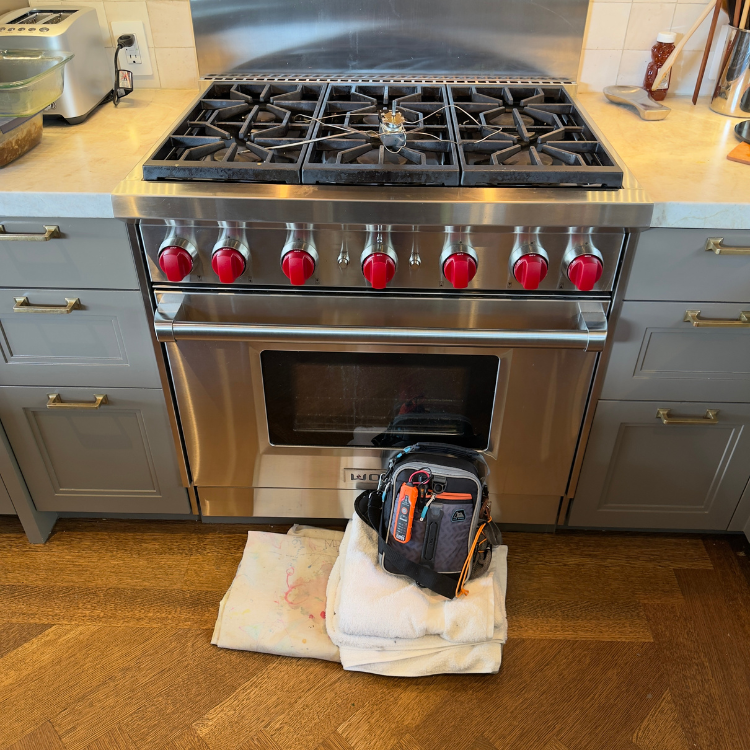
Modern kitchen with stove and text about Volt & Vector appliance repair service
Dishwasher repair service advertisement with hands in protective gloves
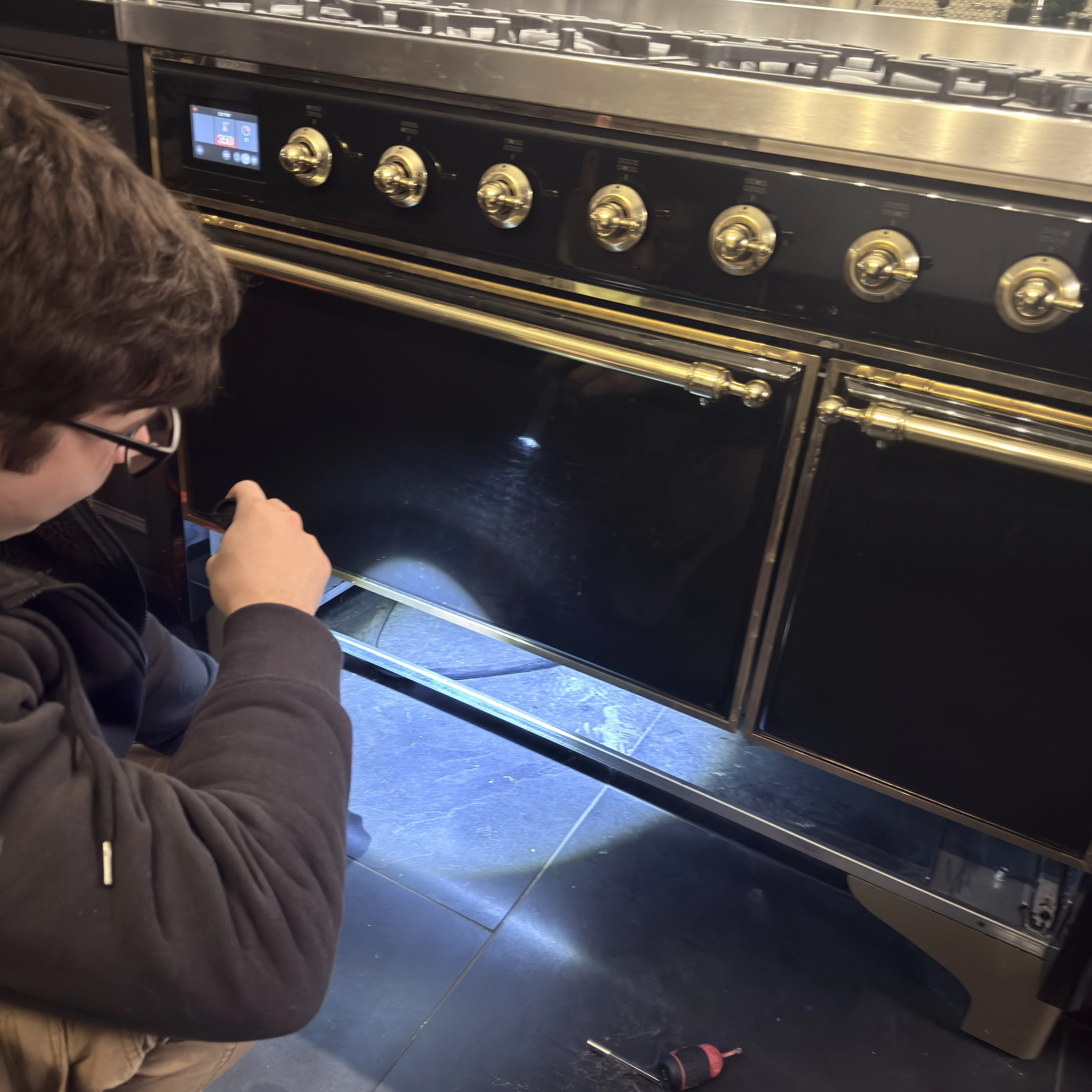
Volt & Vector technician repairing an oven in a home kitchen
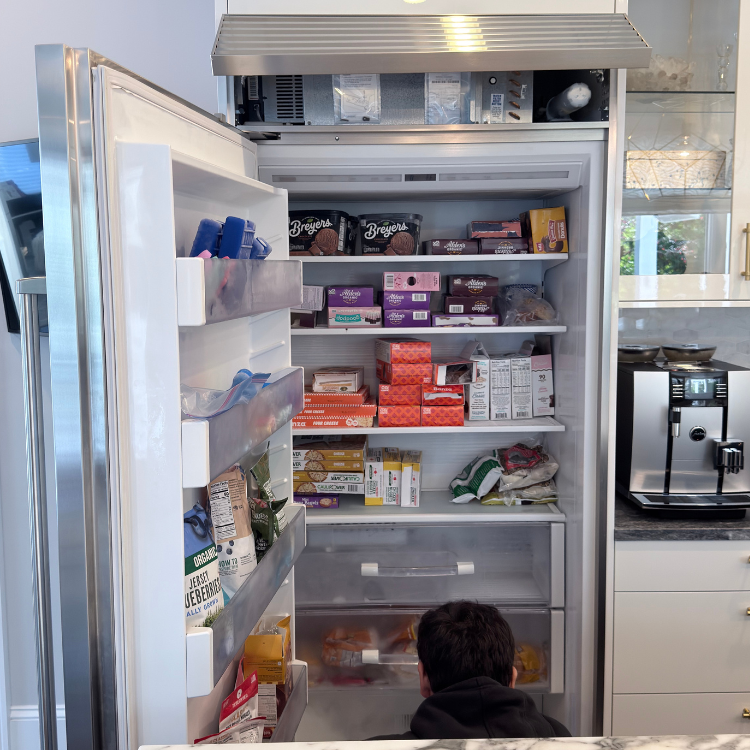
Stainless steel refrigerator with Volt & Vector Appliance Repair logo
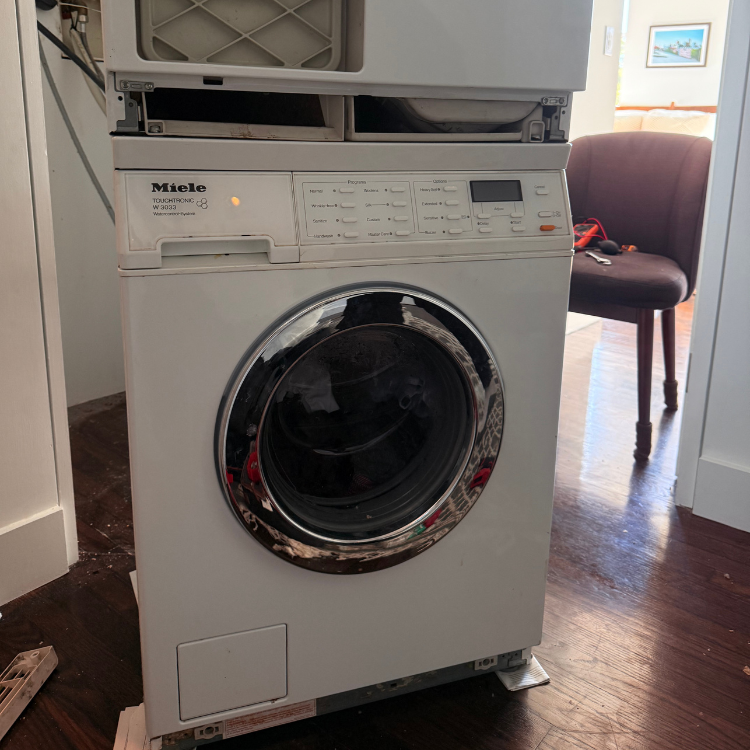
Disassembled dryer for repair by Volt & Vector Appliance Repair
Washer repair service advertisement with thumbs up gesture

ILVE Appliance Repair in NYC — Fast, Transparent, Guaranteed

ILVE ranges and ovens are premium, high-heat machines with European-style gas trains, igniters, safety valves, thermostats, and control systems that behave very differently from mass-market appliances. When an ILVE unit starts acting up—weak ignition, uneven bake, burners that won’t hold flame, a hot-spot that develops over time, or a control that becomes intermittent—the right fix depends on verifying the failure mode, not guessing. Volt & Vector approaches ILVE service the way Google rewards: practical, measurable diagnostics first. We confirm gas pressure and ignition behavior, verify thermostat and sensor readings, test safety circuits, and isolate whether the problem is combustion, regulation, airflow/venting, or control logic—then we quote the repair with clear next steps.

Quick Facts (NYC-Ready)

  • $99 diagnostic fee — credited toward repair if you move forward
  • 180-day parts & labor warranty
  • OEM parts only
  • Licensed & insured (COI available for building management)
  • Same-day / next-day availability in core areas
  • Arrival windows: 9–11 / 11–1 / 1–3 / 3–5

Service Area (NYC)

Brooklyn: Prospect Heights, Clinton Hill, Boerum Hill, Park Slope, Carroll Gardens, Cobble Hill, Kensington, Bushwick (West), Greenwood Heights, Prospect Lefferts Gardens, Windsor Terrace, Bedford–Stuyvesant, Crown Heights, Fort Greene, Brooklyn Heights, DUMBO, Greenpoint
Queens: Middle Village, Rego Park, Forest Hills, Fresh Meadows, Whitestone, North/Broadway Flushing, College Point
Manhattan: Below 96th Street

Common Symptoms → Likely Causes (service-facing, not marketing)

  • Burner won’t ignite / clicking nonstop → igniter, spark module, switch harness, grounding, gas valve issues
  • Uneven flame / orange flame → burner cap alignment, air shutter/venting, pressure/regulator, clogged ports
  • Oven not heating / slow preheat → element/ignition circuit, relay/board output, temp sensor drift
  • Temperature swings / bakes uneven → sensor calibration, convection fan, door seal/hinge, airflow restriction
  • Touch controls acting up / intermittent → UI/control board, harness connection, heat-related failure
No items found.
Check service availability
Enter a 5-digit NYC ZIP to see if you’re in coverage.

1. Schedule your visit

2. On-site diagnostic

3. Approve & repair

4. Done & covered

COI (Certificate of Insurance)

Available on request - usually not required in Brooklyn, but often asked for in Manhattan buildings and co-ops. Please remember that certain issues can come from incorrect use or installation, not from parts failure - our technicians will always point that out and show how to prevent it in the future.

Warranty & Compliance

Every repair is covered by a 180-day warranty on both parts and labor. If the appliance is older, keep in mind that some surrounding components can wear out over time — sometimes one repair leads to another part showing its age. We always explain options clearly before doing extra work.

Safety & Courtesy Protocol

We treat every visit like we’re guests in your home. Technicians wear shoe covers or remove footwear when entering, and we always clean up after the job. If you notice a little dust or debris left behind - our apologies - each tech handles 3-5 appointments per day and works to stay on schedule. If your window was 11-1, the technician usually arrives closer to 11; if running late, we’ll text you right away. Our goal is simple: work clean, stay safe, and respect your space and time.

Coverage

We cover Brooklyn—Downtown, Brooklyn Heights, Park Slope, Williamsburg, Greenpoint, Bed-Stuy, Carroll Gardens, Prospect Heights, and Flatbush—and Manhattan (below 96th Street)-FiDi, Battery Park, Tribeca, SoHo, Chelsea, Midtown, UES, UWS, Gramercy, and the Village. You’ll receive a text alert ~30 minutes before arrival.

Why Volt & Vector

We’ve spent years working inside large NYC repair companies - seeing how real technicians get buried under rushed schedules, fake “same-day” promises, and endless call-center noise. Volt & Vector grew out of that frustration. We wanted a place where diagnostics still matter, where techs can take time to do the job right and talk to people directly. We’re not calling ourselves perfect - far from it - but we’re building the kind of service we always wanted to work for: respectful, transparent, and run by people who actually fix things.

Pricing & Diagnostic Policy

Our diagnostic visit is always billed at the first appointment - that’s the starting point for every repair. After the visit, the technician sends full details to our service desk. Sometimes the tech can give a price range on-site, but we’re moving away from instant quotes - parts pricing changes like crypto these days, and we’d rather stay accurate than promise the wrong number.

Simple issues - like a clogged drain, loose wire, or minor reset - can often be fixed on the spot starting from $99. If a full repair with parts is needed, total cost varies by brand and model - just like in any NYC company, it can start around $320 and go up depending on parts and labor. We believe in clarity over surprises. You’ll always see the diagnostic results and estimate before any repair begins.

About Us & How it works

Transparent process, clear policies, and NYC building-ready service.

1–4: How it works
1
Schedule your visit
2
On-site diagnostic
3
Approve & repair
4
Done & covered
COI (Certificate of Insurance)

Available on request - usually not required in Brooklyn, but often asked for in Manhattan buildings and co-ops. Please remember that certain issues can come from incorrect use or installation, not from parts failure - our technicians will always point that out and show how to prevent it in the future.

Warranty & Compliance

Every repair is covered by a 180-day warranty on both parts and labor. If the appliance is older, keep in mind that some surrounding components can wear out over time — sometimes one repair leads to another part showing its age. We always explain options clearly before doing extra work.

Safety & Courtesy Protocol

We treat every visit like we’re guests in your home. Technicians wear shoe covers or remove footwear when entering, and we always clean up after the job. If you notice a little dust or debris left behind - our apologies - each tech handles 3-5 appointments per day and works to stay on schedule. If your window was 11-1, the technician usually arrives closer to 11; if running late, we’ll text you right away. Our goal is simple: work clean, stay safe, and respect your space and time.

Coverage
  • Brooklyn: Prospect Heights, Clinton Hill, Boerum Hill, Park Slope, Carroll Gardens, Cobble Hill, Kensington, Bushwick (West), Greenwood Heights, Prospect Lefferts Gardens, Windsor Terrace, Bedford–Stuyvesant, Crown Heights, Fort Greene, Brooklyn Heights, DUMBO, Greenpoint
  • Queens: Middle Village, Rego Park, Forest Hills, Fresh Meadows, Whitestone, North/Broadway Flushing, College Point
  • Manhattan: Below 96th Street (ZIP-based coverage)
  • You’ll receive a text alert ~30 minutes before arrival.
Why Volt & Vector

We’ve spent years working inside large NYC repair companies - seeing how real technicians get buried under rushed schedules, fake “same-day” promises, and endless call-center noise. Volt & Vector grew out of that frustration. We wanted a place where diagnostics still matter, where techs can take time to do the job right and talk to people directly. We’re not calling ourselves perfect - far from it - but we’re building the kind of service we always wanted to work for: respectful, transparent, and run by people who actually fix things.

Pricing & Diagnostic Policy

Our diagnostic visit is always billed at the first appointment - that’s the starting point for every repair. After the visit, the technician sends full details to our service desk. Sometimes the tech can give a price range on-site, but we’re moving away from instant quotes - parts pricing changes like crypto these days, and we’d rather stay accurate than promise the wrong number.

Simple issues - like a clogged drain, loose wire, or minor reset - can often be fixed on the spot starting from $99. If a full repair with parts is needed, total cost varies by brand and model - just like in any NYC company, it can start around $320 and go up depending on parts and labor. We believe in clarity over surprises. You’ll always see the diagnostic results and estimate before any repair begins.

1. Schedule your visit

2. On-site diagnostic

3. Approve & repair

4. Done & covered

COI (Certificate of Insurance)

Available on request - usually not required in Brooklyn, but often asked for in Manhattan buildings and co-ops. Please remember that certain issues can come from incorrect use or installation, not from parts failure - our technicians will always point that out and show how to prevent it in the future.

Warranty & Compliance

Every repair is covered by a 180-day warranty on both parts and labor. If the appliance is older, keep in mind that some surrounding components can wear out over time — sometimes one repair leads to another part showing its age. We always explain options clearly before doing extra work.

Safety & Courtesy Protocol

We treat every visit like we’re guests in your home. Technicians wear shoe covers or remove footwear when entering, and we always clean up after the job. If you notice a little dust or debris left behind - our apologies - each tech handles 3-5 appointments per day and works to stay on schedule. If your window was 11-1, the technician usually arrives closer to 11; if running late, we’ll text you right away. Our goal is simple: work clean, stay safe, and respect your space and time.

Coverage

We cover Brooklyn—Downtown, Brooklyn Heights, Park Slope, Williamsburg, Greenpoint, Bed-Stuy, Carroll Gardens, Prospect Heights, and Flatbush—and Manhattan (below 96th Street)-FiDi, Battery Park, Tribeca, SoHo, Chelsea, Midtown, UES, UWS, Gramercy, and the Village. You’ll receive a text alert ~30 minutes before arrival.

Why Volt & Vector

We’ve spent years working inside large NYC repair companies - seeing how real technicians get buried under rushed schedules, fake “same-day” promises, and endless call-center noise. Volt & Vector grew out of that frustration. We wanted a place where diagnostics still matter, where techs can take time to do the job right and talk to people directly. We’re not calling ourselves perfect - far from it - but we’re building the kind of service we always wanted to work for: respectful, transparent, and run by people who actually fix things.

Pricing & Diagnostic Policy

Our diagnostic visit is always billed at the first appointment - that’s the starting point for every repair. After the visit, the technician sends full details to our service desk. Sometimes the tech can give a price range on-site, but we’re moving away from instant quotes - parts pricing changes like crypto these days, and we’d rather stay accurate than promise the wrong number.

Simple issues - like a clogged drain, loose wire, or minor reset - can often be fixed on the spot starting from $99. If a full repair with parts is needed, total cost varies by brand and model - just like in any NYC company, it can start around $320 and go up depending on parts and labor. We believe in clarity over surprises. You’ll always see the diagnostic results and estimate before any repair begins.

Need help from our experts?

+1 (332) 333-1709

9:00 AM - 6:00 PM

Our service manager handles all calls personally. For short questions, text works best.

Google Business Profile

See live reviews, photos, and recent jobs. Booked with us? Please leave a review, thank you!

180-Days Warranty

Every completed repair includes a 180-day parts & labor warranty. OEM parts only. Warranty service is prioritized.

Local Service

Built by real NYC technicians - not marketers.

Volt & Vector is where clean design meets certified service.

ILVE Repair Experts

No items found.

ILVE Error Codes & Alerts provide essential guidance for troubleshooting issues with your appliance. These codes are not standardized across all ILVE models, meaning that some units may display clear messages like lockout or child lock alerts, while others might show induction hob codes or no meaningful codes at all. It's crucial to use these codes as a starting point, aligning them with your specific model and the appliance's current behavior before proceeding with any part replacements.

ILVE error codes are not universal across all models. Some ILVE platforms show clear messages (lockout/child lock), some show induction hob codes, and some models don’t display meaningful codes at all. The right way to use a code is to treat it as a starting point, then match it to your exact model/platform (and what the appliance is physically doing) before replacing parts.

General oven / range codes (display messages)

N - - 0 (Child Lock / control lock active)

  • What you notice: controls won’t respond / unit appears “locked.”
  • What it commonly points to: child lock is enabled on certain E3 control models.
  • What to do: press and hold the temperature control knob for ~3 seconds until it beeps and “OFF” is displayed (lock cleared).

FLTOA (Flame lockout — gas models)

  • What you notice: oven/burner fails to light after repeated attempts; lockout message appears.
  • What it commonly points to: the control detected repeated ignition/flame-proving failure (flame sensor/thermocouple behavior, ignition issues, gas delivery, or related safety logic).
  • What to do (safe first step): power-cycle at the breaker for ~1 minute, then retry once.
  • When to stop and call: if it returns, or if you have flame drop-out, gas odor, or repeated mis-ignition—this needs proper flame-proving and combustion checks.

ERR (Celsius/Fahrenheit mismatch / over-limit setting)

  • What you notice: “ERR” after setting a high temperature.
  • What it commonly points to: control is set to Celsius, and the setpoint is above ~290°C (platform-dependent).
  • What to do: switch the control back to Fahrenheit mode per your user manual for that control.

Induction cooktop codes (hob-specific)

E (External error / unsuitable cookware)

  • What you notice: zone won’t heat, beeps, or shuts off.
  • What it commonly points to: pan not induction-ready, pan not centered, warped base, dirty glass, or ventilation/overheat conditions under the cooktop.
  • What to do: use a flat induction pan, center it, clean the glass, and make sure the cabinet below has airflow.

E1 / E2 (Power supply voltage abnormal — too low / too high)

  • What you notice: hob disables or throws voltage error.
  • What it commonly points to: supply voltage out of acceptable range, wiring issues, loose neutral, or electrical problems upstream.
  • What to do: power-cycle the hob once. If it returns, treat it as an electrical issue—it often needs a qualified electrician to verify supply and connections.

E5 / E6 (Power card fault / internal temperature sensor fault)

  • What you notice: zone faults repeat; cooktop may shut down under load.
  • What it commonly points to: failed power module (“power card”) or internal temp sensing fault.
  • What to do: service-level repair is usually required (testing + module/sensor replacement).

E9 (Inductor sensor damaged / poor heat radiation)

  • What you notice: persistent faults, especially under higher power.
  • What it commonly points to: inductor sensor failure, or overheating from poor ventilation under the cooktop.
  • What to do: confirm the cabinet cutout has ventilation; persistent E9 typically needs service (sensor replacement and thermal verification).

U (Pan detection / sensor fault — some Majestic II platforms)

  • What you notice: pan not recognized even with good cookware, or intermittent recognition.
  • What it commonly points to: pan detection logic/sensor issue (or cookware mismatch).
  • What to do: confirm cookware first; try a power-cycle once. If it repeats with known-good cookware, it’s likely a sensor/control issue.

Internal component codes (usually service technician only)

These typically point to specific internal sensors/boards, and “DIY resets” won’t solve the root cause if the code returns.

E00-1 / E00-2 — cavity temperature probe open circuit (PT1000/NTC)

  • What you notice: oven temperature regulation fails, error repeats.
  • What it commonly points to: failed/open temperature probe or wiring.
  • Next step: testing + probe replacement.

E01-1 — cavity probe short circuit

  • What you notice: oven faults quickly; regulation may be erratic or disabled.
  • What it commonly points to: shorted probe or wiring fault.
  • Next step: testing + repair/replace probe/wiring.

E19-1 / E19-2 — incorrect power board configuration for TFT display

  • What you notice: display-related faults; unit may not operate normally.
  • What it commonly points to: board mismatch/config issue or wrong configuration after replacement.
  • Next step: reconfiguration or correct board replacement.

E20-1 / E20-2 — communication error between display board and main power board

  • What you notice: intermittent operation, display errors, loss of control.
  • What it commonly points to: harness/connector faults, board comm failure, or power board/display board issue.
  • Next step: comm line testing + connector/board verification.

E47 — display unit damaged

  • What you notice: screen faults, dead display, unusable controls.
  • What it commonly points to: failed display module.
  • Next step: display module testing/replacement.

If you’re reading this and you’re not sure what platform you have

If you see a code on an ILVE, the fastest path is:

  • take a photo of the code + the full control panel,
  • write down the model number from the rating plate,
  • note what mode you were using (bake/broil/convection/induction zone),
  • and whether it happened cold or only after heating for 20–40 minutes (important for heat-related intermittent faults).

Common ILVE Problems We Service (NYC)

ILVE ranges and ovens are high-output appliances with European gas components, tight combustion tolerances, and controls that are sensitive to power quality, heat, and installation details. In NYC kitchens—tight cabinetry, short clearances, heavy use, and building gas/power quirks—small issues tend to show up as repeatable symptoms: ignition that becomes inconsistent, burners that won’t hold a stable flame, ovens that drift off temperature, or controls that work “sometimes.” Because one symptom can have multiple root causes (gas supply, ignition, safety circuit, airflow/venting, thermostat/sensor drift, or a control board), proper diagnosis is about matching the behavior of the unit to the correct failure mode—not swapping parts until it improves.

Burners won’t ignite, click continuously, or ignite “sometimes”

What you notice: clicking without ignition, needs multiple tries, lights only with a lighter, or sparks but no flame.

What it commonly points to (depending on model):

  • Ignition path issues (electrode position, cracked ceramics, weak spark, moisture/grease contamination) that prevent reliable spark-to-gas ignition.
  • Gas delivery problems (partially blocked burner ports, clogged injector/orifice, mis-sized jets after LP/NG conversions, or low supply pressure).
  • Ignition module/transformer weakness where spark becomes intermittent under heat load.
  • Grounding and wiring problems that reduce spark intensity or cause random ignition behavior.

NYC note: Burners that fail mostly during peak cooking times can be a gas-supply/pressure stability issue—not always an igniter.

Burner lights but won’t stay lit (flame drops out)

What you notice: burner ignites then shuts off, you have to hold the knob longer, or flame cuts out randomly.

Most frequent causes:

  • Flame-sensing/safety circuit behavior (thermocouple/thermopile or flame-sensing design depending on platform) not confirming flame reliably.
  • Dirty or misaligned flame sensor area where the sensor doesn’t “see” flame properly.
  • Weak gas flow that produces a flame that can’t satisfy the safety requirement.
  • Valve/regulator issues that cause unstable flame when the appliance heats up.

This category matters because it’s both a usability and safety issue—stability must be verified under real heat.

Uneven flame, yellow/orange tips, soot, or gas odor

What you notice: yellow flame, soot on cookware, smell of gas, or flames that lift/blow.

What it commonly points to:

  • Air–fuel mixture problems (incorrect shutter settings on some platforms, blocked ports, wrong jets/orifices).
  • Regulator/supply pressure mismatch (especially after conversions or building gas work).
  • Ventilation/backdraft effects that disturb the flame (hood makeup air issues can matter).
  • Improper installation clearances that trap heat and disrupt combustion behavior.

Safety note: If you smell gas, shut off the burner, ventilate, and stop using the appliance until it’s inspected.

Oven not heating, heats slowly, or can’t hold temperature

What you notice: long preheat, temperature swings, bakes unevenly, or the oven shuts off mid-cycle.

What it commonly points to:

  • Ignition and gas valve control issues (gas oven platforms) where the burner doesn’t light consistently or cycles incorrectly.
  • Thermostat / sensor drift causing inaccurate regulation (display vs actual temps don’t match).
  • Heating element faults (electric ovens) or relay/control output problems.
  • Door seal and airflow issues that let heat escape and create uneven baking.
  • Cooling/venting constraints in tight cabinetry leading to protective behavior and unstable regulation.

Experience note: “It gets hot” isn’t the same as “it regulates correctly.” The key is measured cycling behavior at operating temperature.

Broiler problems: weak broil, uneven browning, or no broil

What you notice: broiler won’t ignite, only one side heats, or browning is inconsistent.

What it commonly points to:

  • Ignition issues on gas broilers (electrode positioning, weak spark, module performance).
  • Element issues on electric broilers, or control relay failures.
  • Temperature sensing/regulation that prevents broil from sustaining output.

Knobs, switches, or controls behave intermittently

What you notice: functions work sometimes, display glitches, or certain modes won’t engage.

What it commonly points to:

  • Heat-related control drift (boards, relays, or connectors affected by high cabinet temps).
  • Wiring/connection issues behind the panel from vibration or heat cycling.
  • Mode selector / switch wear that fails under load.
  • Power quality issues (loose neutral, shared circuits, marginal voltage) causing intermittent behavior.

NYC note: Many “random” control complaints are actually heat-management or power-supply problems in the cabinet.

Door issues: doesn’t seal, slams, or heat leaks into the kitchen

What you notice: hot spots around the door, uneven baking, door feels loose, or gasket looks compressed.

Most frequent causes:

  • Worn or deformed door gasket allowing heat loss and poor regulation.
  • Hinge alignment/wear affecting the seal and door closure.
  • Panel fit and cabinet alignment that changes how the door sits (common in tight installs).

Fan noise, convection not working, or airflow seems “off”

What you notice: loud fan, rattling, or convection mode that doesn’t improve baking.

What it commonly points to:

  • Convection fan motor wear or blade imbalance.
  • Obstructions (grease buildup, loose hardware) causing vibration.
  • Airflow path constraints in the oven cavity or venting that reduce convection effectiveness.

Real Case Logs (NYC kitchens)

Case Log 1: “Burner clicks but won’t light” — Spark was present but weak under heat; correcting the ignition path + replacing the failing component restored first-try ignition.
Case Log 2: “Burner lights then drops out” — Flame stability didn’t satisfy the safety circuit; cleaning/realigning the sensing area and correcting gas flow stabilized operation.
Case Log 3: “Oven temperature swings / uneven baking” — Regulation drift confirmed by measured temps; correcting the sensing/regulation fault brought baking back into spec.
Case Log 4: “Control works intermittently” — Heat buildup behind the panel and a marginal connection caused random failures; fixing the heat/connection issue stopped repeat shutdowns.

ILVE Appliance Issues and Solutions

Common problems, repair versus replace guidance, and what to expect for your ILVE range in NYC.

ILVE burner clicks or does not stay lit

Q: My ILVE gas burner clicks or will not stay lit. Do I need a new range?

A: In most cases, no. This is typically repairable.

Common causes include:

  • A worn or misaligned thermocouple or flame failure device
  • Blocked burner ports or debris in the burner head
  • A wet or dirty ignition electrode
  • A weak spark output from the spark module

A typical repair for ignition issues often falls in the $400 to $1,200 range, depending on how many burners are affected and access to the components.

Replacement is usually considered only when the range is 20 years or more and there are multiple additional faults such as temperature instability, control problems, and worn hardware, especially when a larger kitchen update is already planned.

ILVE oven slow to preheat or cooks unevenly

Q: My ILVE oven takes a long time to preheat and does not hold temperature. Is this normal?

A: Some models preheat slightly slower than other brands, but excessive preheat time or obvious temperature swings indicate a fault.

Common causes include:

  • A weak or failing bake or broil element on electric models
  • A drifting temperature sensor or thermostat
  • A control board that cycles heating early
  • Heat loss from a worn or damaged door gasket

Targeted repairs commonly include a sensor, an element, a gasket, or control side diagnostics. In many cases the repair cost remains under 25 to 40 percent of the cost of a full replacement and installation, especially when cabinetry and trim are involved.

ILVE oven not heating at all

Q: My ILVE oven stopped heating completely. Is it done, or can it be fixed?

A: In most cases it is still repairable.

Typical root causes include:

  • Failed bake or broil element
  • A control board fault or a failed relay
  • A tripped or failed thermal fuse
  • A door lock or safety switch fault that prevents heating

Parts can be expensive and may be special order, but a successful repair can extend service life significantly.

Replacement is typically considered when the cost of parts and labor approaches half the cost of a new unit and there are additional age related issues.

ILVE burners hard to control or all or nothing

Q: My ILVE burner knobs feel like they are either almost off or full output. Is that a defect?

A: This behavior can be common with European style valves and burner design. The usable low flame adjustment range can feel narrow.

It can be made worse by:

  • Partial blockages in burner ports
  • Incorrect orifices after a gas conversion
  • Valve wear that reduces fine control

If low simmer stability is not achievable, inspection and adjustment may improve control. Common actions include cleaning, verifying orifice sizing, and replacing one or more valves when wear is confirmed.

ILVE convection fan or oven lights not working

Q: My ILVE oven light or convection fan stopped working. Is this a major repair?

A: Often it is not major, but correct diagnosis matters.

Typical causes include:

  • A burned out bulb
  • A failed convection fan motor
  • A relay or control output fault
  • Wiring issues at the door, light housing, or control area

Restoring airflow and lighting supports even baking and helps reduce heat stress on nearby components.

ILVE hard to clean or non standard inside dimensions

Q: Why is my ILVE oven difficult to clean, and why do some pans not fit?

A: Two common reasons:

  • Interior layout and materials. Rack supports, side rails, and enamel geometry can limit access to corners compared with some North American designs.
  • European cavity proportions. Some ILVE ovens have cavity dimensions that differ from common US sheet pan sizing.

Practically, this can mean using pans sized for the cavity and removing racks and side supports for deeper cleaning when safe and permitted by the model design.

ILVE customer service, parts, and warranty timing

Q: Are parts delays and slow support a real issue with ILVE?

A: Many owners report:

  • Slow responses from manufacturer support
  • Difficulty locating local service coverage
  • Long lead times for certain parts, sometimes weeks to months
  • Delays with third party warranty administration

Many parts are special order or have limited US stock. This does not prevent repair, but it does affect timelines and requires accurate part identification from the rating plate.

Which ILVE parts most commonly fail or need replacement

Q: What ILVE parts most often require service or replacement?

A: Common categories include:

  • Ignition system
    • Thermocouples or flame failure devices
    • Ignition electrodes
    • Spark modules
  • Heating and temperature control
    • Bake and broil elements on electric models
    • Temperature sensors or thermostats
    • Main control boards and heating relays
  • Airflow and circulation
    • Convection fan motors
    • Cooling fans for electronics on some models
  • Doors, seals, and user facing parts
    • Door gaskets
    • Door hinges and latches
    • Burner heads and caps
    • Control knobs and shafts
  • Lighting and consumables
    • Oven bulbs
    • Decorative trim wear from heat exposure

Early diagnosis of weak ignition, temperature drift, or noisy fans can reduce the chance of multiple failures stacking up at the same time.

Is repairing an ILVE usually worth it

Q: Is repairing an ILVE typically worth it?

A: In many NYC kitchens, repair is often economically reasonable for relatively modern units because replacement can involve removal logistics, installation, and possible cabinetry modification.

Replacement is typically considered when:

  • The unit is older and multiple systems are failing at the same time
  • The repair estimate approaches half or more of the cost of a new unit
  • A larger kitchen update is already planned
What information to have ready before service

Q: What should I collect before scheduling a service visit?

A: These details reduce back and forth and improve part identification:

  • Model name and size
  • Serial number from the rating plate
  • Gas type if applicable, natural gas or propane
  • A short description of symptoms and when they occur
  • Any displayed codes or indicator behavior
  • Photos of the rating plate and the affected area if accessible
Safety note: Do not remove panels or perform live electrical tests. If there is a gas smell, shut off gas supply if accessible and ventilate the area before requesting service.

ILVE Repair NYC — Expanded FAQ (33)

1) What ILVE appliances do you service?

We service ILVE ranges, freestanding ovens, cooktops/rangetops, and range-hood related issues that affect cooking performance (airflow, make-up air constraints, venting interference). Most NYC calls are ILVE gas ranges and dual-fuel ranges.

2) What ILVE problems do you see most often in NYC kitchens?

The repeat offenders are ignition reliability, burner flame stability, oven temperature regulation, convection fan noise, and control/intermittent behavior caused by heat buildup behind the panel in tight cabinetry.

3) What information should I send before the visit?

Model number, gas type (Natural Gas or LP), a short video of the symptom (ignition, flame, oven cycling), and a photo of the rating plate if accessible. If it’s a built-in/tight install, also send a photo of the sides/clearances and the shutoff valve location.

4) Where do I find ILVE model/serial info?

Usually on a rating label behind the storage drawer, on the oven frame (door jamb area), or near the rear panel depending on the platform. If you can’t access it safely, send photos of the front + control panel and we’ll help identify the model family.

5) My burner clicks but won’t light—what does that usually mean?

Most often it’s a spark path issue (electrode position, contamination, cracked ceramic) or a gas delivery issue (blocked ports, injector/orifice restriction). The fix depends on whether you have strong spark with no flame, or weak/no spark.

6) The igniter keeps clicking even after the burner is lit—why?

Continuous clicking usually means the electrode is wet/dirty, the spark is tracking to ground incorrectly, or the flame pattern isn’t stable at the electrode. Cleaning alone sometimes helps, but repeated behavior typically needs alignment/inspection.

7) The burner lights but won’t stay lit—what’s the likely cause?

That pattern points to flame stability/safety confirmation problems: weak gas flow, sensor/thermocouple-style issues (platform dependent), or a valve/regulator behavior that drops output once the knob is released. It’s a safety-related symptom and should be corrected, not “worked around.”

H3: 8) I see yellow/orange flame tips—should I worry?

Occasional orange flicker can be normal (humidity, airborne particles), but persistent yellow flame, soot, or strong odor usually means air–fuel mix is off or ports are restricted. That needs inspection because it affects combustion quality and can produce soot/CO risk.

9) I smell gas near the range—what should I do right now?

Turn the burner off, ventilate, and stop using the appliance. If odor persists, shut the appliance gas supply off and contact your gas utility/emergency services as appropriate. Don’t keep testing ignition when gas odor is present.

10) Can low building gas pressure cause ignition or weak flame on ILVE?

Yes. In NYC, building-level gas supply conditions can show up as weak flame, delayed ignition, or burners that behave differently at peak times. Diagnosis is about confirming whether the issue is appliance-side regulation/ports or supply-side pressure/flow.

11) My oven heats, but baking is uneven—what do you look for?

We look for regulation drift (actual temp vs set temp), convection airflow behavior, door seal integrity, and how the burner/element cycles under load. “It gets hot” is not the same as “it regulates correctly.”

12) The oven takes a long time to preheat—what usually causes that?

Common causes are weak heat output (ignition/valve issues on gas, element/relay issues on electric), heat loss (door seal), or control/sensor drift that forces inefficient cycling. Tight cabinetry that traps heat can also change how the unit behaves.

13) My broiler is weak or won’t ignite—what’s typical?

On gas broilers: electrode/ignition reliability and flame stability issues are common. On electric broilers: element failures or control output/relay issues are typical. The correct diagnosis depends on whether you have heat at all, or intermittent/uneven output.

H3: 14) Convection fan is loud—what does that usually mean?

Usually fan blade imbalance, motor wear, or vibration transfer from mounts/hardware. We confirm whether it’s the convection fan, cooling fan, or cabinet resonance (which is common in tight NYC installs).

15) My range shuts off or acts “intermittent” when it gets hot—why?

Heat buildup behind the control panel can expose marginal connections, aging components, or control logic protection behavior. In tight installs with limited venting, overheating conditions can trigger failures that only appear after 20–40 minutes of cooking.

16) Do ILVE ranges need a dedicated electrical circuit?

In practice, dedicated and stable power is strongly preferred for reliable ignition modules, controls, and safety systems. Shared circuits, loose neutrals, or nuisance GFCI behavior can create intermittent faults that look like appliance failures.

17) Can a GFCI/AFCI outlet cause issues with ignition or controls?

It can, depending on wiring and the appliance’s electrical characteristics. If the range trips protection devices, we treat it as an electrical-safety issue and verify the installation before replacing appliance parts.

18) Is it normal for ILVE to click when a burner is on?

Some clicking during ignition is normal. Clicking that continues after stable flame is established is not normal and usually indicates electrode contamination, alignment issues, or poor flame pattern at the electrode.

19) Can dirty burner ports really cause ignition problems?

Yes. Restricted ports can delay ignition, cause “poof” ignition, create uneven flame, or prevent the flame from stabilizing. Cleaning has to be done correctly—aggressive scraping can damage components or change port geometry.

20) How do you handle an ILVE that was converted between NG and LP?

We verify the conversion was done correctly for that exact model: correct jets/orifices, regulator setting, and flame characteristics under load. Wrong jets or regulator setting will cause chronic ignition, flame color, and performance problems.

21) My burner flames are uneven across the ring—what does that indicate?

Most often: partial blockage, cap alignment issues, incorrect injector/orifice, or an airflow/mix problem. It matters because uneven flame can overheat one area and underperform in another.

22) The oven door doesn’t seal well—does that affect performance?

Yes. Poor sealing causes heat loss, temperature instability, longer preheat, and uneven baking. It can also increase heat stress on nearby cabinetry and the control area.

23) Can installation clearances and cabinetry affect ILVE performance?

Absolutely. Tight clearances can trap heat, alter ventilation, and amplify noise/vibration. In NYC, we see “appliance problems” that are actually installation constraints causing overheating or airflow restriction.

24) Does a powerful hood or make-up air issue impact burner behavior?

It can. Strong exhaust without proper make-up air can pull flame, cause lifting, or destabilize low simmer settings. The symptom often looks like a gas/ignition fault but is actually airflow/pressure imbalance in the kitchen.

25) My knobs feel loose or controls behave inconsistently—what’s the usual cause?

Mechanical wear, heat cycling, and internal switch/selector wear are common. The key is determining whether the issue is purely mechanical (knob/shaft) or electrical (switch contacts/control logic).

26) Do you repair or replace ignition modules?

We don’t guess. We verify spark strength, output behavior under heat, and whether the failure is upstream (power/ground) or downstream (electrodes/wiring). Replacement is recommended only when testing matches module failure.

27) Are ILVE parts hard to source? How does that affect repair timelines?

Some ILVE parts can have longer lead times depending on the exact model and distribution availability. The practical approach is confirming the correct part number from the rating plate and ordering OEM to avoid mismatches.

Can an ILVE range be repaired “same day”?

Some issues can be corrected on the first visit (cleaning/alignment, minor component replacement if stocked). If a specific OEM part is required, the timeline depends on availability—especially for boards, valves, or specialty components.

29) Should I keep using the range if only one burner is acting up?

If it’s a simple “one burner won’t ignite” with no odor and the rest are stable, you can often use the other burners cautiously. If you have gas odor, flame instability, flame dropout, or abnormal flame color/sooting—stop using it until inspected.

30) How do you decide “repair vs replace” for an ILVE range in NYC?

We look at failure type (gas valve/regulator/controls vs cosmetic), age, parts availability, and whether the repair restores stable regulation. For premium ranges, repair is usually rational when the chassis and core system are solid and the fix is targeted and test-verified.

31) What should I do before the technician arrives?

Clear access, remove items from the oven and nearby cabinets, and ensure the shutoff valve and electrical connection are accessible. If it’s a tight install, plan for possible pull-out access (sometimes required to reach regulators, wiring, or rear components).

32) What’s a “real” diagnostic on ILVE—what do you actually test?

We match the symptom to measurable behavior: ignition consistency, flame pattern, stability at low/high settings, oven cycling behavior, sensor/thermostat response, and control outputs under heat. The goal is a diagnosis that explains the failure reliably—not a generic guess.

33) When should I call immediately instead of trying to troubleshoot?

Call right away if you have gas odor, repeated flame dropout, visible soot/strong yellow flames, electrical burning smell, breaker trips, or the oven overheats and won’t regulate. These are safety- or damage-risk conditions, not “wait and see” issues.

Repair is the first option: spark modules, thermostats, relays, and fans are serviceable. Replace only for major gas leaks, severe cabinet damage, or repeated electronic board failures.

ILVE appliances use premium gas burners, thermostats, relays, and control modules. Ignition relies on spark modules and flame sensing; thermistors measure resistance rising with temperature. Fans are tach-monitored, and door locks ensure safety during self-cleaning. Relays can overheat when exposed to continuous high-temperature cooking. Typical tests: element 20–40 Ω, thermistor 5–10 kΩ @ 25 °C, fan/pump continuity, and control board inspection for stressed solder joints.

Call a technician for gas leaks, persistent ignition errors, repeated overheating trips, or board failures. Professionals test gas pressure, check calibration, and verify control systems safely.

Need help from our experts?

+1 (332) 333-1709

9:00 AM - 6:00 PM

Our service manager handles all calls personally. For short questions, text works best.

Google Business Profile

See live reviews, photos, and recent jobs. Booked with us? Please leave a review, thank you!

180-Days Warranty

Every completed repair includes a 180-day parts & labor warranty. OEM parts only. Warranty service is prioritized.

Local Service

Built by real NYC technicians - not marketers.

Volt & Vector is where clean design meets certified service.

Frequently Asked Questions

Clear answers about scheduling, pricing, coverage, warranty, and what to expect on-site.

General & Company
What are your hours of operation?
Phone support is typically 9:00 AM–6:00 PM. Appointments are scheduled by arrival window, and you’ll get a text ~30 minutes before arrival.
What service areas do you cover?
We cover Brooklyn, Manhattan (below 96th Street), and selected Queens ZIPs. Use the ZIP checker on the page to confirm coverage for your address.
Are you licensed and insured?
We’re insured and can provide a COI (Certificate of Insurance) upon request for building management.
How long have you been in business?
Volt & Vector is built by NYC technicians with years of field experience in high-volume repair environments and premium residential service.
What training do your technicians have?
We diagnose using factory documentation, service-manual test procedures, and real-world NYC installation experience (tight cabinetry, airflow issues, building constraints). Sealed-system work is handled by certified technicians when applicable.
Why should I choose your company over a competitor?
We’re diagnostics-first, transparent about causes (including install/use issues), and focused on correct repairs with OEM parts and a 180-day parts & labor warranty.
Do you have customer references or testimonials I can review?
Yes—our Google Business Profile is the best place to see live reviews, photos, and recent jobs.
Services & Specialization
Which appliances can you repair?
Most common calls include refrigerators/freezers (including built-ins), ice makers, dishwashers, washers, dryers, ovens, ranges, cooktops, and ventilation where applicable.
What specific brands do you service?
We service many premium brands commonly installed in NYC, including Sub-Zero, Wolf, Miele, Thermador, Bosch, Gaggenau, ILVE, and others. If you don’t see your brand listed, ask—coverage varies by product line.
Do you service high-end or commercial appliances?
Our core focus is high-end residential. For light commercial environments (small offices, studios), we review brand/model first to confirm serviceability.
Can you install new appliances, or do you only repair them?
We’re primarily a repair service. If an installation or modification is required to complete a repair safely, we’ll explain options and what we can support.
Do you offer preventative maintenance?
Yes—maintenance is often the fastest way to prevent repeat failures (airflow/condenser cleaning, leak checks, drain/defrost maintenance, and performance verification).
Do you provide emergency or same-day repair services?
Same-day/next-day availability depends on scheduling and location. We’ll give you realistic timing and keep communication direct.
Pricing & Payment
How do you price your services?
We start with diagnostics, then provide a clear repair estimate based on parts required and labor scope. No repair begins without approval.
What is your service call / diagnostic fee?
$99 diagnostic (credited toward the repair if you approve the estimate).
Is the diagnostic fee waived if I proceed with the repair?
The diagnostic is credited toward the approved repair total.
Do you provide estimates in writing before starting work?
Yes. You’ll receive diagnostic findings and an estimate before any repair is performed (unless it’s a minor on-the-spot fix you explicitly approve).
What payment methods do you accept?
We support standard modern payment methods (card and electronic options). If your building requires a specific payment workflow, tell us during booking.
Warranty & Parts
What kind of warranty do you offer on parts and labor?
180-day warranty on both parts and labor for completed repairs.
Do you use genuine manufacturer parts?
Yes—OEM parts only.
Will using an unauthorized repair technician void my manufacturer’s warranty?
Manufacturer rules vary by brand and coverage type. If your unit is under a manufacturer warranty, the brand may require an authorized provider. We’ll tell you what we can verify on-site and what should go through the manufacturer.
Do you work with home warranty companies?
We typically work directly with the homeowner/building. If you have a home-warranty plan, you can often submit our invoice for reimbursement if your plan allows.
Preparation & Process
What should I check before calling a repair service?
Quick safe checks:
  • Power: breaker not tripped, outlet working, unit plugged in.
  • Settings: temperature setpoints not changed accidentally.
  • Water supply (ice makers/dishwashers): valve on, no kinked line.
  • Filters/vents: obvious airflow blockage or clogged filter where applicable.
  • Any error code/message shown on the display.
How should I prepare my home/appliance for the technician’s visit?
Clear access around the appliance, remove fragile items nearby, and (if possible) have model/serial info ready. If your building needs COI or a service elevator reservation, tell us in advance.
How long will the repair take?
Diagnostics typically take 30–90 minutes depending on appliance type and access. Some repairs can be completed the same visit if parts and scope are confirmed; others require a follow-up once parts arrive.
Will you need to order parts, and how long does that typically take?
Sometimes. Lead times vary by brand and stock status; many common OEM parts arrive in a few business days, but specialty items can take longer (especially during backorders).
Do I need to be home during the repair?
Yes—an adult must provide access and approve work. If your building has a super/doorman process, coordinate access ahead of time.
Post-Service
What follow-up support do you provide after a repair?
You’ll have a clear record of what was diagnosed, what was repaired, and what parts were used. If anything looks off, contact us and we’ll guide next steps.
What if the same problem occurs after the repair?
If it’s related to the completed repair and within the 180-day warranty window, warranty service is prioritized.
How can I leave a review or provide feedback?
Google reviews help us most. If you booked with us, we appreciate an honest review on our Google Business Profile.
Do you provide tips on how to properly maintain my appliances after the repair?
Yes—if we see install/use factors contributing to the failure (airflow restriction, drainage, loading habits, filter maintenance), we’ll show you exactly what to change to prevent repeats.
Safety & Environment
Do you have safety procedures for working in my home?
Yes. We work clean and controlled: shoe covers (or footwear removed), protected work areas, safe power shutoffs when required, and clear communication before testing anything that could affect your home.
How do you dispose of old parts or refrigerants safely?
Old parts are removed and handled responsibly. Refrigerant recovery and sealed-system handling are performed using compliant procedures by certified technicians where applicable.

Services

See the full catalog of our services—organized by brand and by appliance—right here.

Book your service

Choose a convenient time slot. Diagnostic $99 (credited toward repair).

Open Google Calendar

Available Mon–Sat, 9 AM–6 PM. Same-day slots often open.

Instant confirmation

Your slot is reserved immediately after booking.

180‑day warranty

Parts & labor covered. No questions asked.

OEM parts only

Original manufacturer components for every repair.

$99 diagnostic credit

Applied in full toward any approved repair.

Need help from our experts?

+1 (332) 333-1709

9:00 AM - 6:00 PM

Our service manager handles all calls personally. For short questions, text works best.

Google Business Profile

See live reviews, photos, and recent jobs. Booked with us? Please leave a review, thank you!

180-Days Warranty

Every completed repair includes a 180-day parts & labor warranty. OEM parts only. Warranty service is prioritized.

Local Service

Built by real NYC technicians - not marketers.

Volt & Vector is where clean design meets certified service.

Google Reviews

Bright yellow five-pointed star on a white backgroundBright yellow five-pointed star on a white backgroundBright yellow five-pointed star on a white backgroundBright yellow five-pointed star on a white backgroundBright yellow five-pointed star on a white background

Great people to deal with. Called and set up appointment right away. Mark came and fixed the issue right away. Very friendly and respectful. Will use again. Thanks guys.

Bright yellow five-pointed star on a white backgroundBright yellow five-pointed star on a white backgroundBright yellow five-pointed star on a white backgroundBright yellow five-pointed star on a white backgroundBright yellow five-pointed star on a white background

Excellent experience with Vlad! He came day of to help fix a laundry machine issue. He was on time, a clear communicator about the issue and fixed it with ease. He came back the following day (at no charge!) when I reached out with further information about how the machine was working to confirm everything was working properly/as intended. Excellent service and will absolutely be working with them again when we have future needs. Can’t recommend enough!

Bright yellow five-pointed star on a white backgroundBright yellow five-pointed star on a white backgroundBright yellow five-pointed star on a white backgroundBright yellow five-pointed star on a white backgroundBright yellow five-pointed star on a white background

Vlad has been an incredible asset. In the few months we've known him, he's already fixed a dryer, two washing machines, and an oven! He's always very upfront with the repairs needed and the associated costs with fixing an appliance. I wouldn't hesitate at all to hire him for any future appliances in need of repair

Bright yellow five-pointed star on a white backgroundBright yellow five-pointed star on a white backgroundBright yellow five-pointed star on a white backgroundBright yellow five-pointed star on a white backgroundBright yellow five-pointed star on a white background

I split my time between Italy and NYC and manage several Airbnb units. Scheduling used to take too much energy around guest check-ins and turnovers. With Volt & Vector Appliance Repair, the routine became predictable: clear 2-hour windows (9–11am or 12–2pm), a text with ETA, written pricing (diagnostic credited), before/after photos, and a short summary after each visit. Over ~30 repairs in two years: washers, dryers, dishwashers, ranges, a refrigerator seal. They’ve kept me informed and moved quickly on parts (usually 24–48 hours when ordered). Access and lockboxes are handled without drama, work areas are left clean, and my reviews stayed steady. Hosting from abroad is easier when maintenance is this consistent. Strong recommend for Brooklyn and Manhattan hosts.

Larry Lawson
Bright yellow five-pointed star on a white backgroundBright yellow five-pointed star on a white backgroundBright yellow five-pointed star on a white backgroundBright yellow five-pointed star on a white backgroundBright yellow five-pointed star on a white background

Amazing service every time! I work for a multi-use property in lower Manhattan and we have used Volt & Vector for at least 20+ jobs and I can honestly say they do incredible and reliable work. Vlad is a pleasure to work with, he is honest and his pricing is fair. Highly recommend!