

Miele Dryer Feels Humid and Is Not Drying
If a Miele dryer warms the room and clothes stay damp, identify its platform, then check filters, intake, room ventilation, and condensate handling.
If a Miele dryer warms the room and clothes stay damp, identify its platform, then check filters, intake, room ventilation, and condensate handling.
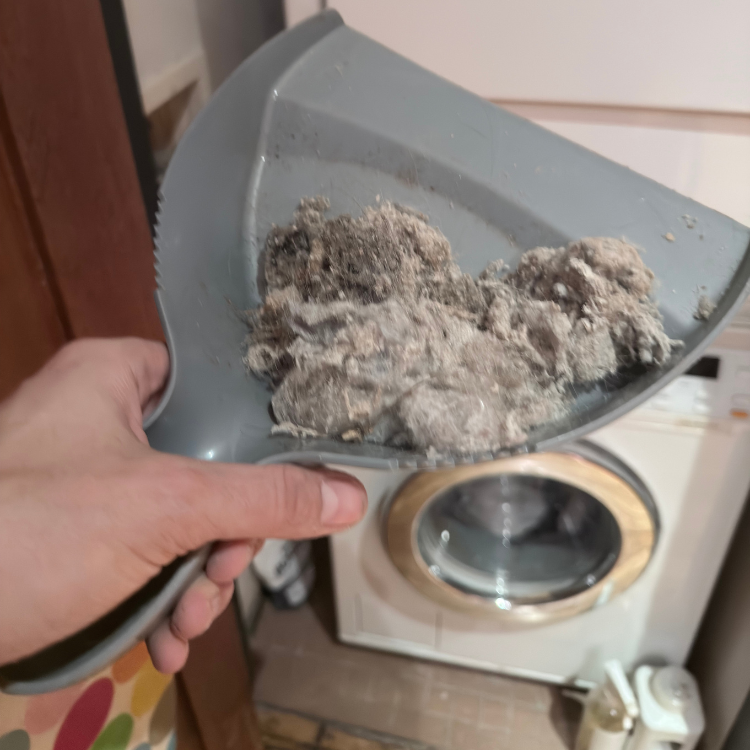
If a Miele dryer makes the laundry area warm or humid while clothes stay damp, first identify whether it is vented, condenser, or T1 heat-pump; each sends moisture through a different path. Check room ventilation, documented intake openings, fully dry filters, the condensate container or accessible drain, and—on a vented model only—the safely visible exhaust connection. Stop if humidity is accompanied by water near electricity, abnormal heat, a burning smell, a recurring warning, or moisture escaping from an inaccessible connection.
Some warmth around a working dryer can be normal. A warm, noticeably humid laundry area combined with damp clothes is different: moisture and heat are not following the expected path efficiently, the room cannot accept the appliance’s heat load, or the dryer is not completing heat transfer and condensate handling as designed.
The model/platform decides where to look:
Miele’s U.S. guidance says an overly warm room can affect some drying behavior, and insufficient ventilation or an obstructed cool-air intake can contribute to unsuccessful drying. It also identifies dirty filters and an excessively wet lower/plinth filter. These are safe mechanisms to check; they do not prove a refrigerant, compressor, pump, or sensor failure.
Humidity is water vapor in the room. Condensation may appear on a cool wall, window, or nearby surface. A leak is liquid water coming from the machine, hose, container, or connection. Overheating adds abnormal cabinet or laundry temperature, protective stopping, smell, or smoke.
Use a more specific diagnostic path when:
The checks below apply when a warm or humid room and unsuccessful drying occur without one of those clearer primary symptoms.
Low effort: capture room and load conditions
Why it works: Vent, condenser, and T1 heat-pump moisture paths are different. Without the model, even a well-intended cleaning step may be wrong.
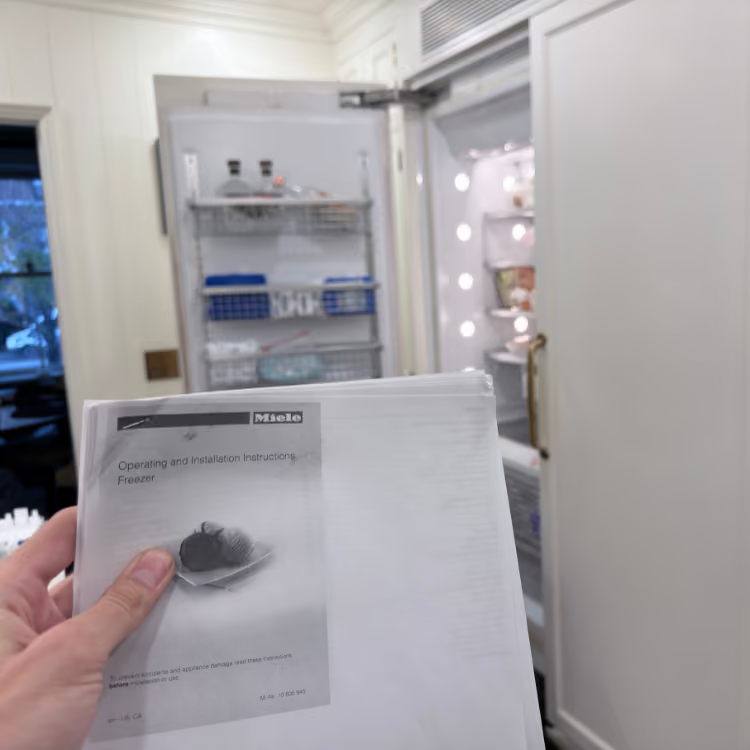
Tools/materials: Phone camera and exact Miele operating/installation instructions.
What to do:
Common mistakes:
Why it works: Closed doors, blocked transfer grilles, new cabinetry, warmer seasonal conditions, or multiple back-to-back loads can change the installation environment even if the dryer has not changed.
Tools/materials: Installation manual and notes; no improvised temperature threshold is needed.
What to do:
Common mistakes:
Why it works: More incoming water means more moisture the dryer must process. A packed or tangled load also slows moisture transfer, extending how long heat and humidity affect the room.
Tools/materials: Laundry basket and washer display.
What to do:
Common mistakes:
Medium effort: restore airflow and condensate handling
Why it works: Miele names dirty filters and, on applicable models, an overly wet lower/plinth filter as causes of poor drying. Restriction reduces heat transfer and extends the moisture-processing cycle.
Tools/materials: Exact manual, soft cloth, approved cleaning supplies, and time for complete drying.
What to do:
Common mistakes:
Why it works: A heat-pump or condenser system still needs to reject heat to the surrounding space. Miele connects obstructed intake and inadequate ventilation with drying problems.
Tools/materials: Flashlight and installation-clearance diagram.
What to do:
Common mistakes:
Why it works: A ventless dryer must move condensed water to a container or drain. A poorly seated container, crushed accessible hose, or changed drain routing can interfere with moisture removal or create leakage.
Tools/materials: Towels, flashlight, exact drain instructions.
What to do:
Common mistakes:
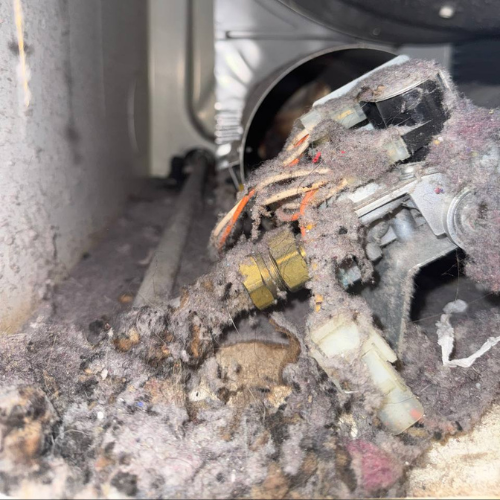
Why it works: A loose or restricted exhaust can release warm moist air indoors and leave clothes damp.
Tools/materials: Flashlight; qualified vent service for concealed or shared routes.
What to do:
Common mistakes:
High effort: one controlled comparison and escalation
Why it works: After correcting load, filter, intake, container/drain, or accessible vent conditions, one comparable cycle can show whether humidity and drying improve.
Tools/materials: Cycle log and phone camera.
Record:
Common mistakes:
Why it works: Service may need to confirm blower airflow, heat-pump or heater performance, temperature feedback, evaporator/condenser heat transfer, condensate pumping, seals, and control behavior. Those are internal and platform-specific.
Tools/materials: Model/serial, installation photos, room pattern, cycle log, display photos, and filter/drain work already done.
Common mistakes:
Some room heat can be normal, especially for ventless operation. Warmth combined with rising humidity and damp laundry calls for checks of room ventilation, filters, intake, and moisture handling.
First confirm whether the model is connected to a drain. If it normally uses the container and behavior changed, check seating and follow the exact manual; a repeat needs condensate-path diagnosis.
On applicable models, an overly wet or restricted lower filter can impair airflow and drying. Clean and dry it only according to the exact model instructions.
T1 heat-pump dryers are ventless. They still require specified room-air openings, clearances, filters, and condensate handling.
No. That releases heat, lint, and moisture indoors and is not a suitable homeowner test.
Not necessarily; it can be room humidity condensing on a cool surface. Liquid coming directly from the dryer, hose, or container is a leak and should be traced safely.
The room may be accumulating heat/humidity, filters or airflow may be restricted, or the appliance may be losing heat-transfer efficiency as it runs. Record the pattern for diagnosis.
No. Room ventilation, load water, filters, condensate routing, seals, and exhaust leakage can create similar behavior. Internal measurements are needed before naming a component.
A dehumidifier may change room comfort but should not substitute for correcting a leaking vent, blocked intake, condensate fault, or abnormal appliance behavior.
Provide model/platform, installation photos, program/load, room timing pattern, end dampness and temperature, container/drain behavior, visible condensation or leak location, and exact warning photos.
Miele residential requests are considered in Brooklyn, Manhattan below 96th Street, and selected Queens routes; stacked, panel-ready, and built-in access conditions are checked with the exact address.


Technician experience standard: 4+ years of hands-on appliance repair per technician; senior technicians bring 8 and 16 years. Miele intake starts with the data plate, platform, program, message, failed stage, and stacked or built-in access. Independent service; no current manufacturer authorization implied.

