
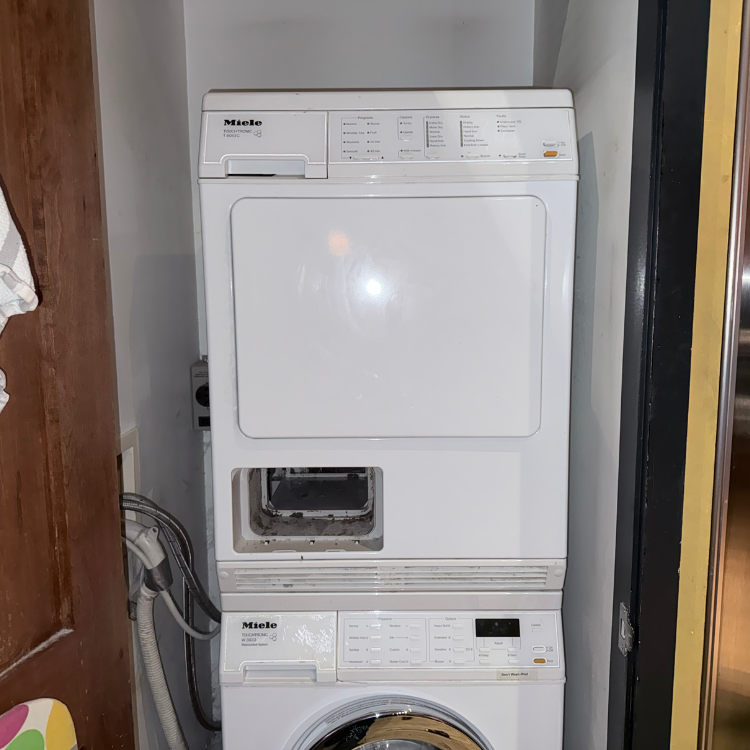

Miele Dryer Not Heating: Model-Aware Safe Checks
If a Miele dryer tumbles but the load stays cold, confirm the heated program and exact vented, condenser, or T1 heat-pump platform before service.
If a Miele dryer tumbles but the load stays cold, confirm the heated program and exact vented, condenser, or T1 heat-pump platform before service.
Treat a Miele dryer as “not heating” only when a normal load remains cold on a confirmed heated program. First identify the exact model and whether it is vented, condenser, or T1 heat-pump; then record the display, check the breaker once, clean and fully dry the filters assigned to owner care, and keep the documented intake or exhaust route open. If the load still stays cold, stop—heater, heat-pump, refrigerant, sensor, safety-circuit, and control checks are model-specific service work.
Miele has used more than one dryer platform in the U.S. An older vented machine sends moist air through a duct and may use an electric heat source. A condenser design removes water inside the appliance. A T1 heat-pump model transfers heat through a refrigerant circuit and normally dries at lower temperatures than a conventional vented dryer.
That means “it does not feel hot” is not yet a diagnosis. The useful symptom is whether an ordinary damp load remains cold during a program that the exact manual identifies as heated. If the load becomes warm but stays damp, use the broad Miele not-drying or humid-room path. If it becomes abnormally hot and the dryer stops, use the overheating path. If F13, F18, F55, or a filter/airflow warning appears, preserve the exact message and follow its dedicated guidance.
Miele’s public support guidance for drying problems emphasizes program choice, load conditions, washer spin, clean/dry filters, and ventilation. It does not support naming one universal “no heat” part across all platforms. A T1 does not have the same diagnostic heat path as an older vented electric model.
Stop and disconnect power only by the normal user-accessible method if it is safe to do so when you smell burning, see smoke, hear arcing, find a hot/discolored plug or receptacle, or see water near electrical parts. Leave a breaker off if it trips again after one normal reset. Do not open panels, probe the receptacle, bypass a thermal device, or access a refrigerant system.
A cabinet or laundry load that becomes abnormally hot is not proof that the dryer has “no heat.” It is an overheating symptom and should not be run again until airflow and temperature control are evaluated.
Photograph the model/serial label, selected program, all options, and complete display. Use a normal, well-spun, fabric-safe load. Record whether the dryer never creates warmth, warms briefly and then goes cold, ends early, or continues for a long time. One controlled comparison is enough.
Do not judge by placing a hand on hidden metal, blocking an intake, running without filters, or opening the door repeatedly. Those actions can change the cycle and create risk.
Low effort: program, load, and display
Why it works: Timed air, cool, smoothing, or special-care behavior may not match the heat expected from a normal drying program. A heat-pump dryer may also feel gentler while still transferring heat.
Tools/materials: Exact operating manual and textile-care labels.
What to do:
Common mistakes:
Why it works: An overloaded or poorly spun load may remain damp enough to be described as “cold” even when limited heat is present. Miele identifies incoming laundry moisture and washer spin in drying guidance.
Tools/materials: Washer display and laundry basket.
What to do:
Common mistakes:
Why it works: A filter warning, code, short cancellation, or maximum-time result distinguishes no heat from airflow, sensor, load, or condensate behavior.
Tools/materials: Phone camera and notes.
Record:
Common mistakes:
Medium effort: power and owner-care airflow
Why it works: The dryer may have control operation while supply conditions for heating are not correct. A visible breaker state is a safe first clue; electrical measurement is not.
Tools/materials: Clearly labeled electrical panel.
What to do:
Common mistakes:
Why it works: Miele links dirty filters and an overly wet lower/plinth filter to unsuccessful drying. Airflow protection can affect heat transfer and cycle behavior.
Tools/materials: Exact model manual, soft cloth, and approved filter-cleaning materials.
What to do:
Common mistakes:
Why it works: A vented model needs an open exhaust. A heat-pump or condenser model needs clear room-air openings and its documented internal moisture path. Restriction can lead to low performance or protection behavior.
Tools/materials: Installation manual and flashlight.
What to do:
Common mistakes:
High effort: preserve the right service question
Why it works: Never warming and warming briefly before going cold suggest different failed stages. Timing, airflow warnings, and repeat-load behavior help distinguish heat generation from protection or feedback.
Tools/materials: Cycle log.
What to record:
Common mistakes:
Why it works: Internal testing may need to confirm electrical supply under load, heat-source operation, blower airflow, temperature feedback, safety circuits, control output, or a sealed heat-pump system. Those checks differ fundamentally by platform.
Tools/materials: Model/serial photos, platform, cycle evidence, display photos, and owner-care history.
Common mistakes:
First verify a heated program and exact platform. If a normal load stays cold after breaker, filter, and documented airflow checks, internal heat-system diagnosis is needed.
Yes, it can operate at lower temperatures than a conventional vented dryer. Judge it by the program result and model guidance, not by comparison with an older dryer.
On applicable models, an overly wet or restricted lower filter can affect airflow and drying behavior. Clean and dry it only as the exact manual instructs.
One normal reset may be reasonable if it is clearly tripped and there are no safety signals. If it trips again, leave it off and arrange electrical/appliance diagnosis.
No. Settings, supply, airflow protection, temperature feedback, heat generation, and control behavior can produce the symptom. The platform determines which parts even exist.
No. Those are displayed fault codes that require their own model-aware meaning and decision path. Record the display and use the dedicated code guidance.
Use the Miele not-drying-correctly or humid-room path. Warm-damp behavior puts load, washer spin, filters, airflow, room conditions, and moisture removal ahead of continuous no heat.
Only perform the exact owner-care procedure in the model manual. Some heat exchangers are not designed for owner removal, and fins can be damaged easily.
At most one controlled retry after correcting safe external conditions. Do not repeatedly run a tripping, overheating, leaking, or faulting dryer.
Provide model/serial, platform, program/options, whether heat ever appears, load temperature, code photos, breaker history, room conditions, and filter/airflow care completed.
Miele residential requests are considered in Brooklyn, Manhattan below 96th Street, and selected Queens routes; stacked, panel-ready, and built-in access conditions are checked with the exact address.
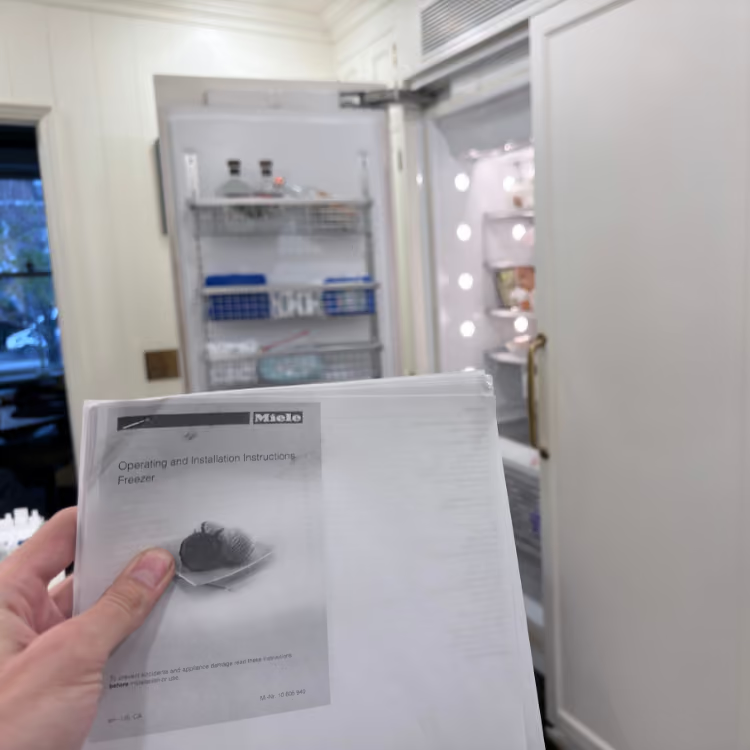
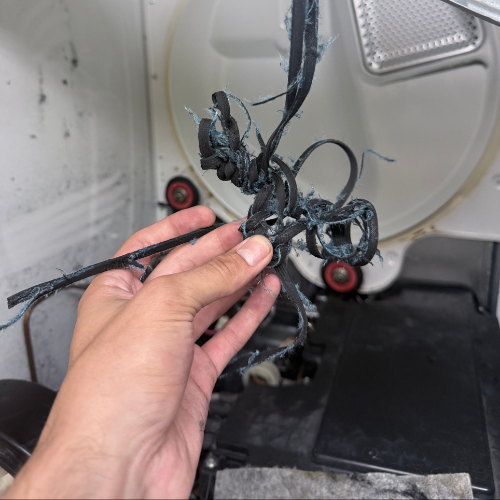

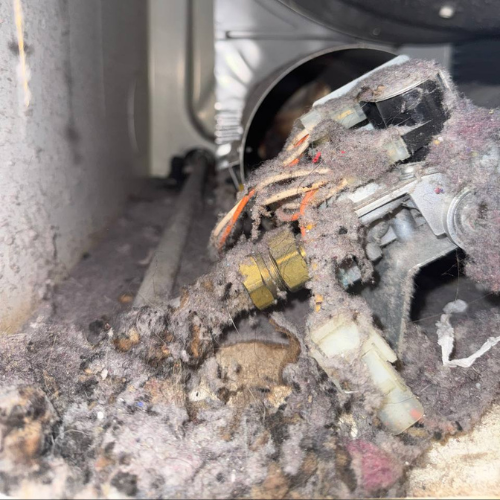

Technician experience standard: 4+ years of hands-on appliance repair per technician; senior technicians bring 8 and 16 years. Miele intake starts with the data plate, platform, program, message, failed stage, and stacked or built-in access. Independent service; no current manufacturer authorization implied.

