

Miele Ice Maker Not Working: Safe Checks
For a Miele ice maker that stops producing ice, verify the exact model, freezer condition, ice-maker setting, drawer, water supply, and filter.
For a Miele ice maker that stops producing ice, verify the exact model, freezer condition, ice-maker setting, drawer, water supply, and filter.
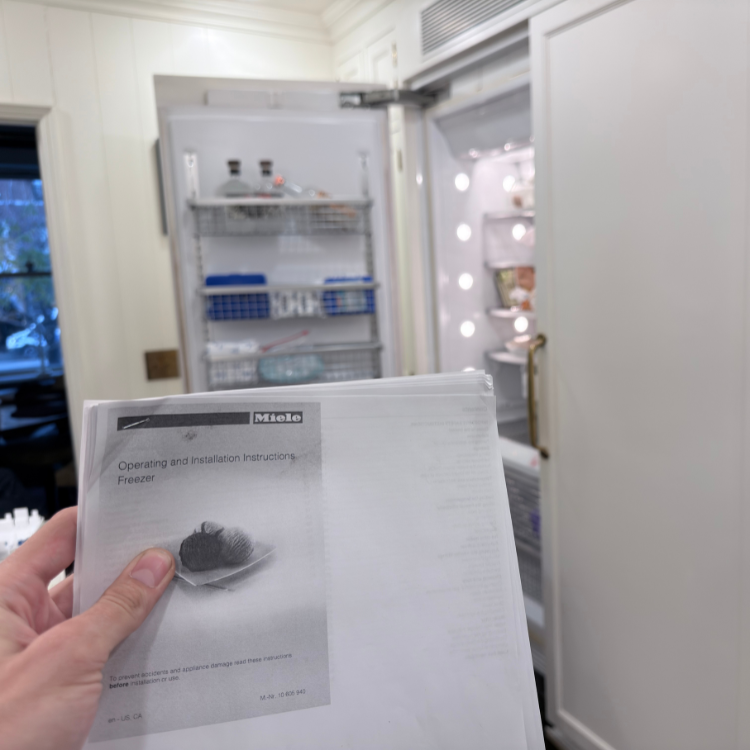
If a Miele ice maker is not working, identify the exact refrigerator-freezer or MasterCool model before changing controls because the switch, drawer, filter, and setup procedures vary. Confirm that the freezer and ice maker are on, the freezer is cold, the ice drawer is fully seated, and the accessible water supply or filter has not been interrupted. Stop if water leaks, food is thawing, ice is bonded around the mechanism, or the next step requires moving the built-in unit or opening a panel.
A Miele ice maker needs a stable freezer temperature, an enabled control, a correctly recognized drawer or container, an available water supply, and a successful fill-and-harvest cycle. The result “no ice” can come from any of those stages. It does not prove the ice maker assembly or water valve has failed.
Miele products sold under the same brand can use very different ice-making arrangements. An older integrated refrigerator-freezer, a newer built-in MasterCool product, and a freestanding unit may have different control symbols, water filters, first-use procedures, drawer sensing, and owner-cleaning functions. The model number on the appliance and its matching U.S. operating instructions are therefore part of the diagnostic path, not an optional detail.
Before changing anything, observe:
These observations separate an interrupted supply from a control, temperature, drawer, or internal-cycle problem without exposing the homeowner to moving mechanisms, plumbing fittings, or energized components.
Low effort: confirm model, control, and freezer condition
Why it works: Miele manual steps are tied to product platform and model. A symbol or menu sequence from another product may switch a different function or provide a misleading result.
Tools/materials: Phone camera and the Miele U.S. manual lookup.
What to do:
Common mistakes:
Why it works: The freezer can have power while the ice-making function is disabled in a menu. On some configurations, a special operating mode or drawer condition also affects production.
Tools/materials: Exact operating guide.
What to do:
Common mistakes:
Why it works: Ice making may pause when the freezer is too warm. A recent warm load, door gap, power interruption, or blocked interior area can affect the ice maker before all food visibly thaws.
Tools/materials: Flashlight, display photo, and an appliance thermometer only if the manual provides a method.
What to do:
Common mistakes:
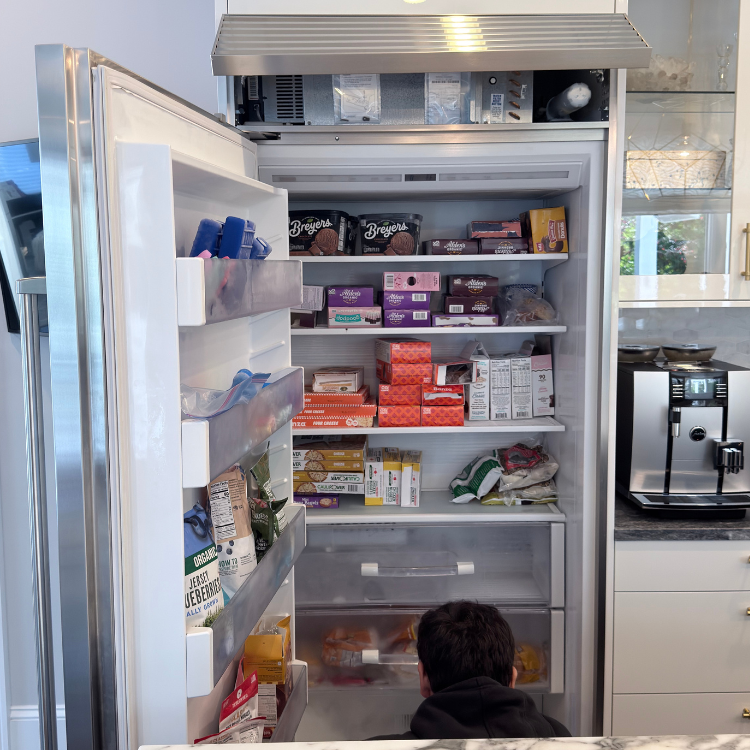
Why it works: The ice maker may depend on the correct drawer position and adequate space for cubes to drop. A full, tilted, frozen-together, or incompletely seated drawer can interrupt normal operation.
Tools/materials: Dry towel and flashlight.
What to do:
Common mistakes:
Medium effort: verify water delivery and visible conditions
Why it works: Ice production can stop after installation, building plumbing work, appliance service, or cabinet work if the water supply remains closed or restricted.
Tools/materials: Installation documentation and flashlight.
What to do:
Common mistakes:
Why it works: Where a filter is part of the ice-maker supply, incorrect installation, restriction, or air after replacement may affect water delivery. Other models use a different or external arrangement.
Tools/materials: Exact filter specification and manual.
What to do:
Common mistakes:
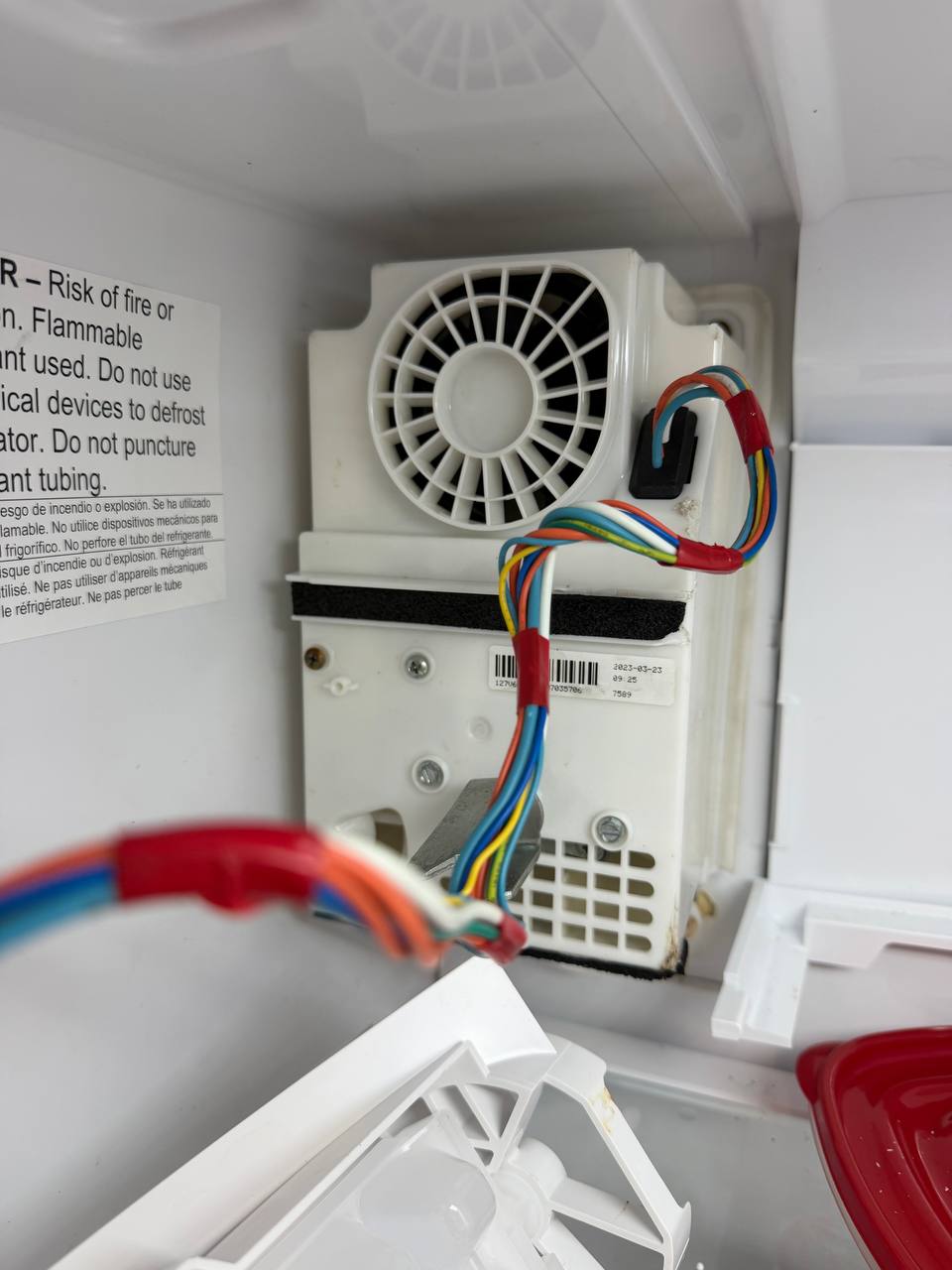
Why it works: A visible frozen obstruction, cubes left in the mold, or a dry mold helps locate the stopped stage. It does not authorize disassembly.
Tools/materials: Flashlight and phone camera.
What to do:
Common mistakes:
High effort: one controlled recovery and model-specific service
Why it works: The first batch can be delayed after the freezer warms, water is restored, a filter is changed, or the ice maker is enabled. A single controlled wait distinguishes recovery from a persistent fault.
Tools/materials: Clock and symptom log.
What to do:
Common mistakes:
Why it works: Useful diagnosis must distinguish water availability, fill control, freezer temperature, drawer sensing, and harvest operation. A part name chosen from “no ice” skips those checks.
Tools/materials: Model/serial photo, manual, display photo, drawer and visible-mold photos, filter record, and event timeline.
Report:
Common mistakes:
For water near an outlet or cord, do not touch a wet plug or stand in pooled water. Close the known water shutoff and switch off the correct circuit only when each control is dry and safely accessible; otherwise obtain emergency building or professional assistance.
A changed control, warm freezer, unseated drawer, interrupted water supply, filter problem, or internal fill/harvest fault can stop production. Check recent events first.
It varies by model and platform. Use the exact operating instructions for the control-panel symbol, menu, or switch location.
Use the first-use and troubleshooting timing in the exact manual. Starting temperature, water restoration, filter work, and model design affect the interval.
The mold may not be receiving its expected water fill. Verify the accessible supply and filter history, then request diagnosis rather than adjusting internal valves.
If that model routes ice-maker water through the filter, an incorrect, restricted, or incompletely seated filter can affect production. Not every configuration uses the same filter path.
Use only a documented model-specific control or power procedure and do it once. A reset will not correct a leak, warm freezer, restricted supply, or frozen obstruction.
No. Heat and water can damage the liner, tubing, wiring, and mechanism. Photograph bonded ice and request diagnosis.
It confirms some water delivery but may not prove the ice-maker branch or fill control is working correctly.
Some models require the container to sit correctly so ice can drop and the appliance can recognize an available bin condition.
Provide model and serial, display and ice-area photos, freezer temperature trend, filter and water history, last successful ice production, and any sound, frost, or leak.
Miele residential requests are considered in Brooklyn, Manhattan below 96th Street, and selected Queens routes; stacked, panel-ready, and built-in access conditions are checked with the exact address.

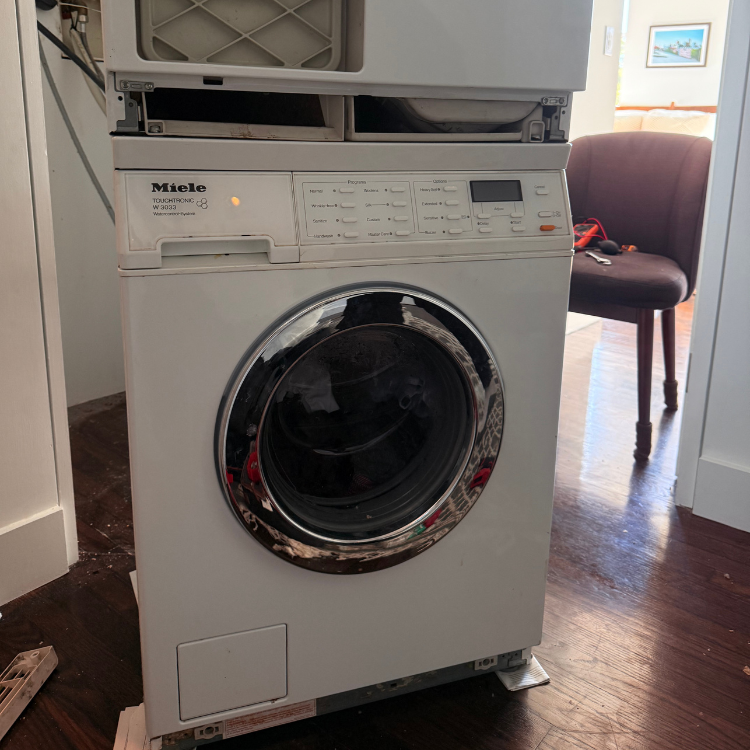
Technician experience standard: 4+ years of hands-on appliance repair per technician; senior technicians bring 8 and 16 years. Miele intake starts with the data plate, platform, program, message, failed stage, and stacked or built-in access. Independent service; no current manufacturer authorization implied.

