Separate a failed check from the closing decision
The equipment finding can identify a failed function, an incomplete test or a repair still awaiting verification. Payment, a credit, a closing delay or another agreement depends on the transaction and contract. Give the representatives the finding before they decide. A real estate attorney can review the applicable contract terms.
Before everyone leaves the apartment
- Stop if the test is unsafe. Do not continue with a loose oven door, broken glass, an active leak, electrical scorching or a tripping circuit. Smoke, fire or a suspected gas leak calls for an emergency response. For a gas odor, leave with others and call 911 or the gas utility from outside the affected area; do not use switches or a phone inside. Con Edison gas-safety guidance.
- Record what happened. Note the appliance, the setting selected, the action attempted and the result.
- State what remains unknown. Name the function that time or access prevented you from observing.
- Notify the transaction team. Send the finding promptly. Identify who will obtain a diagnosis, who can authorize access and when the next update will be available.
If the unit remains running from an authorized check, the responsible person must supervise the remaining operation and return it to its normal safe state before leaving. Do not leave an oven heating or an unattended test cycle behind.
The National Association of REALTORS® includes appliance operation, completion of requested repairs and supporting paperwork in its final walk-through checklist. A specific record helps those checks mean something. NAR: Final Walk-Through Checklist.
Describe the result in one of three ways
- Function observed: Say which function and under what conditions. “The dishwasher completed the selected cycle and drained” is more precise than “all appliances work.”
- Function not verified: Use this when a cycle was cut short, access was unavailable or the appliance had just been started under conditions that limit the check.
- Problem observed: Describe the behavior. “The dishwasher stopped before the cycle finished and displayed a warning” identifies the concern without naming an unproven failed part.
Do not erase an observation by repeatedly resetting controls. If a warning or fault is visible, preserve it before following any model-specific user instructions.
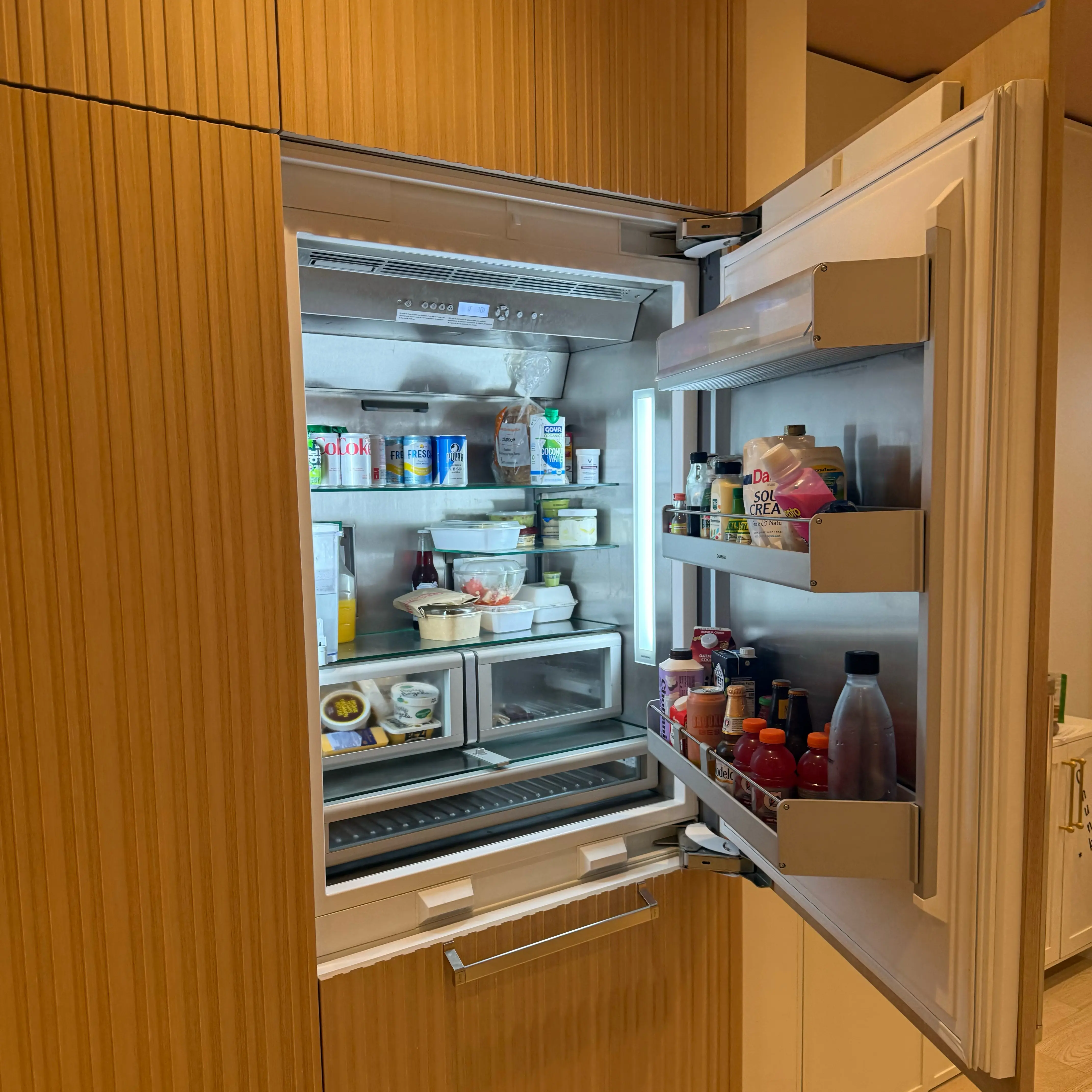
If the refrigerator was just switched on
Record the startup history, the available temperature reading and the time of observation. GE explains that a newly started refrigerator needs time to reach stable temperatures. Follow the actual model's guidance; a recently illuminated display does not settle the cooling question. If startup timing leaves the condition unresolved before closing, tell the transaction team that it remains unresolved. GE: Refrigerator Temperature Stabilization.
A factual update for the transaction team
Include the information needed for a decision, without a guessed part or a promised repair time:
- Observed: The appliance and exact behavior.
- Check completed: What was tried and what was actually observed.
- Still unknown: The function not checked or the diagnosis not yet established.
- Next action: Who is arranging an assessment and the time of the next update.
- Access: Who can let the authorized technician in.
Example message to adapt to the actual finding:
“During the walk-through, the dishwasher stopped before the selected cycle finished and displayed a warning. We did not restart it. The cause has not been diagnosed. The seller's representative is contacting a repair company and will update us once an appointment and access are confirmed.”
If assessment is needed before closing
When speaking with the repair company, describe the deadline and ask what can realistically be established by then.
- Equipment: Use the model label only if it is safely accessible.
- Scope: Ask whether the appointment is for diagnosis, an already identified repair or a follow-up functional check. Confirm who may approve additional work.
- Timing: Ask when a written finding can be provided and whether any required parts or a return visit remain uncertain.
- Building access: Confirm the apartment contact, permitted work hours and any COI or management arrangement the building requires.
For NYC access planning, the contractor COI and building-access guide explains what to coordinate.
Give each update a concrete status, such as appointment confirmed, diagnosis completed, parts ordered or repair checked. Include the next update time if work remains.
After repair, check the original complaint
- Service record: ask for the appliance identity, cause found, correction made and function checked afterward. The record should state unfinished work and test limitations.
- Door complaint: verify seating, retention and normal movement.
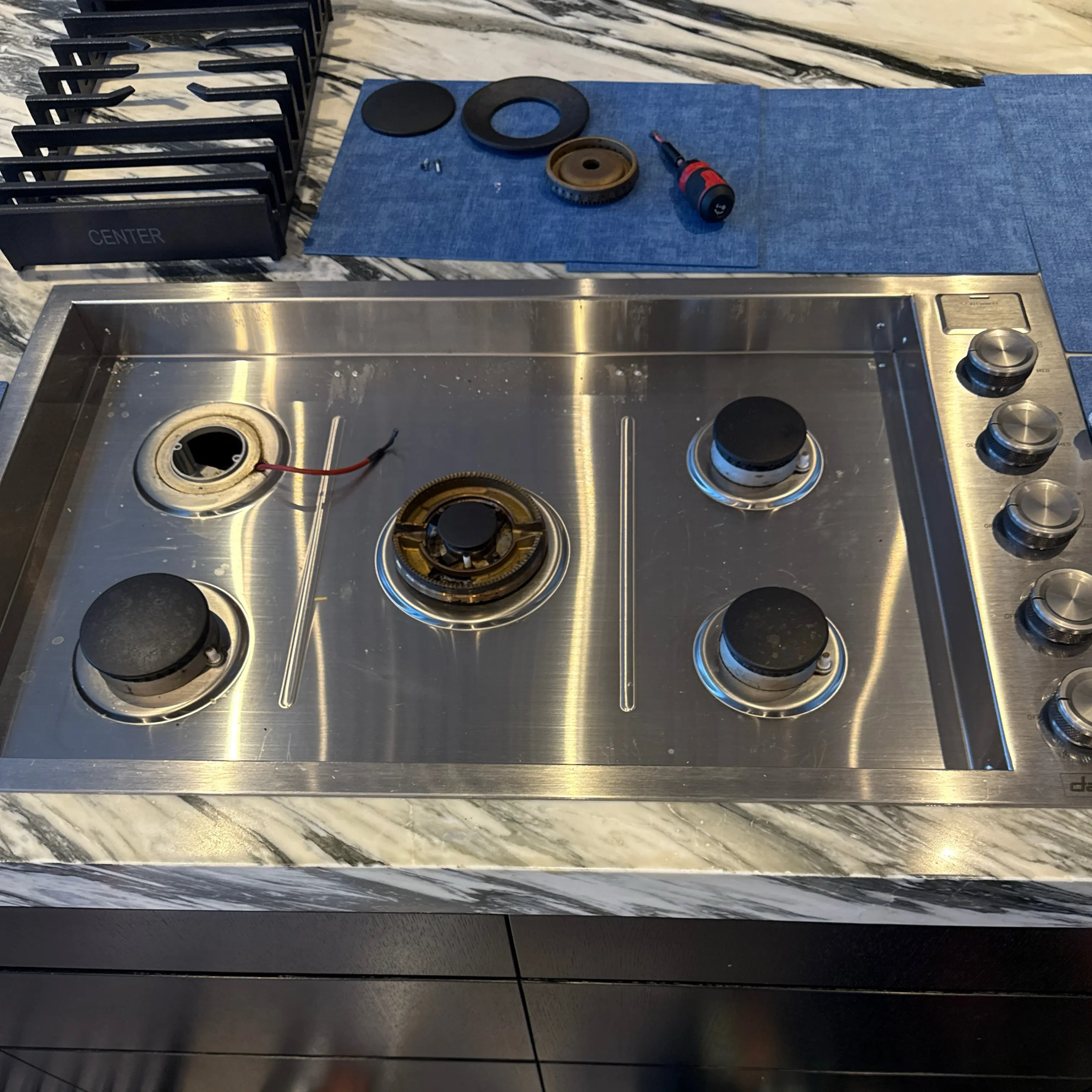
- Heating complaint: confirm heating performance.
- Dishwasher drainage complaint: obtain a relevant drain check; an illuminated control panel does not demonstrate drainage.
- Paperwork and remaining work: retain the service record and applicable parts or warranty paperwork. If work cannot be completed or verified in time, report that limitation before the parties decide.
Match the appliance and paperwork to the agreed work
- Included appliance: check that the unit included in the sale is still present. If it was replaced after the inspection, identify the replacement rather than describing the original machine as repaired.
- Invoice identity: compare the appliance named on the service invoice with the one in the apartment, and give any mismatch to the transaction representatives.
- Repair promised: compare the written repair request with the work described on the invoice and the function observed now.
- Replacement reported: record which unit is present and whether its normal operation was checked. A delivery receipt alone does not establish that installation and operation were verified.
- Documents missing: identify the missing paid bill, warranty or instruction manual and who will obtain it. Keep this as an outstanding item rather than assuming the paperwork exists.
NAR final walk-through checklist.


.avif)




.avif)