
NYC Washer/Dryer Repair: Landlord or Tenant?
Use ownership, lease, cause, building-system, access, warranty, and written authorization records to coordinate washer or dryer repair in an NYC rental.
Use ownership, lease, cause, building-system, access, warranty, and written authorization records to coordinate washer or dryer repair in an NYC rental.
In an NYC rental, do not decide “landlord pays” or “tenant pays” from the broken appliance alone. First document who owns and installed it, what the lease or appliance agreement says, whether tenant action or a building system contributed, and who can authorize diagnosis and repair. Handle active leaks, gas odor, smoke, overheating, or electrical danger immediately, then keep all notices, access approvals, estimates, and decisions in writing.
A payment or lease disagreement must not delay basic safety steps.
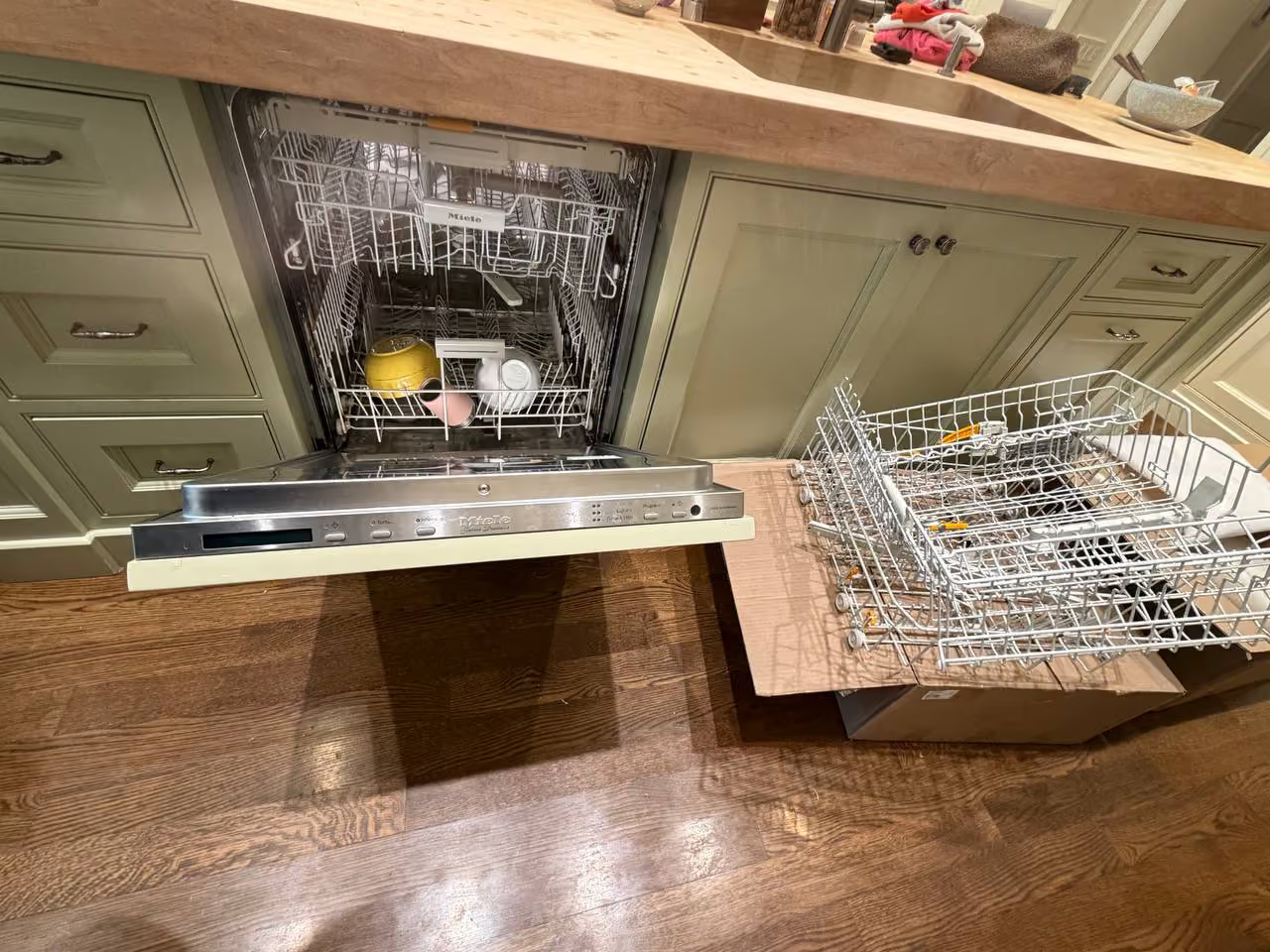
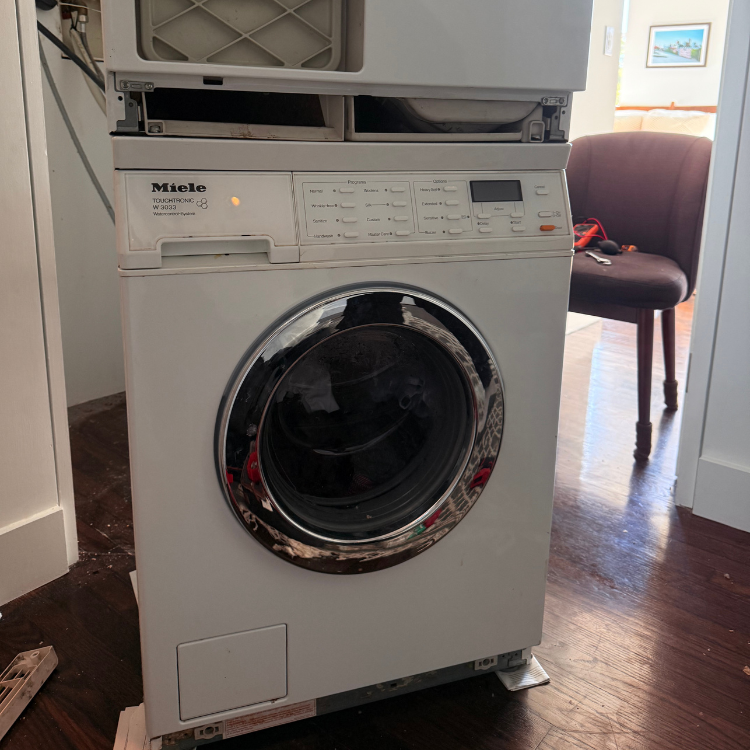
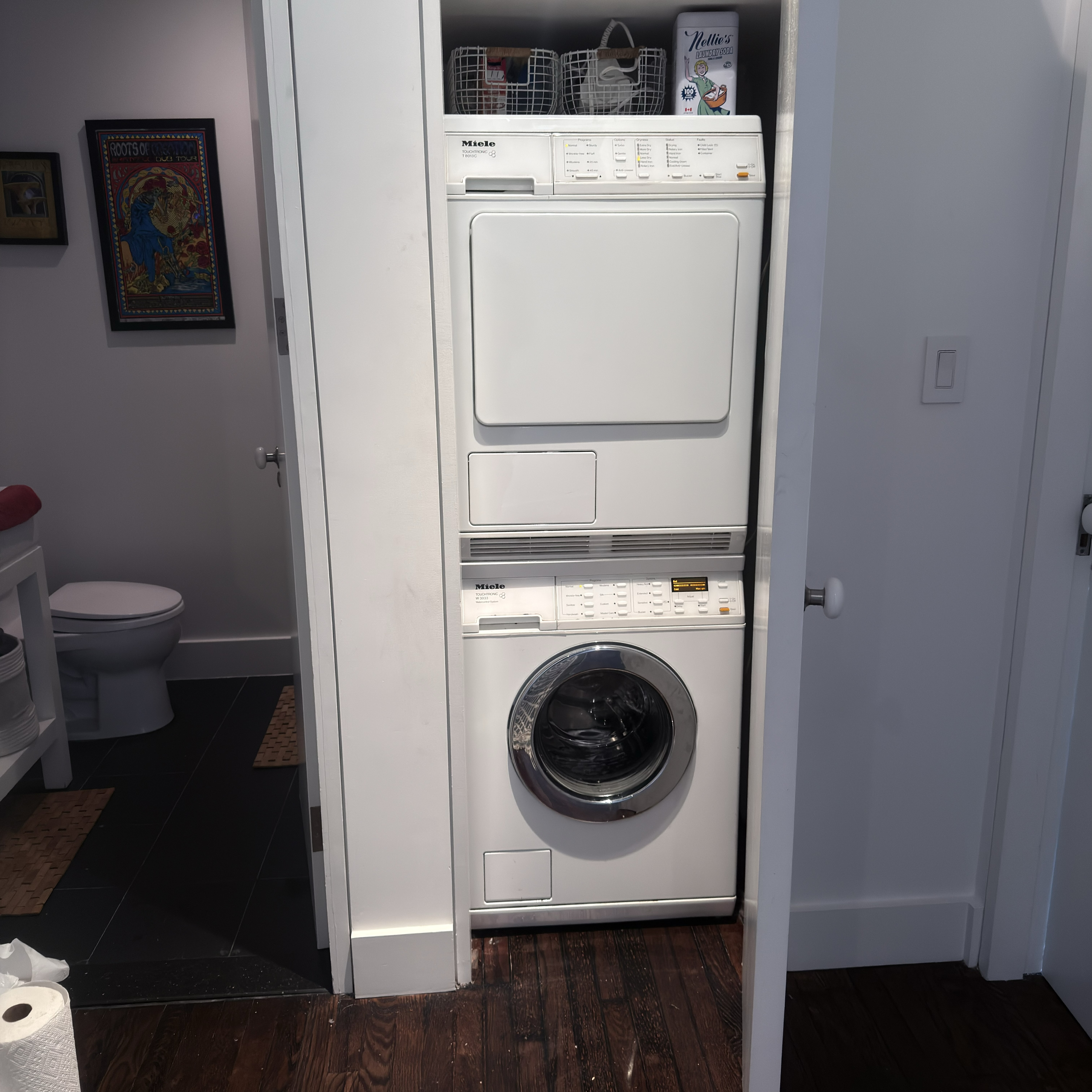
Do not authorize destructive access, unstacking, gas work, building-duct work, or replacement during the emergency unless the person giving approval has authority to do so. Stabilizing risk and approving the permanent repair are separate decisions.
Several different questions are often collapsed into “Who is responsible?”:
Use the Owner–Lease–Cause–System–Access record. No single factor decides every case.
The New York Attorney General’s tenant guide states that leases define the parties’ contractual terms and that landlords of multiple dwellings must maintain landlord-installed appliances and building electrical, plumbing, sanitary, heating, and ventilating systems in good and safe working order. It also explains that tenant-caused conditions can change responsibility. Those principles do not decide a specific washer or dryer dispute without the lease and facts.
This is practical coordination information, not legal advice. When the parties disagree about legal responsibility, use an appropriate NYC housing or legal resource rather than asking a repair technician to interpret the lease.
Low effort: establish the factual record
Why it works: A landlord-supplied appliance, tenant-owned portable unit, prior-tenant appliance, and appliance installed under a written agreement do not begin with the same responsibility assumptions.
Tools/materials: Lease, riders, move-in inventory, purchase receipt, listing, photos, and appliance agreement.
What to record:
Common mistakes:
Why it works: Responsibility can change when the cause is a building standpipe, wall valve, circuit, gas supply, or shared vent rather than an internal appliance condition.
Tools/materials: Model/serial photo, display photo, notes, and short safe video.
What to record:
Common mistakes:
Why it works: Written notice creates a time-stamped record of the condition, safety action, access availability, and request. It also prevents multiple people from booking conflicting work.
Tools/materials: Email, resident portal, or other lease-approved notice method.
Include:
Common mistakes:
Medium effort: assign diagnosis and approval roles
Why it works: Permission to inspect does not automatically authorize parts, unstacking, building work, or replacement. A transparent sequence avoids surprise charges and disputed work.
Tools/materials: Written work authorization and contact list.
Confirm in writing:
Common mistakes:
Why it works: FTC guidance emphasizes reading the written warranty, coverage, exclusions, claim process, and available remedy before paying for work. A service contract is separate from a warranty.
Tools/materials: Receipt, warranty, serial number, retailer record, and prior claim history.
What to do:
Common mistakes:
Why it works: A repair company may handle the appliance but not a clogged shared drain, failed receptacle, gas supply, concealed dryer duct, roof fan, or building shutoff.
Tools/materials: Building plans or records when available, management contact, and technician’s written findings.
What to establish:
Common mistakes:
High effort: coordinate NYC access and unresolved responsibility
Why it works: Even a repair approved by the appliance owner can fail when the contractor lacks the building’s COI language, work-hour approval, elevator reservation, floor protection, or access escort.
Tools/materials: House rules, management email, COI sample, and appointment details.
Confirm:
Common mistakes:
Why it works: A disputed bill or delayed response does not make bypassing locks, moving gas equipment, withholding rent, or making an unauthorized alteration safe or legally sound.
Tools/materials: Complete written timeline, lease documents, photos, estimates, and official housing/legal contacts.
What to preserve:
Common mistakes:
Use appliance service to establish technical facts. Use building management to control building systems and access. Use an official housing resource or attorney for disputed legal responsibility.
No universal answer follows from the symptom alone. Ownership, installation, lease terms, cause, building-system involvement, and applicable housing rules must be reviewed.
Document that fact with the lease, listing, move-in inventory, and photos. It is relevant, but the written terms and actual ownership still matter.
You may own the appliance, but installation permission and building water, drain, power, gas, and vent rules still apply. Do not alter those systems without authorization.
That should be agreed in writing before the visit when no emergency prevents it. Diagnostic authorization and final repair approval are separate.
The technician can document technical cause and scope. Lease interpretation and legal responsibility belong to the parties or qualified legal/housing resources.
The New York Attorney General’s guide explains that emergency conditions such as fire or water leak can permit entry without ordinary prior notice. Specific facts and rules should be handled through appropriate housing guidance.
Document the appliance airflow finding and identify whether the duct is private or shared. Management normally controls access to roofs, façades, shafts, and shared mechanical systems.
Do not assume that remedy is available. The Attorney General’s guide describes limited circumstances and legal risk; obtain qualified guidance before withholding or deducting rent.
Many NYC buildings require contractor insurance documentation before entry or work. The building sets the wording, recipient, and submission process.
Agree on the exact symptom, access, diagnostic authorization, who receives findings, estimate approval authority, spending limit, building-system escalation, warranty/recall handling, and documentation required.