

.avif)


Park Slope Appliance Repair
This page covers appliance repair requests in Park Slope, Gowanus, Cobble Hill, Carroll Gardens, Red Hook, Greenwood Heights, Windsor Terrace, and Kensington. These eight names are grouped for service navigation, not presented as one official district or one building type. Neighborhood boundaries may overlap, so the exact address and unit determine routing.
- Park Slope
- Gowanus
- Cobble Hill
- Carroll Gardens
- Red Hook
- Greenwood Heights
- Windsor Terrace
- Kensington
Use the Brooklyn appliance repair page for borough-wide service information or the Brooklyn service-area hub to compare regional pages.
Complete the Route-Level-Surface Check
The useful preparation is not a general description of the neighborhood. It is a three-part description of the actual path to the appliance.
1) Route: how the appliance is reached
Describe the path from the building entrance to the appliance. Include a narrow doorway, tight turn, interior stair, gated entrance, separate garden entrance, or restricted loading location only when it applies. A clear photo of an unusual turn is more useful than guessing whether access will be difficult. If an opening is safely accessible, an approximate width can help, but do not remove doors, panels, railings, plumbing, or appliance connections.
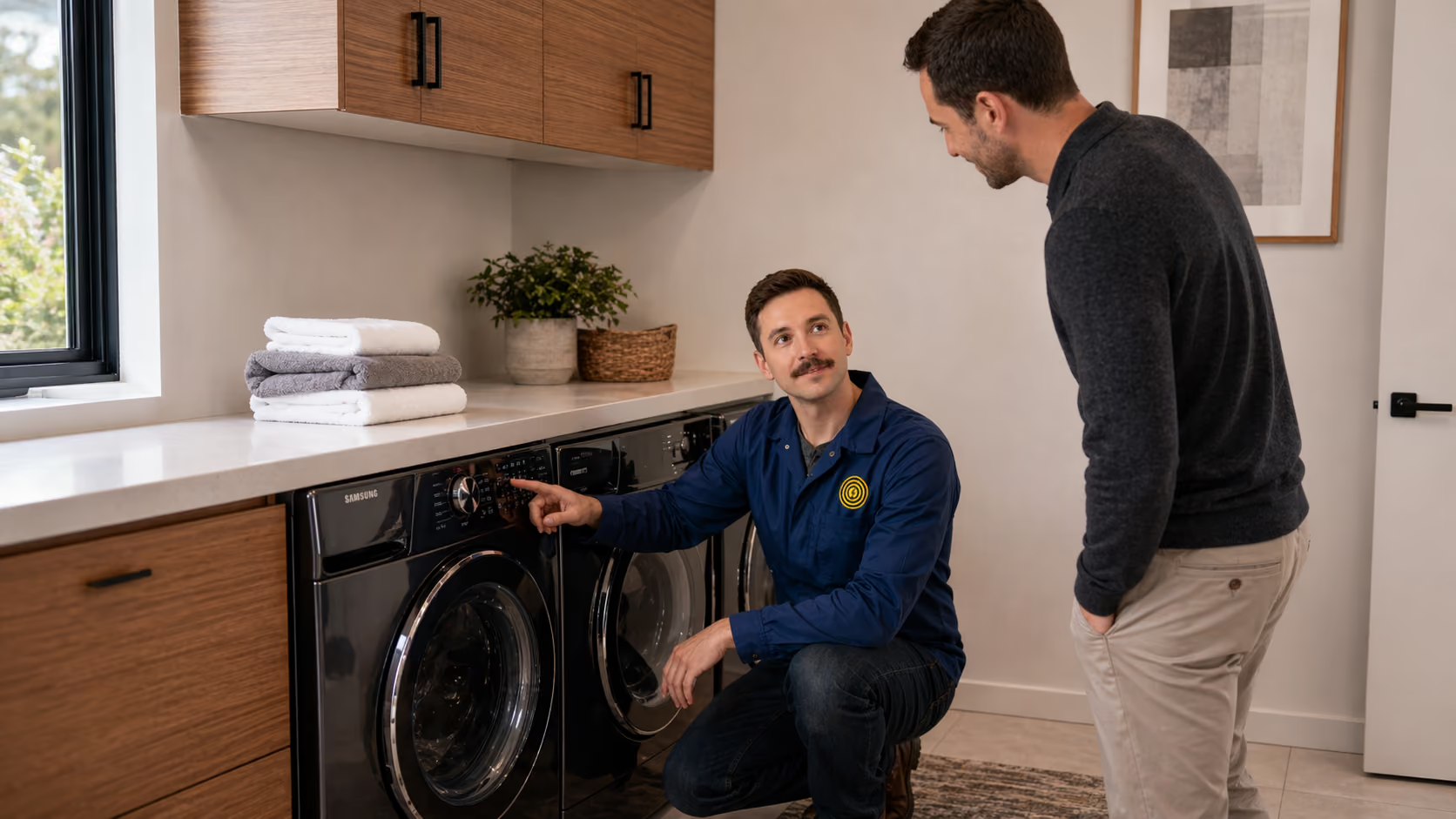
The appliance may remain in place while diagnostic equipment still needs the same route. Identify a key holder, resident, superintendent, or other person who can provide entry. If the property requires advance vendor approval, a COI, front-desk authorization, or an elevator reservation, send its current instructions; requirements vary by address.
2) Level: where the appliance sits
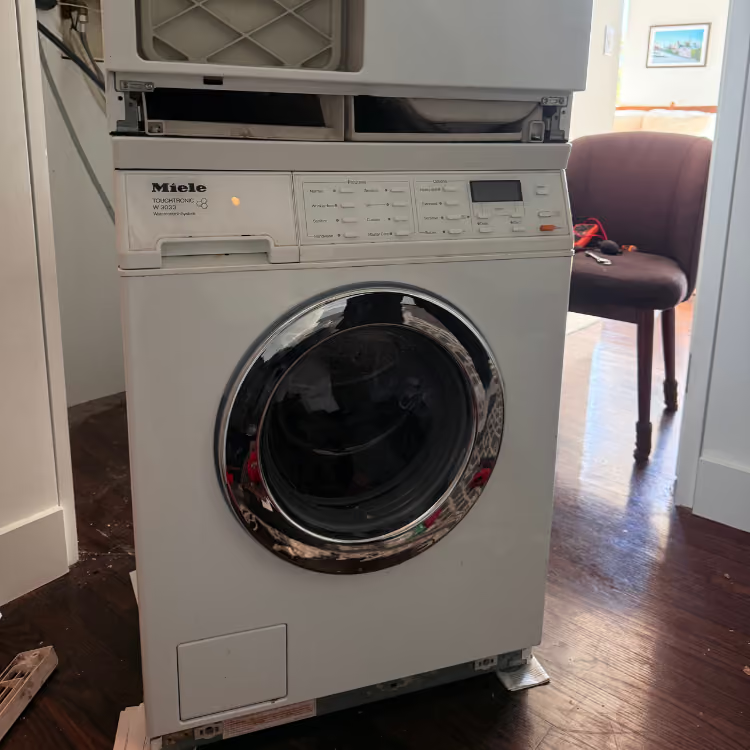
State the floor and the appliance's actual location. “First floor” may not explain a garden-level laundry room, a lower level reached by an interior stair, a rear room, or an upper-floor unit without elevator access. For laundry, say whether it is in the apartment, a private lower level, or a shared room. For a kitchen appliance, note whether it is on the entry level and whether stairs or an elevator are part of the route.
Leave connected equipment in place. Moving a washer, dryer, range, or refrigerator can damage a hose, cord, floor, gas connection, or surrounding cabinetry. Describe the current location and let the manager identify any remaining access question.
3) Surface: what needs to remain protected
If the approach or work area has finished wood, stone, tile, a high threshold, a runner, a recently refinished floor, or tightly fitted cabinetry, mention it. The point is to identify the surface, not to claim every repair requires appliance removal. Clear small loose objects from an accessible path when safe, but do not build a slippery route with improvised coverings or detach trim and cabinetry.
Coverage Is Confirmed by Address
The eight neighborhoods cross multiple New York City community-board areas. Park Slope, Gowanus, Cobble Hill, Carroll Gardens, and Red Hook appear under Community Board 6; Windsor Terrace appears under Community Board 7; Kensington appears under Community Boards 12 and 14. Greenwood Heights is used here as a familiar service-navigation label. The NYC Brooklyn community-board directory supports the geography, but the booking decision still uses the exact service address.
Describe the Symptom, Not a Suspected Part
- Refrigerator: state which compartment changed, whether frost, water, noise, or a display changed, and when it began.
- Dishwasher: report whether it will not start, stops, leaves water, leaks, or finishes with poor cleaning or drying.
- Washing machine: identify whether it will not fill, drain, spin, unlock, or complete the cycle and where visible water appears.
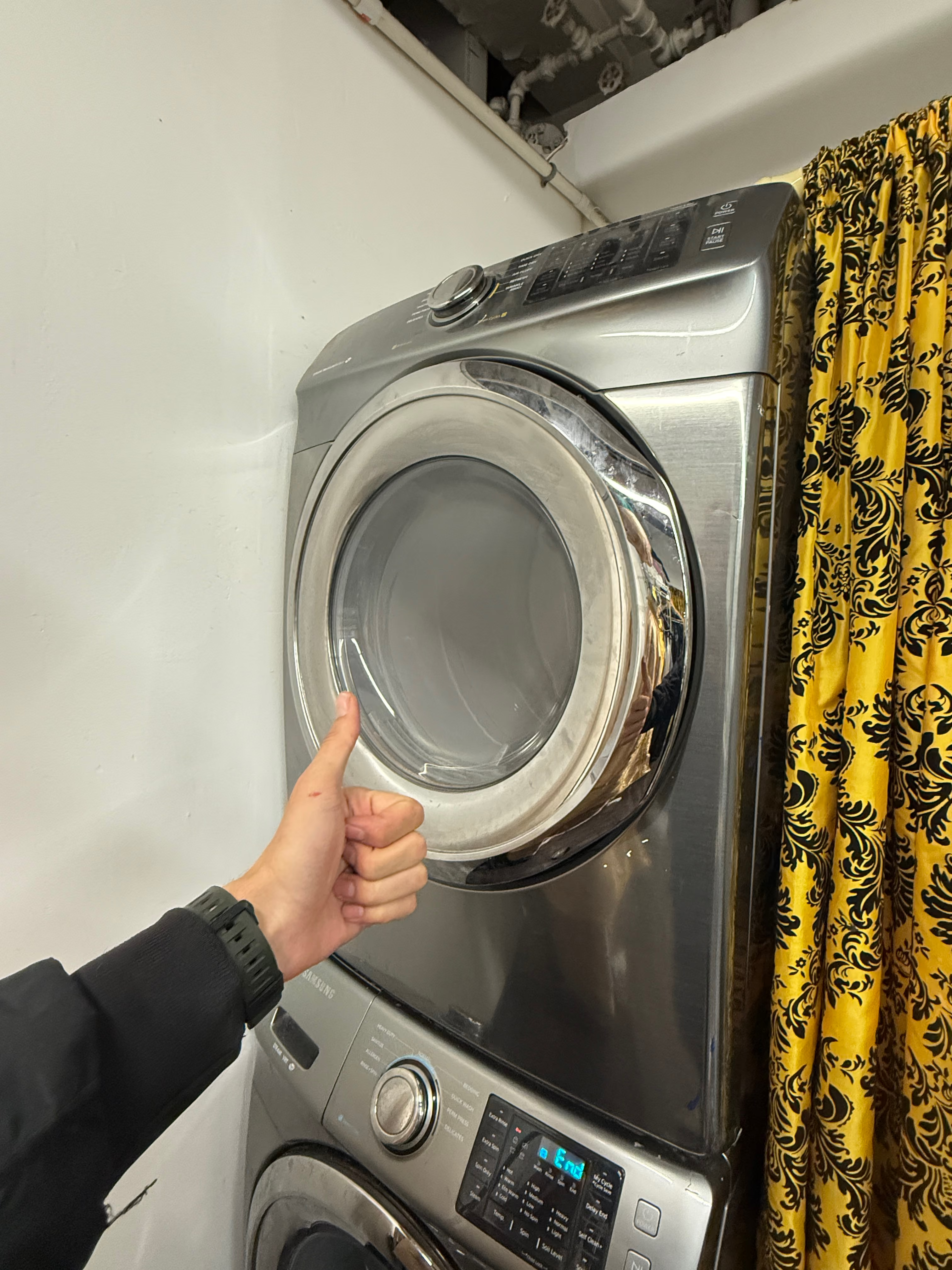
- Dryer: say whether it tumbles, heats, takes longer, stops early, or produces a new sound or odor.
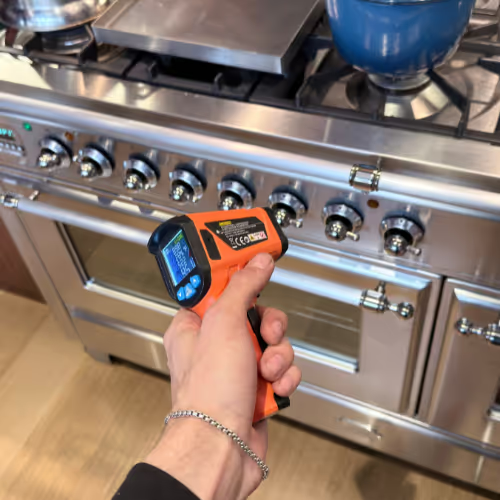
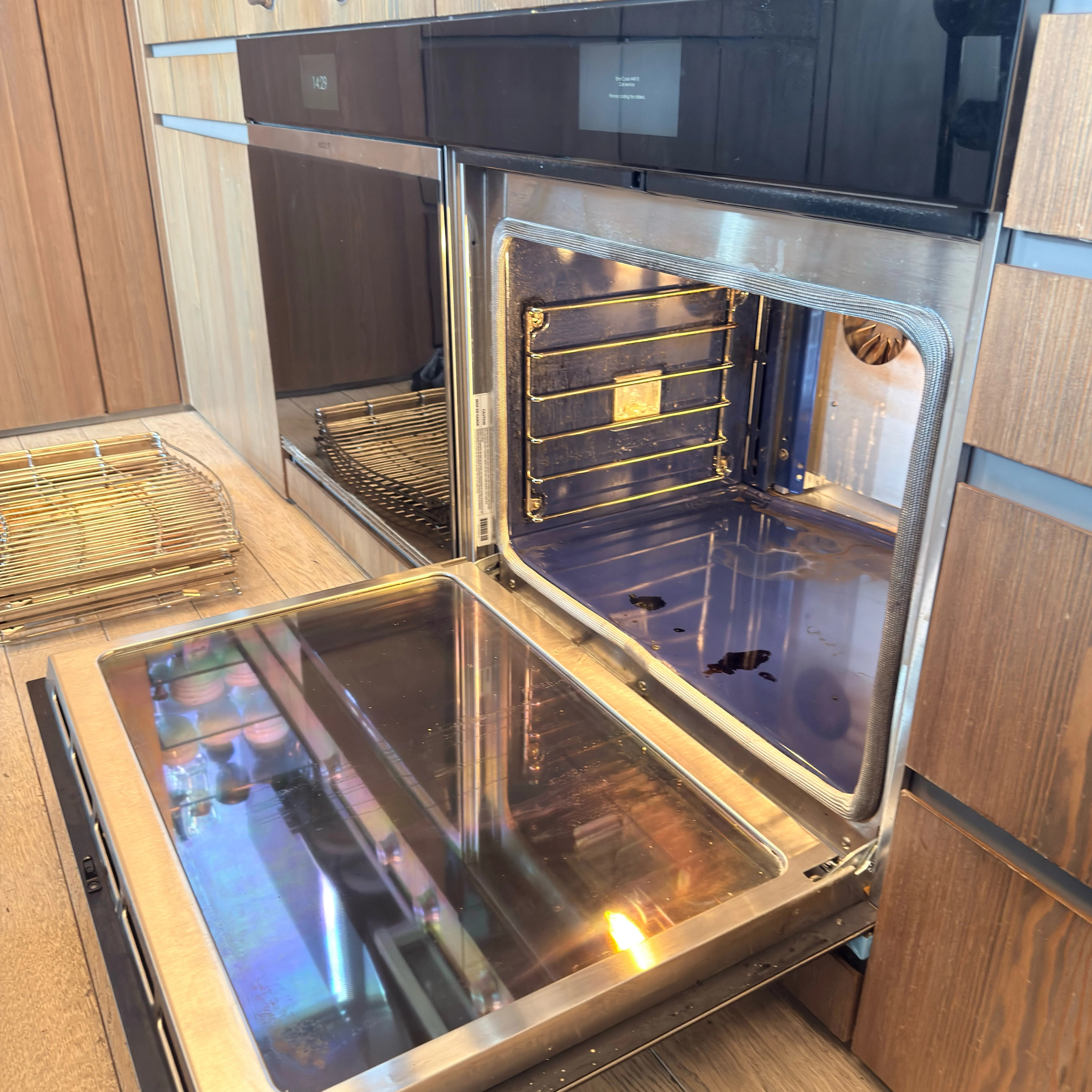
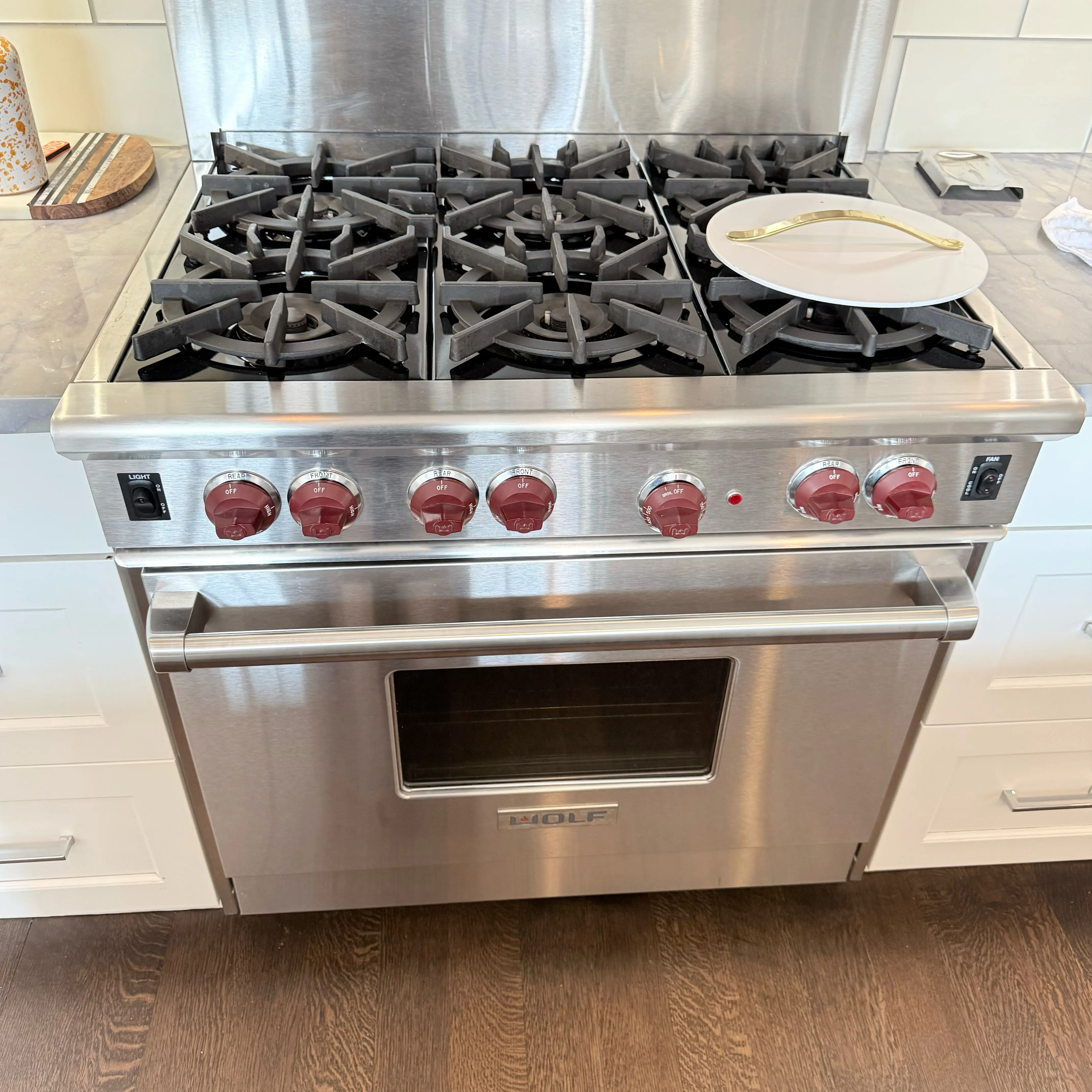
- Range or oven: name the fuel type when known, the surface burner or oven mode involved, and what happens during ignition, preheat, or control input.
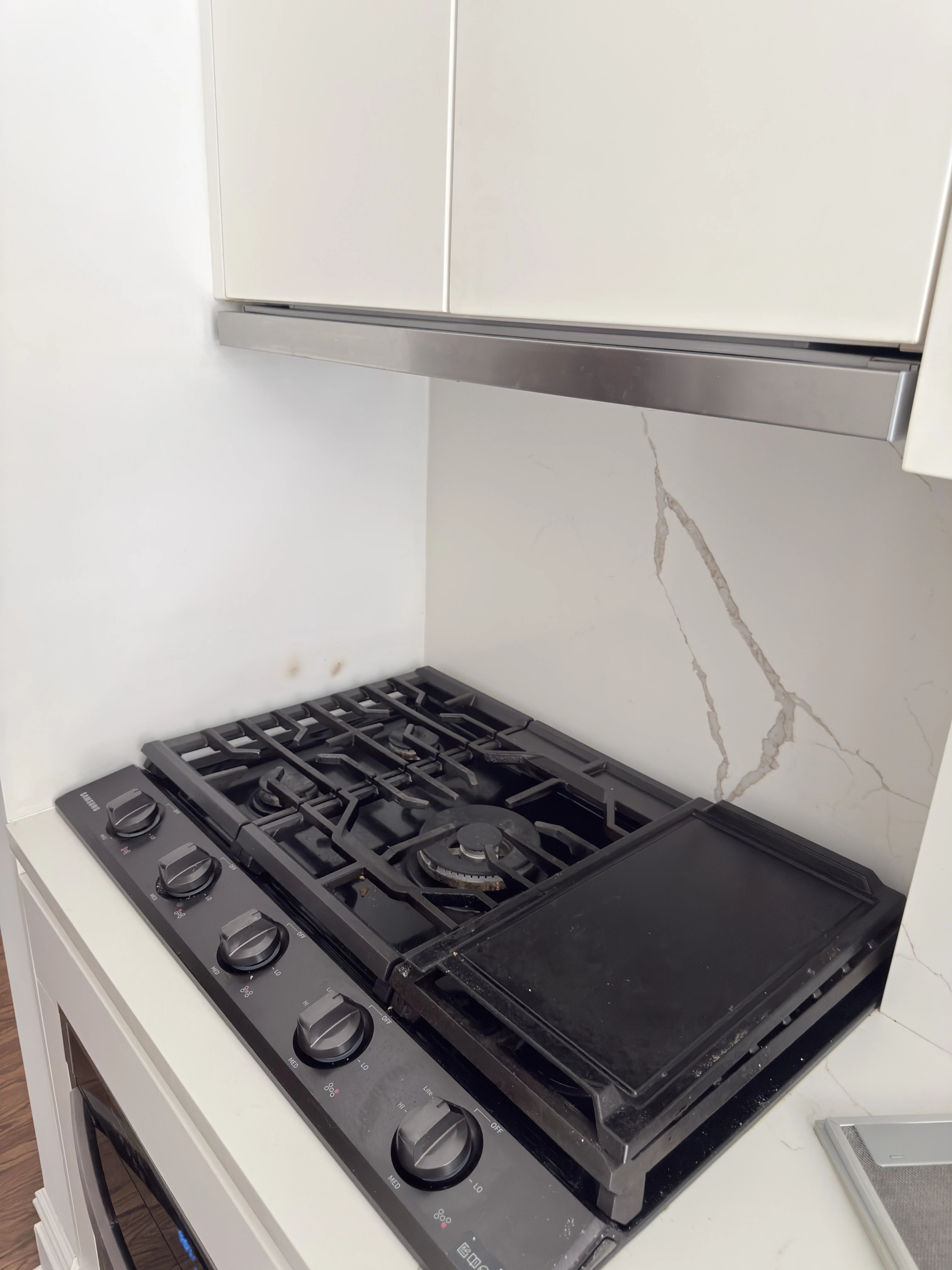
- Cooktop: identify the affected zone and describe clicking, ignition, heat, or control response without disassembling the burner or testing live voltage.
Photograph the complete error message before clearing it. Include the model label only when it is visible without moving the appliance. Do not force a locked washer, use appliance drain chemicals, bypass a switch, open a cabinet, disconnect gas or water, or repeatedly reset a breaker.
What to Send Before Review
- Exact street address, unit, ZIP code, floor, and entry contact.
- Appliance type, brand, visible symptom, and timing.
- A full front photo, safely visible model label, and exact displayed message.
- The Route-Level-Surface details: tight path, stairs or lower-level location, and nearby finishes.
- Any current building access instruction or person who must approve entry.
How the Request Becomes a Confirmed Visit
- Enter the exact address and choose the appliance.
- Describe the visible behavior and add the Route-Level-Surface details that apply.
- A live manager reviews the request; the form is not automatic confirmation.
- If an address, symptom, route, approval, or contact detail is unclear, the manager calls or sends an SMS.
- If the address is eligible and a suitable time is available, you and the manager agree on the appointment details.
Stop-Use and Emergency Boundary
Stop using the appliance for smoke, sparking, scorching, a strong burning odor, an unusually hot cord or outlet, violent movement, or water reaching electrical parts. Do not continue the cycle only to see whether the condition clears.
If you smell gas, leave the building immediately. Do not locate the leak, operate switches or appliances, use a phone inside, smoke, or light a flame. Call 911 from a safe location and follow the NYC suspected gas-leak instructions.
Other Brooklyn Service-Area Pages
Park Slope Corridor Booking FAQ
Does this page assume every address has stairs or a basement?
No. Stairs, lower-level rooms, narrow routes, and finished floors are conditional details. Include them only when they apply.
Should I move laundry equipment out of a lower level?
No. Leave connected equipment in place. Describe the entrance, stair route, level, and surrounding surfaces and share safe photos.
Can I book with only a ZIP code?
No single ZIP represents all eight areas. Use the actual ZIP and complete address so coverage and access can be checked.
What if I do not know whether the route is narrow?
Send clear photos of the doorway or turn that concerns you. Do not remove a door, railing, panel, or connection.
Does the form confirm the appointment automatically?
No. A live manager reviews the request and calls or texts when the address, symptom, access route, or timing needs clarification.


.png)