Bosch Gas Igniter Won’t Stop Clicking (Keeps Sparking): Which Appliances Get This Problem and How to Fix It
“Won’t stop clicking” is not a universal Bosch issue across all appliances. It shows up on Bosch gas appliances that use electronic spark ignition (spark module, ignition switches, and spark electrodes). On these systems, nonstop clicking usually happens because the igniter area is wet, dirty/greasy, blocked, misaligned, or because the ignition switch circuit is still “calling” for spark.
Appliances where this problem exists
This symptom commonly applies to:
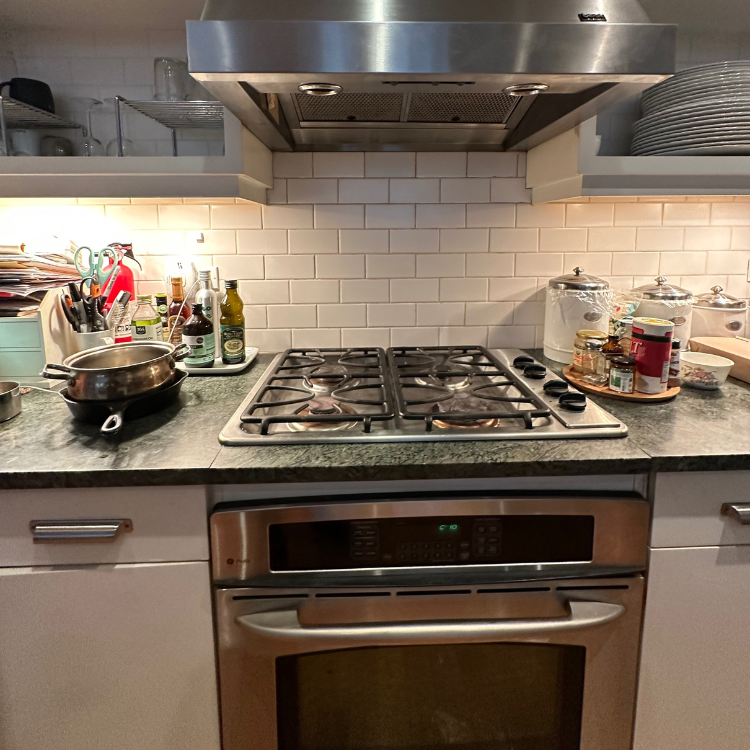
- Bosch gas cooktops (built-in hobs)
- Bosch gas rangetops
- Bosch gas ranges (surface burners)
It can also appear on some gas ovens that use spark ignition (model-dependent), but oven clicking can be normal cycling on certain designs. Treat oven behavior as a separate diagnosis from surface burners.
Appliances where this problem typically does not apply
- Electric cooktops / induction cooktops (no spark ignition)
- Most electric wall ovens
- Many gas dryers and gas furnaces (different ignition systems)
Quick diagnosis (choose your scenario)
Use this split to avoid wasting time:
- 55%: Flame is ON, but it keeps clicking/sparking
- 25%: No flame, and it keeps clicking/sparking
- 20%: Other patterns (all burners spark, random clicking, intermittent)
Safety first
- Turn all knobs OFF.
- Cut power (unplug or breaker OFF). Spark ignition is electric.
- If you smell gas, shut off gas, ventilate, and stop.
The cleaning-first tools that actually help
- Soft brush or toothbrush (general cleaning)
- Cotton swabs, microfiber cloth
- 90%+ isopropyl alcohol (removes film, evaporates fast)
- Toothpicks/bamboo skewer (clearing ports carefully)
- Compressed air (optional)
About brass brushes: a small brass brush can be useful for stubborn carbon on metal burner parts, but use it gently and keep it off the ceramic insulator and delicate surfaces.
55%: Flame is ON, but it still keeps clicking
This is the classic “burner lit, but clicking won’t stop” scenario.
What it usually means (real causes)
Most often, it’s one of these:
- Moisture in the igniter area (often right after cleaning)
- Burner cap/head not seated correctly (cap off-center, base not assembled right)
- Ignition switch problem (wet/shorted after a spill, stuck closed, or broken)
- Less common: grounding/flame-sensing path issue on designs that stop sparking only when flame is “sensed”
- Less common: electrode issue (dirty/damaged) or spark module fault
Fix order (fastest, highest-success first)
Step 1: Confirm the knob is not being held in the ignite position
Some designs spark while the knob is held at ignite. Turn to a steady flame setting and see if clicking stops.
Step 2: Reseat the burner cap and burner head
When cool:
- Remove the grate, cap, and burner head/base components
- Wipe mating surfaces
- Reinstall everything perfectly centered and stable
A slightly mis-seated cap can keep the system sparking even when you see flame.
Step 3: Clean the electrode and the spark “landing zone” (the highest-value cleaning step)
Power OFF.
- Remove cap and burner head
- Dry-clean first
- Brush the burner head and the metal area where the spark jumps
- If there is carbon glaze, use the brass brush lightly on metal only
- Alcohol wipe
- Lightly wipe the ceramic around the electrode and the metal tip area with alcohol on a swab
- Reassemble precisely (cap alignment matters)
Step 4: Dry-out fully (do not rush this)
If clicking started after cleaning or a boil-over, treat moisture as a primary suspect:
- Alcohol wipe to displace water and break cleaner film
- Airflow (fan/vent hood)
- Optional: warm air from a hair dryer on low, kept moving (no overheating)
If liquid ran behind knobs, drying can take longer than you expect.
Step 5: If it clicks with all knobs OFF, treat it as a switch-circuit issue
If the cooktop/range is clicking when everything is OFF, cleaning the burner alone often won’t solve it. On spark-ignition systems, a switch that is wet, shorted, or stuck closed can keep sending power to the spark module even when the dial position shouldn’t be calling for spark.
What to do (safe steps only):
- Cut power
- Dry and clean around knob stems and any spill paths
- If it still clicks after thorough drying, stop DIY: switches or related components may require service
25%: No flame, but it keeps clicking (won’t light)
This is usually a fuel/air path or igniter-area contamination issue.
Most common causes
- Food debris/grease blocking burner ports
- Moisture around the igniter
- Debris obstructing the igniter
- Burner cap misalignment
- Less common: electrode/module fault
Fix (cleaning-heavy, practical)
Power OFF.
- Remove cap and burner head
- Clean burner ports
- Brush debris away; use compressed air if available
- Use a toothpick carefully (do not enlarge ports)
- Clean and dry the igniter area
- Dry-brush the spark landing zone
- Alcohol swab to remove film
- Re-seat everything precisely and retest only after dry
20%: Other patterns (quick triage)
“All burners spark when I light one”
Some spark systems fire multiple electrodes during ignition. What matters is whether sparking stops after ignition and when knobs are OFF. If it doesn’t stop, use the 55% path.
“Random clicking when nobody is using it”
Treat as:
- moisture/cleaner film problem, or
- switch circuit being held on
Cut power and do not restore power until the unit is fully dry and stable.
When to stop DIY
Stop and seek service if:
- Clicking continues with all knobs OFF after thorough drying/cleaning
- You smell gas
- You see arcing anywhere other than the normal electrode gap
- The symptom keeps recurring without recent cleaning or spills (points to switch/module/grounding faults)
What this page is based on:
- Bosch’s support guidance explicitly identifies: excess moisture shorting the igniter, burner cap alignment, food debris/blockage, and that a broken ignition switch may not stop clicking.
- Bosch US troubleshooting guidance supports: cleaning burner ports, using a soft/non-abrasive brush or compressed air, and repositioning an off-center cap.
- A neutral repair diagnostic reference explains the electrical mechanism: wet/stuck switch contacts can feed continuous voltage to the spark module, plus spill-on-switch drying guidance and flame-sensing/grounding scenarios.





.avif)
.avif)


.png)
.png)
.jpg)