.avif)



.avif)
Appliance Replacement Cost in NYC: 2026 Guide
Build a complete NYC appliance replacement budget: purchase, delivery, installation, removal, building charges and trade work, with appliance-specific quote checks.
What Does Appliance Replacement Really Cost in NYC?
Your replacement budget is the appliance price plus tax, required accessories, delivery, installation, removal and any building or site work. There is no single NYC total that fits a direct swap, a built-in replacement and a gas-to-electric conversion.
- Ask for a complete quote: identify the exact model and all work required to leave it installed and operating.
- Separate included from extra: mark delivery, connection, stairs, old-unit removal and required accessories as included, extra or not applicable.
- Check the site: confirm cabinet fit and existing utilities before accepting a “standard installation” price.
- Check building charges: distinguish a refundable elevator or damage deposit from a nonrefundable fee.
- Compare repair on the same basis: use a diagnosis and written repair scope against the complete replacement total, with coverage and downtime considered separately.
If a price depends on an inspection or building approval, mark it pending. A quote with an unresolved electrical, gas or cabinet item is not yet your final budget.
Why the Sticker Price Is Only the Beginning
A retailer's appliance price answers what the product costs. It may not answer what it costs to remove the existing unit, prepare the space and leave the replacement working in your apartment. The difference depends on the exact model, the current installation and the services included in the offer.
A direct replacement using suitable existing connections has a different scope from a first dishwasher installation, a built-in refrigerator change or an induction conversion. Get the model number, installation instructions and building requirements together before requesting quotes. Comparing these different projects under one citywide “average” can hide the item that matters most to your budget.
The Four Layers of a Replacement Quote
- Product: appliance price, sales tax and required accessories. Confirm the exact model and whether panels, handles, trim, stacking hardware, cords or connection kits are included.
- Delivery and removal: access, stairs, elevator use, placement, unpacking, packaging removal and removal of the old appliance. Ask whether disconnection is included or must happen beforehand.
- Installation and site work: utility connections, electrical or plumbing changes, cabinet work, required mounting and any finish restoration.
- Building and project requirements: permits where required, contractor documents, access arrangements, deposits and nonrefundable charges.
Label each item included, additional, not applicable or awaiting a site check. Ask who provides each service and who invoices it. A connection charge on the retailer quote and the same work on a separate installer quote should not be counted twice.
For planning cash flow, keep refundable deposits separate from the amount you expect to spend. Also identify any storage, repeat-delivery or cancellation charge that could apply if the building rejects access or the appliance cannot be installed.
Refrigerators: Freestanding vs. Built-In
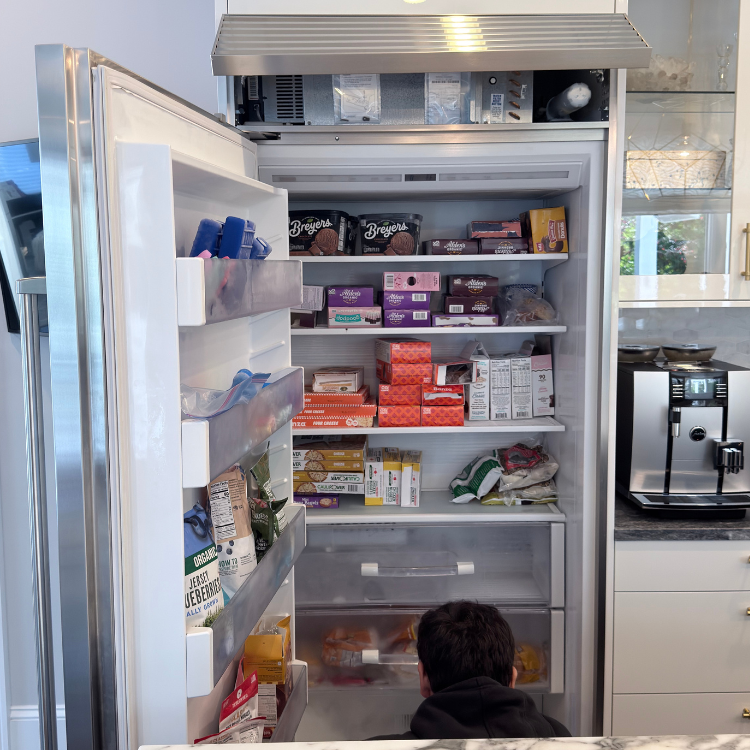
For a freestanding refrigerator, confirm the delivery path, installed depth, door swing and space to remove drawers. If it has an ice maker or water dispenser, ask whether the existing water connection is suitable and whether connection materials are included. Confirm what the retailer means by old-appliance removal and how the old unit must be prepared.
For a built-in or integrated refrigerator, have the installer compare the old and new installation drawings. A nominal width match does not confirm the opening height, depth, venting space, door clearance or mounting arrangement. Obtain a separate scope for any carpentry.
If you want to reuse decorative panels or handles, confirm their dimensions, weight and mounting compatibility for the replacement. Ask whether trim or surrounding finishes will need attention after the old unit is removed. The installation quote should state who handles unmounting, safe removal, new mounting and panel alignment.
Building access may change how the unit is moved. Establish whether the delivery team's standard equipment and crew cover the route or whether a specialist assessment is needed; do not assume every built-in replacement requires rigging.
Ranges and Ovens
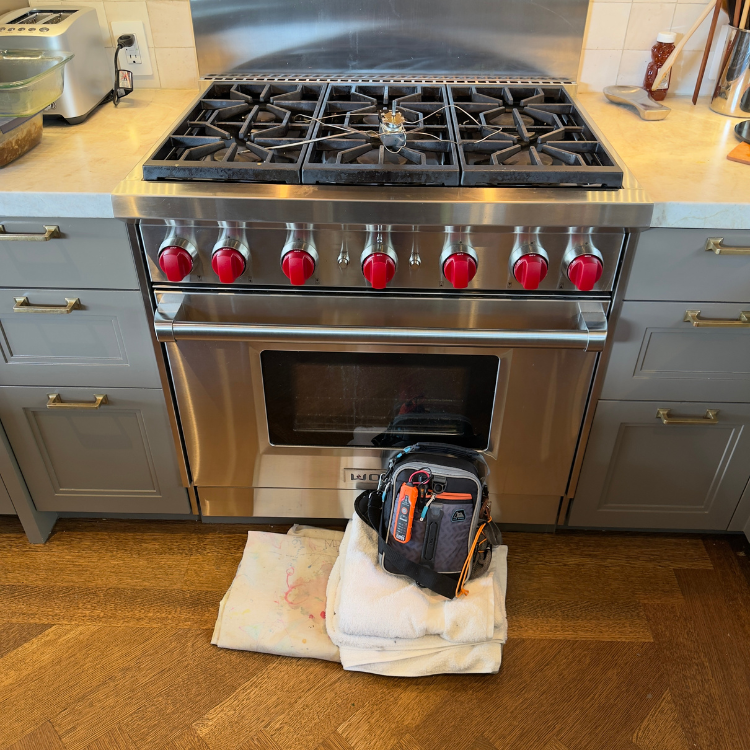
First separate a like-for-like replacement from a fuel conversion or size change. The quote should identify the appliance's connection requirements and the existing conditions the installer is relying on. For a wall oven or cooktop, check the actual cabinet cutout and support requirements, not just the advertised width.
Gas work needs a defined trade scope. NYC311 states that a licensed master plumber must obtain a permit to install or alter gas appliances or piping. Ask who is responsible for the applicable gas work and permit, whether the price includes all necessary visits and whether building coordination is included. Do not disconnect a gas appliance yourself to prepare it for delivery.
For an electric or induction model, have a licensed electrician assess the exact voltage, circuit and connection requirements. Ask separately about a new circuit, any supply or panel work and finish restoration. Do not assume every electric range needs the same circuit rating.
A wider range can add cabinet, countertop and ventilation work. Even at the same width, the installation must meet the selected model's clearances and mounting instructions. The gas-versus-induction guide helps distinguish the appliance choice from the conversion project.
Dishwashers
For an existing dishwasher, confirm it can be removed without cutting flooring or damaging cabinets. A later floor installation may have changed the removal clearance. Check for prior leaks or damaged adjacent finishes before describing the job as a simple swap.
The quote should say who handles water supply, shutoff coordination, drainage, electrical connection, mounting and any panel installation. Ask which hoses, connection kits and protective materials are supplied and which must be purchased separately. If water cannot be isolated at the appliance, confirm the building's procedure before setting the date.
A first dishwasher installation is a different project: it needs a suitable location and planned water, drainage and power arrangements. Obtain the trade scope before buying the appliance. For a panel-ready unit, include the panel and hardware plan rather than assuming the previous door will transfer.
If surrounding cabinets show swelling or moisture, resolve the source before installing the new unit. The dishwasher cabinet-protection guide covers that separate decision.
Washers and Dryers
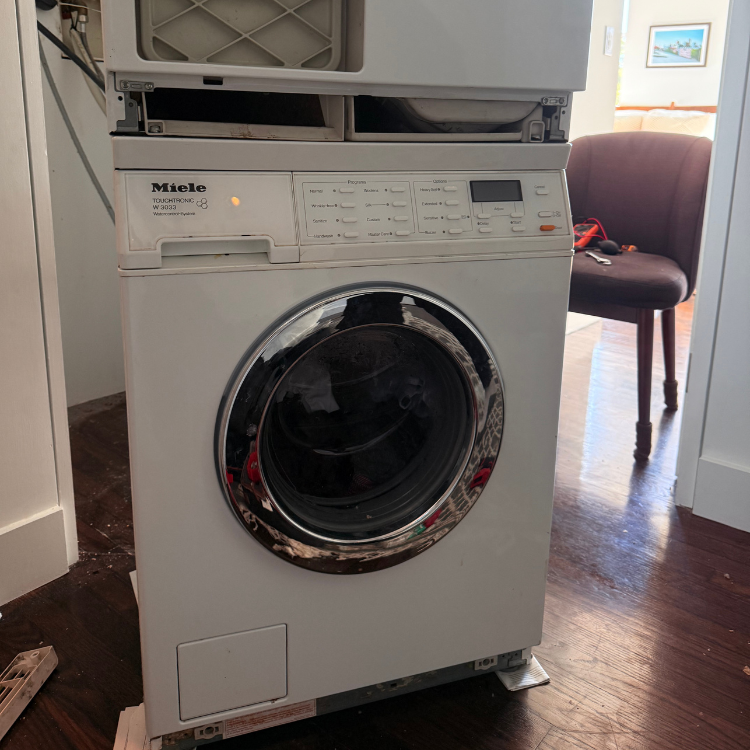
Price the configuration you will actually install: one replacement machine, a compatible stacked pair, or a combined unit. Replacing only one machine in a stack requires confirmation that the retained machine and approved stacking hardware are compatible with the new one. Include unstacking, restacking and access in the quote.
Check water and drain requirements for the washer, and the dryer's electrical or gas connection and exhaust type. A ventless dryer removes the need for an exterior dryer exhaust, but it still has model-specific electrical and condensate requirements. ENERGY STAR explains the heat-pump dryer's water-drainage options; the selected manual determines the installation.
Do not reuse an old stacking kit, cord, hose or vent connection merely because it is present. Ask the installer which existing items can be retained under the new model's instructions and which must be supplied. Include removal for each old appliance if it is charged separately.
The Co-op and Condo Factor
Ask management for the current rules applying to this job. Requirements can differ between a delivery using existing connections and an alteration involving electrical, gas or water work. Confirm whether approval is needed before purchase, which contractor documents are required and whether the building controls a water shutoff or service elevator.
Have the retailer and installer review those requirements before committing to a date. Ask who requests the COI, who reserves the elevator and what happens if one part of the job is delayed. A refundable deposit, building inspection charge and delivery fee are separate items; use the building's written amounts rather than an assumed citywide charge.
Compare Replacement With a Diagnosed Repair
Once the replacement scope is complete, compare it with a written repair estimate. Include any diagnostic fee that is not credited, the proposed parts and labor, access work and the repair's written coverage. Ask what fault has been established and what remains uncertain.
There is no fixed repair percentage that accounts for condition, part availability, installation disruption and your tolerance for downtime. A high replacement total does not make every repair sensible; a low sticker price does not make replacement cheaper once installation is included. Use the repair-or-replace decision guide to assess those nonprice factors.
A Quote Request You Can Send
“Please quote replacement of my current [model] with [new model] at [building and access details]. State whether tax, required accessories, delivery to the room, disconnection, installation, old-unit removal and required permits are included. Identify any building charges, site work, exclusions and conditions that could change the price. Please list any information or site inspection you need before confirming the total.”
Attach the installation drawing and photos that can be taken safely without moving or opening the appliance. Keep the quote's date, validity period and confirmed delivery availability with the final total.