
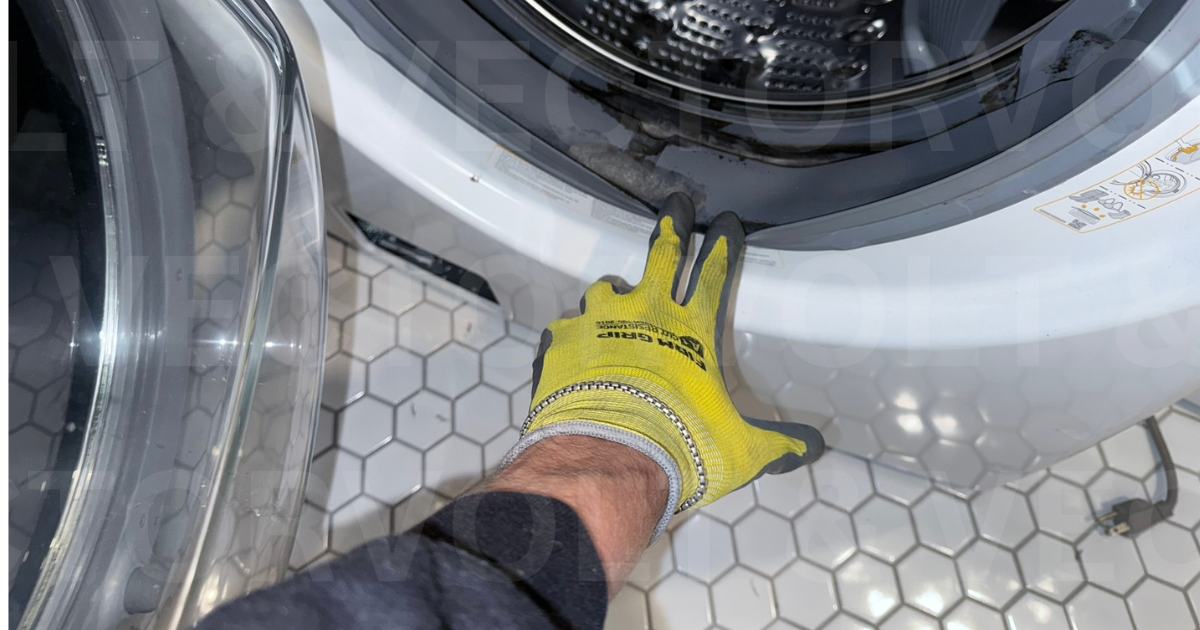

LG Front-Load Washer Mold: Safe Cleaning Path
Find whether LG washer mold or odor is concentrated in the door gasket, dispenser, tub, or drain filter, then clean without mixing chemicals.
Find whether LG washer mold or odor is concentrated in the door gasket, dispenser, tub, or drain filter, then clean without mixing chemicals.
For mold or musty odor in an LG front-load washer, first locate whether the residue is in the door gasket, dispenser drawer, drum, or drain-pump-filter area. Clean only the owner-accessible surfaces with the exact model manual and product-label method, then dry the gasket and leave the door and dispenser ajar when safe. Never mix bleach with ammonia, acids, vinegar, or another cleaner; stop for breathing or eye symptoms, a torn gasket, standing water, a leak, or contamination that returns after correct maintenance.
Front-load washers use a watertight door gasket and low-mounted wash system, so small amounts of water can remain in folds, dispenser channels, the tub, and the drain-filter area after a cycle. Detergent, softener, soil, lint, and body oils can form a residue that stays damp and supports odor or visible growth. Closing the door immediately, using more product than the load and water conditions require, or leaving wet laundry in the drum extends that damp period.
“Mold in the washer” can describe several different conditions:
The location matters because the safe access and correction differ. A tub-clean cycle will not mechanically remove debris buried in a gasket fold. Wiping the gasket will not correct a clogged filter or washer that fails to drain. Replacing a stained but intact gasket may not solve residue created by detergent dosing and trapped moisture.
Use one cleaning chemistry at a time and follow both the LG manual and the cleaner label. Never mix chlorine bleach with ammonia, vinegar, acidic products, rust removers, toilet cleaners, or any other cleaning agent. Do not improvise concentrations or combine a tub-clean product with detergent or softener unless the exact instructions require it.
Ventilate the room. Wear the label-specified protection, keep children and pets away, and wash exposed skin. If fumes cause coughing, breathing difficulty, chest tightness, burning eyes, dizziness, or nausea, leave for fresh air and call 911 for severe symptoms; contact Poison Control in the U.S. at 1-800-222-1222 for exposure guidance.
Low effort: locate the residue and stop feeding it
Why it works: A location map prevents one broad cleaning cycle from being treated as a cure for every source.
Tools/materials: Flashlight, gloves, paper towel, and phone camera.
What to do:
Common mistakes:
Why it works: Excess product and retained wet textiles add residue and extend humid conditions. High-efficiency detergent still must be dosed for the actual load, soil, and water conditions.
Tools/materials: Detergent label and LG manual.
What to do:
Common mistakes:
Why it works: Hair, lint, coins, and detergent paste hold water against the gasket. Physical removal lets the approved cleaner contact the surface.
Tools/materials: Gloves, soft cloth, and mild cleaning method specified by LG.
What to do:
Common mistakes:
Medium effort: clean the documented owner-service areas
Why it works: Concentrated detergent and softener residue can collect in the drawer and retain moisture between cycles.
Tools/materials: Sink, soft brush or cloth, warm water if the manual allows, and gloves.
What to do:
Common mistakes:
Why it works: The dedicated cycle is designed to clean the drum and tub path under controlled conditions. It is maintenance, not proof that a stained gasket or drain fault is repaired.
Tools/materials: The exact LG manual and one approved cleaner or the specified bleach method.
What to do:
Common mistakes:
Why it works: On front-load models with an owner-accessible filter, trapped lint, hair, coins, and stagnant residual water can create odor and slow drainage.
Tools/materials: Shallow pan, absorbent towels, gloves, and the exact drain-filter instructions.
What to do:
Common mistakes:
High effort: correct the condition that makes residue return
Why it works: Some discoloration can remain after the surface is clean and dry. Recurring slime, odor, water retention, or leakage indicates that the underlying condition is still active.
Tools/materials: Photos and a maintenance log.
What to do:
Common mistakes:
Why it works: Hidden hose residue, drainage faults, a damaged gasket, installation problems, or a household-drain source require a different diagnosis from routine surface cleaning.
Tools/materials: Model/serial photo, residue-location photos, cleaner names, cycle and drainage notes, and leak video.
Ask diagnosis to distinguish:
Common mistakes:
If water is near electricity, do not stand in it or touch the plug. Shut the appliance circuit off from a dry location and close accessible water valves if safe. For a large uncontrolled leak in an apartment, notify building staff promptly.
Moisture and residue can remain in the gasket, dispenser, tub, or drain-filter area. Locate the strongest source and correct both the residue and the drying or drainage condition.
Remove loose debris, then use the exact manual’s gasket-cleaning method with one compatible cleaner. Do not mix chemicals or use sharp and abrasive tools.
No. Mixing chlorine bleach with acids such as vinegar can release dangerous gas. Use one label-approved method at a time.
It primarily treats the drum and tub path. The gasket folds still require separate owner-accessible wiping and inspection.
Leaving it slightly ajar helps moisture escape when it can be done without creating a child, pet, or walkway hazard.
Yes. Excess detergent and softener can leave residue that holds moisture. Dose for the actual product, load, soil, and water conditions.
No. Rubber may remain discolored after it is clean and dry. Recurring slime, odor, trapped water, or leakage is more useful evidence of an active problem.
Odor near the access area, slow drainage, debris, or stagnant residual water makes it relevant. Follow the exact model’s hot-water and spill-safe filter procedure.
Replacement is reasonable when it is torn, deformed, detached, leaking, or cannot be kept sanitary after the underlying moisture and drainage conditions are corrected.
Document where and how quickly it returns. Persistent moisture, incomplete drainage, internal residue, gasket damage, or a household-drain source may need diagnosis.
LG requests are considered in Brooklyn, Manhattan below 96th Street, and selected Queens routes; WashTower, stacked laundry, built-in, and connected-model details are checked before routing.


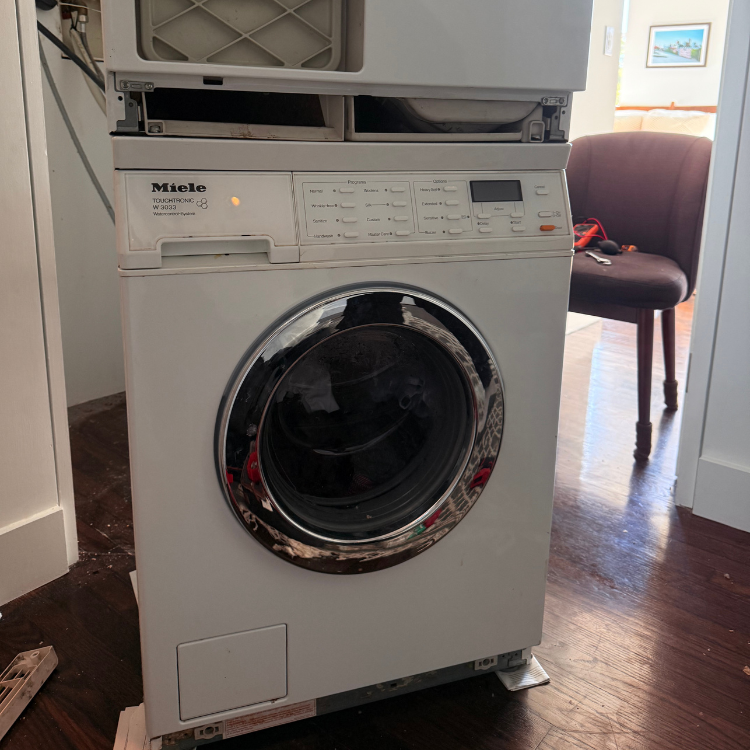
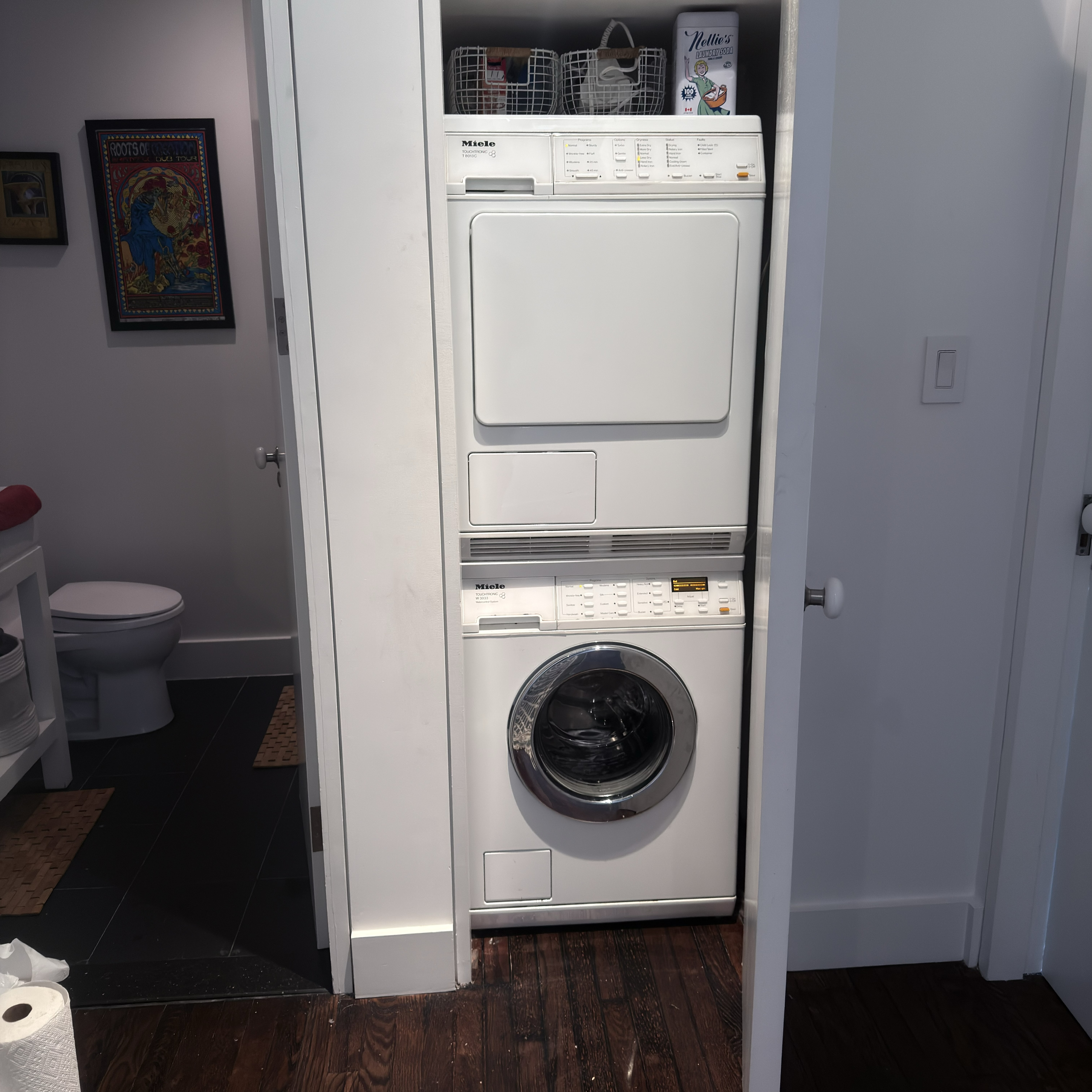

Technician experience standard: 4+ years of hands-on appliance repair per technician; senior technicians bring 8 and 16 years. LG intake starts with model and serial, appliance form, display or ThinQ message, failed stage, and stacked or built-in access. Independent service; no current manufacturer authorization implied.

