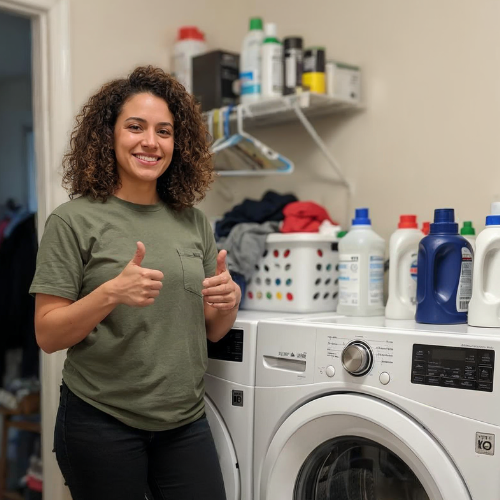


Bosch Washers are known for their durability; however, they can experience cascading system failures that lead to inefficiencies and increased energy consumption. In bustling NYC, where space is at a premium and delivery delays are common, a malfunctioning appliance that disrupts your routine can be particularly burdensome.
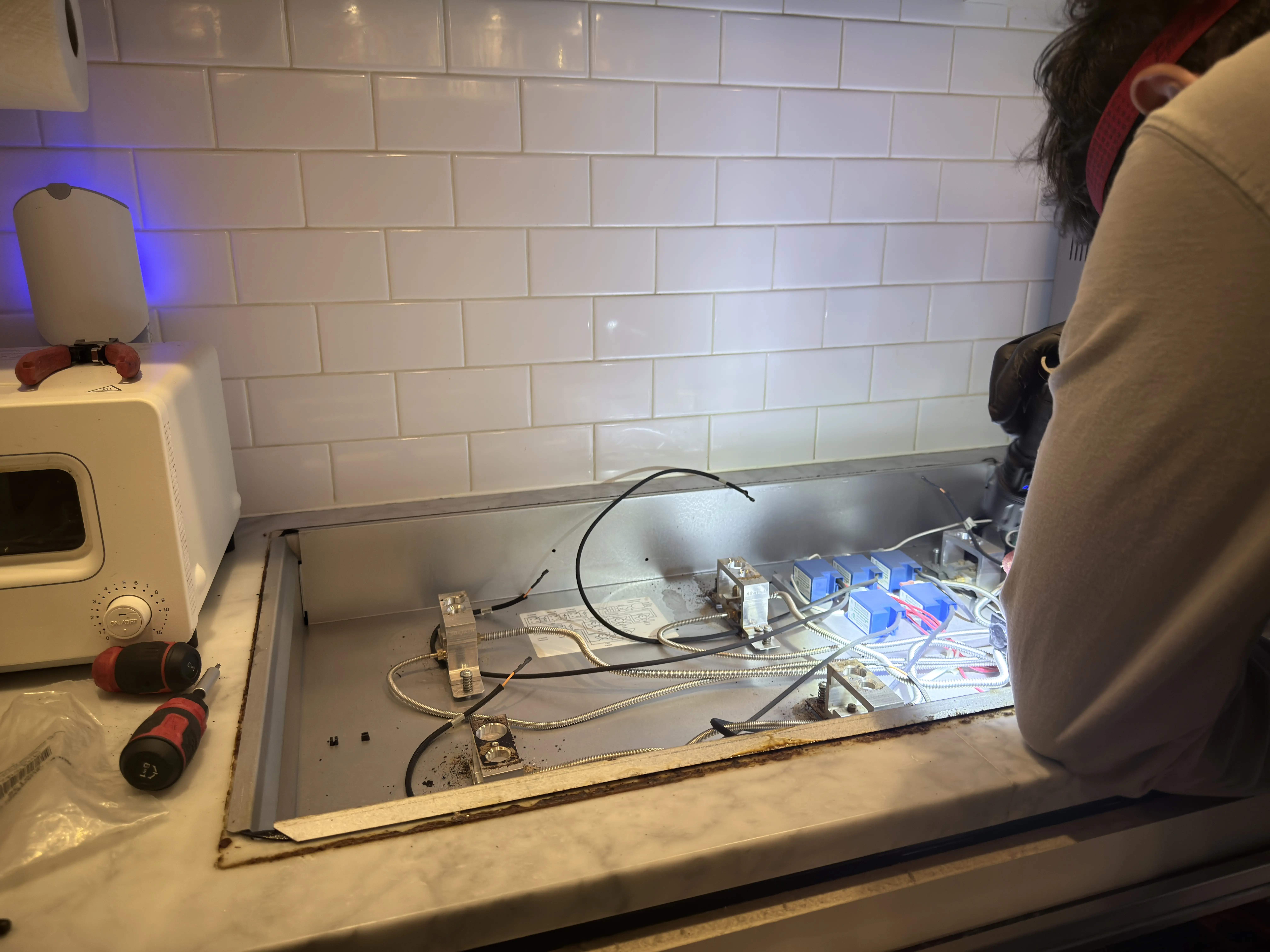
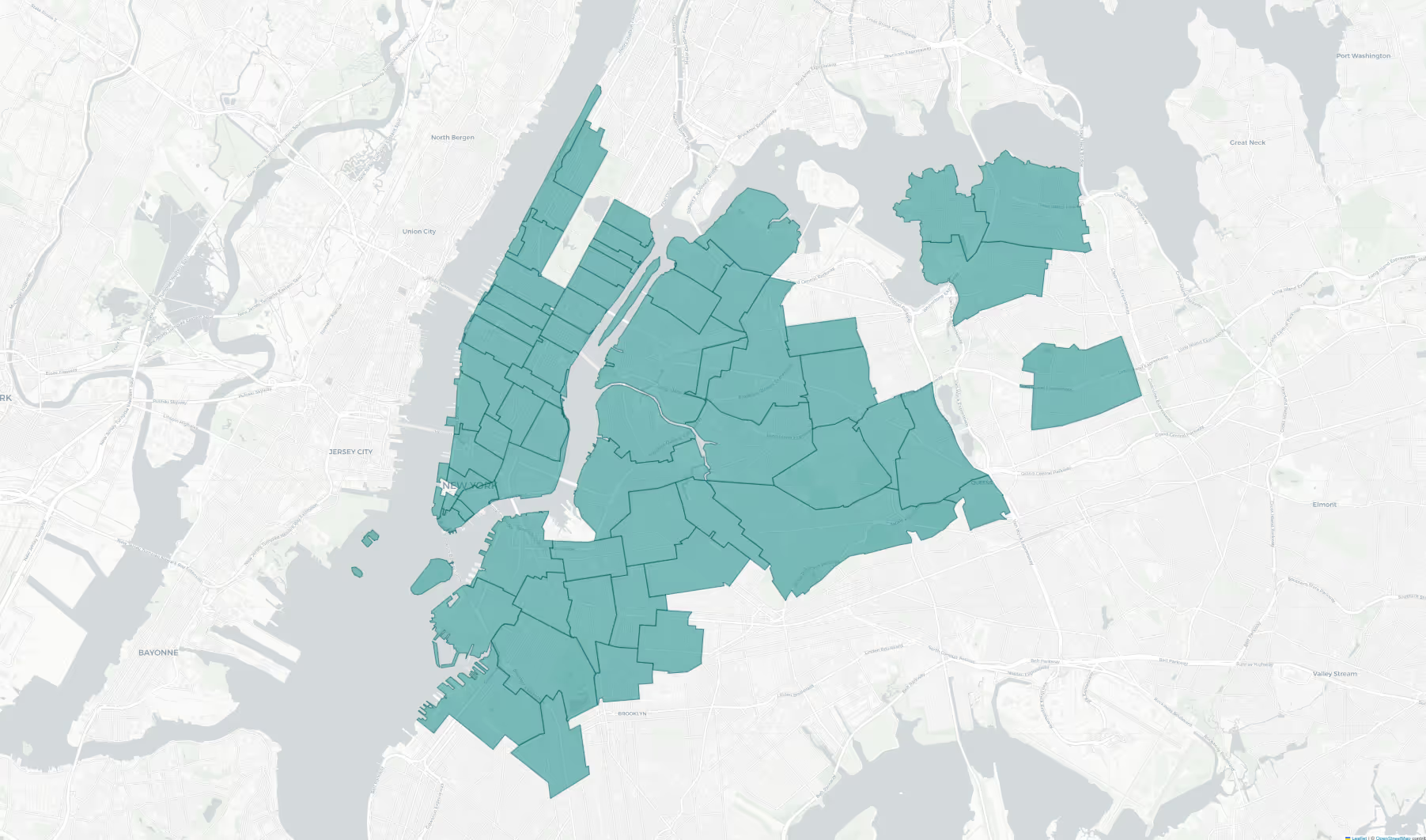
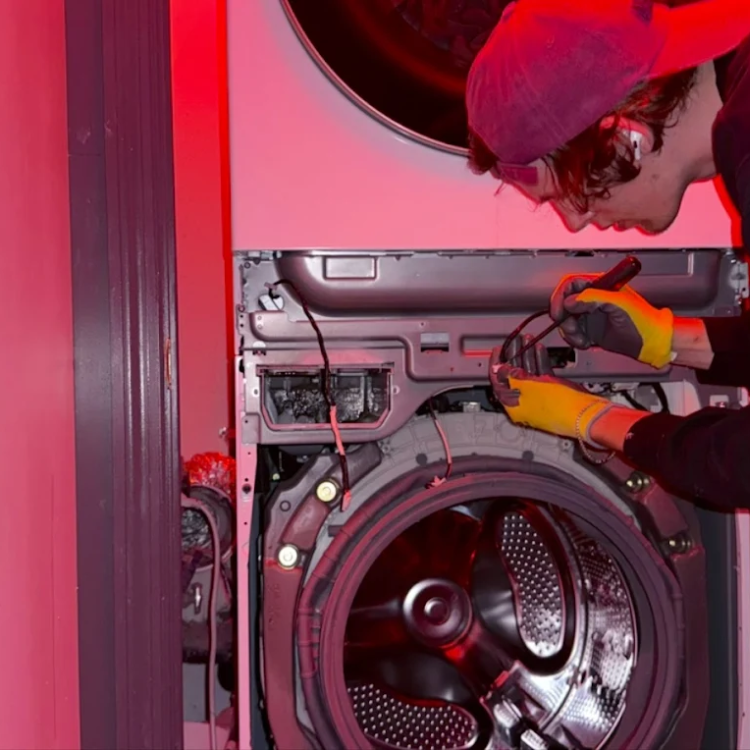
At Volt & Vector, we employ an advanced diagnostic methodology tailored for Bosch appliances, utilizing multimeter testing, control board signal tracing, and sealed system pressure analysis. Our streamlined borough-specific dispatch logistics ensure timely service across Brooklyn, selected Queens ZIP codes, and Manhattan below 96th Street.
Expect premier service at Volt & Vector, where we charge a $99 diagnostic fee (credited to repair) and offer a 180-day parts & labor warranty. We prioritize same-day availability and use only OEM parts for all repairs.
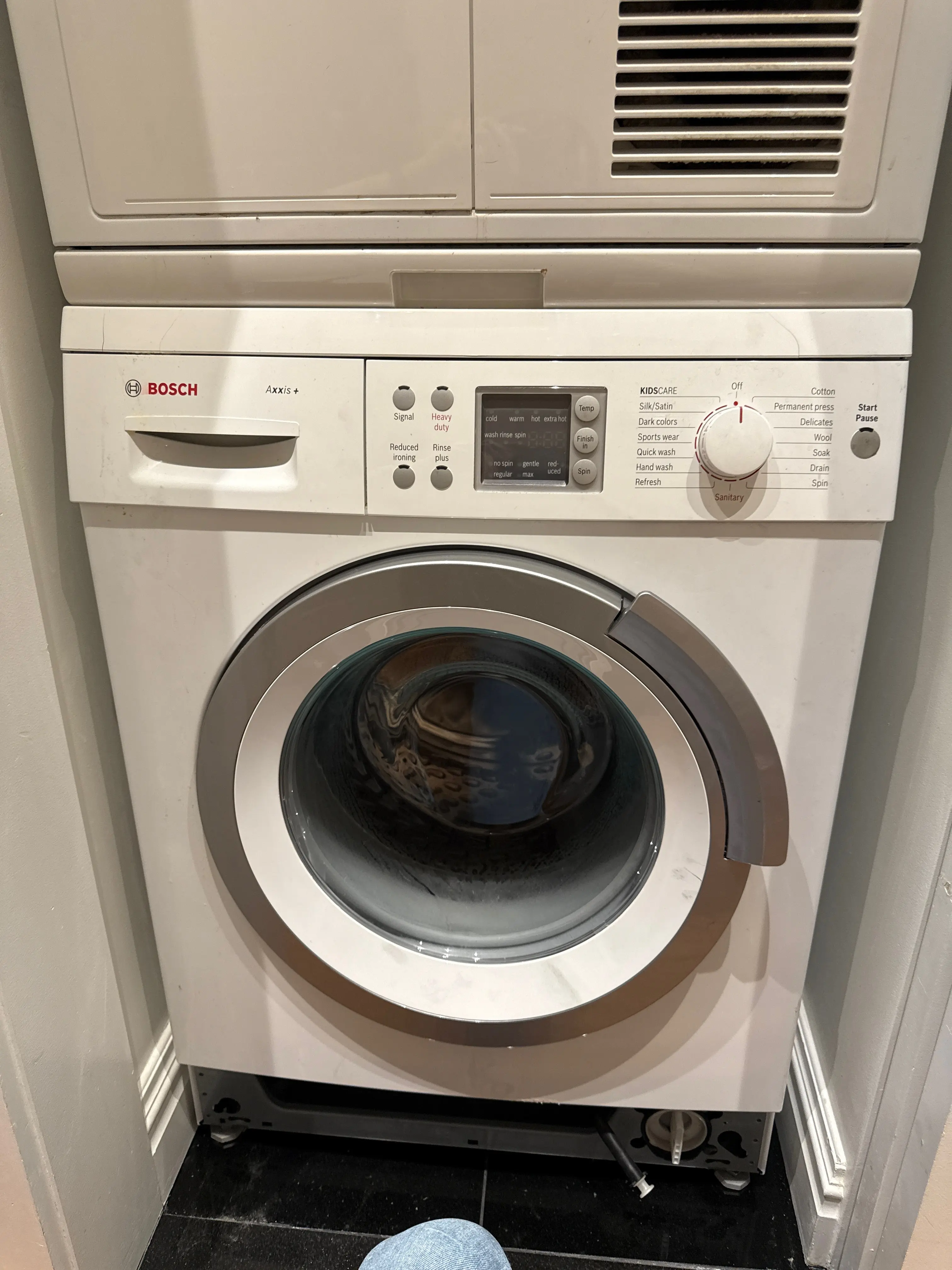

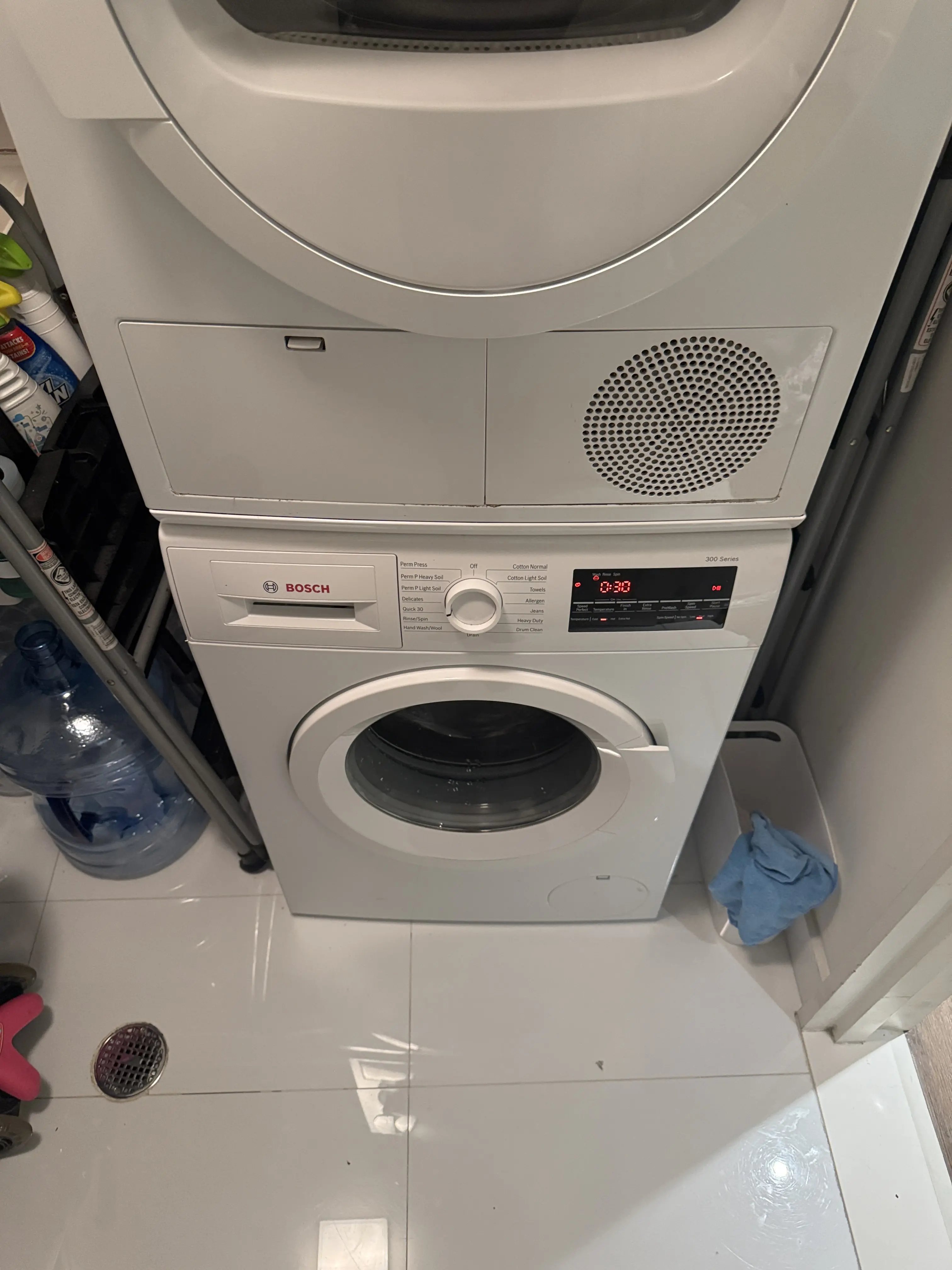
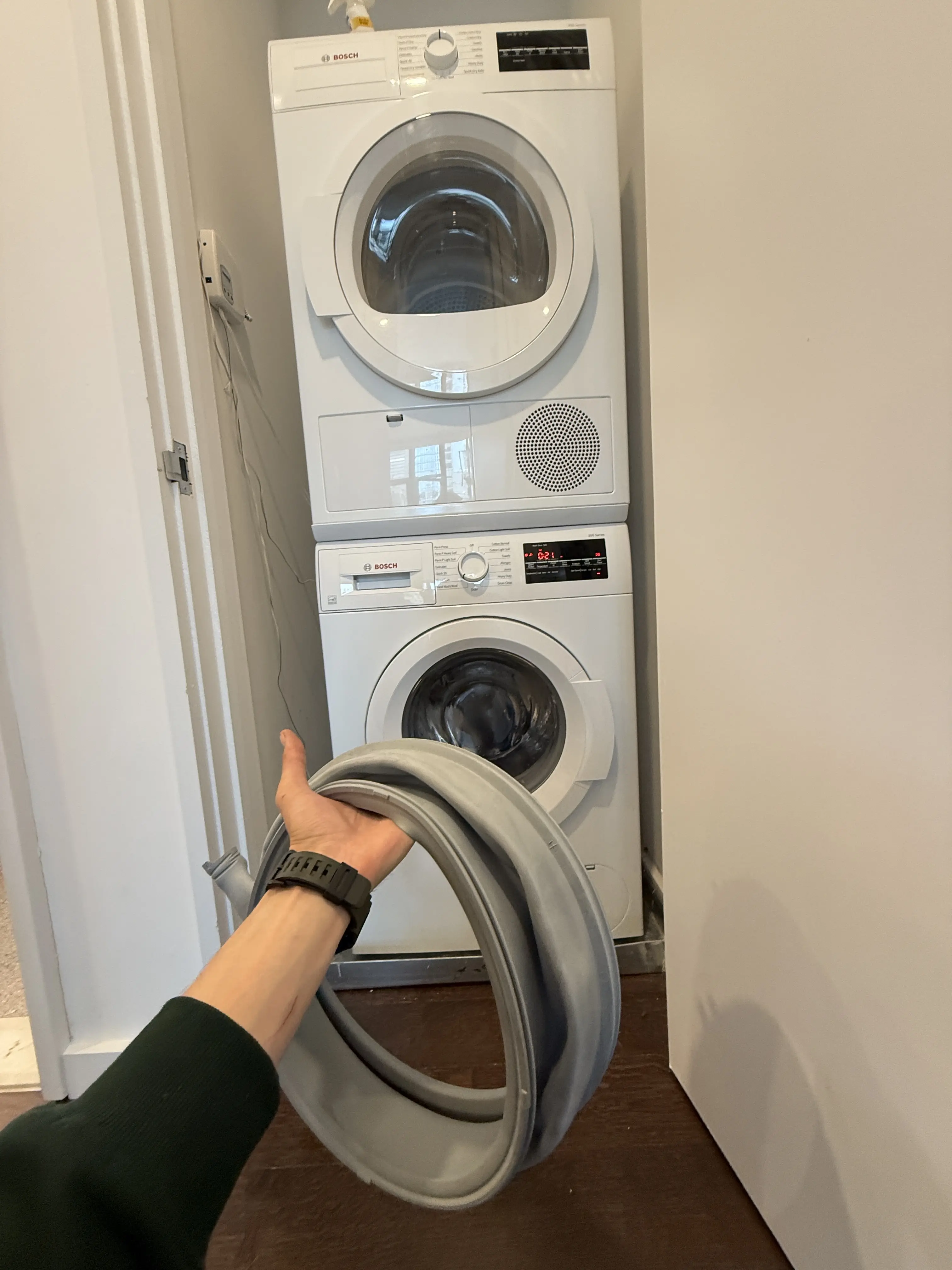
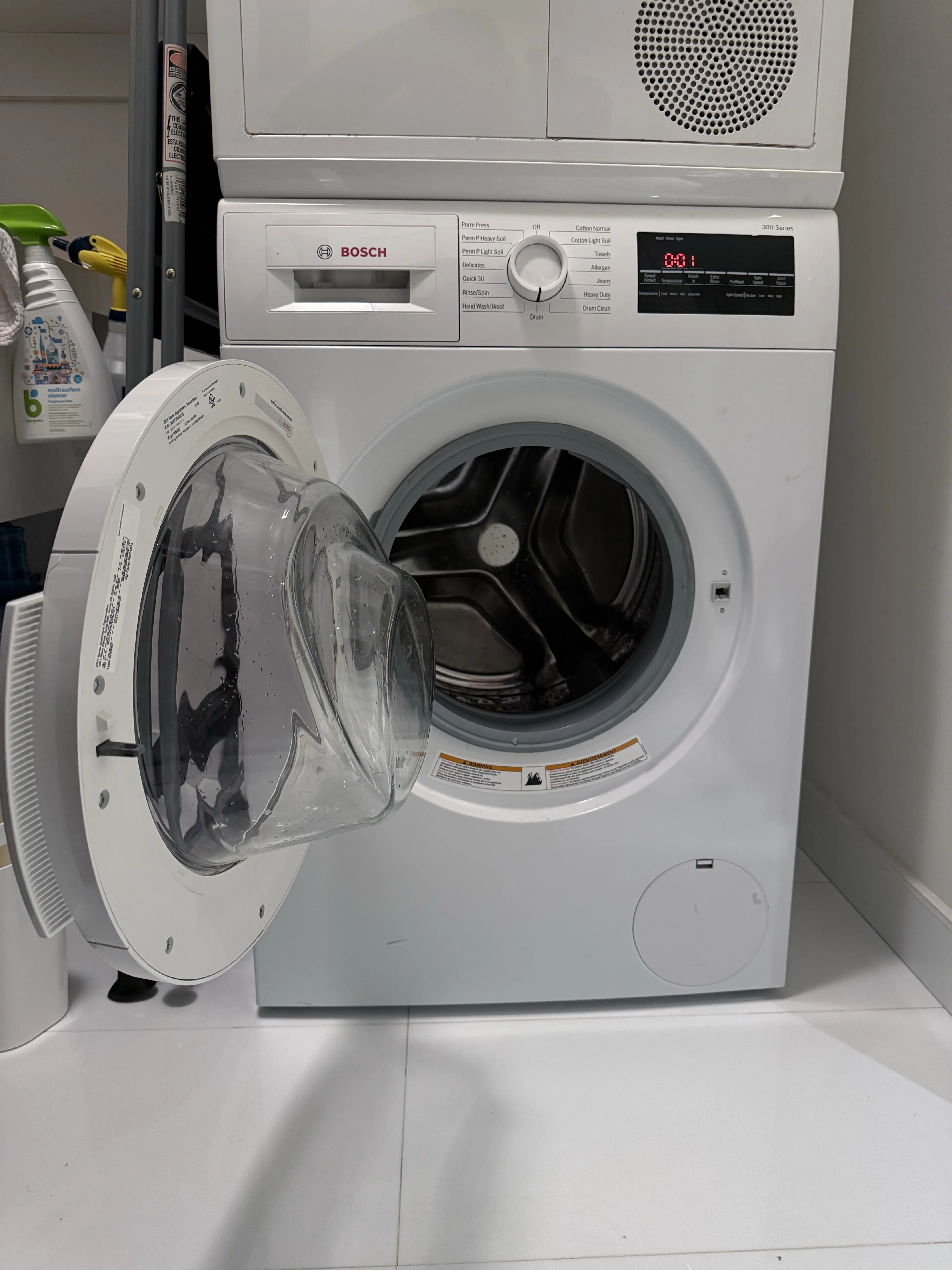
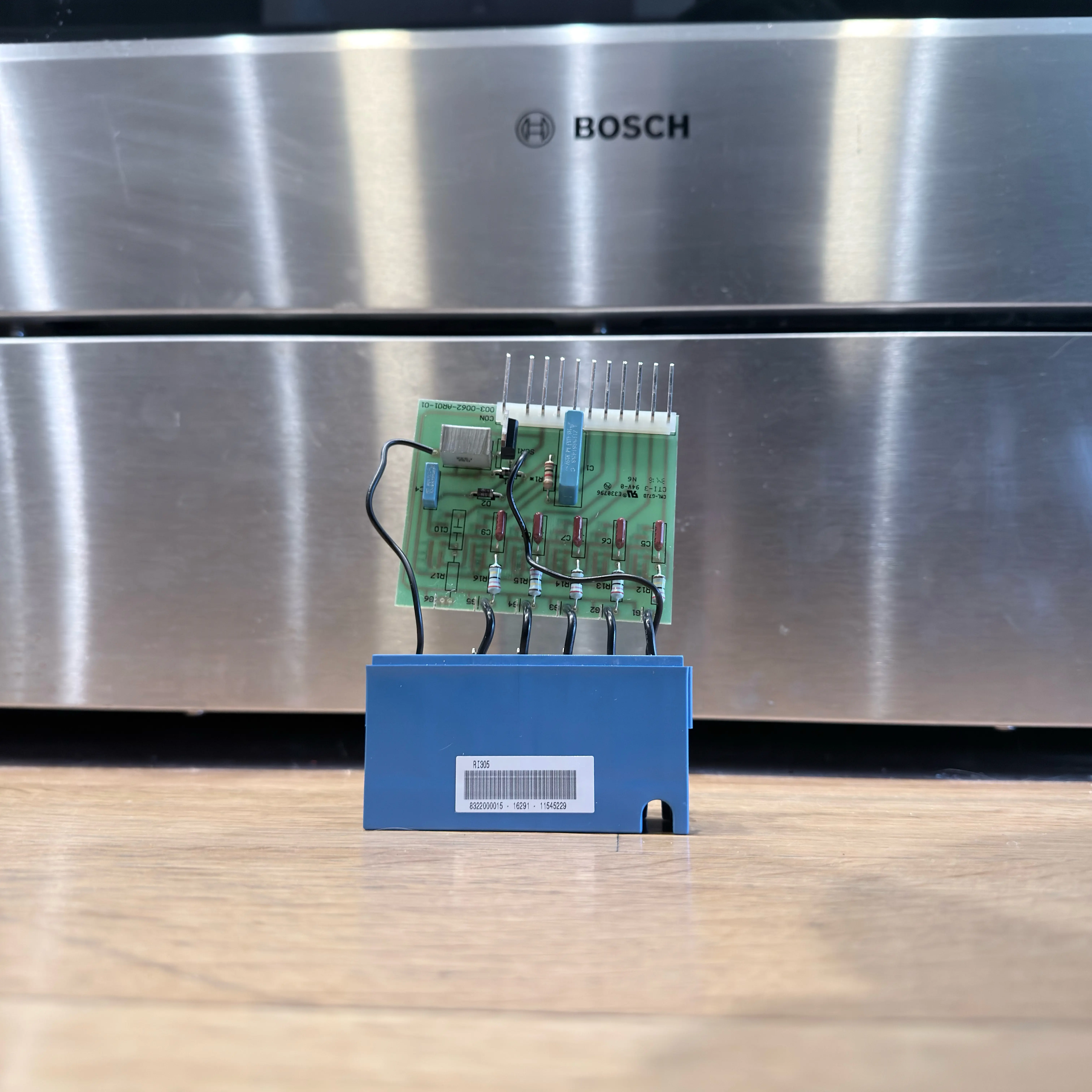

Unbearable noise during spin cycle disrupting peace
Inconsistent wash results causing frustration
Draining failures leading to flooded laundry areas
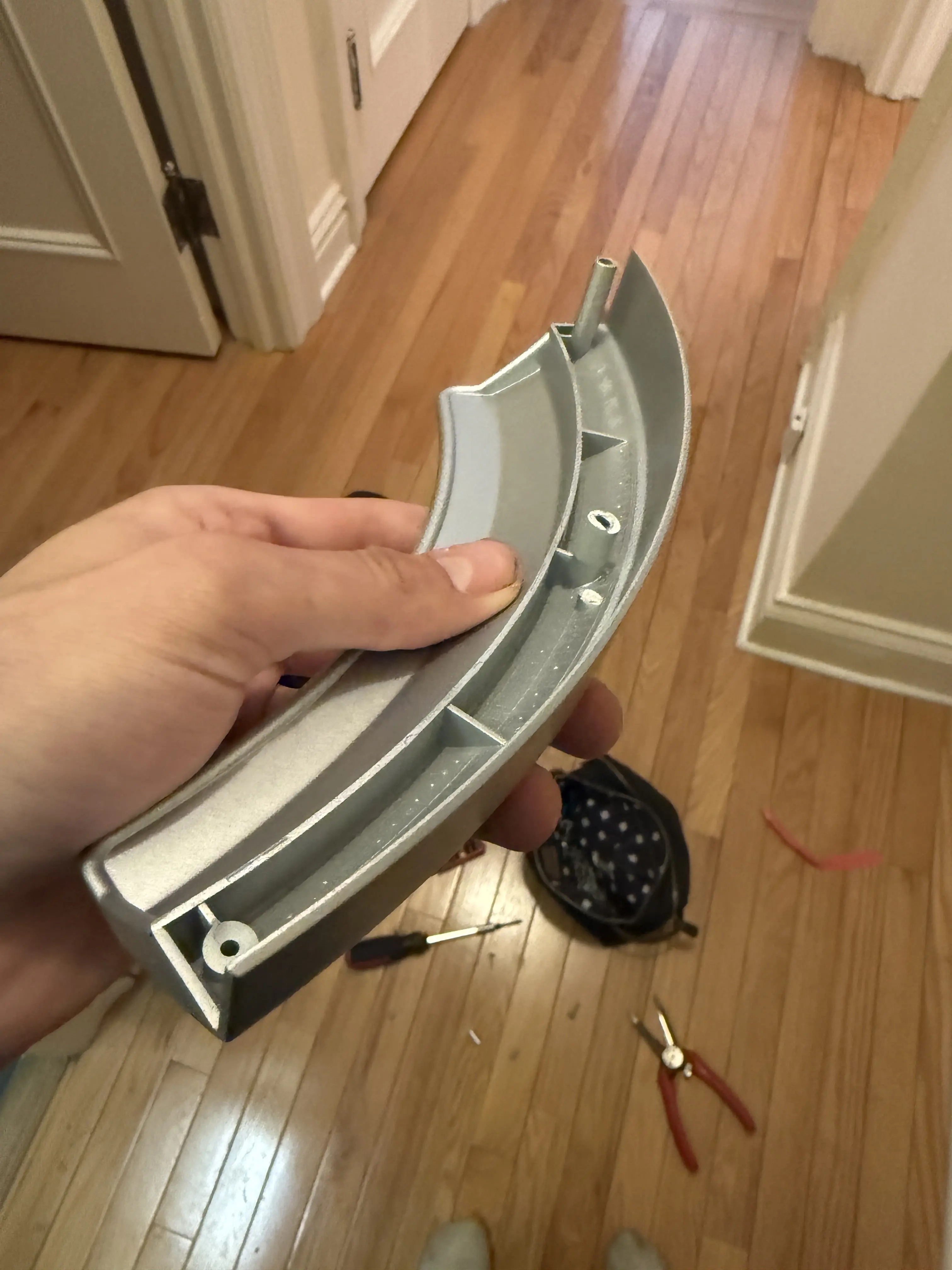
Door not locking properly preventing operation
Electrical component failures halting machine functionality
Noise/Vibration
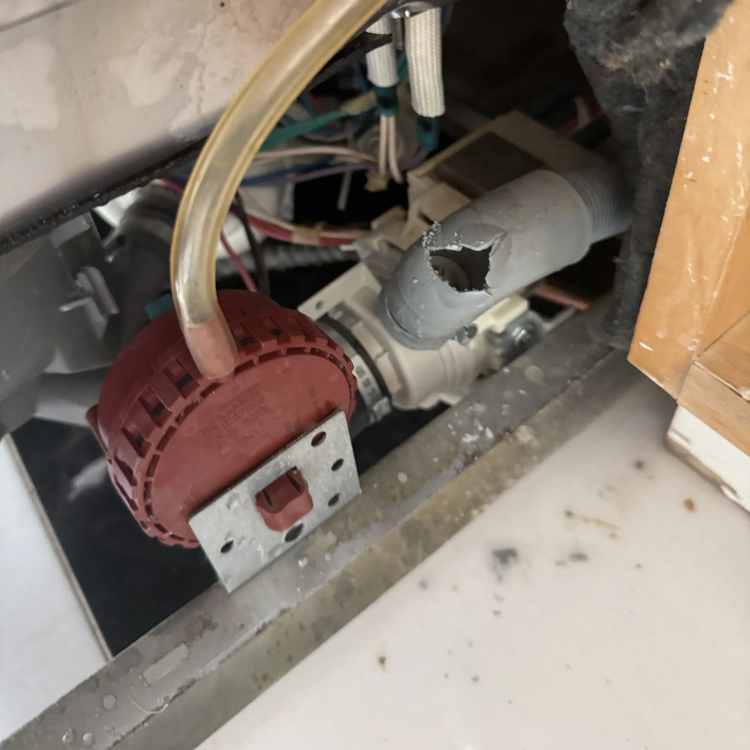
Leaking
Door Lock
You’ll receive a text alert ~30 minutes before arrival.a problem or close a sale in real-time with chat. If no one is available, customers are seamlessly routed to email without confusion.
For Noise/Vibration issues in Bosch Washer systems, thoroughly inspect the suspension rods and shock absorbers for wear or damage. Given NYC's high-rise installations, check the leveling feet to ensure the unit is properly adjusted and stabilized, mitigating vibrations caused by unbalanced loads.
To prevent Leaking concerns, meticulously test the inlet water valve by measuring resistance values with a multimeter, ensuring it meets OEM specifications (typically between 10-15 ohms). In NYC, account for potential high water pressure by installing a pressure regulator valve if needed, to prevent excess strain on hose connections and seals.
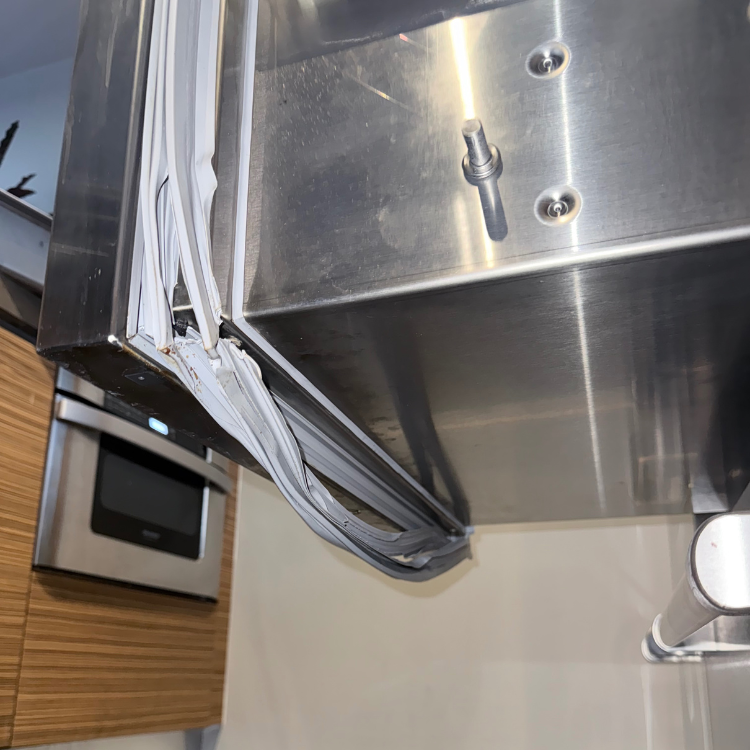
Addressing the Door Lock mechanism, always perform the dollar bill test on the door gasket to inspect for proper sealing. Ensure that the door lock assembly wiring is intact and check connections on the control board relay; always disconnect power before accessing internal components to avoid electrical shock.
For Noise/Vibration reduction, inspect and clean the drum bearings regularly, using manufacturer-recommended lubricants that conform to OEM standards. In space-constrained NYC apartments, ensure sufficient airflow around the washer to facilitate cooling of electrical components, reducing operational strain and wear over time.



.avif)
Q: What does code E01 indicate, and how can I address it?
A: E01 signifies the door of the washer is not closed correctly or the water supply is off, often due to debris blocking the latch. Ensure secure closure and validate that the water tap is operational.
Q: What does the leaking issue in my washer suggest?
A: Leaking could stem from worn door seals or improperly seated hoses. Inspect the door gasket for wear and confirm that all hose connections are secure.
Q: How should I respond to an E40 error code?
A: E40 indicates the washer is unable to lock the door securely, potentially due to a malfunctioning lock mechanism or misalignment. Make sure there’s no obstruction and that the door aligns properly for locking.
Q: What could cause the noise and vibration issues I hear during wash cycles?
A: Excessive noise or vibration might indicate an improper level installation or foreign objects within the drum. Verifying the appliance's level and checking for loose items can mitigate these disruptions.
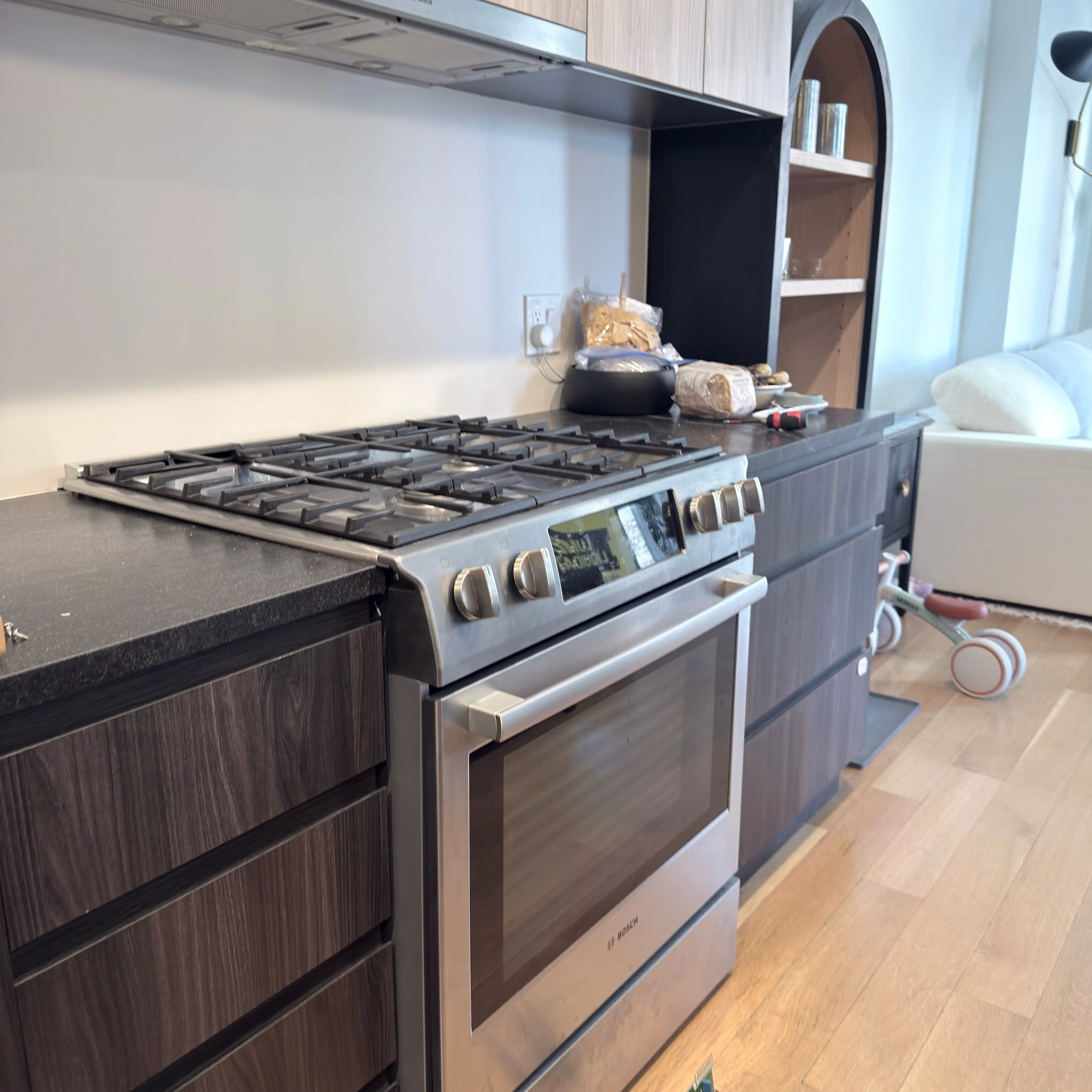
Get expert service with a $99 diagnostic fee (credited to repair).



.avif)
.avif)

.png)
.png)
.jpg)