


Sub-Zero Door Seal Problems: Clean, Align, Replace?
For a Sub-Zero door seal problem, inspect for dirt, folds, tears, obstructions, alignment, frost, moisture, and temperature changes before replacement.
For a Sub-Zero door seal problem, inspect for dirt, folds, tears, obstructions, alignment, frost, moisture, and temperature changes before replacement.
A Sub-Zero door seal problem is not always a failed gasket. With the unit safely switched off for cleaning, remove residue from the gasket and cabinet contact surface using mild detergent and water, clear shelves or packages that block closing, and inspect for folds, tears, cracks, frost, and door sag. Replace or professionally refit the gasket when it is damaged or will not seat; have the door, hinge, and cabinet level checked when the gap changes with door position or the gasket itself looks sound.
The flexible gasket fills the small gap between the door and cabinet. When the door closes correctly, the gasket contacts the mating surface around the full perimeter and limits warm, humid room air from entering the refrigerated compartment.
A weak seal can lead to:
But those observations are not unique to the gasket. A shelf, drawer, bin, package, ice buildup, hinge, door closer, misaligned panel, or out-of-level cabinet can stop the door before the gasket reaches its contact surface. A gasket can also be dirty or temporarily folded without being torn.
Sub-Zero’s official guidance recommends cleaning the gasket and inspecting it for tears, rips, or cracks. Its door-closing guidance also includes food and shelf obstructions, gasket condition, hinges, and level. Its easy-to-open guidance explains that the absence of strong suction alone does not prove a seal failure when temperature, moisture, frost, and service indicators remain normal.
If the compartment is warming, minimize door opening. Use an appliance thermometer and follow current USDA cold-food guidance. Refrigerated food should be kept at 40°F or below; food safety depends on both temperature and how long food has been above safe refrigeration conditions. When history is uncertain, follow USDA disposal guidance rather than tasting food to judge safety.
If there is heavy frost, standing water, a service message, or a door that cannot close, treat food protection as the first action. Do not push the door shut against resistance, chip ice with a tool, or tape over controls.
Inspect the full perimeter with the door open:
The location of the gap matters. A local folded or damaged section supports a gasket problem. A gap that changes from top to bottom or varies as the door swings can point toward alignment, hinge, closer, or level.
Low effort: clear obstructions and clean the contact surfaces
Why it works: A protruding shelf, drawer, bin, or package can stop the door before the gasket reaches the frame, creating a seal complaint with an intact gasket.
Tools/materials: Flashlight and a clean basket for temporary food relocation.
What to do:
Common mistakes:
Why it works: Grease, crumbs, syrup, and residue can prevent even contact or make the gasket stick and fold. Sub-Zero recommends mild detergent and water for gasket cleaning.
Tools/materials: Mild detergent, warm water, soft cloths, and a soft brush for accessible folds.
What to do:
Common mistakes:
Why it works: A recently compressed or sticky gasket edge may remain folded after the obstruction is removed. Gentle hand positioning can restore contact without altering the door.
Tools/materials: Clean hands and the exact model guide.
What to do:
Common mistakes:
Medium effort: distinguish gasket damage from door geometry
Why it works: A torn, cracked, hardened, or separated gasket cannot maintain uniform contact and typically requires model-specific replacement.
Tools/materials: Flashlight, phone camera, and model/serial information.
What to do:
Common mistakes:
Why it works: If the door sags, rubs, rebounds, or changes gap as it moves, the gasket may be responding to alignment rather than causing the problem.
Tools/materials: Visual observation and phone video; no hinge disassembly.
What to do:
Common mistakes:
Why it works: A true air leak often leaves a pattern: localized frost near the entry point, condensation at the frame, or difficulty maintaining temperature. The pattern helps confirm consequence and urgency.
Tools/materials: Appliance thermometer, phone camera, and a dry cloth.
What to do:
Common mistakes:
High effort: replacement or door correction
Why it works: Gasket replacement makes sense when the gasket is torn, cracked, hardened, separated, or unable to sit correctly on an aligned door. Alignment work comes first when the gasket is intact but the door geometry is wrong.
Tools/materials: Exact model/serial, photos of gaps and damage, temperature/frost record.
Use this split:
Common mistakes:
Why it works: Sub-Zero gasket attachment and door adjustment vary by product family. Correct fit, fastener sequence, panel support, hinge load, and final contact matter.
Tools/materials: Official model instructions and qualified help where the door/panel is heavy or alignment is involved.
Common mistakes:
Use mild detergent and water with a soft cloth, then wipe away cleaner residue and dry the gasket and cabinet contact surface. Avoid solvents, petroleum products, and abrasives.
Not by itself. Sub-Zero notes that reduced suction alone may not be a fault when temperature, moisture, frost, and service indicators remain normal.
Tears, cracks, hardened sections, separation from the retainer, or a section that cannot contact the frame after cleaning and correct door alignment support replacement.
Do not use improvised heat. It can deform the gasket, damage the finish, or create an electrical and food-safety problem.
Yes. A shelf, drawer, bin, package, or ice obstruction can stop the door before the gasket reaches the cabinet.
A local gasket gap or folded/damaged corner can admit humid room air. Photograph the pattern and inspect that area, but also check door alignment and obstructions.
The door, hinge, closer, decorative panel, drawer slide, or cabinet level may be incorrect, or the gasket may be wrong or improperly seated. Replacing it again without checking geometry may not help.
Do not apply lubricant unless the exact Sub-Zero instructions call for a specific product and location. General oils can attract dirt or damage materials.
Yes, an air leak can add heat and moisture, but a warm compartment also has other causes. Use frost/condensation patterns, door fit, temperature, and service messages rather than assuming the gasket.
Provide model/serial, photos of every gap or tear, door-closing video, temperature readings, frost/condensation location, obstruction checks, and whether cleaning changed the symptom.
Built-in cooling visits are considered in Brooklyn, Manhattan below 96th Street, and selected Queens routes; confirm the exact address, cabinet access, and building restrictions before routing.

.jpeg)
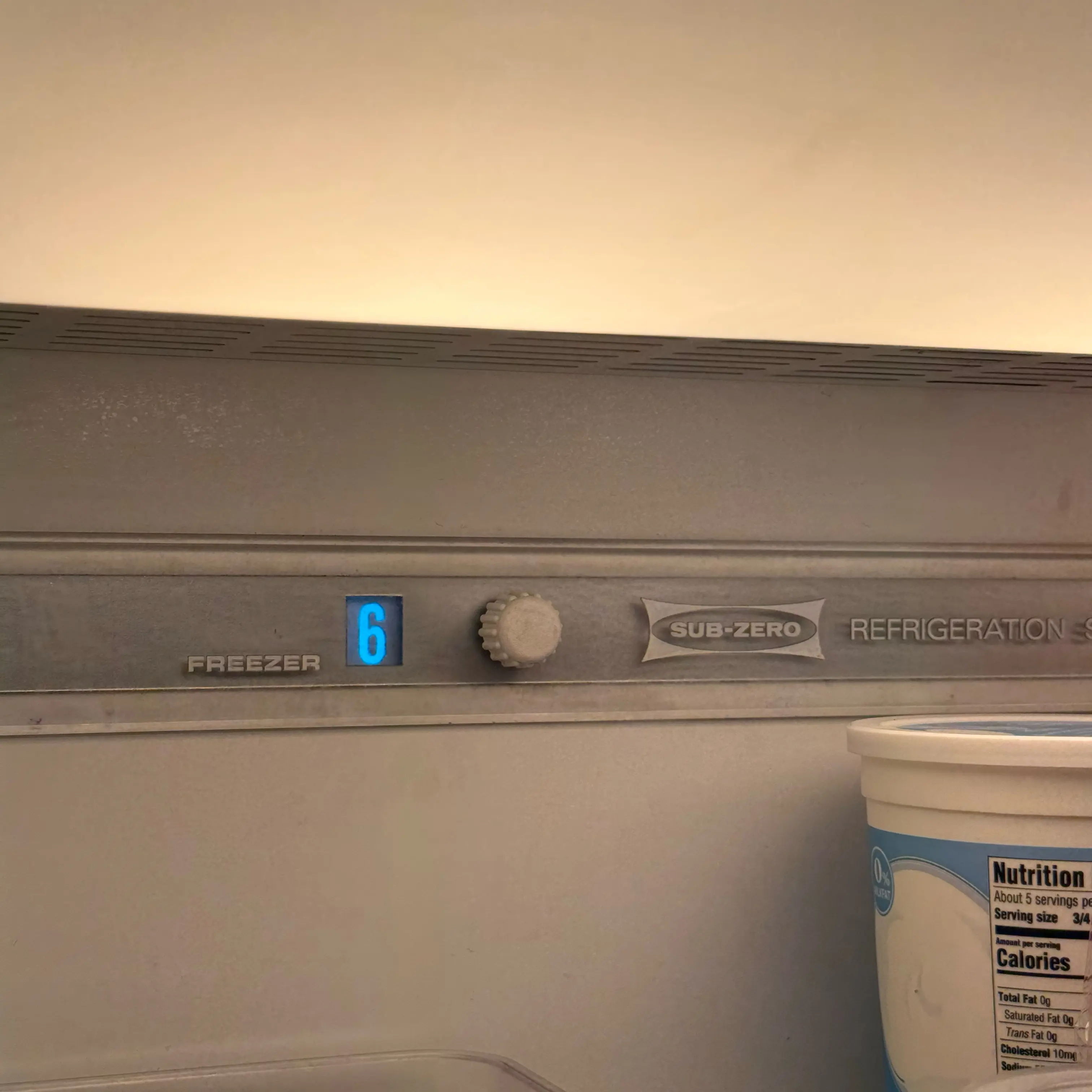
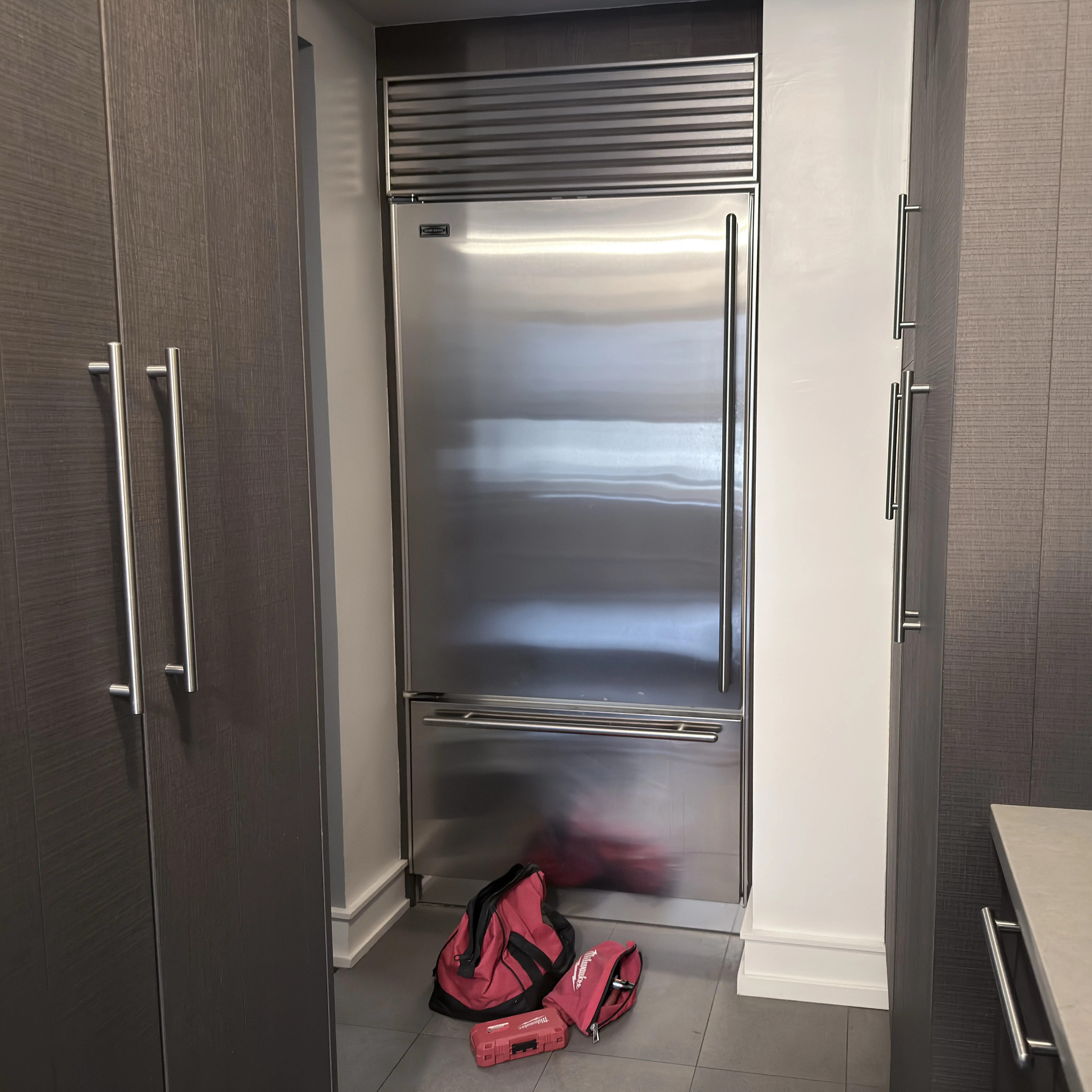
Technician experience standard: 4+ years of hands-on appliance repair per technician; senior technicians bring 8 and 16 years. Sub-Zero intake starts with cabinet family, tag, compartment, temperature, and built-in access. Independent service; no current manufacturer authorization implied.

