
.png)
.avif)


Insured HVAC Service in NYC & Brooklyn
VOLT & VECTOR LLC carries Commercial General Liability insurance through Hiscox Insurance Company Inc. Coverage is effective June 6, 2026 – June 6, 2027, with $1,000,000 per occurrence and $2,000,000 general aggregate limits.COI available upon request for homeowners, landlords, property managers, co-op/condo boards, commercial clients, and general contractors.
HVAC Maintenance in NYC
HVAC maintenance in NYC should answer a practical question before it sells a tune-up: is the system dirty, blocked, mis-set, leaking water, losing airflow, or actually failing? Volt & Vector handles HVAC maintenance for apartments, condos, townhomes, and small buildings where access, finished floors, wall-mounted indoor heads, roof equipment, condensate routing, and building rules can change the visit. This service is for inspection, unit cleaning, airflow and drain checks, thermostat response, and repair handoff when maintenance is not enough.
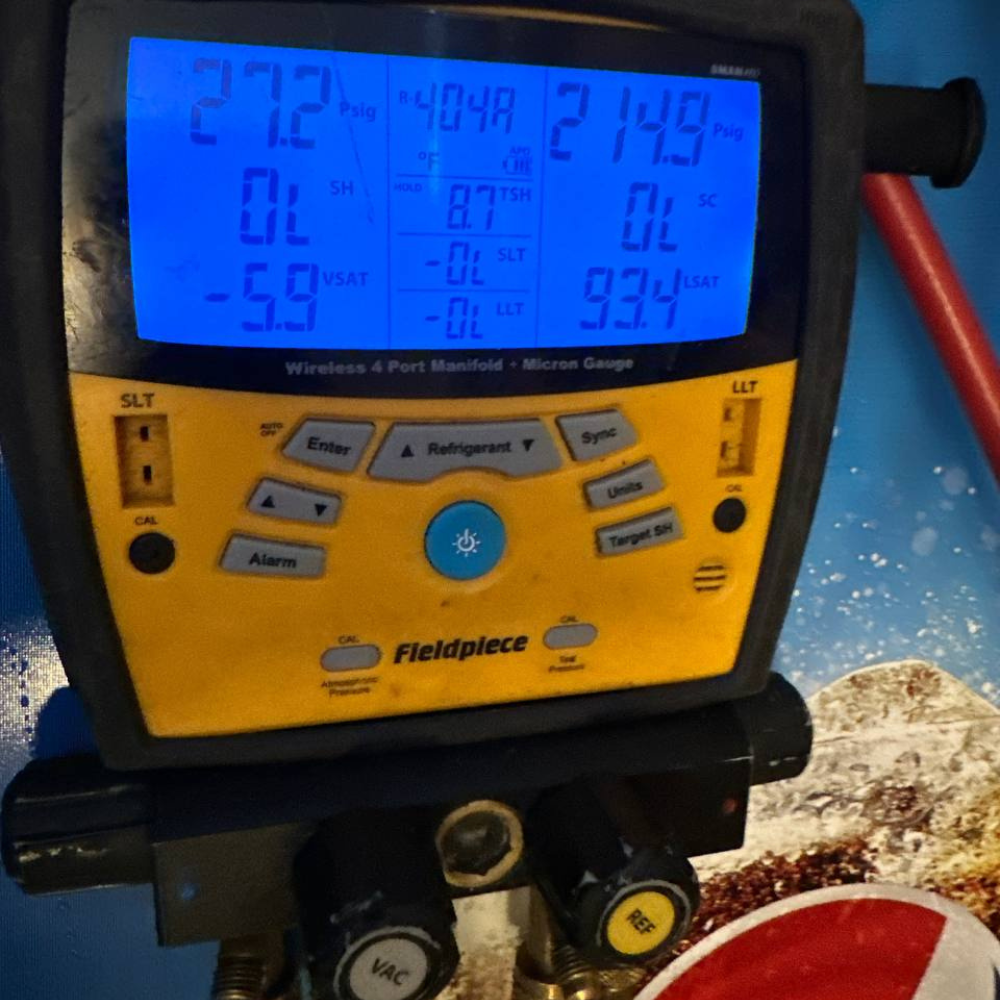
It is not a promise to recharge an air conditioner without diagnosis. Refrigerant charge verification belongs in a technician-level check when symptoms support it, especially when weak cooling, icing, repeated shutdown, or heat pump performance points beyond filters and coils. The goal is to separate what can be cleaned or corrected during maintenance from what needs repair approval before work continues.
What this HVAC maintenance service includes
The maintenance visit starts with the equipment type and access path: mini split indoor head, air handler, fan coil, central AC, heat pump, thermostat, condensate pump, outdoor condenser, or roof-mounted equipment. The useful checks are filter condition, coil condition, blower or fan airflow, condensate pan and drain behavior, thermostat command, visible unit condition, outdoor clearance, and the symptom that made you book the visit.
- Inspection only: a practical read on whether the system needs cleaning, repair, access planning, or a more specific HVAC service path.
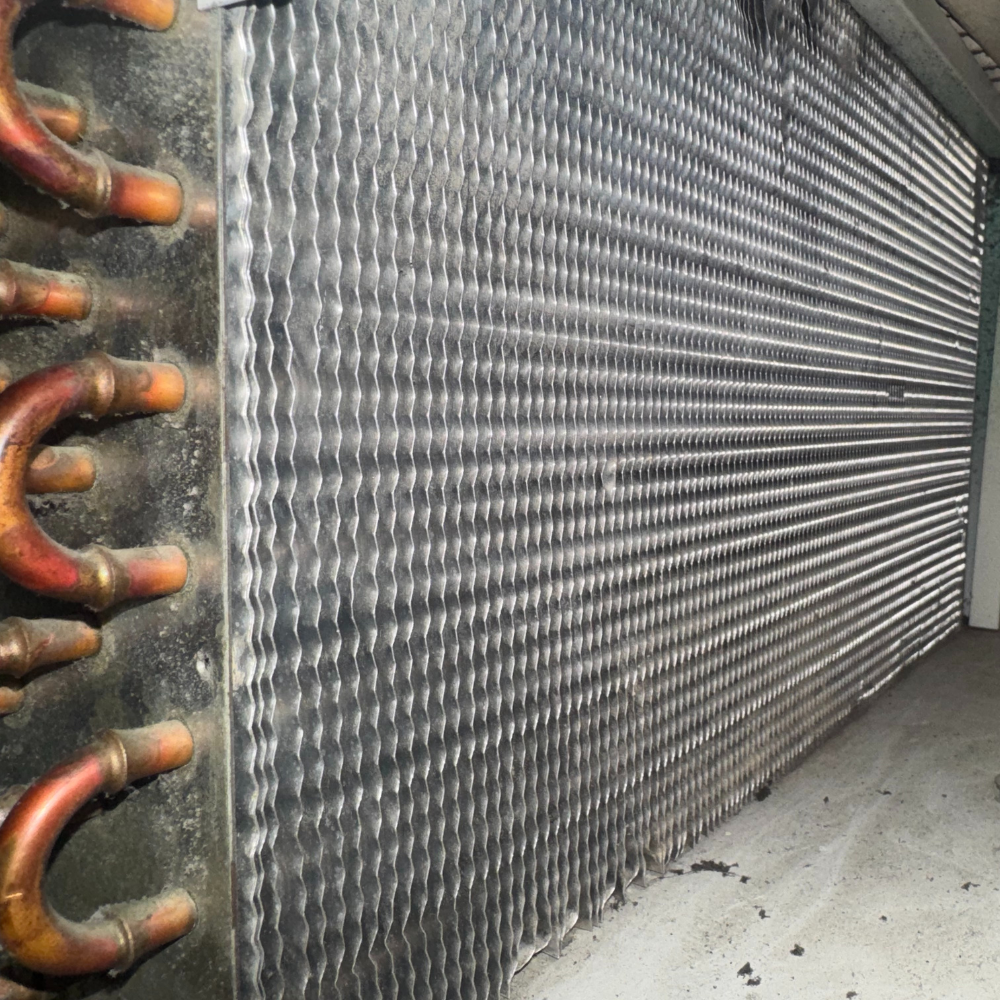
- Unit cleaning: equipment-level cleaning of accessible filters, indoor unit surfaces, coil access areas, blower/louver areas, drain pan area, and outdoor debris where safe and appropriate.
- Condensate and drain check: check of pan, drain line, trap, pump, float switch, pitch, overflow evidence, and water shutoff behavior.
- Airflow check: check of filter fit, return path, indoor coil restriction, blower behavior, supply airflow, and blocked grille conditions.
- Thermostat and control check: check of settings, display behavior, batteries where applicable, mode calls, and whether the equipment responds.
- Refrigerant charge verification: considered only when symptoms justify it; adding refrigerant is not treated as routine maintenance.
Cleaning vs repair: the decision boundary
Cleaning is useful when dirt, dust, debris, or drain buildup is changing how the unit moves air, transfers heat, or removes water. Repair is more likely when the blower will not start, the outdoor unit will not run, water safeties trip repeatedly, a thermostat command never reaches the equipment, the cabinet overheats, the system ices again after airflow is corrected, or performance still fails after basic maintenance conditions are restored.
This is where the maintenance page is different from a repair page. For a cooling failure that has already moved beyond maintenance, use air conditioner repair in NYC. For indoor blower, coil, or cabinet issues, use air handler repair in NYC. For active water overflow, use condensate drain repair.
Refrigerant charge check is not a refill promise
Weak cooling can come from blocked airflow, dirty coils, outdoor debris, incorrect settings, a failed fan, or refrigerant-side trouble. Because refrigerant handling is regulated and because a low charge can point to a leak or equipment fault, maintenance should not be sold as a simple refill. A charge check belongs after airflow, coil condition, fan operation, and access are understood.
If refrigerant-side symptoms are present, the visit should document the model, equipment type, accessible service points, icing pattern, outdoor unit behavior, and whether repair authorization is needed. That keeps the page useful for homeowners without giving unsafe instructions or pretending that every weak-cooling call needs refrigerant.
Mini split cleaning with odor, weak airflow, or water at the indoor head
- What you notice: the indoor head smells musty, airflow drops, water drips from the louver area, or the fan sounds uneven.
- Likely system: washable filter, indoor coil surface, blower wheel, louver path, drain pan, condensate outlet, or pump routing.
- Safe check: photograph the indoor head, filter condition, remote/display, and the wall or floor area where water appears.
- Stop using it if: water spreads toward outlets, the unit shuts down, ice appears, or the fan scrapes.
- What helps booking: send the model label, head location, ceiling height, and whether furniture or cabinets block access.
Weak airflow from an air handler or fan coil
- What you notice: the system runs but air from the grille is weak, uneven, dusty, noisy, or warm when cooling should be active.
- Likely system: filter frame leakage, filter size, blower wheel buildup, indoor coil restriction, return path, fan speed, or cabinet access issue.
- Safe check: confirm that return grilles are not covered and take a photo of the accessible filter area.
- Stop using it if: the cabinet smells hot, airflow stops suddenly, or the blower noise changes sharply.
- What helps booking: send access photos of the closet, ceiling panel, fan coil cover, or mechanical room.
Condensate overflow, drain noise, or water safety shutoff
- What you notice: water appears near the indoor unit, a pump runs loudly, the system shuts off, or the drain pan looks wet.
- Likely system: drain pan, trap, condensate pump, float switch, drain pitch, microbial slime, or ice melt from an airflow issue.
- Safe check: turn the system off, protect the floor, and preserve photos before wiping the water path clean.
- Stop using it if: water reaches wiring, leaks into another apartment, or returns immediately after restart.
- What helps booking: include whether the drain runs to a pump, sink connection, wall penetration, or concealed line.
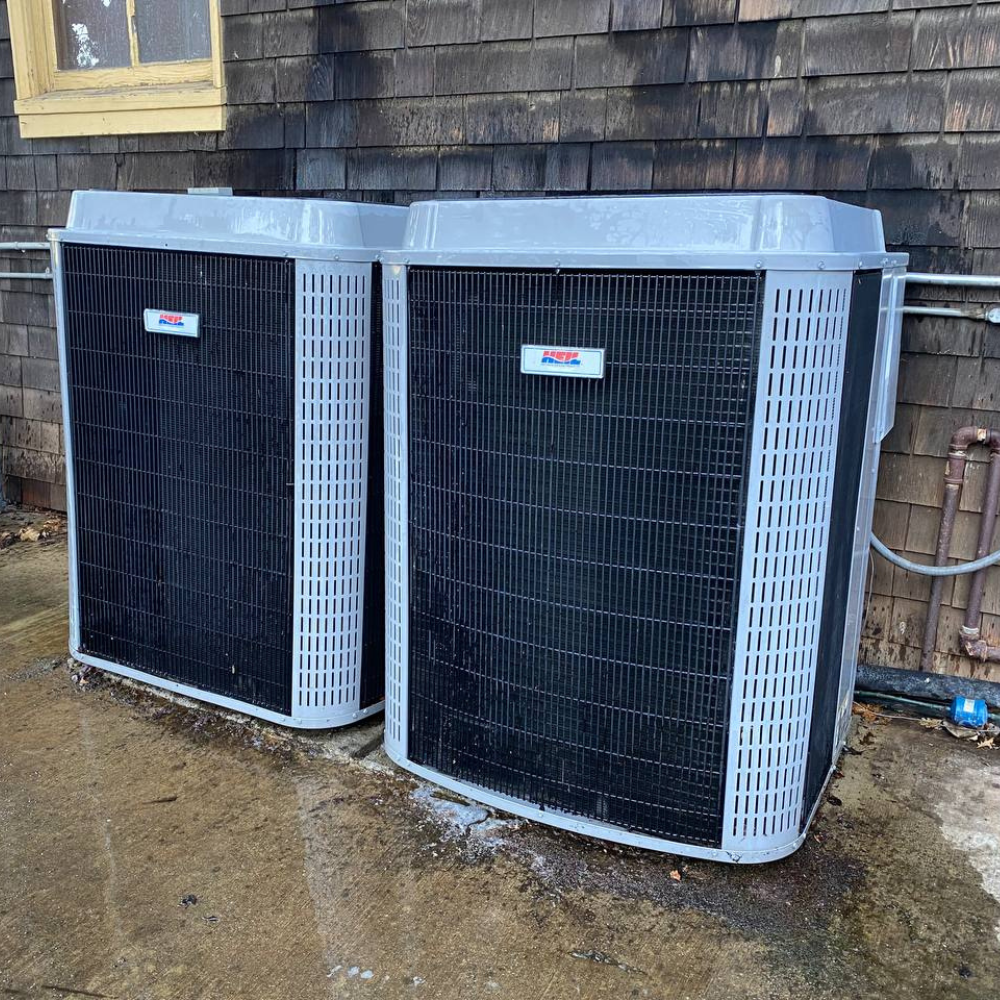
Outdoor condenser blocked by leaves, lint, roof debris, or tight clearance
- What you notice: cooling fades during hot weather, the outdoor section is loud, or the unit struggles after construction dust or roof debris.
- Likely system: condenser coil airflow, fan discharge, fin restriction, outdoor clearance, or heat rejection after indoor airflow is verified.
- Safe check: if access is safe and building rules allow it, photograph the outdoor unit from outside the fan path.
- Stop using it if: the outdoor fan does not spin, the cabinet becomes unusually hot, or the breaker trips.
- What helps booking: tell us whether the unit is on a roof, balcony, setback, rear yard, or through a managed building access point.
Heat pump maintenance before switching seasons
- What you notice: the system heats poorly, cools poorly, cycles between modes, or behaves differently after thermostat changes.
- Likely system: indoor airflow, outdoor coil condition, defrost behavior, thermostat mode, control sequence, or refrigerant-side performance.
- Safe check: confirm heating/cooling mode, fan mode, and whether backup heat or auxiliary heat appears on the display.
- Stop using it if: the outdoor unit is iced in a way that does not clear, burning odor appears, or the system shuts down hot.
- What helps booking: send thermostat photos, outdoor unit photos if accessible, and the mode running when the symptom appears.
Thermostat complaints that are really maintenance complaints
- What you notice: the thermostat calls for heating or cooling, but the room does not change or the equipment starts inconsistently.
- Likely system: settings, batteries, dust at the sensor, wiring condition, condensate safety, air handler response, heat pump mode logic, or equipment lockout.
- Safe check: photograph the display, confirm the mode, and note whether the indoor fan runs when fan-only is selected.
- Stop using it if: breakers trip, the equipment smells hot, or the display shows a warning that returns after a normal restart.
- What helps booking: include the thermostat model, equipment type, and whether recent maintenance, renovation, or filter changes happened.
Duct cleaning is not the default answer
HVAC maintenance does not automatically mean duct cleaning. For most service calls, the equipment itself gives the better starting point: filter, coil, blower, drain pan, condensate line, outdoor coil, thermostat, and access. Duct cleaning becomes relevant only when there is a reason to inspect the duct path, such as heavy visible debris, pest evidence, moisture, mold-like growth, or renovation dust entering the system.
That distinction protects the homeowner from paying for a broad duct service when the real problem is a dirty indoor head, clogged drain, restricted filter, or failed component. It also prevents the maintenance page from competing with repair pages that own a specific broken-system diagnosis.
What you can safely check before booking
- Take photos of the model label, indoor unit, outdoor unit if safely accessible, thermostat display, and any water path.
- Note the exact symptom: weak airflow, odor, water, ice, short cycling, no response, warm air, or noise.
- Confirm filter location and whether the filter was recently changed, washed, or missing.
- Check thermostat mode and set point without opening equipment cabinets.
- Record a short video of startup noise, drain pump noise, airflow drop, or display behavior.
What not to do before HVAC maintenance
- Do not handle refrigerant, attach gauges, or treat refrigerant as a homeowner maintenance step.
- Do not remove covers that expose wiring or moving fan parts.
- Do not pour drain chemicals into condensate lines or pans.
- Do not spray disinfectants, sanitizers, or fogging products into HVAC equipment.
- Do not keep running a leaking, icing, overheating, or breaker-tripping system.
- Do not pull down a wall-mounted mini split head or move a fan coil without access planning.
NYC building access and COI notes
Maintenance in NYC may require more planning than the checklist suggests. Building staff may need a COI, elevator or service entrance instructions, roof access, terrace access, mechanical room access, or permission to reach an outdoor condenser. If the unit is above cabinetry, in a ceiling, behind a fan coil cover, or near finished floors, send photos before the appointment so floor protection and access can be planned.
If management has required work hours or certificate-holder wording, send that before booking. If the building will not allow roof or equipment-room access, the visit may need to stay inspection-only until access is approved.
Quick answers
Is HVAC maintenance the same as AC repair?
No. Maintenance looks for cleaning, airflow, drain, thermostat, and access conditions that can be corrected or documented. Repair begins when a component, control, motor, refrigerant-side issue, or safety problem needs diagnostic confirmation and approval.
Can I book inspection only?
Yes. Inspection-only makes sense when you do not know whether the system needs cleaning, repair, a drain service, thermostat work, or building access approval. The useful outcome is a clear next step, not a padded tune-up list.
Do you clean mini split indoor units?
Yes, when access and unit condition support it. The visit can check the filters, indoor head, coil area, blower/louver path, drain pan, and condensate route. If the unit is leaking, icing, or not responding, the visit may become a repair decision instead of cleaning only.
Do I need duct cleaning every year?
No. Duct cleaning is not a default yearly maintenance item. It becomes relevant when there is visible heavy debris, moisture, pest evidence, mold-like growth, or renovation dust in the duct path.
Can maintenance include refrigerant?
It can include charge verification when symptoms justify that check, but refrigerant is not a routine refill item. Weak cooling should first be separated from airflow, coil, fan, thermostat, and access issues.
Which existing HVAC page should I use if maintenance is not enough?
Use heat pump repair for heating/cooling mode failures, thermostat repair for command/display issues, and condensate drain repair for water overflow or pump symptoms.
Next step
Send the equipment type, model photo, thermostat display, indoor unit photo, outdoor unit photo if safe, and the symptom that made you request maintenance. Volt & Vector will use that evidence to decide whether the visit should be inspection-only, unit cleaning, condensate/drain service, airflow maintenance, thermostat check, or a repair handoff.
HVAC Maintenance Decision Matrix
- Weak airflow: check filter fit, return obstruction, blower buildup, indoor coil condition, and fan response before assuming a failed motor.
- Warm air or weak cooling: separate dirty coils, blocked outdoor airflow, thermostat mode, fan operation, and refrigerant-side symptoms before any repair approval.
- Water near the unit: inspect drain pan, trap, condensate line, pump, float switch, pitch, and ice-melt evidence before calling it a simple cleaning issue.
- Odor or visible debris: start with the indoor unit, filters, blower/louver area, coil access, and drain pan; duct cleaning is only relevant when the duct path has its own contamination evidence.
- Short cycling or no response: compare thermostat command, condensate safety, air handler response, outdoor unit behavior, and heat pump mode logic.
- System still fails after cleaning: move from maintenance to the correct repair path: AC, air handler, condensate drain, heat pump, or thermostat.