

.avif)
Appliance Serviceability in 2026: Which Brands Can Actually Be Fixed
Compare appliance repair support by brand: Miele's parts policy, GE/LG/Bosch lookups, Sub-Zero/Wolf identification and service routes for your exact model.
Which Appliance Brands Have Repair Support You Can Check?
Miele publishes a long-term parts policy; GE, LG and Bosch provide model-based parts searches; Sub-Zero and Wolf provide product identification and service support; Samsung and Frigidaire provide manufacturer service or owner-support routes. These are concrete starting points for a repair inquiry, with different limits:
- Miele: its US policy states spare parts remain available for at least 15 years after the series stops production. Confirm the needed part and shipping status.
- GE, LG and Bosch: use the complete model or serial information in the official parts lookup. A catalog entry is not confirmation of stock.
- Sub-Zero and Wolf: identify the exact product and generation, then confirm service for the proposed work and installed access.
- Samsung and Frigidaire: start with the manufacturer's service or owner-support channel and ask about the exact model and fault.
These support routes do not establish a reliability ranking or guarantee that any particular repair can be completed. The brand sections below cover the next checks, including Thermador, Whirlpool, Maytag, KitchenAid, Viking and older models.
Miele, Sub-Zero, Wolf, Bosch and Thermador: Check the Specific Support Path
Miele
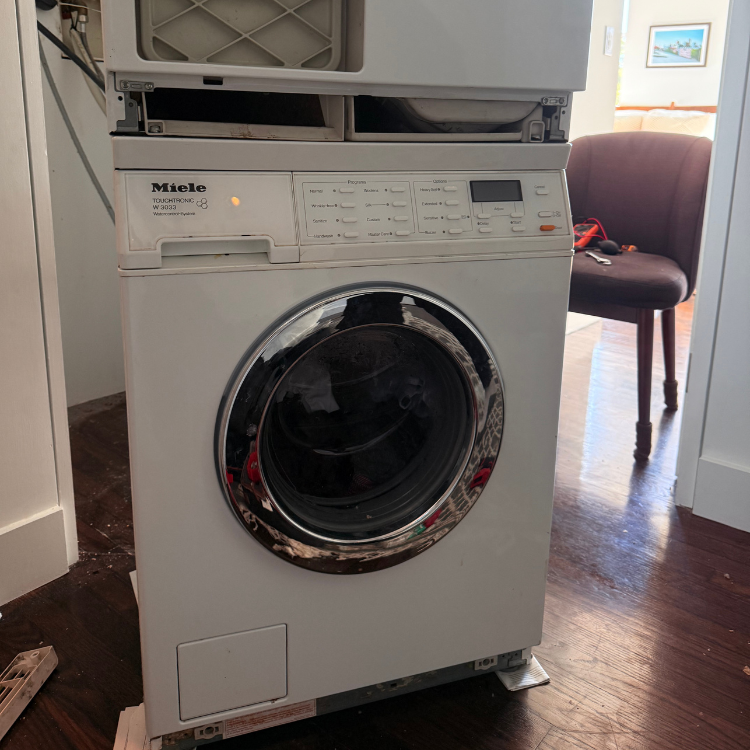
Miele's US parts policy states availability for at least 15 years after a series stops production. This is a useful published support commitment; it starts from production discontinuation, not your purchase date, and does not confirm stock for a particular repair today. Ask for compatibility and an actual supply estimate.
Miele also explains that its testing equivalent to 20 years of use is not a durability guarantee. The statement does not mean every machine will run for that period or that every repair is financially sensible. Use the diagnosis, condition and replacement alternatives alongside the support policy.
Sub-Zero and Wolf
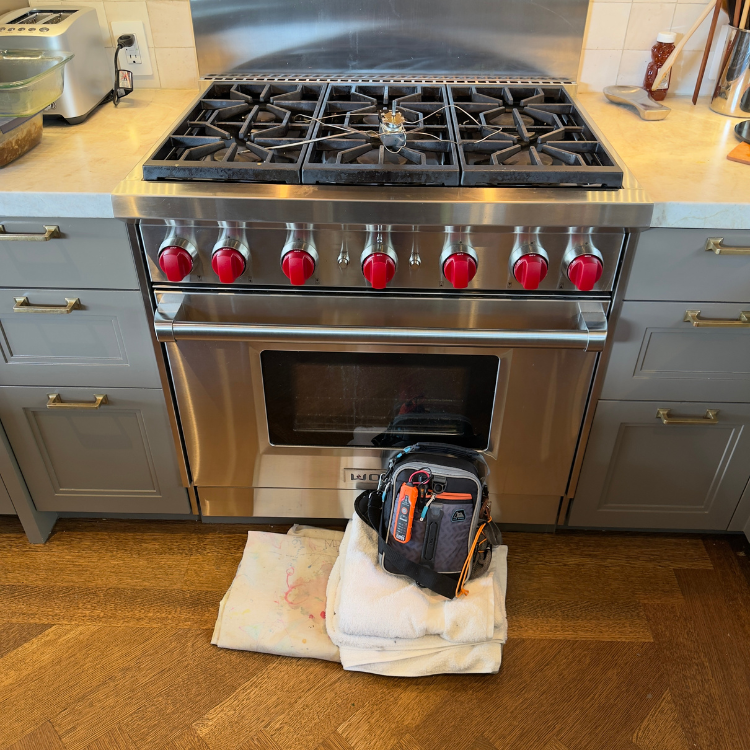
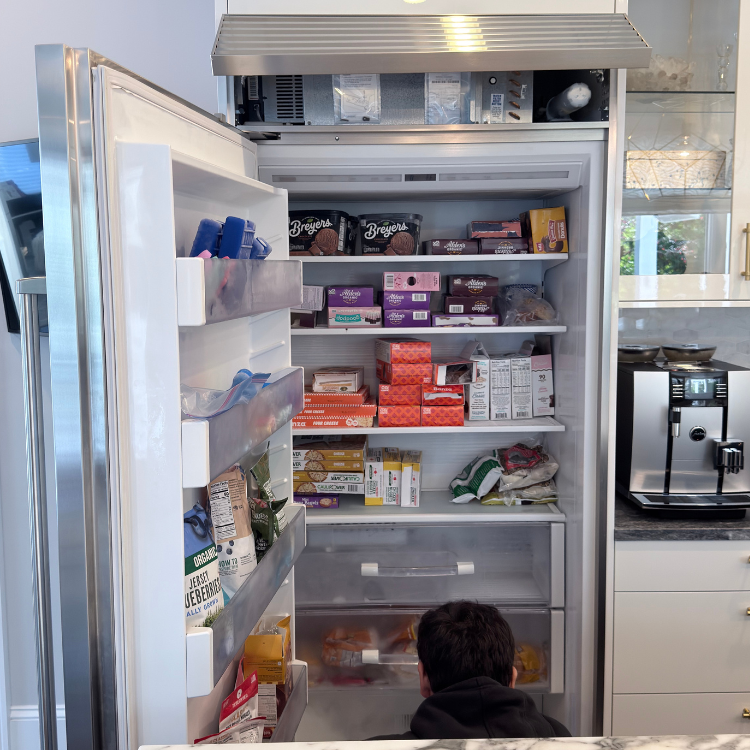
Identify the full product before asking for service; Sub-Zero and Wolf provide model-label guidance. Then ask whether the servicer handles the specific generation and proposed work, including sealed-system repair when that is actually diagnosed.
For built-in refrigeration or cooking equipment, document the installed access, decorative panels and surrounding cabinetry. Ask what removal or protection work is included. An expensive replacement can make these questions especially important, but it does not make every old built-in repair worthwhile.
Bosch and Thermador
Bosch's US parts lookup starts with the appliance's model identity. Use the complete E-Nr and other label information the support system requests. For a Thermador appliance, use Thermador's exact model and support channel; do not assume a Bosch part fits because the brands may share some technology.
GE, LG, Whirlpool, Maytag and KitchenAid: Match the Model and Scope
GE Appliances offers model-based parts diagrams. Use the complete model, whether the label is GE, Profile or Cafe. For a connected appliance, ask which part of the repair depends on software and whether the proposed servicer can complete it. The presence of an app alone does not establish a service problem.
LG's official parts store supports serial-number and model searches. Start with the serial number when available, and use the full model information when comparing the proposed part with the catalog. For a refrigerator cooling repair, ask LG to check any applicable component coverage for that unit.
For Whirlpool, Maytag, Amana and KitchenAid, keep the exact brand and model in the inquiry and request the matching parts information. Do not infer identical parts or repair steps from a corporate family. A conclusion about a KitchenAid stand mixer does not establish the serviceability of a KitchenAid dishwasher or range.
Samsung and Viking: Confirm the Proposed Repair, Not a Reputation
Samsung's official service page provides a manufacturer service route. For an ice maker, cooling or control complaint, give the complete model and symptom history. Ask what testing supports the diagnosis, which repair is proposed and whether any earlier work is relevant. Do not order a part based only on a commonly discussed failure associated with the brand.
For Viking, start with the product label and ask the manufacturer or proposed servicer to identify support for that exact range, oven, refrigerator or other product. Confirm the required part's availability and compatibility, especially for an older model. A story about company ownership is not evidence that your part is unavailable.
The same check matters for less familiar imported products, including Fisher & Paykel or V-Zug: verify US-model applicability and local service for the work you need. Do not assume that a shop advertising appliance repair covers every product or specialized procedure.
Older or Discontinued Models: Find the Actual Limitation
Separate an appliance no longer sold from an appliance no longer supportable. Also separate “not stocked by this supplier” from “discontinued with no supported replacement.” Ask for the part number, the reason it cannot be supplied and whether the manufacturer lists a compatible replacement.
Apply that process to Electrolux, Frigidaire, Kenmore and any other older appliance. Frigidaire has a current owner-support channel; a generalized claim about Sears' business history is not a parts determination for a Frigidaire model.
If a critical part is unavailable, ask what technically supported alternatives, if any, exist and what the written coverage would be. Do not treat an unknown used component or an unverified modification as an equivalent repair. A long but confirmed lead time and a part with no supply route are different decisions.
What These Support Routes Tell You
A published policy, parts catalog or service channel establishes a place to check support. It does not confirm that the required part is stocked, a local servicer can complete the work or a repair is economical. Those answers belong to the exact model, fault and installation.
Reliability concerns how often a product fails in a defined population. Serviceability concerns whether it can be repaired after a fault. Manufacturer support pages are useful evidence for the second question; they do not provide a comparative failure-rate ranking.
Before approving work, resolve four practical conditions: compatible parts, the required information or tools, safe physical access and a provider able to complete the specific repair. The checklist below turns those conditions into questions.
New York Right to Repair: What It Covers
As checked September 4, 2026, New York General Business Law 399-nn, subdivision 3(g), excludes home appliances with embedded digital electronics from its obligation to provide repair parts, tools and documentation. The New York Attorney General's explanation also lists home appliances among the exclusions.
A connected refrigerator or smart oven therefore does not gain those access rights merely because it contains electronics. Do not assume an independent appliance company has the same diagnostic software, warranty role or technical access as a manufacturer's service network. Ask what is available for the actual job.
Coverage under another jurisdiction's law or a foreign repairability label must be checked for that jurisdiction and product. It does not by itself establish parts stock or support for a US model in NYC.
Questions to Ask Before Approving a Repair
- Identity: “Have you matched the complete model and production version?”
- Diagnosis: “What evidence establishes the fault, and what has not yet been confirmed?”
- Parts and setup: “Which part or assembly is needed, is it available, and does the repair require programming or other components?”
- Access: “Does the price include unstacking, removing panels or other necessary access work?”
- Completion: “How will you check the repaired function, and what happens if the part cannot be obtained or the diagnosis changes?”
- Coverage: “What parts and labor are covered, for how long, and who handles a return of the same symptom?”
If warranty coverage may apply, read the claim procedure before paying for work. The FTC warranty guide explains what to review. Access to an independent repair option does not by itself promise reimbursement under a particular warranty or plan.
Once you have those answers, use the repair-or-replace guide to compare cost and disruption. Before a new purchase, the NYC appliance buying checklist adds the installation and delivery checks.
Find the concrete support route for your brand, then confirm the part, repair capability and installed access.