[team] image of individual team member (for a plumbing service)
You inherited a premium kitchen, not a maintenance plan. This guide explains what to check in the first month, what owners damage by accident, why premium appliances fail differently, and when a symptom needs immediate action.

Luxury Apartment Appliance Guide NYC 2026

Moved into an NYC apartment with Sub-Zero, Wolf, Miele, Thermador, Viking, or Gaggenau appliances? This 2026 guide covers first-month setup, maintenance, warning signs, and when to stop using a unit.

Diagnostic fee: $99, credited toward the repair if you move forward
Warranty: 180-day parts and labor warranty on completed repairs
Arrival windows: 9 to 11, 11 to 1, 1 to 3, 3 to 5
Google Business Profile
Open 9:00 AM - 6:00 PM
Close-up of a damaged gray plastic pipe with a large hole next to a redcomponent under a kitchen sink.
+1 (332) 333-1709
43 Duffield St
Brooklyn, NY 11201

Luxury Apartment Appliance Guide NYC 2026

You inherited a premium kitchen, not a maintenance plan. This guide explains what to check in the first month, what owners damage by accident, why premium appliances fail differently, and when a symptom needs immediate action.

About

You can move into a luxury NYC apartment with a $40,000 to $80,000 kitchen and still receive almost no useful handoff. The leasing team points out the finishes. The designer talks about the visual line of the cabinetry. The listing names Sub-Zero, Wolf, Miele, Thermador, Viking, or Gaggenau as if that alone explains how the kitchen works. Then the apartment becomes yours, the refrigerator starts beeping at night, the coffee system asks for descaling, the steam oven flashes a symbol you have never seen, and suddenly the expensive part is not the purchase price but the cost of not knowing what requires routine care.

That is the real premium-appliance gap. These products are usually better built than commodity appliances, but they are also less forgiving when basic maintenance is skipped, when the wrong detergent is used, when airflow is restricted by cabinetry or dust, or when an owner assumes every alert can wait. In NYC, that problem gets sharper because many premium appliances are integrated into tight millwork, panel-ready refrigeration is hidden behind custom fronts, building staff may only help with access or shutoffs, and a simple inspection can require coordinating elevator windows, doormen, and apartment access.

This guide is for the first year of ownership or occupancy. It is not a technician manual. It is a practical reset for people living with premium appliances who were never given the operating logic, maintenance rhythm, or early warning signs that actually matter.

What to Do Now

If you moved into a luxury NYC apartment within the last 12 months and have done little beyond turning things on, start with a first-month reset. Premium appliances usually do not need constant attention, but they do need the right baseline checks.

Sub-Zero refrigerator: clean the condenser now unless you have clear proof it was done recently. Sub-Zero’s own guidance commonly calls for condenser cleaning every 6 to 12 months, more often with pets or heavier dust. On many built-in models the condenser sits behind the grille. If it is packed with lint, the unit has been running with reduced airflow. Vacuum it carefully with a brush attachment or condenser brush and avoid bending the fins. This is one of the most useful move-in tasks because neglected condenser cleaning can contribute to temperature loss and elevated mechanical stress over time.

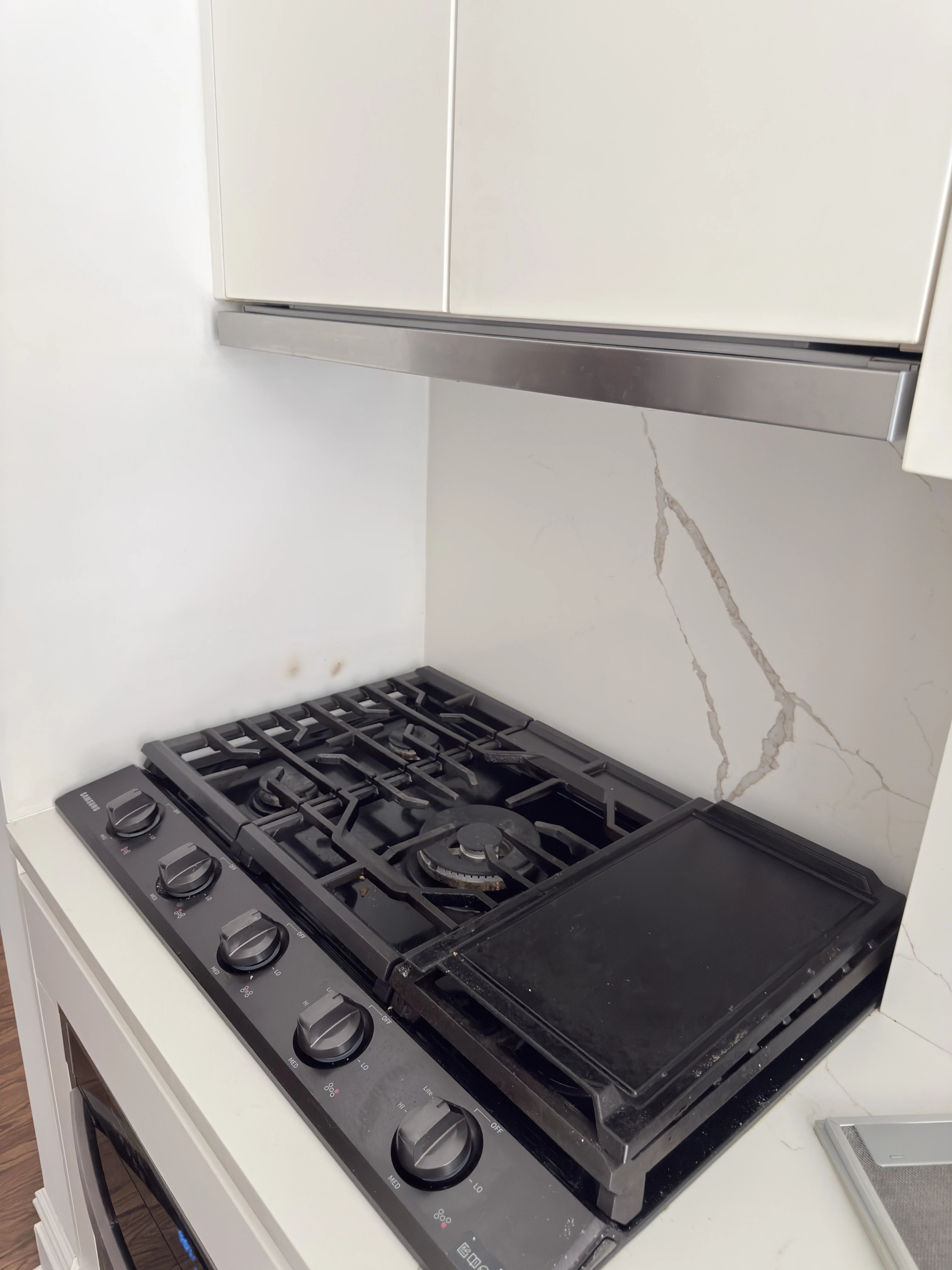
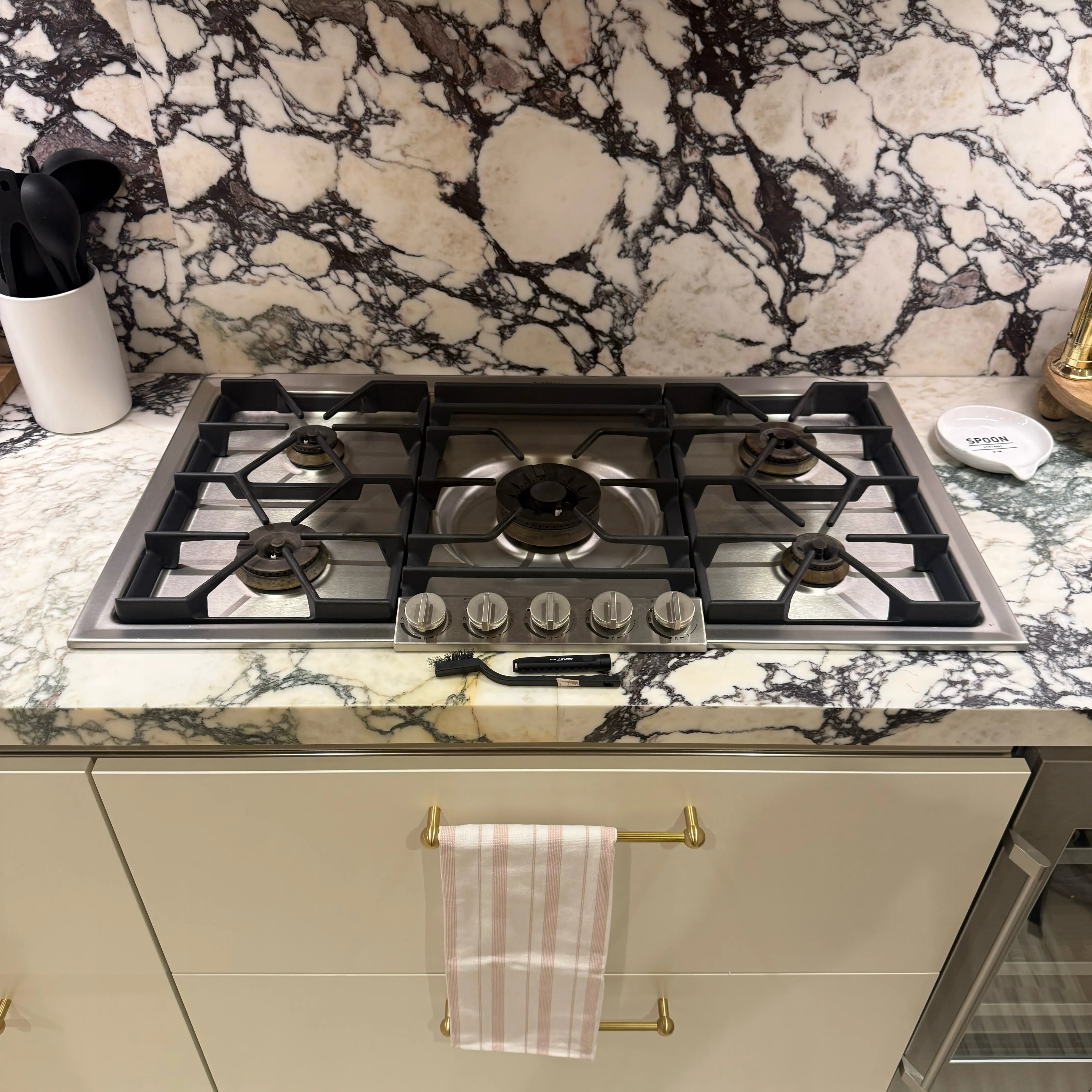
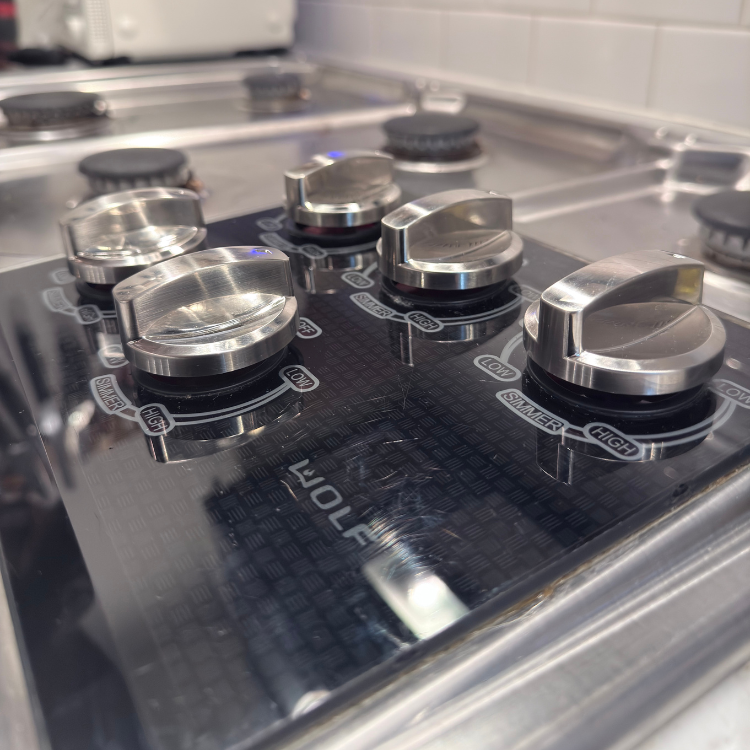
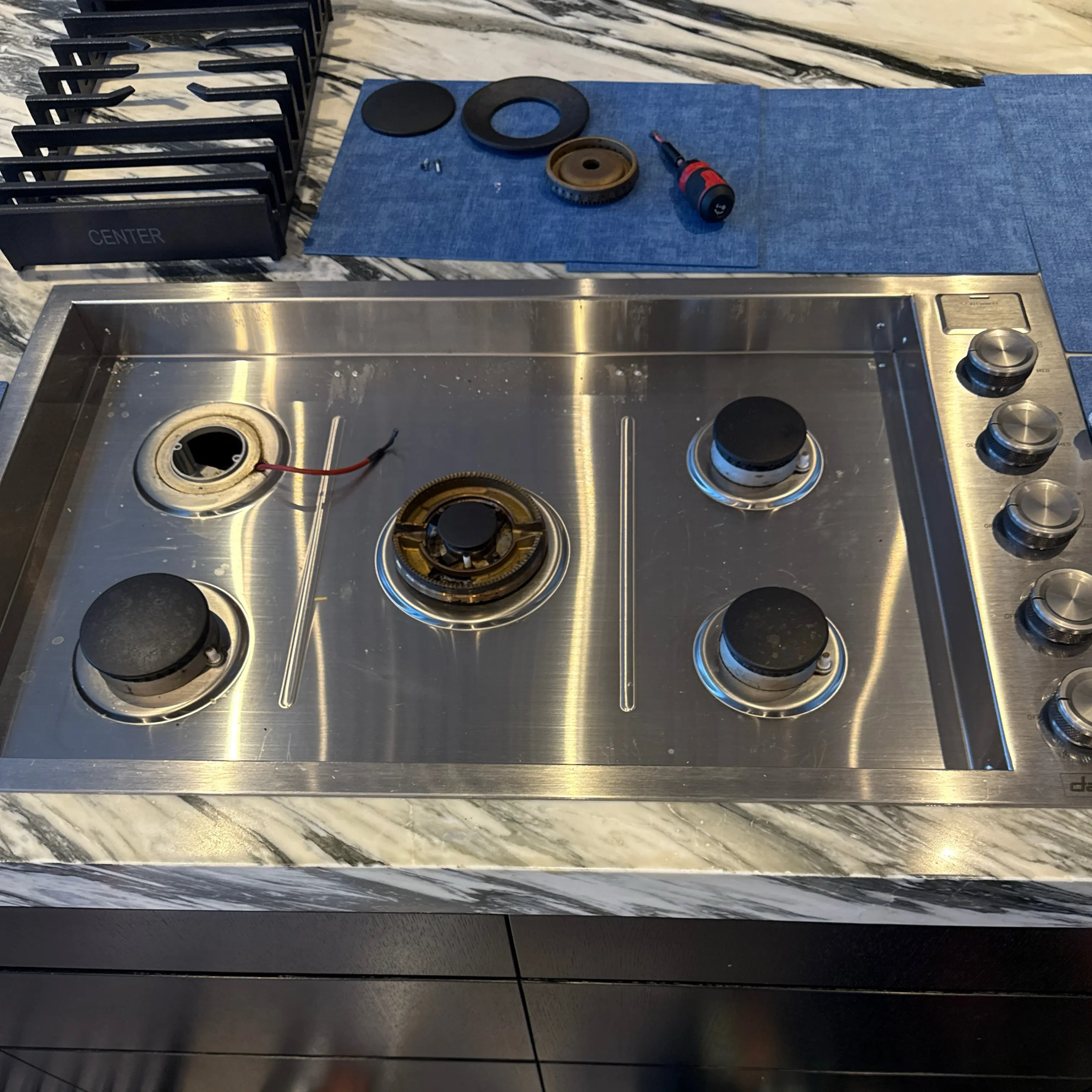
Wolf range or cooktop: test ignition on every burner and pay attention to consistency, not just whether flame appears eventually. Wolf says gas surface burners should ignite in about 3 to 4 seconds. If one burner repeatedly clicks too long, lights unevenly, or works only after the cap is adjusted, start with cleaning and proper burner-part fitment. Then check the oven in real use. Do not treat one imperfect dinner as proof of a bad thermostat. Fully preheat, cook something familiar, and look for a repeated pattern before deciding there is a service issue.

Miele dishwasher: confirm the basics before assuming the machine is “just picky.” Miele dishwashers rely on the correct water-hardness setting, proper salt logic on applicable models, clean filters, and the right detergent approach for that platform. If the machine has AutoDos, inspect the dosing area and clean residue according to the operating instructions. If you inherited the apartment, do not assume the previous user set hardness correctly or used the right products.

Steam oven or built-in coffee system: treat the maintenance history as unknown. Thermador, Gaggenau, and Miele all provide descaling guidance on steam or coffee platforms. If the unit prompts for descaling, do not postpone it indefinitely. If it does not prompt but you have no record of prior maintenance, review the manual and reset the schedule properly instead of waiting for a problem to announce itself.

Wine cooler: check the door seal, vent path, and temperature stability over several days. A premium wine unit is still a refrigeration system living inside cabinetry. If the vent is dusty, the door is not sealing evenly, or bottles feel warmer than the displayed setpoint suggests, deal with it early rather than after a long weekend or a fully loaded cabinet.

What NOT to Do

Do not use random cleaning products because the kitchen “looks expensive.” Premium appliance cleaning guidance is surface-specific, not aesthetic. Stainless, carbon stainless, porcelain, glass, coated trims, custom panels, and touch displays can all have different care rules. Some surfaces tolerate only mild detergent and water. Others allow more aggressive treatment in specific areas. The safe rule is simple: identify the exact surface before using glass cleaner, ammonia, bleach, abrasive paste, metal pads, or a generic stainless spray.

Do not let household staff, cleaners, or guests guess how the appliances work. In many NYC apartments, expensive kitchens are used by people who did not select the appliances and may never read the manual. That is how the wrong detergent goes into a Miele dishwasher, a steam oven gets ignored during a descale prompt, or a wine cooler vent gets blocked with trays or storage bins. A short instruction card near the dishwasher, coffee system, steam oven, or wine cooler is practical asset protection, not overthinking.

Do not assume “premium” means maintenance-free. Many owners unconsciously expect the opposite of reality: if the appliances cost more, they should need less attention. In practice, premium appliances often have more specialized components, tighter performance tolerances, and more setup-specific logic. The routine tasks are usually simple, but skipping them creates more expensive consequences than on a basic replacement-grade appliance.

Do not treat building staff as a substitute for brand-specific diagnosis. A super or building engineer may be extremely helpful with access, breakers, shutoffs, leak confirmation, or opening panels. That matters. But premium refrigeration, steam systems, integrated dishwashers, and ignition faults usually still need a qualified appliance technician with the right platform experience. Building staff solves the building side of the problem. They do not replace diagnosis on a specialized kitchen package.

Do not skip the manual because the controls look intuitive. Miele dishwashers, Wolf cooking platforms, and steam-capable ovens often hide the important information in setup, water treatment, cleaning, and maintenance sections, not in the basic on-off instructions. Five minutes with the manual is usually worth more than guessing for six months.

Why This Happens

Premium appliances usually do not fail because they are “worse.” They fail differently because the design goals are different. A replacement-grade appliance is often built for a shorter life cycle, simpler manufacturing, and easier mass replacement. A premium appliance is usually built around tighter temperature control, heavier-duty materials, lower visual clutter, quieter operation, integrated installation, and more specialized user modes. Those features improve daily use, but they also create different ownership risk.

First, access is worse. Built-in refrigeration, panel-ready dishwashers, flush cooktops, wall ovens stacked into millwork, and undercounter wine units are often harder to inspect and service than freestanding appliances. Even a good appliance becomes harder to maintain when airflow is restricted, shutoffs are buried, or the product cannot be pulled forward without protecting finished cabinetry and flooring. In NYC, even the decision to inspect a problem can involve building logistics that never exist with a freestanding unit in a suburban kitchen.

Second, the control logic is more layered. Premium products often combine sensors, control boards, user-interface logic, safety systems, and model-specific programming. When performance drifts, the answer is not always a single obvious failed part. A dishwasher can look like a detergent issue when the setup is wrong. A steam oven can look broken when it is really overdue for descaling. A refrigerator can look weak when the condenser is simply overdue for cleaning.

Third, owners miss the maintenance because the appliances still appear to work. That is the dangerous middle stage. A Sub-Zero can cool while running less efficiently than it should. A Wolf burner can still ignite while beginning to hesitate. A wine cooler can hold temperature most of the week and still show early signs of airflow or seal trouble. Premium appliances often give warning signs before a real failure, but the warnings are easy to dismiss if nobody explains what is normal and what is not.

Fourth, ownership is more system-dependent. Water quality, detergent choice, airflow, installation quality, and routine cleaning all affect whether the appliance performs the way it was designed to. That is why two identical premium appliances in two different apartments can age very differently. The machine matters, but the operating environment matters too.

Fifth, the consequences of neglect are less forgiving. That does not mean every issue becomes catastrophic. It means small preventable problems are less likely to stay small forever. Premium ownership works best when the owner treats the kitchen as a set of systems that need periodic care, not just as a collection of attractive surfaces.

How to Narrow It Down

Brand matters, but not in the simplistic sense of “good brand versus bad brand.” The better question is what each platform asks from the owner, what owners commonly ignore, and what the first useful check should be when something feels off.

Sub-Zero: the most common owner miss is basic condenser maintenance and airflow awareness. People focus on alarms, ice, or whether the box is still cold enough, but the low-drama maintenance item that matters most is often the condenser. If the unit is noisy, warmer than expected, or seems to run too much, start with the condenser, the grille area, door closure, and whether the interior is overloaded in a way that restricts circulation. Also understand the air purification reminder correctly: it supports freshness and odor control, but Sub-Zero states that not replacing the cartridge does not harm the unit itself. That is a quality-of-storage item, not the first place to look for a cooling problem.

Wolf: owners often confuse performance drift with outright failure. Start with ignition speed, burner-cap alignment, obvious residue around the burner base, and whether the symptom is repeatable on one burner or across the platform. For ovens, think in terms of a pattern, not one imperfect result. Premium ranges also get misused because people default to one mode for everything. Convection, standard bake, broil, and proof are not decorative labels. If the food outcome is inconsistent, verify operating mode, preheat habits, cookware, and repeatability before assuming parts are bad.

Miele: many service calls begin with setup, detergent, filtration, or maintenance logic rather than a dramatic hardware failure. A Miele dishwasher that performs poorly may need correct hardness setup, fresh salt where applicable, filter cleaning, the right detergent approach, or attention to the AutoDos area. A Miele coffee system or steam platform that asks for cleaning or descaling should not be treated like a generic nuisance reminder. These products are designed around routine care cycles. If the maintenance has been deferred for months, reset that history first.

Thermador and Gaggenau: the main owner trap is treating specialty cooking features like occasional luxuries that require no upkeep. Steam functions, combination cooking modes, and built-in coffee systems are impressive when installed, but they still depend on clean water paths, correct descaling, and regular care. If a steam-capable oven shows limescale prompts, reduced steam performance, or unusual residue, start with the maintenance program and the manual before assuming the appliance has suffered a major failure.

Viking: the common mistake is assuming a more commercial-looking range can tolerate neglect better than other premium brands. In practice, high-heat cooking creates its own maintenance burden: burner parts need to sit correctly, grease and residue matter, door seals matter, and performance complaints need to be separated into gas, ignition, temperature, and airflow questions before anyone talks about parts.

Wine coolers and undercounter refrigeration: these are easy to ignore because they are secondary appliances. That is exactly why they get neglected. Start with the seal, vent path, temperature stability, and cabinet fit. Small refrigeration platforms do not have much margin for blocked airflow or a poor seal, especially when they are packed into millwork.

When to Stop Using It

Some symptoms justify stopping use immediately instead of “seeing if it clears.”

Shut the unit down and do not keep testing it if you smell gas, burning insulation, hot electrical odor, or see sparking where there should be none. That applies to ranges, cooktops, wall ovens, coffee systems, and refrigeration products with electrical components.

Stop using a dishwasher, coffee system, wine cooler, or refrigerator if you have an active leak that is not obviously from a door left open or a simple spill. In NYC apartments, a small leak can become a flooring, cabinetry, or downstairs-neighbor problem very quickly.

Stop loading food into a refrigerator or wine cooler that is clearly not holding safe temperature. “It still feels a little cool” is not a stability test. If the appliance is drifting warm, alarming repeatedly, or cycling in a way that suggests unstable operation, protect the contents and get the unit evaluated.

Do not keep forcing a gas burner or steam appliance through repeated failed starts. If ignition behavior is wrong, or a steam-capable oven is throwing maintenance or fault prompts you do not understand, repeated retries usually add heat, stress, and confusion without adding clarity.

The general rule is simple: if the symptom involves gas, burning smell, electrical behavior, or active water where water should not be, stop using the appliance and deal with the risk first. Diagnosis comes second.

What to Do Next

The right long-term mindset is not paranoia. It is rhythm. Premium appliances usually reward owners who create a simple maintenance calendar instead of waiting for a scare.

Every month: check refrigerator and wine-cooler door closure, look at visible vents and grilles for dust, clear dishwasher filters, wipe gaskets that collect residue, and deal with any descale or clean prompts instead of snoozing them indefinitely. If a sound, odor, or alert repeats, write it down. Repetition matters more than one isolated event.

Every three to six months: review the appliances you do not use daily. That usually means the built-in coffee machine, steam oven, secondary refrigeration, and any specialty cooking mode you only touch occasionally. “Rarely used” does not mean “needs no maintenance.” It often means the opposite because owners stop noticing warnings. This is also the right time to confirm that household staff, family members, or guests are still using the correct products and cycles.

Every six to twelve months: clean the Sub-Zero condenser on the schedule appropriate for the apartment’s dust level and pets, replace consumables that are actually due, and review whether the original setup is still correct after a year of real use. If the kitchen was inherited from a prior occupant, this annual reset matters even more.

At move-in, after renovation, or after a long vacancy: treat all maintenance history as unknown unless you have records. That single assumption prevents a lot of wasted time.

The practical next step is not to obsess over every sound. It is to document model numbers, save the manuals, note any recurring warning signs, and give each appliance a real maintenance baseline. Premium appliances are not harder to own than standard ones. They are harder to ignore without eventually paying for it. If you set the baseline early, the kitchen stops feeling mysterious and starts behaving like a system you can manage.

Moved into an NYC apartment with Sub-Zero, Wolf, Miele, Thermador, Viking, or Gaggenau appliances? This 2026 guide covers first-month setup, maintenance, warning signs, and when to stop using a unit.