

Negotiating the intricacies of Bosch Column Refrigerator & Freezer failures can lead to cascading complications, from compromised food preservation to unanticipated spikes in energy consumption. Residents in Brooklyn, select Queens ZIP codes, and Manhattan face unique inconveniences, including delivery delays due to exacting constraints of their living environments.
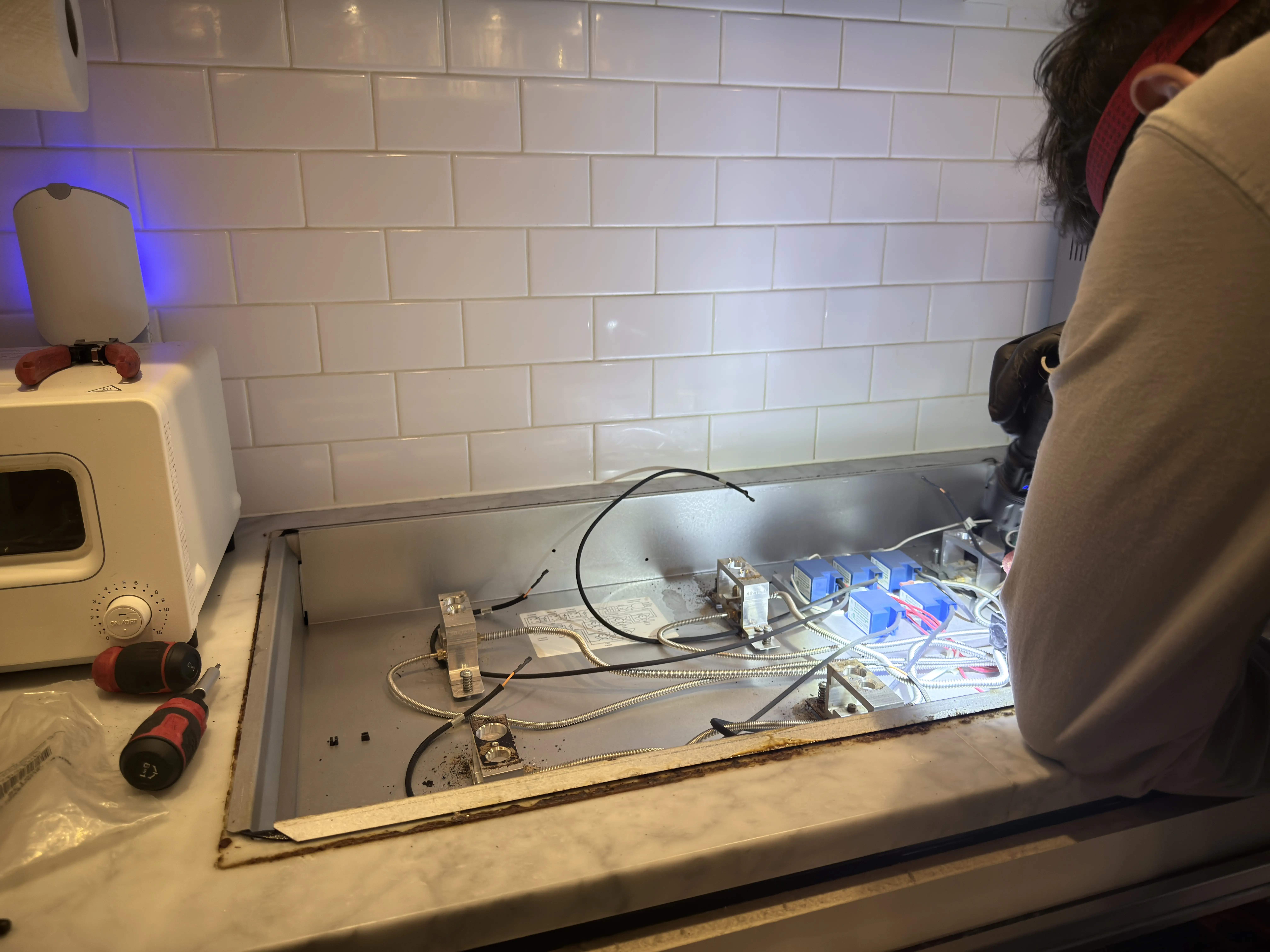
At Volt & Vector, we employ a rigorous diagnostic workflow tailored specifically for Bosch appliances. Our systematic approach, characterized by multimeter testing, control board signal tracing, and sealed system pressure analysis, ensures we address each issue precisely. Moreover, our borough-specific dispatch logistics enhance our ability to provide timely support.
Expect premium service including a $99 diagnostic fee (credited to repair) and a 180-day parts & labor warranty on service. We guarantee same-day availability as well as the use of factory-original OEM parts for all repairs.



Complete cooling loss with compressor lockout
Intermittent temperature cycling due to sensor drift
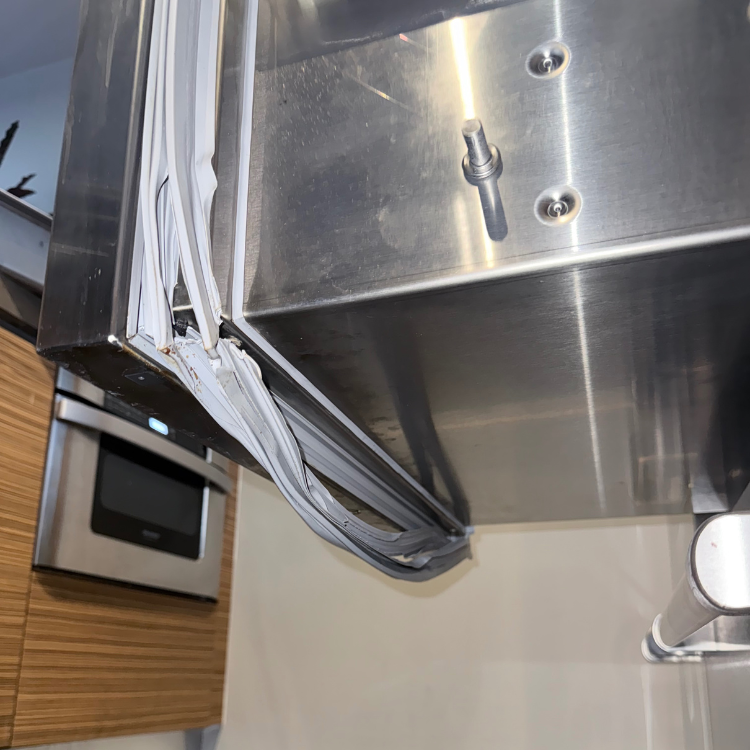
Faulty door seal causing excessive frost accumulation
Erratic temperature fluctuations impacting food safety
Persistent noise or vibration disrupting household peace
Noise/Vibration
The frost temperature sensor is not working correctly.
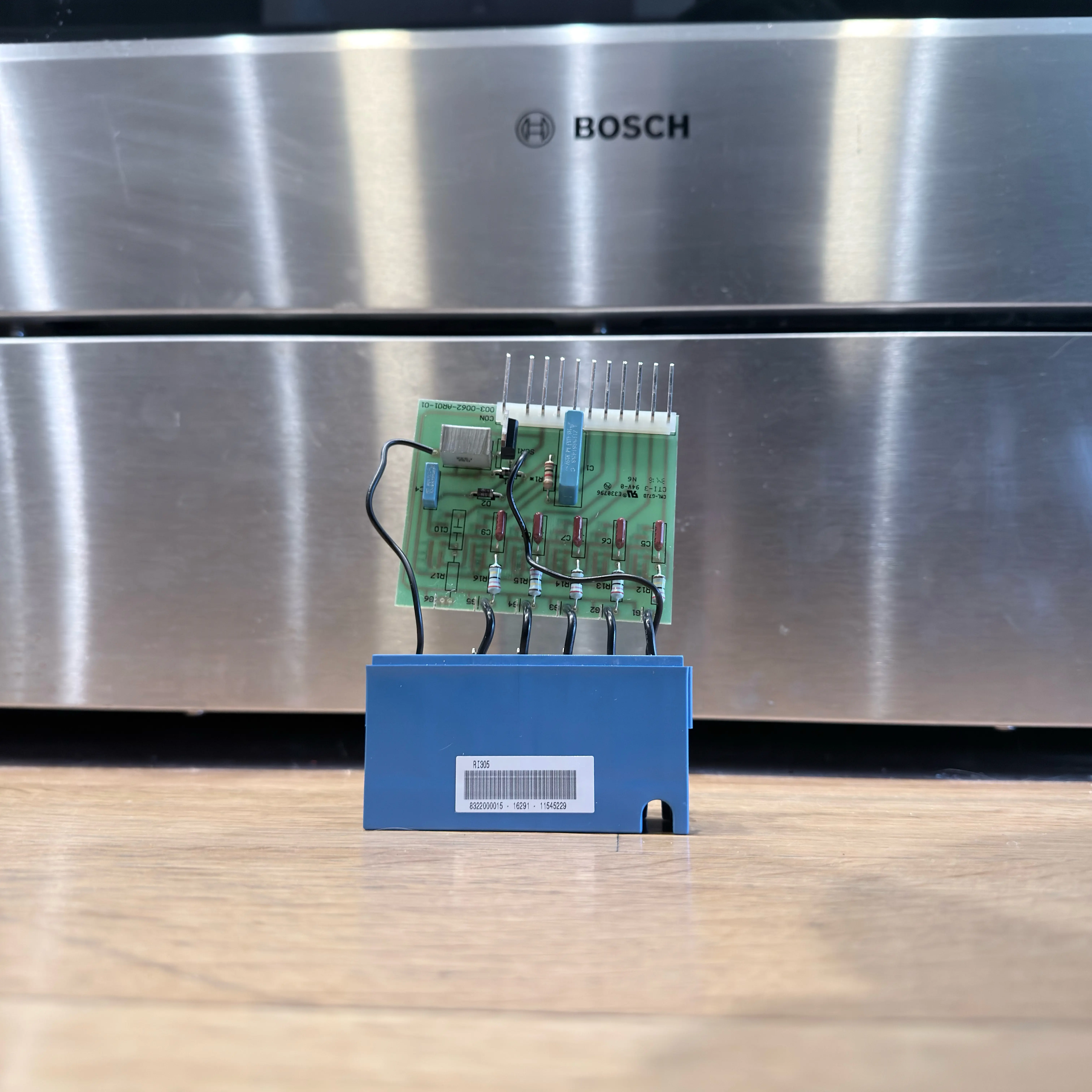
The appliance and the control board cannot communicate.
The temperature sensor in the refrigerator compartment is not functioning.
The temperature sensor in the freezer compartment is malfunctioning.

You’ll receive a text alert ~30 minutes before arrival.a problem or close a sale in real-time with chat. If no one is available, customers are seamlessly routed to email without confusion.
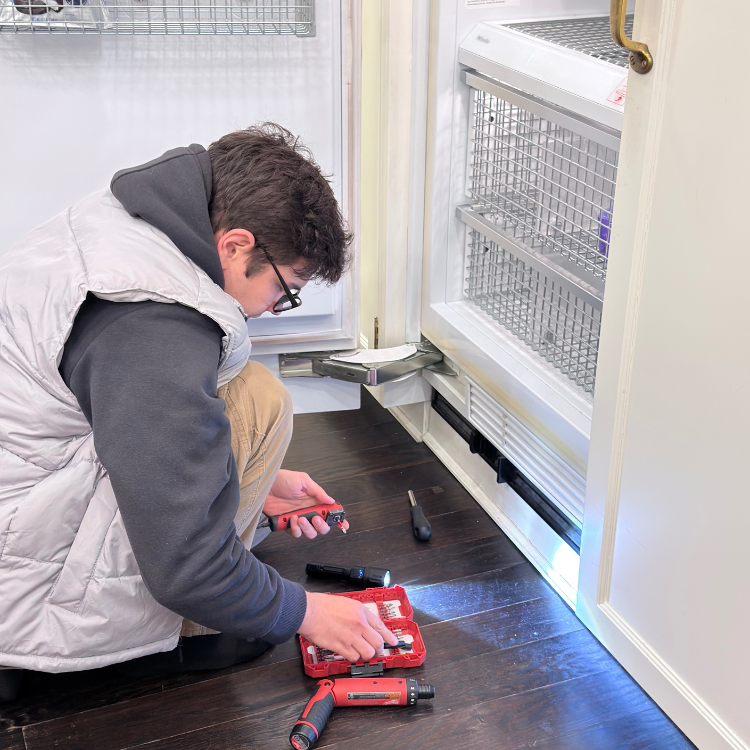
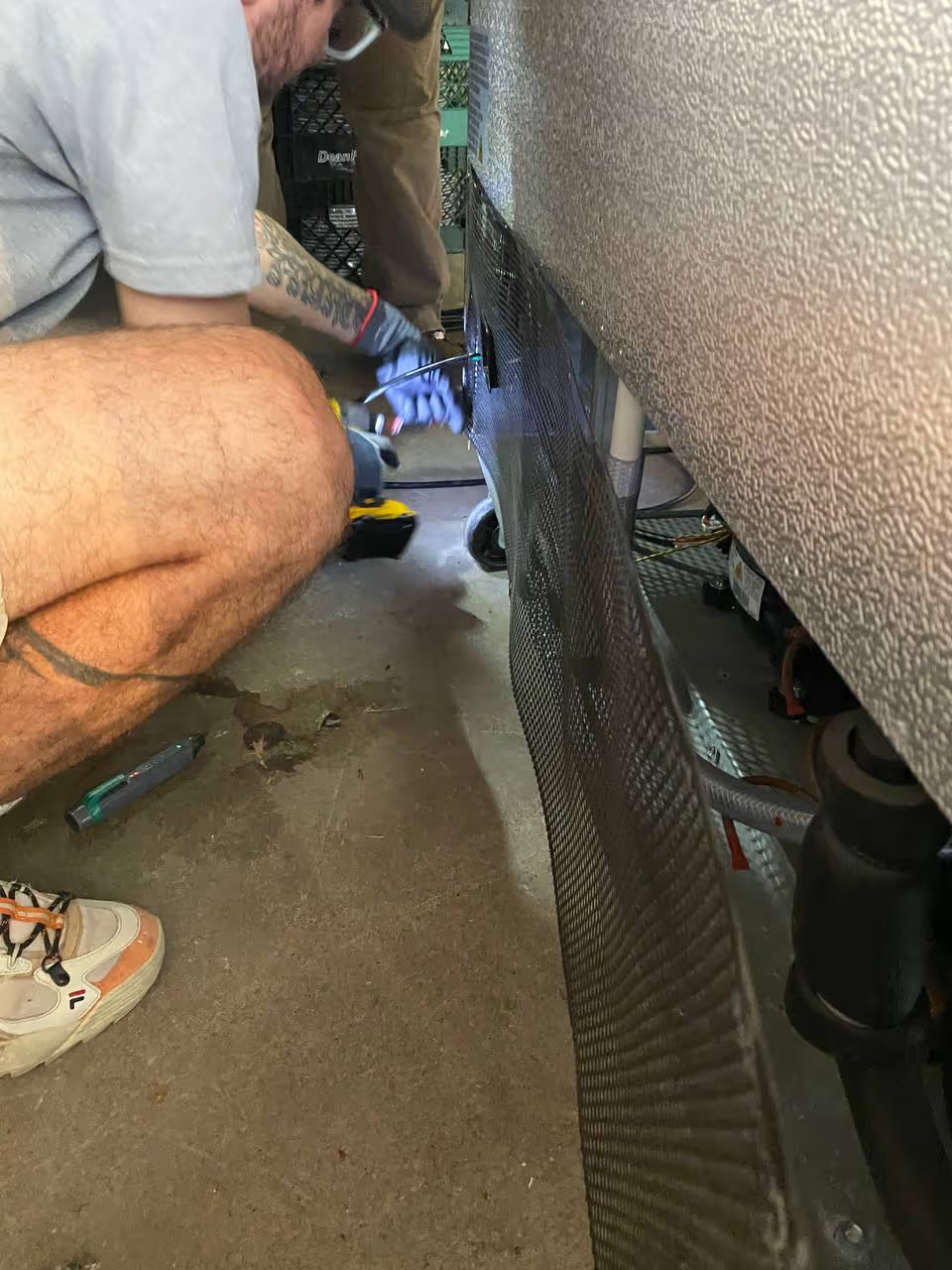
1. To combat noise/vibration issues associated with the compressor mounting grommets, inspect and replace them if they show signs of wear. Regularly check the compressor for any signs of loose or degraded mounting which can transmit vibrations through the unit. This is particularly important in high-rise installations where noise transfer can be exacerbated by surrounding structural elements.
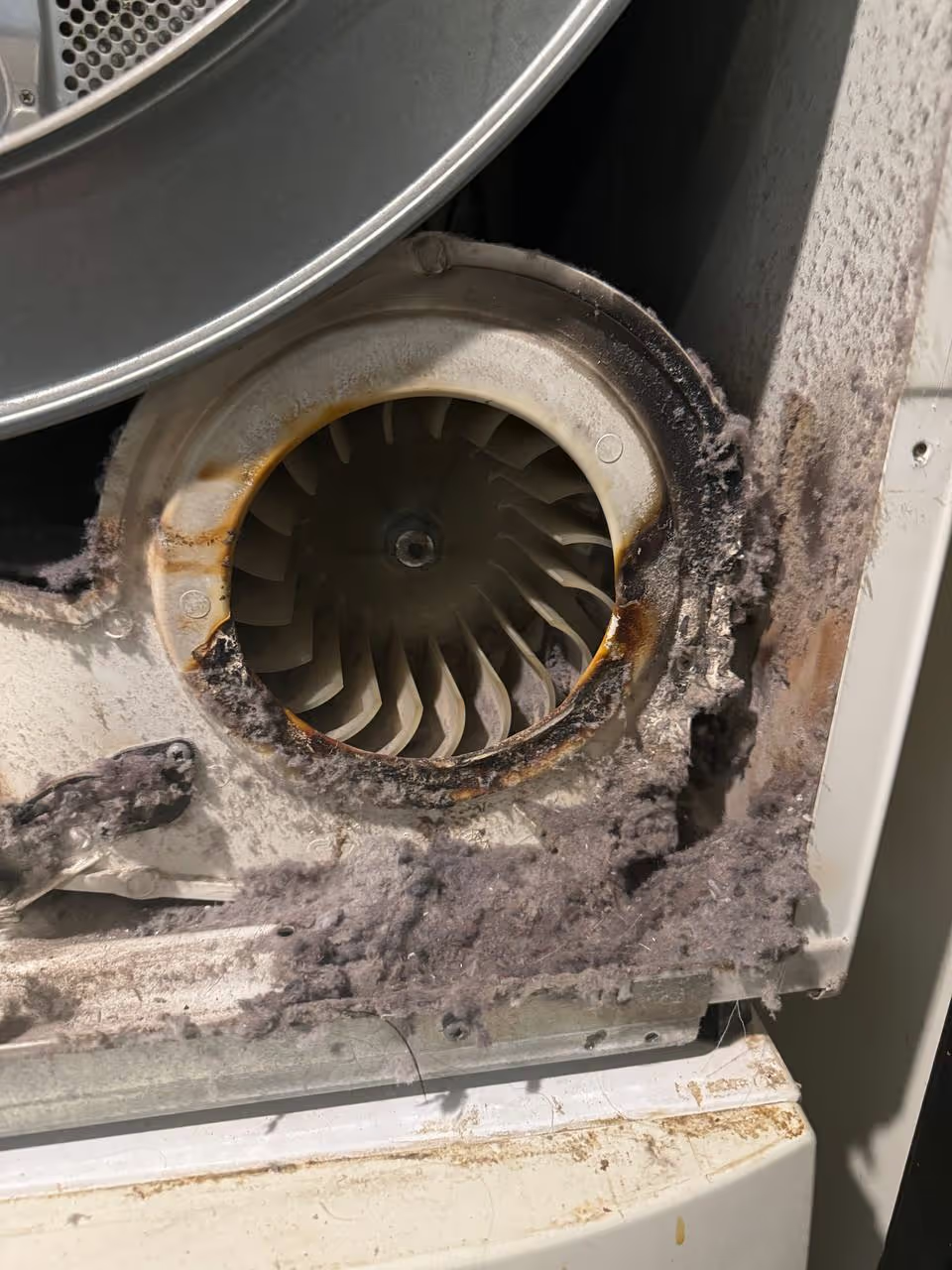
2. Perform a thorough inspection of the evaporator fan motor for any signs of obstruction. Dust and debris can cause excessive vibration; using a nylon brush to clean the fan blades and assembly ensures smooth operation. Given the constraints of space-constrained installations, ensure to maneuver carefully to avoid damaging surrounding components.
3. Before accessing internal components, always adhere to safety protocols by disconnecting the unit’s power supply. Checking the condition of wires connected to the control board relay prior to service can mitigate risks of electrical noise and vibration. Once disconnected, inspect for corrosion or fraying, as these can also lead to inconsistent operation.
4. Test the condenser fan motor for proper operation and alignment since any misalignment can produce unwarranted noise levels. Ensure you clean the condenser coils thoroughly with a coil cleaning brush to prevent overheating, especially vital in NYC's high-pressure water systems that may induce more frequent condensate build-up. Replace any component that fails to meet OEM specifications to maintain optimal performance and minimize noise.





.avif)

Q: What does error code E01 indicate?
A: This indicates the frost temperature sensor is not functioning correctly, possibly due to sensor malfunction or wiring issues affecting connectivity.
Q: What should be done for persistent noise/vibration issues?
A: Assess for obstructions surrounding the fan area and confirm motor operations, as mechanical failures may lead to noise disruptions.
Q: Can you explain what happens if error code E04 appears?
A: The temperature sensor in the freezer compartment may be malfunctioning, indicating frost buildup or internal wiring issues that warrant immediate checking.
Q: Why is there excessive frost accumulation in my unit?
A: Typically, this is caused by a faulty door seal which leads to moisture ingress, thus requiring replacement to restore proper climate control.
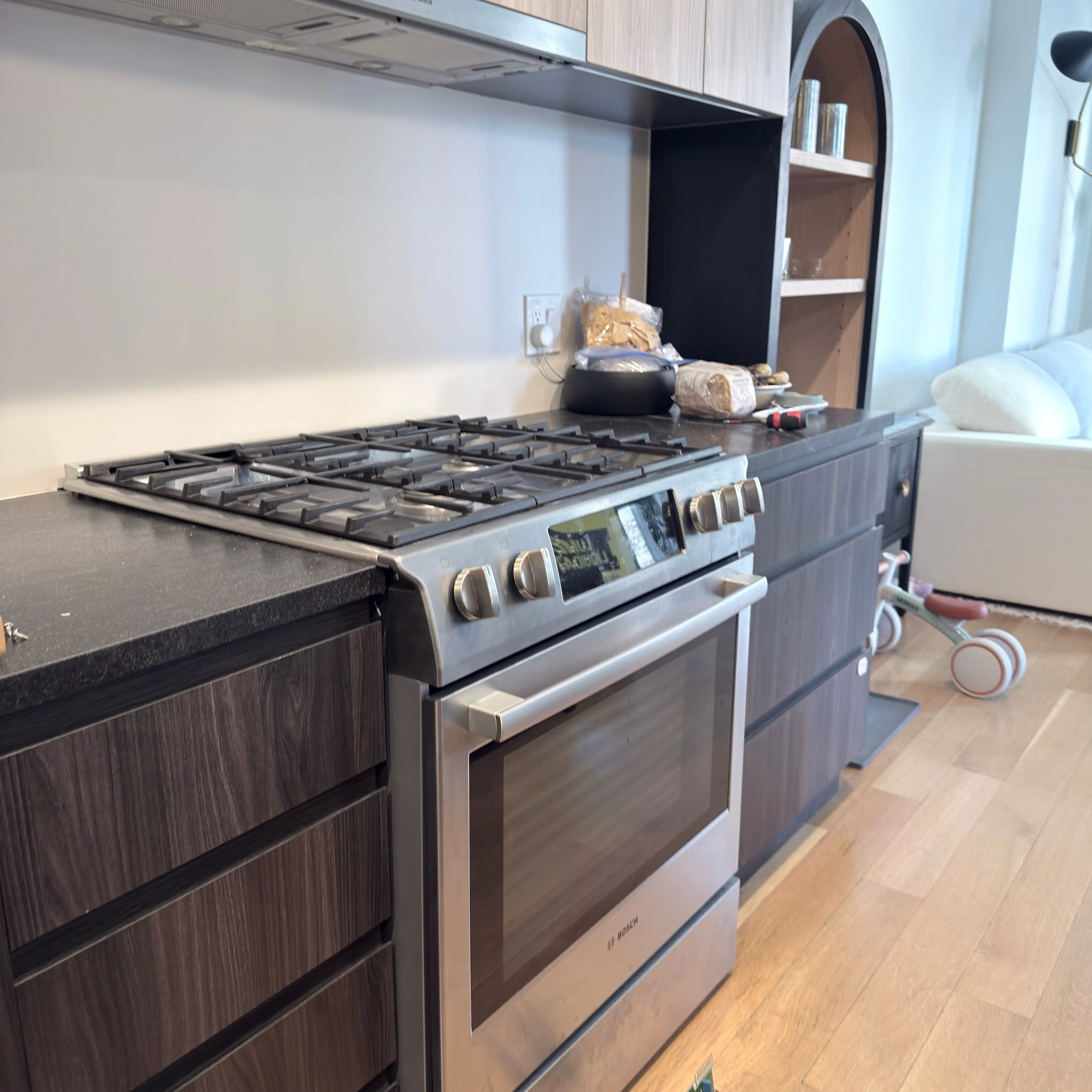
Expert Bosch repairs with $99 diagnostic fee (credited to repair).



.avif)
.avif)

.png)
.png)

.jpg)