

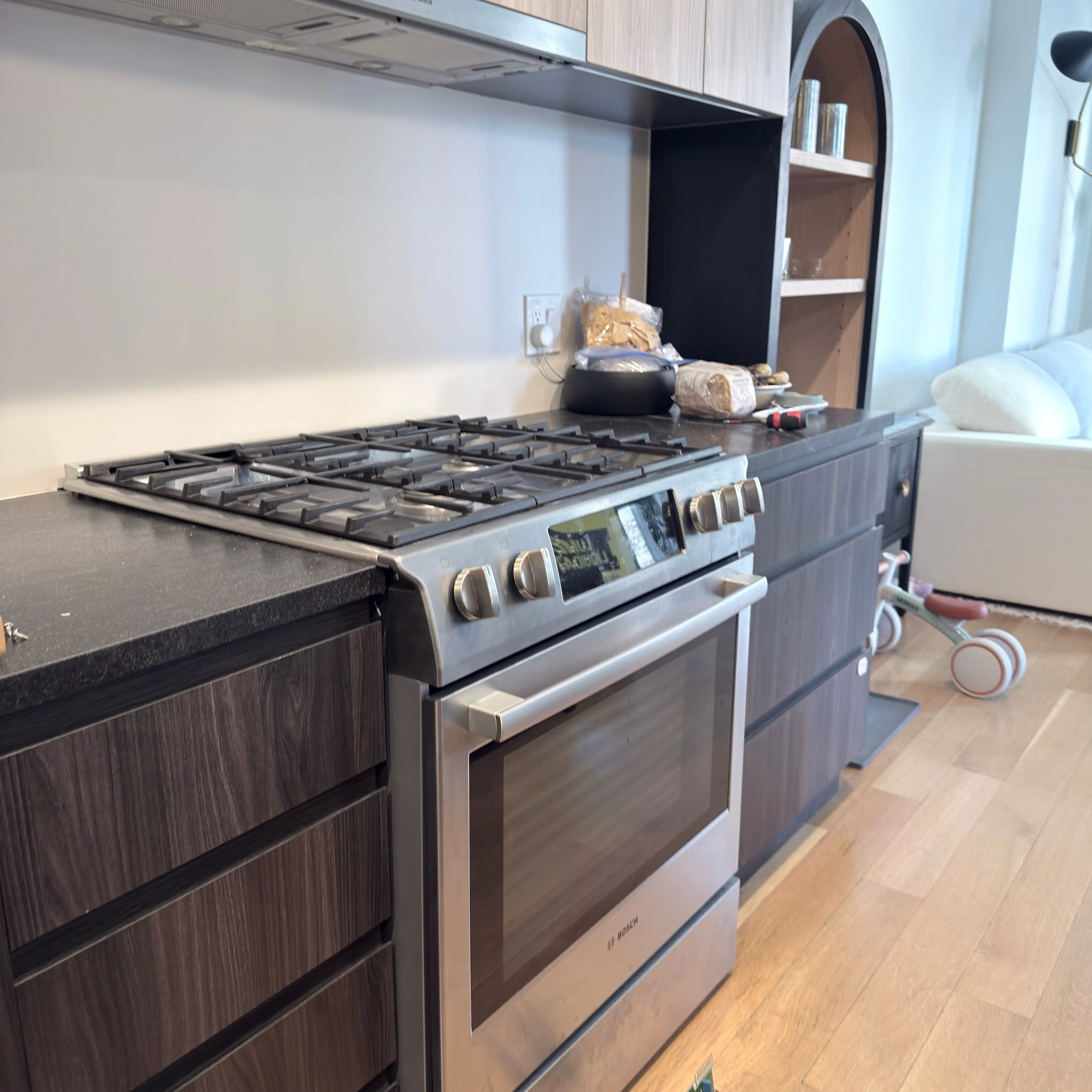
Experiencing issues with your Bosch Cooktop can lead to cascading system failures, energy waste, and significant disruption in your daily life, especially in the fast-paced environment of New York City. Whether in a high-rise or a pre-war building, each wasted moment can compound into more serious problems, given the limited space for repairs and potential delays in part deliveries.
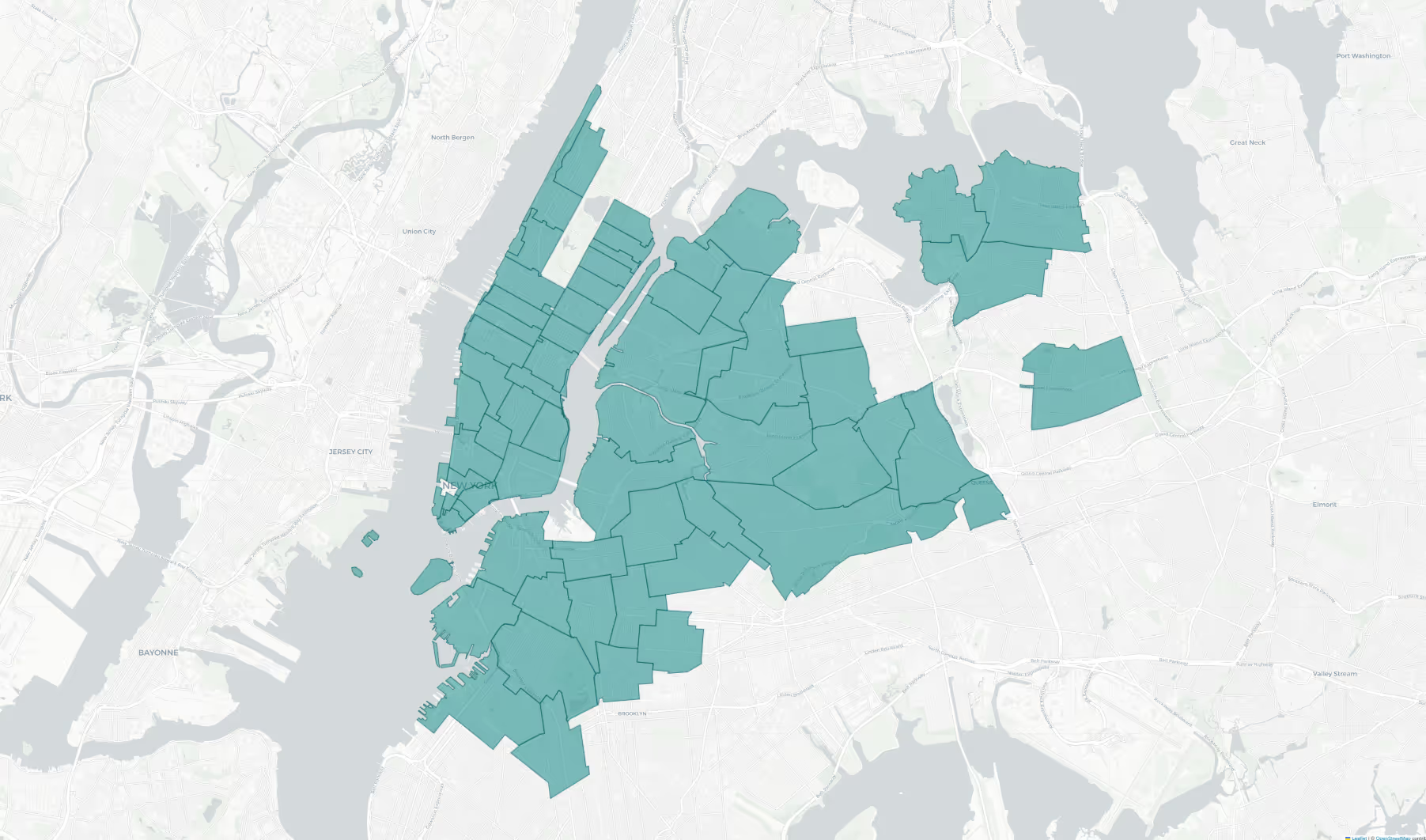
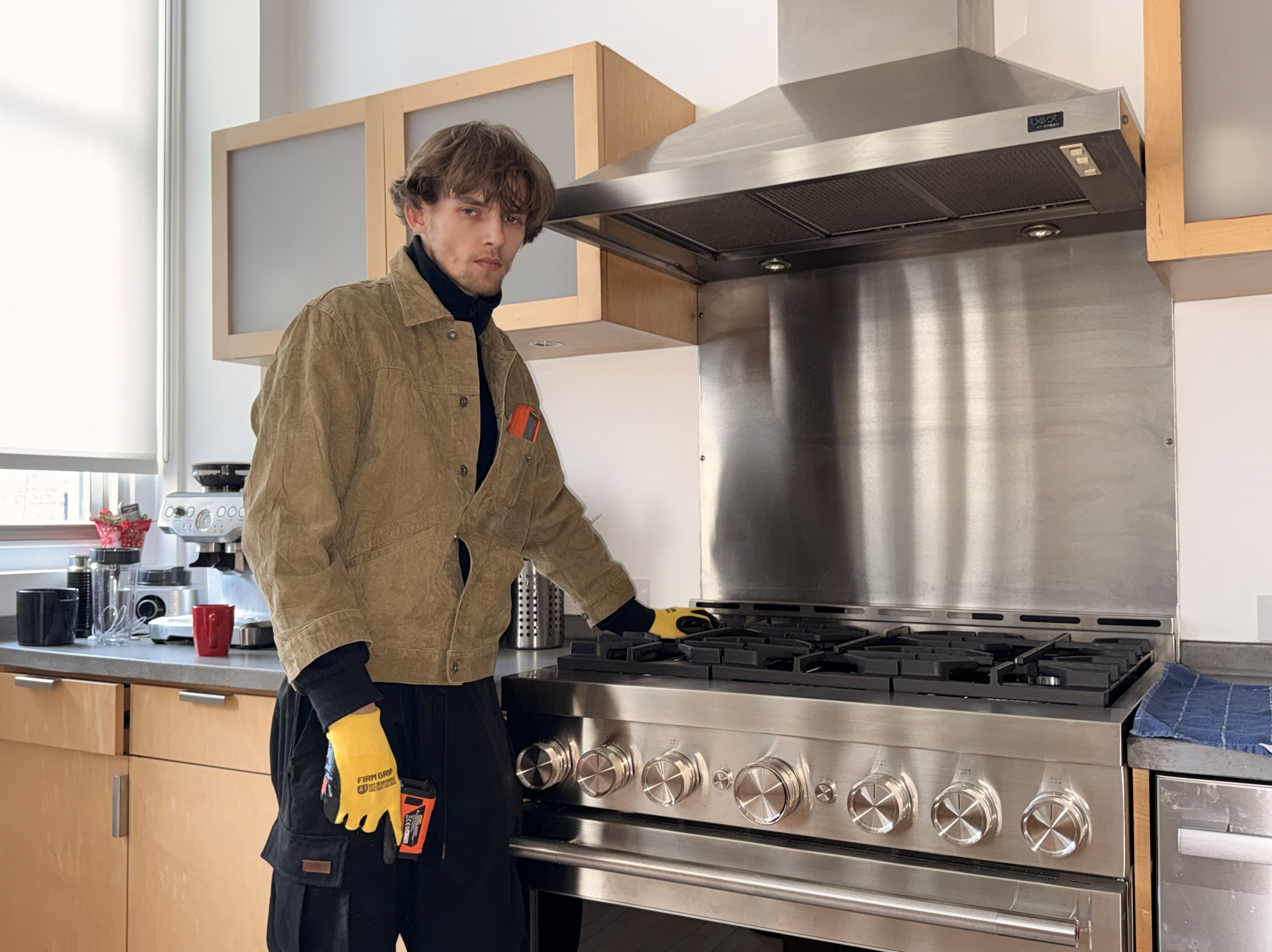
At Volt & Vector, we employ a comprehensive diagnostic methodology designed for precision and efficiency. Our technicians conduct multimeter testing, control board signal tracing, and sealed system pressure analysis, all while navigating the unique logistical challenges across Brooklyn, select Queens ZIP codes, and Manhattan below 96th Street for speedy service.
We guarantee premium service backed by a $99 diagnostic fee (credited to repair) and a 180-day parts & labor warranty. Our same-day availability and commitment to using only OEM parts ensure your Bosch Cooktop is restored swiftly and correctly.
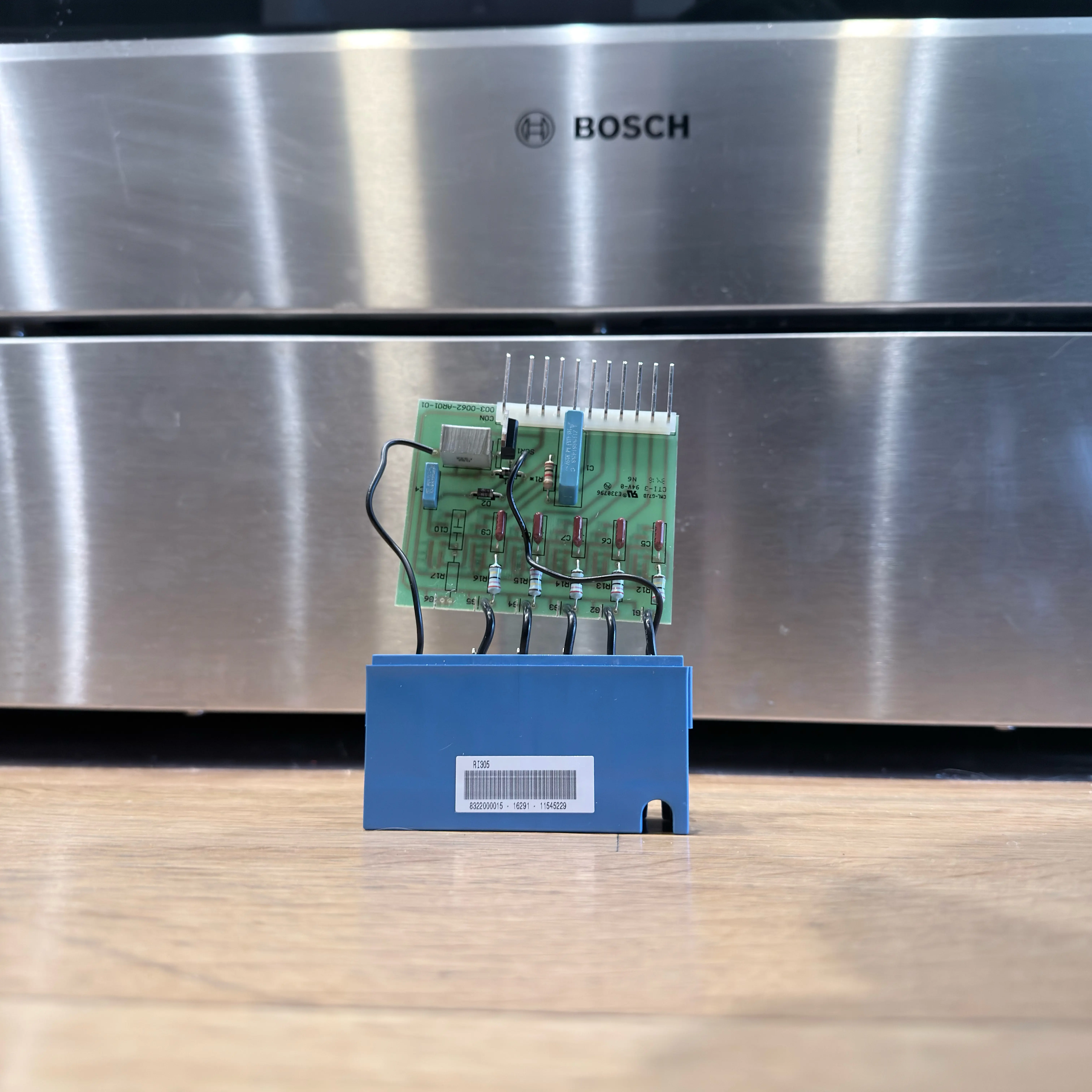
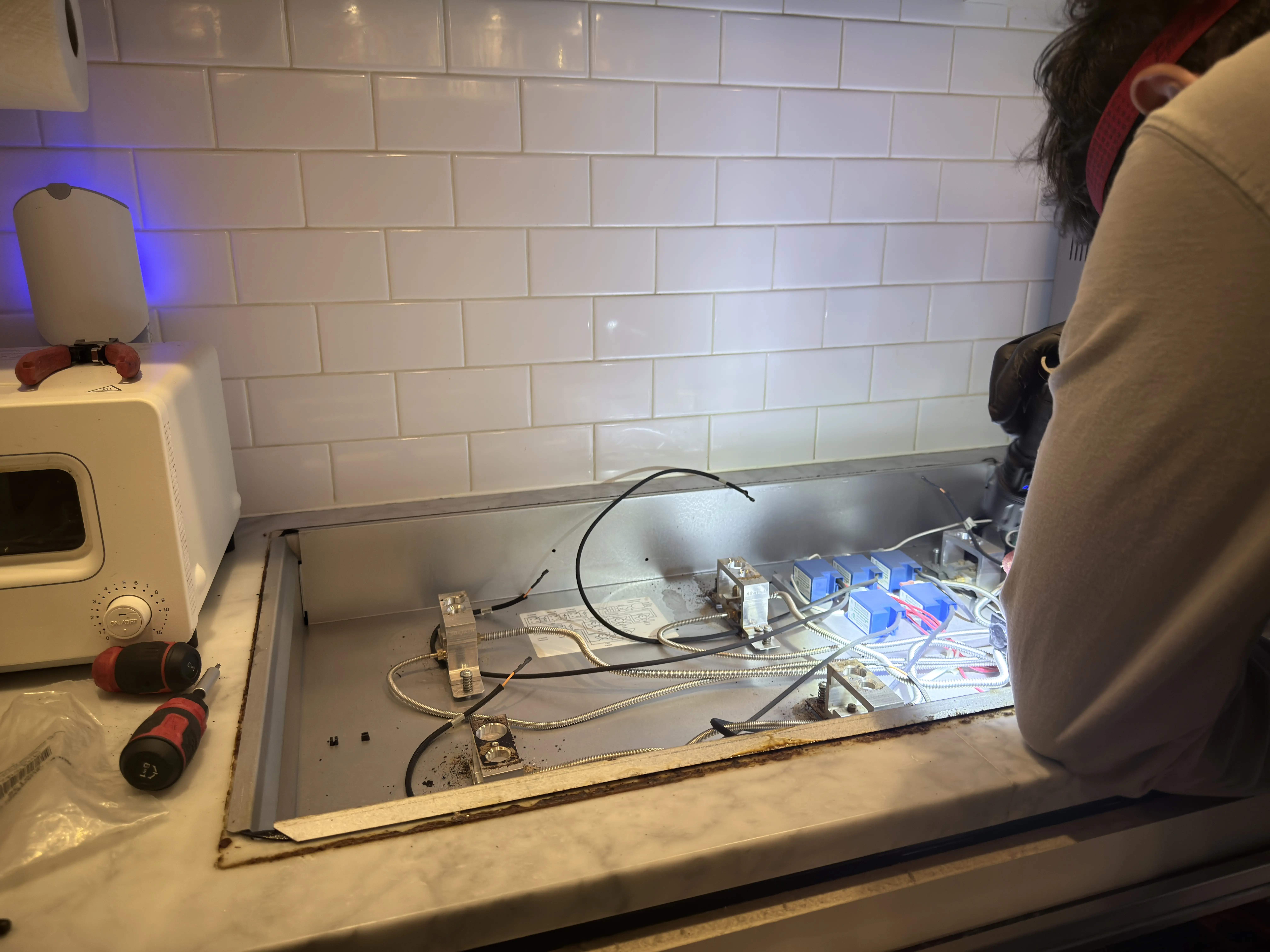
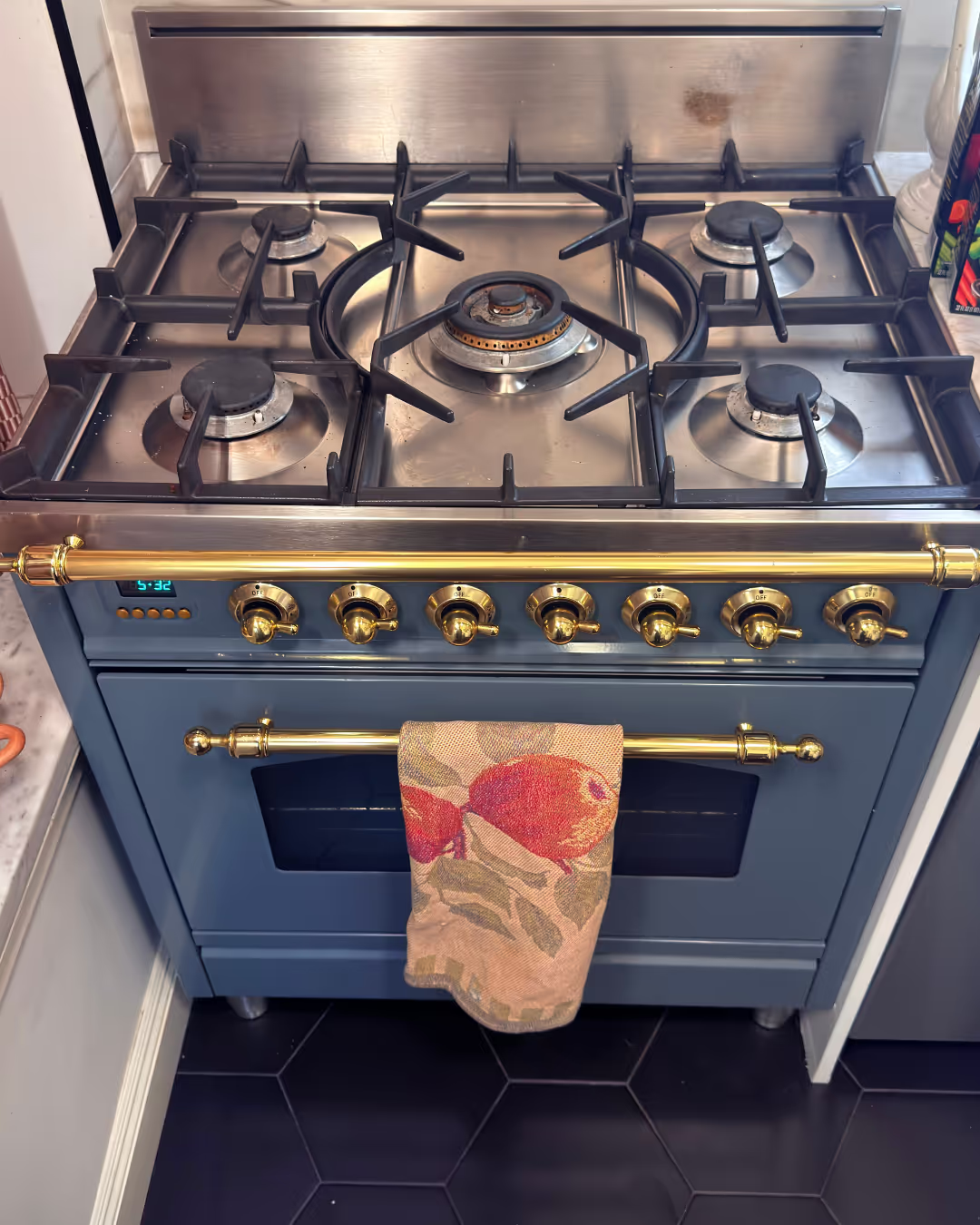
Bosch cooktops fail in predictable ways once you separate fuel type and control platform. Gas units are usually ignition, valve, or flame-sense problems. Induction units are usually power delivery, cooling, coil/board faults, or pan-detection logic. In New York City kitchens, tight cabinetry, shared breakers, and poor ventilation behind the cabinet often turn a “small” fault into repeat shutdowns.
We’re an independent repair company and not affiliated with Bosch.

Use these as fast “what it usually is” checkpoints before you start cycling power or booking parts.

You’ll receive a text alert ~30 minutes before arrival.a problem or close a sale in real-time with chat. If no one is available, customers are seamlessly routed to email without confusion.
Inspect the induction coil assembly for loose connections that may cause vibration noise. Ensure that the coil brackets are securely fastened, as even minor looseness can exacerbate the noise, especially in high-rise buildings where structural movement may be more pronounced. Refer to OEM specifications for torque settings and use a calibrated torque wrench to tighten connections properly.
Examine the mounting brackets of the cooktop to detect any signs of wear or looseness. In space-constrained NYC installations, vibrations can be amplified, so it is critical to tighten all securing hardware to the manufacturer's torque specifications per the installation manual. Consider replacing worn-out brackets with OEM parts for optimal fit and performance.
Before opening the cooktop's access panel, always disconnect the electrical supply to prevent hazardous situations. Once safe, test the fan motor for signs of noise during operation, which may indicate bearings wear or debris accumulation. Thoroughly clean the motor with an appropriate non-conductive cleaner and consult OEM guidelines for lubrication procedures if applicable.
Evaluate the gas line connections for any signs of vibration-induced movement. It's crucial to regularly inspect and secure all fittings to prevent gas leaks, especially in older buildings with less stable plumbing setups. Utilize a torque wrench and follow OEM specifications to ensure all connections are snug yet not overtightened.




.avif)

Q: What does the error code E1 mean?
A: E1 indicates a door not closed properly, which may require checking for obstructions or latch issues.
Q: What might cause my Bosch Cooktop to make noise or vibrate?
A: Noise or vibration often originates from malfunctioning components, which we validate through detailed mechanical inspections.
Q: What should I do if I see the E005 code?
A: E005 points to a communication error, often due to loose wiring or a faulty control module; we typically power cycle the unit and check connections.
Q: How can I resolve intermittent temperature cycling?
A: Temperature cycling issues may derive from sensor drift, necessitating checks on wiring and signals to the control board.
Enjoy a $99 diagnostic fee (credited to repair) today!



.avif)
.avif)

.png)
.png)
.jpg)