Appliance repair service in New York City - Brooklyn

La Cornue Appliance Repair NYC | Range & Induction Diagnosis

Arrival windows
9–11 AM · 11 AM–1 PM · 1–3 PM · 3–5 PM
Serving NYC
Manhattan, Brooklyn & Select Areas of Queens
Response time
< 5 Minutes
Response rate
100%
Diagnostic fee: $99
Credited toward the repair when you proceed
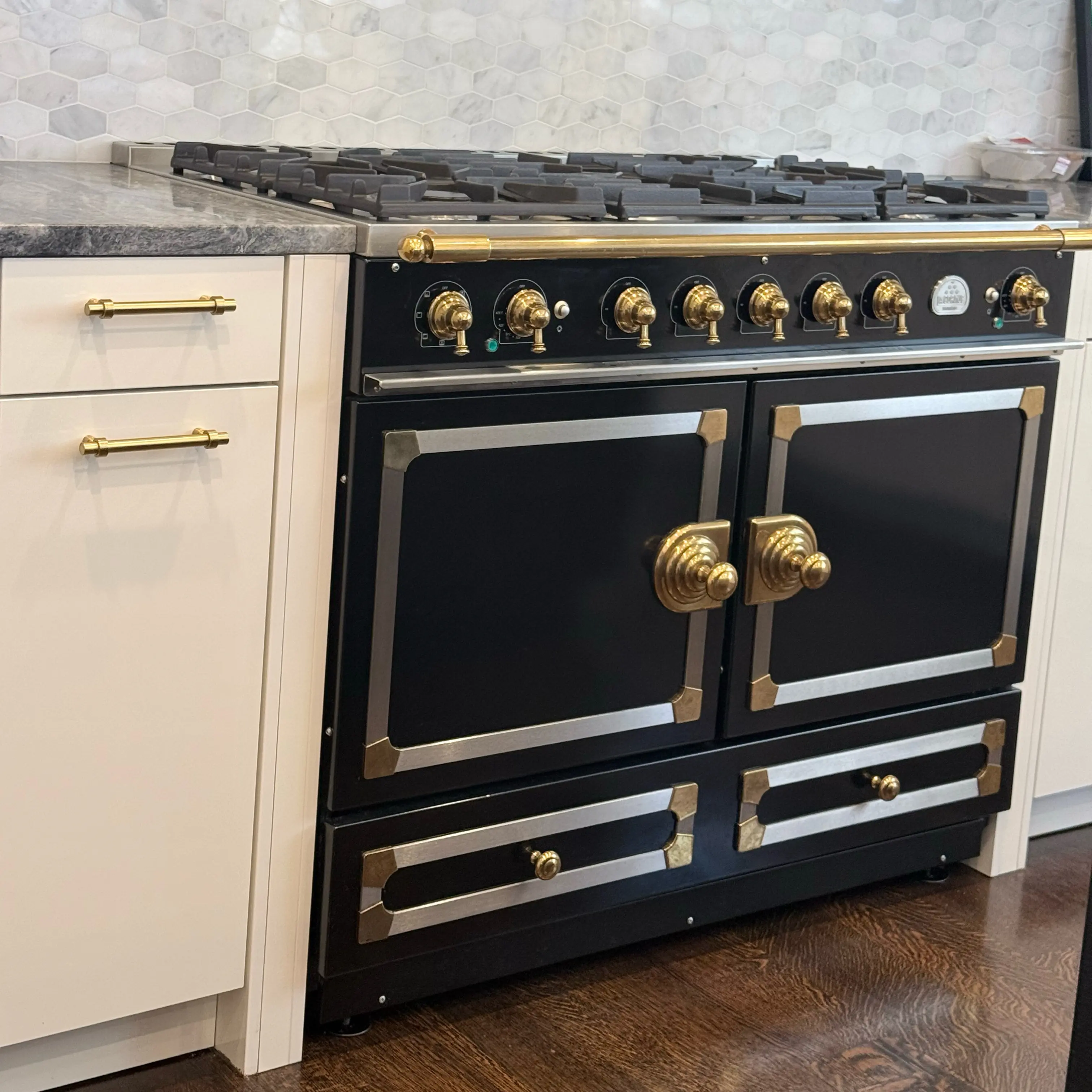
La Cornue appliance repair in NYC for CornuFé gas, dual-fuel, and induction ranges. Separate normal ignition and heat states from model-specific faults.

La Cornue range diagnosis begins with product family and configuration. CornuFé 90 / 110, gas surface cooking, dual-fuel ovens, and induction controls do not share one display or ignition path. Preserve complete identity, selected burner or zone, cookware, flame or heat sequence, literal display, and installation before drawing conclusions.

Volt & Vector reviews independent La Cornue repair requests for Brooklyn, Manhattan below 96th Street, and selected Queens ZIP codes. Exact range scope, fuel or induction platform, access, route capacity, and timing are confirmed before a visit. Volt & Vector is not affiliated with, endorsed by, or authorized by La Cornue.

Quick Answers

What should I send before requesting La Cornue repair?

Answer: Send the complete Model / Serial label, CornuFé 90 / 110 or other range identity, fuel or induction configuration, literal display, failed function, timing, and installation photos.

Is all-burner sparking always a fault?

Answer: No. It is documented ignition behavior on the covered CornuFé gas platform, while continuing clicking, delayed ignition, or gas odor requires a different route.

Does U mean an induction component failed?

Answer: No. It is a pan-detection state on the covered control.

Is H an error?

Answer: No. It warns of residual heat on the covered induction platform and the surface must remain clear.

Does E2 name a part?

Answer: No. On the covered induction range it routes through overtemperature conditions and still requires context.

When should La Cornue use stop?

Answer: Stop for gas odor, delayed ignition, unstable flame, smoke, sparks, cracked glass, uncontrolled heat, burning smell, or repeated breaker trips.

La Cornue Repair NYC at a Glance

  • Service type: Independent residential La Cornue range diagnosis and repair.
  • Coverage: Brooklyn appliance repair, Manhattan appliance repair below 96th Street, and selected Queens routes.
  • Products: CornuFé gas, dual-fuel, and induction ranges, subject to model, configuration, and access review.
  • Approach: Match range family and control first, then separate normal ignition or heat state from cookware, utility, temperature, sensing, and internal response.
  • Before dispatch: Send identity, display, sequence, safety state, and access through the booking request.

Choose the La Cornue Range Configuration That Matches the Problem

  • Gas or dual-fuel CornuFé: Use range repair. Record burner ignition and oven heat separately, including which igniters click, flame hold, fuel odor, and cavity behavior.
  • Induction CornuFé: Use range repair. Record zone, cookware, U, H, E2, U400, Er + number, fan run-on, and oven behavior separately.
  • Other La Cornue family: Send complete identity and installation photos before dispatch. CornuFé guidance must not be assumed to govern Château or another platform.

What the La Cornue Diagnostic Visit Needs to Resolve

  • Confirm CornuFé versus Château or another family before applying an ignition sequence, induction display meaning, access plan, or parts route.
  • Separate documented shared sparking, flame-supervision timing, cooling-fan run-on, and induction operating sound from a burner, oven, connection, temperature, or internal-control fault.
  • Reproduce the original burner, zone, or oven complaint with the range safely in place. The customer receives the confirmed cause class, any utility or access dependency, and an estimate before approved repair work proceeds.

NYC Access Planning Before La Cornue Dispatch

Range width, weight, finished enamel and trim, stone or cabinet clearances, floor protection, anti-tip restraint, ventilation, fuel connection, and high-current power can change the first diagnostic step. Send wide front and side photos, the safely visible label, and any recent installation, cleaning, spill, outage, or electrical-work history. Include elevator, service entrance, superintendent, and COI requirements. Do not disconnect or pull the range for pre-visit access.

La Cornue Symptom-to-Diagnosis Map

Several igniters click for one selected burner.

What this usually points to: Documented all-burner sparking first; moisture, switch, ignition, wiring, or control if clicking persists abnormally.

What we verify: Preserve selected burner, all clicking locations, flame timing, cleaning history, and whether clicking stops after stable ignition.

One burner clicks but does not light.

What this usually points to: Burner cap or head position, moisture or residue after cleaning, spark location, gas delivery, ignition component, wiring, or control.

What we verify: Compare the affected burner with a working burner while cool, preserve spark and gas timing, and stop repeated attempts if ignition is delayed or odor appears.

A burner lights, then the flame goes out after knob release.

What this usually points to: Normal flame-safety engagement timing, burner condition, flame supervision, gas supply, or control.

What we verify: Match the exact control sequence and preserve flame stability without repeated ignition.

Burner flame is unstable, delayed, yellow or sooting, or accompanied by gas odor.

What this usually points to: Burner assembly condition, contamination, combustion air, gas pressure or supply, flame supervision, valve, or installation route.

What we verify: Stop use for odor or unsafe flame, preserve a short video only from a safe distance if no emergency signal is present, and keep fuel-pressure and internal gas work in qualified scope.

One oven does not heat or regulate while the other cavity behaves differently.

What this usually points to: Cavity-specific function, heat source, temperature sensing, airflow, wiring, selector, or control output rather than one whole-range conclusion.

What we verify: Compare the same documented mode from a cold start in each cavity and track preheat, fan, and cycling separately.

Cooling fan continues after the oven or grill controls are off.

What this usually points to: Documented cooling run-on on the covered CornuFé platform first; retained heat, blocked ventilation, sensing, relay, wiring, or control if operation is unusually prolonged or accompanied by odor or heat.

What we verify: Record which cooking function ran, shutoff time, cabinet temperature, ventilation clearance, and when the fan stops without cutting power merely to silence it.

Induction surface makes a hum, buzz, or ticking sound at higher power.

What this usually points to: Documented cookware and power-modulation sound first; pan construction, pan position, zone pairing, cooling fan, vibration, or power electronics if the sound is new, severe, or paired with interrupted heating.

What we verify: Compare one documented compatible pan on the same zone and setting after the surface is cool, then preserve sound, heat result, and zone behavior.

Induction displays U.

What this usually points to: Pan presence, material, size, centering, selected zone, sensing, or induction response.

What we verify: Compare one documented compatible pan after cooling and preserve zone-specific behavior.

Induction displays H.

What this usually points to: Residual heat first; temperature feedback or continued heating if behavior stays abnormal after cooling.

What we verify: Separate residual warning from active heat and stop for odor, smoke, cracking, or uncontrolled temperature.

Induction displays E2.

What this usually points to: Overtemperature route, blocked ventilation, boil-dry event, ambient heat, sensing, or internal response on the covered platform.

What we verify: Preserve heat event, cookware, zone, ventilation, fan, and cooling behavior before internal diagnosis.

Induction displays U400.

What this usually points to: Connection or supply route on the covered platform.

What we verify: Stop use and preserve installation history; live electrical and terminal work remains qualified scope.

Induction displays Er + number.

What this usually points to: Model-scoped internal-error route, supply, wiring, control, or power-electronics response.

What we verify: Preserve the complete number, zone, timing, and operating context without entering service mode.

The induction display is blank after installation or a power event.

What this usually points to: Selected operating state, external supply or connection, installation error, internal power path, wiring, or control rather than automatic proof of a failed display.

What we verify: Preserve the event and external installation history, compare whether ovens or other functions respond, and leave breaker, terminal, and live-voltage checks to qualified personnel.

Series, fuel, surface, and model cannot be inferred from the range's exterior styling.

What this usually points to: Identity and access uncertainty; CornuFé and Château can require different manuals, parts routing, movement planning, and fuel or induction assumptions.

What we verify: Obtain the safely visible Model / Serial label and control photos or plan protected access without moving a connected range merely to guess its family.

The La Cornue Range-Family Evidence Path

  1. Identity: Photograph the complete Model / Serial label and range controls.
  2. Family: Record CornuFé 90 / 110, gas, dual-fuel, induction, or another identified platform.
  3. Function: Name the exact burner, zone, or oven and whether the issue is ignition, flame hold, no heat, weak heat, uncontrolled heat, or display.
  4. Sequence: Record cold start, knob or setting, cookware, boil-dry or cleaning event, timing, and when the behavior changes.
  5. Installation: Capture cabinetry, ventilation, floor, anti-tip relationship, fuel or power access, and service clearance without moving the range.
  6. Verification: Retest the original ignition or heat function; a cleared display is not proof of stable flame, temperature, or electrical operation.

How to Read the Display: Fault Code, Status, or Appliance ID?

  • Fault-like format: The covered induction range uses E2, U400, and Er + number for different temperature, connection, or internal routes. None proves one failed component.
  • Status or operating message: U, H, all-burner sparking, flame goes out after knob release, cooling-fan run-on, and induction hum, buzz, or ticking can describe pan, residual heat, ignition, cooling, or power-modulation behavior before they indicate failure.
  • Appliance ID: CornuFé 90 / 110 and Model / Serial identify the range and manual; they are not fault codes.
  • Service-mode or internal value: service-mode values are not automatic owner-facing errors. Do not enter diagnostics, alter calibration, or run component tests.
  • What to photograph: Capture full display and number, selected burner or zone, cookware, flame or heat sequence, complete identity, cleaning or installation history, and wide range access.

Use La Cornue USA's CornuFé manual library to select the exact range. The CornuFé 90 manual anchors gas ignition behavior, while the CornuFé 110 induction manual separates heat, connection, and internal displays.

Safe Checks Before Requesting Service

  • Confirm the ordinary mode, selected heat, and ignition sequence in the exact range manual.
  • Photograph the complete display before changing controls or power.
  • For induction only, let the surface cool and compare one documented compatible pan.
  • For gas only, inspect owner-accessible burner placement when fully cool if the exact manual permits it.
  • Record which igniters click, whether flame holds, whether fan run-on ends, and whether any odor or uncontrolled heat is present.
  • Do not open gas or electrical systems, move the connected range, enter service mode, or cycle breakers repeatedly.

Mistakes That Can Make the Problem Worse

Replacing an igniter because all burners click together.

Why it causes problems: all-burner sparking is documented on the covered CornuFé ignition system.

Safer next step: Record whether clicking stops after the selected burner lights and whether flame is stable.

Repeating ignition when the flame drops out.

Why it causes problems: Repeated attempts can release gas, while the display-free symptom still does not identify one component.

Safer next step: Stop if the normal manual sequence does not hold flame and leave immediately for odor.

Treating U or H as a parts diagnosis.

Why it causes problems: They represent pan detection and residual heat on the covered induction control.

Safer next step: Preserve cookware, zone, and cooling behavior.

Cycling power repeatedly for E2, U400, or Er + number.

Why it causes problems: Resetting can erase temperature, connection, or internal-event context without restoring safe operation.

Safer next step: Photograph the full display and stop at the appropriate heat or electrical boundary.

Pulling a connected La Cornue range to inspect utilities.

Why it causes problems: Weight, fuel, high-current power, flooring, cabinetry, and anti-tip restraint create injury and property risks.

Safer next step: Send access photos and plan qualified movement only if the service scope requires it.

Where the Homeowner-Safe Limit Ends

  • Homeowner-safe: Use normal controls; confirm range family, heat setting, cookware, affected burner, zone, or oven; photograph identity, display, flame or heat timing, and installation; inspect only manual-approved accessible surfaces when cool.
  • Technician or utility boundary: Stop at gas components, unstable flame, energized terminals, live electrical measurement, internal induction or oven systems, calibration, connected-range movement, repeated breaker trips, uncontrolled heat, or service modes.

Stop-Use Conditions

  • Stop gas use for gas odor, delayed ignition, unstable flame, soot, or flame outside the intended burner.
  • Leave the area for suspected gas release and follow Con Edison gas-leak guidance from a safe location.
  • Stop induction or oven use for smoke, sparks, burning smell, cracked glass, uncontrolled heat, or repeated breaker trips.
  • Keep clear of residual heat and do not obstruct cooling or ventilation openings.
  • Do not move, disconnect, or open a hot or connected La Cornue range.

NYC Installation and Access Notes

  • Photograph range width, surrounding cabinetry and stone, backsplash, ventilation, floor, anti-tip relationship, fuel or electrical configuration, and service clearance.
  • Record any recent installation, move, cleaning, spill, boil-dry event, outage, or electrical work.
  • Include elevator, service entrance, floor protection, superintendent, and COI requirements.
  • Do not remove doors, trim, range panels, or connected utilities to create access.

How La Cornue Service Works

  1. Submit identity, range family, configuration, literal display or ignition sequence, safety status, address, and installation photos through the booking page.
  2. Product scope, route, access, weight, fuel or power configuration, and appointment timing are reviewed.
  3. The technician separates documented ignition or display state from cookware, utility, temperature, sensing, and control response.
  4. The cause class, access requirement, repair option, and estimate are explained before work proceeds.
  5. The original burner, induction-zone, or oven function is retested.

What to Send for Faster Review

  • Complete La Cornue Model / Serial label.
  • CornuFé 90 / 110 or other family and gas, dual-fuel, or induction configuration.
  • Literal display, affected burner, zone, or oven, and exact sequence.
  • Cookware, flame, heat, fan, cleaning, installation, and short video evidence.
  • Wide installation photos, exact address, and building access requirements.

Service Boundaries

  • Volt & Vector provides independent La Cornue appliance repair, not La Cornue warranty administration, product registration, branch-circuit work, gas-line alteration, ventilation construction, cabinetry modification, appliance installation, or relocation.
  • Concealed utilities, structural access, and connected-range movement remain separate scopes unless explicitly reviewed.
  • Submit Château, unusual, or unlisted products with complete identity and installation photos before dispatch; CornuFé rules must not be assumed.

Request La Cornue Appliance Repair in NYC

Use the online booking request or call +1 (332) 333-1709. Include La Cornue identity, platform, display or ignition sequence, installation photos, and address.

Booking

Appliance Repair in NYC

Choose a time that works for you. Share the appliance type, address, and the issue you are seeing. We review the request and confirm the appointment details before the visit is finalized.

$99 diagnostic

Credited toward repair after approval

180 day warranty

Parts and labor on completed repair

OEM parts

Used when applicable and available

Licensed and insured

COI available if building requires it

What Happens Next

You send the request with the appliance type, location, and symptom.

We review the details and confirm service area, timing, and access notes.

If needed, we may ask for a model and serial photo before the visit.

Before You Book

If you smell gas, see sparks, notice a burning odor, or have an active water leak near electrical parts, stop using the appliance and handle the safety issue first.

Baseline experience standard

Volt & Vector sets a hard baseline of 4+ years of hands-on appliance repair experience per technician. Senior technicians bring 8 years and 16 years in the field, which helps maintain consistent on-site decision quality across different appliance platforms and install constraints.
Fact: Minimum 4+ years per tech; senior techs with 8 and 16 years.

Prior manufacturer-authorized service environment experience

Team backgrounds include prior roles inside manufacturer-authorized service environments and within warranty-service procedures, where technicians are trained to follow required test steps, record outcomes, and close jobs with audit-ready notes.
Fact: Prior roles included authorized-service environments and warranty-service workflows.