


.jpeg)
.avif)
Warranty vs Independent Repair — Honest Comparison 2026
Warranty service or independent appliance repair? Check coverage, approval, model capability, parts-only terms, total cost and the completion plan.
Warranty Service or Independent Repair?
If the fault may be covered, contact the warranty or service-plan provider before paying for a repair. Confirm who may perform the work and what you would owe. For an uncovered repair, compare qualified providers by exact-model capability, the full written cost and the plan for restoring operation.
- Coverage possible: gather the model, serial, purchase or installation date, receipt and warranty documents. Ask for a claim number and written service instructions.
- Only a component remains covered: check whether labor, refrigerant, travel and access costs are included. A parts warranty is not necessarily a free repair.
- You need a faster option: ask the coverage provider whether another servicer can be approved and whether reimbursement is authorized before booking privately.
- No applicable coverage: compare independent and factory service on the actual model, scope, parts availability and follow-up terms.
- A previous repair failed: send the original invoice and describe the recurring symptom before authorizing a second company to change parts.
What Manufacturer Authorization Actually Means
Warranty status and provider status answer different questions. Coverage determines who may pay for an eligible fault. Authorization describes a provider’s relationship with the manufacturer. An independent business may also be authorized for particular brands, so the categories are not always opposites.
Factory programs can include training, technical support and parts arrangements. Sub-Zero’s Factory Certified program describes those capabilities. Ask about the assigned technician and exact model in either service route; a label alone does not establish the outcome of your repair.
New York’s Digital Fair Repair Act does not settle this choice for appliances: the Attorney General expressly lists home appliances as excluded. Do not assume that every independent shop has the same model-specific software, documentation or supply route as the manufacturer’s network.
Volt & Vector is an independent service provider. The comparison below starts with the customer’s coverage and actual job requirements.
Your Coverage: Four Types That Work Differently
- Manufacturer’s product warranty: check its duration, covered faults, claim process and start date. Do not assume every appliance has exactly one year of coverage or that the purchase date always controls.
- Longer component or sealed-system coverage: a named part may remain covered after broader parts-and-labor coverage ends. Identify the component, remaining term and costs that stay with the owner.
- Retailer or other paid protection plan: a separately purchased service contract has its own administrator, claim steps, limits and repair authorization process. The FTC distinguishes these contracts from the warranty supplied with a product.
- Credit-card benefit: obtain the benefit guide for the card used and the purchase date. Ask about eligibility, claim deadlines, required documents and approval before repair. A card benefit should not be assumed to cover every purchase or provider.
A Sub-Zero Example: Covered Parts Do Not Always Mean Covered Labor
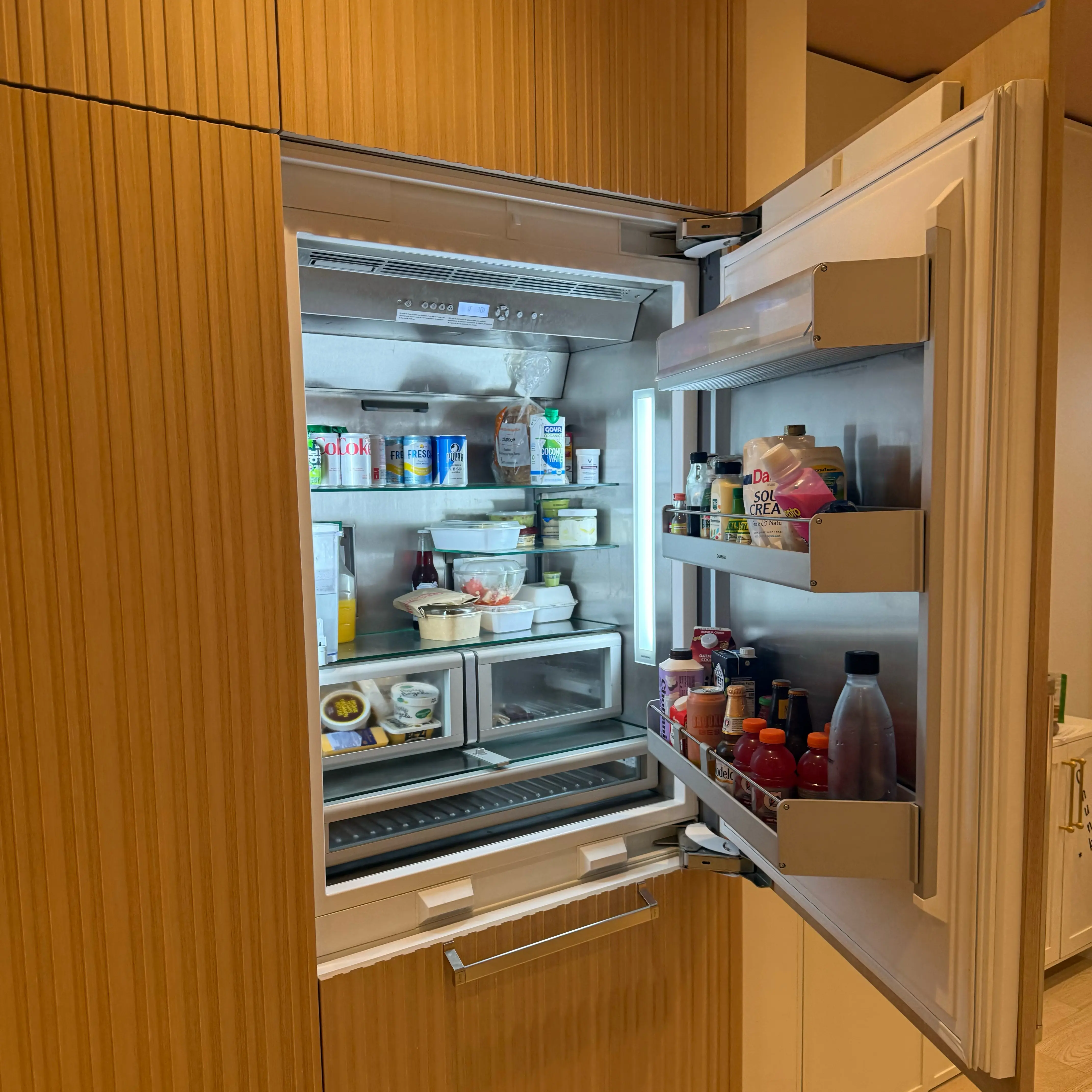
The current Sub-Zero residential warranty linked by the manufacturer describes two years of general parts-and-labor coverage, five years for specified sealed-system parts and labor, and a twelve-year tier for those specified parts. The terms use original installation as the start point and include conditions and exclusions.
In the longer parts tier, the owner pays other costs, including labor. The document also describes a separate parts-request process when non-certified service is used and says parts bought from other sources are not reimbursed. Confirm the applicable warranty for your unit with Sub-Zero before approving an order; do not turn a sealed-system term into a promise that every cooling complaint is free.
When to Start With the Manufacturer or Coverage Provider
During an Applicable Manufacturer’s Warranty
Open a claim before arranging a paid repair that may already be covered. Describe the fault and ask what service route the manufacturer will provide, what charges may remain, and how access or removal work is handled.
Using an independent repairer does not automatically erase the product warranty. The FTC explains that an unrelated, otherwise covered later repair cannot be refused merely because an independent shop previously worked on the product. That protection is different from a right to hire any company and require the manufacturer to reimburse its bill.
Damage caused by improper outside work can be excluded from coverage. Federal restrictions on requiring specified paid parts or service, and their exceptions, are explained in the FTC’s warranty-law guide. Keep the diagnosis and invoices if coverage is disputed, and ask the provider to identify the reason and applicable term in writing.
When Model-Specific Diagnostics or Parts Access Is Unclear
Ask the proposed servicer whether it can obtain the relevant technical information and compatible parts for the complete model. If it cannot confirm access or complete the likely repair, contact the manufacturer’s service channel.
There is no general rule that every newly released appliance reserves full diagnostics to authorized technicians for its first year. Capability needs to be checked for the product and task, rather than inferred from age or brand alone.
When Filing a Service-Contract or Other Benefit Claim
Call the administrator before disassembly, ordering or payment. Ask whether it will dispatch its own provider, approve your choice, or reimburse an eligible expense. Get a claim number and any required authorization in writing.
Also ask what happens if diagnosis finds an excluded installation problem, if the part is unavailable, or if the appliance needs removal from cabinetry. These questions establish your financial exposure before the technician arrives.
When to Compare Independent and Factory Service
Out of Coverage With a Complex or Premium Appliance
Compare the actual repair capability: model experience, diagnosis process, compatible parts source, necessary qualifications, access plan and written warranty. An independent company may be appropriate; a factory provider may also offer the better fit. Neither status proves an automatic advantage.
Ask who will perform the work and how uncertain findings are handled. Use the provider-selection checklist to get the same answers from each company.
When Waiting Has a Practical Cost
Request the earliest available diagnostic appointment and ask what could still prevent completion afterward. A provider able to attend tomorrow may still need a part; one with a later opening may already have confirmed the component. Compare the whole plan without assuming either has a guaranteed finish date.
If you have coverage, ask the administrator about another approved provider or an exception before paying privately. Document authorization, any reimbursement cap and required receipts. Food storage or other immediate disruption needs its own safe temporary plan; keep those needs separate from an unconfirmed appointment promise.
When a Previous Repair Has Not Solved the Problem
First report the recurring symptom to the original provider and, where relevant, the warranty administrator. Send the invoice, replaced part information, dates and observations. Ask whether the next step is covered follow-up and what finding would change the diagnosis.
If a second opinion is needed, request the first diagnosis record and explain what work has already been done. Do not assume a repeat visit proves dishonesty or that a particular part was unnecessary without the technical evidence. Clarify who pays for the second assessment before it starts.
Compare the Written Total and the Remaining Risk
Get each provider to identify the same scope. Compare:
- Diagnostic charge and any credit toward approved work.
- Part description, source and condition.
- Labor, refrigerant or consumables, taxes and other charges.
- Access, removal/reinstallation, extra personnel or another trade.
- Deposit, cancellation and special-order return terms.
- Parts and labor warranty, return-visit terms and exclusions.
- Known dependencies and the next-update plan.
Neither factory authorization nor independent ownership establishes a fixed price advantage. A covered part with uncovered labor may be cheaper or more expensive than another proposal once the complete scope is known. Compare actual written offers, not brand-wide price assumptions.
The Decision to Make Before Booking
Find the documents, confirm possible coverage, and obtain the payer’s service instructions. If the job is uncovered or you choose to pay privately, select a provider that can handle the model and installation under clear written terms.
Then confirm building approval and the person authorized to approve added work. Keep all visits tied to the original symptom until the result or remaining limitation is recorded. The multi-visit guide explains the follow-up information to request if completion takes longer.

.jpeg)