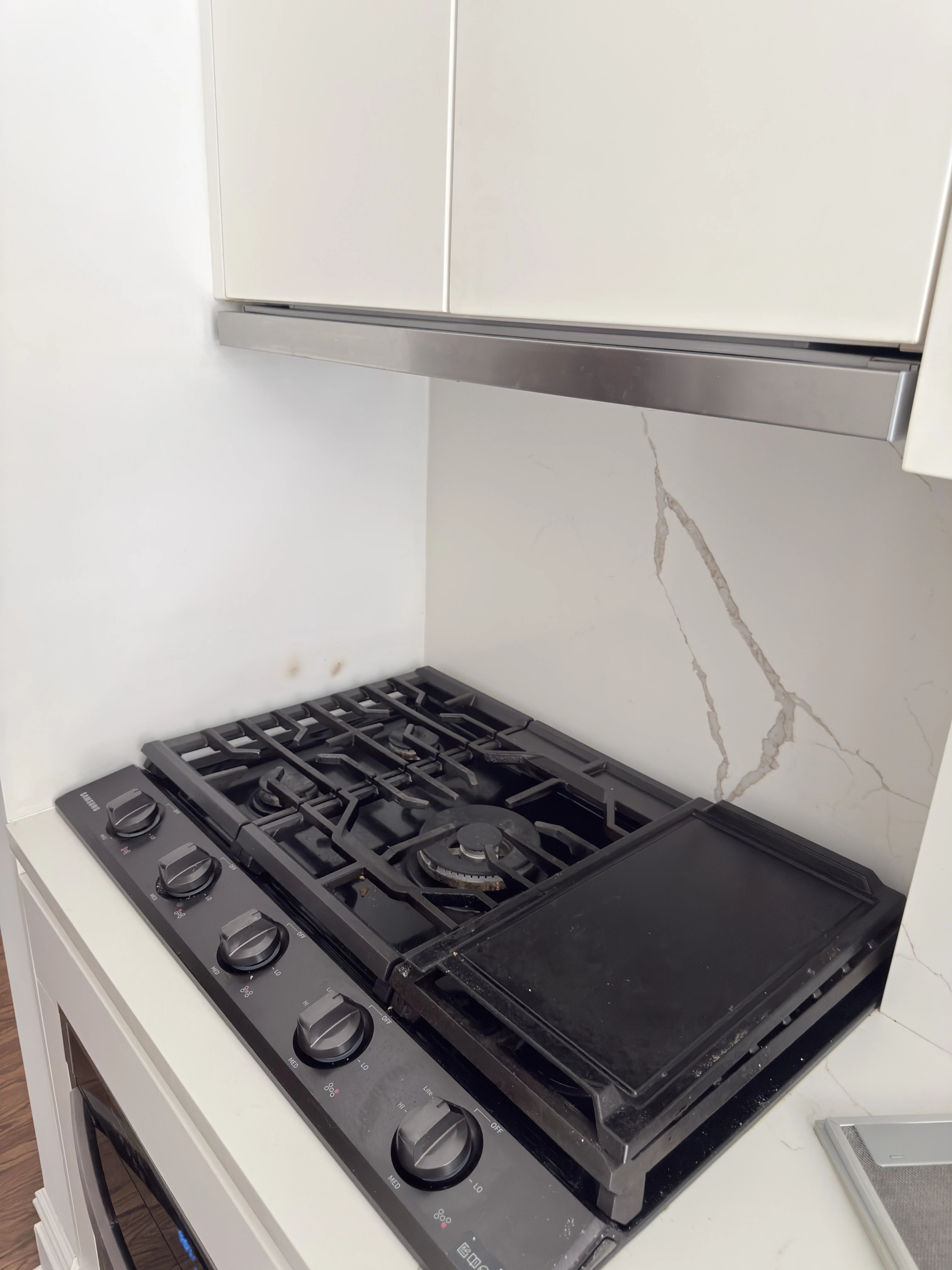
Repairs take another day when a model-specific part is not in hand, diagnosis needs more testing, equipment needs preparation or another specialist, or building access and approval are unresolved.
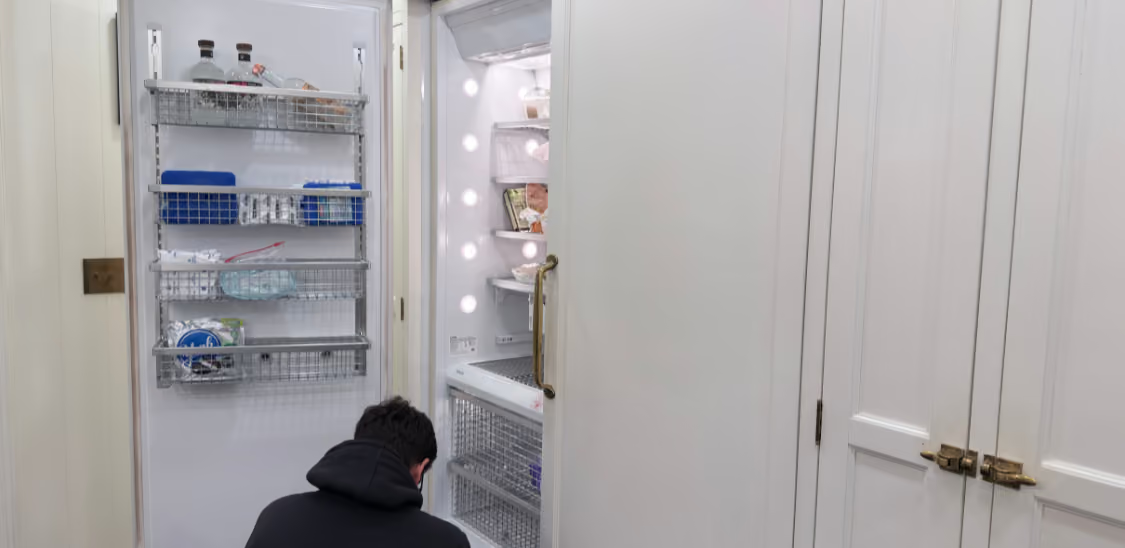
Why Appliance Repairs Take More Than One Day: Parts, Access and Follow-Up
Why appliance repairs need another visit: diagnosis, part compatibility and stock, building access, phased work, and the follow-up plan to request.
Manhattan Appliance Repair
.avif)
$265 Diagnostic Visit
Manhattan homes often have compact kitchens, built-in appliances, stacked laundry closets, finished floors, and limited access around the machine. COI available upon request.
Brooklyn Appliance Repair
$150 Diagnostic Visit
Diagnostic-first residential appliance repair in Brooklyn for refrigerators, dishwashers, washers, dryers, ovens, ranges, cooktops, and freezers.
Westchester Appliance Repair
$150 Diagnostic Visit
Volt & Vector provides residential appliance repair in Scarsdale, Eastchester and Bronxville.
HVAC Repair
$220 Diagnostic Visit
We confirm the New York City service address and equipment before scheduling residential HVAC diagnostics or repairs. We work on central air, heat pumps, mini-splits, air handlers, and thermostats. Our $220 diagnostic fee is credited toward an approved repair on the same job.
Why an Appliance Repair May Need Another Visit
A repair may extend beyond the first day because a model-specific part must be confirmed or ordered, the equipment needs preparation or specialist work, or building access is still unresolved. One visit can be enough when diagnosis, the correct parts, authorization and safe access all line up.
- Waiting for diagnosis: ask what remains unconfirmed and what the next test will establish.
- Waiting for a part: get the part description, order status and next-update date. An estimated arrival is not a confirmed repair appointment.
- Waiting for access: confirm management approval, COI acceptance, work hours and any required elevator or specialist access.
- Waiting for another phase: ask what preparation or testing is needed and whether it requires a separate visit.
- The same symptom returned: keep the original invoice and report what changed. Ask whether this is follow-up under the repair terms or a separate diagnosis.
The Question Behind a Multi-Day Repair
“When will the appliance work again?” is different from “When can someone come?” The first appointment, a part’s expected delivery, the return visit and confirmed restoration are separate milestones. Neither the number of visits nor the speed alone establishes repair quality: a blanket same-day promise and a claim that proper repairs always take several days both leave the actual work unexplained.
What the Diagnosis Visit Should Resolve
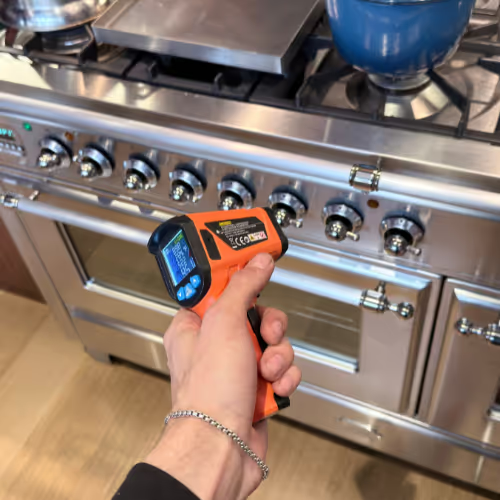
A first visit may identify a setting, connection, accessible obstruction or failed component that can be addressed immediately. In other cases, the technician needs to confirm a model-specific part, test an intermittent condition or determine whether the fault is in the appliance, installation or building system.
Bringing likely parts is not automatically guessing. The important distinction is whether the finding supports fitting the part and whether you approve the scope. Bosch's US Factory Service process explicitly allows another visit when a part must be ordered or a second technician is needed. A visit that ends with “we need a part” should still leave you with an explanation.
- Observed problem: what symptom was reproduced, and under what conditions?
- Diagnosis or remaining uncertainty: what finding supports the repair, or what still needs testing?
- Proposed work: what parts and labor are included, and what requires further approval?
- As-left condition: may the appliance be used, must it remain off, or is its condition still unresolved?
- Next step: who is ordering, approving or arranging access, and when will you receive an update? If coverage may pay, confirm who must authorize the work through the coverage decision guide.
Parts Sourcing: Compatibility Before the Delivery Estimate
A brand name is not enough to order many appliance components. The complete model number and, when relevant, serial or production information distinguish versions that can use different parts. Thermador’s service intake, for example, asks for the model identification; GE asks for the complete model and serial number when helping with warranty or out-of-stock parts. Do not pull out a heavy or integrated appliance to read a concealed label.
Current Models and Common Parts
A part may be on the technician’s vehicle, at a local distributor or in a remote warehouse. Ask which situation applies to your actual order. Do not treat “available online” as confirmation that the compatible part is physically in stock and ready to ship.
Premium and Model-Specific Parts
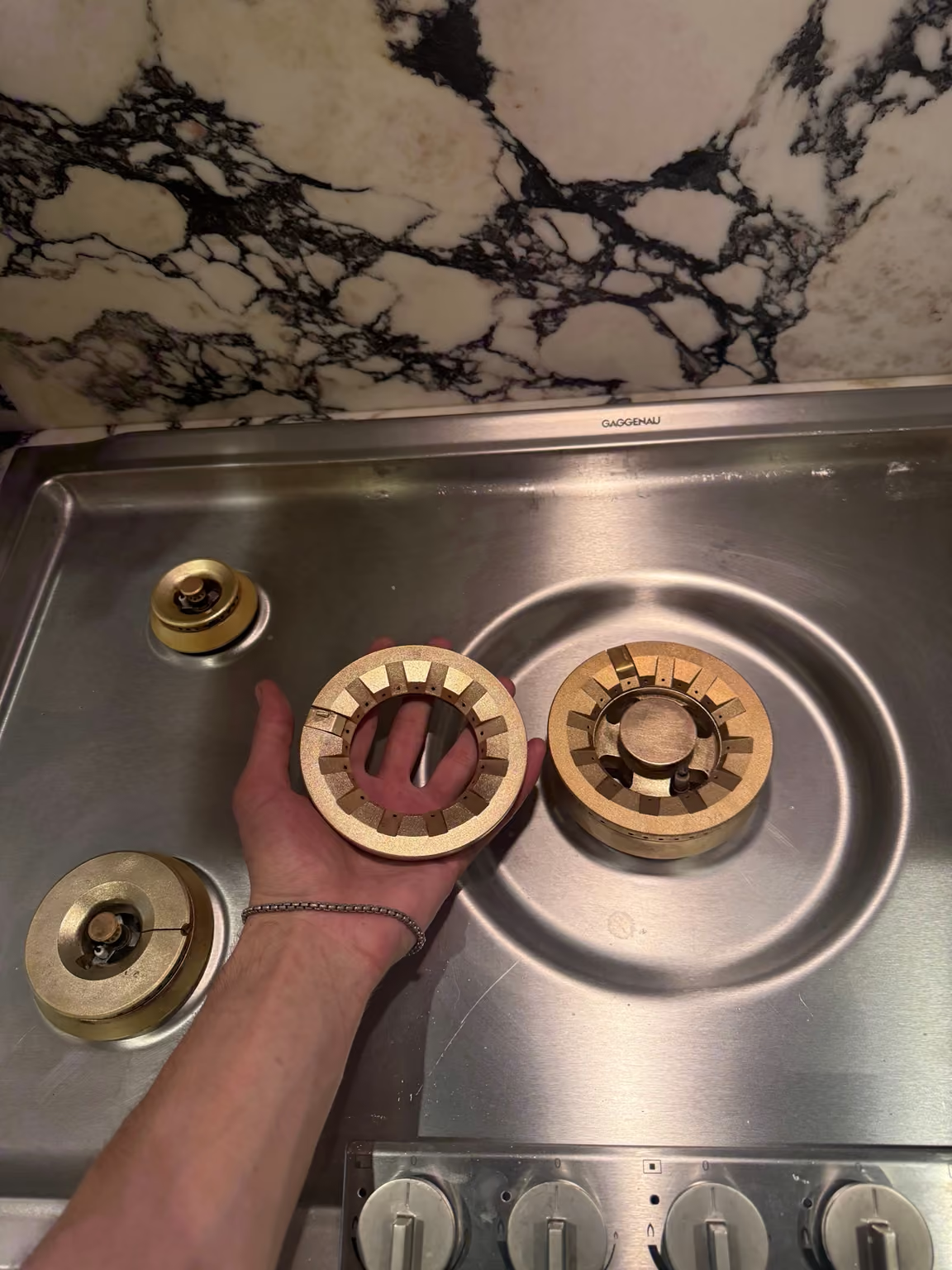
For Sub-Zero, Wolf, Miele, Thermador and other specialized equipment, ask the provider to confirm the supply route for the exact component. Factory networks may offer technical support and genuine parts access, but an authorization label does not supply a universal delivery time.
Ask whether the quote is waiting for compatibility confirmation, a supplier response, customer approval, shipment or receipt. Those are different delays. If the shipment arrives damaged or incorrect, request a revised plan before reserving another building service window.
Older or Discontinued Parts
Age alone does not establish that a part is unavailable. Ask for the part number, any manufacturer-approved replacement and the actual sourcing result. If the proposal uses a rebuilt, used or aftermarket component, its condition and warranty should be disclosed before you approve it.
When no suitable part can be sourced, ask for that limitation in writing and compare the remaining repair options with replacement. An indefinite search without an agreed next update leaves you unable to plan.
NYC Building Logistics Can Affect the Return Visit
Once the part is available, the repair still needs an approved time and a workable route to the equipment. Building rules vary: management may require a COI, vendor registration, permitted work hours, elevator booking, an access contact or floor protection.
Confirm whether the initial diagnosis and later repair have the same access requirements. Removing a built-in refrigerator, exposing a wall oven or moving a laundry stack can require different arrangements from inspecting the appliance in place.
Ask who is responsible for each arrangement. Do not disconnect utilities, move stacked equipment or remove cabinetry to create access. The repair company cannot assume management has accepted the paperwork, and a resident should not assume a doorman can authorize work on a shared shutoff or building system. Use the COI and building-access guide for those building requirements.
Complex Repairs Can Require Several Phases
Phases describe the work; they do not automatically mean separate calendar days. The technician should explain which phases apply to your equipment and why a return is necessary.
- Ice-obstructed refrigeration components: access or diagnosis may require controlled thawing and subsequent checks. Any thawing plan must match the model and protect stored food. Sub-Zero's family-specific guidance explains, for example, that Classic CL and Designer DET/DEC products cannot disable just one compartment for defrosting; both compartments are affected. That changes the temporary storage plan. Do not chip ice, apply improvised heat or dismantle the freezer to speed the visit. A universal defrost duration or two-visit minimum is not appropriate.
- Sealed refrigeration systems: the plan may involve fault confirmation, component or leak repair, the appropriate refrigerant procedures and performance checks. Work that may open a covered refrigerant circuit requires the applicable EPA Section 608 qualification. Certification does not impose a three-visit schedule. Ask what will be completed and verified during each appointment.
- Washer drum or tub work: substantial disassembly, equipment access and the condition of associated parts can affect the scope. Ask whether the estimate covers the complete assembly or individual components, whether the model permits the proposed repair, and whether extra personnel or removal space is needed.
These are reasons to request a specific plan, not instructions to prepare internal appliance components yourself. Keep gas, electrical, refrigerant and cabinet-disassembly work with the appropriate qualified service.
Specific Delay or Missing Follow-Up?
A useful update identifies the dependency and what happens next: “The replacement board is ordered; shipment is not yet confirmed; we will update you Friday.” That is more actionable than repeatedly saying “parts availability.”
An uncertain supplier date can be honest. What matters is whether the company explains the uncertainty, records the order status and follows the agreed update plan. A long wait alone does not prove misconduct, and a short quoted wait does not prove the part is secured.
If the next-update date passes, ask for the current order or task status, whether the estimate has changed, and the available alternatives. Before moving to another company, request the diagnosis and part information, and clarify deposit, cancellation and return terms so that you do not unintentionally duplicate orders.
If the Same Symptom Returns
A constant fault differs from an intermittent one. If the symptom returns after repair, distinguish whether it is identical, changed or accompanied by a new warning; do not recreate a hazardous fault. The original repair terms determine applicable follow-up. A repeat visit can reflect an unresolved fault, a separate fault or an intermittent condition. Ask what the return visit will test or correct rather than treating attendance alone as a resolution.


More Appliance Repair Articles
Explore practical appliance repair guides, technical insights, and real service cases from Volt & Vector in New York City.


.avif)