




Downtown Manhattan Appliance Repair
Downtown request scope: this service page covers the Lower East Side, East Village, NoHo, West Village, Greenwich Village, Battery Park City, Financial District, SoHo, and Tribeca. The exact street address and unit determine the coverage check; one ZIP code or a familiar neighborhood label is not enough. A live manager reviews the request and calls or texts before the appointment is confirmed.
Areas Covered by This Downtown Service Page
- Lower East Side
- East Village
- NoHo
- West Village
- Greenwich Village
- Battery Park City
- Financial District
- SoHo
- Tribeca
This is a nine-area service grouping, not a claim that every location commonly called Downtown is included. Use Midtown Manhattan appliance repair for Midtown East or West, Hell's Kitchen, Hudson Yards, the Garment District, Times Square, Murray Hill, Turtle Bay, Gramercy Park, Flatiron, and Chelsea. Use the Uptown Manhattan appliance repair for Lenox Hill, the Upper East Side, and the Upper West Side.
Choose the Next Step by the Visible Condition
Water is outside the appliance
Stop the cycle. The visible water location and the operating stage—filling, washing, draining, dispensing or idle—help distinguish the leak condition. Dry visible water when safe and follow the property's leak-notification process if one applies. Do not restart the appliance or pull it forward to recreate the leak.
Refrigerator temperature, ice, or water changed
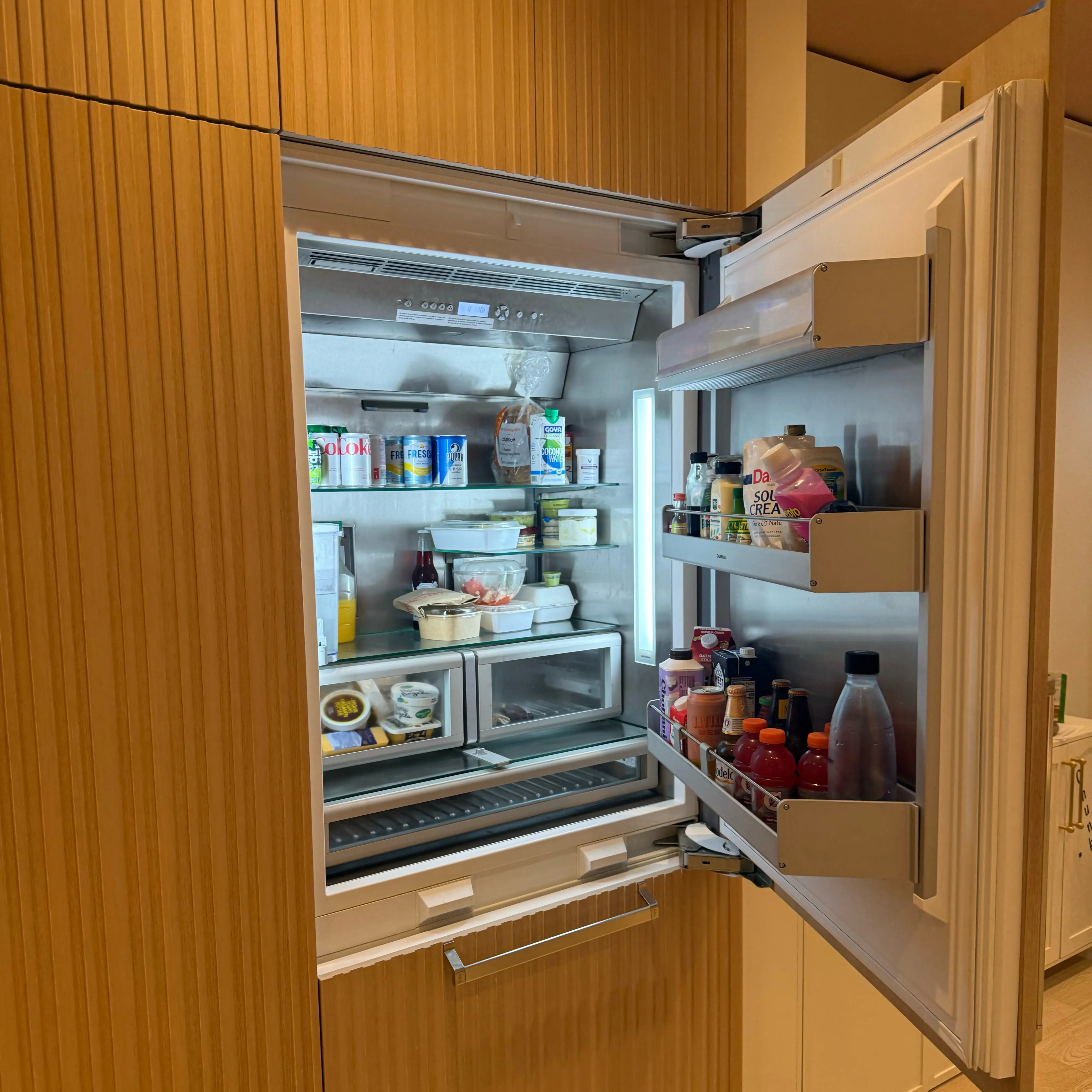
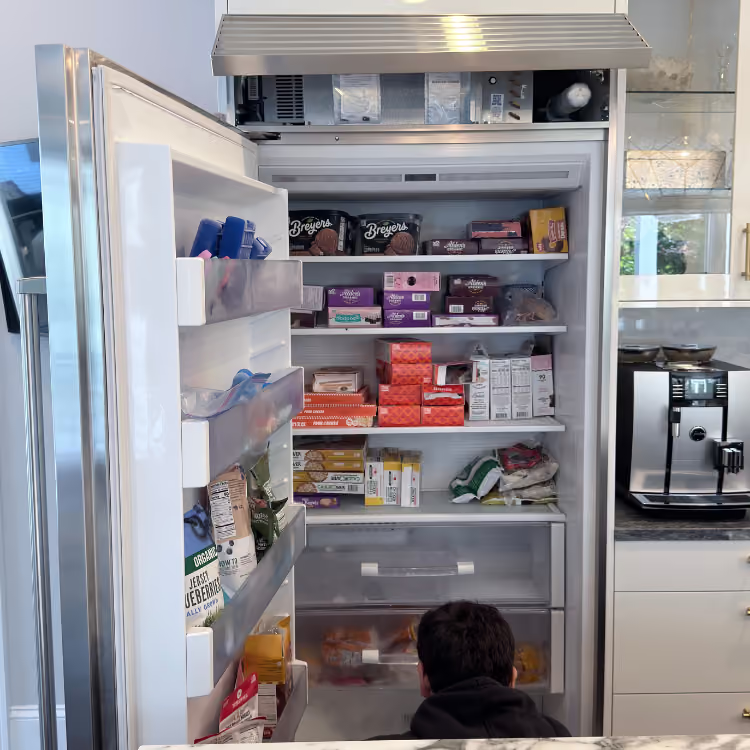
Check which compartment is affected and whether its displayed temperature agrees with the food condition. Ice production and dispensing can change at the same time. Keep doors closed as much as practical. Leave built-in, column, panel-ready, and water-connected refrigeration in place.
Laundry stops, moves, or stays damp
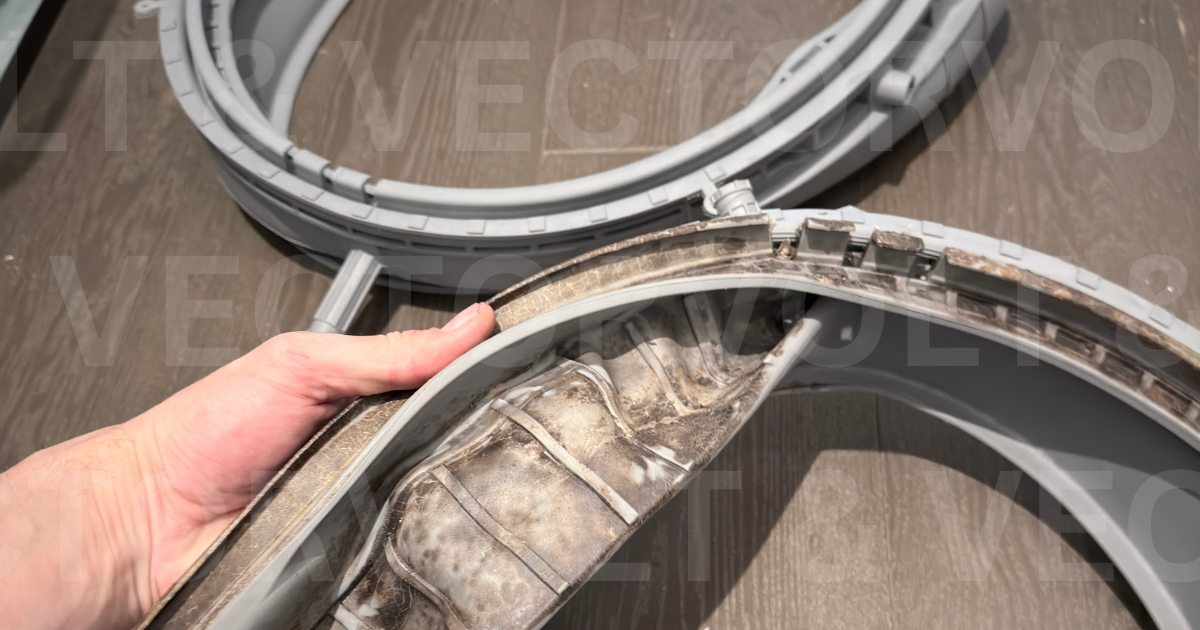
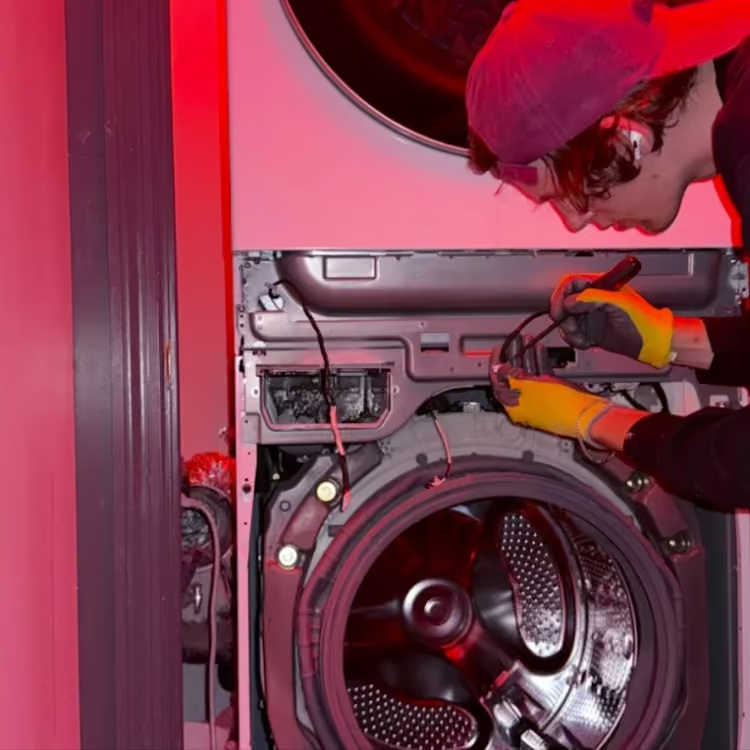
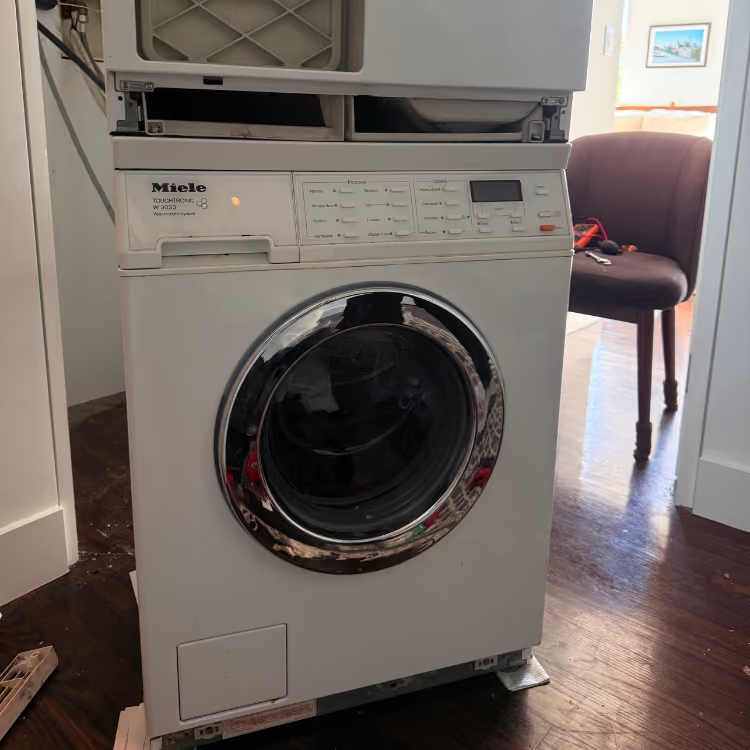
Separate the observation: water remains in the washer, the door stays locked, spin never begins, the machine strikes the wall, the dryer never warms, or the load ends warm and damp. The load type, stacked installation and vented, ventless, heat-pump or combination design are relevant to diagnosis.
Cooking heat, ignition, or controls fail
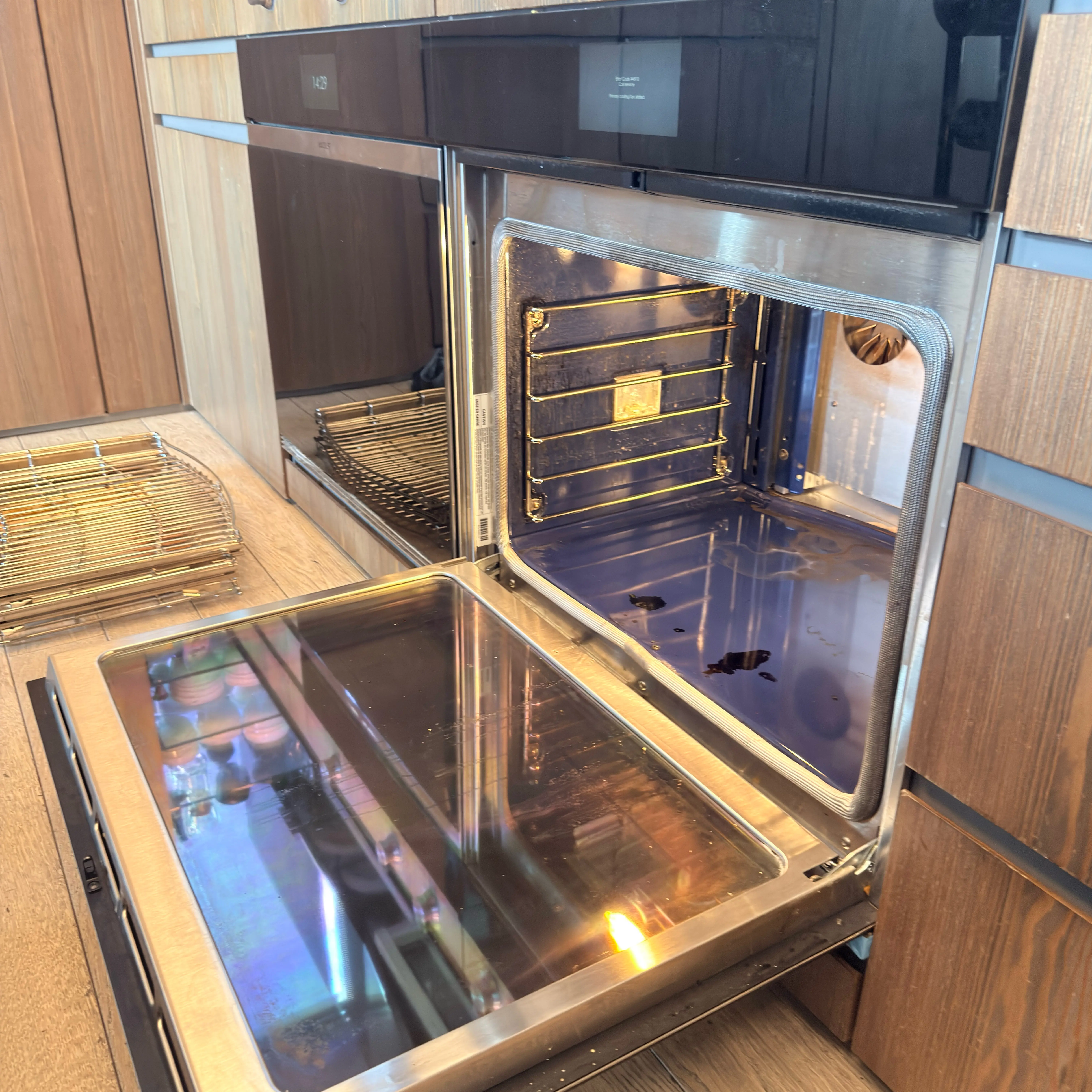
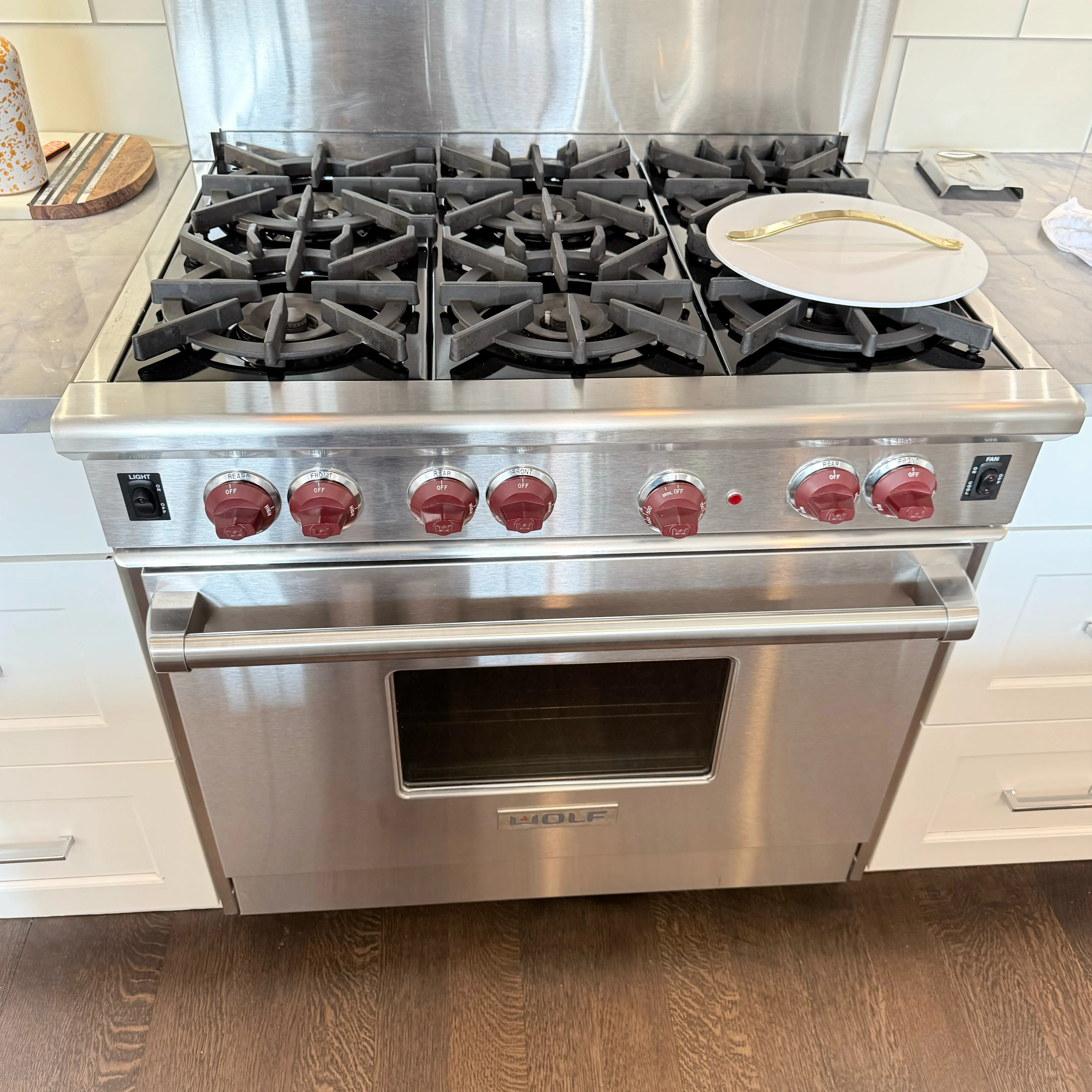
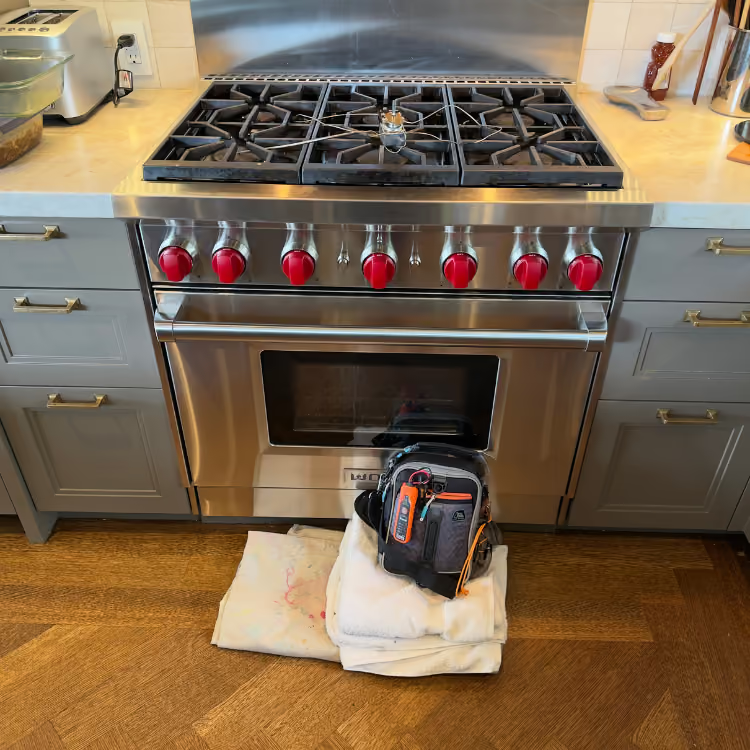
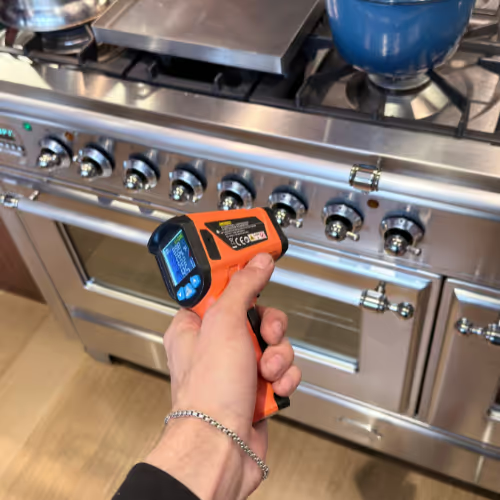
The affected cooking function—bake, broil, convection, one burner, one induction zone, ignition, display or controls—and the appliance’s gas, radiant-electric or induction design guide diagnosis. Cleaning, a spill or a power interruption also provide diagnostic context. For gas odor, smoke, sparking, or a burning electrical smell, stop use instead of repeating a test.
Access Conditions at the Property
- Managed entry: Managed entry can involve a doorman, concierge, superintendent, service entrance, elevator, freight access, contractor hours or COI requirements.
- Stairs or a narrow route: The floor, elevator availability and a narrow route can limit appliance access.
- Built-in, panel-ready, or stacked equipment: Installation and surrounding clearance affect service access. Do not remove trim, disconnect water or gas, pull the appliance out, or unstack laundry.
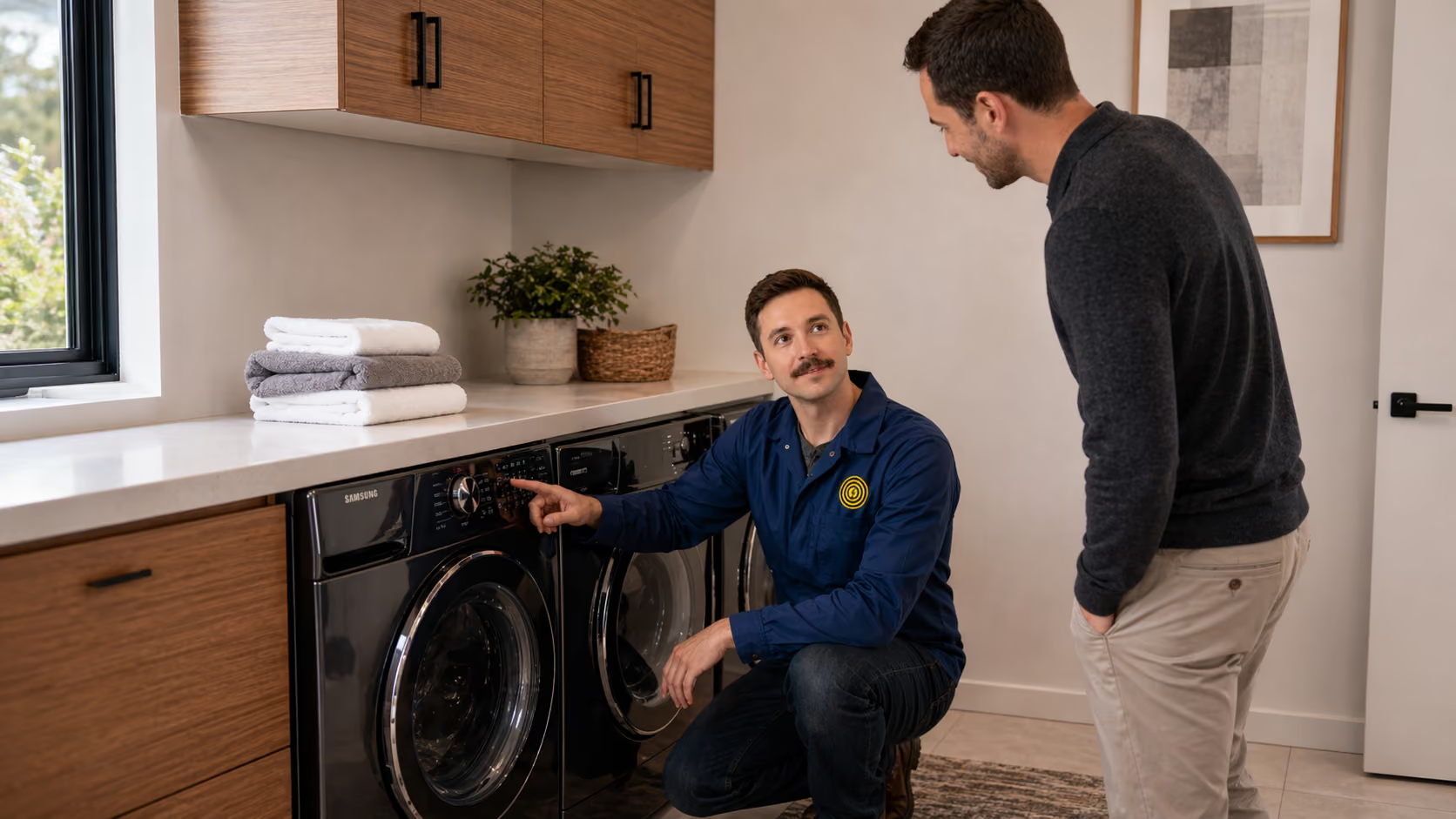
The manager checks service coverage and access, then confirms the time after the property route is clear.
Stop Conditions Are Not Booking Questions
The request form is not emergency dispatch. For gas odor, follow the NYC gas-safety instructions: leave the building and call 911 from outside. Stop using equipment for smoke, sparking, a burning electrical smell, water near powered parts, extreme heat, violent movement, or cracked electric or induction glass. Do not keep resetting it, force a locked mechanism, bypass a safety device, or attempt internal electrical or gas work.