.avif)





.avif)
View all appliance repair services
View all appliance repair services


Long Island City homes rely on appliances that work every day without drawing attention. A refrigerator should hold temperature. A dishwasher should drain cleanly. A washer should finish the cycle without shaking the whole closet. A dryer should dry clothes in one normal run. An oven, range, or cooktop should heat predictably.
The repair process starts with diagnosis. Before replacing parts, the technician confirms the symptom, checks the appliance, reviews the way it is installed, and explains whether repair makes sense. Some problems can be repaired during the first visit. Some require parts. Some appliances are not worth repairing because the age, condition, part cost, or failure history does not justify the work.
For a newer apartment or condo in Long Island City, identify any compact kitchen, laundry closet, or built-in appliance layout before the visit. The appliance itself may be modern, but the space around it can be tight. Refrigerators may sit inside cabinet panels or narrow openings. Dishwashers may be installed under stone counters. Washers and dryers may be stacked in a closet with limited access. Cooktops and ovens may be surrounded by finished cabinetry or counters.
These details matter because an appliance does not work in isolation. A refrigerator needs airflow. A dishwasher needs proper drain routing and a good door seal. A washer needs to sit level and drain correctly. A dryer needs heat and airflow. An oven or cooktop needs stable electrical or gas operation and correct temperature control.
If the surrounding setup creates stress, the appliance can keep failing even after one part is replaced.
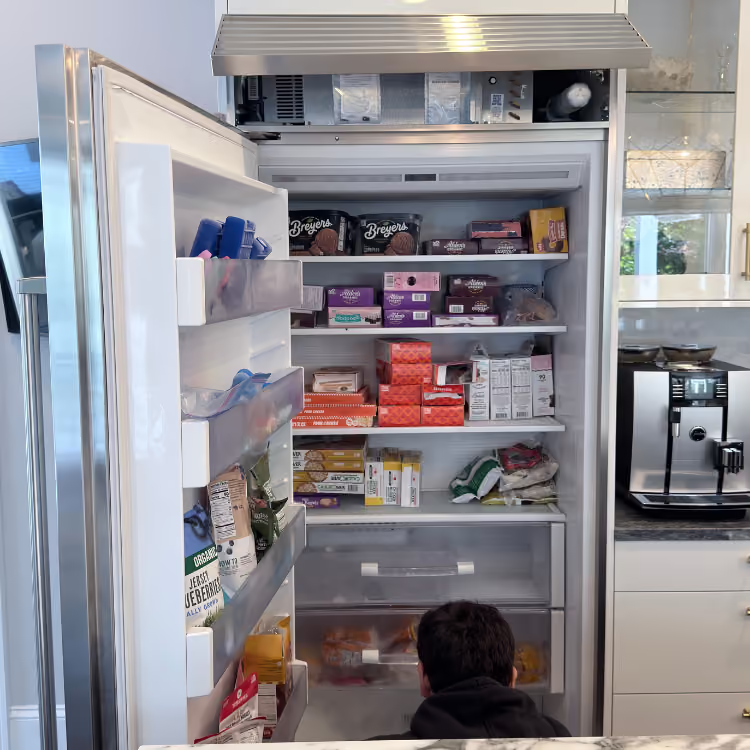
A refrigerator problem should not be ignored. If the refrigerator is warm, the freezer is icing over, water appears under the drawers, the unit runs constantly, or food is spoiling too quickly, the appliance should be checked before the failure spreads.
Common refrigerator and freezer problems include poor cooling, frost buildup, loud fan noise, leaking water, blocked drain lines, damaged door gaskets, ice maker failure, temperature swings, and control issues. A refrigerator can still have lights, display power, and fan noise while failing to cool correctly. Those signs only prove the appliance has power. They do not prove that the cooling system is working properly.
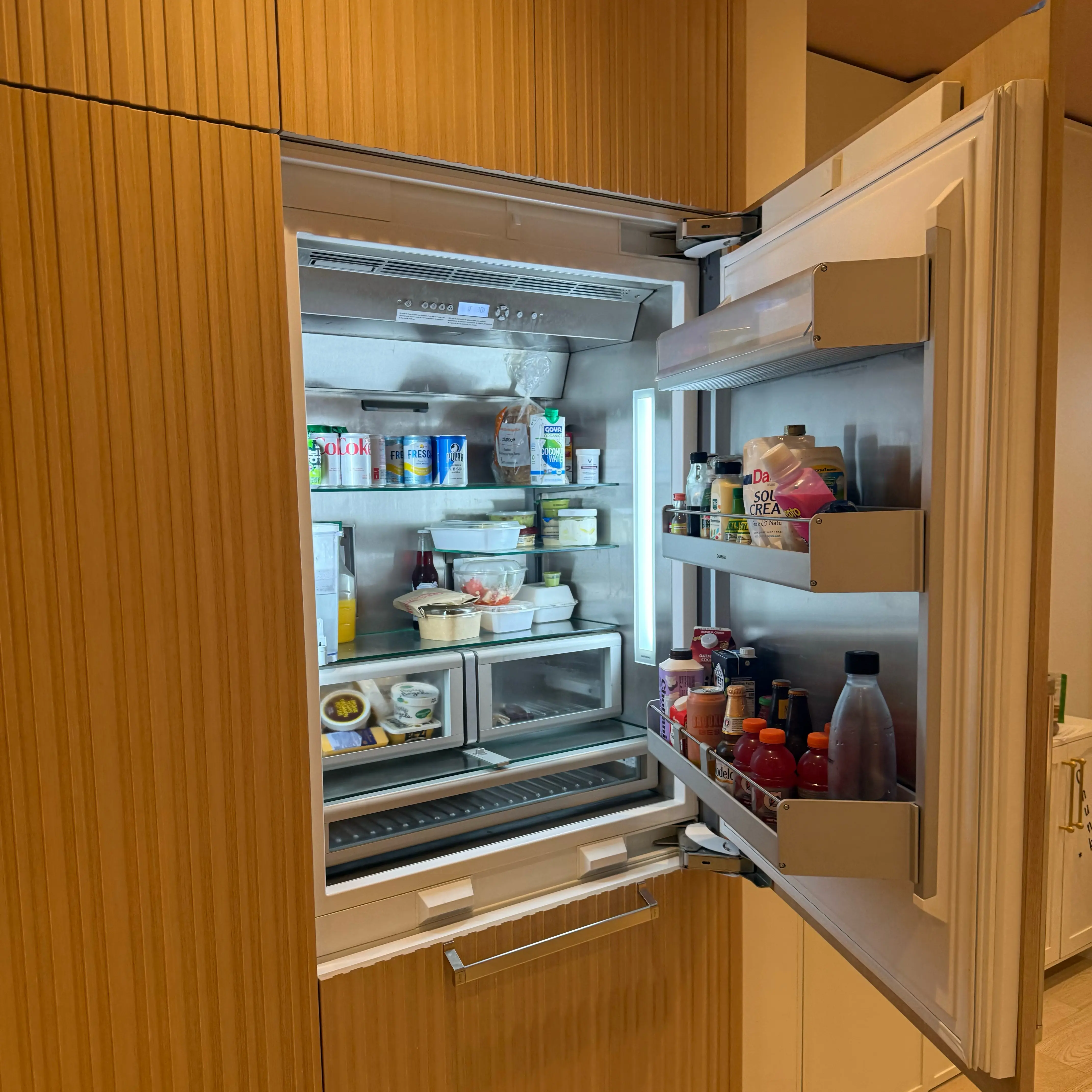
Tell us if the refrigerator in your Long Island City apartment or condo is installed in a tight space. Some are counter-depth. Some are built into cabinet openings. Some have panels or trim that make access more sensitive. If airflow behind or below the unit is restricted, the refrigerator may run harder and lose efficiency over time.
A proper diagnosis checks actual temperature, airflow, fan operation, frost pattern, condenser condition, drain condition, door sealing, and whether cold air is moving correctly between sections. If the problem is a fan, sensor, gasket, water valve, defrost component, drain issue, or control failure, repair may make sense. If the refrigerator has a major sealed-system issue, repeated failures, or unavailable parts, replacement may be the better decision.
A dishwasher should fill, wash, drain, heat, and seal. When one part of that cycle fails, the result may be standing water, poor cleaning, leaking, odor, noise, or an error code.
Common dishwasher repairs include drain pump replacement, inlet valve issues, wash motor problems, clogged filters, blocked hoses, door latch failure, heating issues, leaking seals, float switch problems, and control faults. A dishwasher that does not drain may not need replacement. It may need the drain path checked from the filter and pump area to the hose and sink connection.
Leaks need to be handled quickly. Water can spread under cabinets, behind toe kicks, and across flooring before the full damage is visible. A dishwasher leak may come from the door seal, water supply line, drain hose, pump area, float system, or surrounding plumbing connection.
Mention finished flooring, stone counters, tight cabinet lines, or an integrated appliance layout if present in your kitchen. Moving the dishwasher without planning can scratch floors, stress water lines, or make reinstallation harder. A careful repair checks the machine, protects the surrounding area, and confirms that the dishwasher drains, seals, and runs correctly before the job is complete.
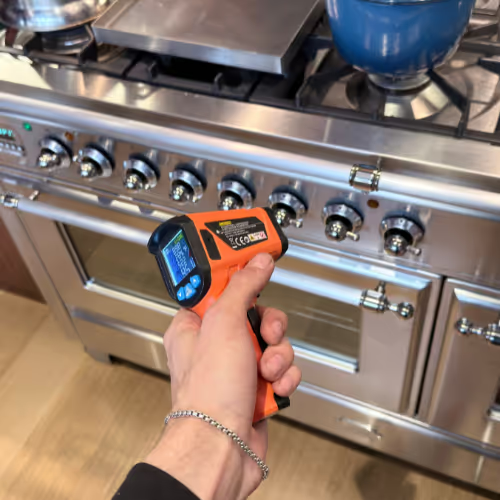
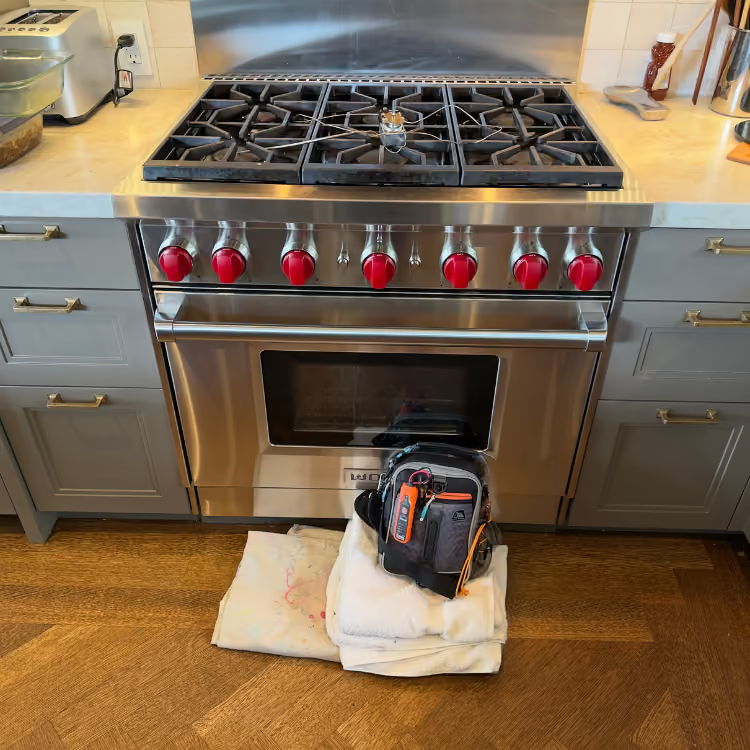
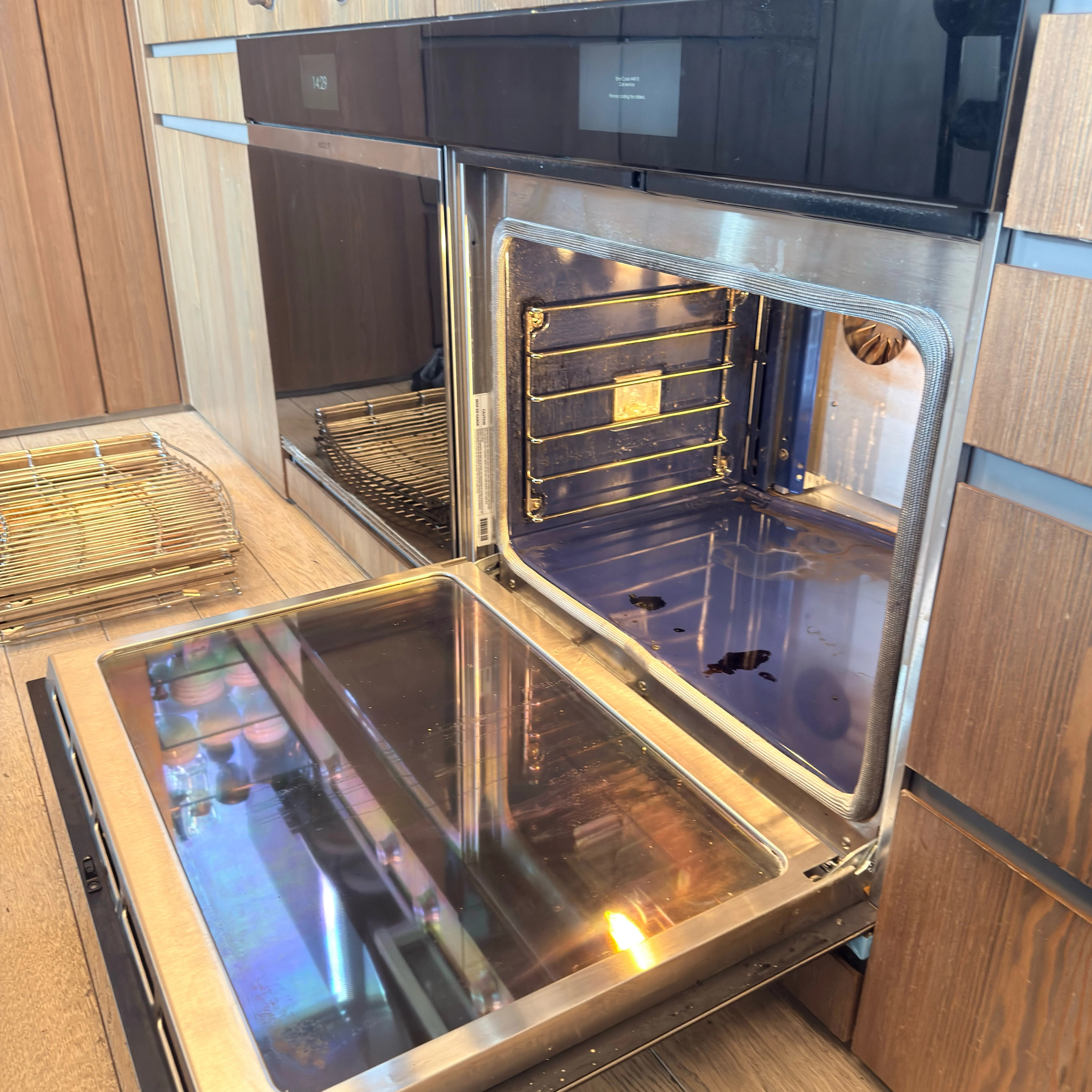
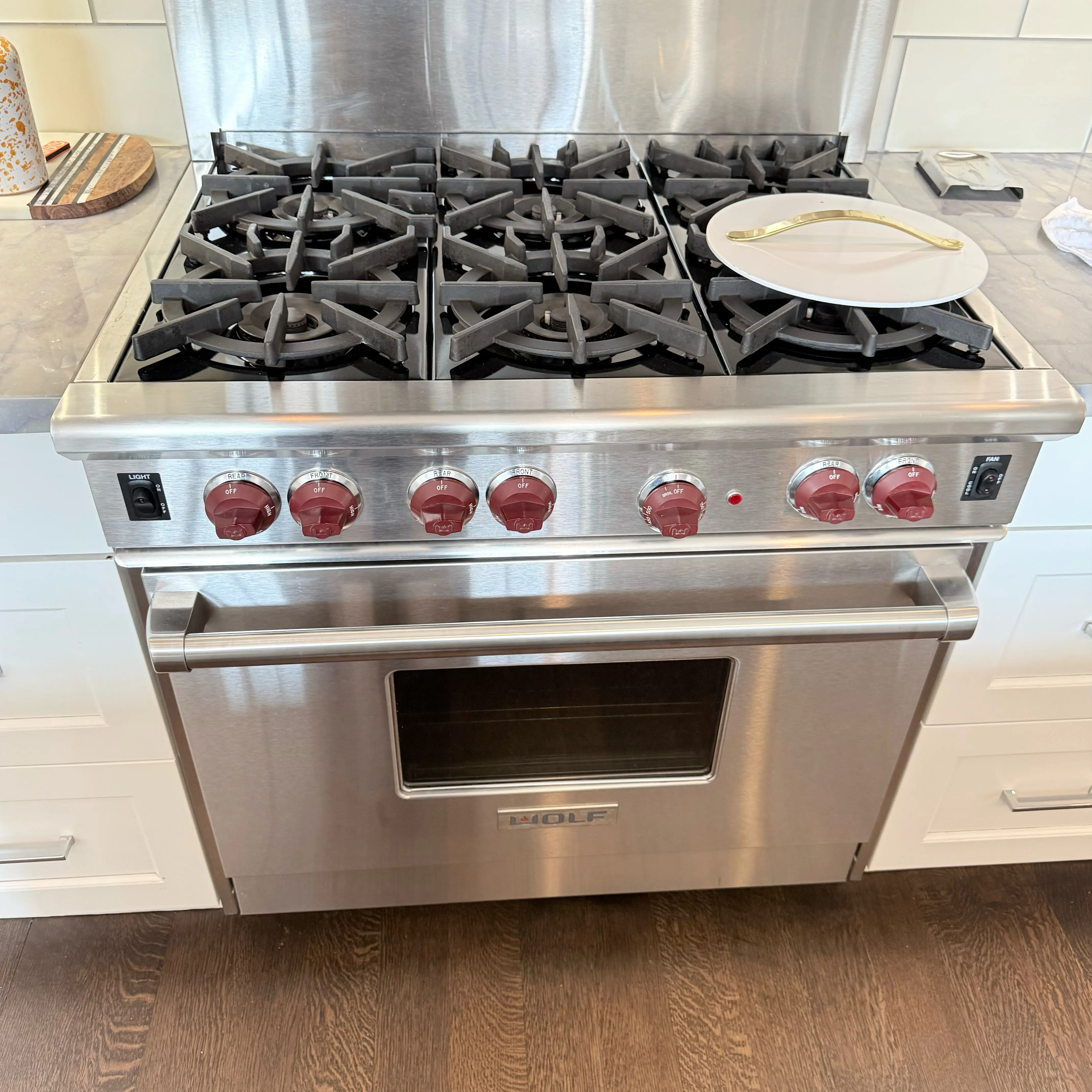
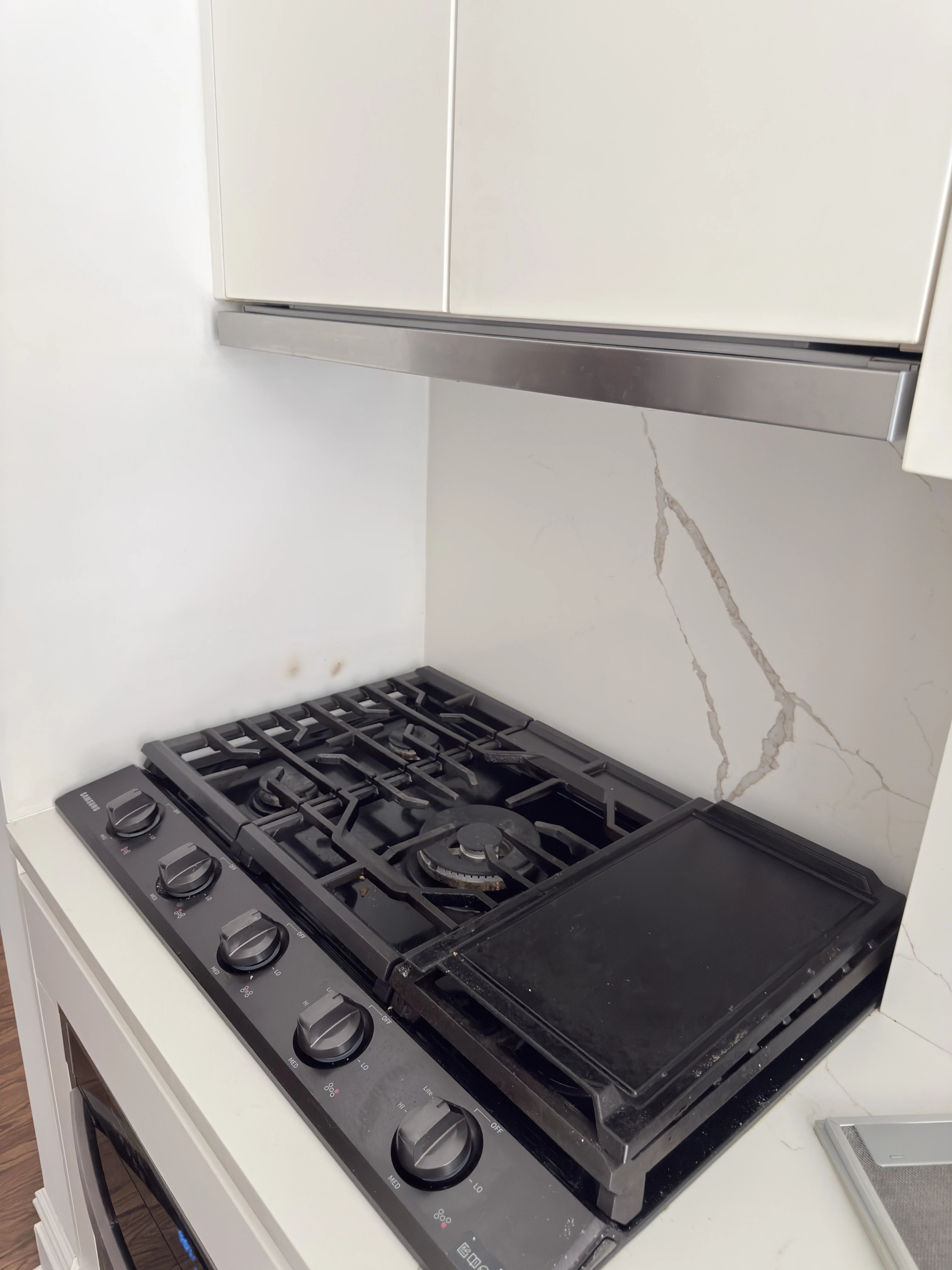
Cooking appliances should heat predictably. When an oven does not reach temperature, a gas burner clicks without lighting, an electric element stays cold, or a cooktop responds incorrectly, the appliance needs proper testing before parts are replaced.
Common residential cooking appliance repairs include igniter replacement, bake and broil element problems, temperature sensor faults, spark module issues, burner switch failure, damaged knobs, control board issues, wiring faults, and uneven heating. Gas and electric appliances require different diagnostic steps, but the logic is the same: test the operating sequence and confirm the failure.
For gas ovens and ranges, the technician checks ignition, flame behavior, safety response, and whether the appliance is calling for heat correctly. For electric ovens and cooktops, voltage, elements, relays, switches, and sensors need to be tested. An oven that heats but does not hold temperature may have a different problem than an oven that does not heat at all.
A useful cooking appliance repair should leave the customer with a clear answer: what failed, what part is needed, whether the appliance is safe to use, and whether repair is reasonable for the age and condition of the machine.
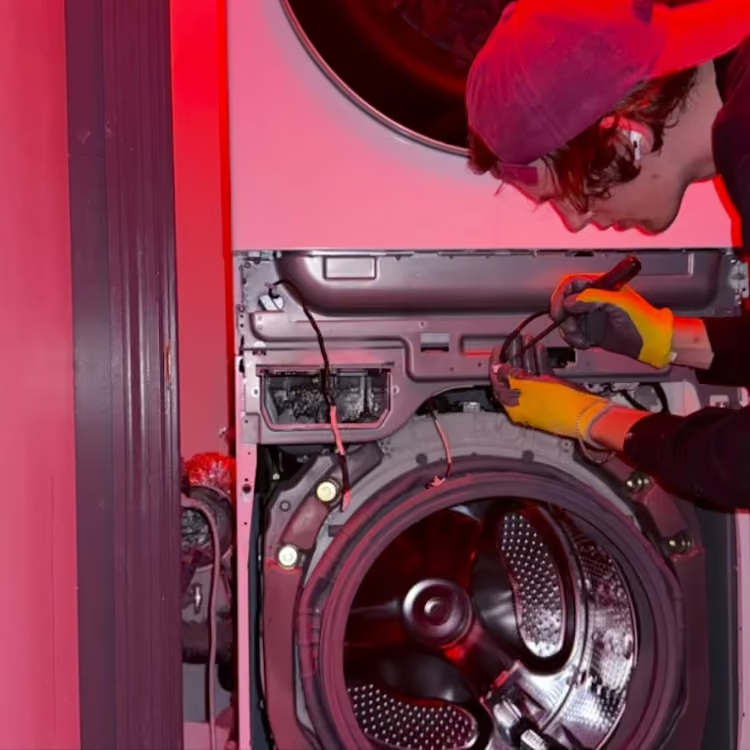
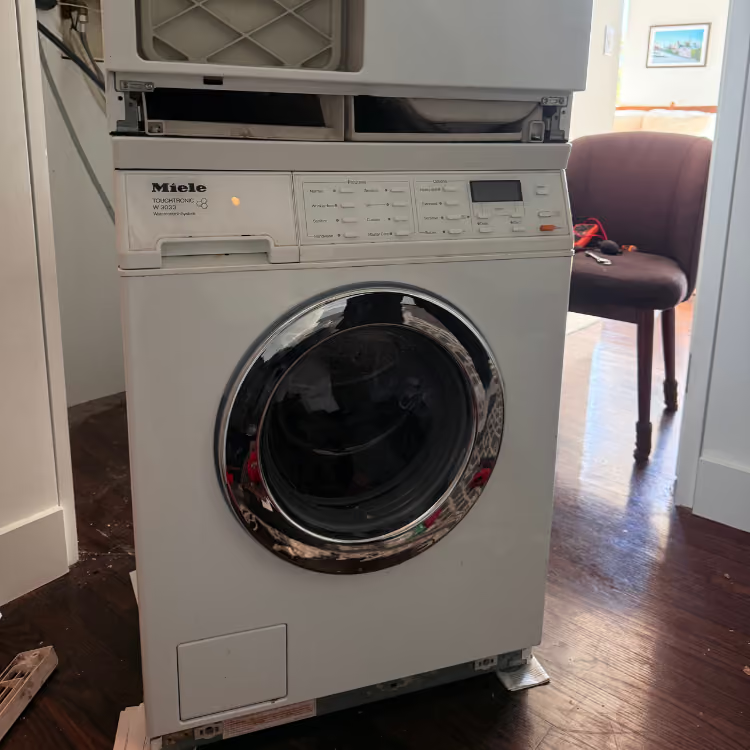
A washer failure can stop the whole laundry routine. Common washer problems include not draining, not spinning, shaking during spin, water not filling, water leaking, door locked, cycle stopping, loud noise, or repeated error codes.
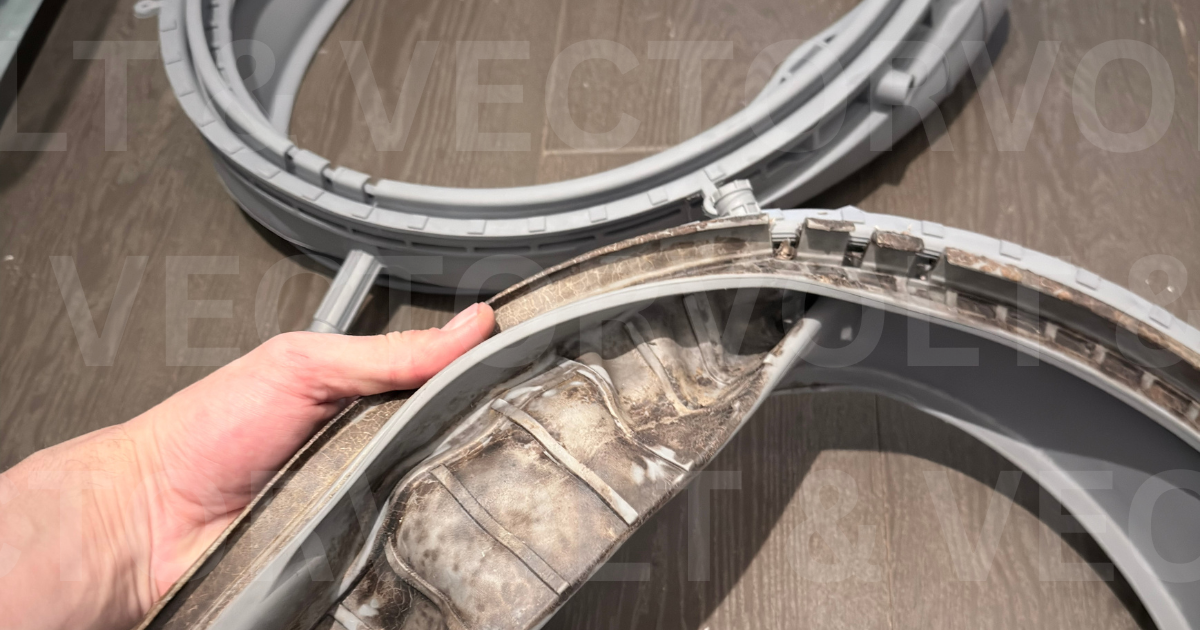
A washer that shakes badly may be overloaded, unlevel, sitting on an uneven floor, or affected by worn suspension parts. A washer that will not drain may have a clogged pump area, failed drain pump, blocked hose, door lock issue, pressure sensor problem, or control fault. A washer that leaks may have a hose issue, door gasket problem, pump leak, valve leak, or internal failure.
State whether your washer is stacked or placed inside a compact laundry closet. That makes access and leveling important. If the washer is stacked with a dryer, the technician may need to determine whether the machine can be safely serviced in place or whether more access is required.
The goal is not just to make the washer run once. The repair should confirm that the machine fills, drains, spins, and completes the cycle correctly without creating a repeat problem.
Dryer problems often appear as no heat, long dry times, loud noise, drum not turning, burning smell, error codes, or the dryer stopping mid-cycle. Long dry times are especially important because the cause is not always the heating system.
A dryer can produce heat and still fail to dry if airflow is restricted. Lint buildup, blocked venting, weak blower movement, clogged internal passages, or crushed vent material can all make the dryer work harder. Restricted airflow increases drying time, overheats internal components, and shortens the life of the appliance.
Common dryer repairs include heating element replacement, gas igniter replacement, thermal fuse replacement, thermostat issues, belt replacement, roller replacement, motor problems, blower wheel repair, and lint-related service.
Tell us if your dryer is installed in a closet or stacked laundry space. The vent path may not be visible at first glance. A proper diagnosis checks heat, airflow, drum movement, internal lint buildup, and whether the dryer can move air the way it should.
Not every appliance should be repaired. Repair often makes sense when the appliance is in good condition, the failed part is available, and the total repair cost is reasonable compared with replacement. A refrigerator with a failed fan, a dishwasher with a bad pump, an oven with a failed igniter, or a dryer with worn rollers may be worth repairing if the rest of the appliance is stable.
Replacement may make more sense when the appliance has repeated failures, corrosion, unavailable parts, major sealed-system problems, severe internal damage, or a repair cost that approaches the cost of a new machine.
In Long Island City, replacement also has practical details. The new appliance has to fit the opening. It has to match the space. It may need water connections, venting, installation adjustments, panel handling, or old appliance removal. A replacement that looks simple online can become more expensive if it does not fit the existing kitchen or laundry layout.
If you smell gas, even faintly, leave the area immediately and take others with you. Do not investigate the leak, light a flame, operate switches or appliances, or use a phone inside. From a safe distance outside, call 911, then your gas service provider. Stay outside and follow the emergency responders’ and gas provider’s instructions. A routine service booking is not an emergency response. For a routine, non-emergency appointment, clear the area around the appliance if possible. Remove items from counters, floors, laundry closets, and the top of the machine. If the refrigerator is not cooling, avoid opening the doors repeatedly and move important food to a cooler if needed. If there is an active leak, turn off the nearest water supply if it is safe and accessible. If there is a burning smell or sparks, stop using the appliance.
Photos can help. Take a picture of the error code, leak location, ice buildup, damaged part, or unusual condition. If possible, take a photo of the model and serial number label. The model number helps confirm parts, service information, and whether the appliance has model-specific repair issues.
If the appliance is built in, stacked, or tightly installed, make sure the area is reachable. Good preparation can make the visit more efficient and reduce the chance of a second appointment caused by missing information or limited access.
Volt & Vector uses a diagnostic-first repair process for residential appliance repair in Long Island City. The technician checks the appliance, confirms the issue, explains the likely cause, and provides a repair plan. If the repair is straightforward and parts are available, it may be completed during the visit. If parts are needed, the estimate explains what is being replaced, why it is needed, and what labor is involved.
In Long Island City, the appliance diagnostic visit is $150. The eligible diagnostic fee you actually pay is credited once toward an approved repair on the same job. Approved repairs include a 180-day parts and labor warranty.
If your refrigerator, freezer, dishwasher, oven, range, cooktop, washer, or dryer is not working correctly, schedule diagnosis before the problem spreads. Small leaks can damage cabinets and flooring. Poor dryer airflow can overheat components. Refrigerator temperature swings can spoil food. Washer vibration can damage floors and nearby walls. Oven temperature problems can make daily cooking unreliable.
Volt & Vector provides residential appliance repair in Long Island City with clear diagnosis, practical repair planning, correct parts, and direct communication.