

.avif)
Gas or Induction: Which Fits Your NYC Kitchen?
Induction is worth considering when your kitchen can support the selected model's electrical requirements and you want responsive heat without gas combustion at the cooktop. Keeping gas can make sense when the existing installation is permitted, the range is repairable and an electrical conversion would add work you do not want to undertake.
- Check permission: confirm the building's alteration rules and available utilities. Local Law 154 does not turn every existing-apartment range replacement into an electric-only project.
- Check the exact electrical specification: have a licensed electrician compare the candidate range with the supply and circuit capacity. A free breaker position is not a capacity assessment.
- Test your essential cookware: magnetic, flat bases are a useful starting point; check the range's pan-size requirements too.
- Check ventilation: induction removes the gas flame, but cooking food still produces particles and fumes. A hood remains useful.
- Compare complete installed quotes: include electrical work, safe gas disconnection where applicable, building access and any cabinet changes.
If a breakdown triggered the shopping, get the fault and repair scope confirmed before treating replacement as the only option.
Start With the Installation You Actually Have
A range can fit the cabinet opening and still be the wrong purchase. The new appliance must also fit the delivery route, have the clearances its installation manual requires, connect to the available utilities and meet the building's work rules. A gas-to-induction conversion adds a second decision: whether the electrical work is practical for this apartment.
Obtain the candidate model's installation instructions. Ask the building manager about contractor documents, delivery access and alteration approval before paying a nonrefundable deposit. Renters should get the owner's permission before arranging changes to supplied equipment.
NYC Local Law 154: Check Filing Scope, Not Just Building Age
NYC DOB's Local Law 154 guidance, checked September 4, 2026, applies to New Building applications and Alt-CO New Buildings with Existing Elements to Remain. Compliance follows the initial general-construction application filing date, not simply the building's completion date.
DOB lists January 1, 2024 for Group R-3 and occupancies below seven stories, with separate affordable-housing phases; July 2, 2027 is the general all-occupancies phase, and December 31, 2027 applies to affordable housing seven stories or taller. Exceptions and service-hot-water details matter to the project.
An ordinary kitchen renovation or resale in an existing tall building is not automatically covered. DOB's existing-building FAQ explains the distinction. If the work is substantial, have the project's design professional establish the filing category and applicable requirements. Do not order a gas range based only on an old gas account, or rule it out based only on the number of floors.
Gas Ranges: What You May Want to Keep
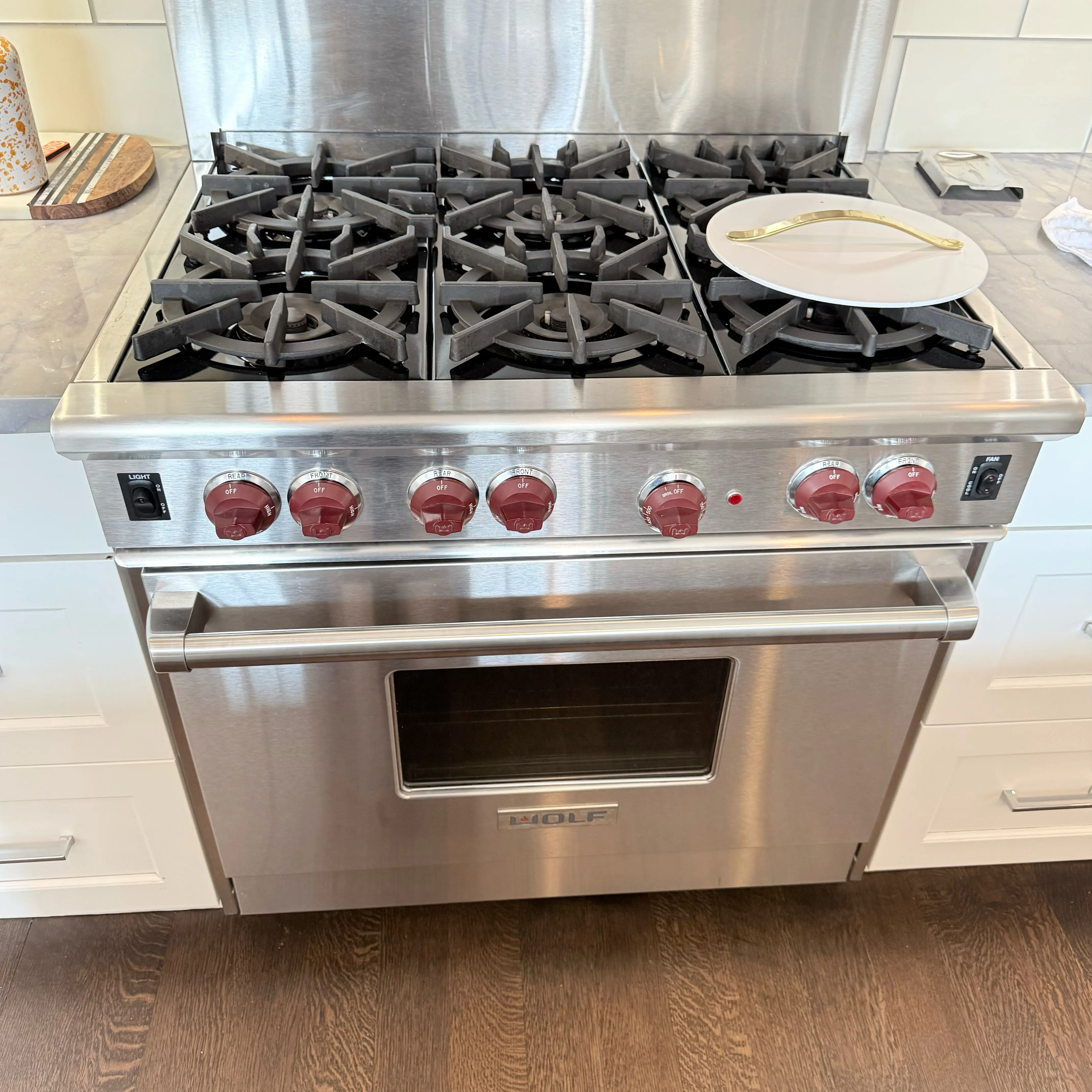
A visible flame and familiar controls can suit someone who regularly adjusts heat by sight. Gas also avoids induction's magnetic-base requirement, although cookware still needs to suit the burner and the manufacturer's instructions. If you use a wok or specialty vessel, compare the permitted supports and burner arrangement on actual models.
An existing gas connection can reduce conversion work, but replacement still requires proper installation. NYC311 identifies a licensed master plumber and permit requirement for installing or altering gas appliances or piping. Ask who is responsible for that work; delivery alone is not confirmation that gas connection is included.
Do not choose gas on the assumption that every model operates during a power outage. Ignition, safety controls and the oven may depend on electricity. Follow the exact manual; this comparison is not an instruction to light a burner manually.
Ventilation Matters With Either Cooking Surface
Induction does not burn gas at the cooking surface. That removes one source of indoor combustion emissions, a distinction described by the Department of Energy. It does not remove smoke, moisture or particles generated by heating food and oil.
The EPA recommends using a range hood while cooking and venting it outdoors where possible. A recirculating hood is different from outdoor exhaust. Check what the building permits before planning ductwork, and have a professional assess a new ventilation installation. An air cleaner is not a substitute for resolving an unsafe gas appliance or exhaust arrangement.
Induction: Heat Control, Cleaning and Remaining Heat
Induction transfers energy to compatible cookware through an electromagnetic field. The practical buying test is whether your everyday pans work well at the heat levels you use: simmering a small saucepan, heating a large skillet and using several zones together. Consider control layout and pan detection as well as maximum advertised power.
A smooth surface removes burner grates from the cleaning routine. The glass can still become hot from a pan. Bosch's induction guide describes residual-heat indicators; their presence is a reminder to respect hot surfaces, not permission to leave towels or other combustibles on the cooktop. Keep the required installation clearances for either fuel type.
The Electrical Infrastructure Question
Use the selected model's voltage, circuit rating, connection method and installation instructions. Do not treat a universal 240-volt/50-amp statement as a specification for every induction product. A full range and a portable induction unit are different purchases.
A licensed electrician should assess the existing supply, load capacity and route for any new wiring. Ask whether the proposed work stays inside the apartment, needs building access, or requires additional approvals. Panel labels do not replace that assessment. Do not open a panel or improvise an adapter.
Request the work scope in writing before deciding that conversion is affordable. The scope should distinguish a new circuit, any panel or supply work, permits, wall opening and finish restoration. These are more useful comparison inputs than a generic installation allowance.
Compare Performance Using Your Own Cookware
For induction, check the base of the pots you cannot easily replace. A magnet test helps identify compatibility, but diameter, flatness and the range's accepted pan size also matter. Stainless steel varies; copper or aluminum construction alone does not tell you whether a pan has a compatible base.
For both types, try the controls and examine the layout. Can you use your largest pans together without crowding handles? Is the small cooking zone suitable for the saucepan you use most? Can you read and adjust the controls comfortably? If low simmering, a griddle or wok cooking drives the purchase, ask for a demonstration of that use rather than comparing burner numbers alone.
Repairability and Long-Term Cost
Compare support for the exact models. Ask where parts are ordered, who services them locally and what the written warranty covers. A gas range can contain electronic controls; an induction model can require a substantial module or glass replacement. Neither fact establishes which specific appliance will fail sooner or cost less to own.
If the current range has a fault, a diagnosis should distinguish an isolated repair from a wider installation or condition problem. Then compare the repair quote with the complete replacement quote. The NYC replacement-cost checklist helps identify omitted delivery and installation work.
Make the Decision After the Two Feasibility Checks
First establish what the building allows. Then establish what the exact model requires. If induction is feasible, weigh the cookware change and electrical project against its cooking and cleaning benefits. If conversion is impractical for now, compare repairing the current gas range with a permitted replacement that fits the existing installation.
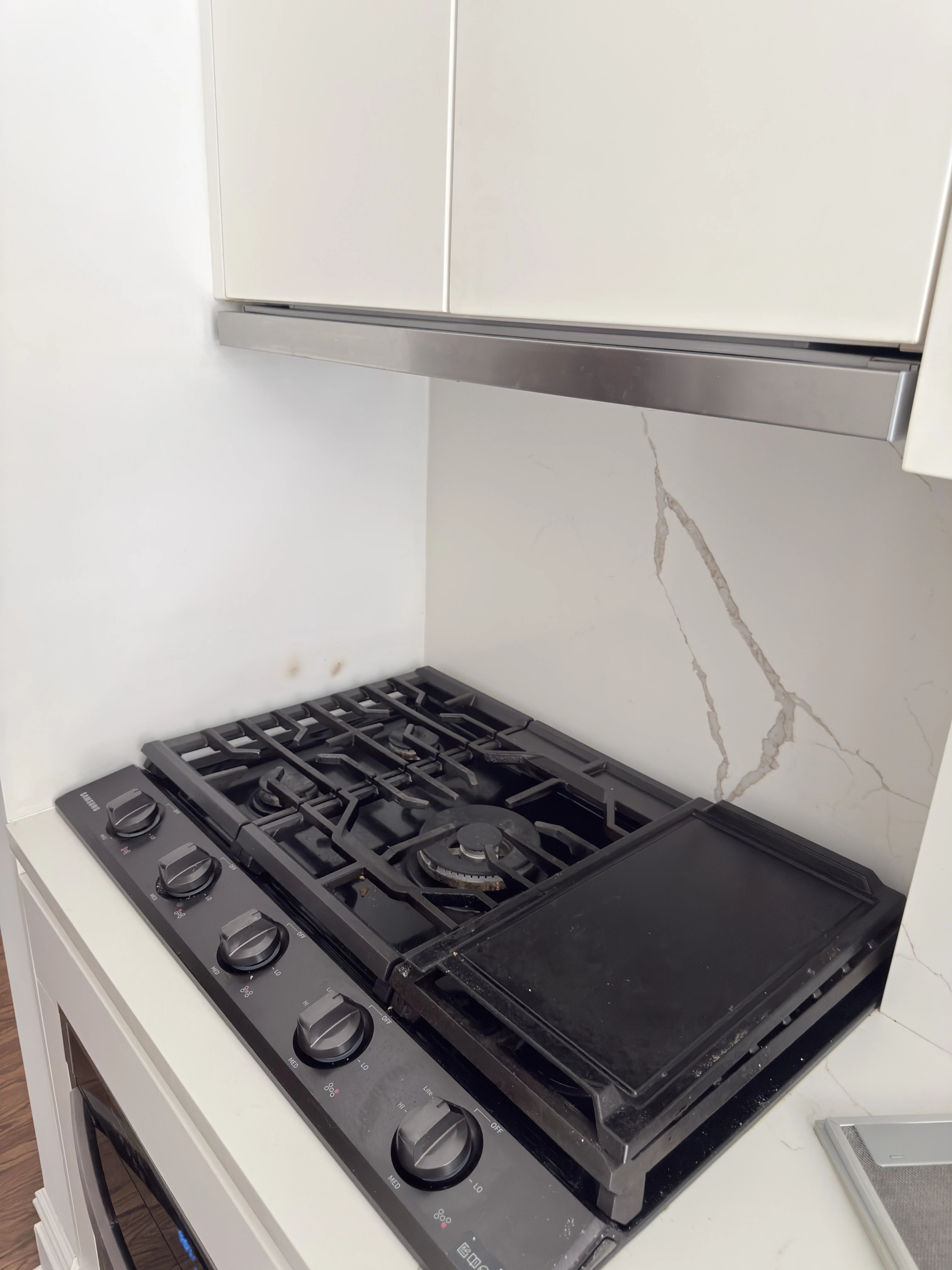
For a separate built-in cooktop, the countertop opening becomes another major constraint. Use the cooktop repair-or-replace guide before assuming that a same-width product will be a direct fit.





.png)