

.avif)
Appliance Noise: What Requires Attention?
An appliance can become louder because its load or operating speed changed, something is vibrating against it, or a moving component needs attention. Sound alone cannot identify the failed part or predict how long it will last. Compare the noise with the cycle stage and the appliance's performance.
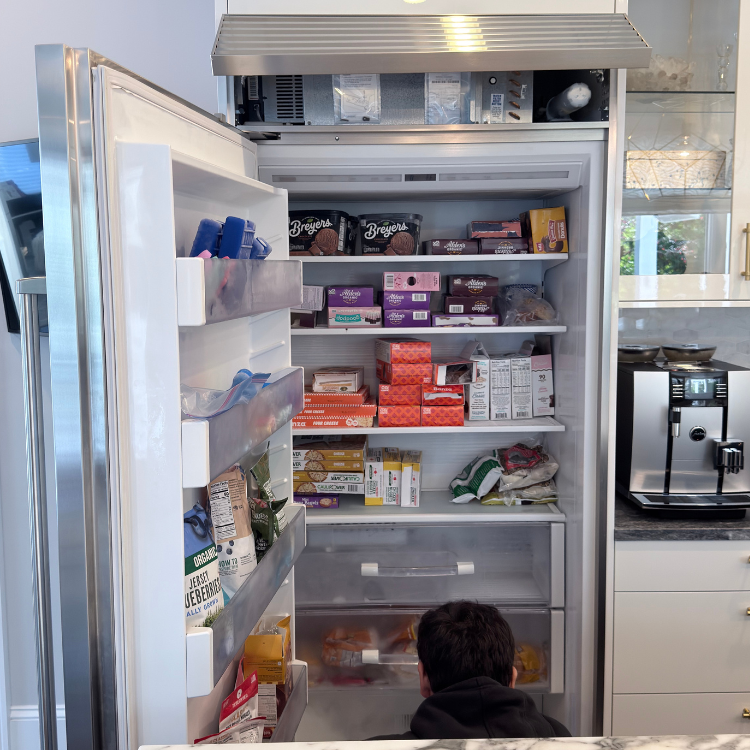
- Refrigerator: Humming, hissing and gurgling can be normal. New scraping, repeated failed-start sounds or noise paired with warming food needs a service assessment.
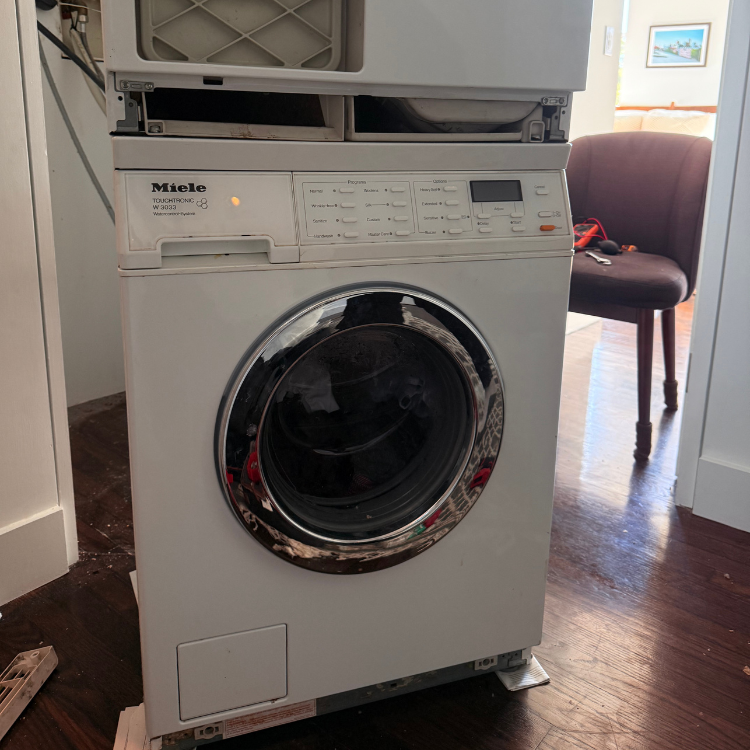
- Washer: One uneven load differs from banging on every load. Stop for walking, metal impact, leakage or movement of a stacked dryer.
- Dryer: Check the stopped, cool drum for loose objects and balled-up laundry. Persistent scraping or squealing needs inspection; a brief light thump after disuse can be model-normal.
- Dishwasher: Check whether utensils obstruct a spray arm and whether dishes are secure. A new grinding noise or noise with poor washing or draining needs diagnosis.
- Any appliance: Stop for burning odor, smoke, sparks or an active leak. Do not keep restarting it to obtain a better recording.
Appliances Are Getting Louder: What That Actually Means
A change in sound is useful evidence, but it is not a diagnosis. A washer loaded with one heavy blanket, a refrigerator working after a grocery delivery and a dishwasher with a pan blocking a spray arm can all sound louder without having a worn motor. A part can also wear or become obstructed. The distinction comes from what changed and whether performance changed with it.
Compare similar conditions: the same cycle stage, an ordinary load and the same listening position. Note whether the noise began suddenly, grew gradually or started after installation, moving, cleaning or a repair. These details help decide whether to correct a visible condition, ask the installer to return or arrange an internal inspection.
Refrigerators: The Sounds of Continuous Operation
Compressor hum. A refrigerator operates throughout the day, but its compressor and fans may change speed or cycle off. A hum that becomes stronger after loading warm groceries or opening the doors differs from a new persistent rattle. Check for bottles touching each other, objects on top or visible contact with surrounding surfaces. Use the model's required installation clearances; do not pull out a built-in refrigerator to experiment with gaps.
Clicking at a start or stop. A brief control or relay click can be normal. A repeating click or buzz with a refrigerator that is no longer cooling needs prompt service. Compare the sequence with the temperature concern; it does not identify a start relay, compressor or control from sound alone. Avoid repeated unplugging and restarting.
Gurgling, hissing and water sounds. Refrigerant movement and defrost water can make these sounds during normal operation. A hiss by itself is not evidence of a refrigerant leak. If the noise accompanies water on the floor, warming food or an alarm, those additional symptoms matter too. Whirlpool's refrigerator sound guide distinguishes ordinary flow sounds from conditions needing attention.
Fan squeal, rattle or scraping. Depending on the design, a fan, its mounting, an obstruction or ice contact may be involved. Note whether the sound comes from inside a compartment or from the base, and whether it changes when a door opens. Do not defeat the door switch, reach behind covers or touch a running fan. Not every refrigerator has the same fan arrangement.
Noise with visible frost. Frost and a scraping sound make the air path and fan clearance worth checking, but they do not prove a failed defrost heater. Door sealing, moisture entry, drainage and defrost operation are different possibilities. Do not chip ice or use a heat gun. If cooling is also deteriorating, use the refrigerator cooling guide for the temperature-specific checks.
Washing Machines: Noise as Wear Indicator
Rumbling or growling at spin. Drum-support or drive wear is one possibility when a previously quiet washer becomes persistently louder. First separate spin from draining, load-specific noise from every-load noise, and a gradual change from a recent installation problem. A technician needs to check the actual drive and drum support; the sound cannot forecast a bearing's remaining life or the eventual bill.
Thudding or banging. Uneven loads, shipping restraints, unstable foot contact, floor or pedestal movement and suspension problems can all be relevant. Stop if the machine walks or strikes anything. If it began after delivery or moving, installation verification comes first. A machine that has always been in the same place still needs load and support checks before shocks or rods are selected.
A louder drain sound. Note whether water leaves normally. An obstruction, filter issue or pump problem needs different follow-up from ordinary pump-and-air noise near the end of drainage. Only clean a filter identified as owner-accessible in the exact manual, with power disconnected safely and water cooled and drained as directed. Do not open a full washer or remove cabinet panels to find a filter.
The washer behavior guide separates ordinary pauses and load changes from persistent faults, leaks and stop-use conditions.
Dryers: When Mechanical Wear Becomes Audible
Rhythmic thumping. Balled-up bedding or garment hardware can make a healthy dryer thump. Some roller-supported dryers also make a brief light thump after a period of non-use as temporary roller flat spots recover. That does not justify continuing through violent pounding, scraping, a burning smell or a noise that persists. Whirlpool's dryer noise examples show why thumping alone is not a roller diagnosis.
Persistent squeal or flapping. Support rollers or glides, an idler, belt or motor-related component may be involved, depending on the dryer. With the unit stopped and cool, inspect only the visible drum for a caught object. Do not remove panels, lubricate parts through openings or buy a belt solely from the sound. Service should confirm the actual contact or worn component.
Rattle or vibration near the air path. A loose object, blower issue, debris or contact with the cabinet can be relevant. Clean the normal lint screen as directed and check whether drying time or heat has also changed. Internal blower access belongs to service; vent cleaning alone does not establish that the blower is undamaged. If drying performance has declined, the long drying-time guide explains the accompanying performance change.
Dishwashers: Reading Water and Mechanical Sounds
A louder wash-phase hum or grinding. First identify whether it occurs during filling, spraying or draining. Dishes, loose objects, water movement and pump faults can sound similar from outside a closed door. Noise together with poor cleaning, standing water or an error is more informative than volume alone. Do not assume a cleaner will repair a worn pump.
A rhythmic knock during spraying. Pause as directed and let spraying stop before opening carefully. Check for a utensil protruding through the rack or a large dish blocking an arm, and secure light items. The Bosch SHX5AEM2N manual gives loading and spray-arm contact as examples of noise causes. Follow your own manual for filter or spray-arm removal; they do not all twist off in the same way.
Creaking when the door moves. This belongs to door movement rather than the wash pump. Note resistance, rubbing or a change in how the door is supported. Do not ignore a door that suddenly drops or will not stay controlled, and do not reach into spring or hinge mechanisms. Keep the door supported and arrange service.
The Room and Installation Can Amplify Noise
Hard surfaces, an open cabinet cavity, contact with a wall and a flexible floor can change what you hear. A noise that appeared after a renovation, a new drain pan or relocation needs that context. Loudness in another apartment also does not identify a failed component inside the appliance.
Room acoustics should not be used to dismiss a new sound. Compare it with earlier operation and note any change in washing, drying, cooling or drainage. Ask the installer to check mounting, feet, required clearances and support when the timing points to installation. Do not wedge appliances in place or remove required ventilation or water-protection provisions to suppress vibration.
Sound, Timing and Performance Are Different Clues
- Identity: Appliance type, model and approximate installation date.
- Timing: Fill, wash, drain, spin, heating, cooling or door movement.
- Conditions: Load, recent move or repair, visible contact and whether it happens every time.
- Effect: Warming food, wet laundry, longer drying, poor washing, standing water or a displayed code.
“It clicks repeatedly and the refrigerator is warming” describes a different condition from a click with normal cooling. “It needs a compressor” assumes the answer before the appliance has been checked.





.png)