

.avif)
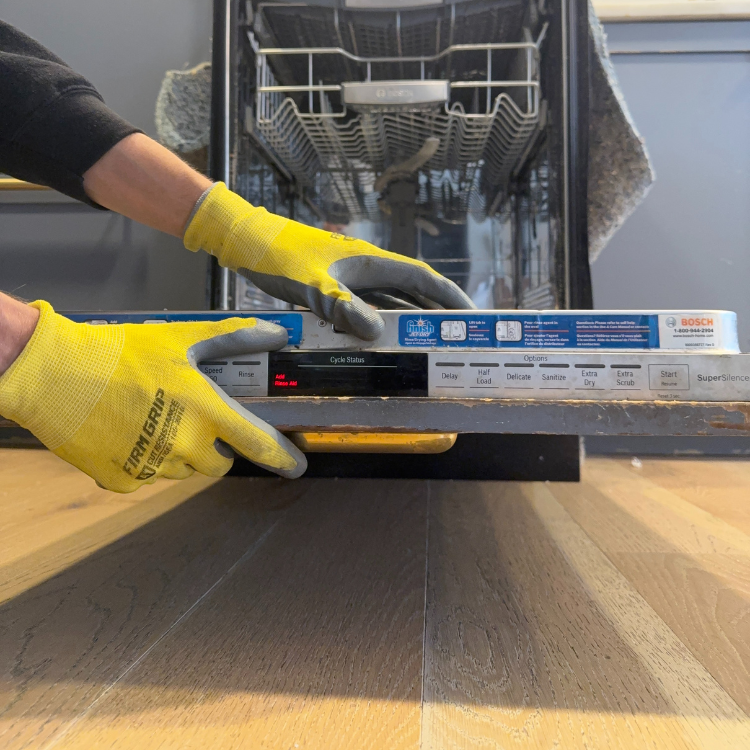
Bertazzoni Dishwasher Repair
Our local service approach is designed for NYC apartments, condos, brownstones, and residential kitchens where access, installation layout, and daily use conditions matter. Whether your Bertazzoni dishwasher is leaving dishes dirty, stopping mid-cycle, or showing inconsistent performance, we provide clear repair direction, professional service, and dependable local support focused on restoring reliable kitchen function.
Bertazzoni Dishwasher Repair: Quick Answers
Won’t start / dead
- Power supply issues
- Faulty door latch sensor
- Control board failure
- Tripped circuit breaker
- Safe Check / Stop Condition: Disconnect power before internal checks.
Dishwasher-critical performance failure
- Heating element failure
- Drain pump malfunction
- Blocked spray arms
- Faulty door seal
- Safe Check / Stop Condition: Disconnect power if heat is excessive.
Leaks / smell / noise / breaker trips
- Damaged door seals
- Clogged drain system
- Electrical shorts in wiring
- Pump failure
- Safe Check / Stop Condition: Shut off water supply for leaks.
For accurate diagnosis, please send your model/serial photo, any error code, and details on when the failure occurs.
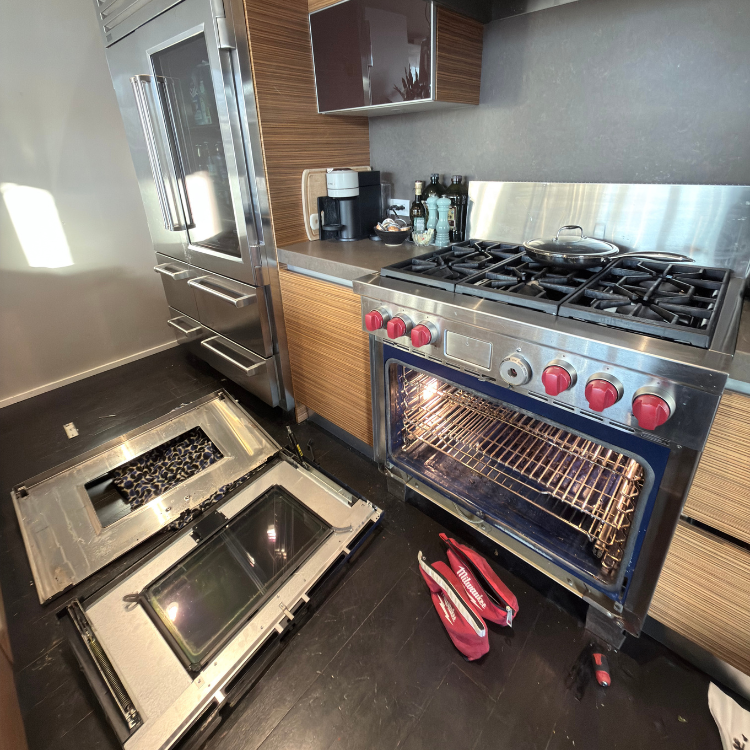
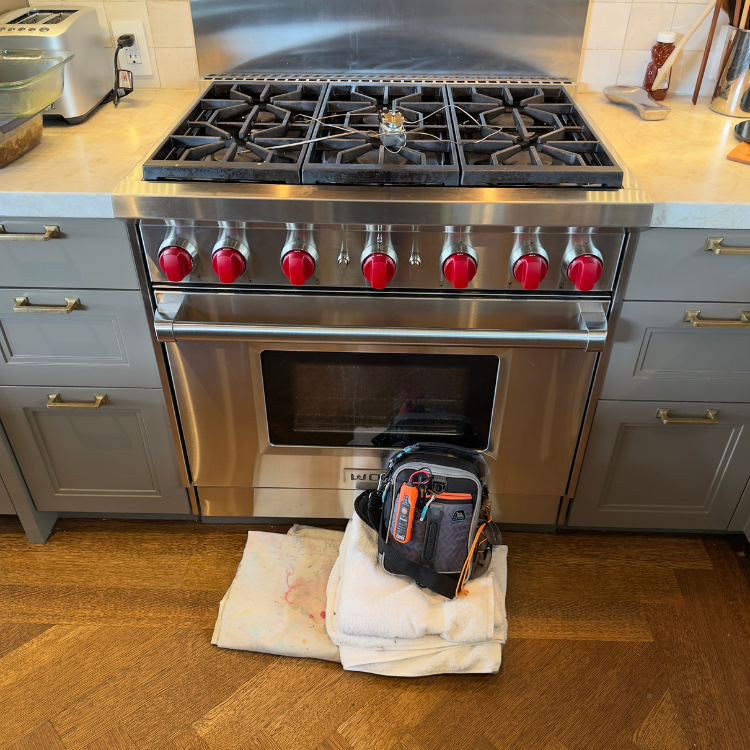
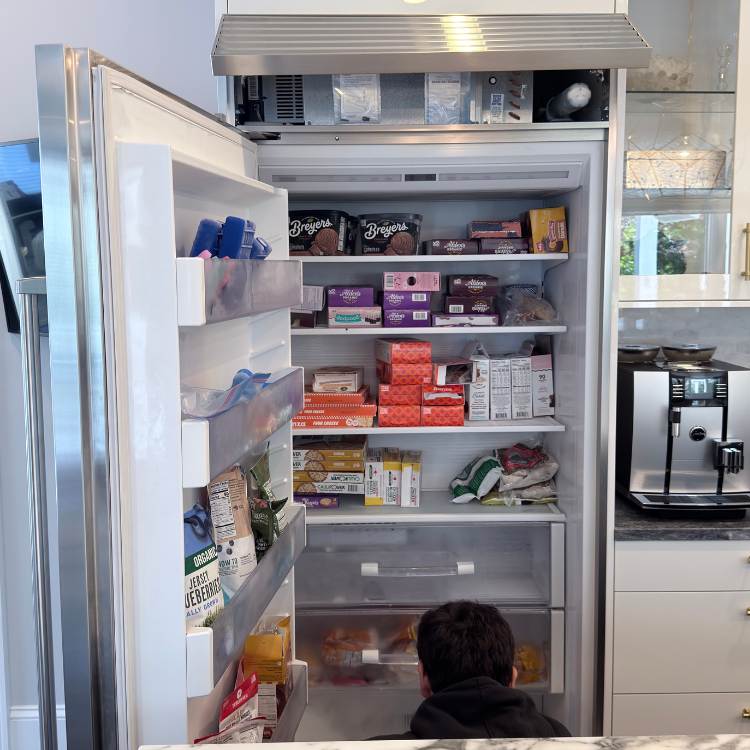
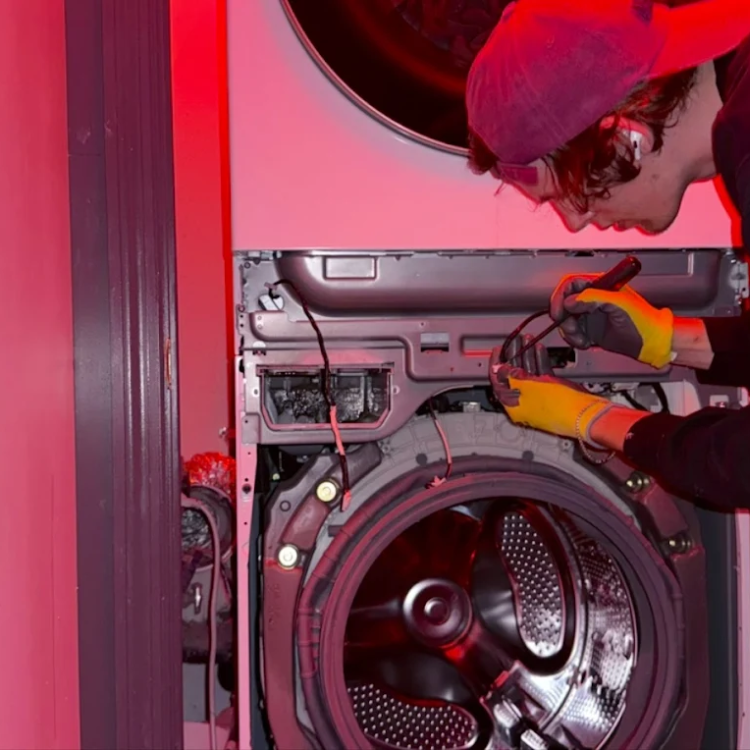
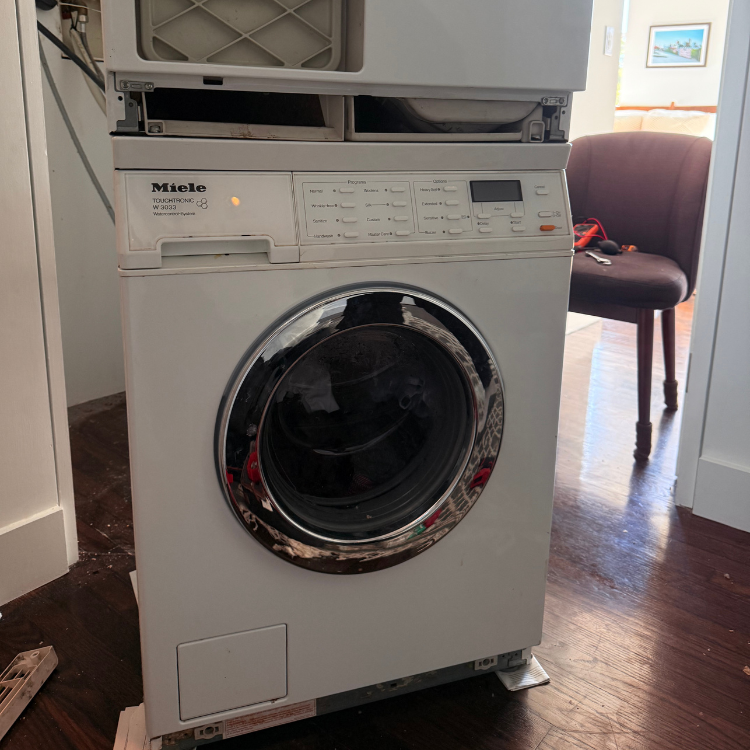
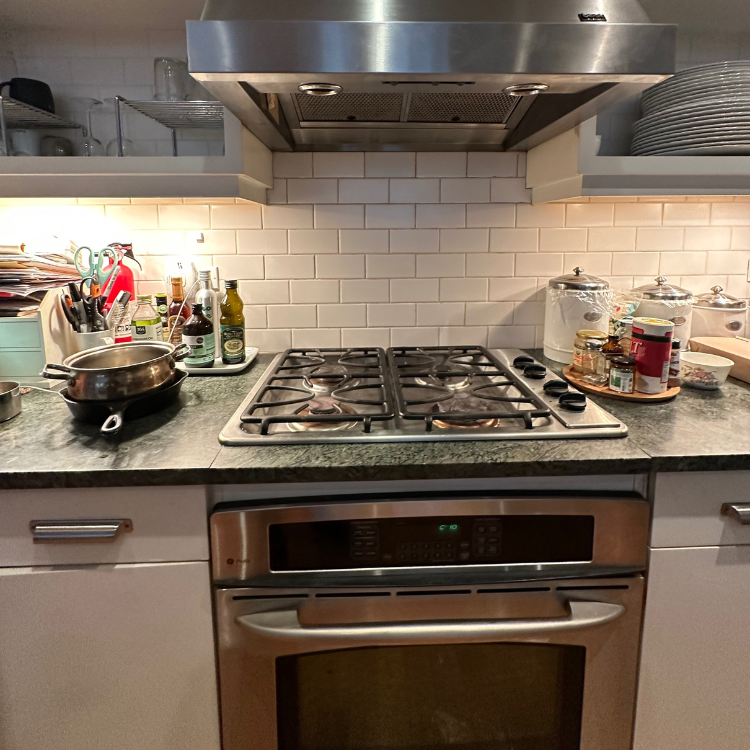
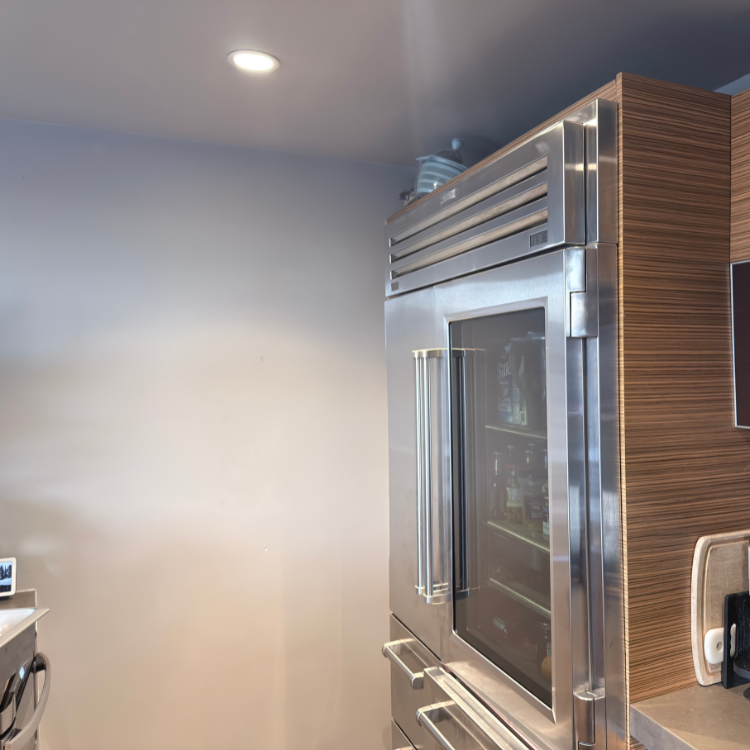
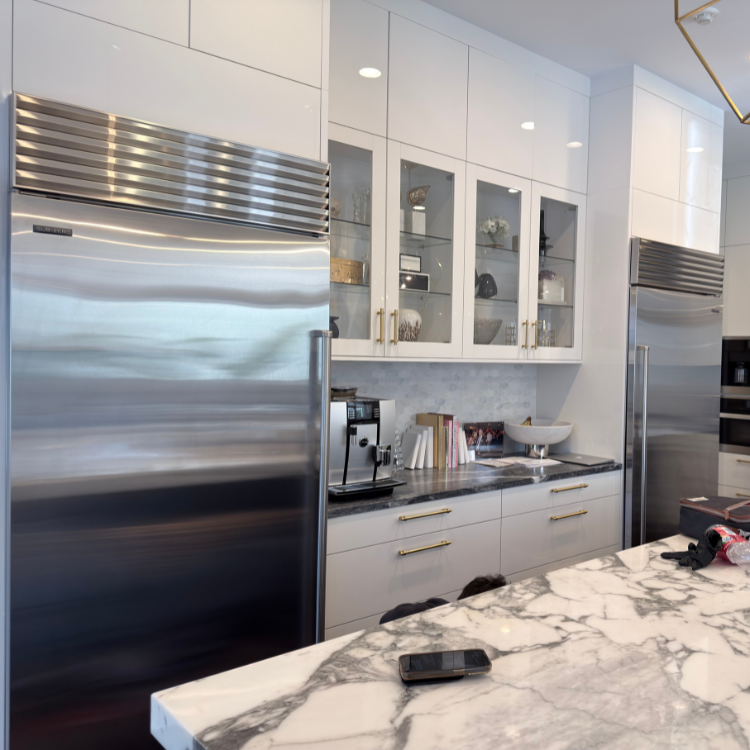
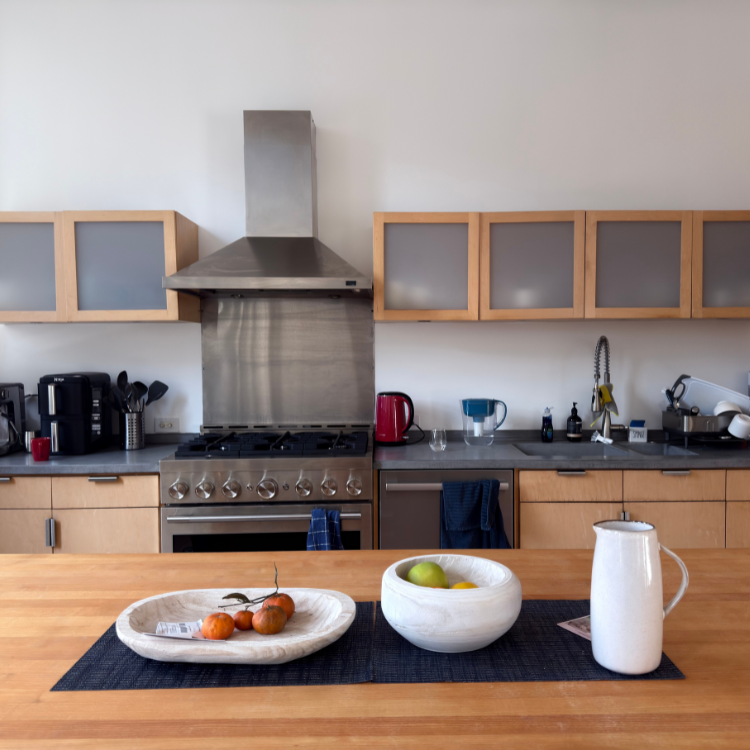
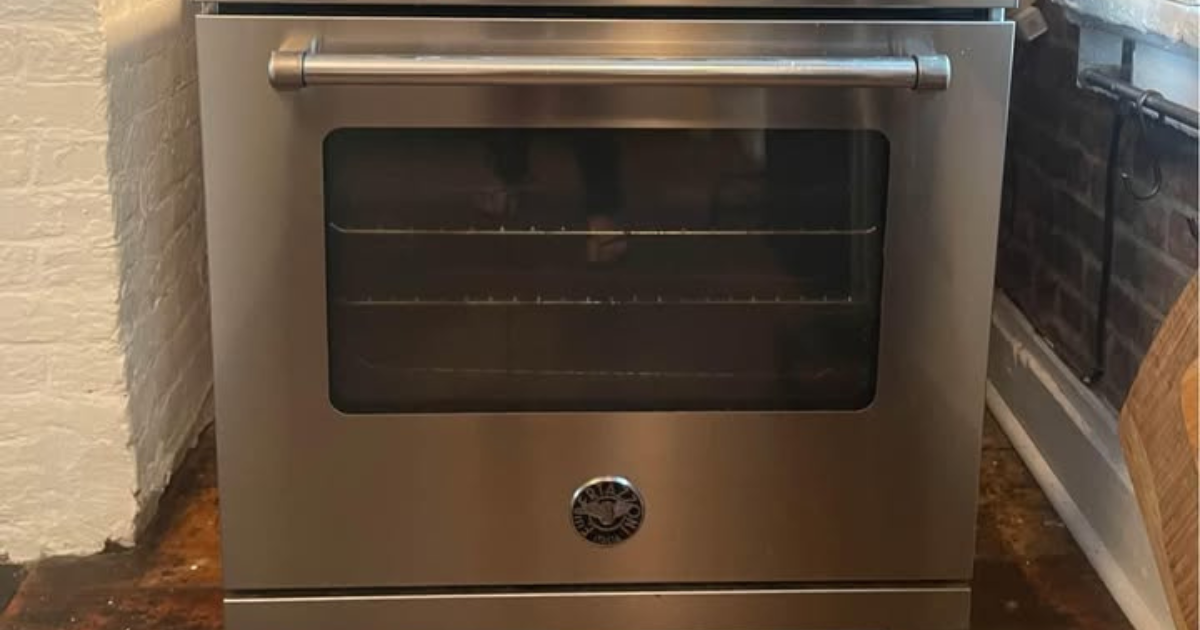
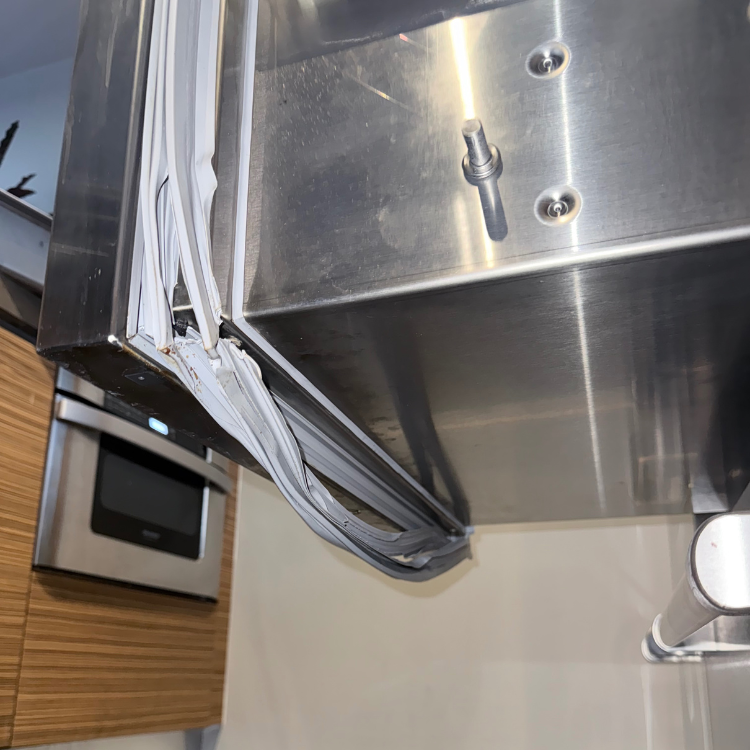
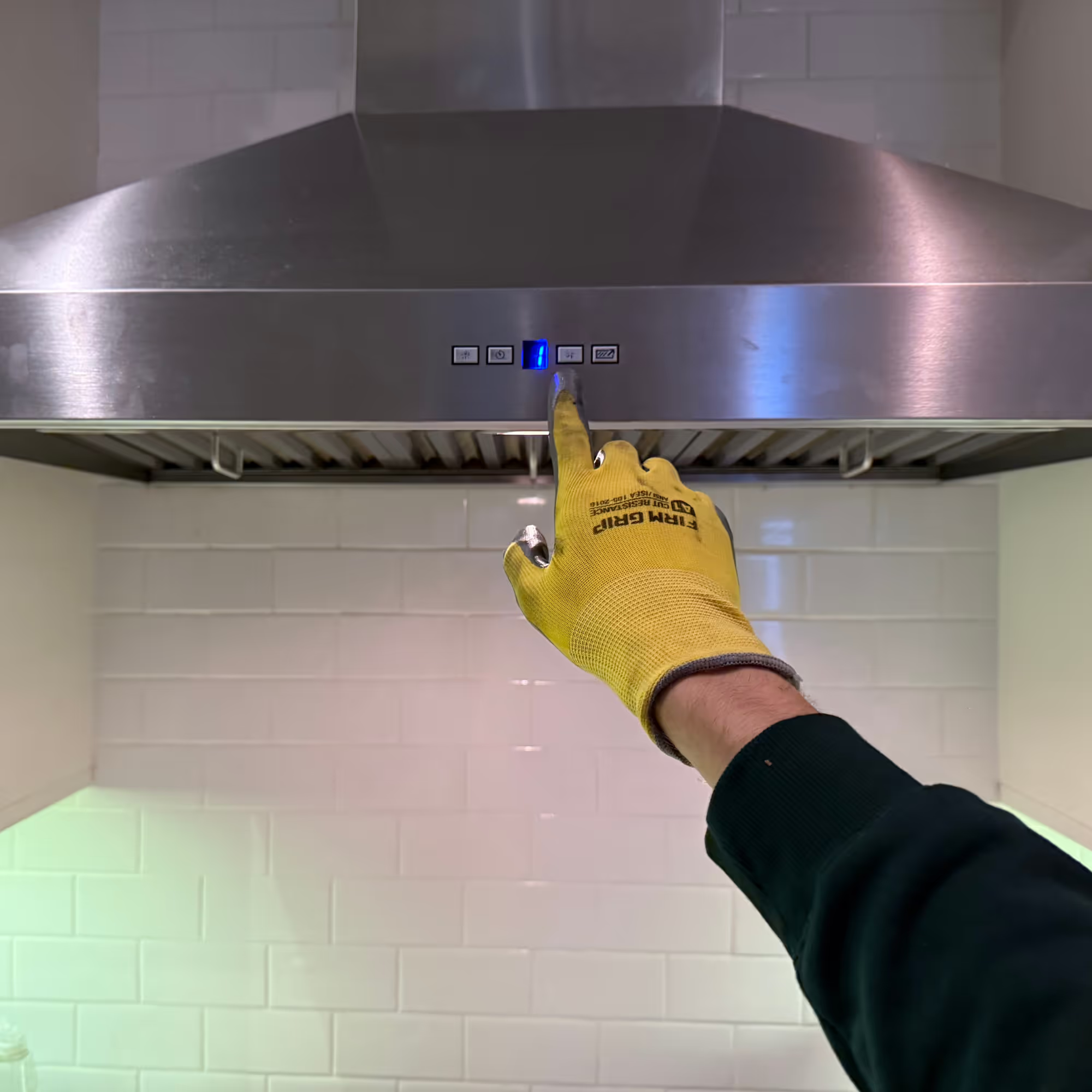
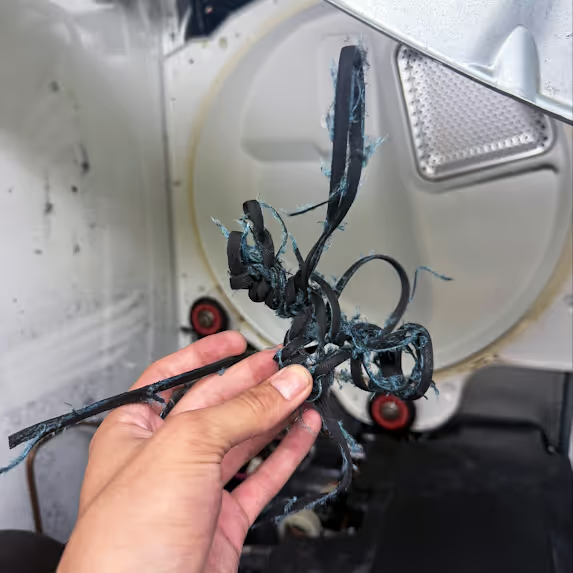
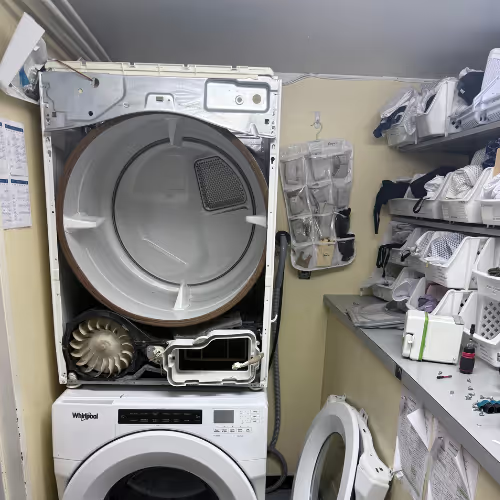
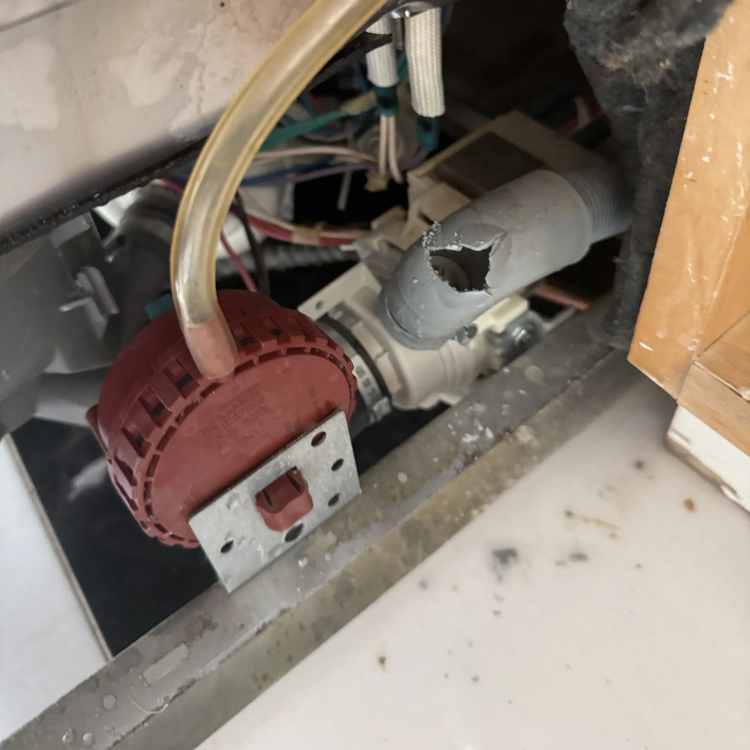
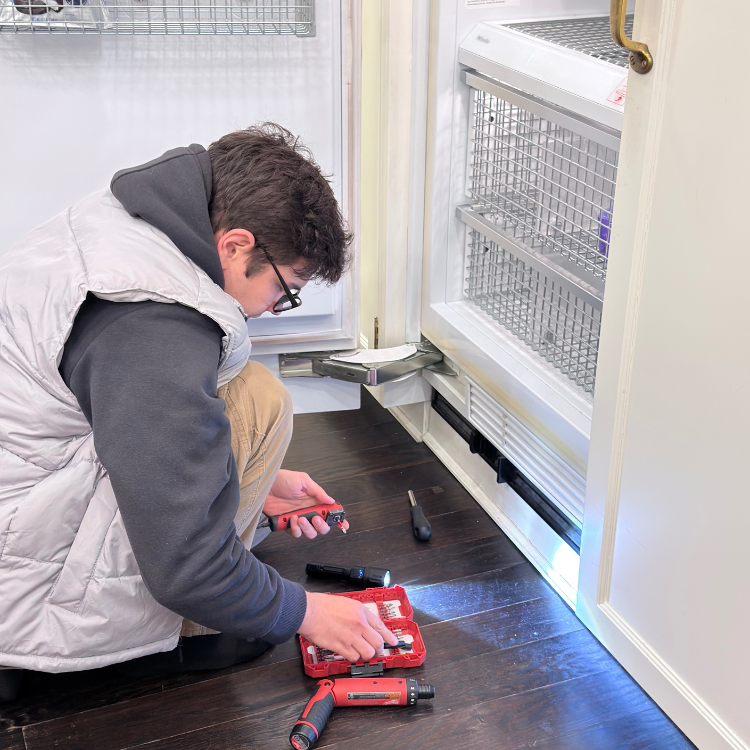
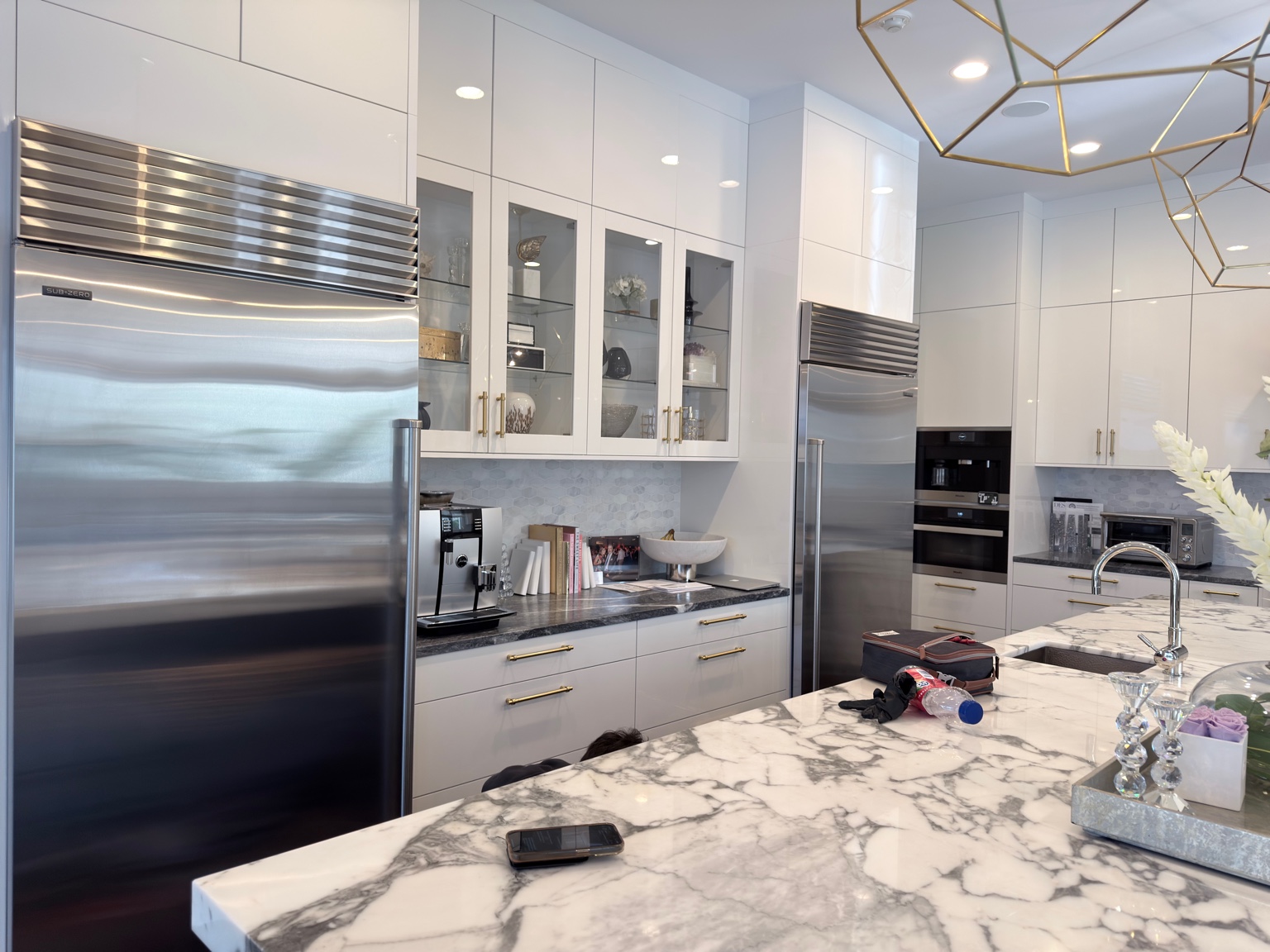
Photos from real jobs: what we found, what we tested, and what we fixed.
.avif)
Property Owner, Lower Manhattan
Service Overview
Bertazzoni Dishwasher Repair Service Overview
The Bertazzoni Dishwasher platform combines advanced technology with elegant design, which can lead to seemingly simple failures rooted in control, sensing, airflow, or load behavior. NYC's installation challenges, such as tight spaces and unique venting needs, further complicate these diagnostics.
What we service
- Built-in models
- Panel-ready designs
- Countertop options
- Vented systems
- Condensing models
How we diagnose on-site
- Confirm model and serial numbers
- Conduct live testing under load
- Isolate the failure class
- Perform electrical verification
- Validate sensors and control response
Safety stop conditions
- Gas smell detected
- Breaker trips during operation
- Active leak near electrical components
- Arcing or burning smell
As an independent service company, model and serial number confirmation is required for all diagnostics.
Common Problems We Repair
Bertazzoni Dishwasher Common Problems We Repair
Understanding the diagnostic patterns and component-level failures associated with your Bertazzoni Dishwasher can empower you to identify signs of trouble early.
Power / Control Board
- Unit won't power on (most often: main control board)
- LEDs flicker intermittently (most often: control board issue)
- Buttons unresponsive (most often: tactile switch failure)
Water Supply / Drain System
- No water entering the machine (most often: inlet valve failure)
- Water pooling inside (most often: drain pump blockage)
- Drainage takes too long (most often: clogged filter)
Heat / Ignition / Burner
- Dishwasher not heating properly (most often: heating element fault)
- Inadequate drying of items (most often: thermostat issue)
Airflow / Fan / Venting
- Unusual noises while running (most often: fan motor wear)
- Odors during operation (most often: ventilation blockage)
Noise / Vibration / Motor
- Excessive vibrations during cycle (most often: motor mounts worn)
- Grinding noise from the machine (most often: debris in motor)
Leaks / Seals / Gaskets
- Visible water leaks (most often: door gasket failure)
- Water leaking from bottom (most often: tub crack)
Sensors / Thermistors / Feedback
- Cycle completes without user notice (most often: fault in cycle sensor)
- Faulty temp readings (most often: thermistor issue)
Safety Stop: For any issues involving water, gas, or high voltage, we advise immediate disconnection of power and water supply.
Quick FAQ
Q: What does the E1 error code mean?
A: This indicates a longer inlet time, possibly due to issues with water supply. We recommend checking the open status of faucets and inspecting hoses for kinks or clogs.
Q: The dishwasher is leaking; what could cause this?
A: Leakage can often stem from a damaged door seal or loose drain hose connection. Inspect these areas for visible damage before further investigation.
Q: What should I do if my dishwasher won’t start?
A: Check for tripped circuit breakers and ensure the door latch is functioning properly. Failure in control board operation might also prevent the unit from powering on.
Q: I've seen the E4 code appear; what does it signify?
A: The E4 code points to an overflow situation, indicating a leak. It’s critical to inspect the door seal and hose connections for any damage or tightness.
Pro Maintenance Tips
Advanced Pro Maintenance Tips
To address Noise/Vibration, inspect the drain pump assembly for any debris that may be causing excessive noise. Remove the drain pump cover, and clean the impeller with a soft cloth; ensure it spins freely without obstruction. Remember that high-rise buildings often have water pressure fluctuations, leading to potential vibration issues—consider using anti-vibration pads if noise persists.
For Leaking concerns, specifically examine the door gasket by conducting a dollar bill test; close the door on a dollar bill and attempt to pull it out. If it slides out easily, the gasket may be compromised and should be replaced with an OEM part to ensure a proper seal. Be mindful of NYC’s higher humidity, which can accelerate gasket deterioration.
To troubleshoot Power issues, first, perform a thorough inspection of the control board relay for burn marks or damaged solder joints. Before proceeding, ensure you have turned off power at the breaker to prevent electrical shock. If failures are noted, replace the relay with an OEM component and verify all connections are secure, particularly in buildings with pre-war electrical systems where grounding may be inadequate.
When faced with a Not Cleaning scenario, test the inlet water valve for proper function by disconnecting the water supply and checking the valve for sediment buildup. Clean or replace the valve as necessary; ensure it is compatible with your specific model. In space-constrained installations common in NYC, confirm that all hoses are free from kinks or obstructions to guarantee adequate water flow throughout the cleaning cycle.
Real Case Logs
Bertazzoni Dishwasher Repair: Real Case Logs
Call snapshot
- Built-in model
- Installation in tight space
- Customer reported unit won't start
Symptoms observed
- No power to unit
- Control panel lights not illuminating
- Breaker tripped prior to call
Diagnostics performed
- Voltage test at socket
- Check breaker status
- Visual inspection of control panel
- Continuity test on wiring harness
Findings
- Control board was not receiving power
- Wiring harness was damaged
Repair actions
- Replaced damaged wiring harness
- Installed new control board
- Tested functionality under load
Verification
- Control panel illuminated
- Unit powered on and cycled correctly
Notes
- Regular checks of wiring to avoid future failures
Call snapshot
- Panel-ready model
- Customer noted leaking
- Installed under countertop
Symptoms observed
- Water pooling underneath
- Door seal visible damage
Diagnostics performed
- Visual inspection of door seal
- Leak test during operation
Findings
- Deteriorated door seal
- Leakage confirmed during cycle
Repair actions
- Replaced door seal with OEM part
- Tested for leaks after installation
Verification
- No leaks detected post-repair
Call snapshot
- Built-in model
- Reported odors during operation
- Unit near kitchen vent
Symptoms observed
- Odors from unit
- Fan noisy
Diagnostics performed
- Checked fan motor operation
- Visual check of venting
- Odor source inspection
Findings
- Fan motor malfunctioning
- Venting was blocked by debris
Repair actions
- Cleared venting obstruction
- Replaced fan motor
- Tested fan operation
Verification
- Odor eliminated
- Fan operation confirmed
Error Codes
Understanding Bertazzoni Error Codes
Code E1: Longer inlet time, possibly due to issues with water supply.
Possible Causes:
- Closed faucets
- Restricted water intake
- Kinked or damaged hoses
User Actions:
- Check if the water supply faucet is open.
- Inspect hoses for kinks or damage.
- Ensure the water filter is clean.
Code E4: Overflow, indicating a possible leak in the dishwasher.
Possible Causes:
- Damaged door seal
- Loose drain hose connection
- Cracked tub
User Actions:
- Check the door seal for damage.
- Inspect hoses for proper connections.
- Look for any visible leaks around the base of the unit.
Code E9: Button pressed continuously for more than 30 seconds.
Possible Causes:
- Moisture on the control panel
- Sticky or jammed buttons
- Accidental prolonged press
User Actions:
- Wipe the control panel to remove moisture.
- Check if any buttons are stuck or jammed.
- Reset the dishwasher and try again.
Homeowner, Manhattan
Property Owner, Lower Manhattan
Property Owner, Brooklyn

Homeowner, DUMBO

Property Owner, Brooklyn
Homeowner, Downtown Brooklyn

.avif)
Homeowner, Clinton Hill
Homeowner, Clinton Hill
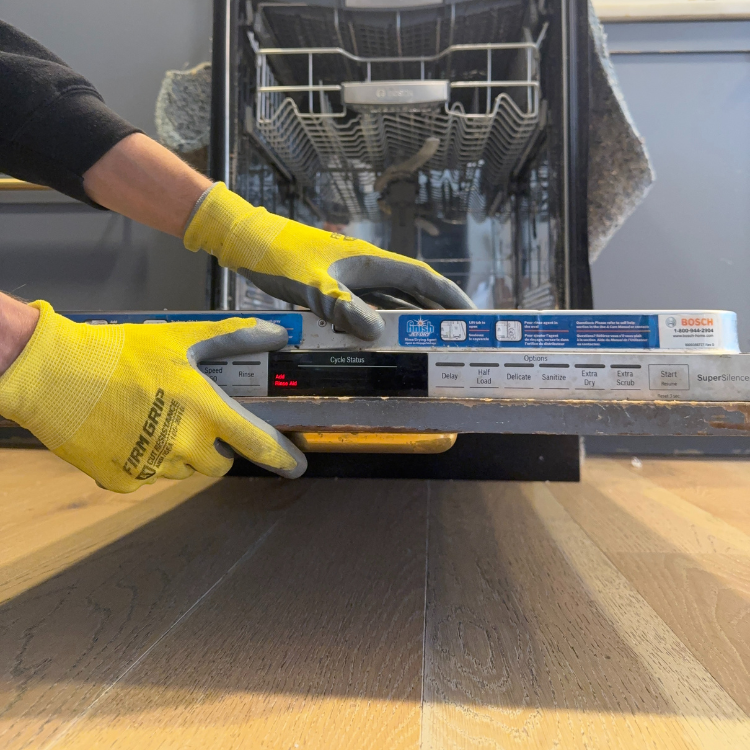
Homeowner, Clinton Hill
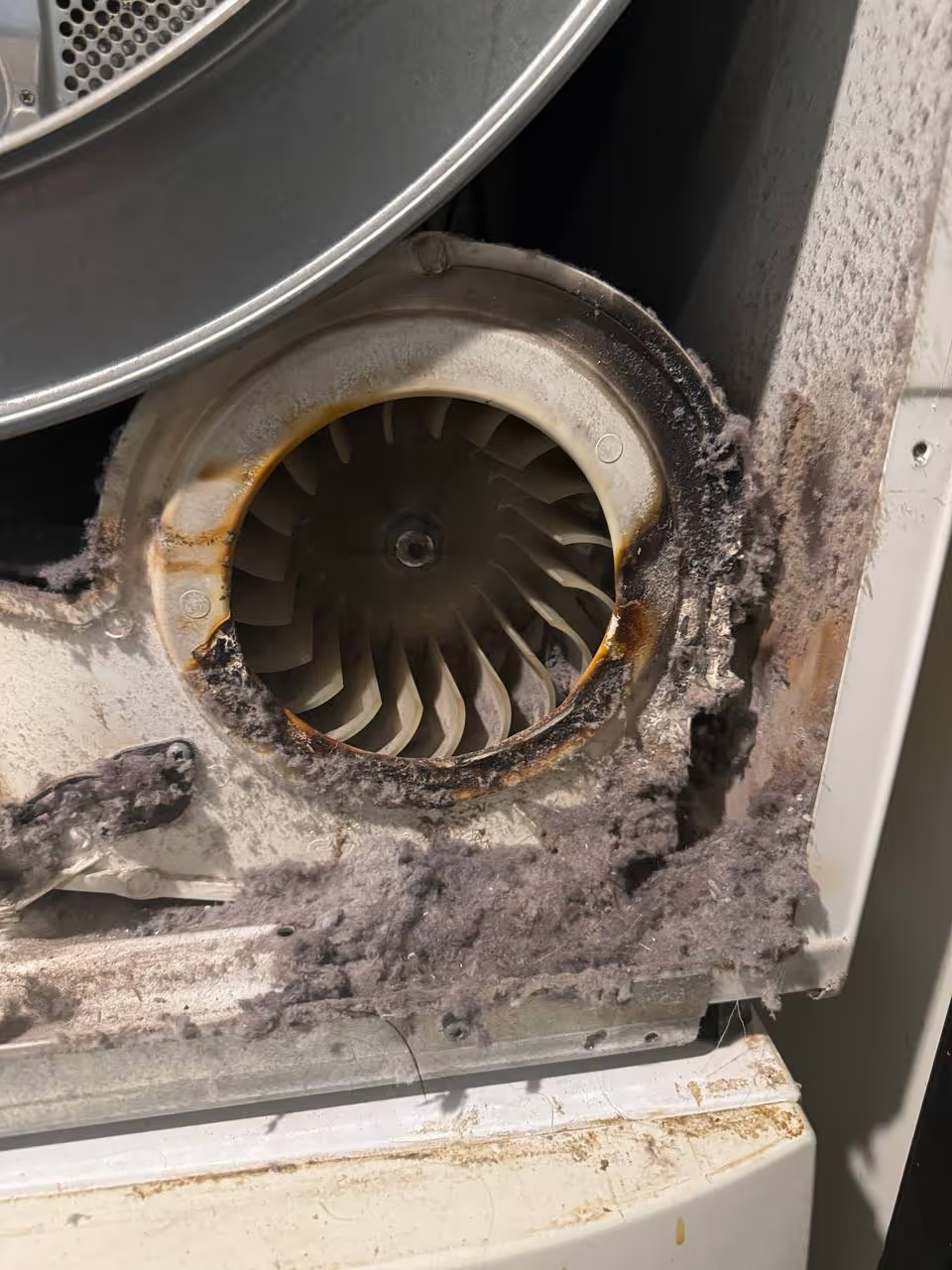
Homeowner, Clinton Hill
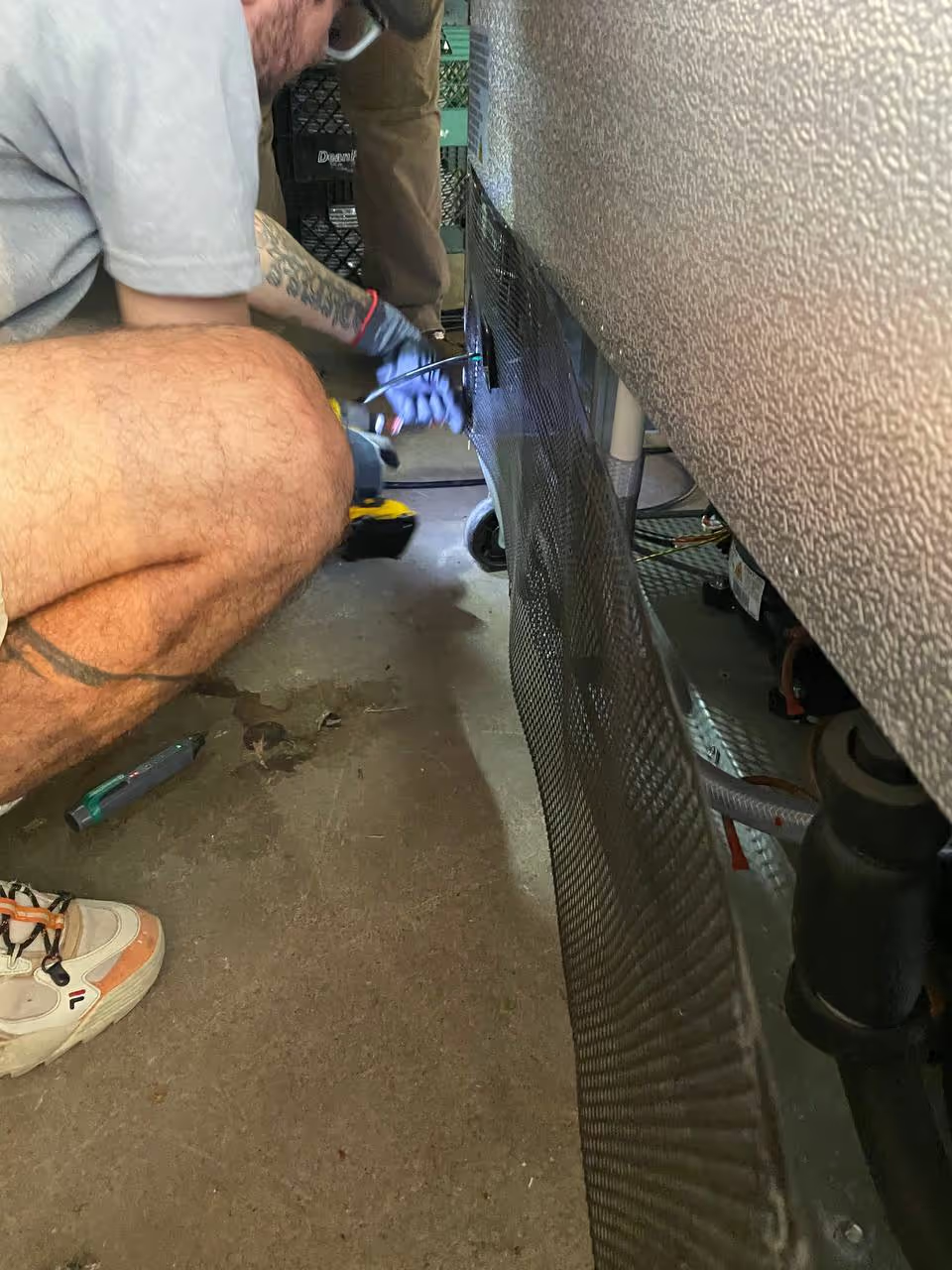
Homeowner, Clinton Hill
Homeowner, Clinton Hill
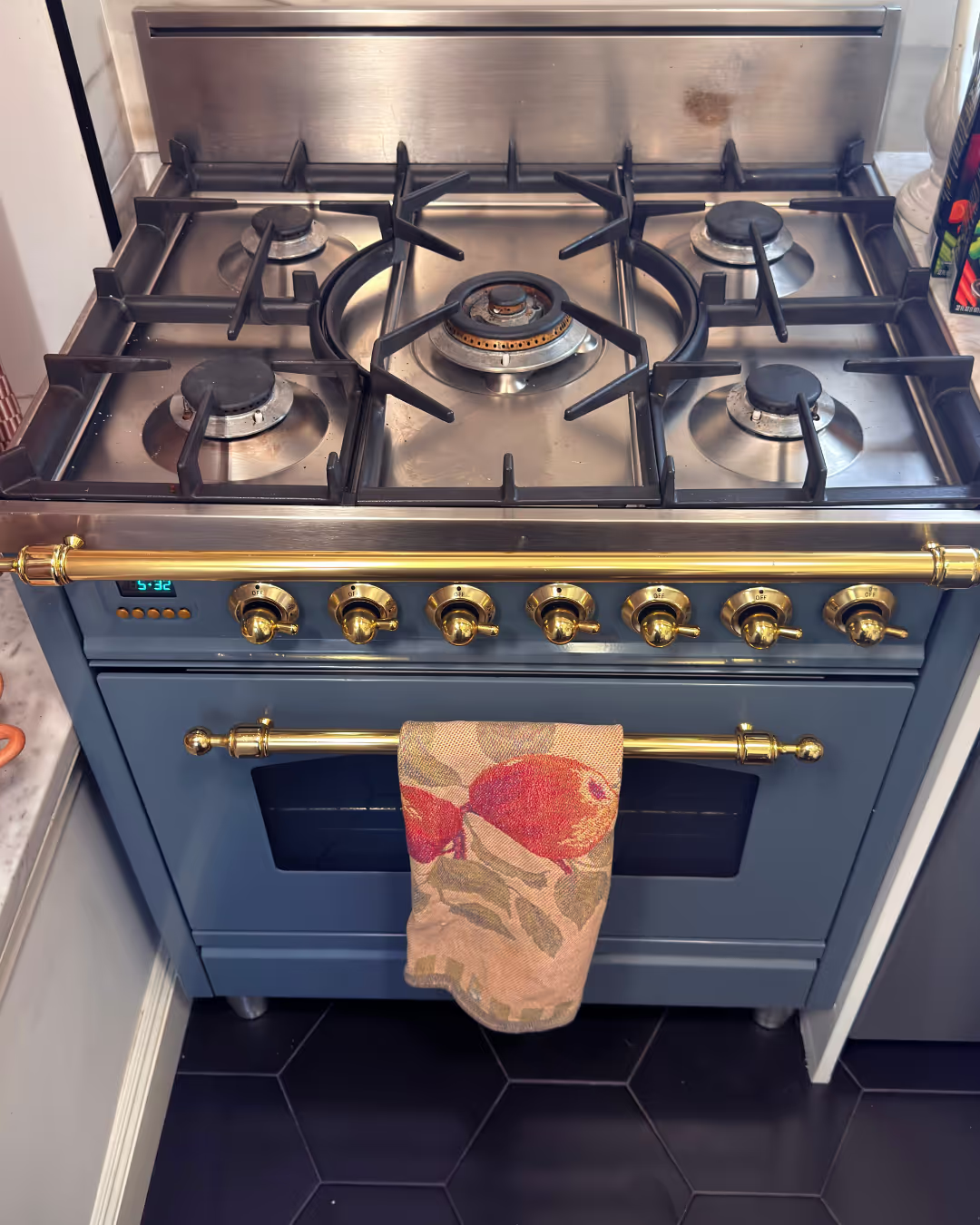
Property Manager, Manhattan
What that experience translates to
That depth in the field supports disciplined diagnostics, consistent documentation habits, and repeatable repair standards on real service calls.
Baseline experience standard
Fact: Minimum 4+ years per tech; senior techs with 8 and 16 years.
Prior manufacturer-authorized service environment experience
Fact: Prior roles included authorized-service environments and warranty-service workflows.
Warranty-grade diagnostics and verification discipline
Fact: Reproduce → isolate → measure → confirm root cause → functional test.
Documentation habits that reduce repeat visits
Fact: Model/serial + codes + readings + photos + parts path are documented.
NYC jobsite realities are built into the standard
Fact: Built-ins, stacked installs, tight clearances, building rules, COI workflows when needed.
Independence and authorization clarity
Fact: Independent company; no current manufacturer authorization implied.
Every completed repair includes a 180-day parts & labor warranty.
Need prompt service? Same or next-day appointments available across Brooklyn, selected Queens ZIPs, and Manhattan below 96th Street.
For accurate diagnosis, please provide your model number, symptom details, and photos of your appliance.
Thank you! Looking forward to speaking with you soon.
Popular Brands