

.avif)
Bertazzoni Refrigerator & Freezer Repair
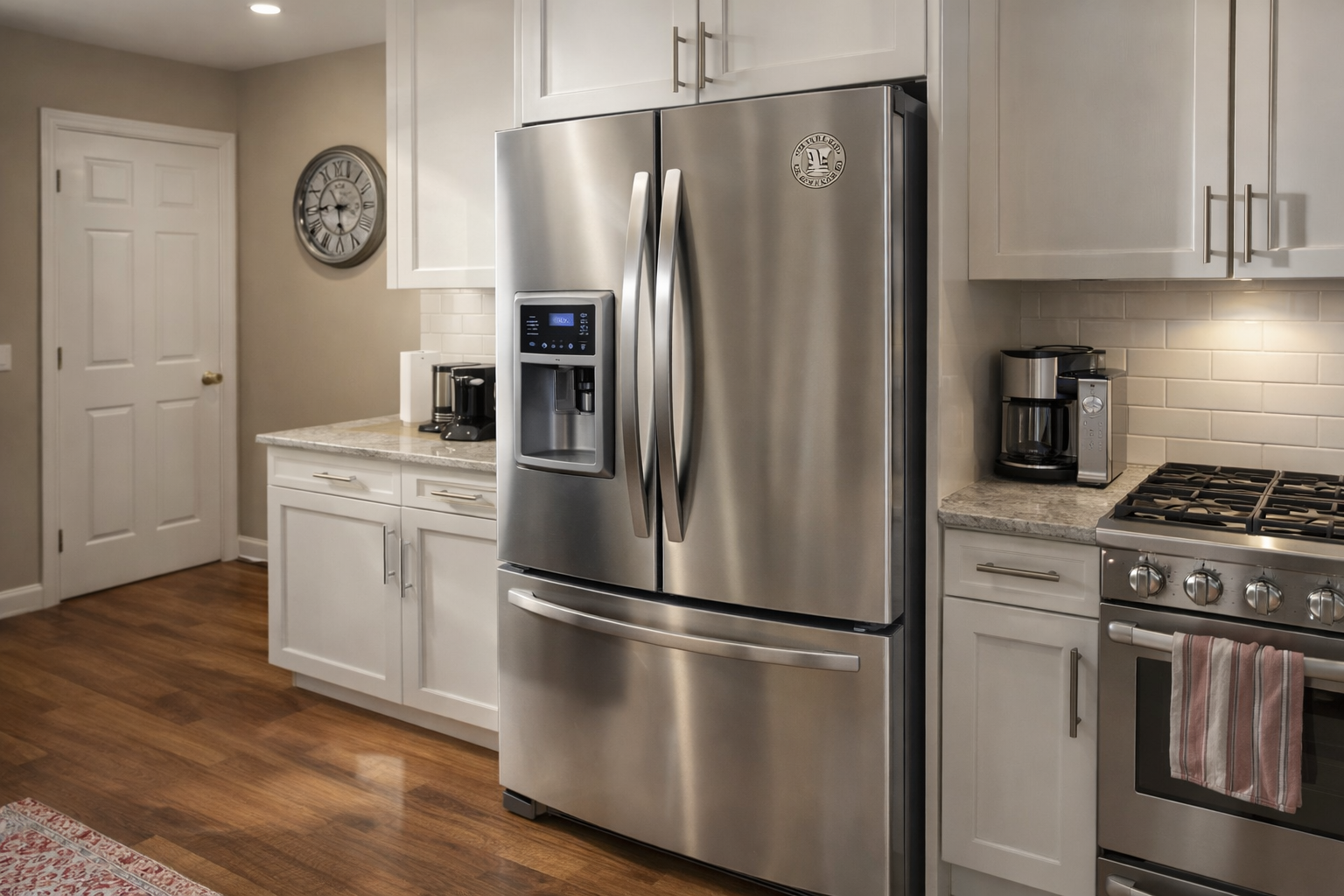
Bertazzoni Refrigerator & Freezer Repair
Every service call is based on model-specific diagnosis and real operating behavior, so the repair direction reflects how the refrigerator or freezer actually performs under daily use. Our local service approach is built for NYC kitchens, apartments, and built-in installations where access, ventilation, and cabinet fit matter. Whether your Bertazzoni refrigerator is not holding temperature or your freezer is building frost or losing performance, we provide clear repair direction and dependable local service focused on restoring proper food preservation.
Bertazzoni Refrigerator & Freezer Repair: Quick Answers
Won’t start / dead
- Main control board failure
- Power supply issue
- Wiring connections problem
- Faulty door switch
- Safe Check / Stop Condition: Ensure unit is unplugged before inspection.
Refrigerator & Freezer-critical performance failure
- Heat exchanger blockage
- Refrigerant leak
- Fan motor failure
- Compressor issues
- Safe Check / Stop Condition: Disconnect power if cooling fails.
Leaks / smell / noise / breaker trips
- Final stage refrigeration issue
- Drain blockage
- Gas leak from compressor
- Water supply line failure
- Safe Check / Stop Condition: Cut water and power immediately if odors or smoke appear.
For accurate diagnosis, please provide a photo of the model/serial number, any error codes, and details about when the failure occurs.
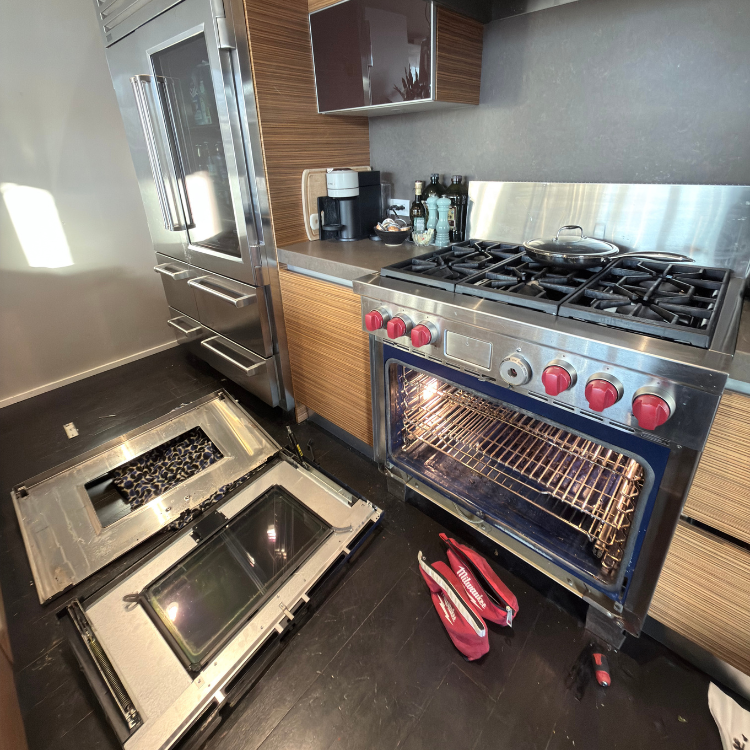
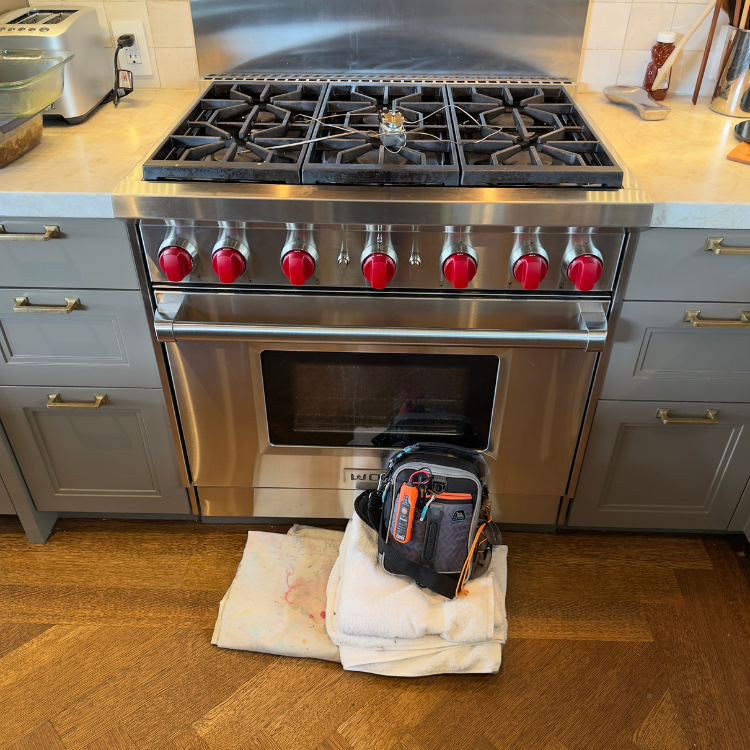
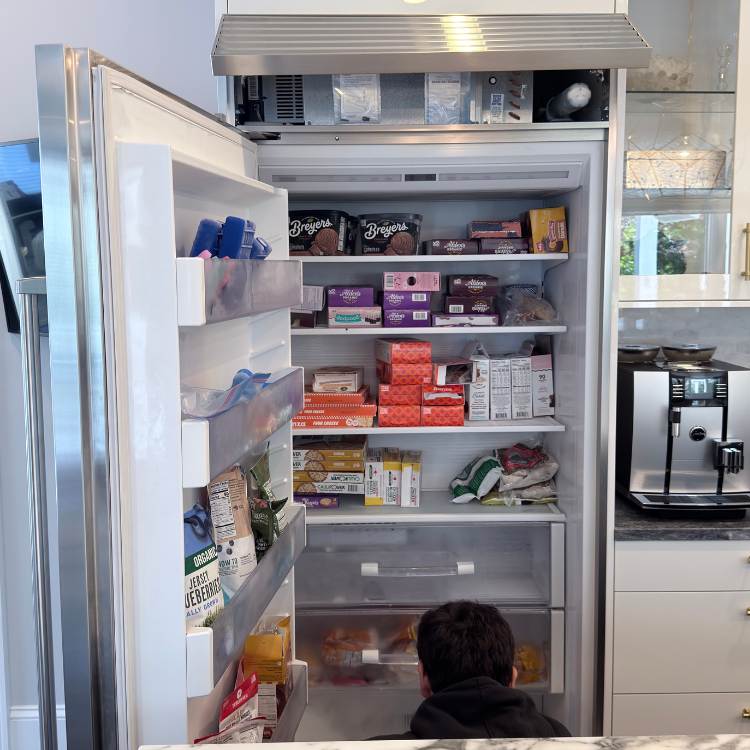
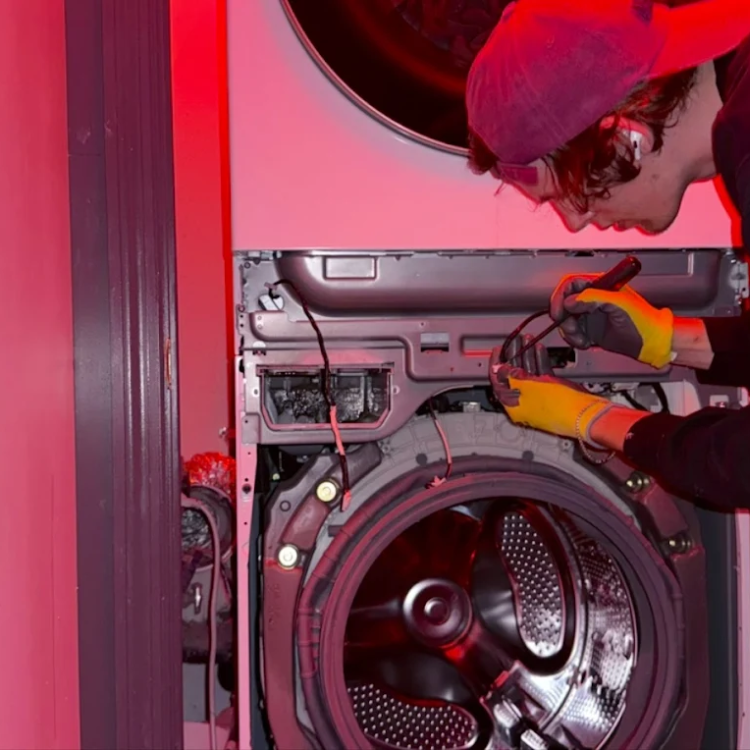
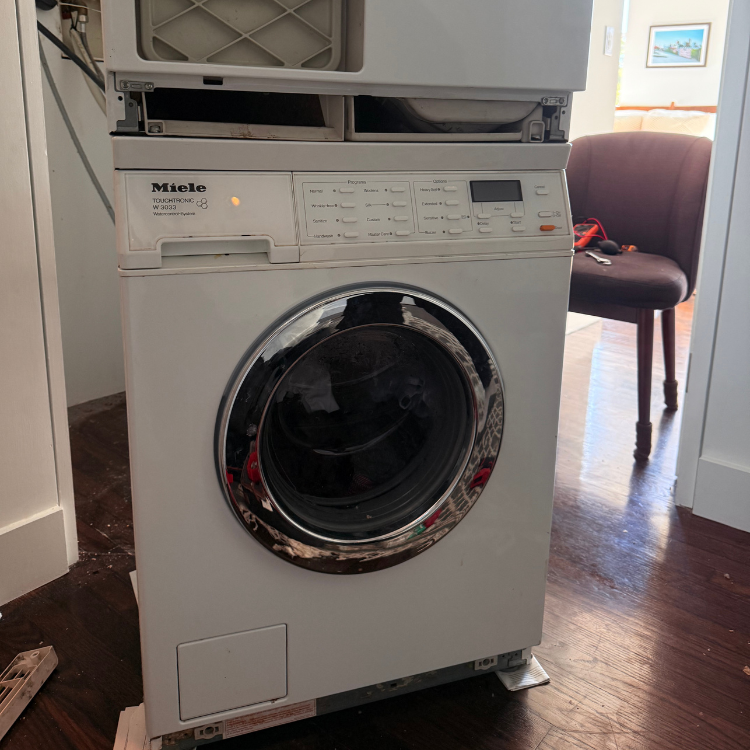
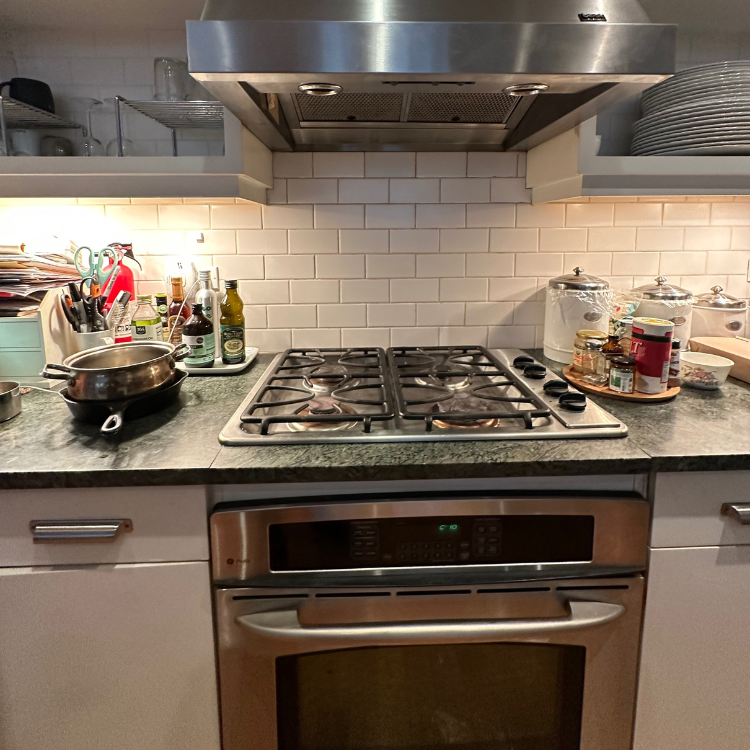
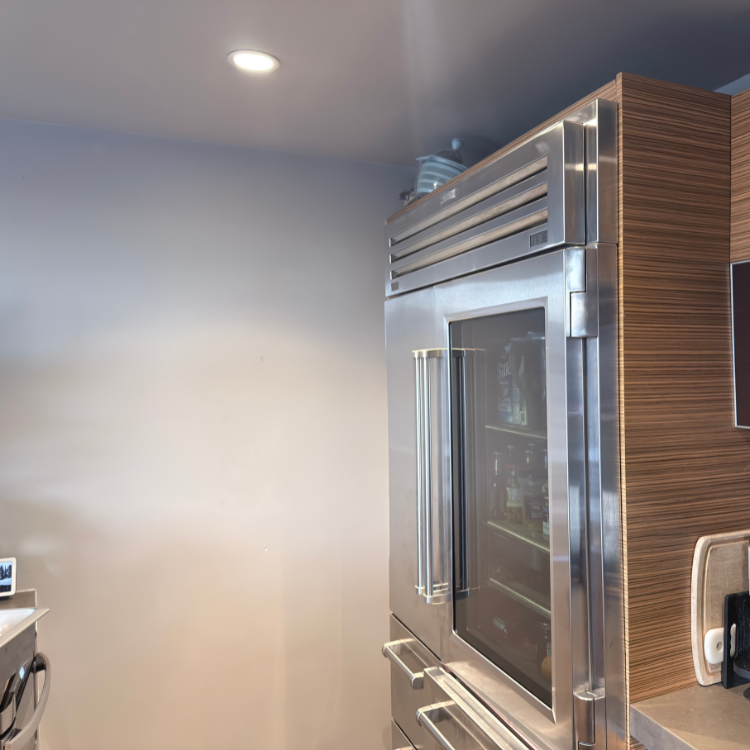
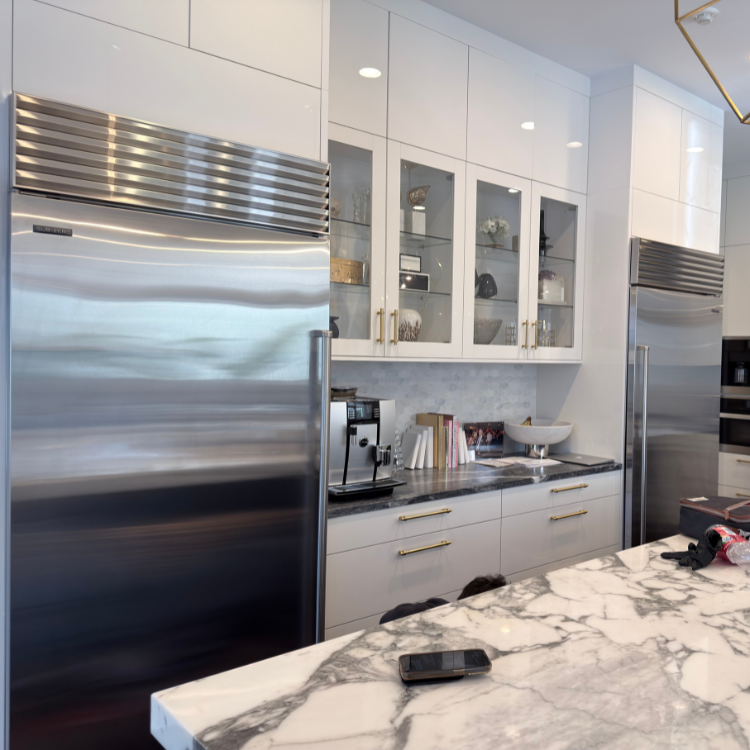
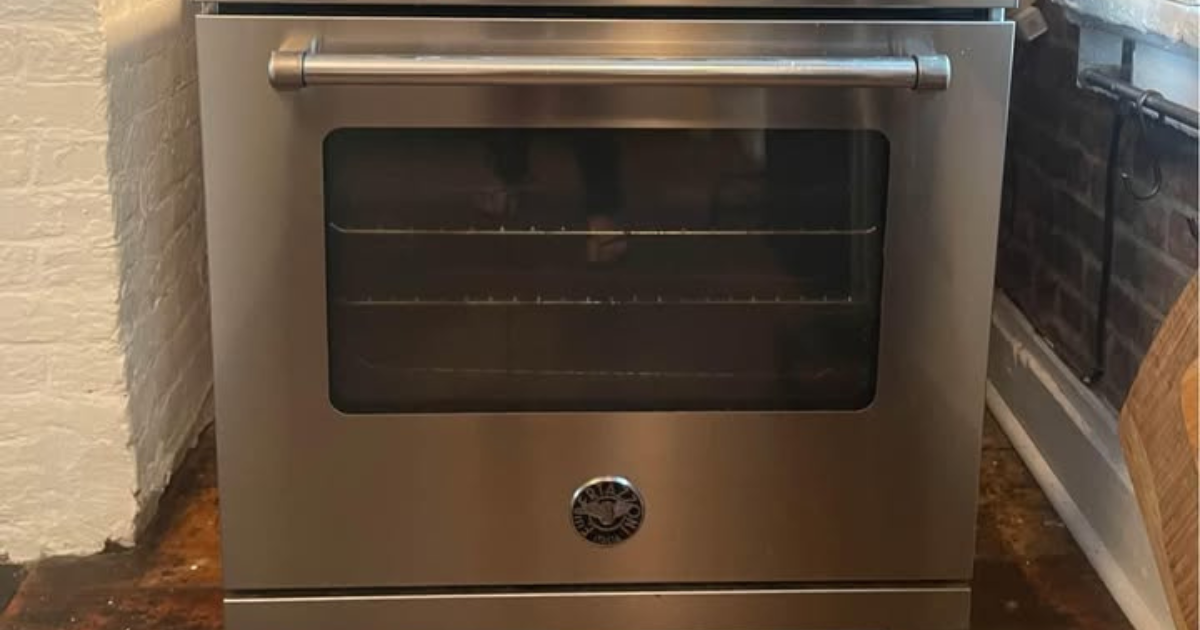
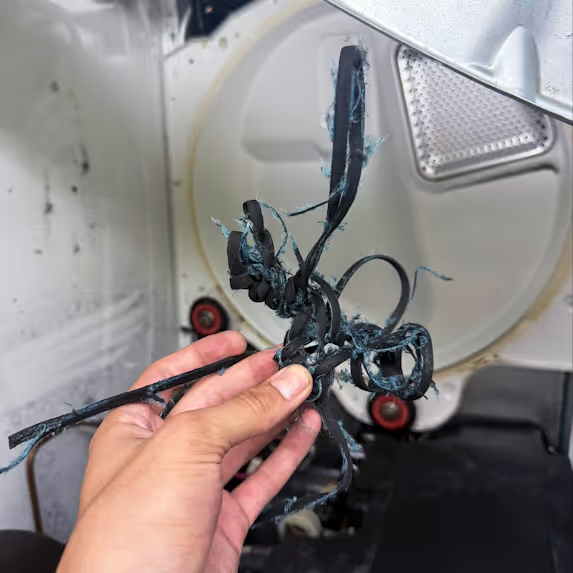
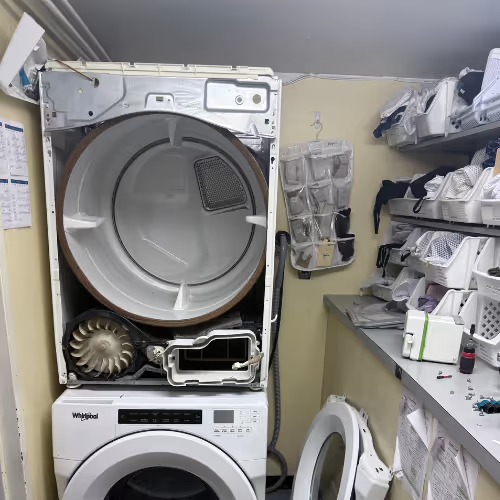
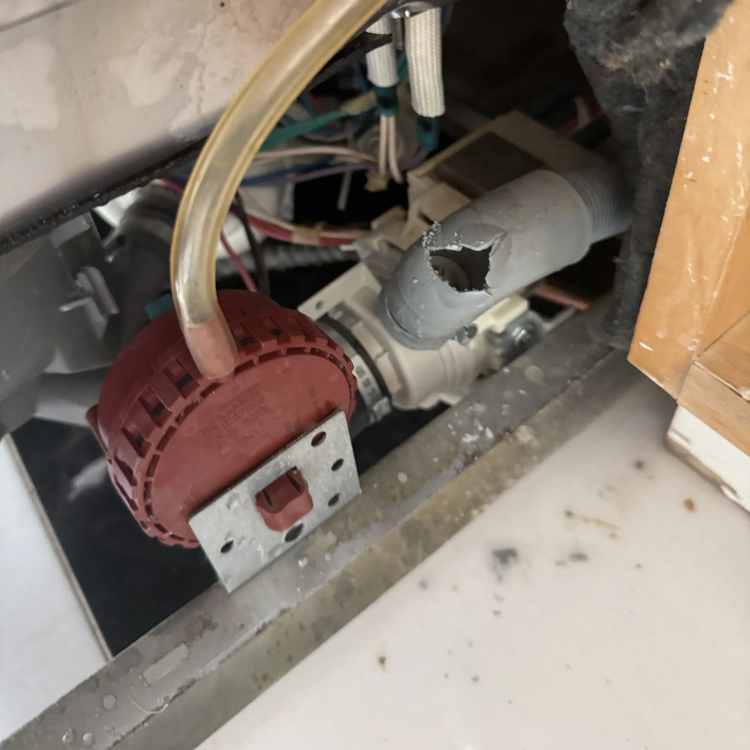
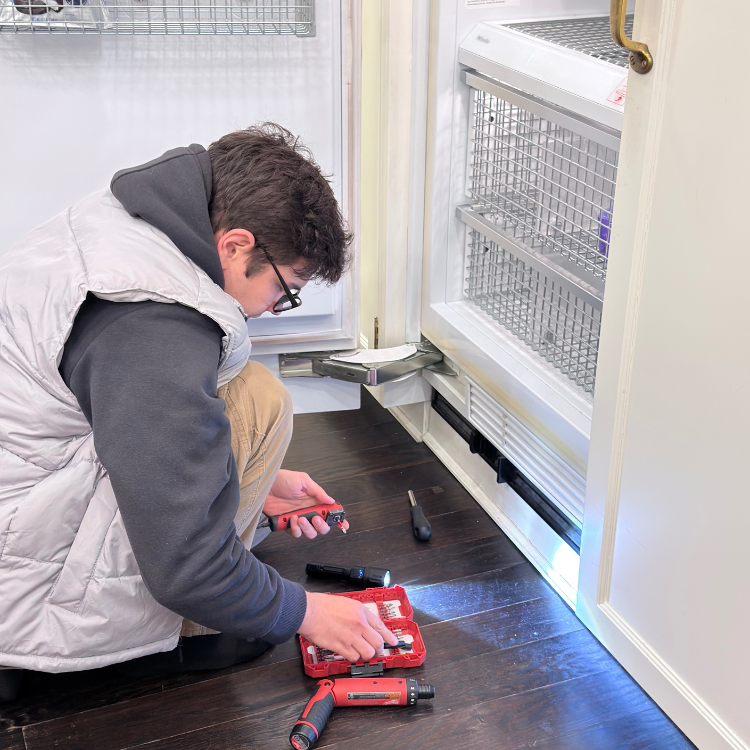
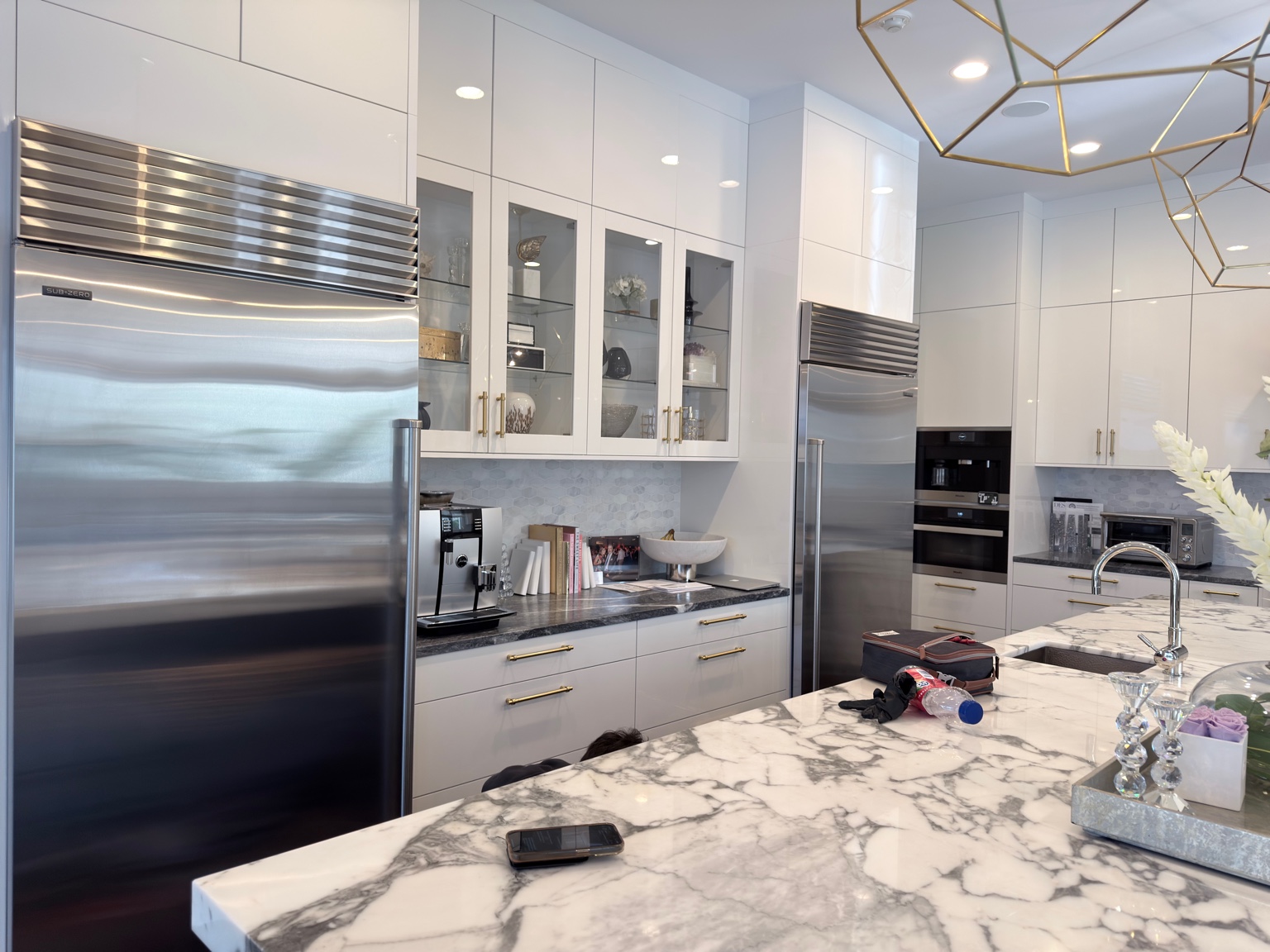
Photos from real jobs: what we found, what we tested, and what we fixed.
.avif)
Property Owner, Lower Manhattan
Service Overview
Bertazzoni Refrigerator & Freezer Repair Service Overview
The Bertazzoni Refrigerator & Freezer platform offers premium performance, yet appears to have simple failures; often, the root causes reside in control systems, sensing components, airflow dynamics, or load patterns. Given the installation constraints present in NYC, like tight spaces, specific venting requirements, and access limitations, identifying these issues can be complex.
What we service
- Built-in models
- Panel-ready units
- Vented systems
- Integrated models
- Over-the-range appliances
How we diagnose on-site
- Confirm model and serial number
- Conduct live testing under load
- Isolate failure class effectively
- Perform electrical verification
- Validate sensor functionality
- Confirm control response
Safety stop conditions
- Gas smell detection
- Frequent breaker trips
- Active leak near electrical components
- Burning or arcing smells
We operate as an independent service company requiring model and serial confirmation for effective diagnostics.
Common Problems We Repair
Bertazzoni Refrigerator & Freezer Common Problems We Repair
Common failure patterns can include diagnostic patterns related to component-level failure affecting various functions in Bertazzoni Refrigerator & Freezer units.
Power / Control Board
- Unit won't start (most often: main control board)
- Lights flicker or dim unexpectedly (most often: power supply issue)
- Error codes displayed (most often: sensor malfunctions)
Water Supply / Drain System
- Water pooling inside (most often: drain blockage)
- Water line leak detected (most often: supply line failure)
Heat / Ignition / Burner
- No heating while cooling is required (most often: compressor failure)
Airflow / Fan / Venting
- Fan noise excessive (most often: failing fan motor)
- Inefficient cooling (most often: blocked vents)
Noise / Vibration / Motor
- Unusual grinding noises (most often: motor issues)
- Vibration felt on counter (most often: unit not level)
Leaks / Seals / Gaskets
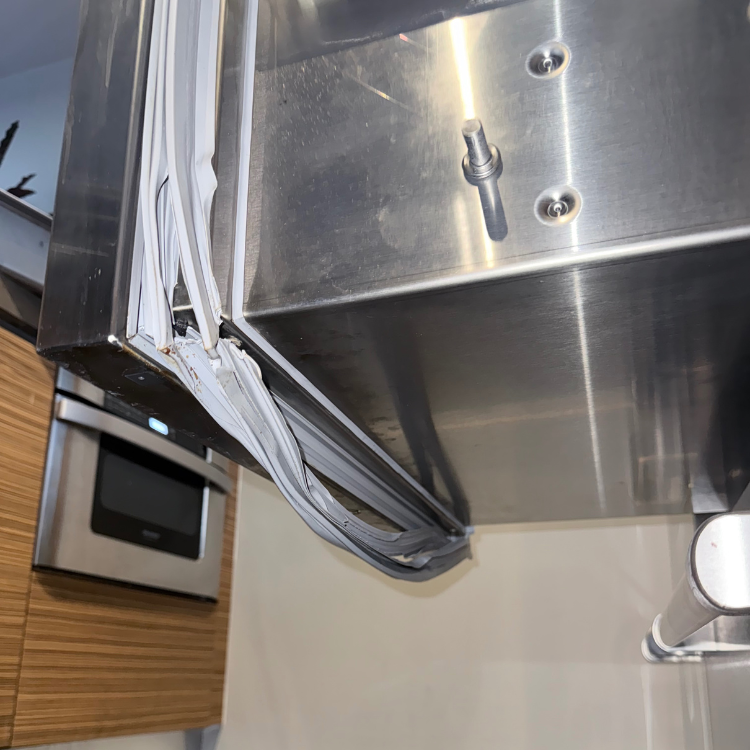
- Moisture forming around door (most often: faulty door seal)
Sensors / Thermistors / Feedback
- Temperature displays incorrect (most often: bad thermistor)
Sealed System / Refrigeration Load
- Refrigeration cycle fails to start (most often: sealed system leak)
Safety Warning: Avoid any tests involving water, gas, or high voltage without professional oversight.
Quick FAQ
Technical FAQs & Diagnostic Insights
Q: What does error code E01 mean?
A: This indicates a thermistor out-of-range condition requiring resistance verification of the temperature sensor system.
Q: Why is my Bertazzoni refrigerator making noise?
A: Noise may suggest a failing fan motor or obstruction in airflow channels within the system.
Q: What does error code E03 signify?
A: This points to a connection issue within the sensor circuit, potentially requiring comprehensive diagnostics.
Q: What causes the refrigerator not to cool?
A: The most frequent causes include a malfunctioning compressor or insufficient refrigerant levels.
Pro Maintenance Tips
To mitigate noise and vibration issues, conduct a thorough inspection of the compressor mounting brackets and screws. Tighten any loose connections and use rubber isolators as per OEM specifications to reduce transmission of vibrations, especially in high-rise units where structural flexing can amplify these noises.
For units experiencing not cooling conditions, regularly check the evaporator fan motor for proper operation by measuring the voltage at the motor terminals under load. Ensure the fan blades are free of obstruction and inspect for ice buildup on the evaporator coil, which may indicate a need for defrost system maintenance, particularly with Manhattan's high humidity levels.
Before performing any internal access on the control board, ensure to disconnect power at the circuit breaker and use a non-contact voltage tester to verify the absence of voltage. This is crucial, especially in pre-war buildings with outdated electrical systems, which may have irregular wiring that poses additional safety risks.
As part of routine maintenance, clean the condenser coils using a nylon brush and vacuum to minimize dust accumulation that can impede airflow. Given NYC's urban dust and pollution, this should be done quarterly to maintain efficiency and comply with OEM standards, ensuring optimal cooling performance in space-constrained installations.
Real Case Logs
Bertazzoni Refrigerator & Freezer Repair: Real Case Logs
Call snapshot
- Professional range, Brooklyn Heights, complaint about unit not cooling
Symptoms observed
- Refrigerator warm, freezer still cold
- No error codes displayed
- Fan not operational
Diagnostics performed
- Model/serial verification: confirmed
- Tested temperature sensors
- Observed fan response
- Electrical measurements of circuits
Findings
- Fan motor failed during testing
- Compressor operational
Repair actions
- Replaced fan motor with OEM part
- Validated operational status
- Confirmed cooling recovery
Verification
- Monitored unit conditions for 30 minutes
- Checked against original complaint specifications
Notes
- Routine maintenance check recommended
Call snapshot
- Built-in model, Forest Hills, reported water leakage
Symptoms observed
- Visible water beneath the unit
- High humidity standards
- No indicated leaks on exterior
Diagnostics performed
- Inspected water supply lines
- Examined drain system integrity
- Performed pressure tests
Findings
- Blocked drain line causing overflow
Repair actions
- Cleared drain blockage
- Inspected for further leaks
Verification
- Follow-up checks on leakage status over 48 hours
Call snapshot
- Panel-ready unit, Manhattan, tripping breaker
Symptoms observed
- Breaker trips upon startup
- No errors on display
Diagnostics performed
- Electrical circuit integrity check
- Inspection of compressor winding resistance
- Checked for moisture intrusion
Findings
- Compressor winding short-circuited
Repair actions
- Replaced compressor with OEM component
- Monitored for any short circuits post-repair
Verification
- Tested unit functionality for 1 hour
Error Codes
Understanding Bertazzoni Error Codes
Code E01: Sensor warning
Possible Causes:
- Temperature sensor malfunction
- Connection issue within the sensor
- System software error
User Actions:
- Try unplugging the refrigerator for a few minutes and then plugging it back in.
- Ensure the refrigerator is level and has adequate airflow around it.
- Check if the temperature settings are correct.
Code E02: Sensor warning
Possible Causes:
- Temperature sensor malfunction
- Connection issue within the sensor
- System software error
User Actions:
- Try unplugging the refrigerator for a few minutes and then plugging it back in.
- Ensure the refrigerator is level and has adequate airflow around it.
- Check if the temperature settings are correct.
Code E03: Sensor warning
Possible Causes:
- Temperature sensor malfunction
- Connection issue within the sensor
- System software error
User Actions:
- Try unplugging the refrigerator for a few minutes and then plugging it back in.
- Ensure the refrigerator is level and has adequate airflow around it.
- Check if the temperature settings are correct.
Code E06: Sensor warning
Possible Causes:
- Temperature sensor malfunction
- Connection issue within the sensor
- System software error
User Actions:
- Try unplugging the refrigerator for a few minutes and then plugging it back in.
- Ensure the refrigerator is level and has adequate airflow around it.
- Check if the temperature settings are correct.
Code E07: Sensor warning
Possible Causes:
- Temperature sensor malfunction
- Connection issue within the sensor
- System software error
User Actions:
- Try unplugging the refrigerator for a few minutes and then plugging it back in.
- Ensure the refrigerator is level and has adequate airflow around it.
- Check if the temperature settings are correct.
Code E08: Sensor warning
Possible Causes:
- Temperature sensor malfunction
- Connection issue within the sensor
- System software error
User Actions:
- Try unplugging the refrigerator for a few minutes and then plugging it back in.
- Ensure the refrigerator is level and has adequate airflow around it.
- Check if the temperature settings are correct.
Code E10: Sensor warning
Possible Causes:
- Temperature sensor malfunction
- Connection issue within the sensor
- System software error
User Actions:
- Try unplugging the refrigerator for a few minutes and then plugging it back in.
- Ensure the refrigerator is level and has adequate airflow around it.
- Check if the temperature settings are correct.
Code E11: Sensor warning
Possible Causes:
- Temperature sensor malfunction
- Connection issue within the sensor
- System software error
User Actions:
- Try unplugging the refrigerator for a few minutes and then plugging it back in.
- Ensure the refrigerator is level and has adequate airflow around it.
- Check if the temperature settings are correct.
Homeowner, Manhattan
Property Owner, Lower Manhattan
Property Owner, Brooklyn

Homeowner, DUMBO

Property Owner, Brooklyn

Homeowner, Downtown Brooklyn

.avif)
Homeowner, Clinton Hill
Homeowner, Clinton Hill
Homeowner, Clinton Hill
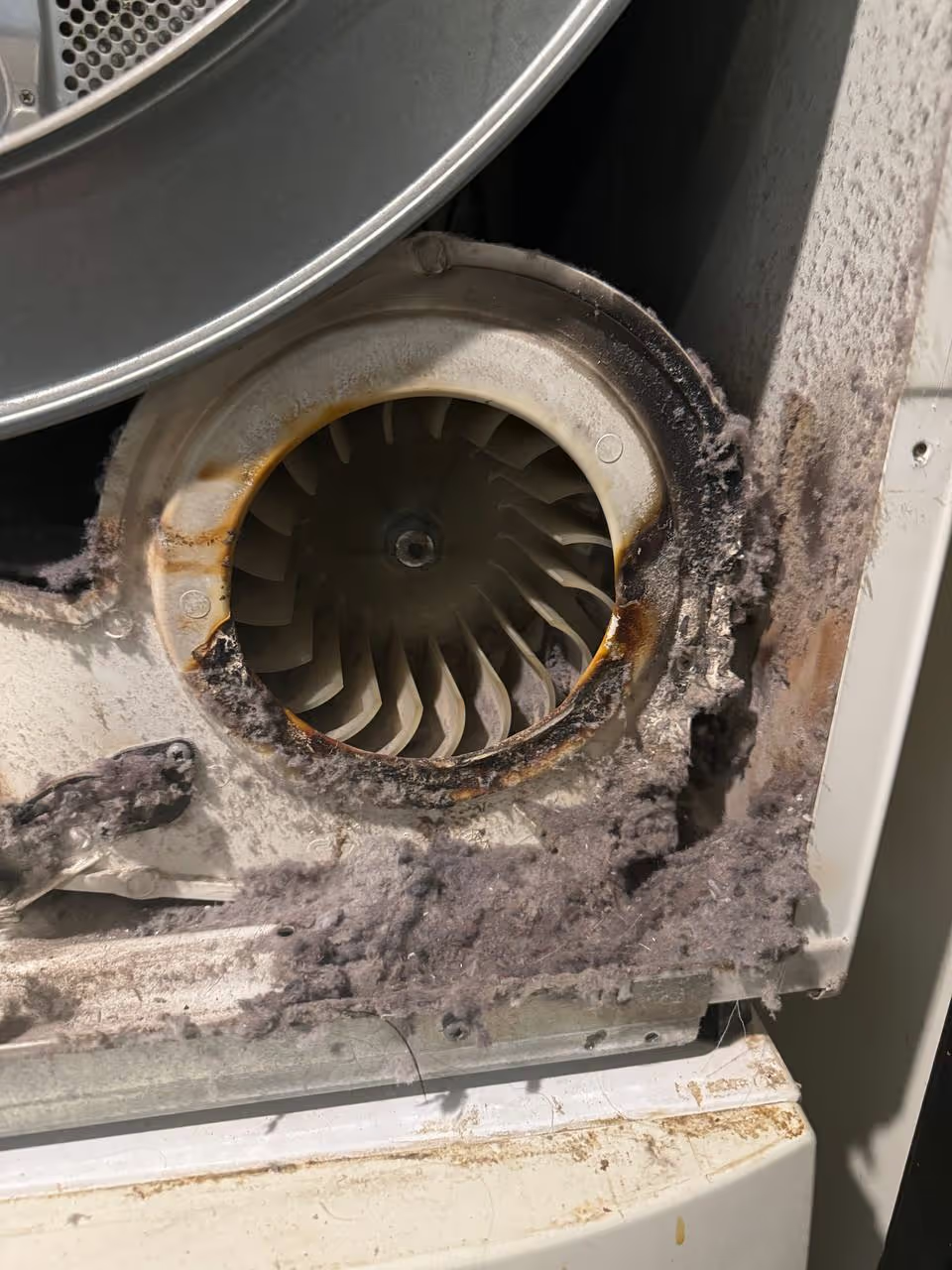
Homeowner, Clinton Hill
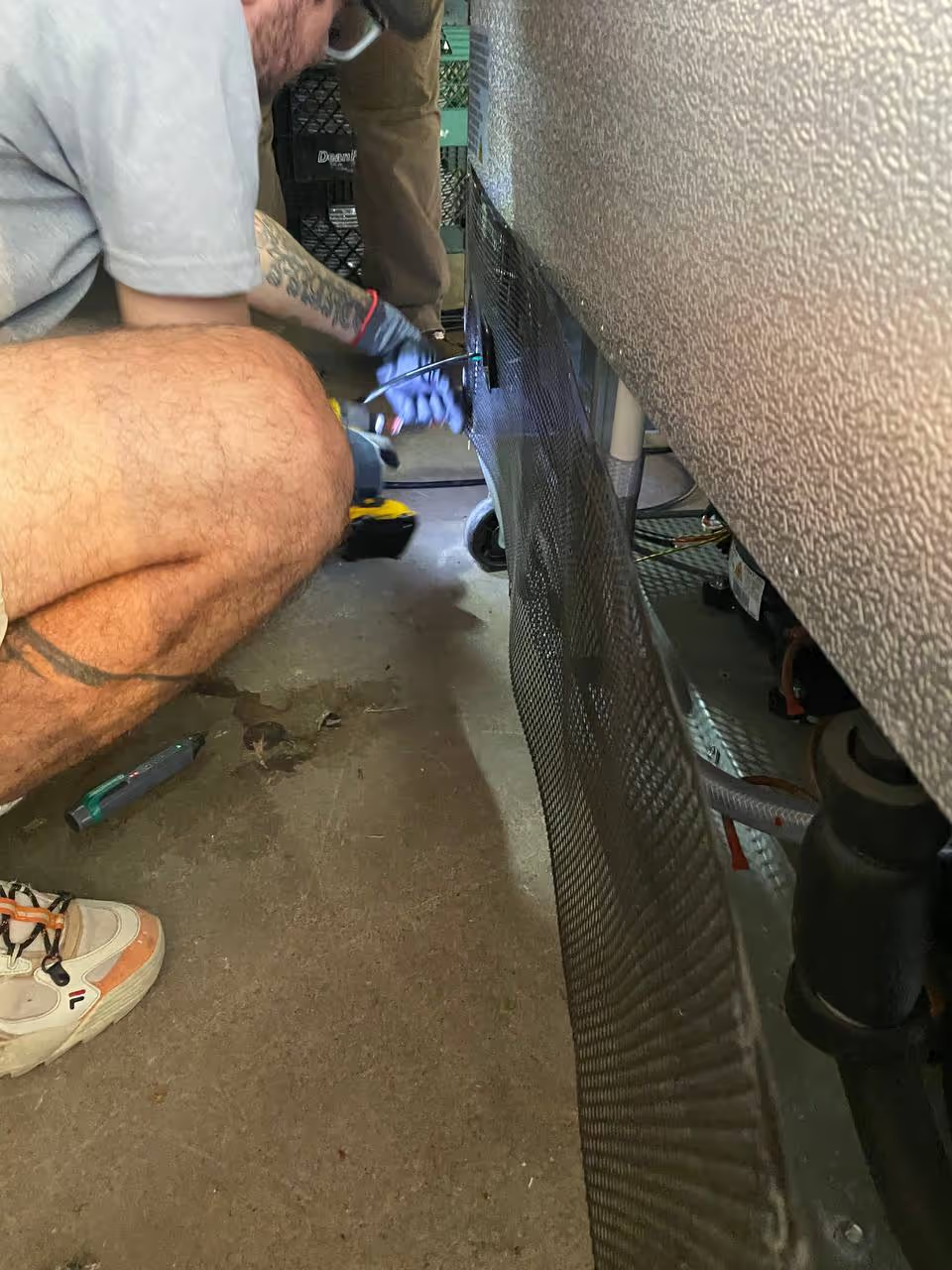
Homeowner, Clinton Hill
Homeowner, Clinton Hill
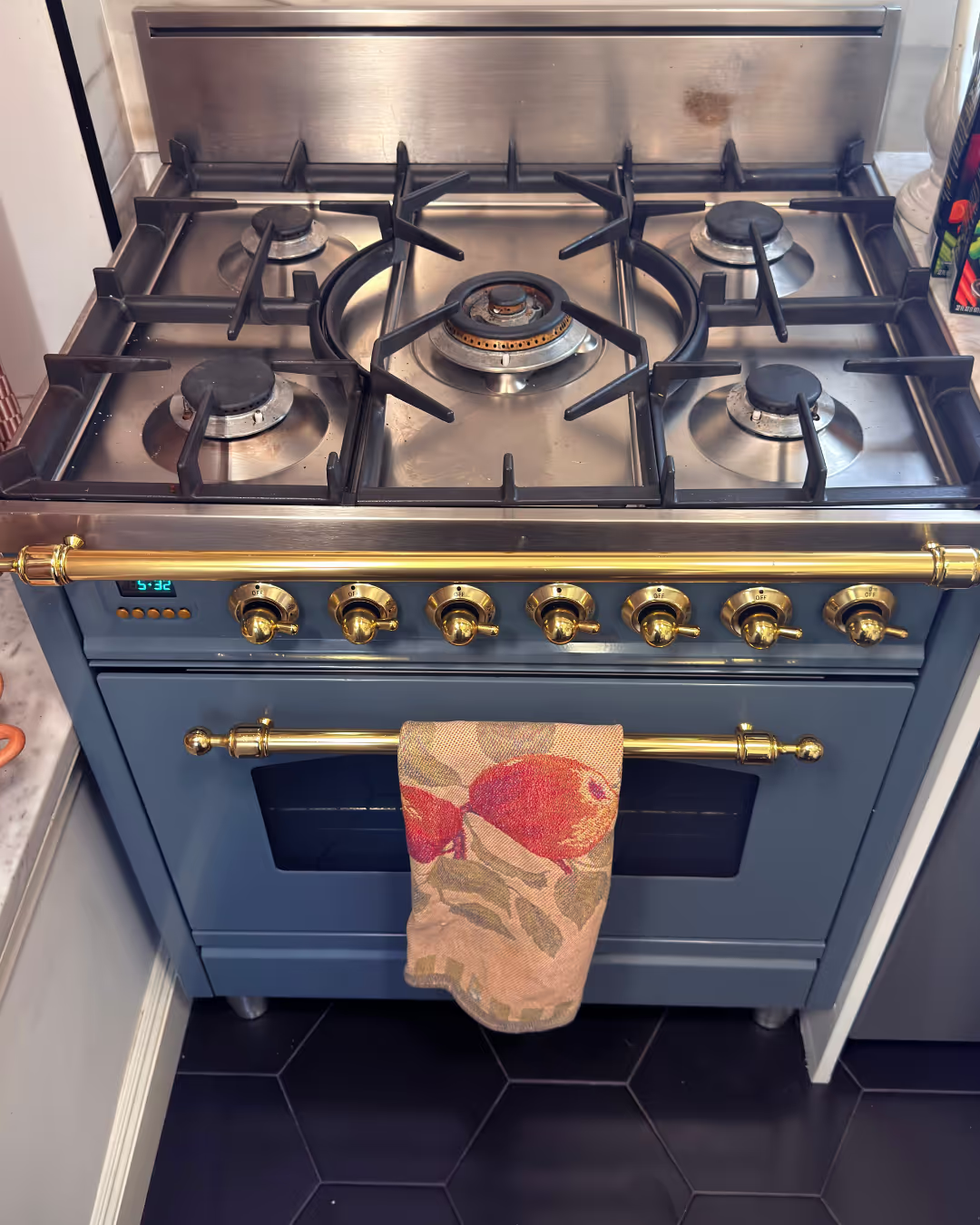
Property Manager, Manhattan
What that experience translates to
That depth in the field supports disciplined diagnostics, consistent documentation habits, and repeatable repair standards on real service calls.
Baseline experience standard
Fact: Minimum 4+ years per tech; senior techs with 8 and 16 years.
Prior manufacturer-authorized service environment experience
Fact: Prior roles included authorized-service environments and warranty-service workflows.
Warranty-grade diagnostics and verification discipline
Fact: Reproduce → isolate → measure → confirm root cause → functional test.
Documentation habits that reduce repeat visits
Fact: Model/serial + codes + readings + photos + parts path are documented.
NYC jobsite realities are built into the standard
Fact: Built-ins, stacked installs, tight clearances, building rules, COI workflows when needed.
Independence and authorization clarity
Fact: Independent company; no current manufacturer authorization implied.
Every completed repair includes a 180-day parts & labor warranty.
Need urgent repairs? We provide same-day service across Brooklyn, select Queens ZIPs, and Manhattan below 96th Street.
For an accurate diagnosis, please send the model number, details about the symptom, and any photos.
Thank you! Looking forward to speaking with you soon.
Popular Brands