

.avif)
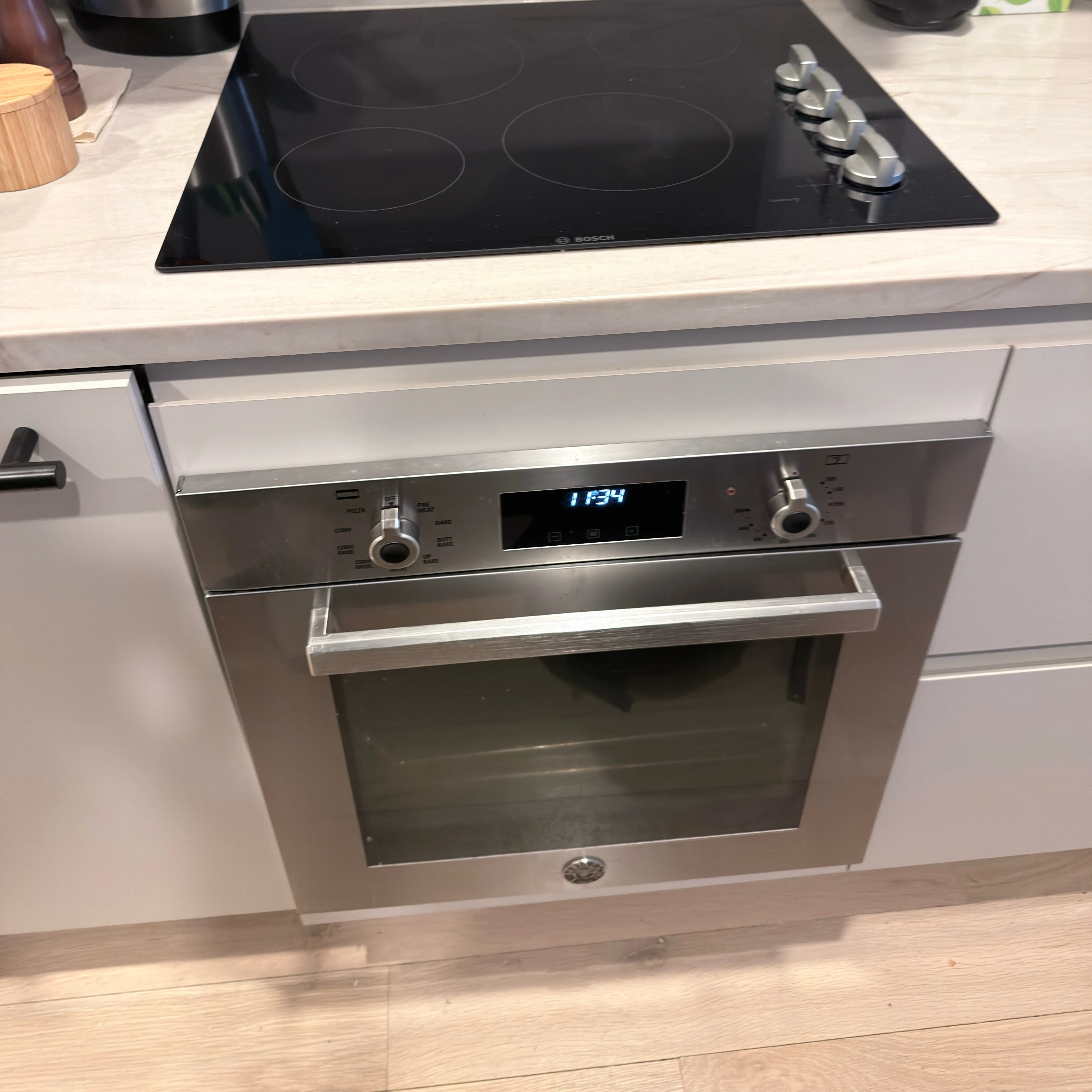
Bertazzoni Wall Oven Repair
Every service call is based on model-specific troubleshooting and real operating behavior, so the repair direction reflects how the wall oven actually performs in the kitchen. Whether your Bertazzoni wall oven is showing temperature drift, intermittent heating, or control-related faults, we provide clear diagnosis and dependable local repair service focused on restoring accurate, stable, reliable cooking performance.
Bertazzoni Wall Oven Repair: Quick Answers
Won’t start / dead
- Power disruption or cord issues
- Control board malfunction
- Faulty power supply or breaker
- Door latch failure
- Safe Check / Stop Condition: Ensure oven is unplugged before proceeding.
Wall Oven-critical performance failure
- Heater or heating element failure
- Temperature sensor malfunction
- Control board communication error
- Gas valve not opening (if applicable)
- Safe Check / Stop Condition: Disconnect power before accessing internal components.
Leaks / smell / noise / breaker trips
- Water inlet or drain problem
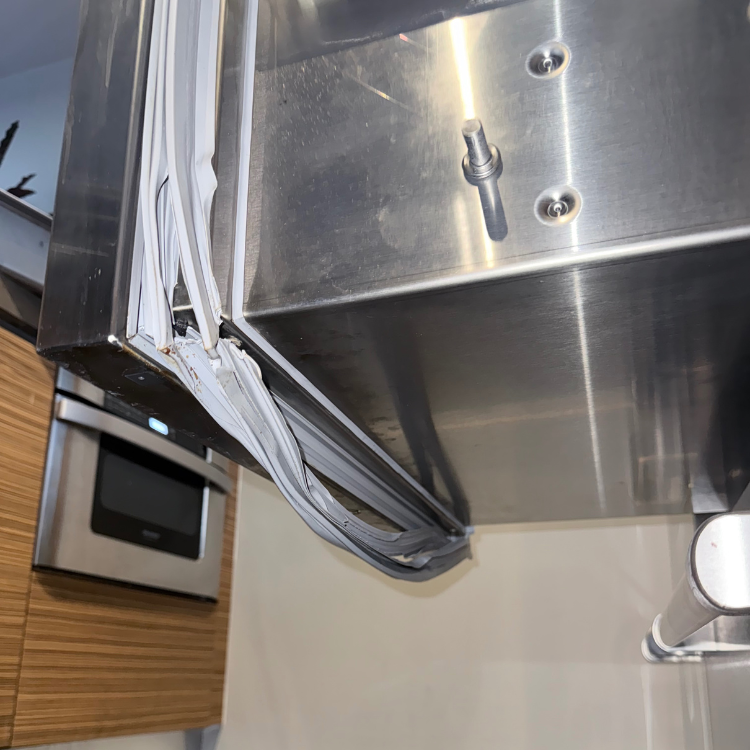
- Faulty seals or gaskets
- Electrical arcing or short circuit
- Gas leak (if applicable)
- Safe Check / Stop Condition: Cut power supply if gas smell detected.
For an accurate diagnosis, please send your model/serial photo, any error codes, and details about when the failure occurs.
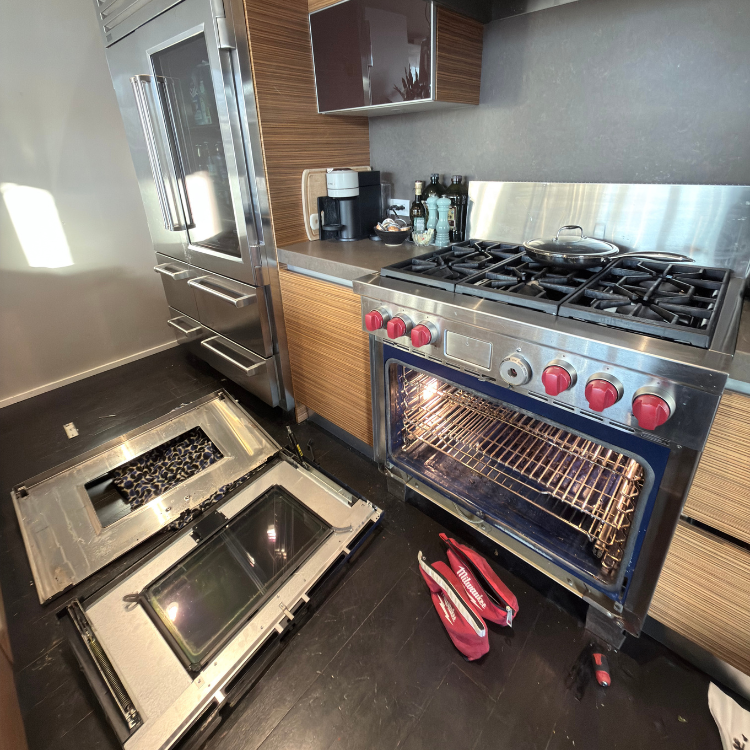
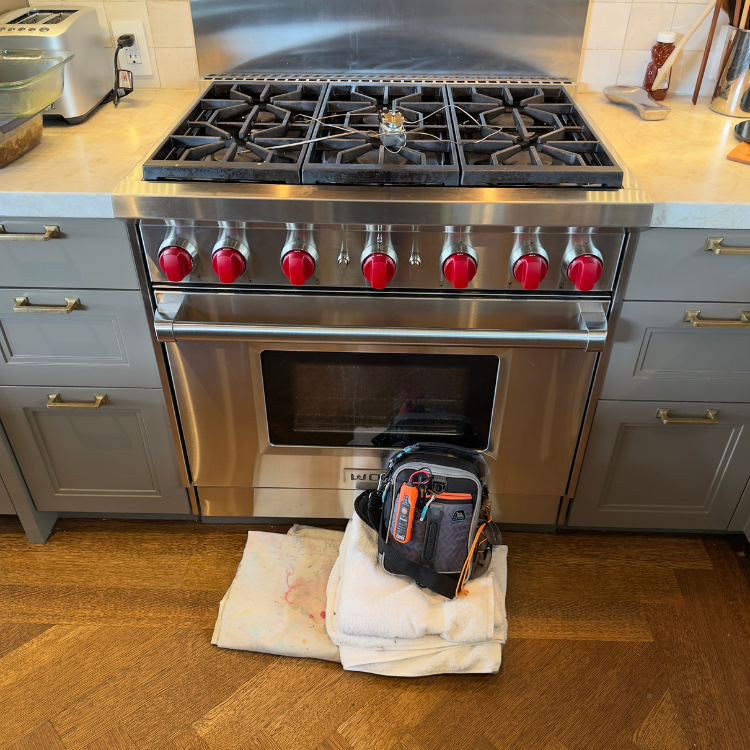
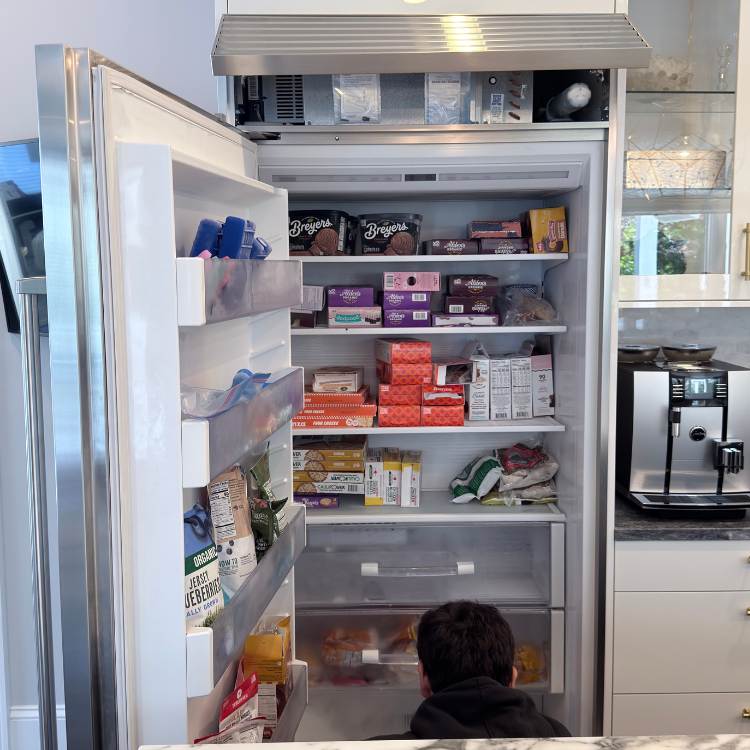
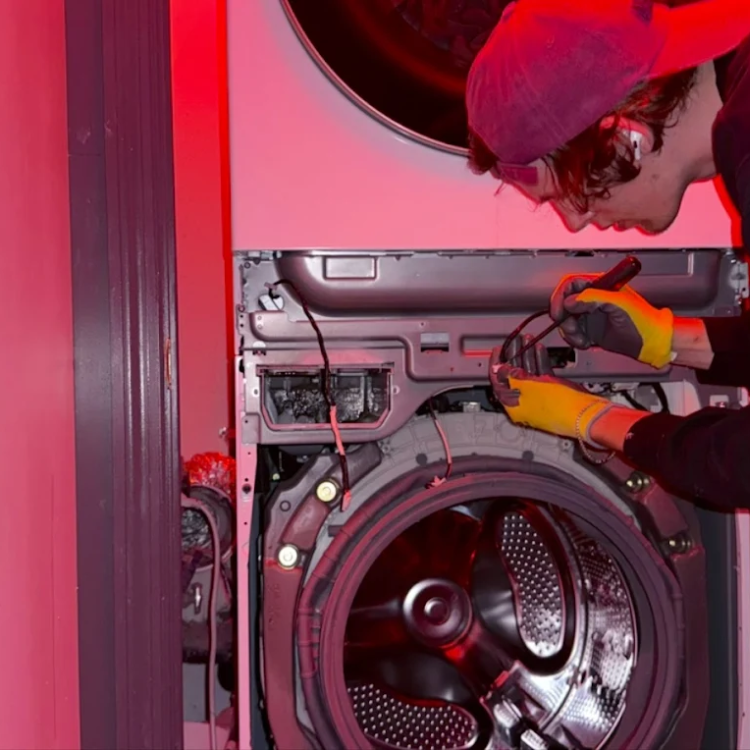
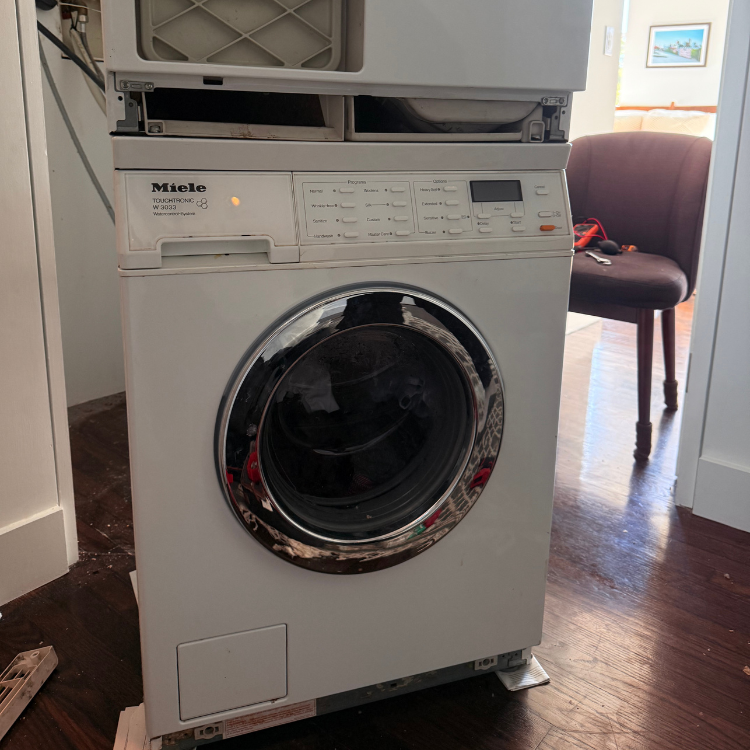
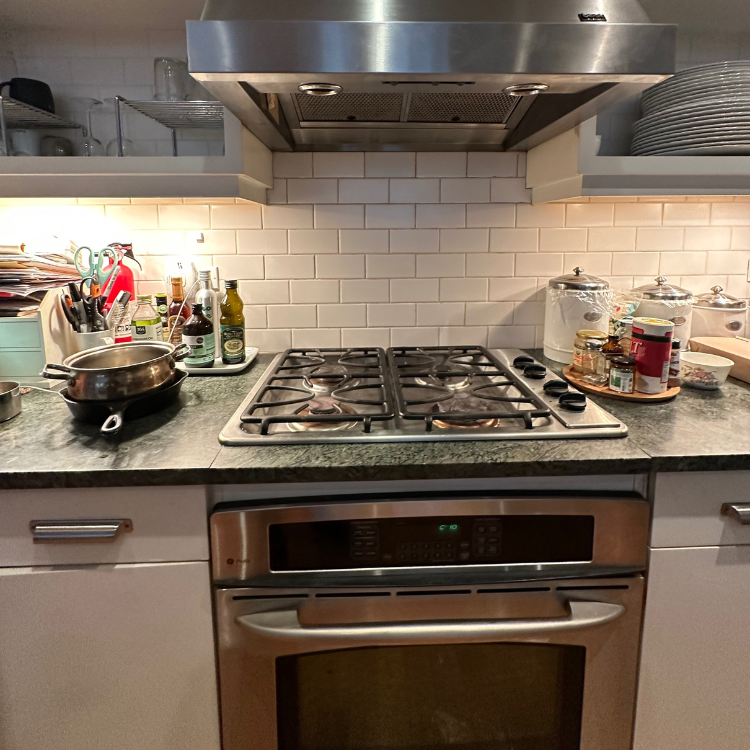
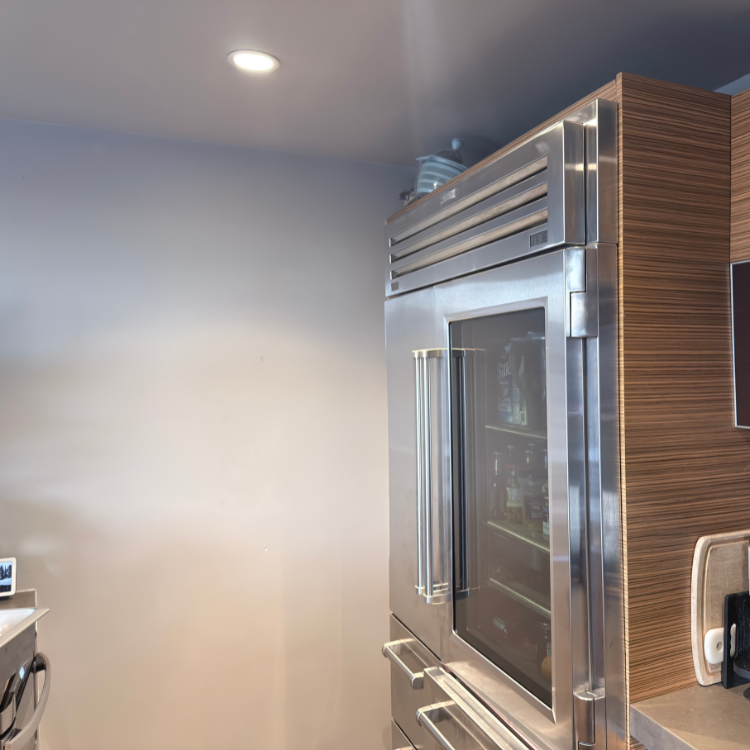
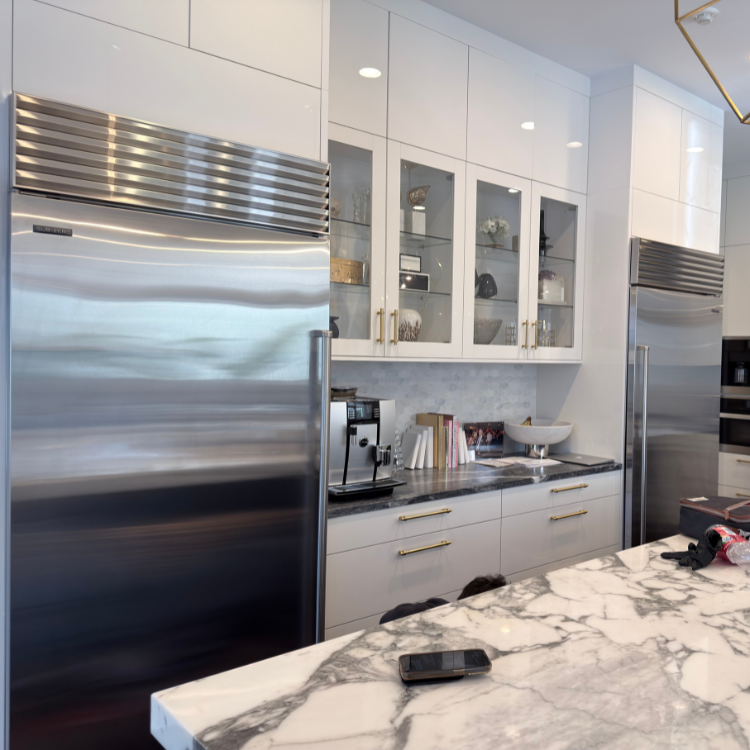
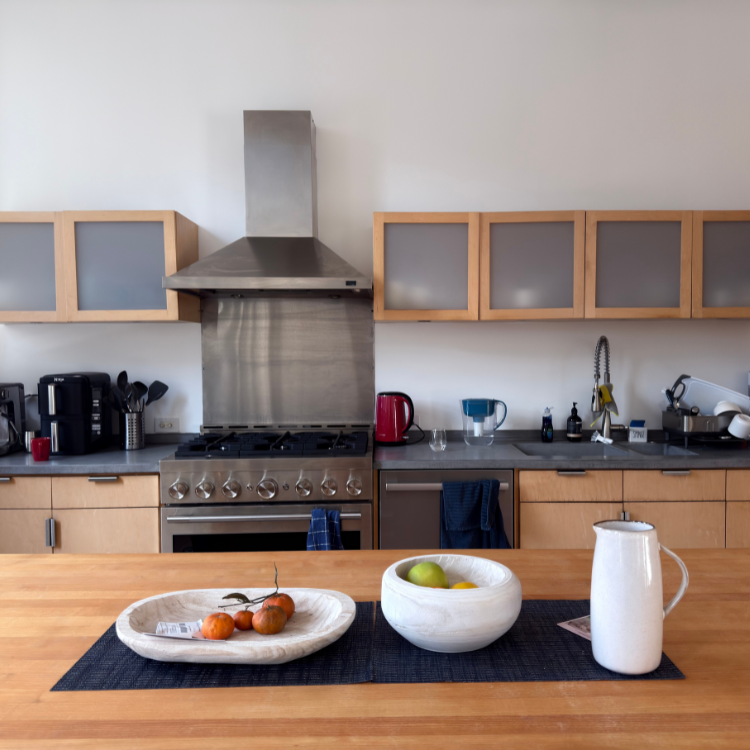
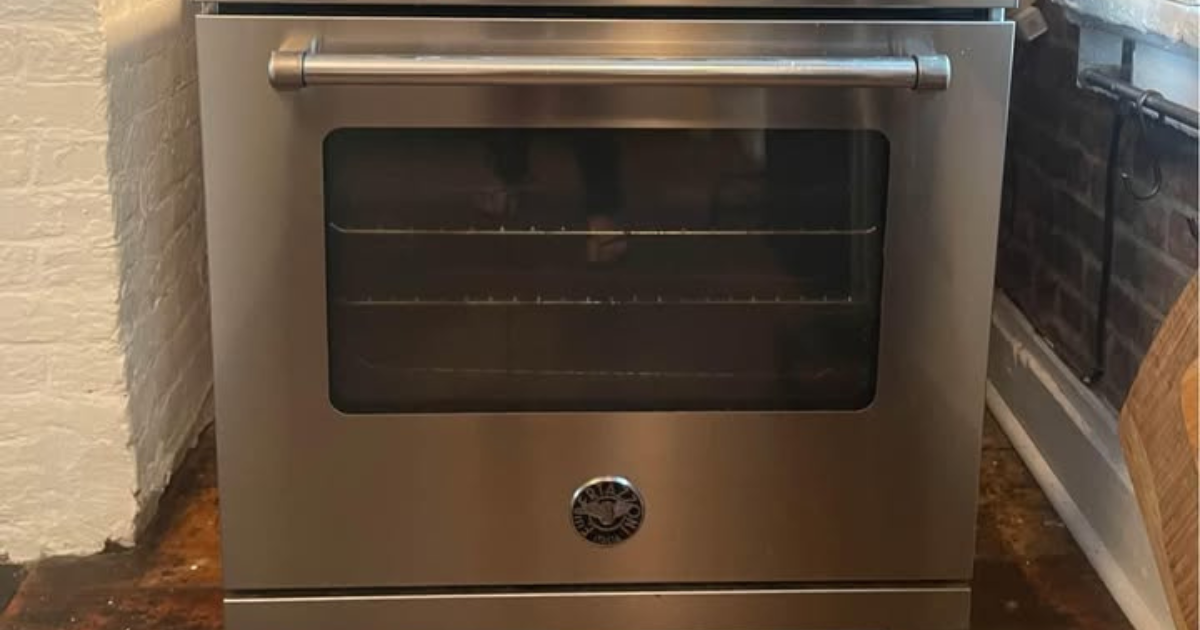
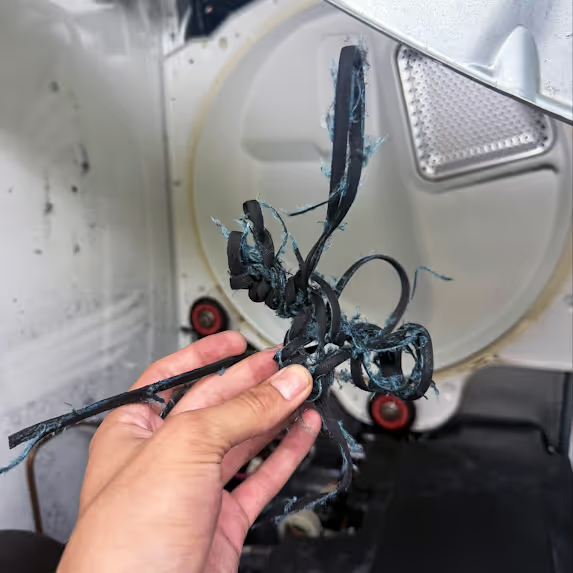
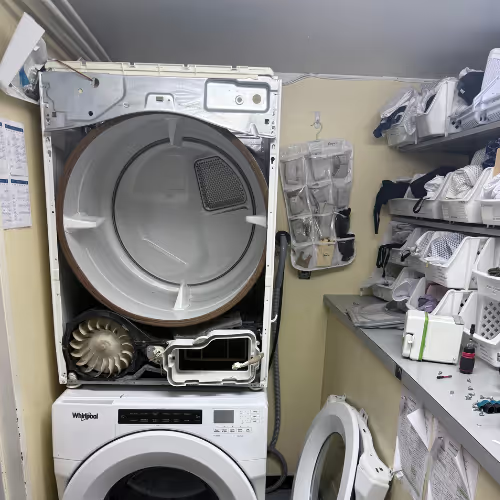
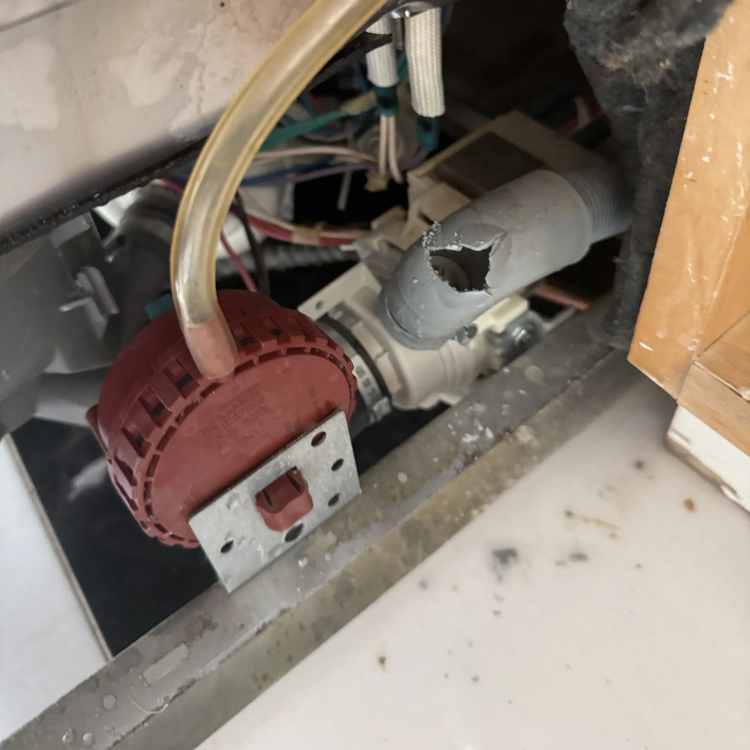
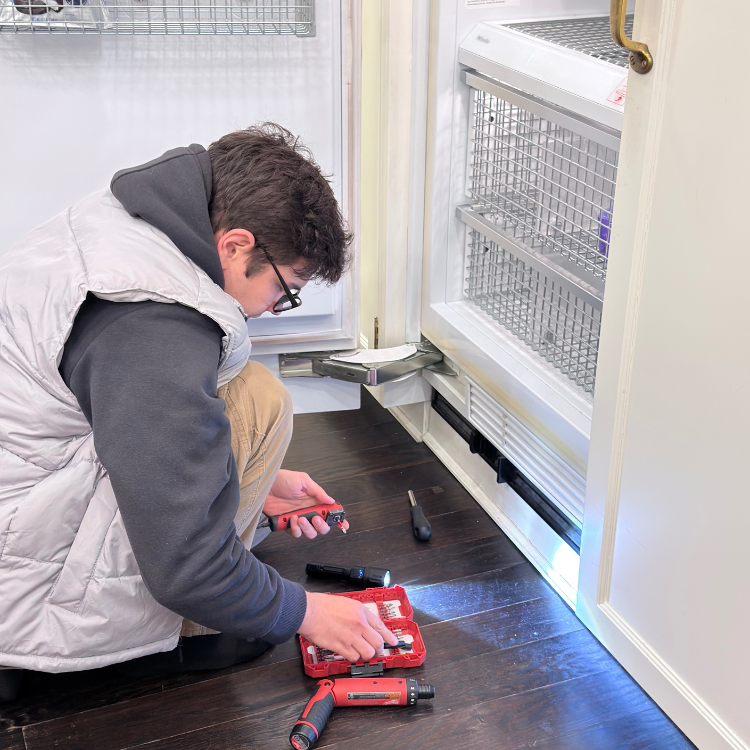
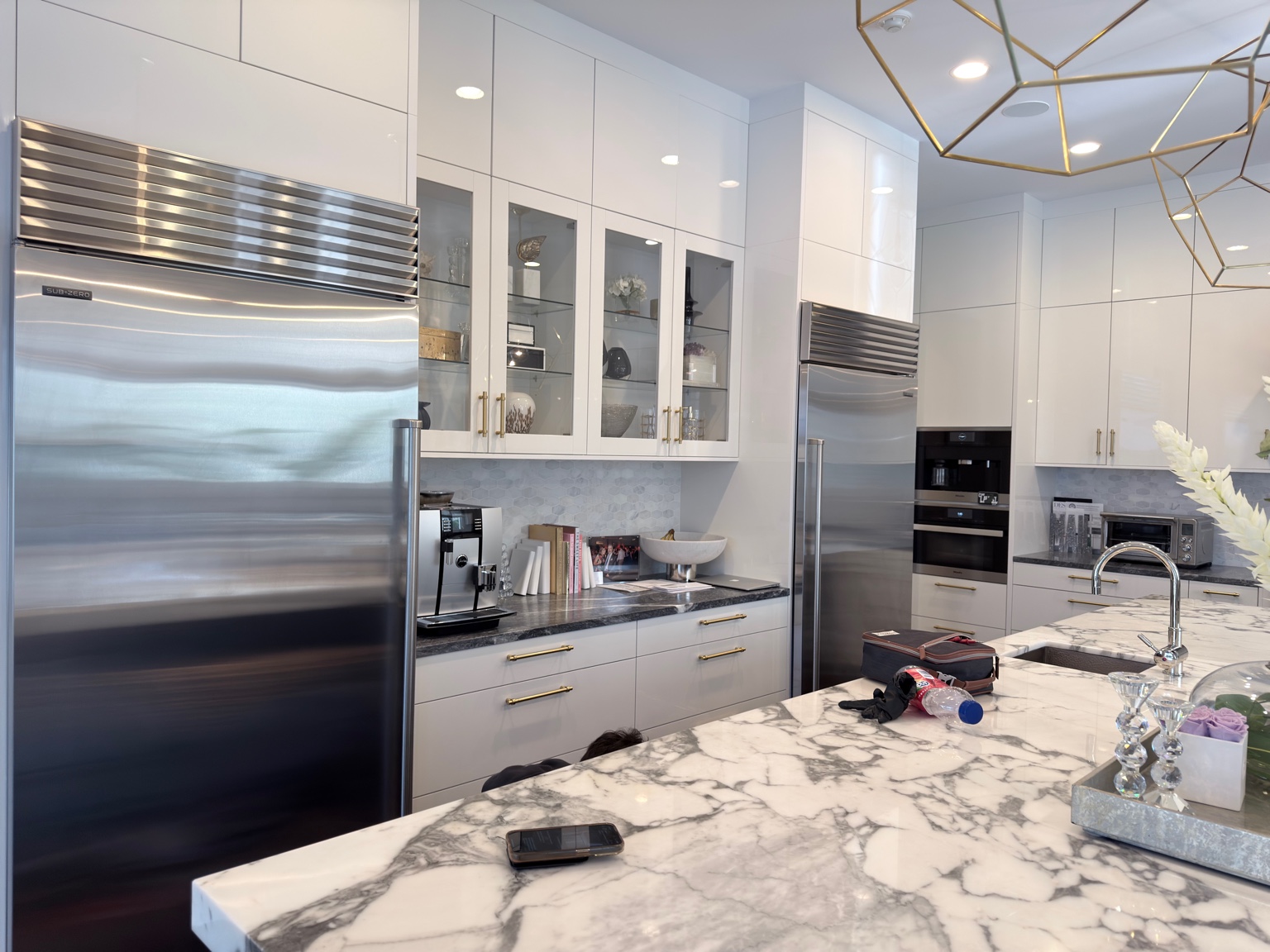
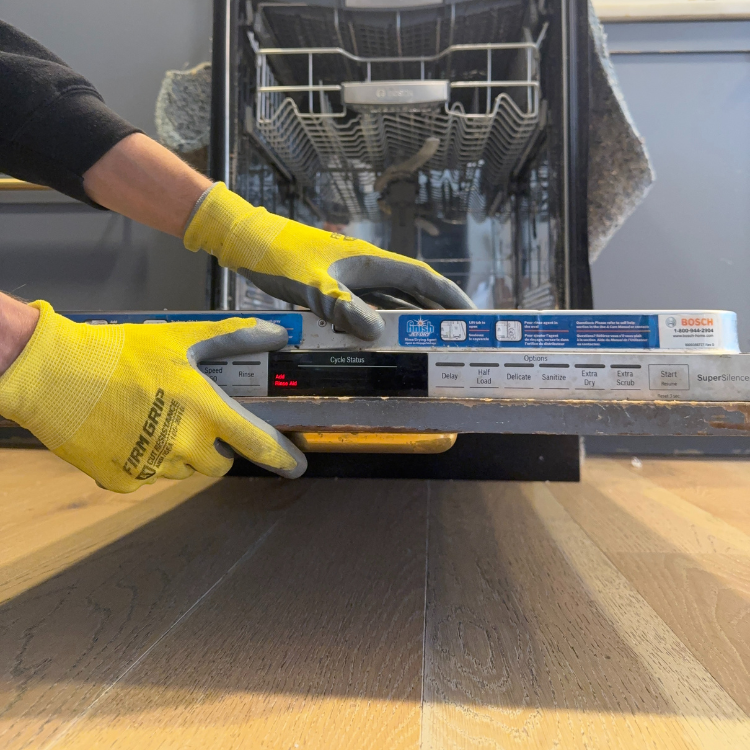
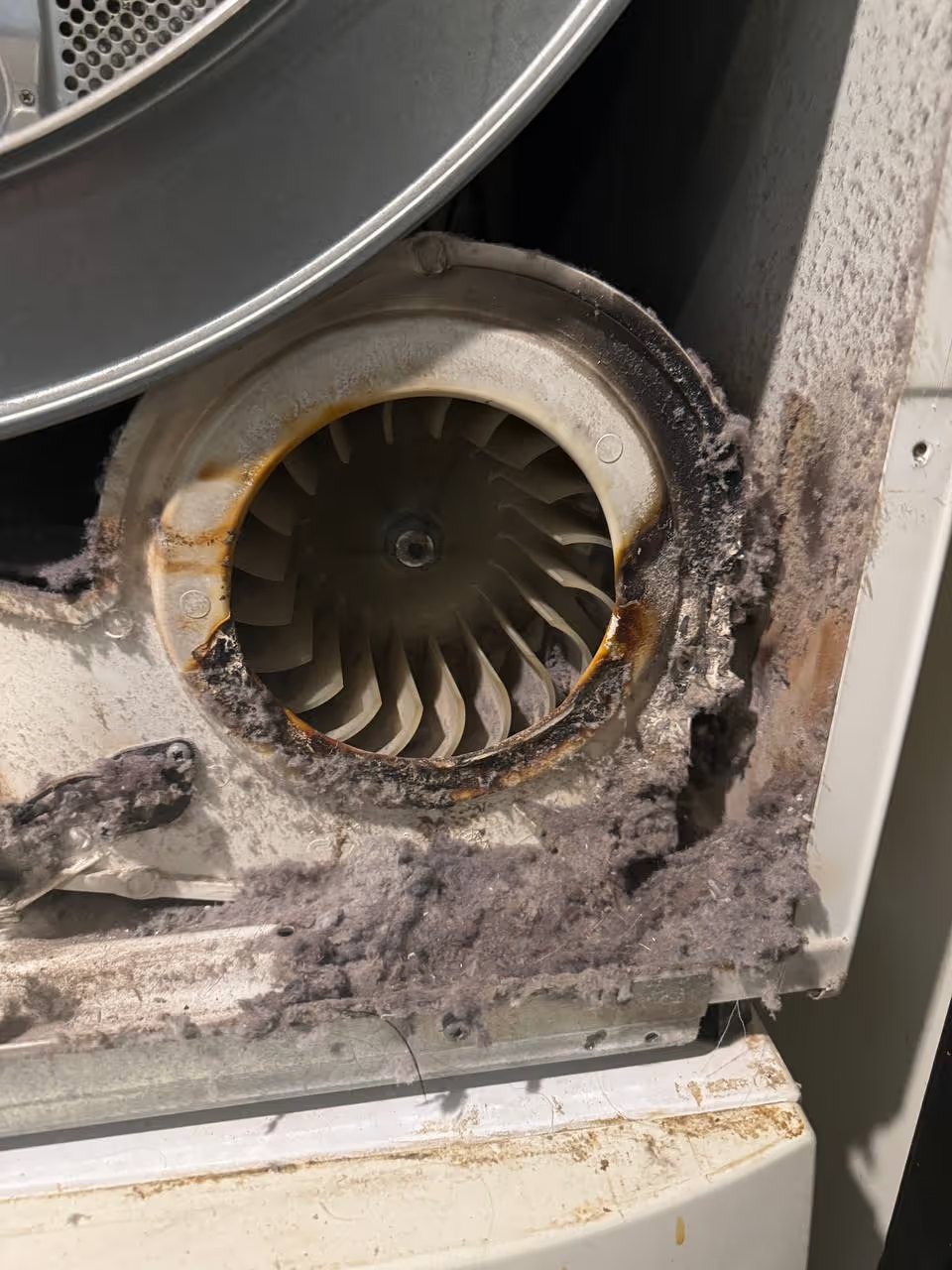
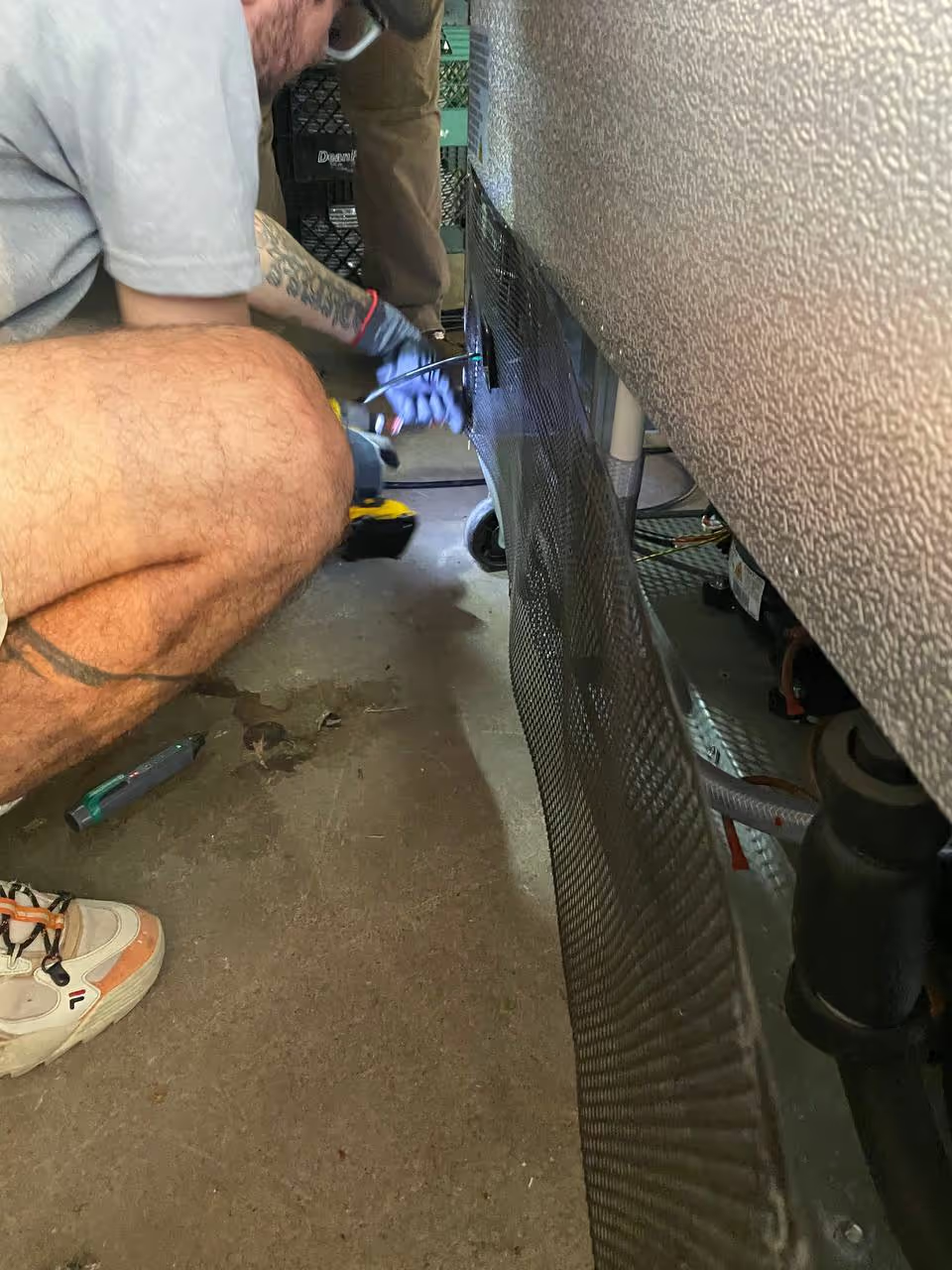
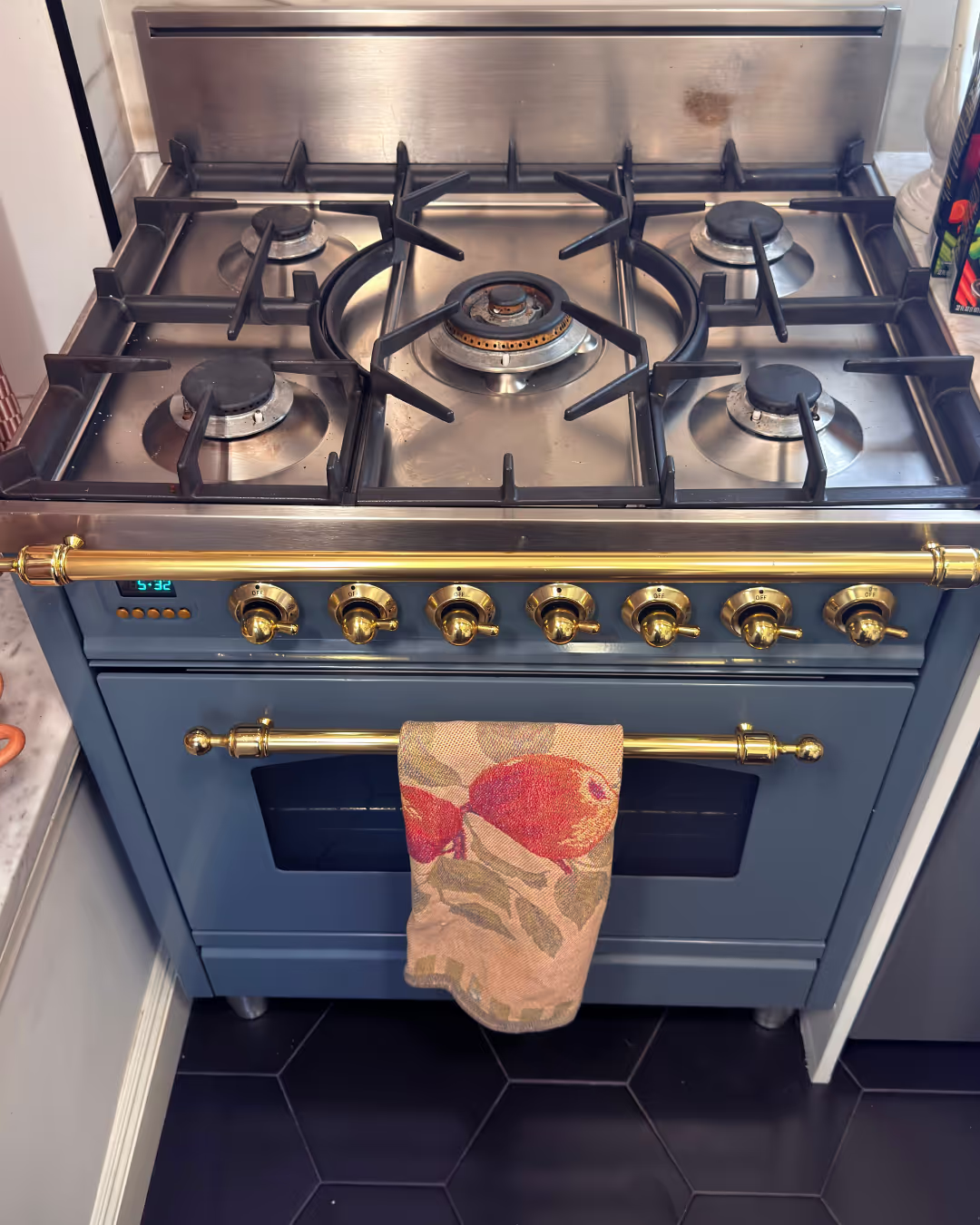
Photos from real jobs: what we found, what we tested, and what we fixed.

.avif)
Property Owner, Lower Manhattan
Service Overview
Bertazzoni Wall Oven Repair Service Overview
The Bertazzoni Wall Oven is a renowned high-performance appliance that may exhibit seemingly simple failures. However, their root causes often lie in complex areas such as control systems, sensing components, airflow issues, or load performance. Given the unique NYC constraints, installations can be tight, impacting venting, power accessibility, and water shutoffs.
What we service
- Built-in wall ovens
- Panel-ready models
- Over-the-range (OTR) options
- Vented and condensing versions
- Commercial-grade units
- Multi-oven combinations
How we diagnose on-site
- Confirm model and serial number
- Run functional tests under load
- Isolate failure class systematically
- Check electrical readings
- Validate sensor operations
- Assess control board responses
Safety stop conditions
- Gas odor detected
- Breaker tripping regularly
- Active leakage near electrical components
- Arcing or burning smells
We are an independent service company and require model and serial confirmation to proceed with diagnostics.
Common Problems We Repair
Bertazzoni Wall Oven Common Problems We Repair
Common failure patterns for Bertazzoni Wall Ovens often involve diagnostic patterns indicating component-level failures that impact baking performance or operational integrity.
Power / Control Board
- Oven will not power on (most often: main control board)
- Display shows errors (most often: faulty display panel)
- Control buttons unresponsive (most often: control board issues)
Water Supply / Drain System
- Water pooling inside (most often: blocked drain)
- Pressure loss in water system (most often: faulty water inlet valve)
- Leaking at connections (most often: damaged seals)
Heat / Ignition / Burner
- Oven won’t heat (most often: heating element failure)
- Gas burner fails to ignite (most often: spark electrode issue)
- Inconsistent temperature readings (most often: malfunctioning temperature sensor)
Airflow / Fan / Venting
- No airflow through vents (most often: fan motor failure)
- Odor from oven while in use (most often: blocked venting system)
- Noise from the fan (most often: worn fan motor)
Noise / Vibration / Motor
- Loud buzzing noise (most often: vibrating components)
- Fan running louder than normal (most often: motor bearing wear)
Leaks / Seals / Gaskets
- Water leakage from the unit (most often: faulty gaskets)
- Steam escaping during use (most often: worn seals)
Sensors / Thermistors / Feedback
- Error codes related to temperature (most often: temperature sensor issue)
- Calibration errors (most often: control board calibration)
Sealed System / Refrigeration Load
- Compressor not running (most often: compressor failure)
- Leaking refrigerant (most often: seal failure)
Safety Stop: For gas systems, ensure that the gas supply is shut off before performing any checks.
Quick FAQ
Q: What does E2 mean on my Bertazzoni Wall Oven?
A: This indicates a communications error within the oven system, often caused by loose wiring connections or a faulty control board. A technician should check the wiring for integrity and reset the oven.
Q: My oven is leaking; what should I check?
A: Begin by inspecting seals and gaskets, as these are common failure points leading to leaks. Ensure the units are aligned properly and connections are secure.
Q: I see E6 on my display; what does it indicate?
A: E6 indicates a fault with the oven's heating element, which could be due to damage or electrical connection issues. A qualified technician should test the element for continuity.
Q: My oven isn’t starting; what could be wrong?
A: Potential causes include a malfunctioning control board, or a power supply issue. Checking circuit connections and ensuring the unit is receiving power is crucial.
Pro Maintenance Tips
Advanced Pro Maintenance Tips
Inspect the control board relay for signs of overheating or arcing, especially in high-rise units where voltage fluctuations can occur due to NYC's pre-war electrical systems. Disconnect power before accessing the control board, and test the relay’s resistance values using a multimeter; replace any components not meeting OEM specifications to ensure proper functionality.
Examine the door gasket utilizing the dollar bill test to check for leaks. If the gasket is not providing a tight seal, it can lead to increased noise and vibration during operation, particularly in space-constrained kitchens where sound can amplify. Replace with OEM parts if gaps or wear are detected.
Clean the evaporator fan motor and its housing regularly to prevent vibrations caused by debris buildup. Use compressed air to clear out any dust and inspect the fan blades for damage; misaligned or damaged blades need to be replaced per OEM specifications to maintain smooth operation and minimize noise.
Inspect the inlet water valve for signs of leaks or blockages, particularly in Brooklyn and Manhattan where high-rise water pressure can exacerbate failure modes. Ensure the valve is functioning properly by visually checking for any moisture around the connection points; replace any faulty valves with OEM parts to prevent potential leaks and maintain overall system integrity.
Real Case Logs
Bertazzoni Wall Oven Repair: Real Case Logs
Call snapshot
- Professional series wall oven
- Access limited due to installation
- Client reports oven not heating
Symptoms observed
- Oven display functional
- Heating element not activating
- Temperature errors displayed
Diagnostics performed
- Model and serial verification
- Live testing of heating components
- Resistance measurement of heating element
- Electrical verification of control board
Findings
- Faulty heating element confirmed
- Wiring integrity intact
Repair actions
- Replaced heating element with OEM part
- Re-tested functionality under load
- Confirmed stable temperature readings
Verification
- Client confirmed proper operation
- Documented test results and photos
Notes
- Schedule regular maintenance to prevent future issues
Call snapshot
- Built-in oven model
- Power outage affected operation
- Client reports E2 error code
Symptoms observed
- Oven non-responsive to controls
- Error message on display
Diagnostics performed
- Checked wiring connections
- Reset power supply to the unit
- Verified continuity of circuits
Findings
- Loose wiring connection identified
Repair actions
- Secured all connections
- Ran full diagnostic check
Verification
- Oven restored to full functionality
- No further errors observed post-service
Call snapshot
- Model with water heating feature
- Client noted leakage issues
- Access challenging due to tight fit
Symptoms observed
- Visible water pooling under unit
- Client reports steam during operation
Diagnostics performed
- Inspected seals and water connections
- Pressure tested water supply
- Live thermal imaging
Findings
- Failed seals causing leaks
Repair actions
- Replaced seals with OEM parts
- Tested for leaks post-repair
Verification
- Client confirmed no further leakage
- Provided documented repair evidence
Error Codes
Understanding Bertazzoni Error Codes
Code E2: Indicates a communications error within the oven system.
Possible Causes:
- Loose wiring connections
- Faulty control board
- Malfunctioning sensor
User Actions:
- Check the oven's plug and ensure it's securely connected to the power outlet.
- Inspect visible wiring for any signs of damage.
- Reset the oven by turning it off and unplugging it for a few minutes.
Code E3: Indicates a fault with the temperature sensor.
Possible Causes:
- Faulty temperature probe
- Wiring issues between the probe and control board
- Inaccurate temperature readings
User Actions:
- Make sure the temperature sensor is clean and properly positioned.
- Check wiring connections for the temperature sensor.
- Reset the oven by turning it off and unplugging it for a few minutes.
Code E4: Indicates an error with the oven's internal communication.
Possible Causes:
- A corrupted system file
- Control board malfunction
- Interference from other electronic devices
User Actions:
- Unplug the oven and wait for a few minutes before plugging it back in.
- Ensure the oven is not sharing a circuit with high-power appliances.
- If the problem persists, contact a service technician.
Code E5: Indicates an error related to oven calibration.
Possible Causes:
- Improper sensor calibration
- Wiring issues
- Control board error
User Actions:
- Verify that the oven is level and stable.
- Check for any visible damage to the sensor wires.
- Reset the oven by turning it off and unplugging it for a few minutes.
Code E6: Indicates a fault with the oven's heating element.
Possible Causes:
- Damaged heating element
- Electrical connection issues
- Control board failure
User Actions:
- Inspect the heating element for signs of damage or wear.
- Make sure the oven is securely connected to the power supply.
- Reset the oven by turning it off and unplugging it for a few minutes.
Code E7: Indicates a problem with the oven's display function.
Possible Causes:
- Faulty display panel
- Loose wiring to the display
- Control board issues
User Actions:
- Check the display for physical damage.
- Inspect wiring connections behind the display panel.
- Reset the oven by turning it off and unplugging it for a few minutes.
Code E8: Indicates an issue with the oven's programming.
Possible Causes:
- Corrupted software
- Power surge
- Control board malfunction
User Actions:
- Unplug the oven for a few minutes to reset the software.
- Ensure the power supply to the oven is stable.
- Contact a service technician for potential software troubleshooting.
Code E9: Indicates an undefined error that may require service.
Possible Causes:
- Internal system fault
- Physical damage to the oven
- Software glitch
User Actions:
- Turn off the oven and disconnect it from the power source.
- Check for any visible damage to the oven's components.
- Contact a professional technician for further diagnostics.
Homeowner, Manhattan
Property Owner, Lower Manhattan
Property Owner, Brooklyn

Homeowner, DUMBO

Property Owner, Brooklyn
Homeowner, Downtown Brooklyn

.avif)
Homeowner, Clinton Hill
Homeowner, Clinton Hill
Homeowner, Clinton Hill
Homeowner, Clinton Hill
Homeowner, Clinton Hill
Homeowner, Clinton Hill
Property Manager, Manhattan
What that experience translates to
That depth in the field supports disciplined diagnostics, consistent documentation habits, and repeatable repair standards on real service calls.
Baseline experience standard
Fact: Minimum 4+ years per tech; senior techs with 8 and 16 years.
Prior manufacturer-authorized service environment experience
Fact: Prior roles included authorized-service environments and warranty-service workflows.
Warranty-grade diagnostics and verification discipline
Fact: Reproduce → isolate → measure → confirm root cause → functional test.
Documentation habits that reduce repeat visits
Fact: Model/serial + codes + readings + photos + parts path are documented.
NYC jobsite realities are built into the standard
Fact: Built-ins, stacked installs, tight clearances, building rules, COI workflows when needed.
Independence and authorization clarity
Fact: Independent company; no current manufacturer authorization implied.
Every completed repair includes a 180-day parts & labor warranty.
Act now for same/next-day service in Brooklyn, select Queens, and Manhattan below 96th Street.
To assist promptly, provide your model number, symptom details, and photos for pre-diagnostic assessment.
Thank you! Looking forward to speaking with you soon.
Popular Brands