
.avif)
Electrolux Dryer Repair


Electrolux Dryer Repair
Electrolux Dryer Repair Service Overview
Electrolux dryers are sophisticated appliances where failures can appear simple but often stem from complex issues like control, sensing, and airflow problems. In dense urban environments like NYC, installation challenges such as tight spaces, limited venting options, and unique local codes add to the complication of repairs.
What we service
- Built-in dryers
- Vented dryers
- Condensing dryers
- Stackable units
- Commercial models
- Residential models
How we diagnose on-site
- Confirm model and serial number
- Conduct functional tests under load
- Isolate failure class through diagnostics
- Perform electrical verification of components
- Validate sensor readings
Safety stop conditions
- Gas smell detected
- Breaker trips frequently
- Active leak near electrical components
- Arcing or burning smell present
We are an independent service company; model and serial confirmation is required for accurate diagnostics.
Quick Facts NYC-Ready
- Diagnostic fee: $99, credited toward the repair if you move forward
- Warranty: 180-day parts and labor warranty on completed repairs
- Parts standard: OEM parts only
- Building access: Licensed and insured, COI available for building management
- Hours: Monday to Saturday, 9:00 AM to 6:00 PM
- Arrival windows: 9 to 11, 11 to 1, 1 to 3, 3 to 5
Electrolux Dryer Repair: Quick Answers
Won’t start / dead
- Power supply interruption
- Faulty control board
- Door latch issue
- Safe Check / Stop Condition: Check power outlet for voltage.
Dryer-critical performance failure
- Heating element failure
- Temperature sensor malfunction
- Blocked vent causing overheating
- Safe Check / Stop Condition: Ensure lint filter is clean.
Leaks / smell / noise / breaker trips
- Water leakage from the supply line
- Condensation issues
- Gas leaks from valves
- Motor overheating during operation
- Safe Check / Stop Condition: Disconnect unit if water or gas is detected.
For an accurate diagnosis, please send your model/serial photo, any error codes, and details of when the failure occurs.
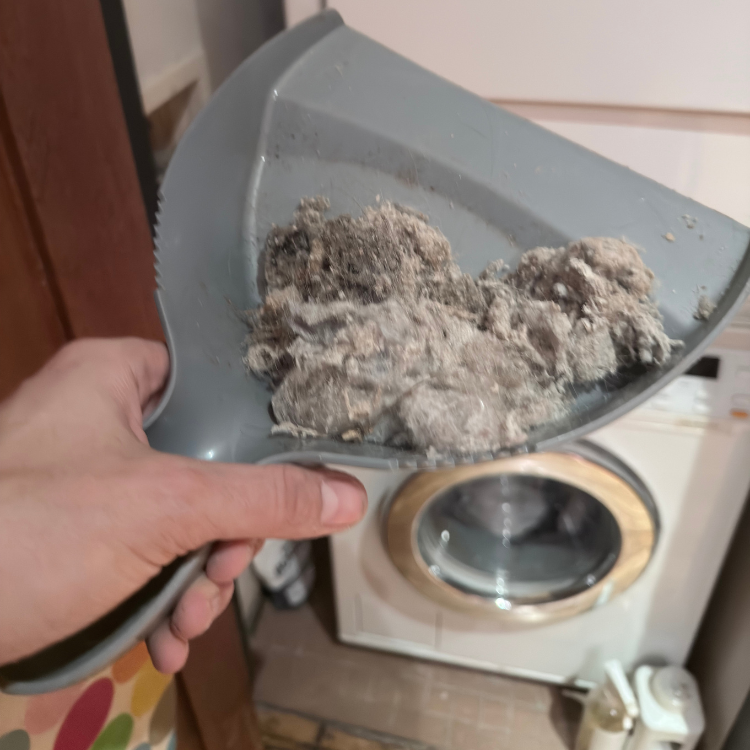
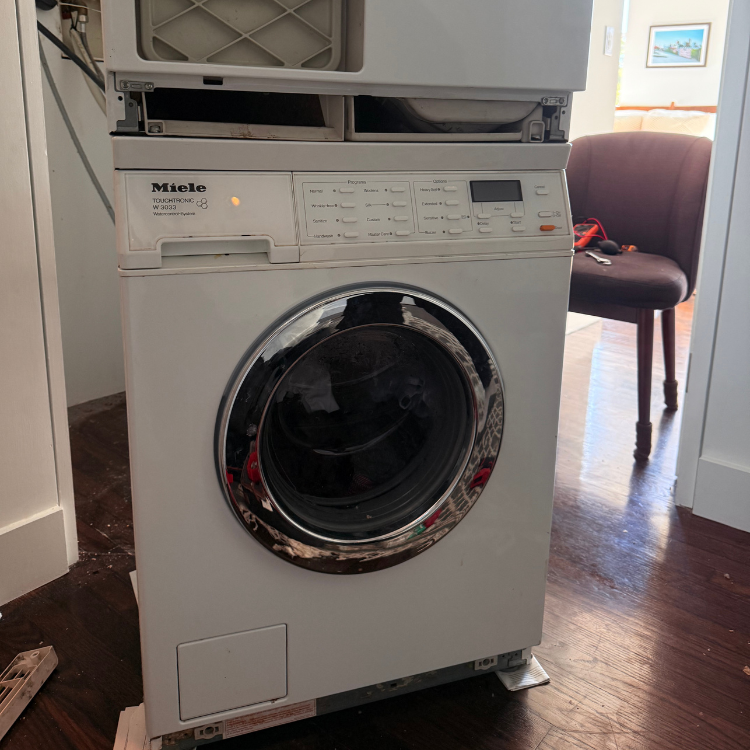
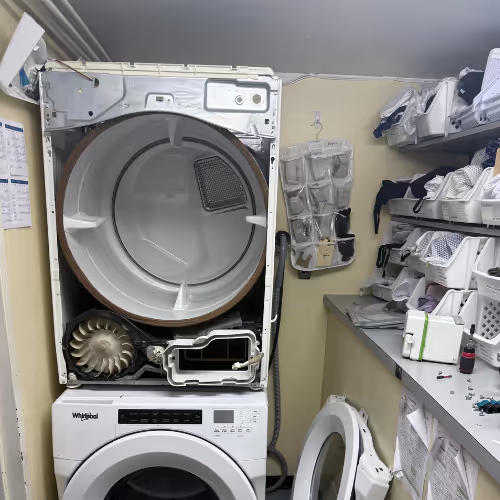
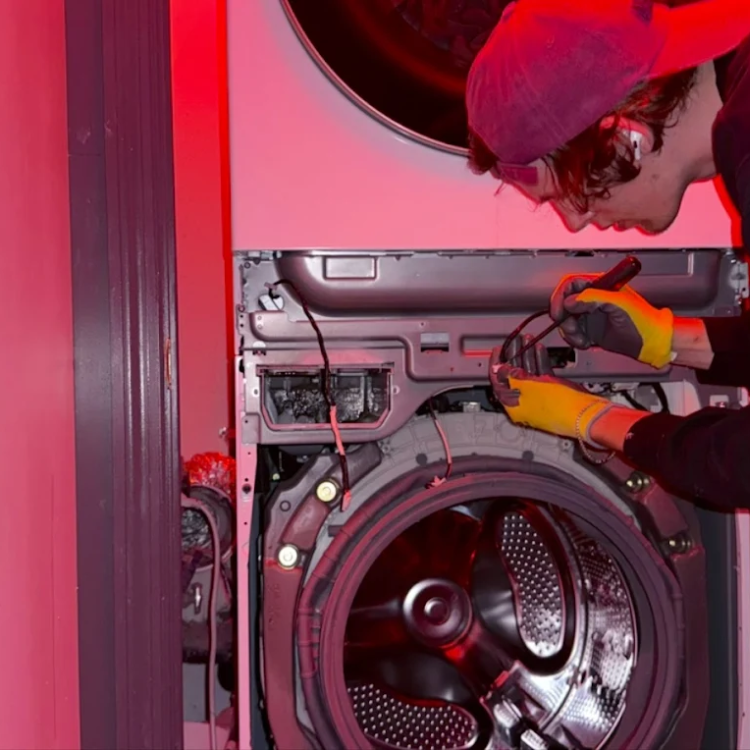
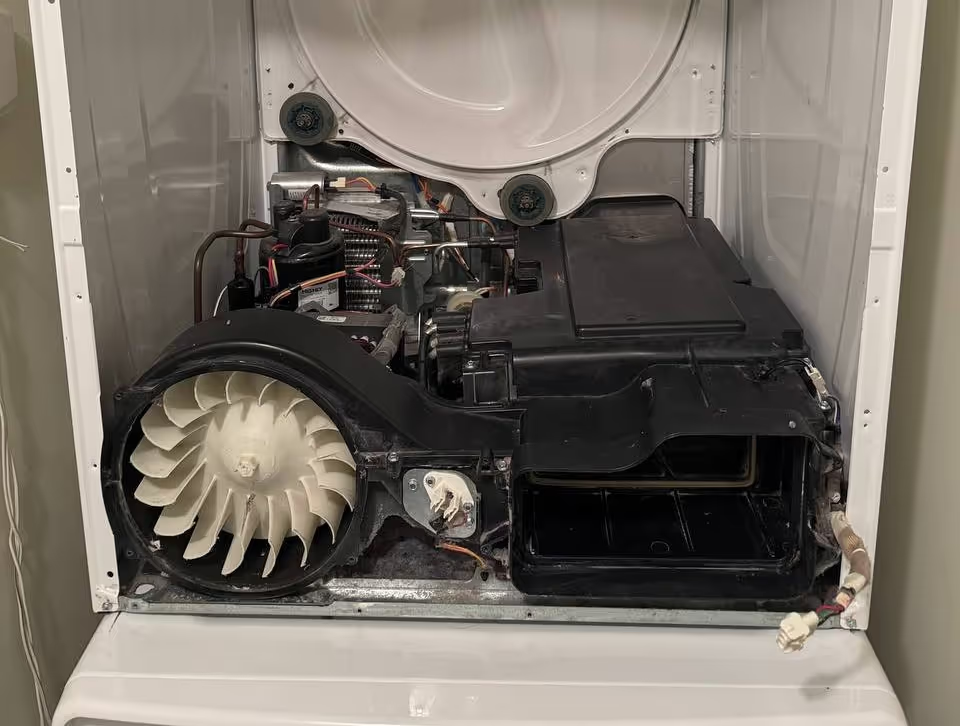
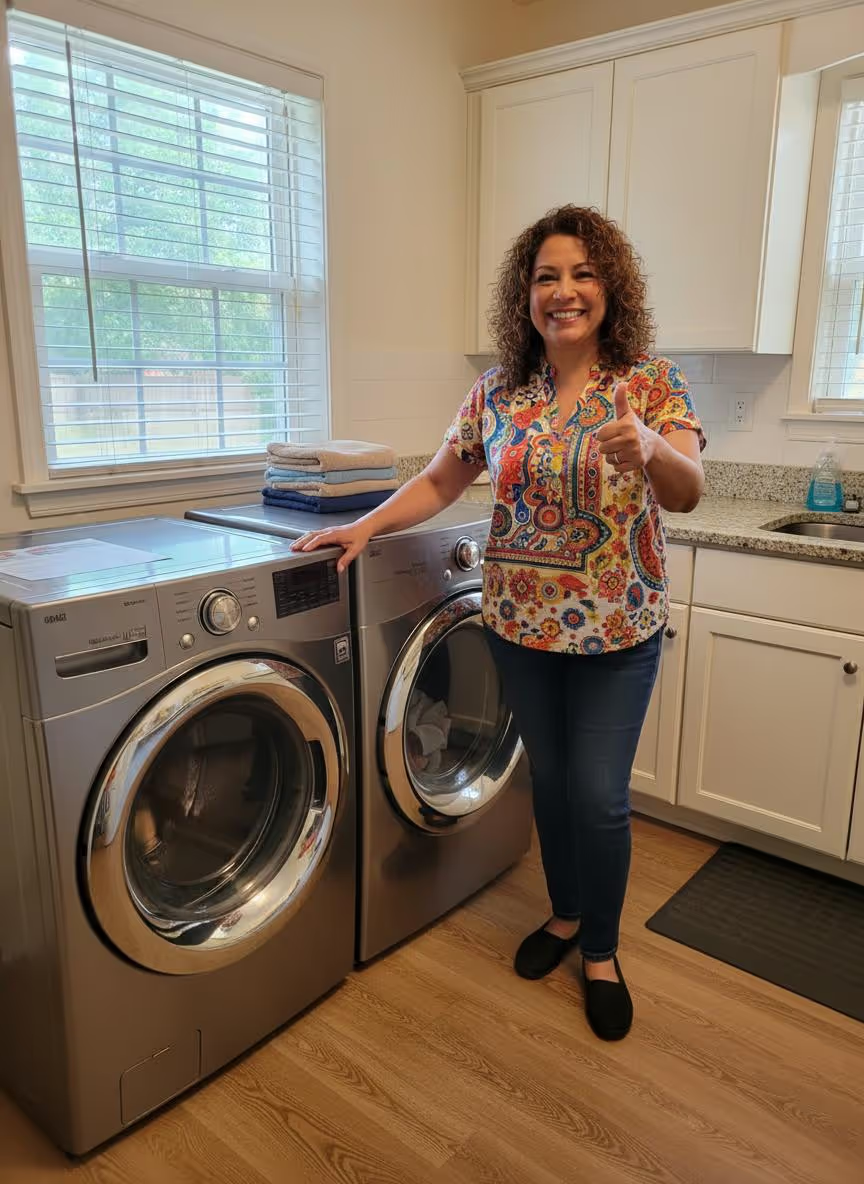
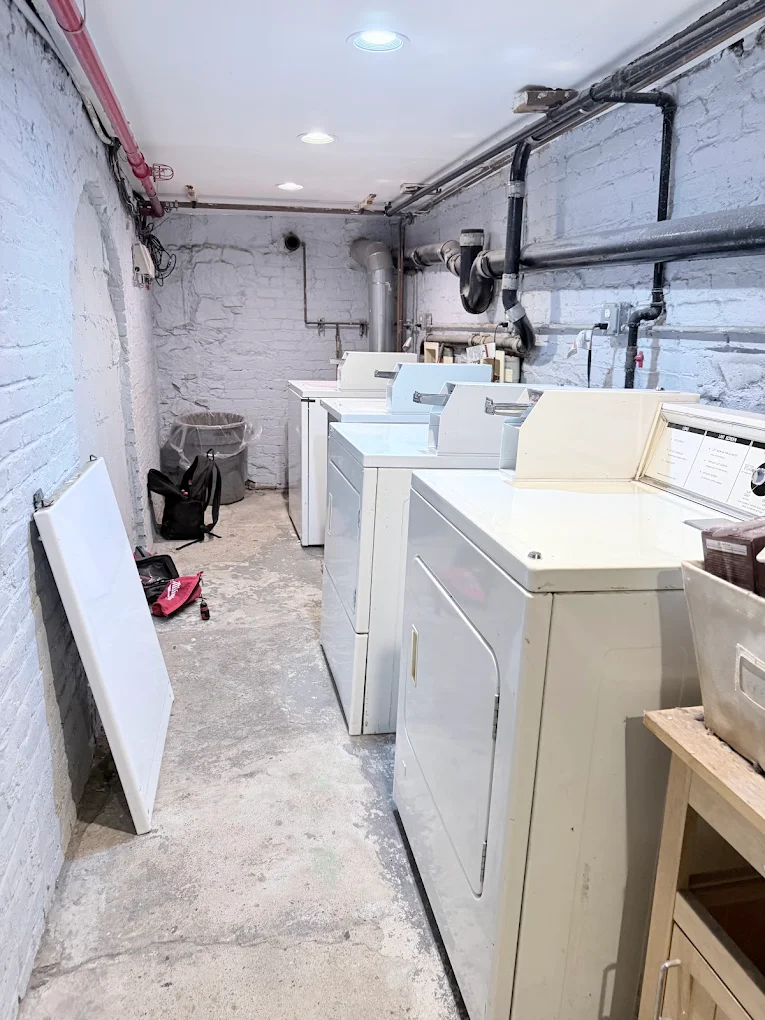
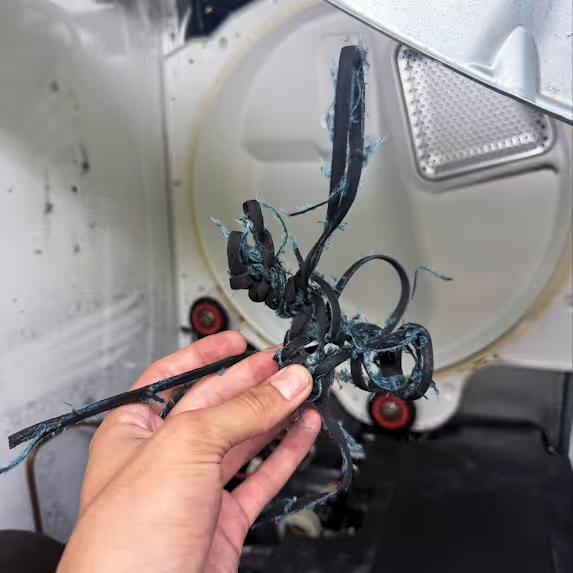
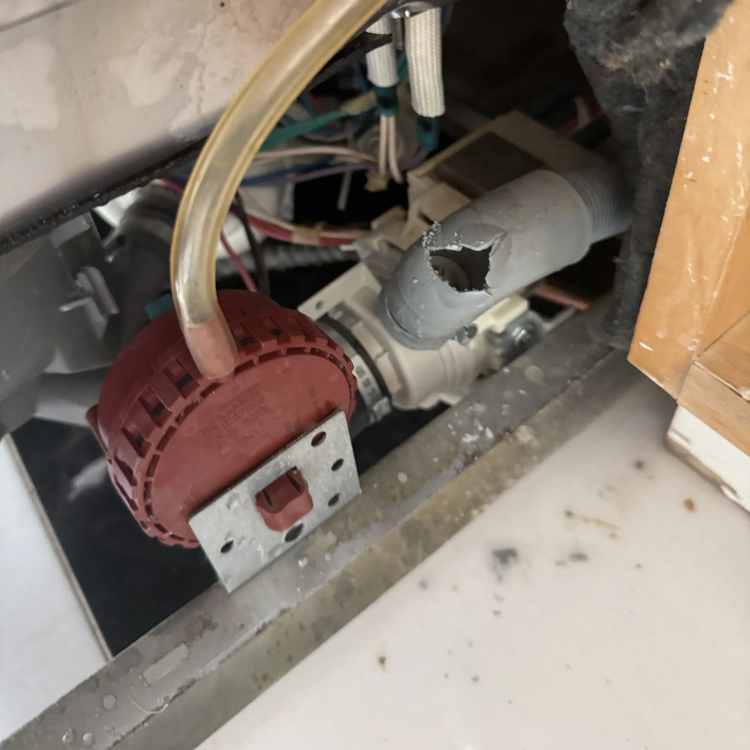
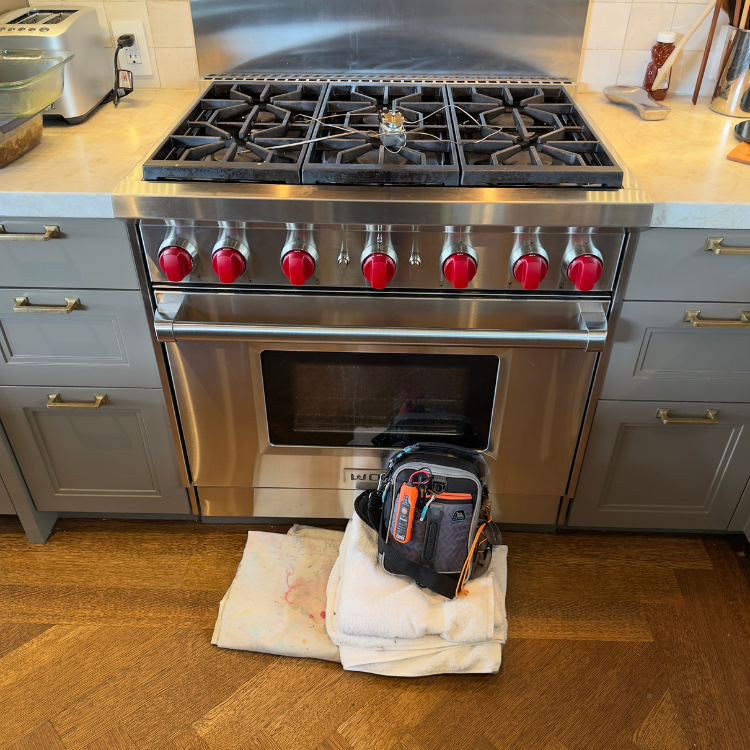
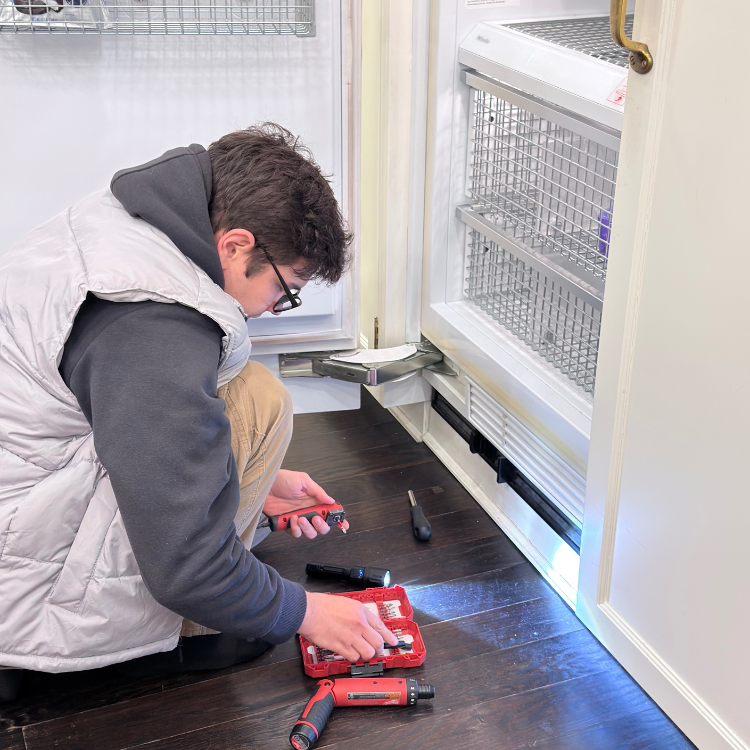
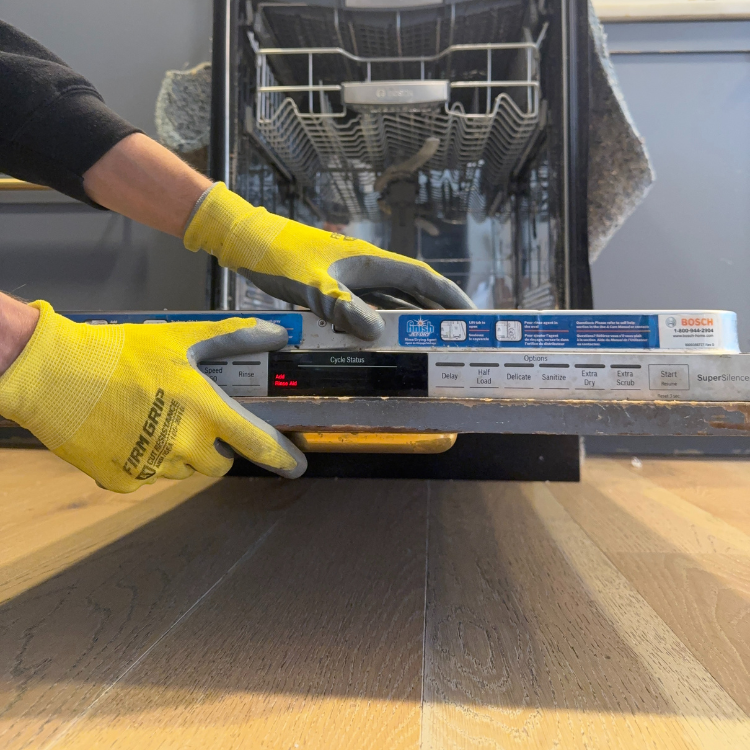
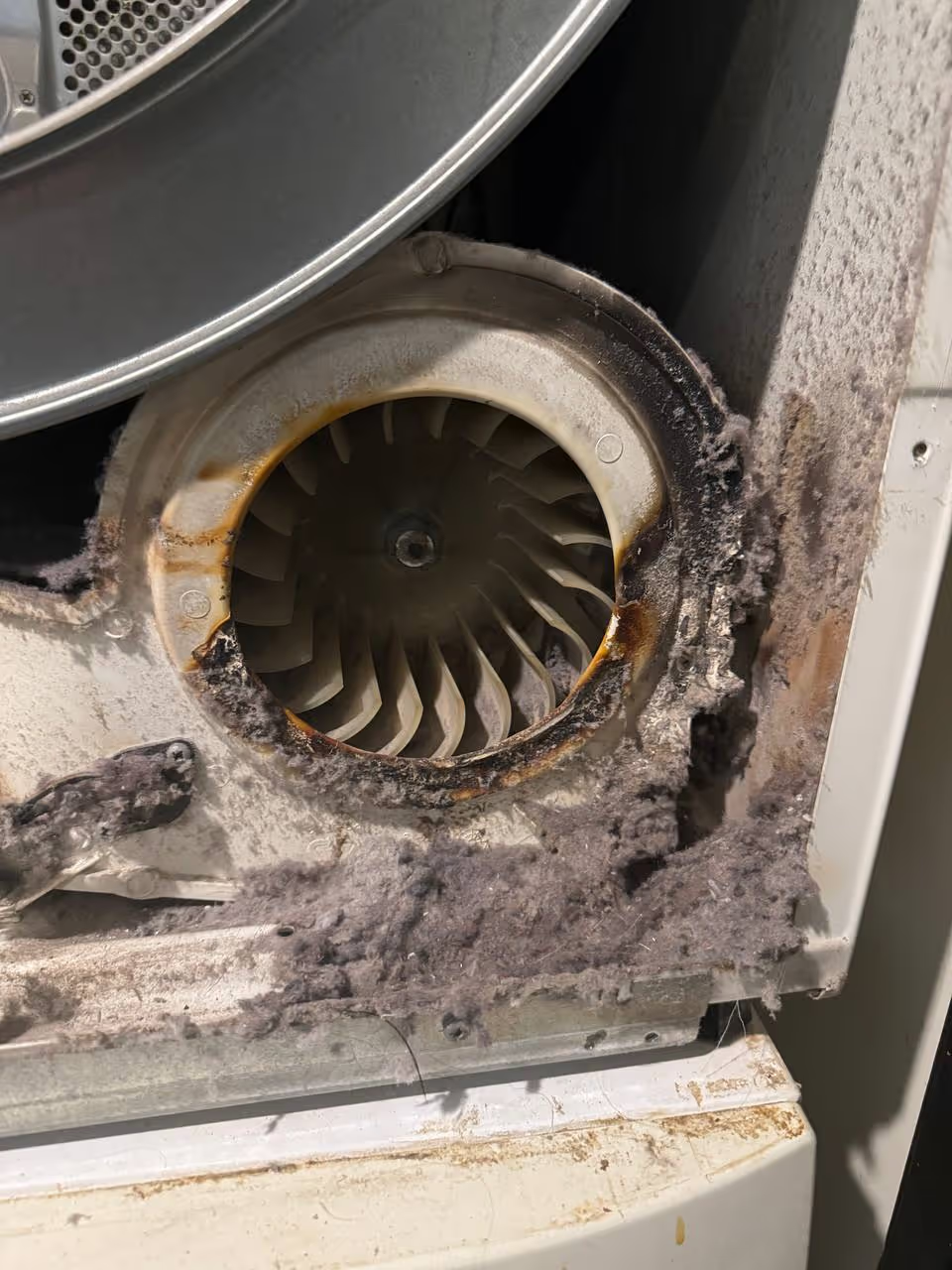
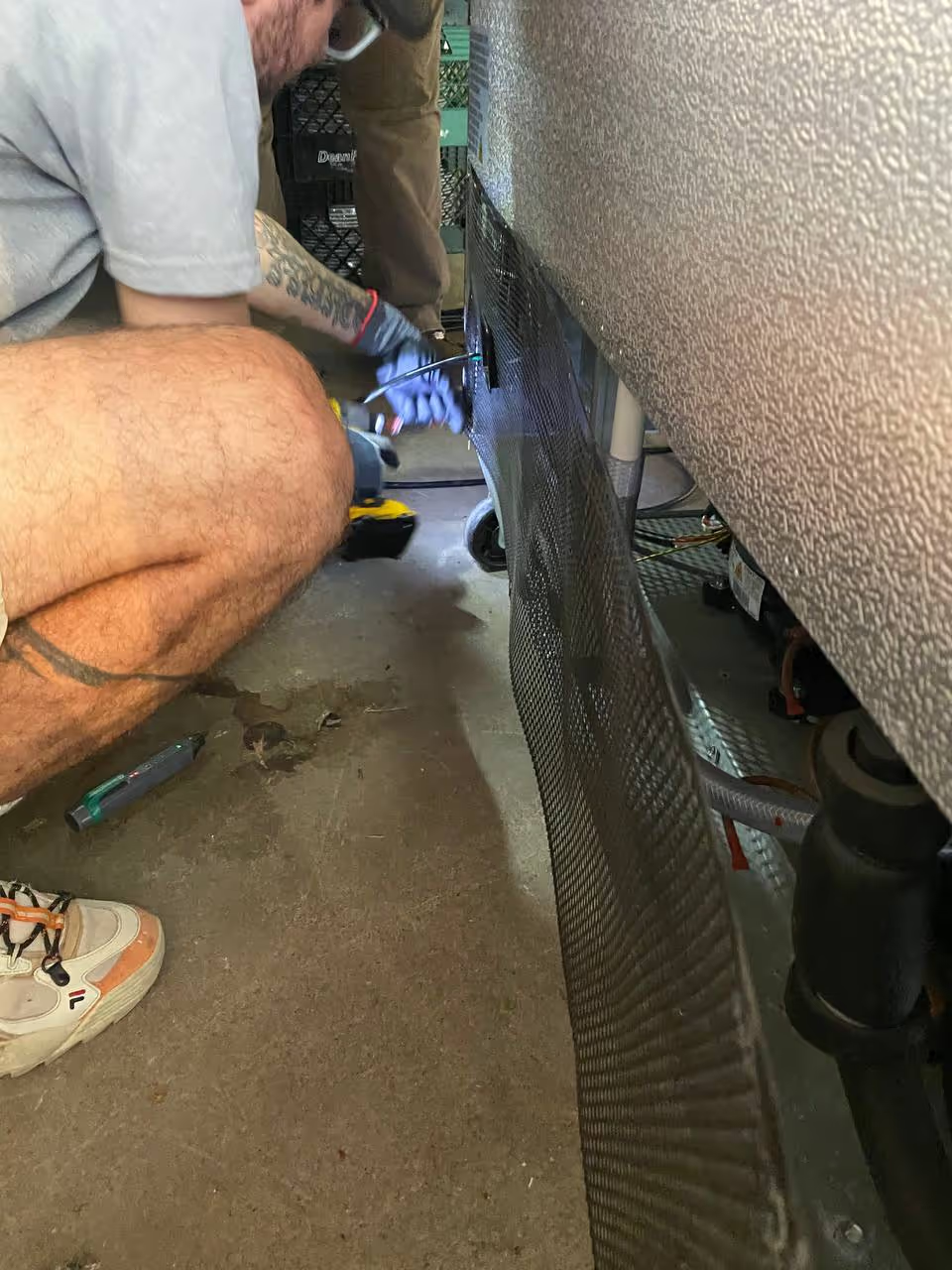
Photos from real jobs: what we found, what we tested, and what we fixed.

Common Problems
Electrolux Dryer Common Problems We Repair
Identifying electric and gas dryer failures often involves analyzing diagnostic patterns and pinpointing component-level failures. This often entails understanding how each part interacts within the Electrolux Dryer ecosystem.
Power / Control Board
- Unit won’t start (most often: control board)
- Control panel unresponsive (most often: selector switch)
- Failed cycle indicator (most often: LEDs malfunction)
Water Supply / Drain System
- Water pooling inside (most often: drain pump)
- Slow drain or blockage (most often: clogged drain hose)
Heat / Ignition / Burner
- Dryer not heating (most often: heating element)
- Overheating during operation (most often: thermostat issue)
Airflow / Fan / Venting
- Poor drying performance (most often: blocked venting)
- Excessive noise during operation (most often: fan motor)
Noise / Vibration / Motor
- Excessive vibration during cycles (most often: faulty motor mounts)
- Unusual grinding noise (most often: motor wear)
Leaks / Seals / Gaskets
- Moisture accumulation around unit (most often: worn door seal)
- Water dripping from dryer (most often: faulty hose connections)
Sensors / Thermistors / Feedback
- Inconsistent drying temperatures (most often: temperature sensor)
- Errors during drying cycles (most often: control module failure)
Sealed System / Refrigeration Load
- Drum fails to reach desired temperature (most often: refrigeration load issues)
- Frequent cycling of compressor (most often: control board fault)
Safety Stop: If there are gas leaks, water issues, or high-voltage situations, disconnect the appliance immediately.
Error Codes
Understanding Electrolux Error Codes
Code E03: Error related to control functions
Possible Causes:
- Faulty wiring or connectors
- Control module malfunction
- Incorrect setup requirements not being met
User Actions:
- Restart the dryer to see if the error clears
- Inspect wiring connections for damage
- Consult the user manual for operational guidelines
Code E04: Error related to drying functions
Possible Causes:
- Faulty temperature sensor
- Blocked venting causing heat issues
- Defective control board
User Actions:
- Check and clean the lint filter
- Inspect the vent for blockages
- Test the dryer after clearing the vent
Code E05: Motor issue detected
Possible Causes:
- Motor overheating
- Faulty motor
- Obstruction in the drum
User Actions:
- Turn off the dryer and let it cool down
- Check for any items stuck in the drum
- Listen for unusual noises when the motor runs
Code E06: Motor issue detected
Possible Causes:
- Motor overheating
- Faulty motor
- Obstruction in the drum
User Actions:
- Turn off the dryer and let it cool down
- Check for any items stuck in the drum
- Listen for unusual noises when the motor runs
Code E14: Selector Position Code Error
Possible Causes:
- Incorrect selection of dryer cycle
- Faulty control board
- Wiring issue with the selector switch
User Actions:
- Ensure the correct drying cycle is selected
- Unplug the dryer for a few minutes to reset it
- Check for any obstructions around the selector knob
Code E15: User Overfilled Dryer
Possible Causes:
- Too many clothes loaded in the dryer
- Heavy items causing imbalance
- Items not properly distributed
User Actions:
- Reduce the load in the dryer
- Check for heavy items and remove them
- Redistribute clothes evenly in the drum
Code E17: Error related to control functions
Possible Causes:
- Faulty wiring or connectors
- Control module malfunction
- Incorrect setup requirements not being met
User Actions:
- Restart the dryer to see if the error clears
- Inspect wiring connections for damage
- Consult the user manual for operational guidelines
Code E18: Error related to drying functions
Possible Causes:
- Faulty temperature sensor
- Blocked venting causing heat issues
- Defective control board
User Actions:
- Check and clean the lint filter
- Inspect the vent for blockages
- Test the dryer after clearing the vent
Case Log
Electrolux Dryer Repair: Real Case Logs
Call snapshot
- Electrolux vented dryer
- Installation in tight closet
- Customer reported no heat
Symptoms observed
- Dryer runs but does not heat
- Frequent breaker trips
- Unusual odor during operation
Diagnostics performed
- Confirmed model and series specifications
- Conducted voltage and amperage measurements
- Performed airflow tests
- Inspected heating element and thermal fuse
Findings
- Failed heating element
- Dirt accumulation in venting system
Repair actions
- Replaced heating element with OEM part
- Cleaned out vent system
- Conducted test run after repair
Verification
- Temperature consistently reached optimal levels
- No further breaker trips observed
Notes
- Recommend vent cleaning once a year
Call snapshot
- Electrolux compact dryer
- Issue with motor noise
- Client in Brooklyn
Symptoms observed
- Loud grinding noise during operation
- Vibration throughout unit
Diagnostics performed
- Checked for obstruction in the drum
- Inspected motor for wear
- Tested electrical connections
Findings
- Worn motor bearings
Repair actions
- Replaced motor assembly
- Lubricated moving parts
- Validated operational smoothness
Verification
- No further noise detected
- Run cycle confirmed successful
Call snapshot
- Electrolux dryer model with leak
- Client’s concern about gas smell
- Originating from lower part of unit
Symptoms observed
- Odor indicative of a gas leak
- Water accumulations underneath
Diagnostics performed
- Conducted leak detection tests
- Inspected gas line connections
- Analyzed water path for leaks
Findings
- Compromised gas valve
- Loose water supply connection
Repair actions
- Replaced gas valve with OEM solution
- Secured all connections properly
- Conducted operational safety tests
Verification
- No gas smell post-repair
- Water pooling eliminated
Pro Tips
Advanced Pro Maintenance Tips
To prevent a No Heat failure in Electrolux dryers, regularly test resistance values across the heating element and thermistor using a multimeter. Ensure that the coil is intact and that the thermistor is within the specified OEM range of 10k to 15k Ohms at room temperature. Considering NYC's older buildings, verify the integrity of electrical connections before securing any coverings back on.
For mitigating Noise/Vibration, conduct a thorough inspection of the drum support rollers and drum belt for wear—specifically, check for a minimum of 1/8" play. Ensure that the rollers rotate freely and clean any lint buildup around them to prevent excessive strain on the motor, especially in high-density buildings where structural vibrations may be amplified.
To address potential leaks, routinely inspect the door gasket using the dollar bill test; it should offer consistent resistance without significant slips. Consider the effects of old plumbing in pre-war buildings that may cause uneven loading on the dryer, leading to premature gasket wear. Replace any worn gaskets with OEM parts to maintain a proper seal.
Before accessing any electronic components, always ensure to disconnect the electrical power from the dryer to prevent electrical shock risks. Focus on the control board relay; it's often an overlooked bottleneck that can cause multiple issues, including No Heat. After ensuring power is disconnected, carefully inspect solder joints for brittleness and reflow any connections that show signs of corrosion.
Technical FAQs & Diagnostic Insights
Q: What does error code E14 mean?
A: E14 indicates a Selector Position Code Error that may require you to ensure the correct drying cycle is selected. It may also point to faulty wiring within the control board.
Q: My Electrolux dryer does not heat; what should I do?
A: This issue could be attributed to a failed heating element or thermal fuse. We usually test these components to confirm their functionality.
Q: What causes my Electrolux dryer to leak?
A: Leaks can stem from compromised hoses or faulty door seals. It's crucial to identify the source promptly to prevent water damage.
Q: How can I address an E04 error?
A: The E04 error relates to drying functions and may point to a blocked vent or a faulty temperature sensor needing inspection.
Q: Why should I choose Volt & Vector for Electrolux dryer repair in Brooklyn?
A: We offer expert diagnostics to identify complex issues, with a $99 diagnostic fee credited towards repair costs, ensuring value and quality service.
.avif)
Homeowner, Manhattan
Property Owner, Lower Manhattan
Property Owner, Brooklyn

Homeowner, DUMBO

Property Owner, Brooklyn
Homeowner, Downtown Brooklyn

.avif)
Homeowner, Clinton Hill
Homeowner, Clinton Hill
Homeowner, Clinton Hill
Homeowner, Clinton Hill
Homeowner, Clinton Hill
Homeowner, Clinton Hill
Property Manager, Manhattan
.png)
What changes in Brooklyn
Brooklyn appliance repairs often come down to access, building rules, and logistics, not just the failed part. The same symptom can be a one-visit fix in a suburban setup and a multi-step job in Brooklyn because of tight installs, co-op/condo requirements, and limited on-site testing space.
What changes in Brooklyn
- Tight cabinetry and built-ins
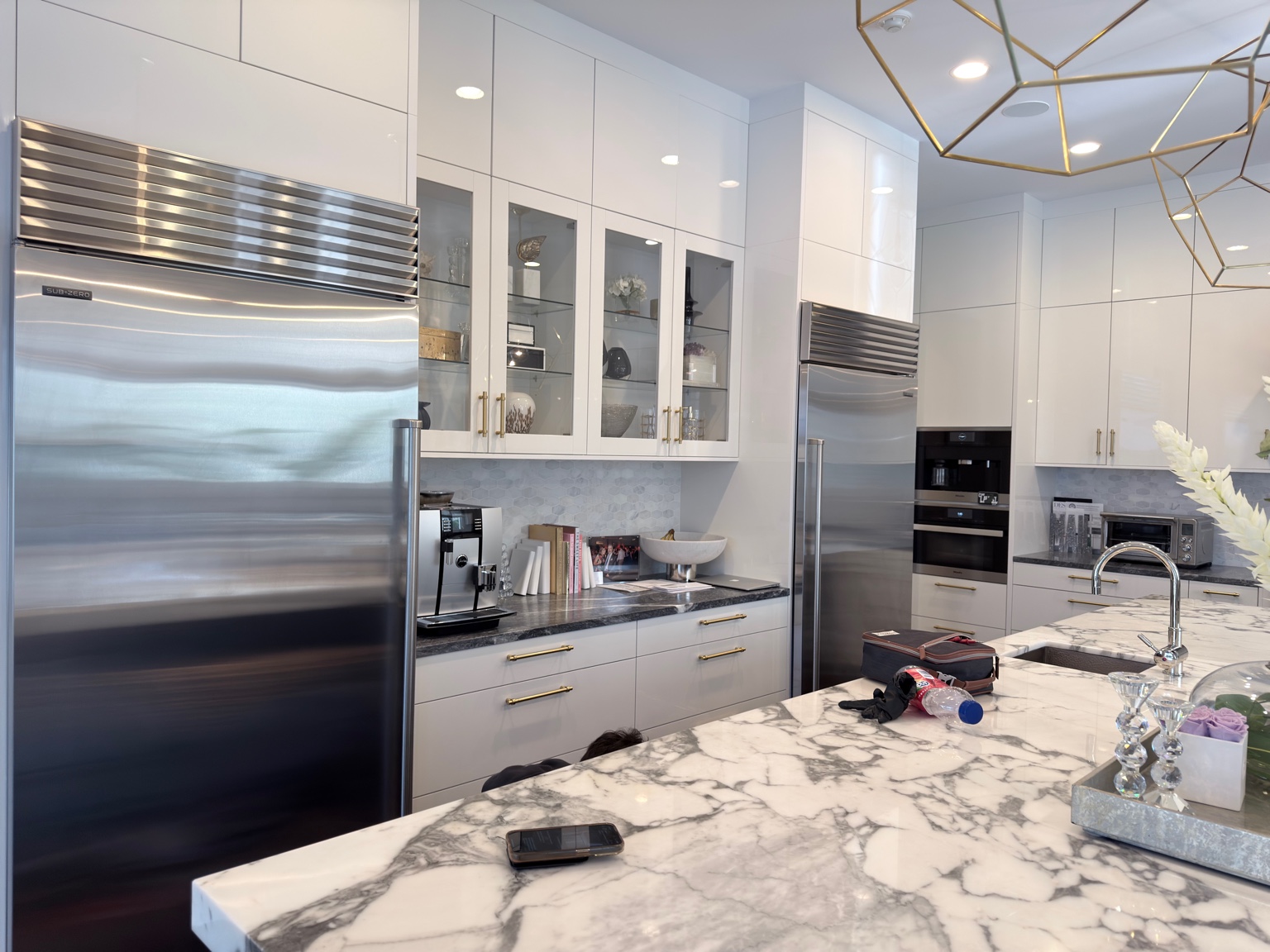
Dishwashers packed under stone counters, wall ovens pinned in tall cabinets, and panel-ready refrigeration often require careful removal before you can even reach the failure point. Time goes into safe access and reassembly, not “guessing parts.” - Stacked laundry installs and venting constraints
Many Brooklyn laundry closets are stacked, cornered, or behind doors. For dryers, vent routing and lint accumulation can create heat and airflow issues that mimic bad parts. For washers, drain height, standpipe setups, and vibration isolation matter more than people expect. - High-rise logistics and building policies
Freight elevator scheduling, COI requests, service windows, parking/loading rules, and doorman access can compress the working window. That affects whether a repair can be completed in one visit, especially if the unit must be pulled out and tested under load. - Supply stability and shared building infrastructure
Brownouts, weak circuits, shared gas pressure issues, and intermittent water supply problems can create “phantom” symptoms. In Brooklyn, we see more cases where the appliance is fine but the environment is causing resets, ignition lockouts, slow heating, or fill/ drain anomalies.
What changes in Manhattan
Manhattan appliance repairs often come down to access, building rules, and tight-space logistics, not just the failed part. The same symptom can be a one-visit fix in an open setup and a multi-step job in Manhattan because units are built into compact kitchens, stacked into closets, and surrounded by finished surfaces with almost zero clearance.
Ultra-tight installs and “no clearance” service conditions
In Manhattan, appliances are commonly boxed in by stone counters, tall cabinet towers, paneling, and adjacent fixtures. That changes the job from “replace a part” to “create safe access.”
- Protecting stone, cabinetry, floors, and panels becomes part of the repair.
- More in-place testing is required because pulling the unit out is not always possible.
- Reassembly and alignment matter (doors, panels, leveling, vibration, sealing).
Stacked laundry in closets
Many washer/dryer setups are stacked behind doors or inside narrow closets where full removal is disruptive and risky.
- In many cases, the technician can diagnose and service common failure points without fully unstacking the dryer, when the installation allows it.
- We rely on tight-space methods and diagnostic tooling (inspection cameras/borescopes, targeted electrical measurements under load, airflow/temperature verification, and platform-specific service access points).
- If unstacking is unavoidable, it’s treated as a controlled access operation, not a default step.
Building logistics and service window compression
Doormen, elevator reservations, COI requests, loading rules, and strict work hours can shrink the available working window.
- Access timing can determine whether a repair is finished same-visit or staged.
- Some failures require testing under real operating conditions, which is harder when the unit cannot be moved or run freely.
Utilities and infrastructure-driven “phantom symptoms”
Manhattan buildings can introduce symptoms that look like appliance failures.
- Voltage drop, weak circuits, shared gas issues, and inconsistent water supply/pressure can trigger resets, ignition lockouts, slow heating, or fill/drain anomalies.
- Diagnosis has to separate “appliance fault” from “site condition” before parts are ordered.
How We Approach Laundry Diagnosis
We do not assume the answer from a symptom alone. Laundry machines fail in patterns, but the same complaint can come from multiple causes.
Examples:
- “Dryer not heating” can be heater failure, power supply loss, gas ignition fault, airflow restriction, relay failure, or control failure
- “Washer not spinning” can be drain failure, suspension problem, door lock issue, motor problem, control issue, or an installation-related problem
- “Long dry time” can be a vent issue, internal machine issue, or normal behavior on certain ventless platforms that has become worse from poor maintenance
That is why the correct repair path is evidence first, parts second.
FAQ
Do you repair both washers and dryers in Brooklyn, Manhattan, and Queens?
Yes. This laundry hub covers washer and dryer repair across Brooklyn, Manhattan, and Queens, including apartment laundry units, stacked laundry systems, and compact installations.
What laundry brands do you service?
Samsung, GE, Whirlpool, LG, Electrolux, Miele, and Bosch.
Do you work on gas and electric dryers?
Yes. We diagnose gas dryers and electric dryers, including vented and many apartment laundry configurations.
Do you work on ventless and heat pump dryers?
Yes. We diagnose ventless condenser dryers and heat pump dryers. These platforms often require a more model-specific diagnostic path than standard vented dryers.
My dryer gets hot but clothes still stay damp. What should I check first?
One of the first things to verify is venting. If airflow is restricted, the dryer may still produce heat but dry poorly, overheat internally, or shut down incorrectly.
Are heat pump dryer repairs harder?
They can be. Heat pump dryers are not impossible, but they are less forgiving of guesswork. If the problem involves the compressor or sealed system, the repair path is usually longer and more situational than a standard gas or electric dryer repair.
Are gas dryers easier to repair than heat pump dryers?
In many cases, yes. Gas dryers can still be complex, but the heating system is usually more straightforward than a heat pump platform with refrigeration components.
Do you repair stacked washer dryer units?
Yes. We work on stacked and compact laundry setups common in NYC apartments and condos.
Can a washer leak because of installation and not just a bad part?
Yes. Hose routing, drain position, leveling, movement, oversudsing, and clearance issues can all contribute to leaks or leak-like complaints.
Can a dryer run normally and still have a power problem?
Yes. On many electric dryers, the motor can run while the heating circuit is compromised. That is why “it turns on” does not prove the heating system is receiving proper power.
Before You Book
Laundry appointments in NYC move faster when the first message includes the exact machine identity, access conditions, and what the unit is doing right now. For stacked sets, closet installs, and compact units, access matters almost as much as the failure itself. A clean first message helps reduce back-and-forth, avoids wrong parts lookup, and lowers the chance of a repeat visit.
Send This With Your Request
Please send the following before dispatch:
- Appliance type
- Brand
- Full model and serial photo
- Full address with ZIP code
- Best contact number for day-of coordination
- Clear description of what the machine does now
- Photo of any error code
- Short video if the issue is intermittent
- Photo of the installation if the unit is stacked, built into a closet, or hard to access
Access and Building Details
Include access details in the first message if any of these apply:
- Doorman building
- Freight or service elevator rules
- COI requirement
- Limited service hours
- Super or management approval needed
- Tight hallway, closet, or cabinet access
- Laundry unit stacked behind trim, shelving, or doors
What Helps Us Prepare Correctly
The most useful details are practical details, not general descriptions. Examples:
- Does it fail at the start, mid-cycle, or near the end
- Is the problem constant or intermittent
- Did it start after a power outage, leak, move, or recent cleaning
- Has another company already opened the machine
- Has any part already been replaced
- Is the unit still usable at all, or fully down
For Stacked and Compact Laundry Units
For stacked and compact laundry systems, send one full photo of the setup from a few steps back. That helps confirm service clearance, door swing, vent routing, hose routing, and whether anything has to be partially moved or coordinated before the visit.
For Dryer Appointments
For dryers, include these details if known:
- Gas or electric
- Vented or ventless
- Whether the unit heats at all
- Whether clothes come out hot, warm, or damp
- Whether the cycle ends too early
- Whether the vent has ever been cleaned
For Washer Appointments
For washers, include these details if known:
- Whether it fills
- Whether it drains
- Whether it spins
- Whether it leaks only during fill, wash, drain, or spin
- Whether the door stays locked
- Whether the machine has recently been moved or reinstalled
What Happens After Booking
Once the request is reviewed, the next step is dispatch confirmation based on route, access, and appliance category. If anything important is missing, we ask for it before the visit instead of guessing. That is the fastest way to keep the appointment usable and avoid avoidable delays.
Diagnostic Visit
The diagnostic visit is used to identify the actual failure path and determine whether repair is justified. The diagnostic fee is $99 and is credited toward an approved repair, as shown on the estimate before work begins.
Service Window Notes
Same-day and next-day availability depend on route density, borough, building rules, and the machine category. Delays usually come from missing model information, incomplete access details, or building restrictions that were not disclosed at the start.
Urgent Conditions
Include it immediately in the first message if any of the following are present:
- Active water leak
- Burning smell
- Breaker tripping
- Visible sparking
- Gas odor near the laundry area
- Repeated overheating
- Unit shutting down with signs of excess heat
Service Area
Primary laundry coverage includes:
- Brooklyn
- Manhattan
- Select Queens areas
Popular Brands