

.avif)
Bosch Appliance Repair in Brooklyn & Manhattan, NYC
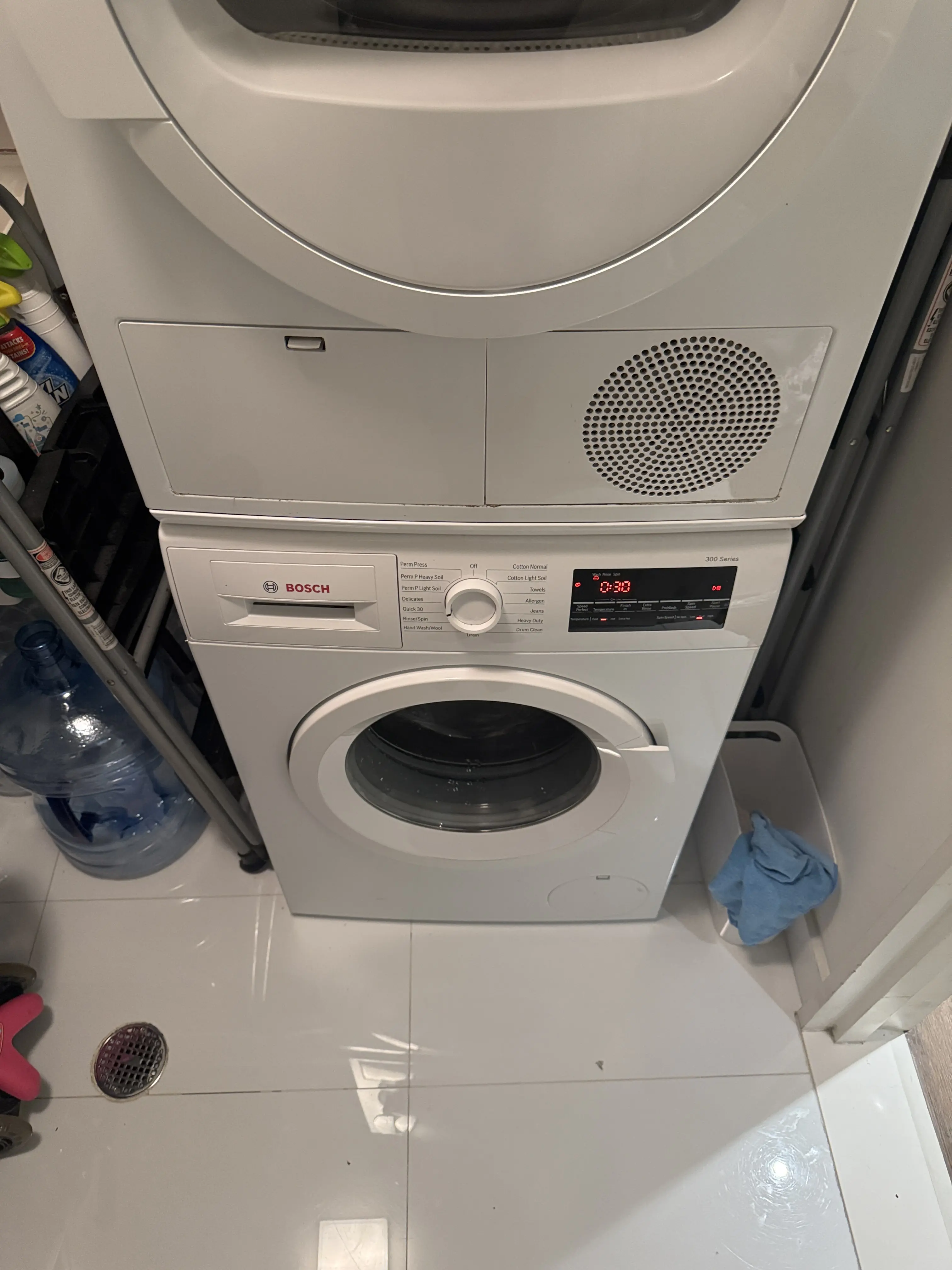

Affordable Bosch appliance repair in New York
- Service: Residential Bosch appliance repair, diagnostics-first
- Coverage: Brooklyn, Manhattan below 96th St, selected Queens ZIPs
- Appliances: Cooking and Baking, Refrigerators and Freezers, Dishwashers, Washers and Dryers
- Built-ins: Panel-ready and integrated units supported when access and shutoffs are workable
- Reviews: Google Business Profile shows 5.0 rating across 26 reviews
- Note: Independent repair company, not affiliated with Bosch
Quick Facts NYC-Ready
- Diagnostic fee: $99, credited toward the repair if you move forward
- Warranty: 180-day parts and labor warranty on completed repairs
- Parts standard: OEM parts only
- Building access: Licensed and insured, COI available for building management
- Hours: Monday to Saturday, 9:00 AM to 6:00 PM
- Arrival windows: 9 to 11, 11 to 1, 1 to 3, 3 to 5
What We Service Bosch
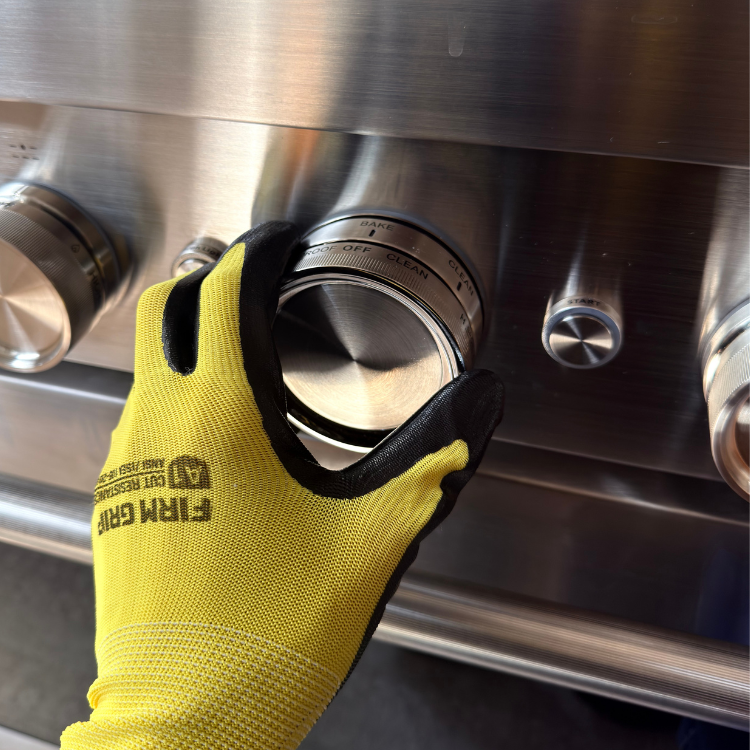
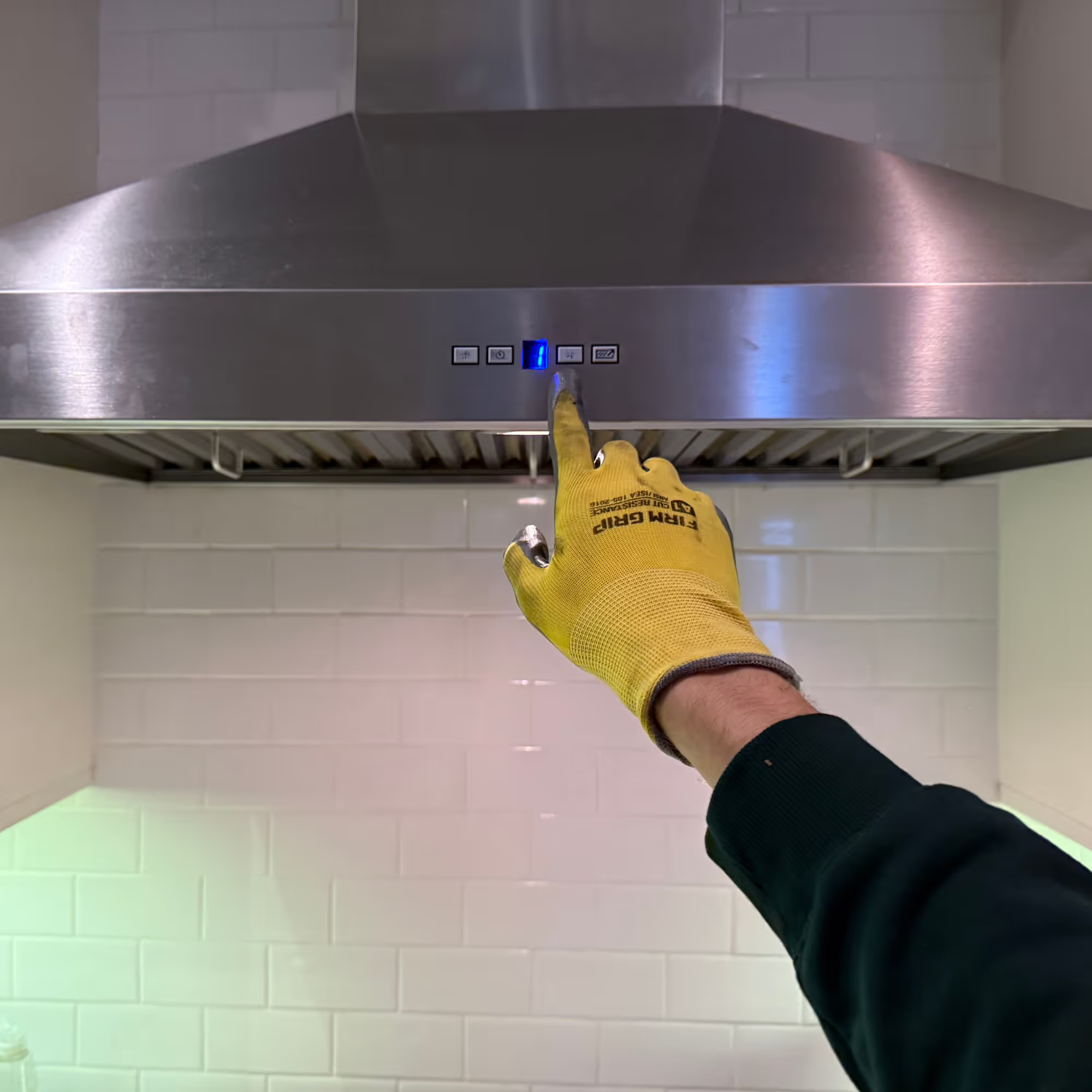
- Bosch wall ovens, ranges, cooktops, and ventilation-related electrical issues tied to cooking performance
- Bosch refrigerators, freezers, and integrated refrigeration
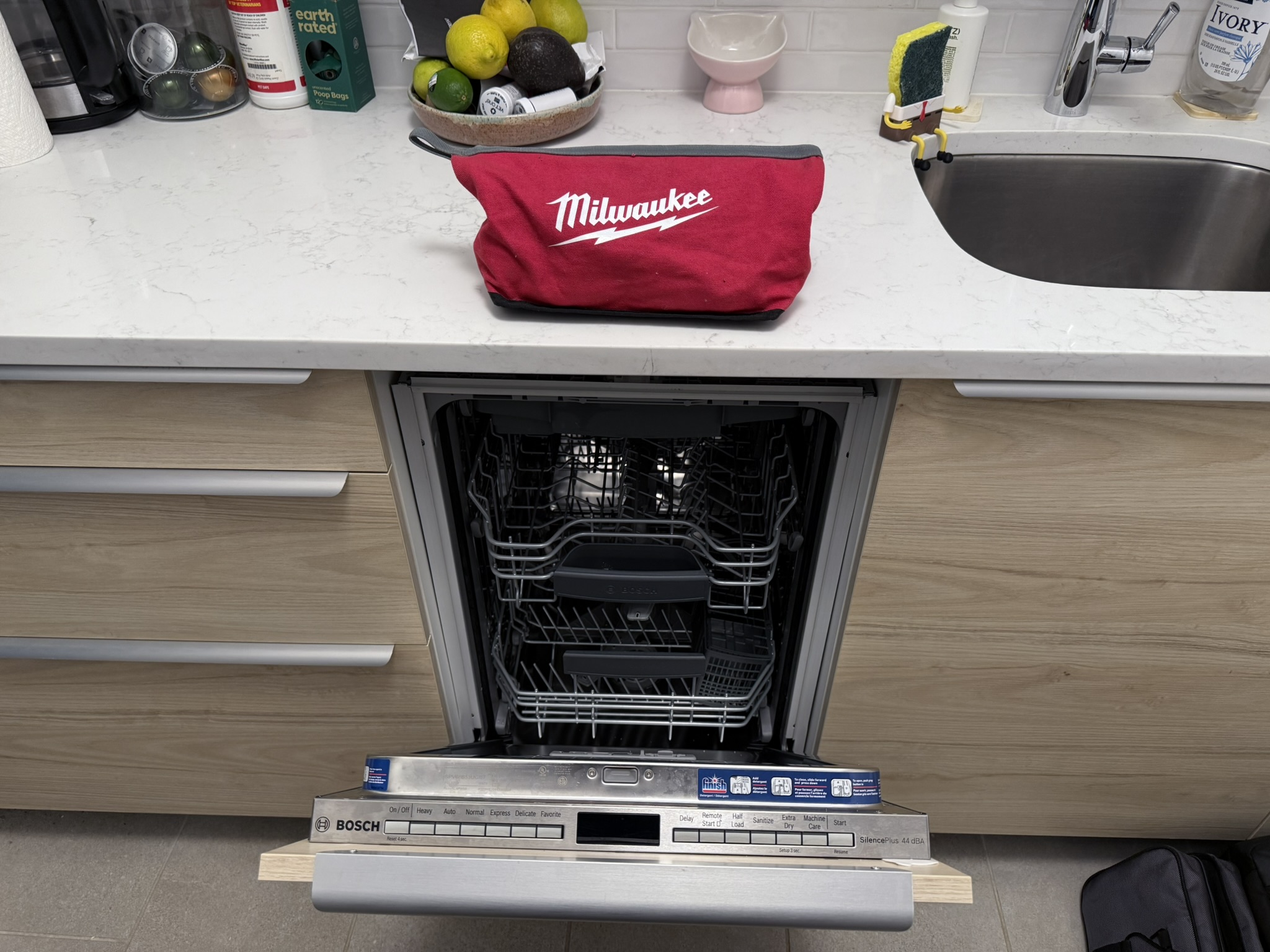
- Bosch dishwashers, including panel-ready units
- Bosch washers and dryers, electric and gas where applicable
If you are unsure what you have, send a photo of the model and serial tag and any displayed code. We confirm scope before dispatch.
.avif)
Homeowner, DUMBO

Related offers
Explore our helpful Bosch services
.png)
.JPEG)
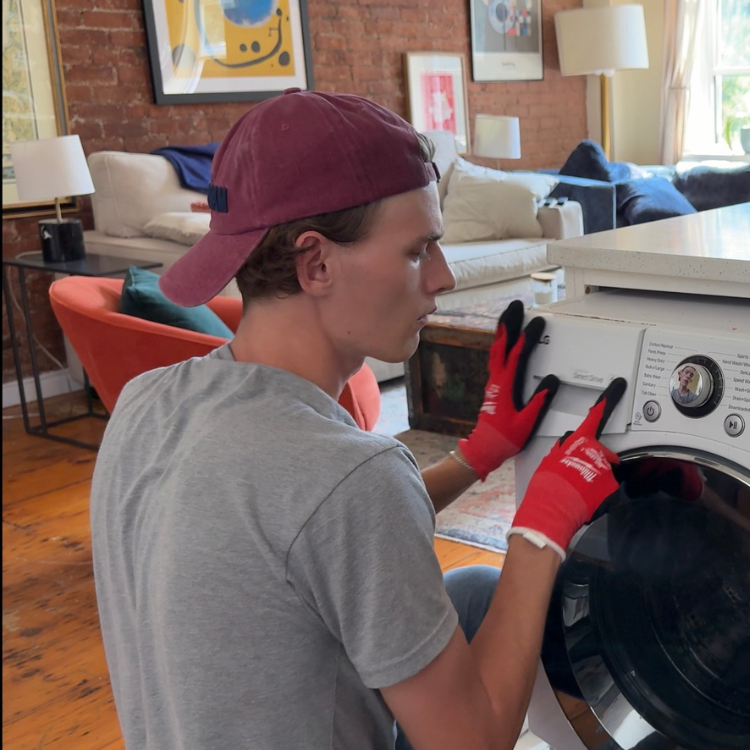
Dishwasher, Brooklyn
How Bosch Appliance Repair Works in NYC
Why Bosch repairs need platform-specific diagnosis
Bosch appliances are compact, engineered tightly, and often sensitive to installation conditions.
- A dishwasher problem may be caused by drainage, fill behavior, circulation, leak detection, or access restrictions under the counter.
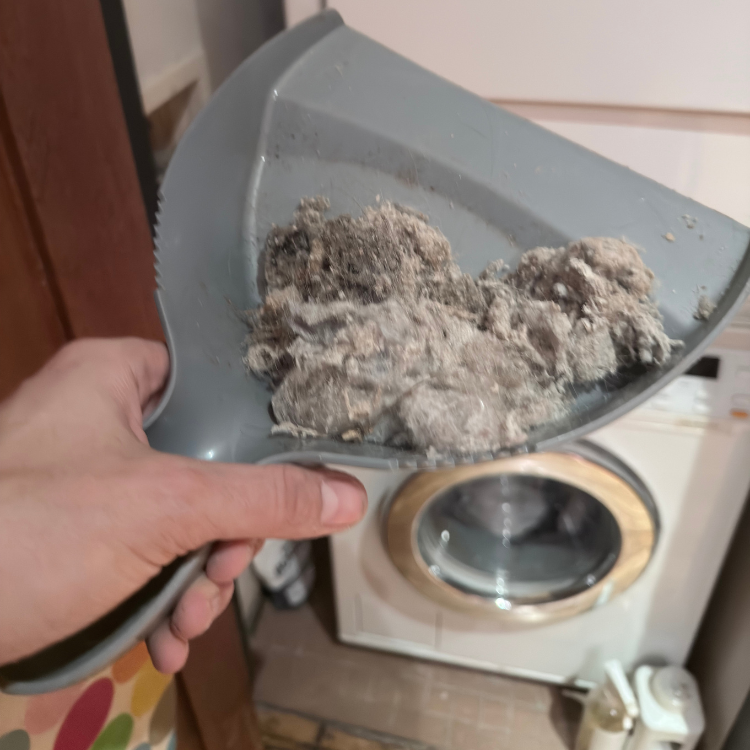
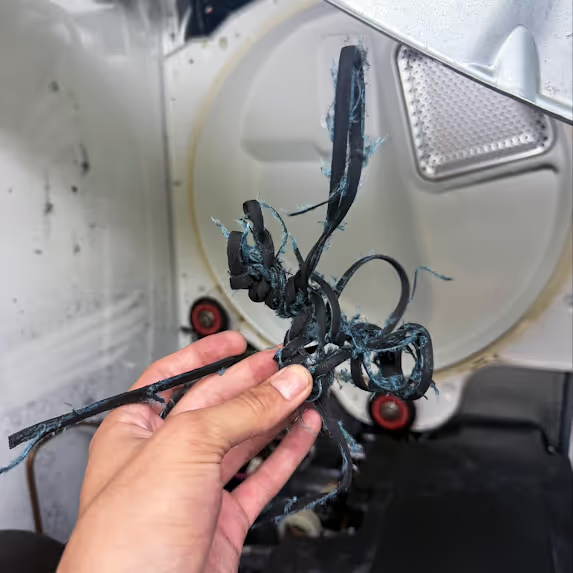
- A dryer complaint may be caused by airflow, venting, lint loading, heating failure, or moisture-sensing behavior.
- A washer symptom may come from drainage, fill control, suspension, pump performance, or a secondary fault that looks like a main failure.
- An oven or cooktop issue may involve ignition, temperature regulation, relay/control behavior, or supply-related problems outside the appliance itself.
That is why the first step is always diagnosis, not part ordering.
How Bosch appliance repair works at Volt & Vector
1. Product and installation review
Before touching parts, we identify the Bosch platform, installation style, and service access.
- Built-in vs freestanding
- Stacked vs side-by-side laundry
- Hardwired vs cord-connected
- Drain, vent, water, and electrical layout
- Cabinet, panel, and clearance limitations
This matters because the same symptom can require a different repair path depending on how the appliance is installed.
2. Symptom verification
We verify the customer’s complaint under real conditions whenever possible.
- Does the unit fail immediately or only mid-cycle?
- Is the issue constant or intermittent?
- Is the symptom load-related, heat-related, or time-related?
- Is the appliance failing, or is the environment causing the failure?
This is where experience matters. Many “bad part” calls are actually caused by airflow restriction, drain conditions, weak supply, installation pressure, or access-related stress on the machine.
3. Electrical, mechanical, and functional testing
Once the symptom is confirmed, the technician isolates the failure path.
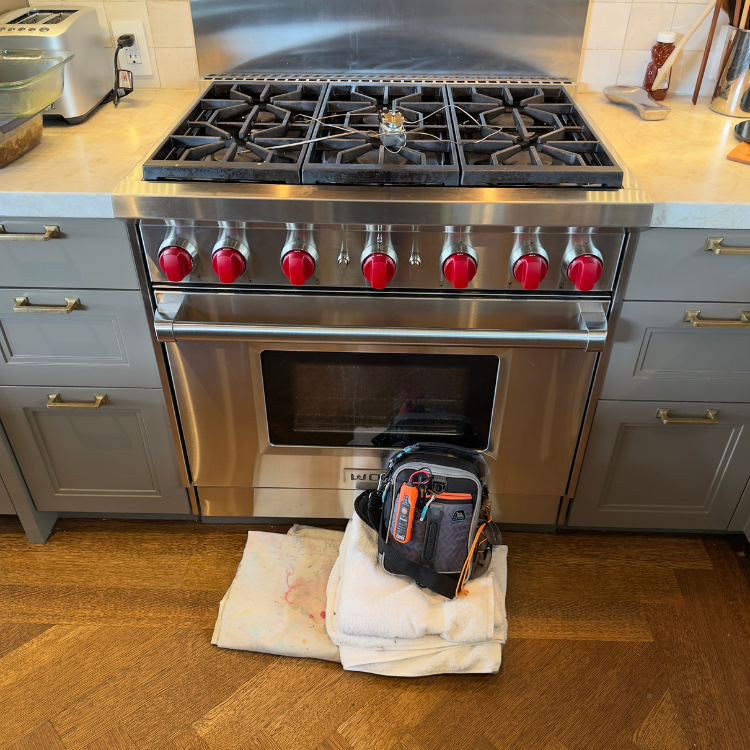
- Electrical measurements where relevant
- Functional checks of core components
- Access-based inspection of known wear or failure points
- Elimination of secondary causes before recommending parts
We do not treat Bosch repairs as trial and error. The goal is to identify the actual failed component or condition before moving forward.
4. Tight-space access strategy
In NYC, access is often half the job.
- Dishwashers may be locked under stone counters or surrounded by finished cabinetry
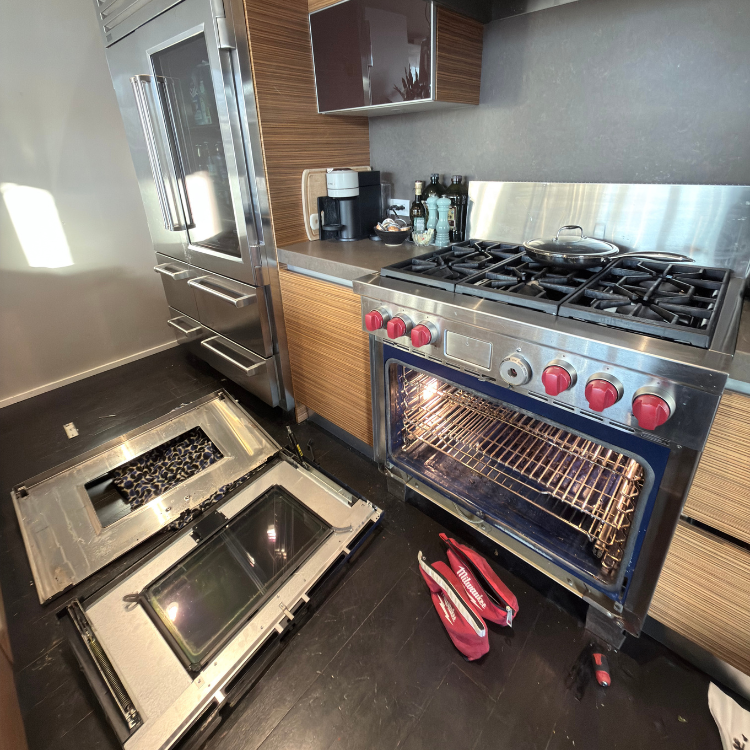
- Wall ovens may be pinned inside tall cabinets
- Bosch laundry may be stacked in narrow closets or alcoves
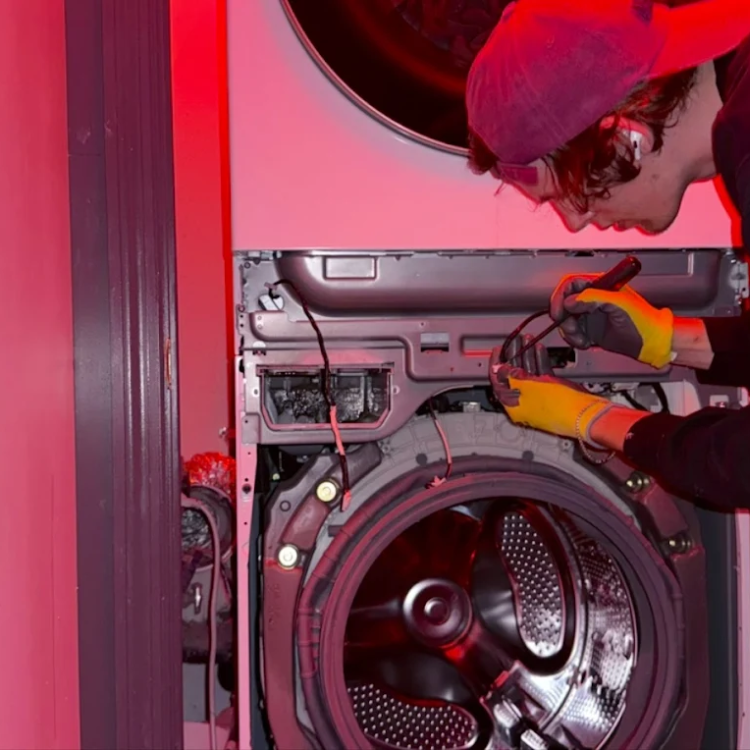
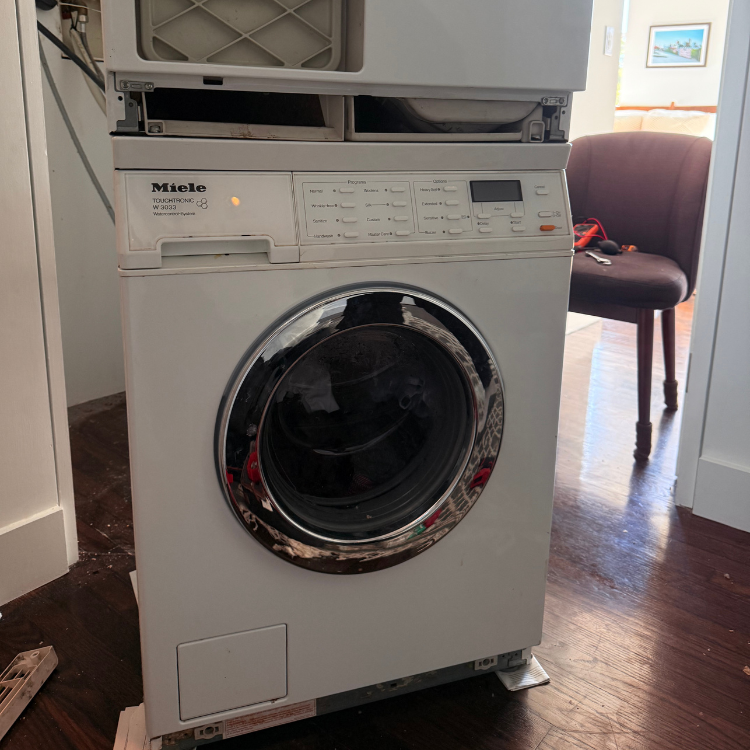
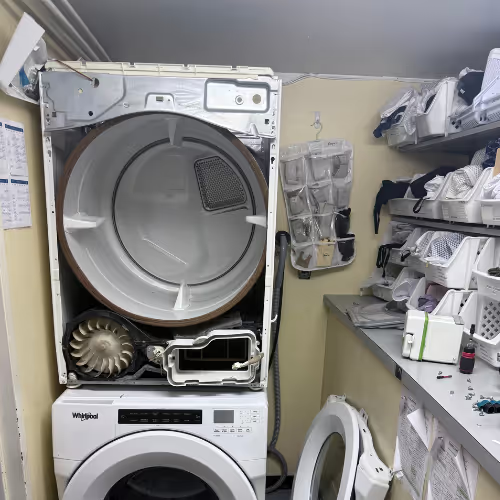
Where the installation allows it, our technicians use advanced access methods and diagnostic tools to reach common service points without unnecessary teardown. In many stacked Bosch dryer situations, full removal is not the first move. The technician may be able to diagnose and complete the repair through controlled access, targeted disassembly, and platform-specific service technique.
5. Repair recommendation
After diagnosis, we explain the repair path clearly.
- What failed
- Why it failed
- What needs to be replaced, repaired, or corrected
- Whether the repair is practical and economically reasonable
If the environment is causing the issue, that is addressed directly. If the machine is repairable, we proceed based on the diagnosed fault, not on guesswork.
6. Parts and return visit planning
Some Bosch repairs are one-visit jobs. Others require a return visit because the unit must first be diagnosed correctly, then matched with the proper replacement part.
That is normal for built-in and premium appliance repair. Correct diagnosis first is what prevents wasted parts, repeat failures, and unnecessary labor.
7. Final testing and verification
After the repair, the appliance is tested again.
- Function under load
- Fill, drain, heat, airflow, or ignition behavior as applicable
- Basic leak or safety verification where relevant
- Reassembly and fit check for built-in or tight-access installs
The repair is not finished when the part is installed. It is finished when the machine operates correctly and the installation is left properly reassembled.
What Bosch repair experience looks like in practice
Real Bosch repair experience is not “we fix Bosch.” It is knowing what usually goes wrong, what only looks like a failed part, and how access changes the job.
At Volt & Vector, that means:
- Recognizing common Bosch symptom patterns
- Understanding how NYC installations distort normal diagnostics
- Working carefully around finished cabinets, panels, and compact laundry closets
- Avoiding unnecessary part-guessing
- Using a diagnostics-first process before recommending repair
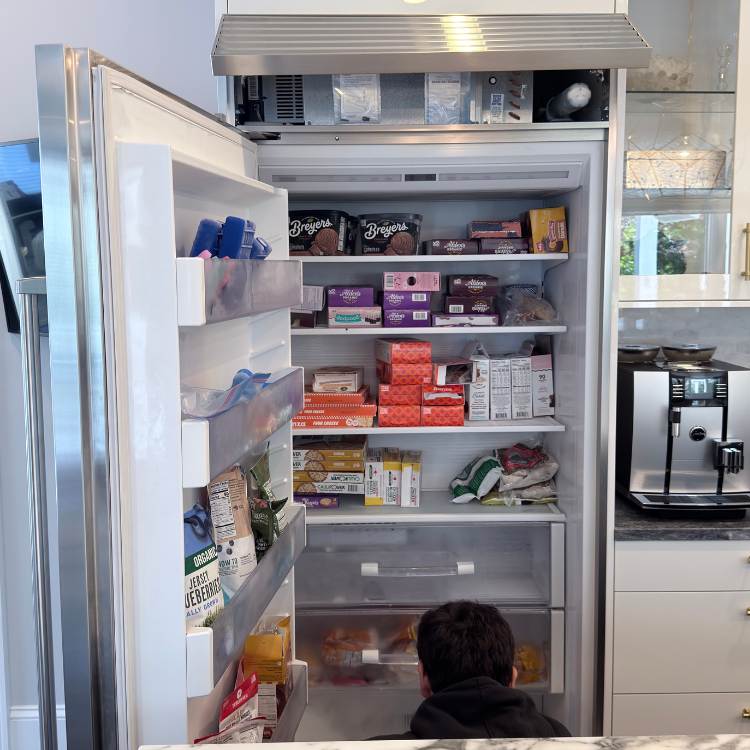
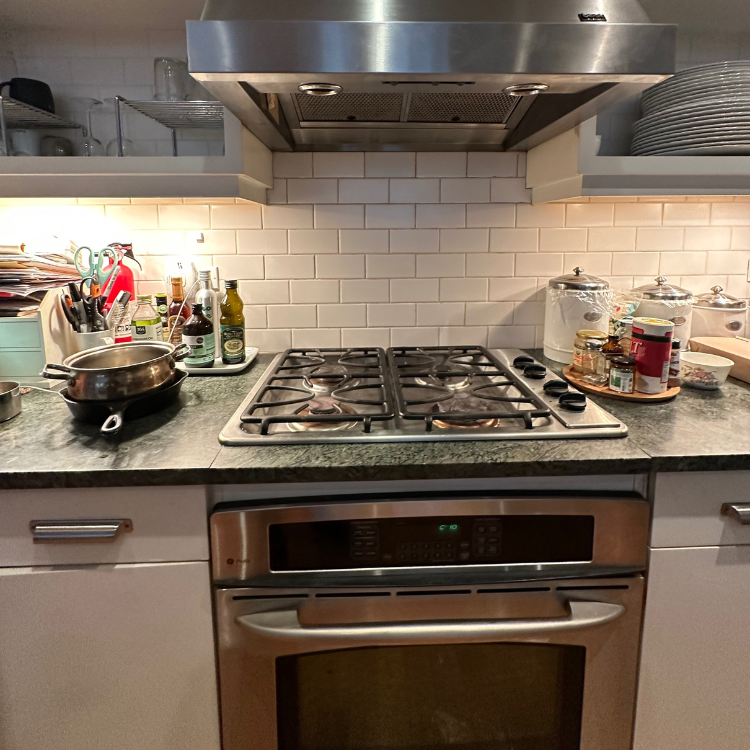
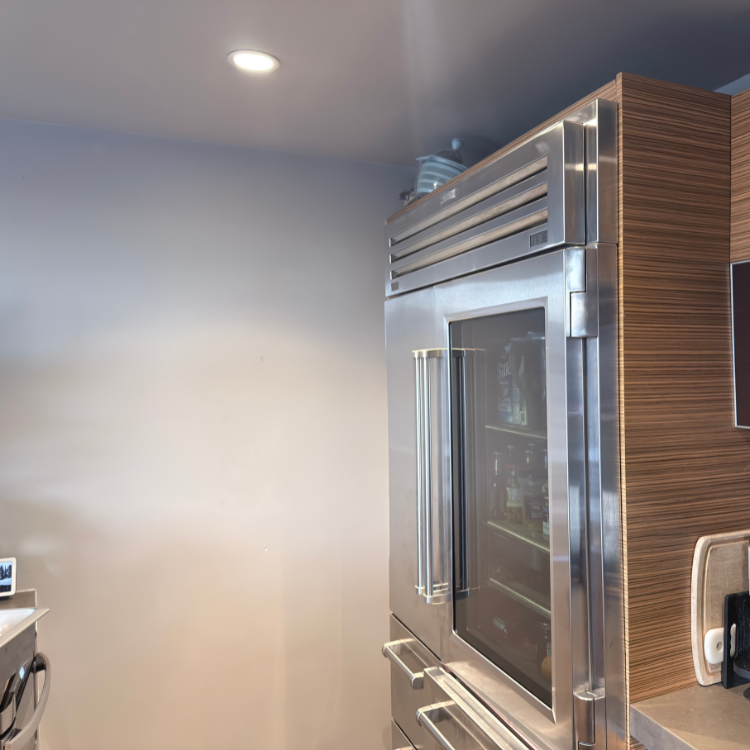
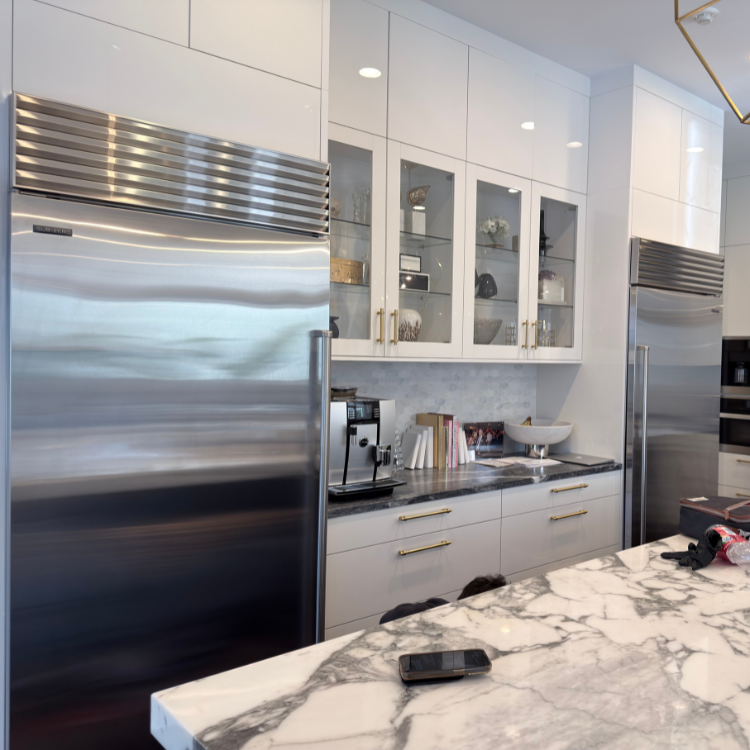
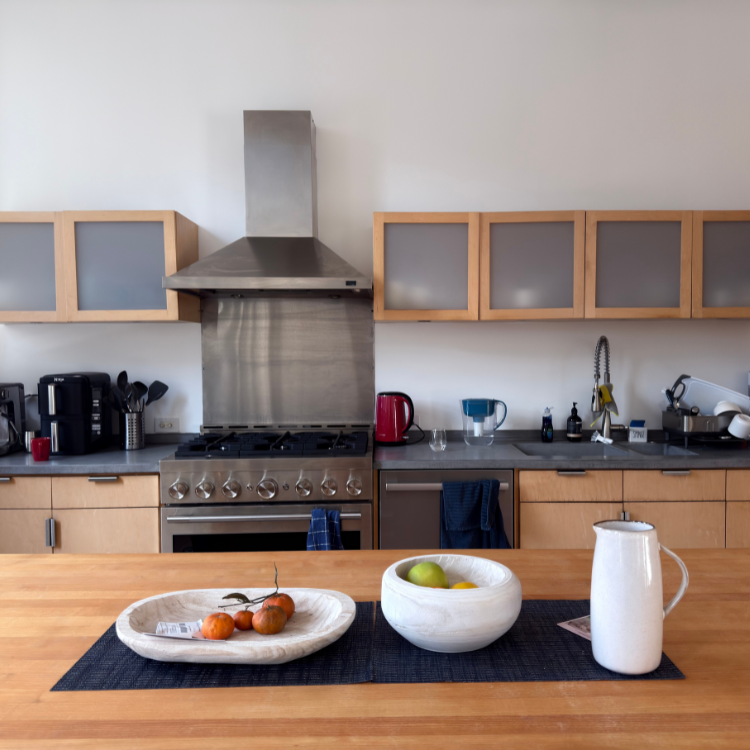
Photos from real jobs: what we found, what we tested, and what we fixed.
Homeowner, DUMBO
Before You Book
What We Service (Bosch in NYC)
We diagnose and repair Bosch residential appliances in New York City, including:
- Bosch refrigerators and freezers
- Bosch dishwashers
- Bosch ovens, ranges, cooktops, and ventilation
- Bosch washers and dryers
What You Should Send Before Dispatch
To shorten diagnosis and reduce repeat visits, send:
- Appliance type
- Photo of the Bosch model and serial tag with the full text visible
- Symptom pattern: when it happens, how often, and what changed
- Photo of any error code or indicator lights
- Installation type: built-in, stacked, panel-ready, or in a tight cutout
- Short video if the issue is intermittent, especially for noise, drainage, vibration, ignition, or airflow complaints
Diagnostic Visit
A diagnostic visit confirms the failure mode with real checks and measurements and gives a clear repair direction. The diagnostic fee is $99 and is credited toward the repair if the repair is approved, as stated on the estimate before work starts.
Same Day vs Next Day
Scheduling depends on technician route density, building access rules, and the Bosch appliance category. If your building requires a COI, elevator coordination, or restricted service windows, include that in the first message so the visit can be confirmed without delays.
Safety and Urgent Conditions
Include it in your booking message if any of the following are present:
- Gas odor
- Breaker tripping
- Burning smell
- Visible arcing
- Active water leak
- Repeated ignition attempts on gas cooking equipment
- Appliance shutting off with signs of overheating
Service Area
We operate across NYC with primary coverage in Brooklyn and Manhattan, plus select Queens areas. If you are not sure whether your address is in range, send the ZIP code with your booking request.
How to Book
Use the booking form to request a visit. For the fastest confirmation, attach the Bosch model/serial photo and any error code photo in the first message.
Contact
Phone: +1 (332) 333-1709
Email: voltnvector@gmail.com
Or book through your preferred contact method listed on the site.
Homeowner, Manhattan
Property Owner, Lower Manhattan
Property Owner, Brooklyn

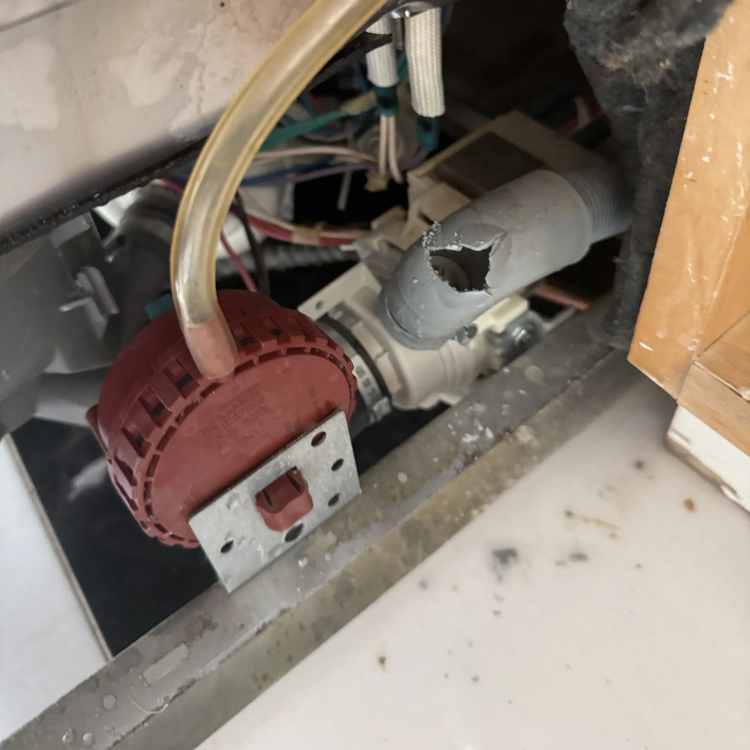
Homeowner, DUMBO

Property Owner, Brooklyn
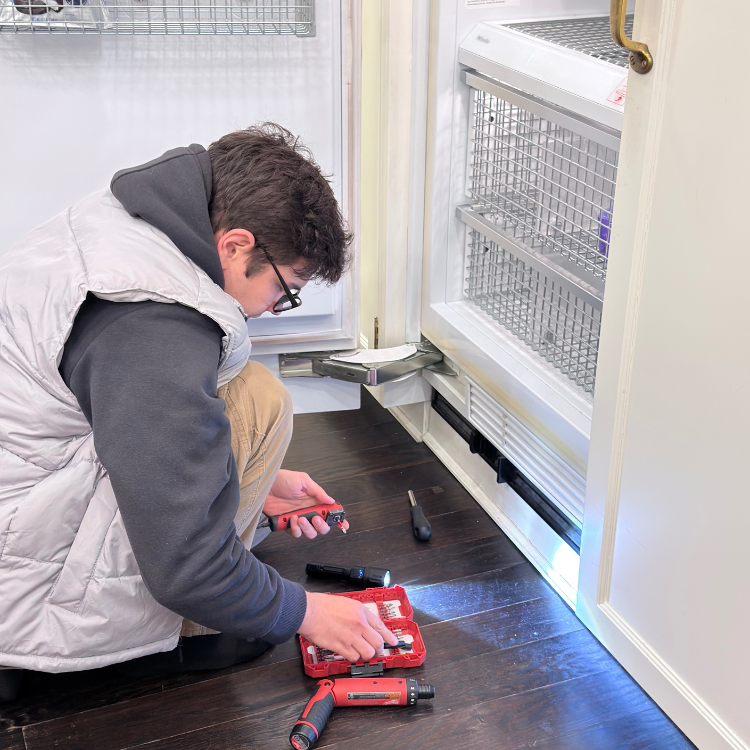
Homeowner, Downtown Brooklyn

.avif)
Homeowner, Clinton Hill
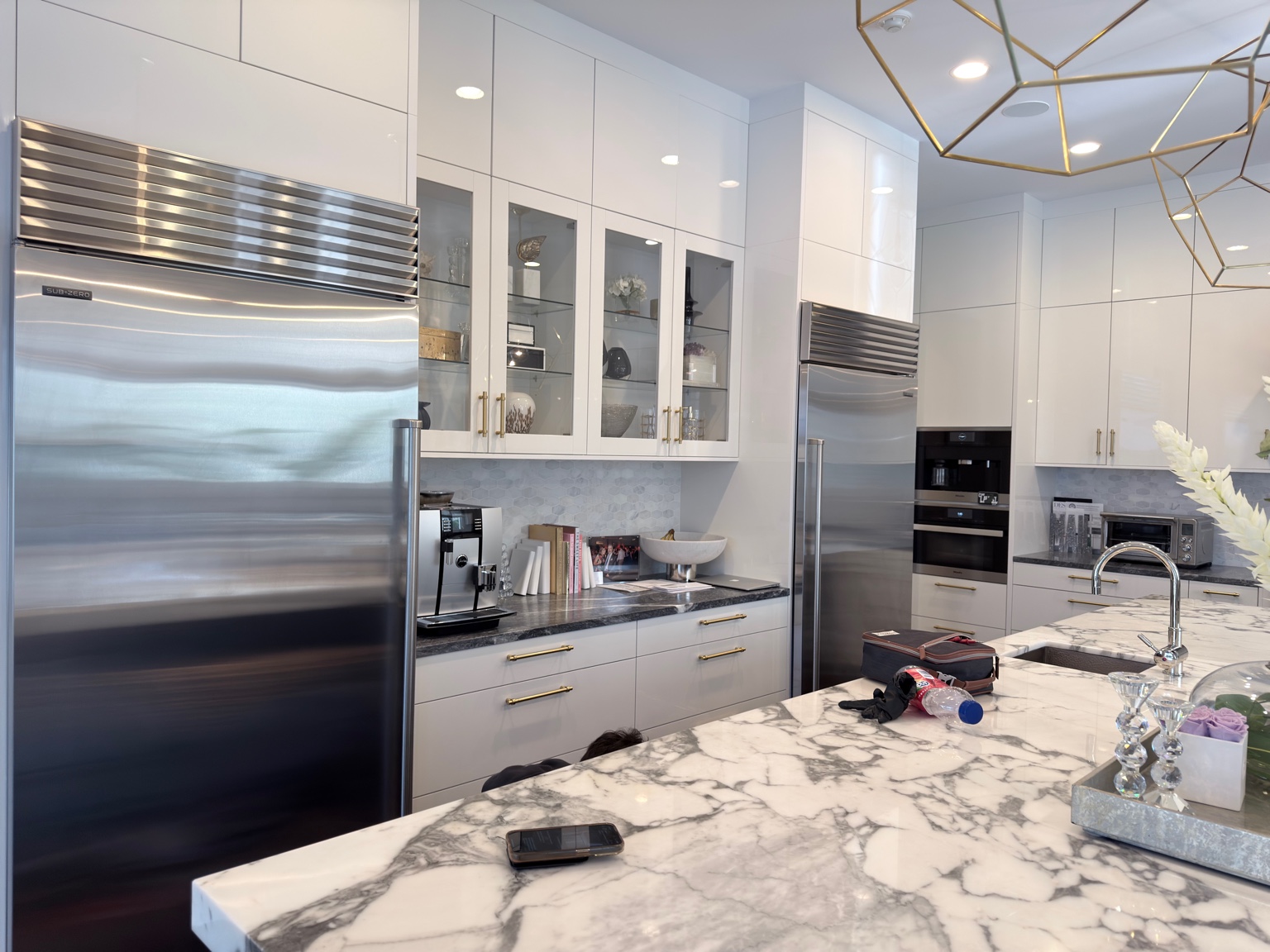
Homeowner, Clinton Hill
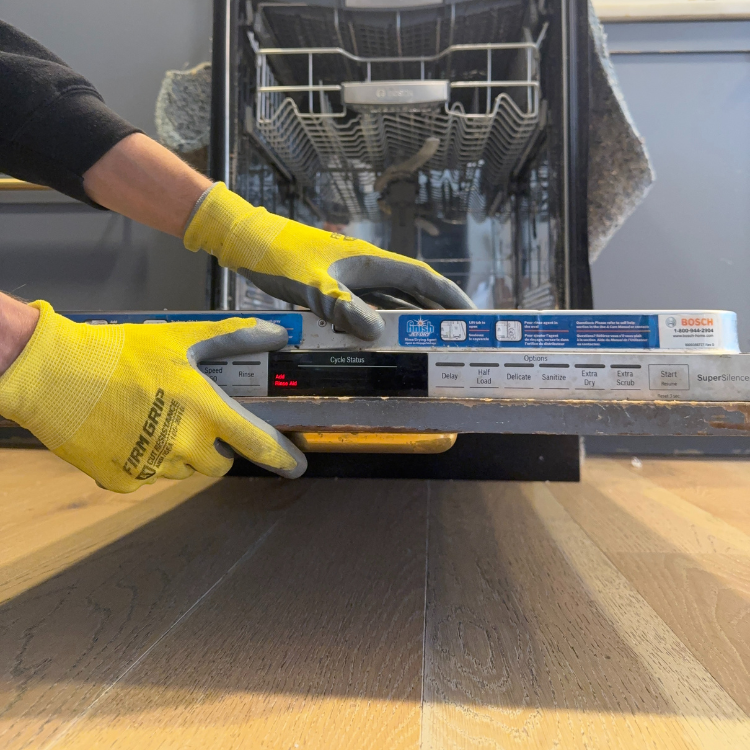
Homeowner, Clinton Hill
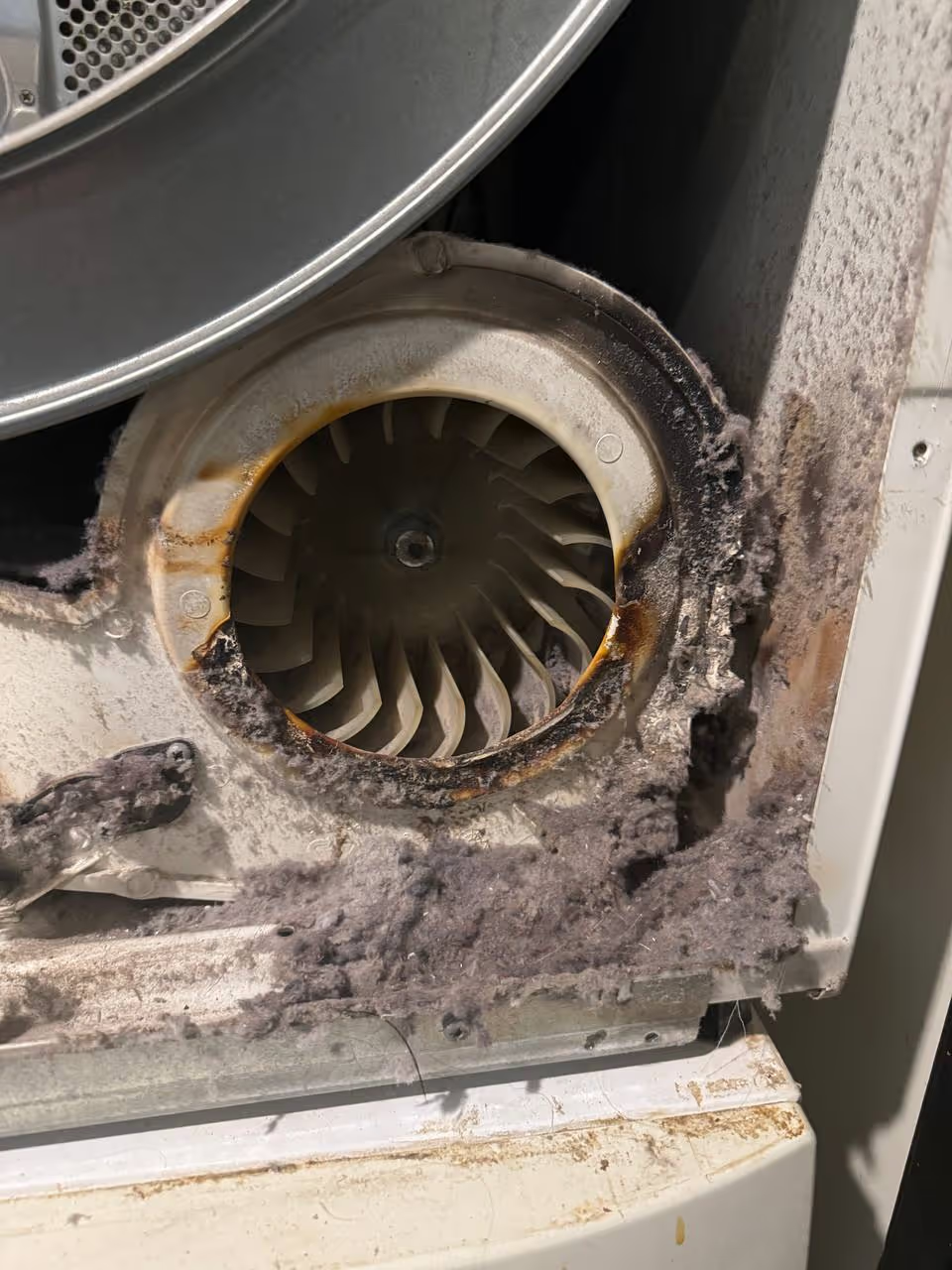
Homeowner, Clinton Hill
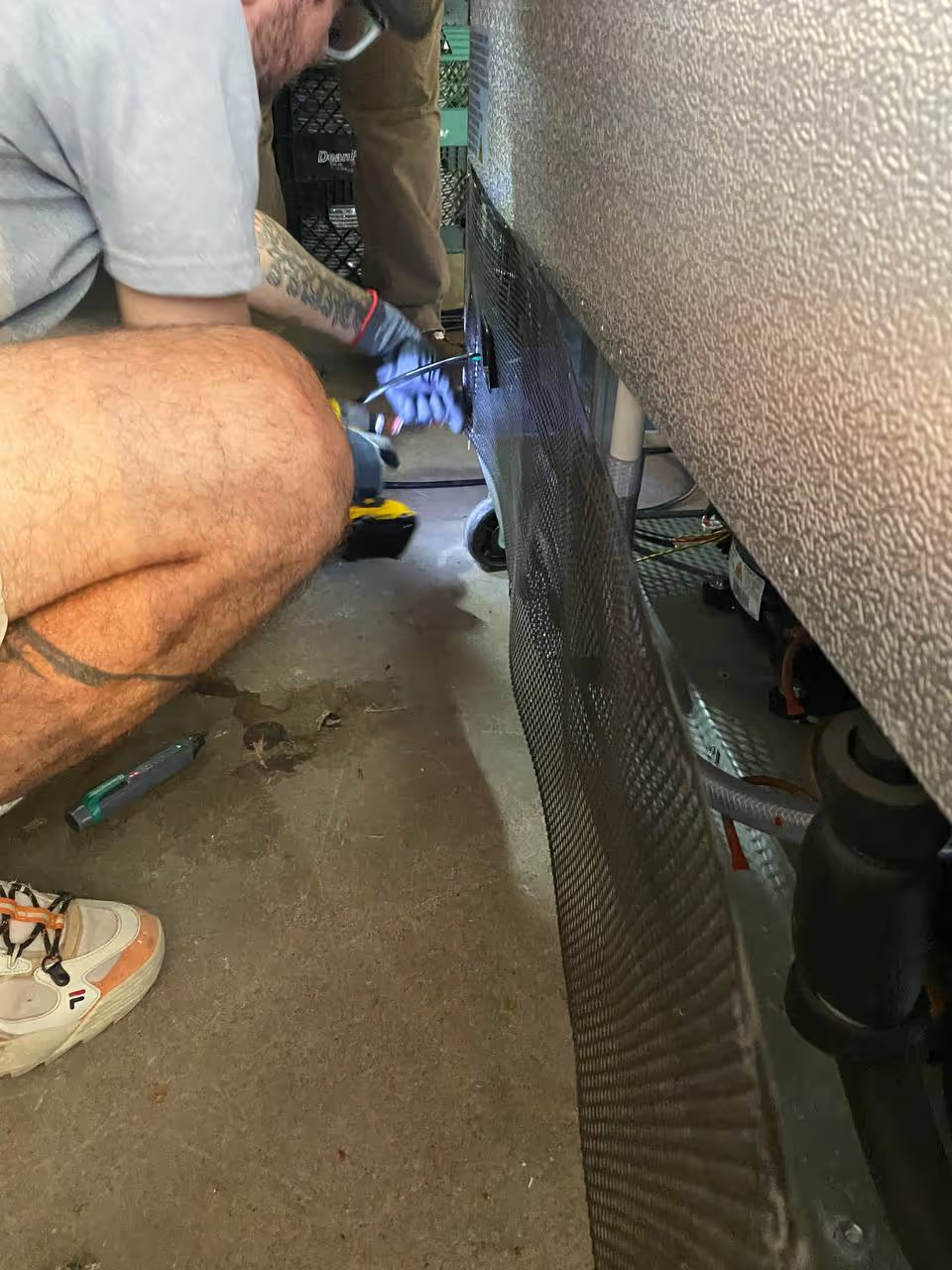
Homeowner, Clinton Hill
Homeowner, Clinton Hill
Property Manager, Manhattan
What changes in Brooklyn
Brooklyn appliance repairs often come down to access, building rules, and logistics, not just the failed part. The same symptom can be a one-visit fix in a suburban setup and a multi-step job in Brooklyn because of tight installs, co-op/condo requirements, and limited on-site testing space.
What changes in Brooklyn
- Tight cabinetry and built-ins
Dishwashers packed under stone counters, wall ovens pinned in tall cabinets, and panel-ready refrigeration often require careful removal before you can even reach the failure point. Time goes into safe access and reassembly, not “guessing parts.” - Stacked laundry installs and venting constraints
Many Brooklyn laundry closets are stacked, cornered, or behind doors. For dryers, vent routing and lint accumulation can create heat and airflow issues that mimic bad parts. For washers, drain height, standpipe setups, and vibration isolation matter more than people expect. - High-rise logistics and building policies
Freight elevator scheduling, COI requests, service windows, parking/loading rules, and doorman access can compress the working window. That affects whether a repair can be completed in one visit, especially if the unit must be pulled out and tested under load. - Supply stability and shared building infrastructure
Brownouts, weak circuits, shared gas pressure issues, and intermittent water supply problems can create “phantom” symptoms. In Brooklyn, we see more cases where the appliance is fine but the environment is causing resets, ignition lockouts, slow heating, or fill/ drain anomalies.
What changes in Manhattan
Manhattan appliance repairs often come down to access, building rules, and tight-space logistics, not just the failed part. The same symptom can be a one-visit fix in an open setup and a multi-step job in Manhattan because units are built into compact kitchens, stacked into closets, and surrounded by finished surfaces with almost zero clearance.
Ultra-tight installs and “no clearance” service conditions
In Manhattan, appliances are commonly boxed in by stone counters, tall cabinet towers, paneling, and adjacent fixtures. That changes the job from “replace a part” to “create safe access.”
- Protecting stone, cabinetry, floors, and panels becomes part of the repair.
- More in-place testing is required because pulling the unit out is not always possible.
- Reassembly and alignment matter (doors, panels, leveling, vibration, sealing).
Stacked laundry in closets
Many washer/dryer setups are stacked behind doors or inside narrow closets where full removal is disruptive and risky.
- In many cases, the technician can diagnose and service common failure points without fully unstacking the dryer, when the installation allows it.
- We rely on tight-space methods and diagnostic tooling (inspection cameras/borescopes, targeted electrical measurements under load, airflow/temperature verification, and platform-specific service access points).
- If unstacking is unavoidable, it’s treated as a controlled access operation, not a default step.
Building logistics and service window compression
Doormen, elevator reservations, COI requests, loading rules, and strict work hours can shrink the available working window.
- Access timing can determine whether a repair is finished same-visit or staged.
- Some failures require testing under real operating conditions, which is harder when the unit cannot be moved or run freely.
Utilities and infrastructure-driven “phantom symptoms”
Manhattan buildings can introduce symptoms that look like appliance failures.
- Voltage drop, weak circuits, shared gas issues, and inconsistent water supply/pressure can trigger resets, ignition lockouts, slow heating, or fill/drain anomalies.
- Diagnosis has to separate “appliance fault” from “site condition” before parts are ordered.
Popular Brands